
Ruanda
In the first phase, those Rwandan coffee beans on the counter of that store could look like another bag, more precisely a bean with a missing vowel in its name. But the history of the coffee industry in Rwanda has not o…
55 Produkte
Danesi Caffè
Monorigine Ruanda
10,90 $
Medium
Whittard
Limited Editon Rwanda Abadatezuka Co-op Gwiza Women's Coffee
7,50 $
Light
Grumpy Mule
RWANDA DUKUNDEKAWA MUSASA GROUND COFFEE
7,00 $
Light
Sightglass Coffee
Summer Solstice
21,11 $
PT'S Coffee
Kinini Village AA Washed
21,61 $
Medium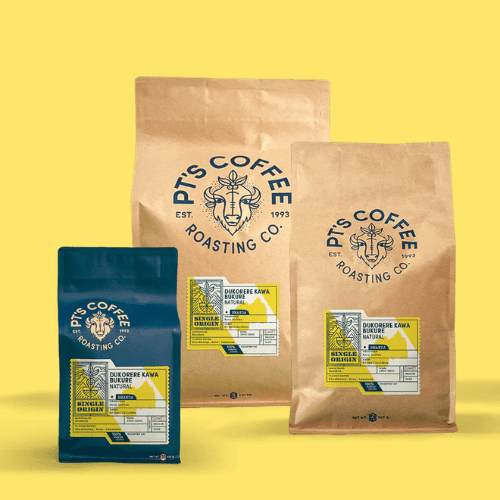
PT'S Coffee
Dukorere Kawa Bukure Natural
21,10 $
Light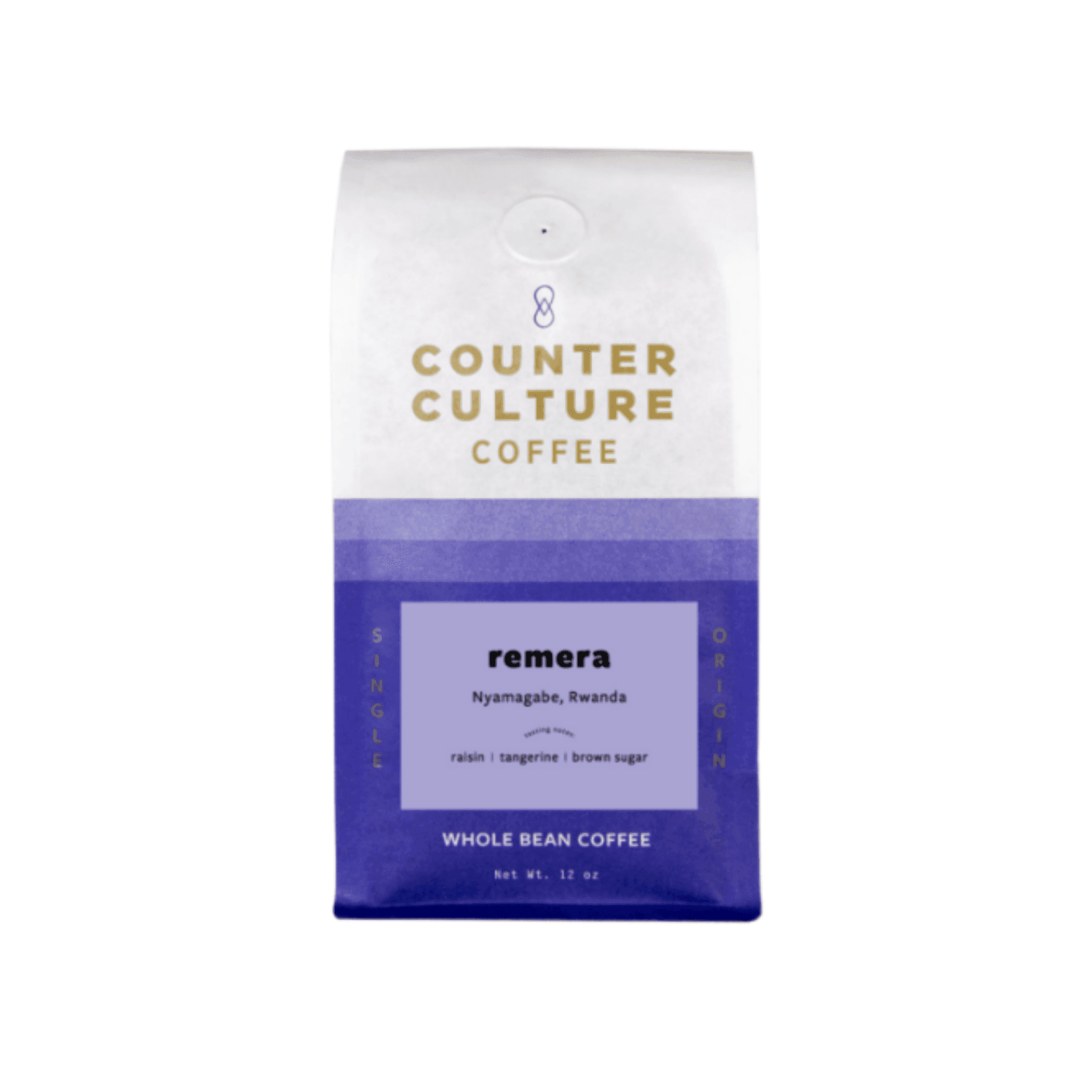
Counter Culture
Remera
19,03 $
Medium
Loyal Coffee
Rwanda - Kinini Washed
23,81 $
Medium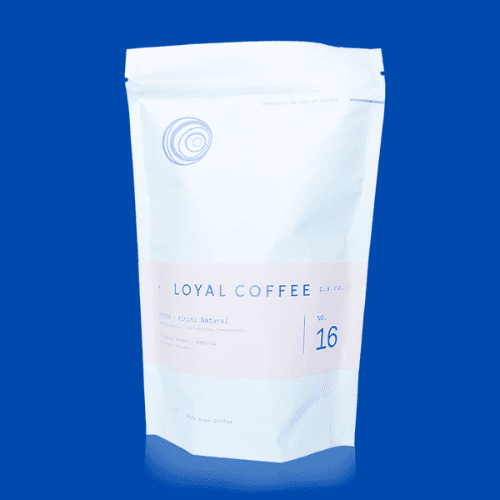
Loyal Coffee
Rwanda - Kinini Natural
24,75 $
Medium
Grand Coffee
Rwanda Kanzu Lot #4
20,84 $
Medium
Deeper Roots Coffee
KININI NATURAL | RWANDA
19,49 $

Deeper Roots Coffee
KININI WASHED | RWANDA
19,01 $
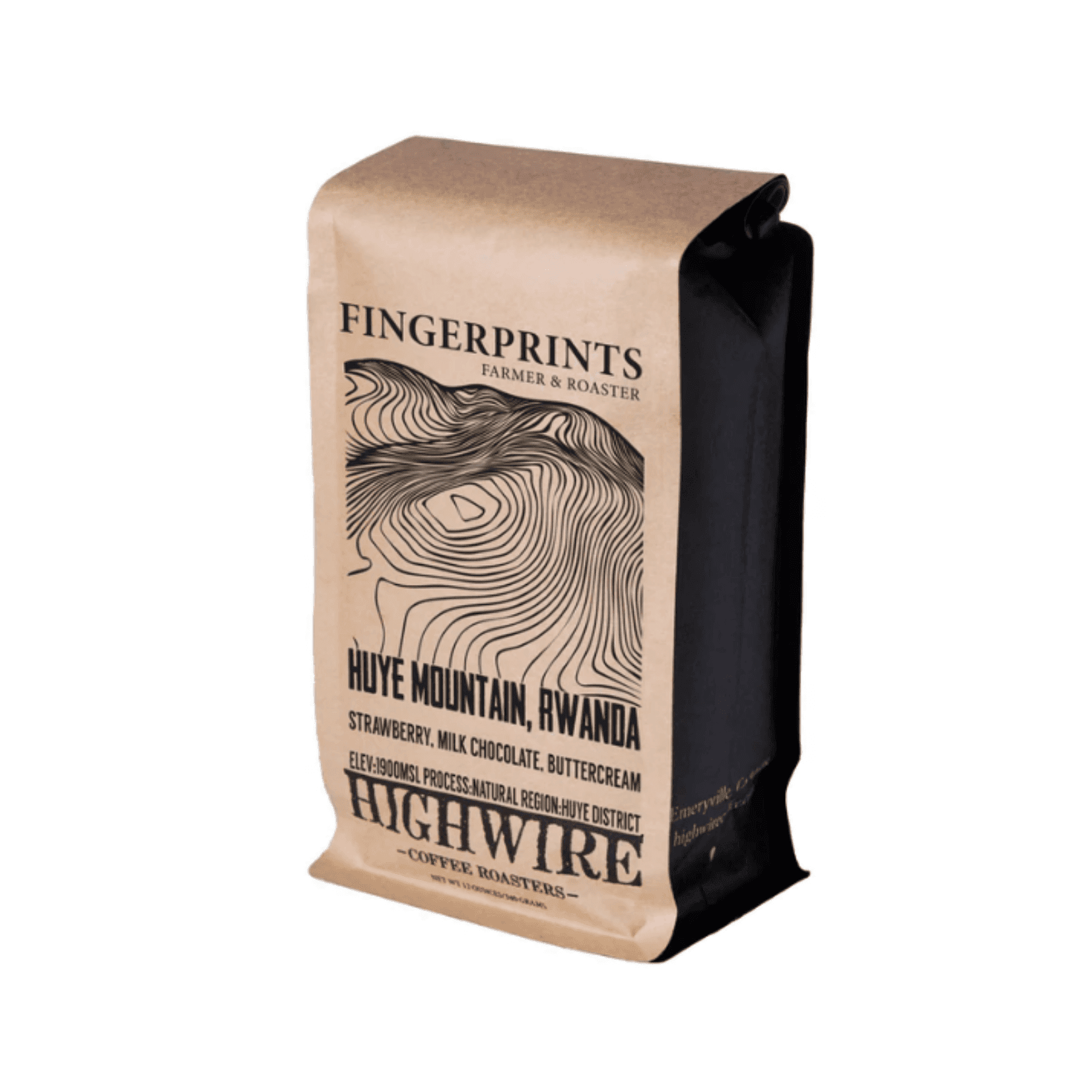
Highwire
Huye Mountain Natural, Rwanda
20,06 $
Light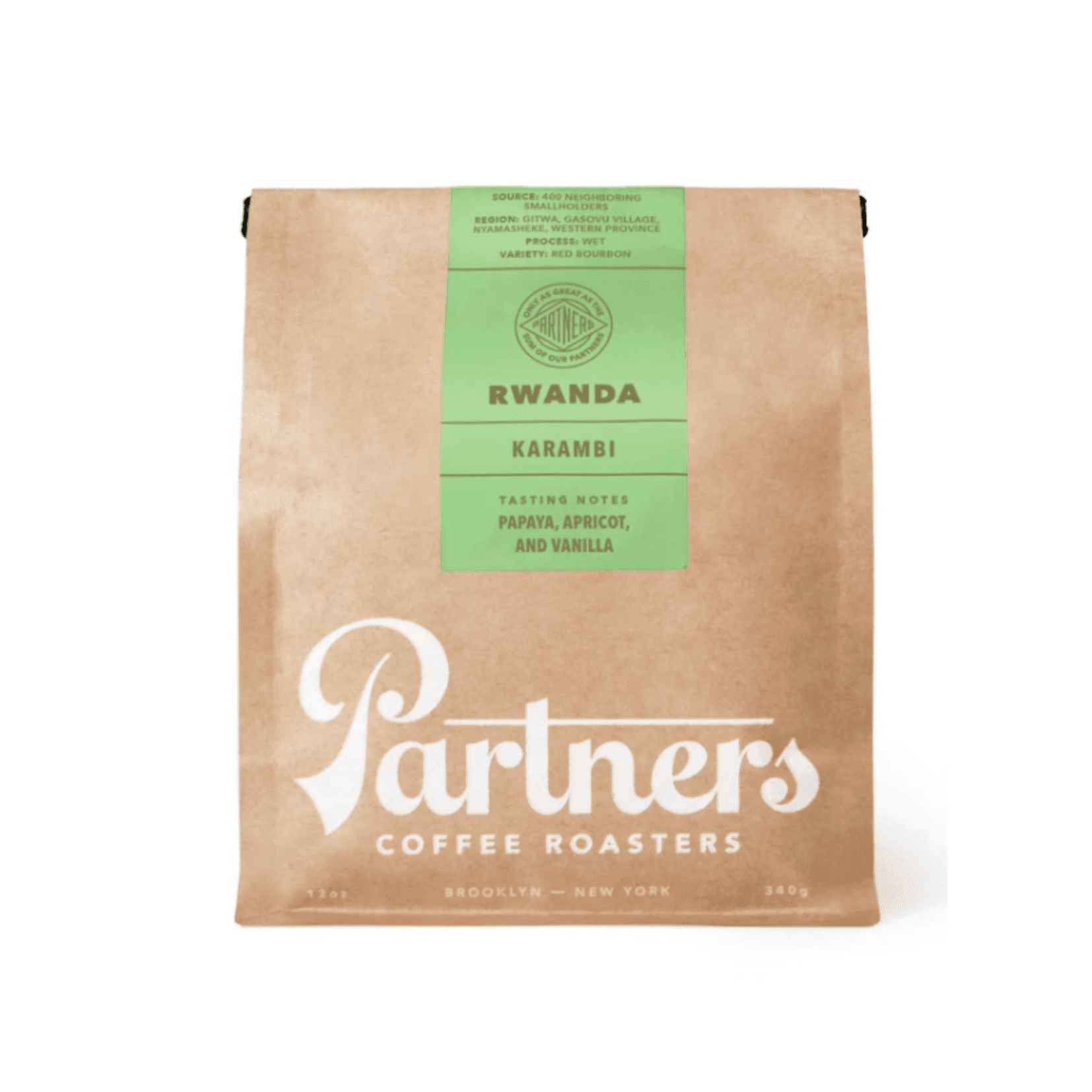
Partners Coffee
Rwanda - Karambi - Partners Coffee
19,59 $
Light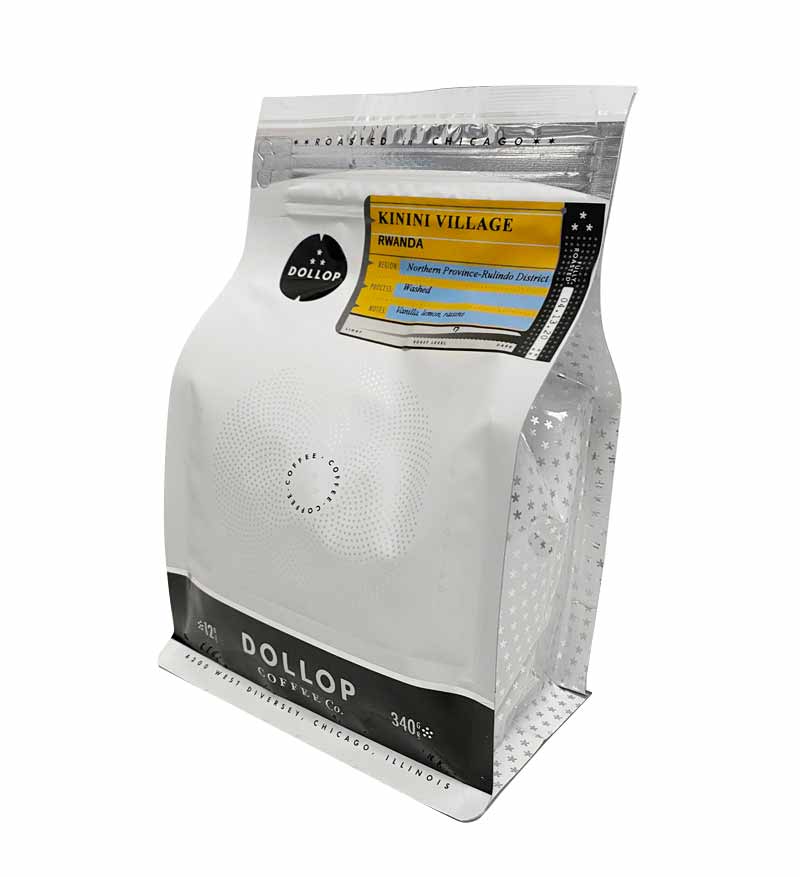
Dollop Coffee
RWANDA KININI VILLAGE
18,24 $
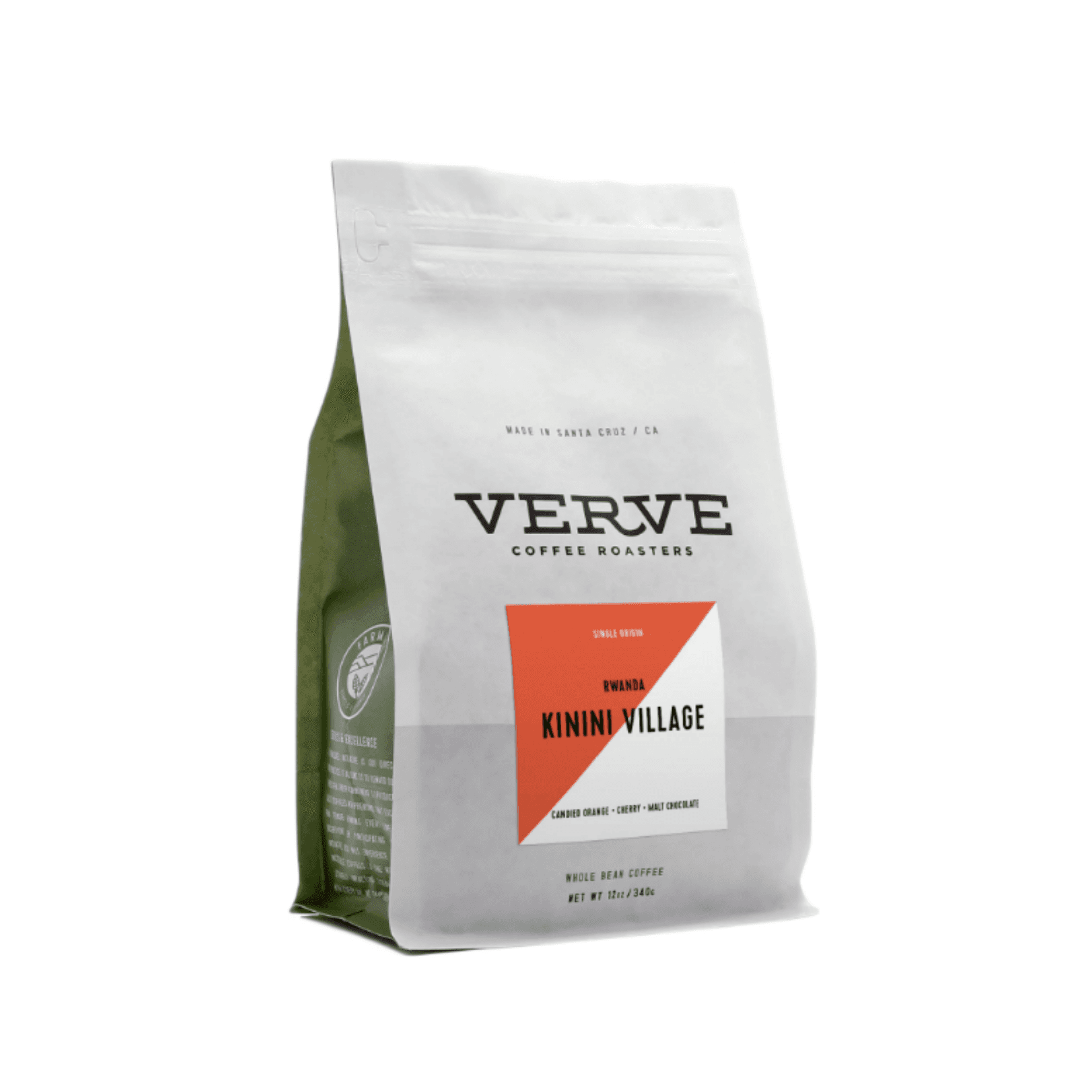
Verve Coffee Roasters
KININI VILLAGE - Verve Coffee
21,19 $
Medium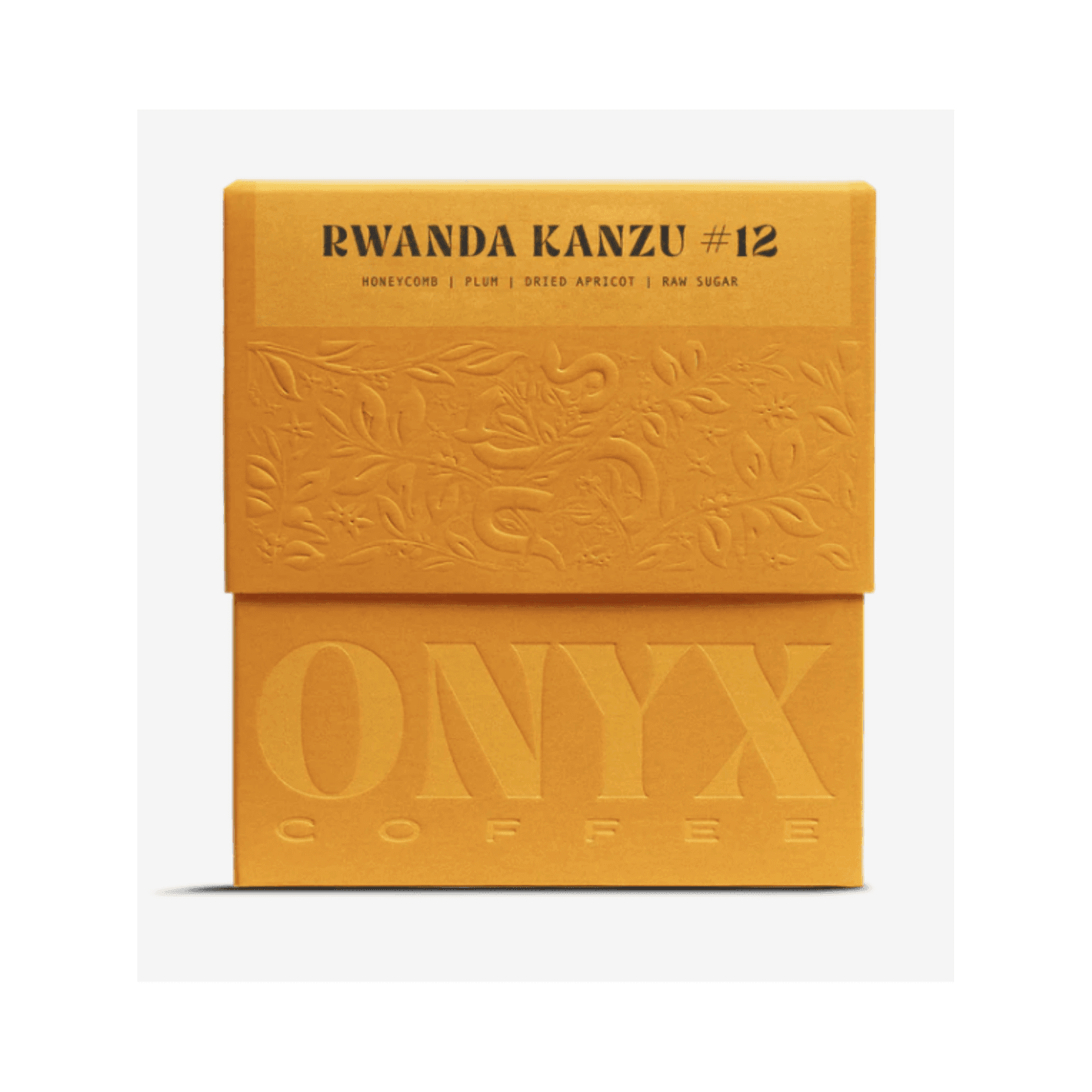
Fellow
Rwanda Kanzu - Fellow Coffee
22,36 $
Medium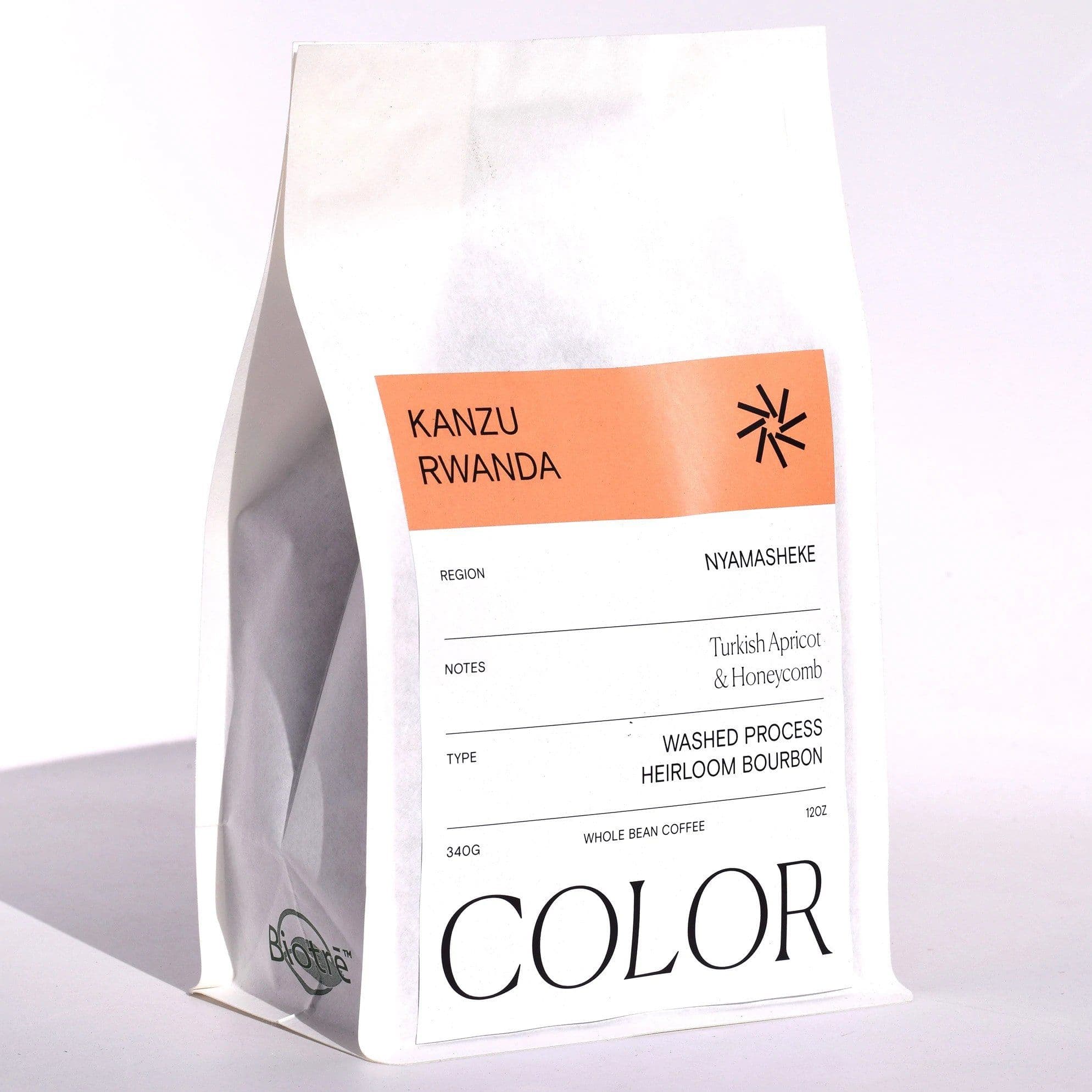
Color Coffee Roasters
RWANDA KANZU
17,71 $
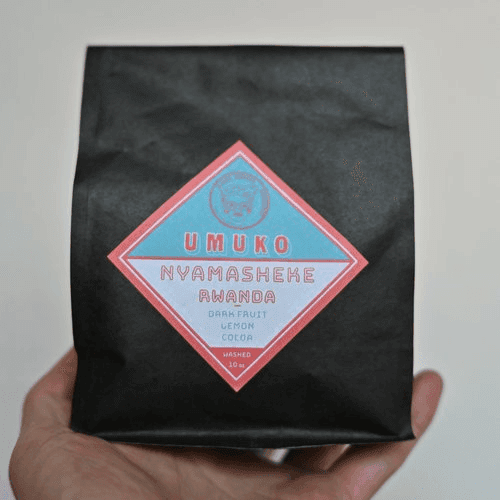
Milka
UMUKO
16,77 $
Medium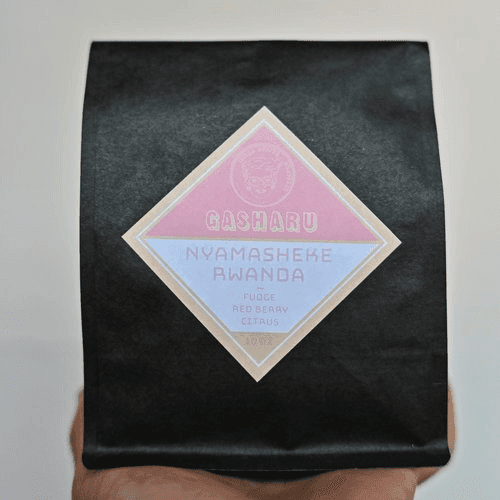
Milka
GASHARU
18,62 $
Medium
Florian le Café
RWANDA - Florian
7,49 $
Medium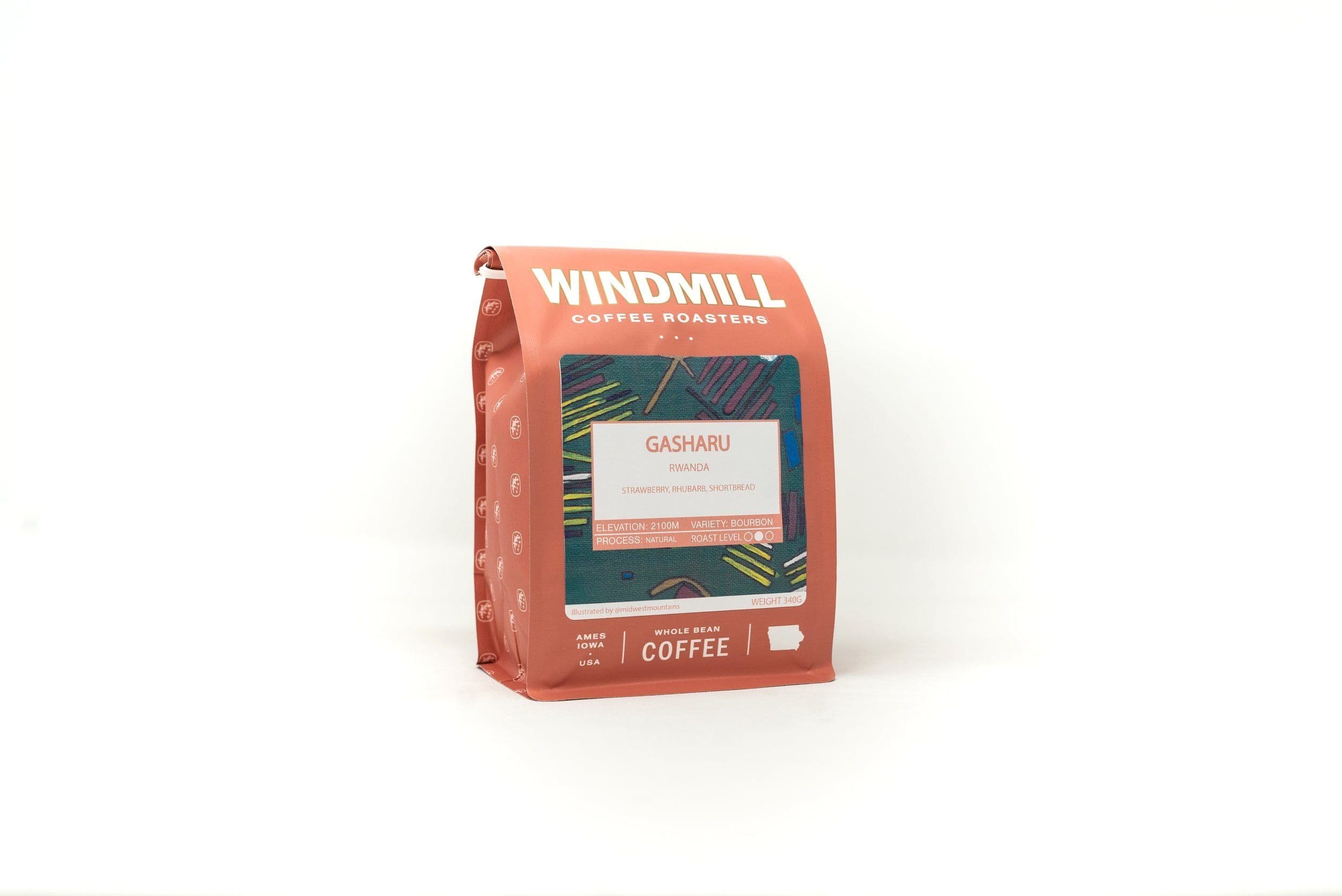
Windmill Coffee
RWANDA - GASHARU
19,34 $

Intelligentsia coffee
House Pods
55,84 $
Light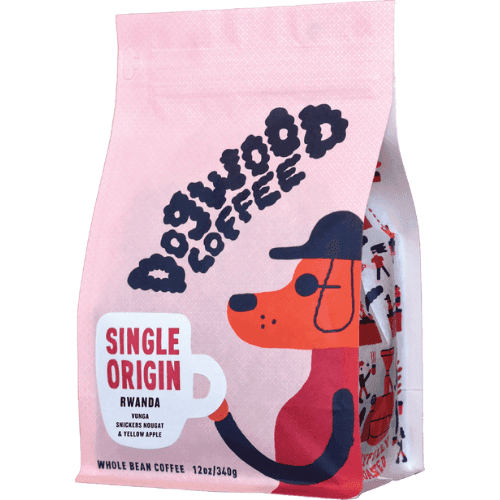
Dogwood Coffee Company
RWANDA // VUNGA
18,30 $
MediumIn the first phase, those Rwandan coffee beans on the counter of that store could look like another bag, more precisely a bean with a missing vowel in its name. But the history of the coffee industry in Rwanda has not only preserved coffee production in the Land of a Thousand Hills but has also made it one of the most beloved coffees in the world today. Rwandan coffee has both a colorful history and an exciting taste.
A brief History of Rwandan Coffee
The small, landlocked East African nation of Rwanda is located in the middle of the continent and located not far from Kenya, one of the world's top coffee-producing nations. The first coffee plants arrived in Rwanda at the beginning of the 20th century, but it took another three decades before Rwanda's coffee production began to take off.
While quantity was there, the quality was still lacking. The types of coffee beans grown in Rwanda were very low, due to the harsh demands of the colonial government before the country gained independence in the middle of the century. Even after independence, the coffee industry suffered because the crises hit both the coffee world and Rwanda in the 1990s, and by the end of the millennium, the industry was in danger. But farmers did not give up the metaphorical ghost of coffee and instead began to move into the world of high-quality coffee. A national coffee strategy was developed that reinvented the coffee industry.
In the last two decades since then, Rwanda has become one of the top thirty countries with the largest coffee production in the world. Rwanda's coffee exports now generally amount to tens of millions of pounds a year - that is, when production is not affected by the country's problems. Most of this production comes from small farms rather than larger estates.
Growing Coffee in Rwanda
Most of the plantations in the country are quite high and are usually located somewhere between 4,000 and 6,500 meters above sea level. This gives the coffee plants a high altitude, high to grow, which is perfect for producing excellent beans. Of all these farms, 95% have coffee plants that are not the only Arabica but are the best quality variety of bourbon coffee in Rwanda. The local growing season usually begins in either September or October and continues until harvest between March and July. In those months, the harvest tends to peak in May.
Processing Coffee in Rwanda
Coffee is generally processed wet throughout the country. This is largely due to modern efforts to invest time, effort, and resources in the development of communal washing stations for the countless microcultures of coffee cherries that require processing each year. The many small farms involved in the business cannot create large individual washing stations, as do the large coffee estates around the world. This is because most farmers only grow coffee as a part-time secondary job, generally using the rest of their farms to grow food. Finally, the investment in these cases of washing stations has paid off, as access to decent washing facilities has contributed to increasing the quantity and quality of coffee in Rwanda to a whole new level.
The Flavour Profile of Rwandan Coffee Beans
There are many different aspects, flavors, and subtle differences between coffee varieties in Rwanda. However, there are some elements that tend to occur, no matter where the coffee comes from. One such recurring theme is the rich, creamy body, silky texture, and almost buttery tone. But the creaminess is just the tip of the iceberg. Before and after the coffee touches your taste, the beans will flood your senses with floral, fruity, and citrus aromas, followed by a light salty tone. The floral notes are reminiscent of certain Ethiopian coffees, many of which have a hint of caramelized sugar, cloves, nuts, and cinnamon.
The acidity levels are high and bright and tend to be both sweet and salty, which is largely due to the increase in climate and altitude. Because of this, Rwandan coffee tends to have an acidity similar to that of Kenyan coffee.
Rwandan coffee taste:
- Aroma: Notes of orange blossom and lemon;
- Taste: Floral mixed with an aroma of fruits, red currants, and berries;
- Aftertaste: Rich caramel and white chocolate.