


 Bonaccicoffe
Kenya - Kirinyaga (Filter Roast)
Kenia
- Single Origin
Kenya - Kirinyaga (Filter Roast) ist ein Kaffee aus Kenia, verkauft von Bonaccicoffe (Tullamarine, Australien). Preis: 36,00 AU$ bis 60,00 AU$, je nach Packungsgröße. Das sind ab 60,00 AU$ pro Kilo.
Noch nicht bewertet · Schreib die erste Bewertung
ab36,00 AU$
≈ 60,00 AU$ / kg
Du wirst zum Shop der Rösterei weitergeleitet, um den Kauf abzuschließen.
- Sitz der Rösterei
- Australien
- Lieferland
- Deutschland · Bitte im Shop der Rösterei prüfen
Größen und Preise
| Mahlgrad | Menge | Pro kg | Preis |
|---|---|---|---|
| Ganze Bohne | 480g | 75,00 AU$ | 36,00 AU$ ↗ |
| Gemahlen für Espresso | 480g | 75,00 AU$ | 36,00 AU$ ↗ |
| Gemahlen für AeroPress | 480g | 75,00 AU$ | 36,00 AU$ ↗ |
| Gemahlen für Filterkaffee | 480g | 75,00 AU$ | 36,00 AU$ ↗ |
| Gemahlen für French Press | 480g | 75,00 AU$ | 36,00 AU$ ↗ |
| Gemahlen | 480g | 75,00 AU$ | 36,00 AU$ ↗ |
| Ganze Bohne | 1kg | 60,00 AU$ | 60,00 AU$ ↗ |
| Gemahlen für Espresso | 1kg | 60,00 AU$ | 60,00 AU$ ↗ |
Alle 12 anzeigen
| Mahlgrad | Menge | Pro kg | Preis |
|---|---|---|---|
| Gemahlen für AeroPress | 1kg | 60,00 AU$ | 60,00 AU$ ↗ |
| Gemahlen für Filterkaffee | 1kg | 60,00 AU$ | 60,00 AU$ ↗ |
| Gemahlen für French Press | 1kg | 60,00 AU$ | 60,00 AU$ ↗ |
| Gemahlen | 1kg | 60,00 AU$ | 60,00 AU$ ↗ |
Beschreibung
| Origin | Njukiini in Gichugu Division, Kirinyaga County |
|---|---|
| Flavour | A juicy cup with notes of black tea, red berries, guava and a sparkling soda sweetness. Gentle floral notes lingering. |
| Varietal | SL28 SL34 RUIRU 11 |
| Acidity | Medium |
| Body | Tea Like |
| Roast | Light |
| Brewing | Roasted for specifically for Filter. V60, Aeropress, Frenchpress etc |
Roasters Thoughts: "Kenyan coffees are just a joy to work with. Such an elegant and easy drinking coffee, super delightful and it's seriously just ticking all the boxes, which is what you want from a high end filter brew. You really can't go wrong with this."
Kiri Factory is located in Njukiini in Gichugu Division, Kirinyaga County. Njukiini is a local name meaning the place of bees. The Kiri factory has around 1400 members delivering cherry to be processed. The factory was established in 1997 to serve 4 zones that did not have access to processing, has 20 full time staff members and typically around 30 casuals during the peak times.
Soil Type - The farm benefits from deep red volcanic soils, rich in organic matter.
Rainfall - Approx 1300-1500 mm per annum.
Processing Method - The ripening of the cherry is closely monitored and when the time is right the red cherry is hand picked into buckets early in the morning and carried to the wet mill. The harvested cherries are splayed out on a patio at the wet mill in the afternoon light, with underipes, overipes and any foreign object being removed before the mass of round red cherries are tipped into the hopper above the pulping station. Clean water (wet processing) from their dam which is fed from River Chania is drawn up and poured into the hopper on top of the heaped cherries, funnelling them down through a polished chute into the pulping house where the outer fruit is removed between two rotating abrasive slabs.
As the now exposed coffee beans tumble out of the pulper into a channel of water, the floating beans are skimmed off, and the sinking denser beans pass out through a hole in the bottom spilling into the fermentation tanks were they spend the night. The next day the coffee is handled to see if the sticky sweet mucilage has broken down, leaving a rough parchment coating, once "the feel" of the coffee meets the wet mill manager's approval, water will be poured into the tanks to thoroughly wash the beans.
Once washed, the sluice gates are lifted allowing the coffee to spill out into the washing channels, in here the coffee slides down the gently sloping tiled channel. Wooden shunts are used to repeatedly push the coffee by hand back to the top of the channel, this repeated action separates the denser beans as the lighter beans will race back to the bottom under the force of the gentle current, whilst the denser higher quality beans will idle there way slowly down.
Sun drying of the parchment coffee on raised tables is done under careful supervision, the parchment coffee is covered up whenever there is sign of rain or the sun's rays are too harsh. The coffee is regularly checked for moisture and once it reaches the 10-12% target level, it will be bagged up for transport to the dry mill.
Fragen zu Kenya - Kirinyaga (Filter Roast)
Woher kommt Kenya - Kirinyaga (Filter Roast)?
Herkunft: Kenia.
Was kostet Kenya - Kirinyaga (Filter Roast)?
Preis: 36,00 AU$ bis 60,00 AU$, je nach Packungsgröße. Das sind ab 60,00 AU$ pro Kilo. Die Preise stammen aus dem Shop und können sich ändern; dort steht der aktuelle Preis.
Wo kann ich Kenya - Kirinyaga (Filter Roast) kaufen?
Im Onlineshop von Bonaccicoffe: Die Preise auf dieser Seite verlinken dorthin. Cafendo verkauft selbst keinen Kaffee.
Antworten aus den Daten des Shops und dem Cafendo-Katalog.
Bewertungen
Noch keine Bewertungen.
Wenn dir dieser Kaffee schmeckt, probier diese
Von anderen Röstereien, nach gemeinsamer Herkunft, Aufbereitung, Röstung, Geschmacksnoten und Preis. Am meisten zählen Kaffees, die dieselben Leute gespeichert oder gut bewertet haben.
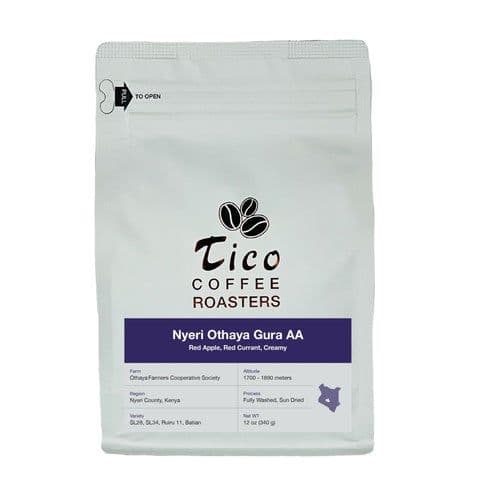
Tico Coffee Roasters
Kenya Nyeri Othaya Gura AA
22,06 $
MittelWarum: KeniaÄhnlicher Preis

Kuma Coffee
Kenya Karatu *NEW*
25,00 $
HellWarum: KeniaÄhnlicher Preis

Volcanica Coffee
Kenya Peaberry Coffee
28,99 $
MittelWarum: KeniaÄhnlicher Preis
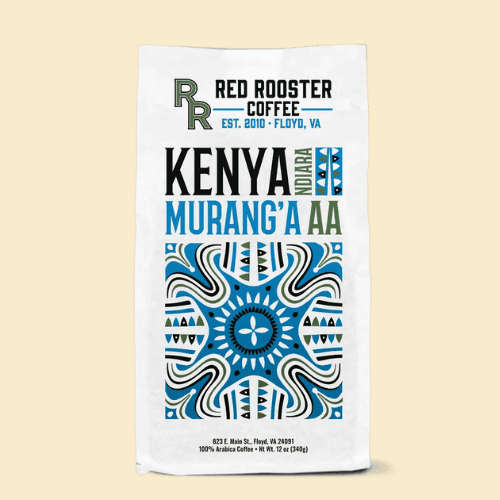
Red Rooster
Kenya Ndiara Murang'a Washed
21,61 $
MittelWarum: KeniaÄhnlicher Preis

Passion House
Take it Slowly
29,00 $
HellWarum: KeniaÄhnlicher Preis
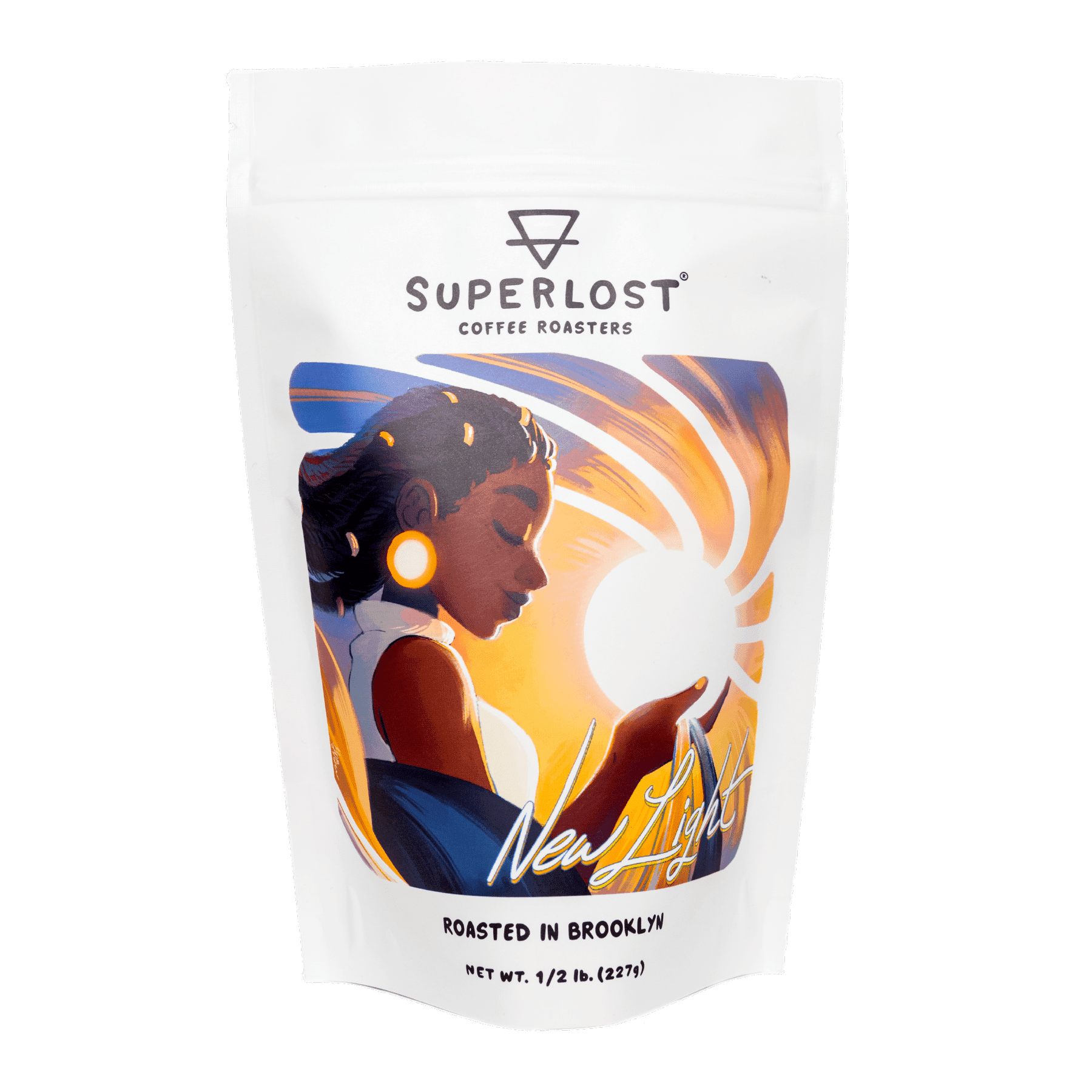
Superlost
New Light | Light Roast Ethiopia Case of 6
52,77 $
HellWarum: KeniaÄhnlicher Preis
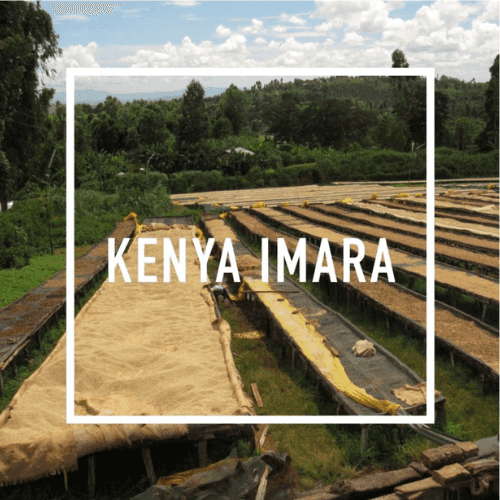
Daybreak Coffee Roasters
KENYA IMARA
21,99 $
MittelWarum: KeniaÄhnlicher Preis

Falcon Micro
Kihuyo AA, Mutheka Farmers Cooperative, Kenya | Washed FSC-8907
26,91 £
Warum: KeniaÄhnlicher Preis


