
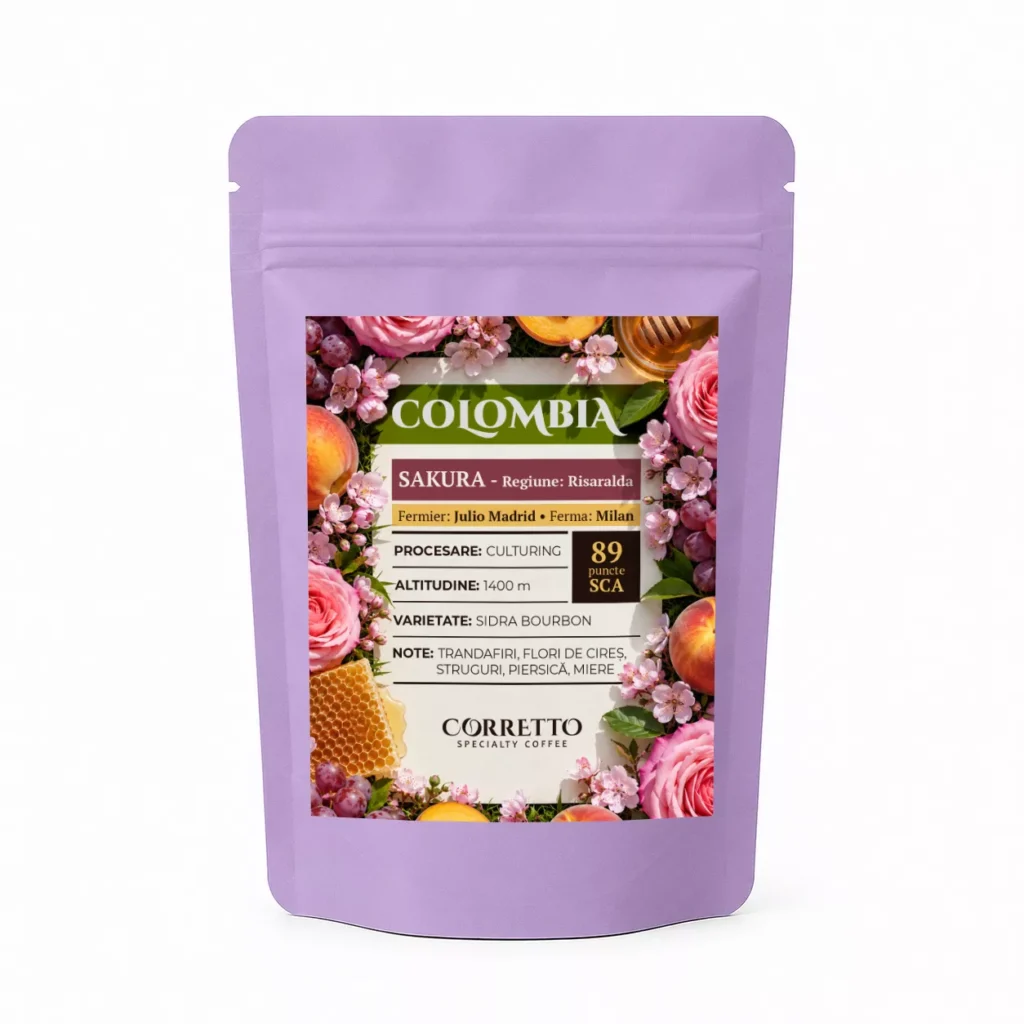
de Specialitate Corretto, Columbia Risaralda Sakura, 100% Arabica, 89 puncte SCA
Colombia
- Nivel de tueste: Claro
- Origen único
Aún sin valoraciones · Escribe la primera reseña
80,00 RON
≈ 400,00 RON / kg
Completarás la compra en la tienda del tostador.
- Sede del tostador
- Rumanía
- Envío a
- España · Compruébalo en la tienda del tostador
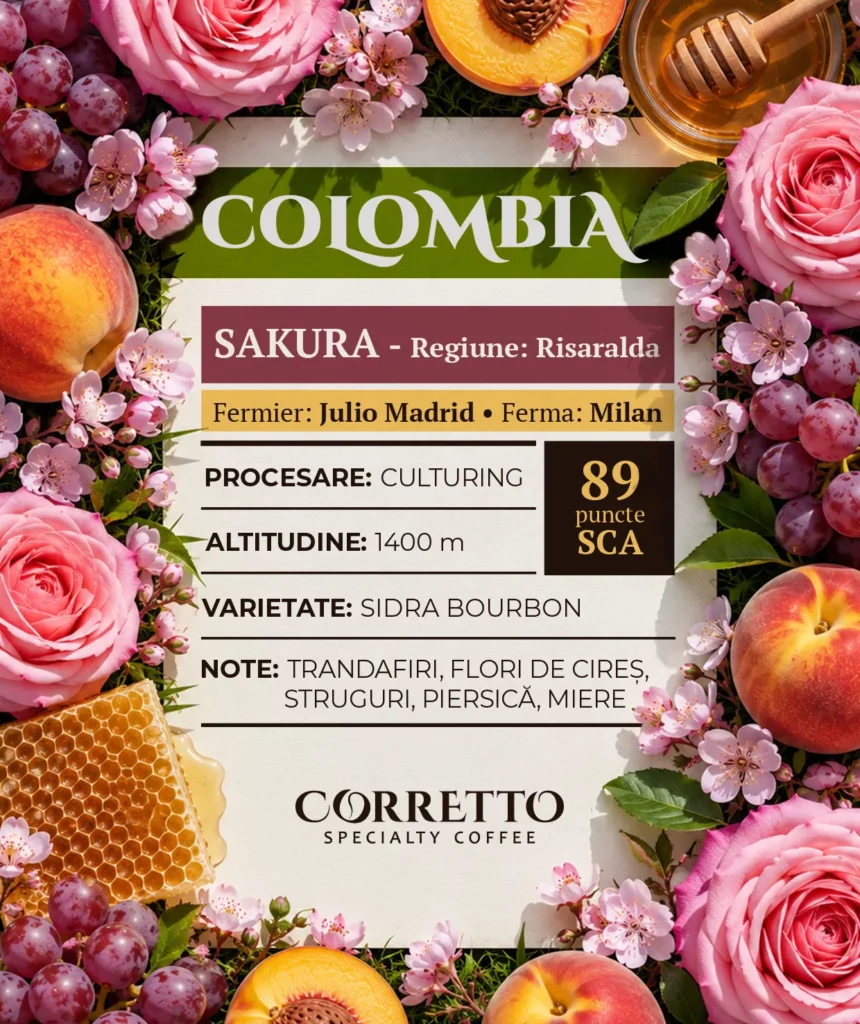
🇨🇴 Origin: South America, Colombia, Risaralda region
🌱 Variety: Sidra Bourbon
⛰️ Altitude: 1,400 m
☕ Tasting notes: Roses, Cherry blossoms, Grapes, Peach, Honey
A floral coffee recommended for pour-over (V60, Chemex) or espresso.
Perfil de sabor
Según los datos de la tienda del tostador.
Notas de cata
- Roses
- Cherry blossoms
- Grapes
- Peach
- Honey
- Nivel de tuesteClaro
- ClaroOscuro
Descripción
Colombia Risaralda Sakura Specialty Coffee | Detailed Information and Description
🇨🇴 Origin: South America, Colombia, Risaralda region
👨🌾 Producer: Julio Madrid — Finca Milán (microlot)
🌱 Variety: Sidra Bourbon
⛰️ Altitude: 1,400 m
💧 Processing: Culturing
🔥 Roast profile: Light
☕ Tasting notes: Roses, Cherry blossoms, Grapes, Peach, Honey
🏆 SCA score: 89 points
⚙️ Recommended for: Pour-over (V60, Chemex) and espresso
⏳ Optimal degassing: 7–14 days from the roast date
📦 Colombia Risaralda Sakura specialty coffee comes in 200 g bags
Risaralda: The Heart of Colombian Coffee
In central Colombia, between Caldas to the north and Quindío to the south, Risaralda is part of the Eje Cafetero—the “coffee axis”—an area that has been a UNESCO World Heritage site since 2011 for its coffee-growing landscape. The three departments in this region produce almost half of Colombia’s coffee combined. Risaralda is the smallest of them, but it has some of the highest average growing elevations, and you can taste that in the cup: at high elevations, coffee cherries ripen more slowly and accumulate more sugar, giving the coffee the bright acidity and sweetness that make lots like this one stand out.
The soil is made up of volcanic ash and tropical humus, and the climate brings two rainy seasons each year. In practice, farmers here can have two harvests, but only if they are disciplined about picking. At Finca Milán, cherries are picked at peak ripeness—the starting point for any controlled fermentation process.
Sidra: The Competition-Worthy Variety
Sidra is one of the varieties that put Colombia and Ecuador on the specialty coffee map. It’s prized for exactly what Sakura offers: aromatic complexity, floral and fruity notes, generous sweetness, and high cupping scores. It’s no coincidence that it often appears in competition lots. Its genetic origins are still debated in the specialty coffee world—it’s usually linked to the Bourbon–Typica family—but what matters in the cup is how it performs: lower yields, demanding cultivation, and aromatic potential that rewards careful processing.
At 1,400 meters, in Risaralda’s volcanic soil, Sidra delivers exactly the kind of floral, sweet profile that Culturing fermentation brings to the forefront.
Producer: Julio Madrid, Finca Milán
If you’re a Corretto customer, the farm may sound familiar. Finca Milán is one of the farms we regularly source microlots from, and Sakura is the kind of lot that comes only from a farm where fermentation is treated like a laboratory, not a matter of luck—cherries picked at peak ripeness, selected cultures, and slow, carefully controlled drying at every step.
Tasting Profile: Roses, Cherry Blossoms, Peach
From the first sip, Sakura greets you with bold floral notes. Rose and cherry blossom come first, followed by notes of grape and peach, with a honey base. The sweetness is natural and sustained, and the fruit is balanced, without any sharpness. The body remains delicate and velvety, and the finish is long and floral.
This is a coffee to explore in layers. As it cools, the fruit notes become more prominent, and the floral side gains depth. If you usually drink fruity, washed coffees, Sakura will feel like a step up in complexity.
How to Brew Colombia Risaralda Sakura at Home
Sakura is made for pour-over. Drip methods bring out its floral and fruity notes best, with a clarity that espresso compresses. Below is a recipe for each method, with starting parameters.
V60 Recipe
Dose: 15 g coffee to 250 ml water
Grind: Medium-fine (slightly finer than for a typical washed coffee)
Water temperature: 92–94°C
Total time: 2:45–3:15 minutes
Start with the paper: place the filter in the V60 and pour a little hot water over it, enough to wet it all over. It may seem like a step you could skip, but it does two things—it removes the papery smell from the filter and warms the vessel, so the water doesn’t cool right when you need it hot. Then discard that water and add the coffee. Make a little well in the middle, like a nest, and first pour just 40–50 ml of water, enough to saturate all the grounds. You’ll see them “breathe” and foam—that’s fresh coffee releasing its gases. Let it sit for half a minute, then pour the rest of the water in circles, from the center toward the edge, in three or four pours, without rushing. From the first pour to the last drip, it should take around 2:45–3:15 minutes.
Smell it first—and you’ll find rose and cherry blossom, like a bouquet held under your nose. The first sip is sweet, with honey and grape; peach, ripe and rounded, emerges midway; a long floral sweetness lingers at the end. This isn’t a coffee to gulp down. Sip it slowly, with pauses, and let it cool a little in the cup—as it loses heat, it reveals more and more aromas.
☕ Corretto tip: With Sidra, water temperature makes a big difference in the flavor. Hotter water (94°C) brings fruit and acidity to the forefront—grape and peach. Cooler water (90°C) lets sweetness and floral notes take the lead—honey and rose. Start at 92°C and adjust to your taste.
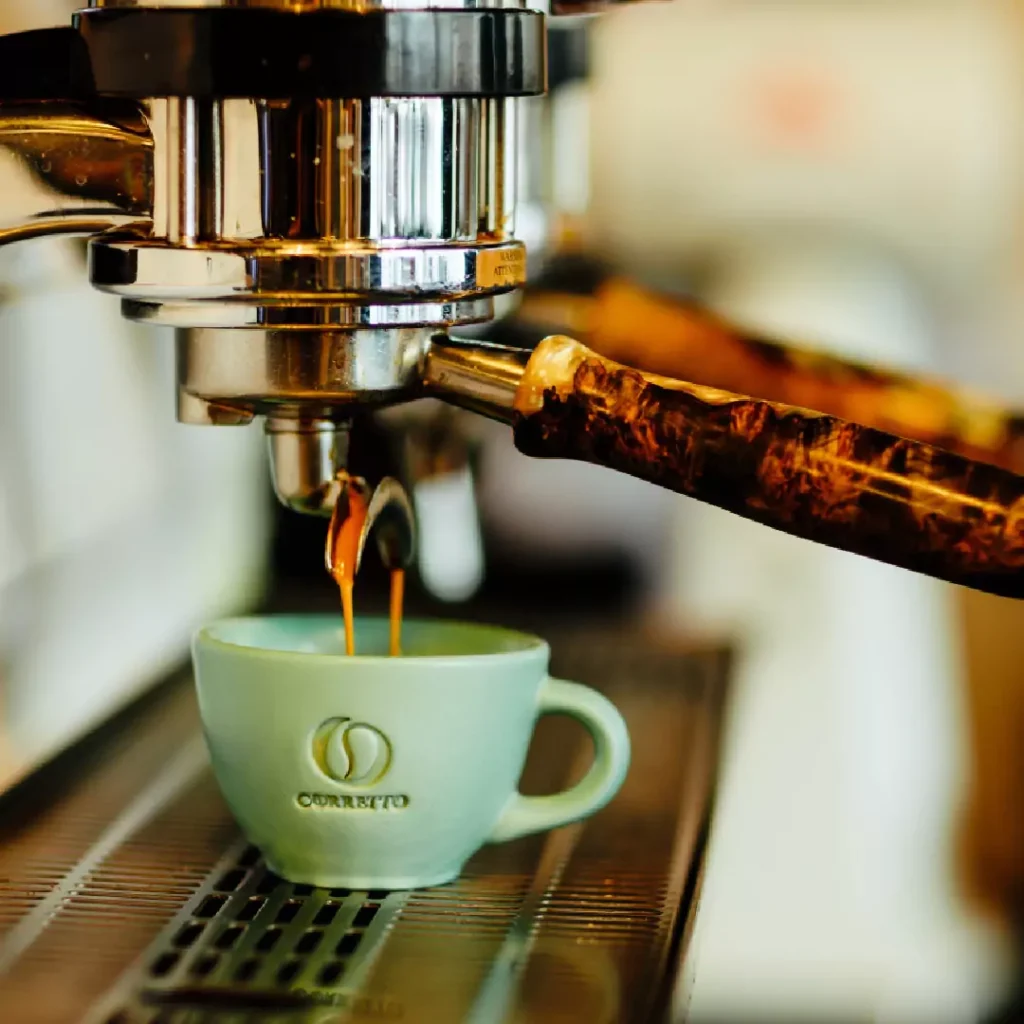
Espresso Recipe
Espresso Recipe
Dose: 18 g (fine grind)
Yield: 38–42 g in the cup
Water temperature: 92–94°C
Extraction time: 27–32 seconds
As espresso, Sakura becomes intense, sweet, and velvety, with a lingering floral finish. Distribute evenly and tamp level for a balanced extraction.
☕ Corretto tip: If the espresso tastes astringent or too acidic, grind a little coarser or lower the temperature by 1–2°C. As a floral coffee, it shows its best as a short espresso, not a long one.
Choose the Right Grind
Colombia Risaralda Sakura specialty coffee is available from us whole bean or ground to order, depending on your preference. If you’re not sure which grind size is right for you, we’ve put together a complete guide to the four grind types—Espresso, Pour-over, Turkish, and French Press—with parameters, ratios, and practical tips for each. You’ll find it in the “Grind Types” tab on this page.
Reseñas
Aún no hay reseñas.
Cafés similares
De Colombia, de otros tostadores
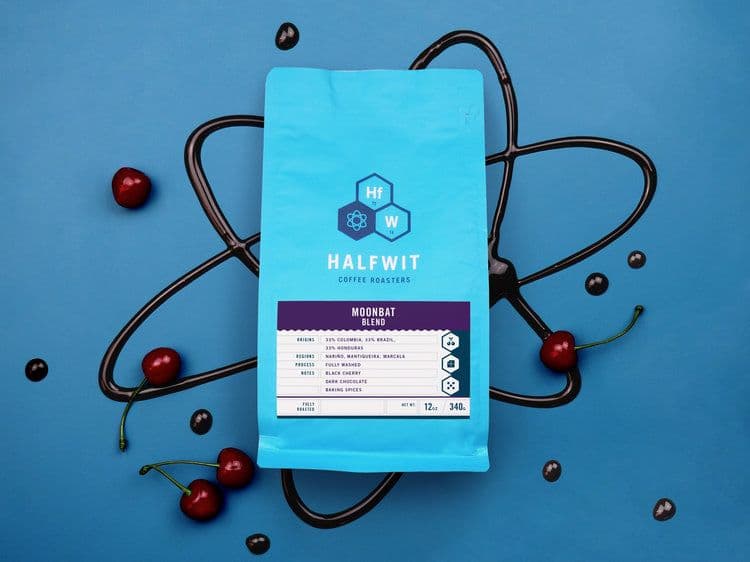
HalfWit Coffee Roasters
Moonbat Blend
12,97 US$
Claro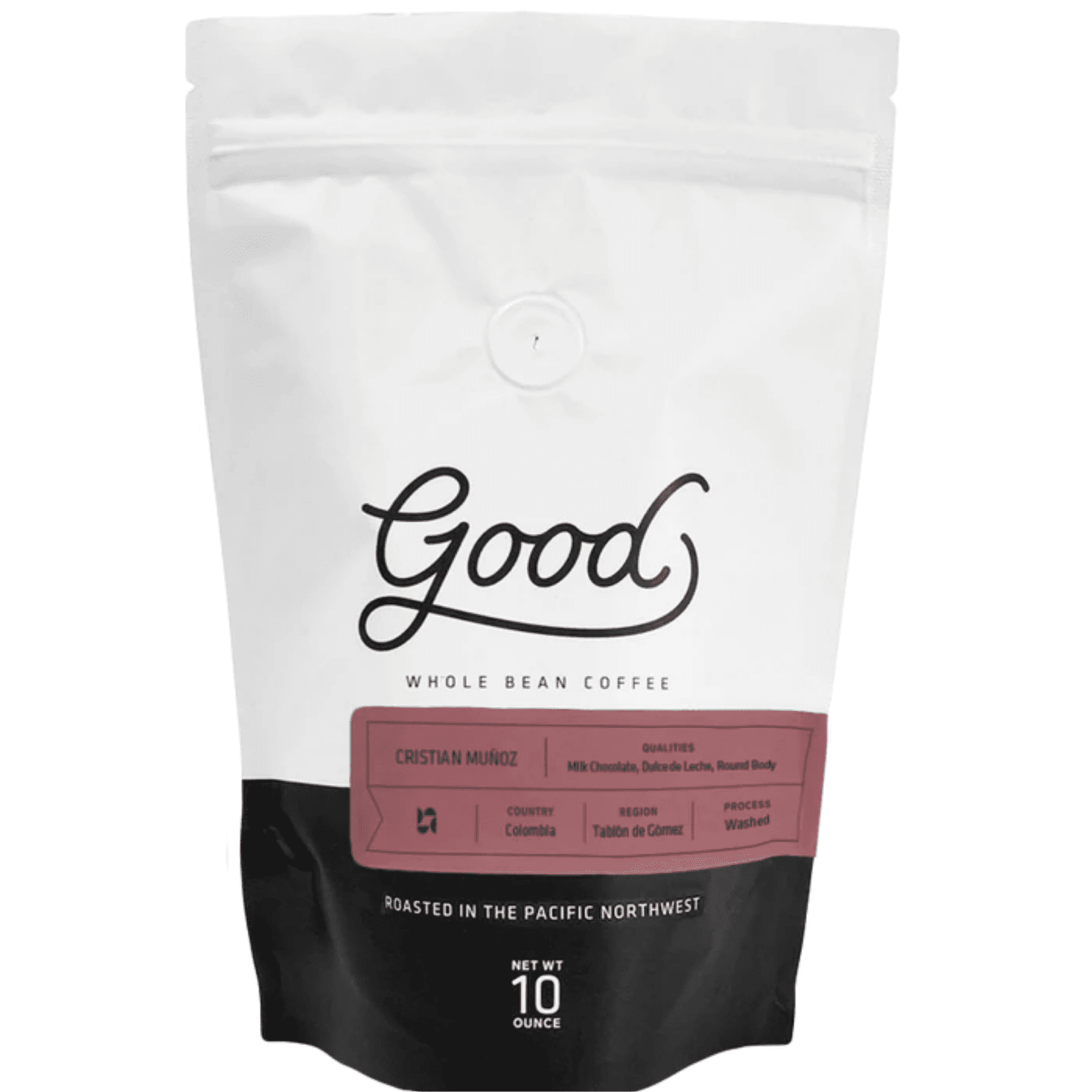
Good Coffee Roasters
Colombia Cristian Muñoz
15,91 US$
Claro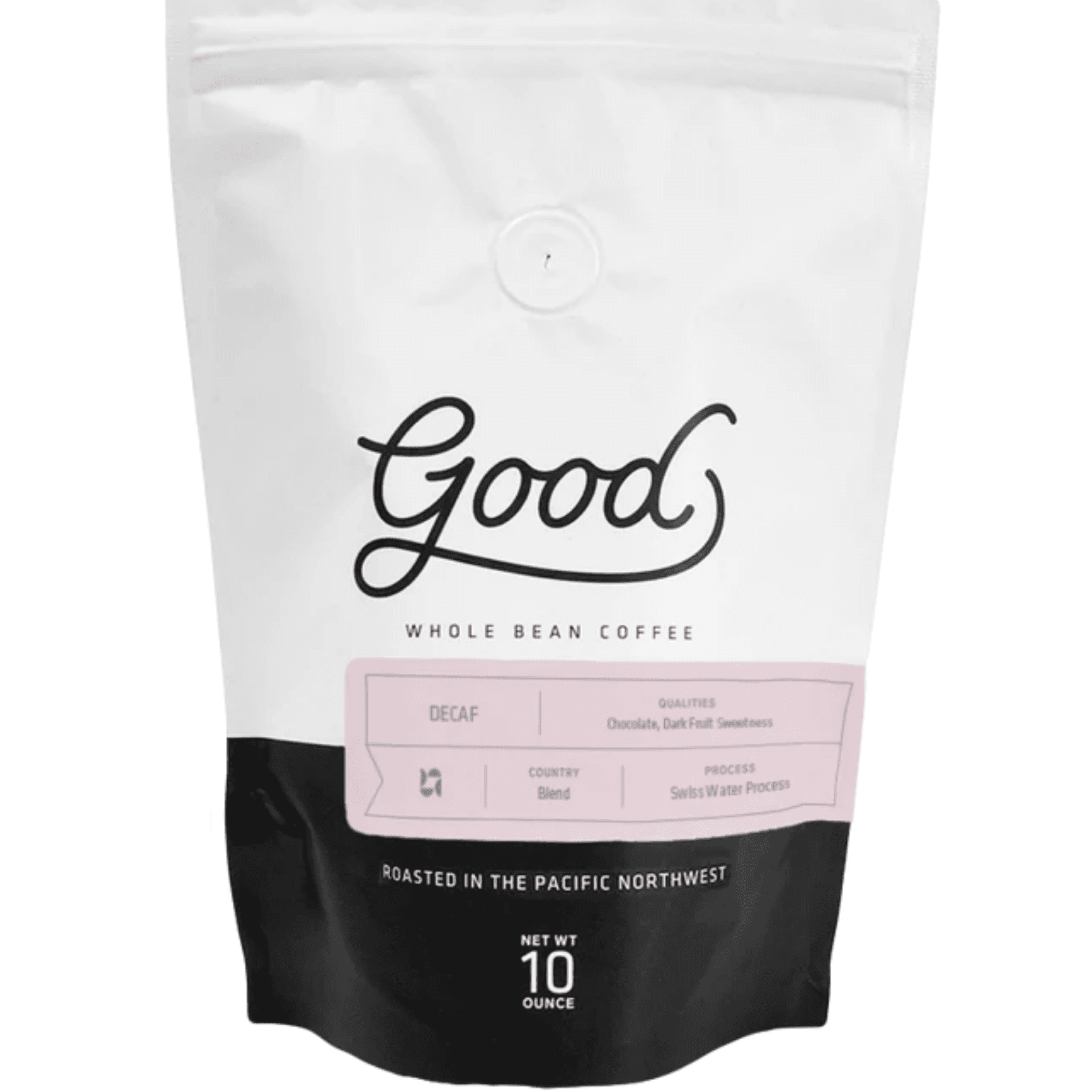
Good Coffee Roasters
Colombian Decaf
15,03 US$
Claro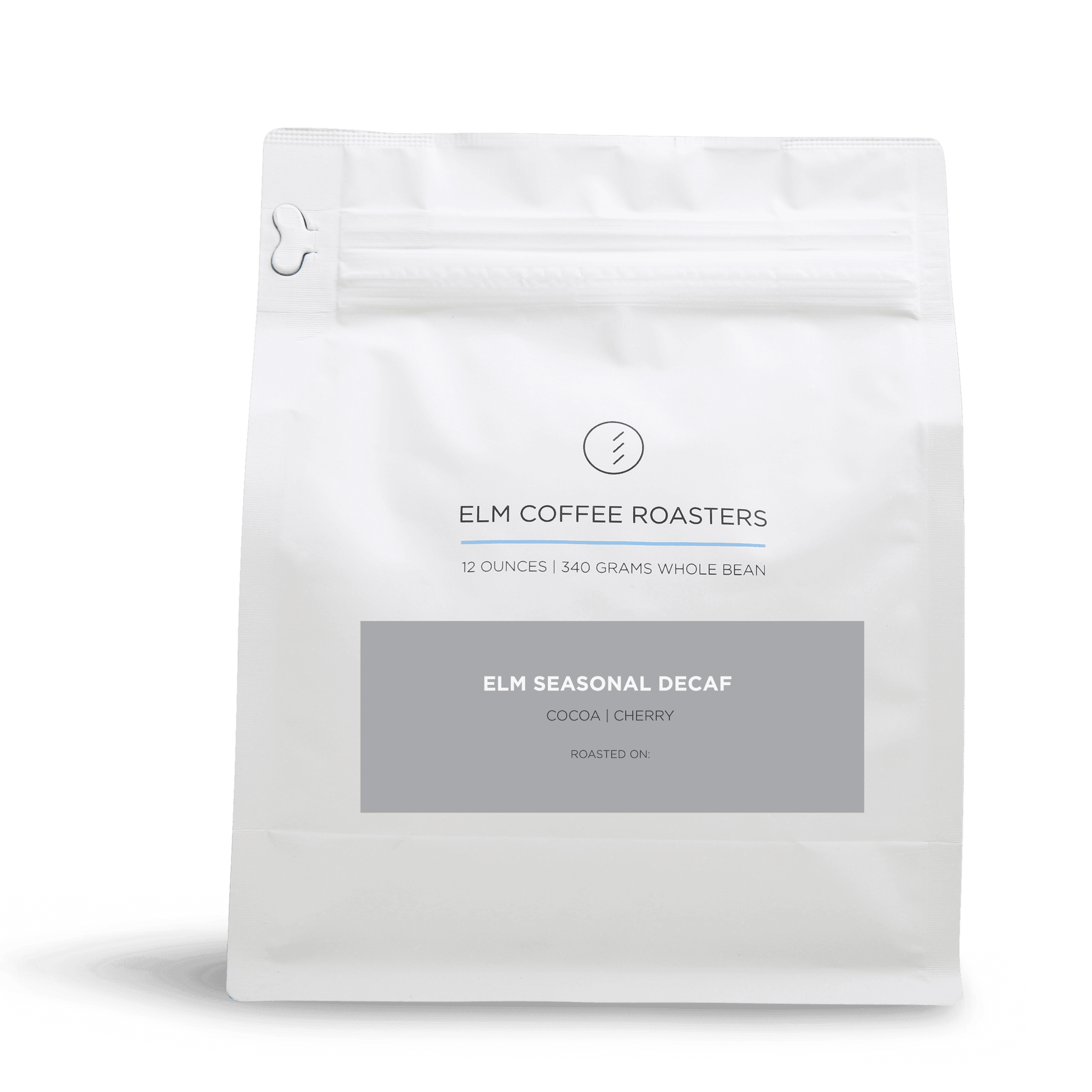
Elm Coffee Roasters
Decaf Colombia
15,71 US$
Claro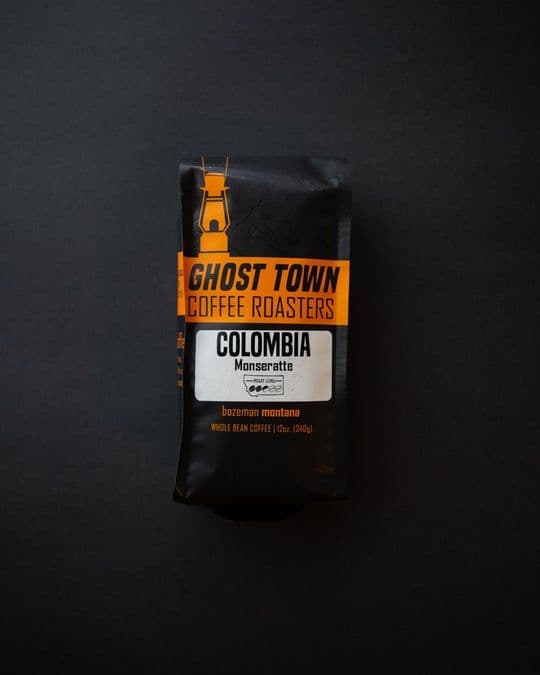
Ghost Town Coffee
Colombia - Monserrate
11,41 US$
Claro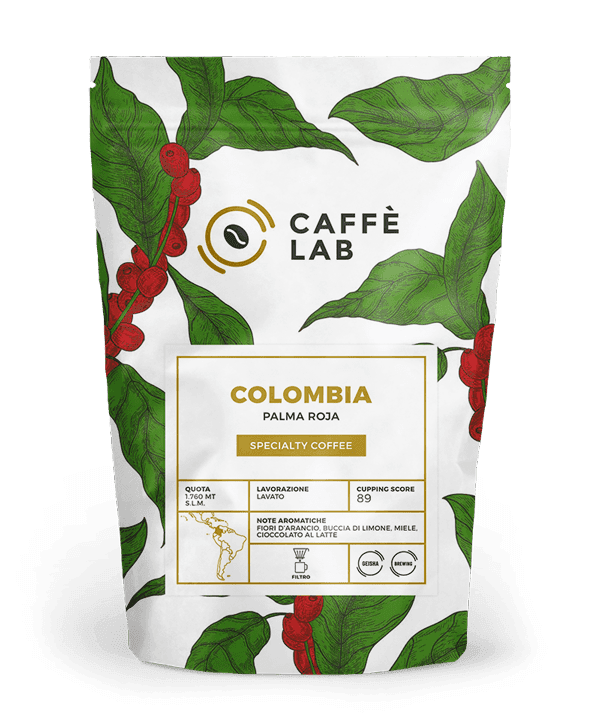
CaffèLab
Caffelab COLOMBIA Palma Roja
23,50 US$
Claro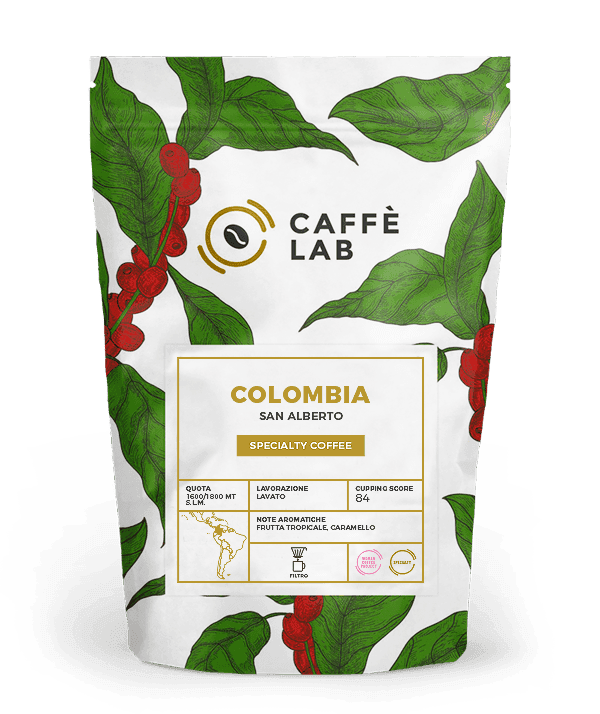
CaffèLab
Caffelab COLOMBIA San Alberto
7,50 US$
Claro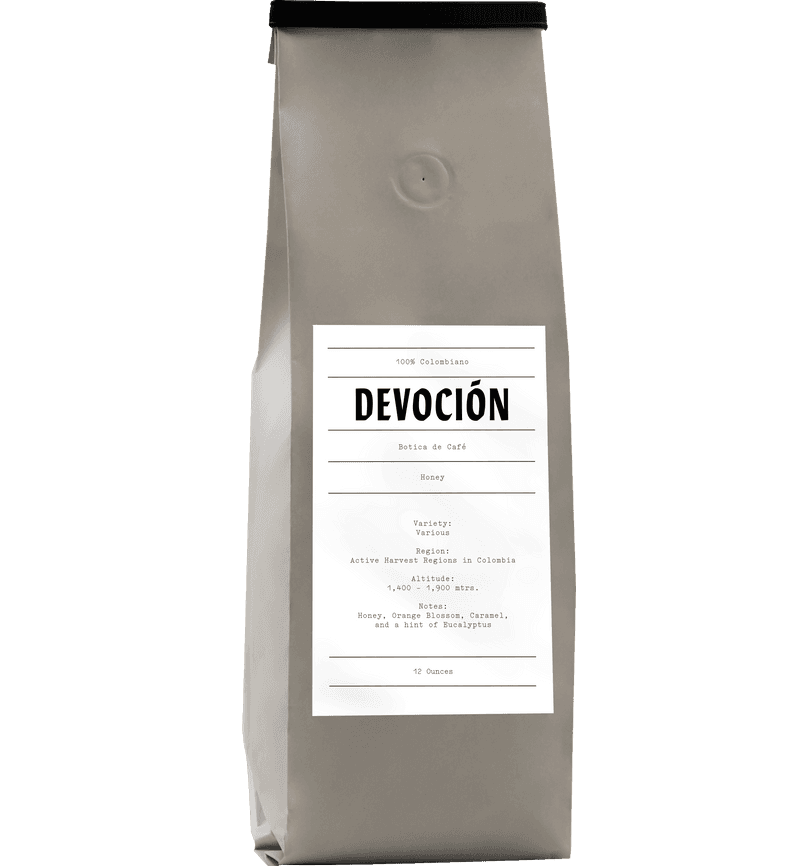
Devocion USA
HONEY
16,83 US$
ClaroMás de Caffè Corretto
Todos los productos de Caffè Corretto →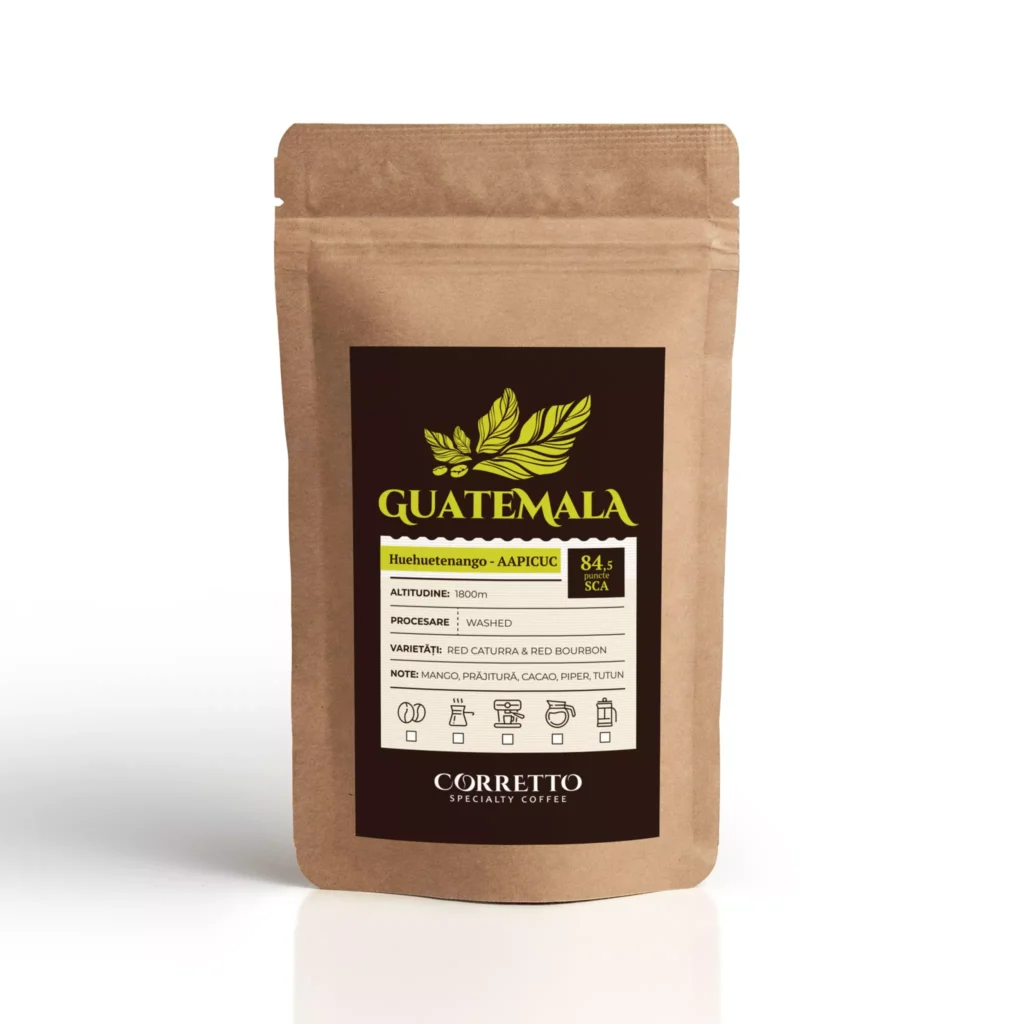
Caffè Corretto
de Specialitate Corretto, Guatemala Huehuetenango, Washed, 100% Arabica, 84,5 puncte SCA
38,00 RON
Medio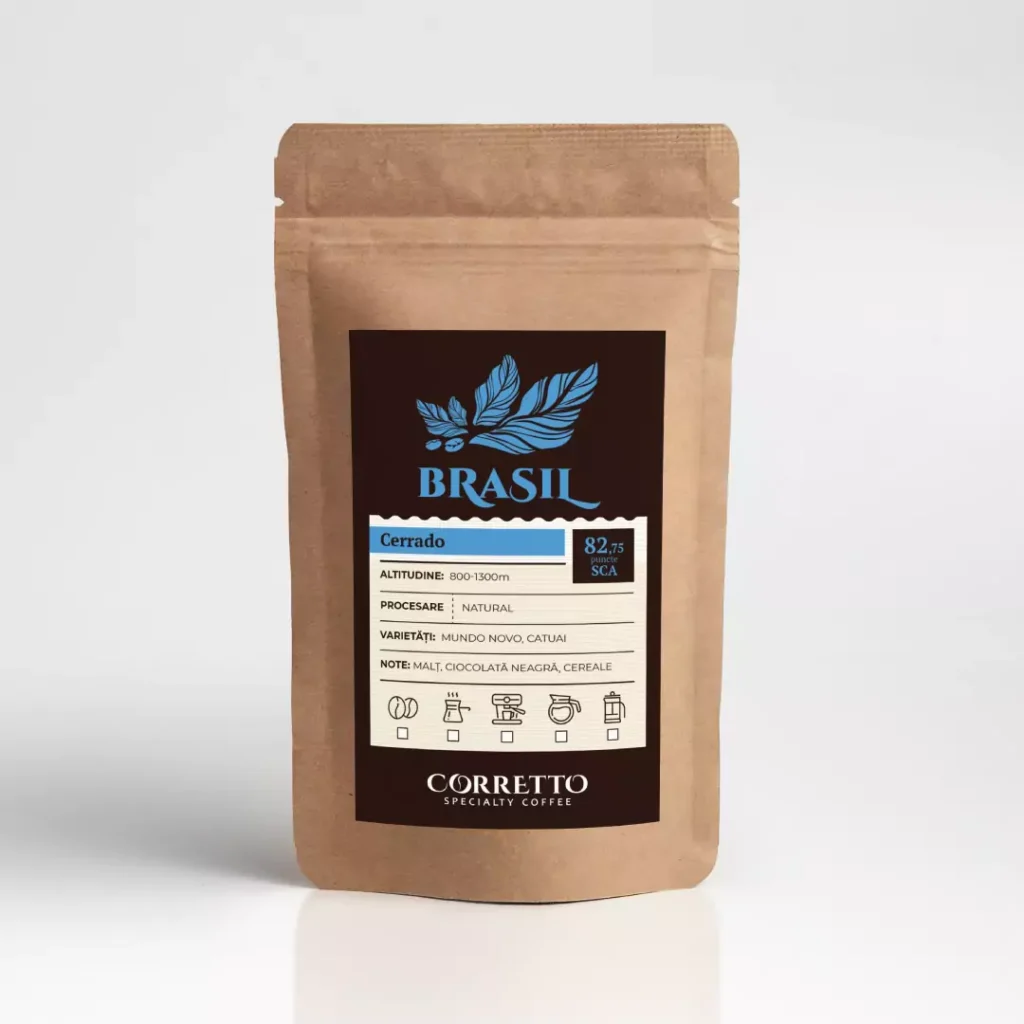
Caffè Corretto
de Specialitate Corretto, Brazilia Cerrado, Natural, 100% Arabica, 82,75 puncte SCA
32,00 RON
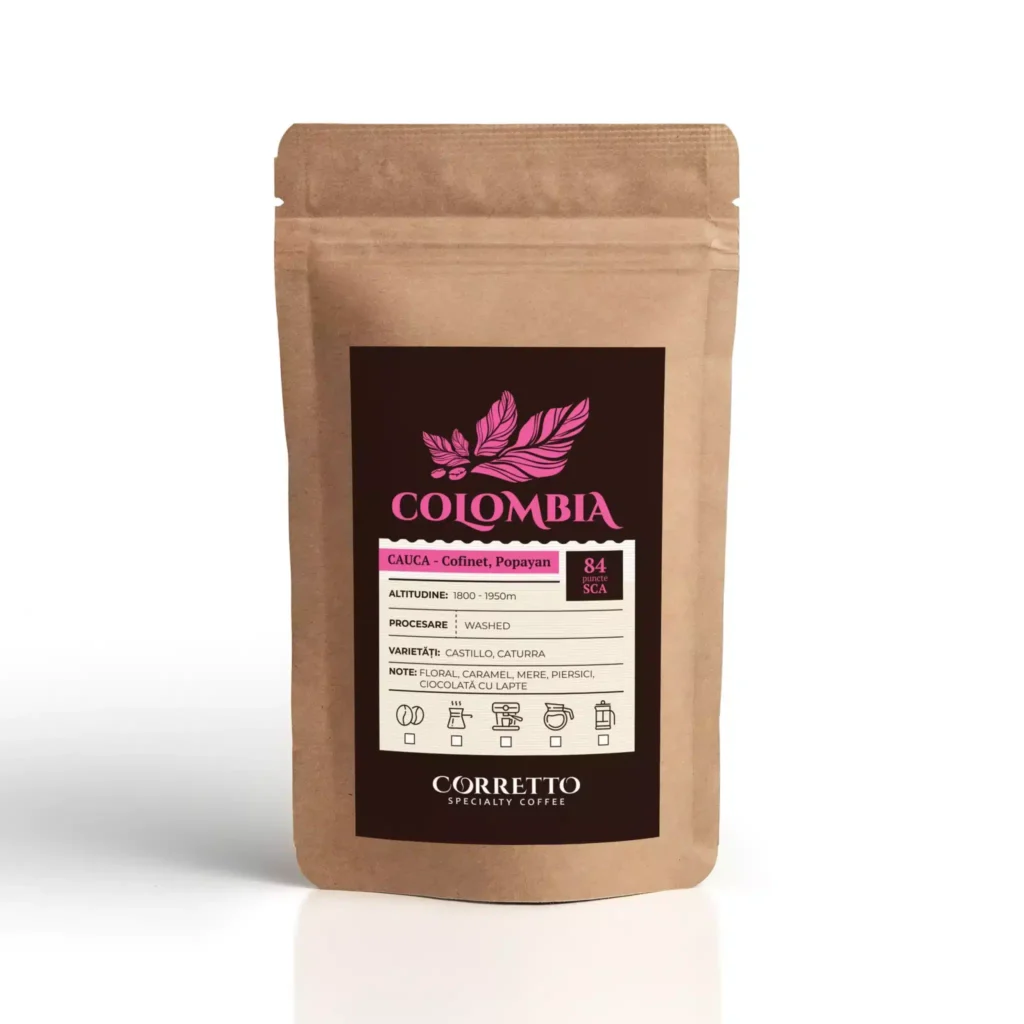
Caffè Corretto
de Specialitate Corretto, Columbia Cauca Popayan, Washed, 100% Arabica, 84 puncte SCA
36,00 RON
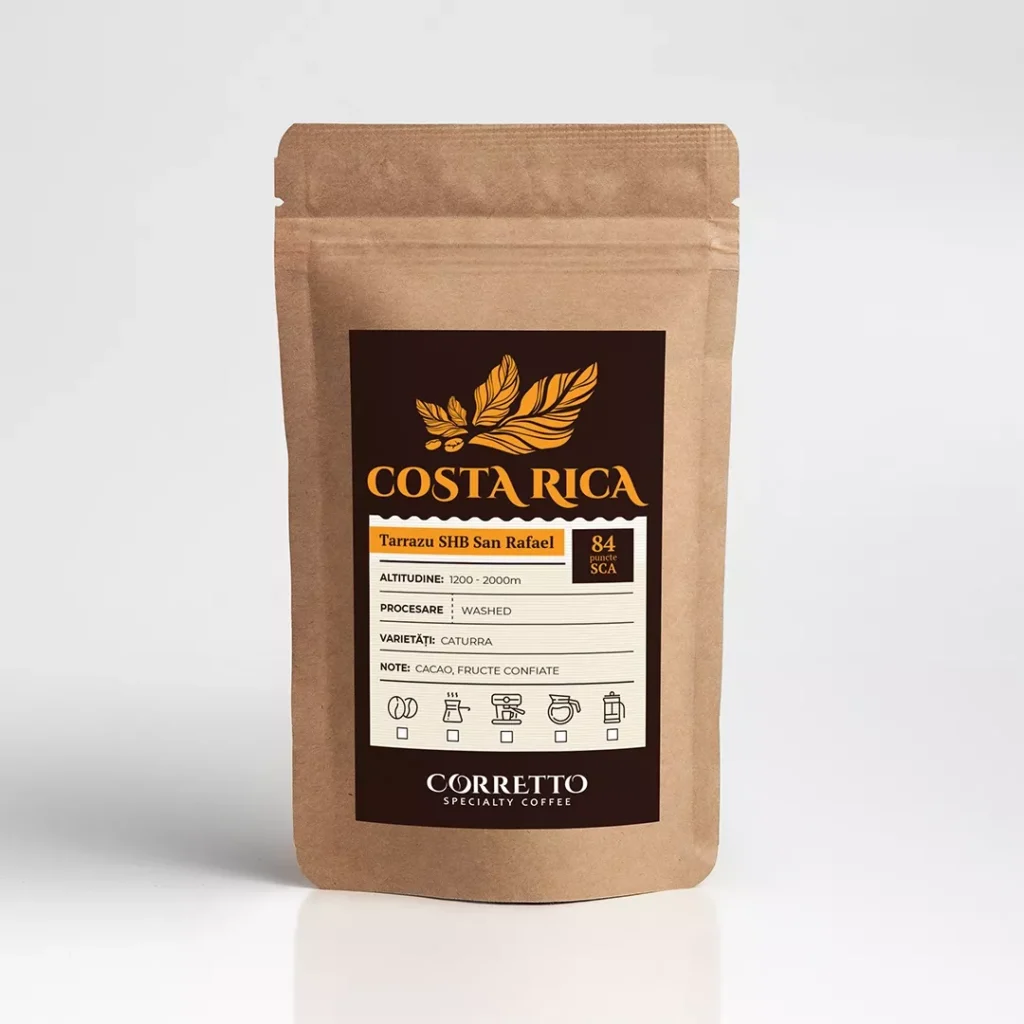
Caffè Corretto
de Specialitate Corretto, Costa Rica Tarrazu SHB San Rafael, Washed, 100% Arabica, 84 puncte SCA
38,00 RON
Medio