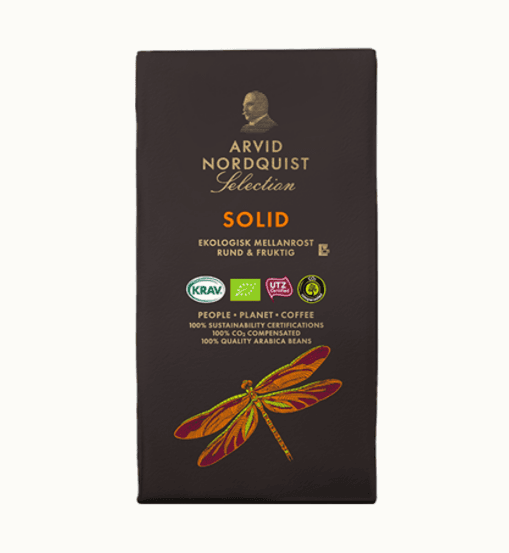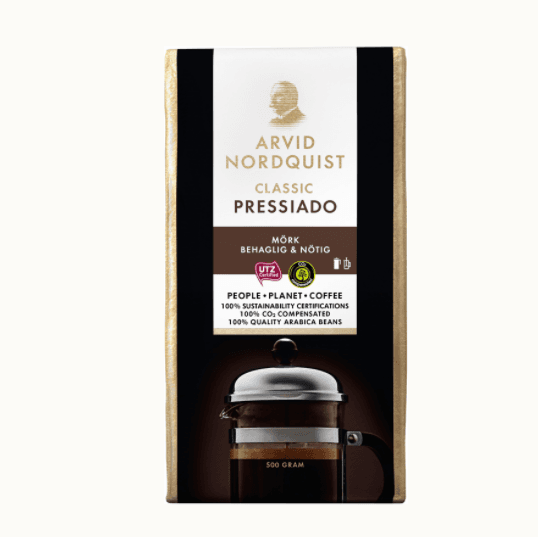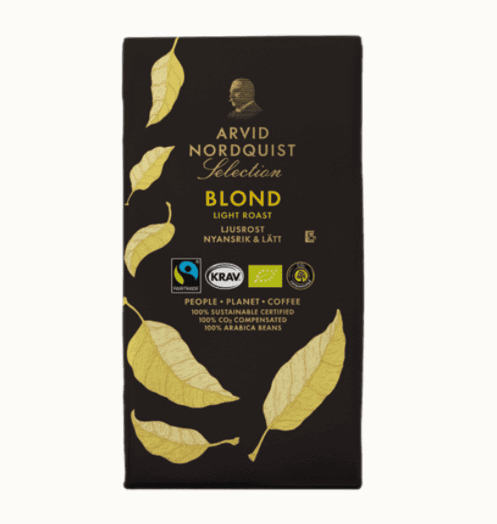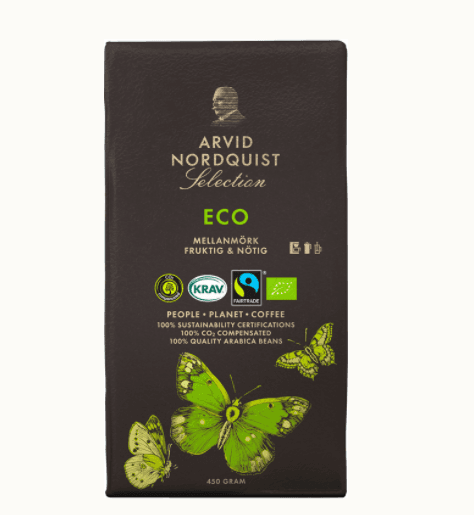
Arvid Nordquist
Solna, SE
TASTE EXPERIENCES AND CONTEMPORARY QUALITY
Arvid Nordquist HAB is a Swedish family-owned company that has focused on great taste experiences and high-quality products since its beginnings in 1884. Our range includes food, our own coffee roasted in-house, wines, beers and since 2016 also non food products. We currently have 286 employees across the Nordic countries, working together to offer the best taste experiences and products, while doing our utmost to improve people’s lives and minimise environmental and climate impact. Modern quality is about a product having as little environmental impact as possible.
VISION
"We are the best partner - our customers feel inspired with us. We deliver strong brands with outstanding quality, service & value with people and the environment in mind."
SUSTAINABILITY WORK
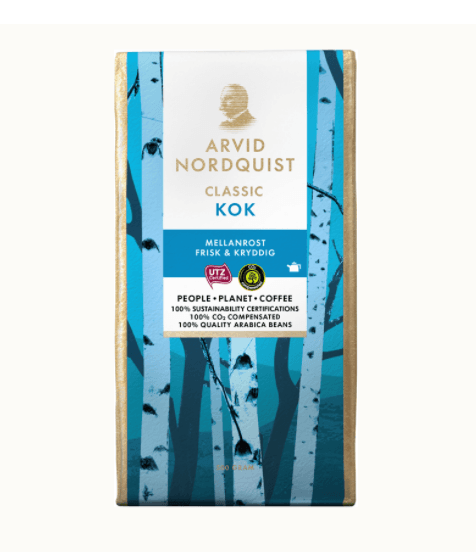
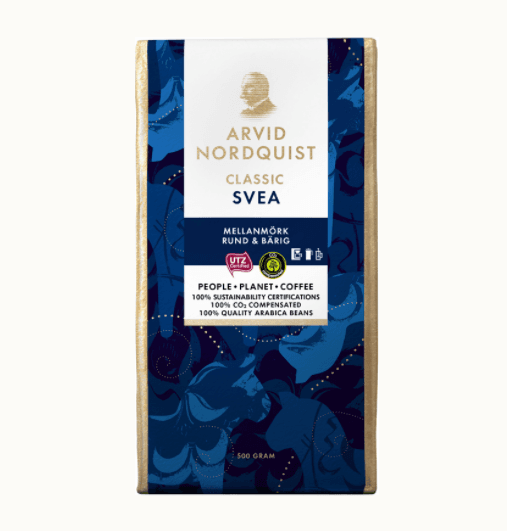
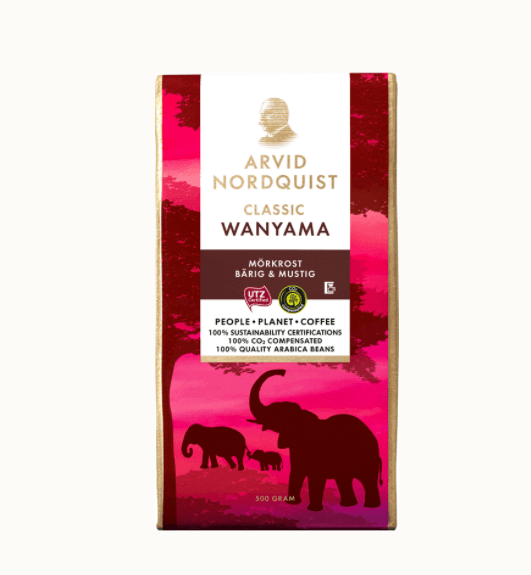
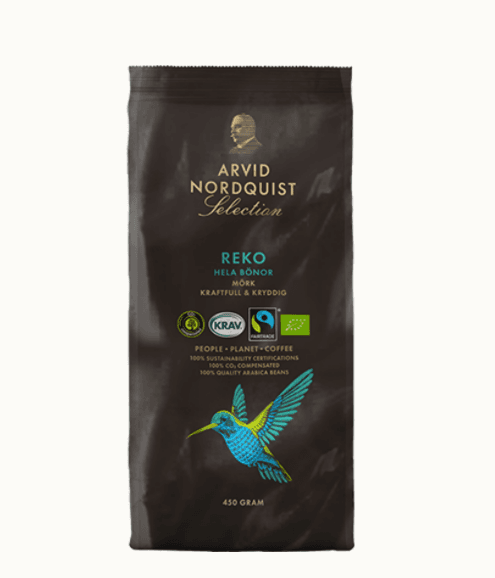
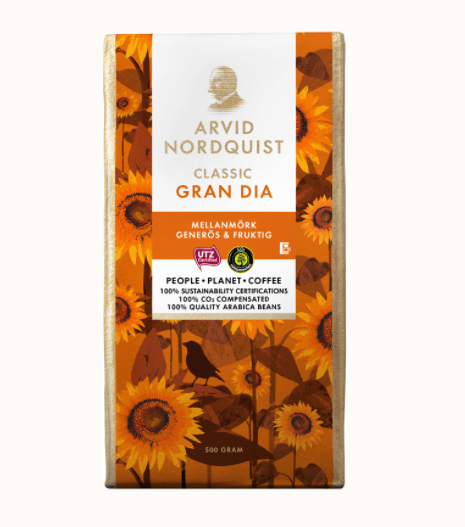
All our coffee comes from sustainability-certified coffee growers, guaranteeing cultivation that takes account of people and the environment. The coffee beans are carefully chosen by our buyers to meet our quality standards. Our roastery is environmentally certified in accordance with ISO 14001, under which we constantly work to reduce our environmental impact, with external auditors verifying our work. We also offset the environmental impact that remains.
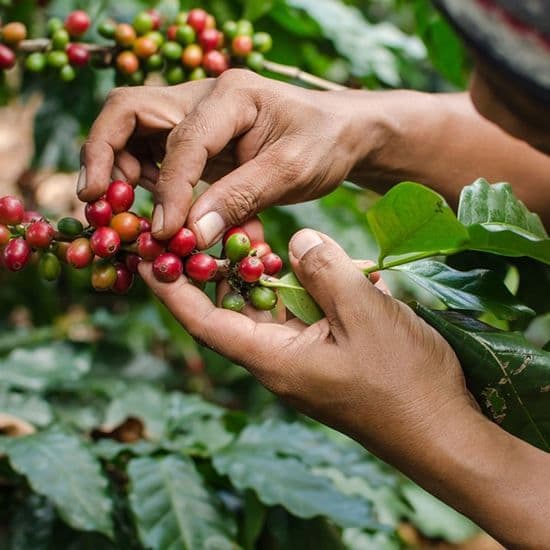
All this gives our coffee an even better aftertaste. We call this our People Planet Coffee manifesto.
100% CLIMATE COMPENSATED COFFEE
Coffee production generates emissions of carbon dioxide during cultivation, transport and roasting. At Arvid Nordquist Coffee, we work actively to reduce these emissions and our impact on the environment. We compensate for the carbon emissions we have not yet managed to tackle through tree-planting schemes in coffee-growing countries.
OUR INTERNAL ENVIRONMENTAL WORK
For us, sustainability means taking responsibility for the environment, the people and the economy of our own organization, as well as the whole of our value chain. We also work on gradually reducing our overall impact on people and the environment through clear targets all the way along the value chain, for example regarding production, transport, packaging materials and office environments. We then offset the impacts that remain through climate compensation schemes.