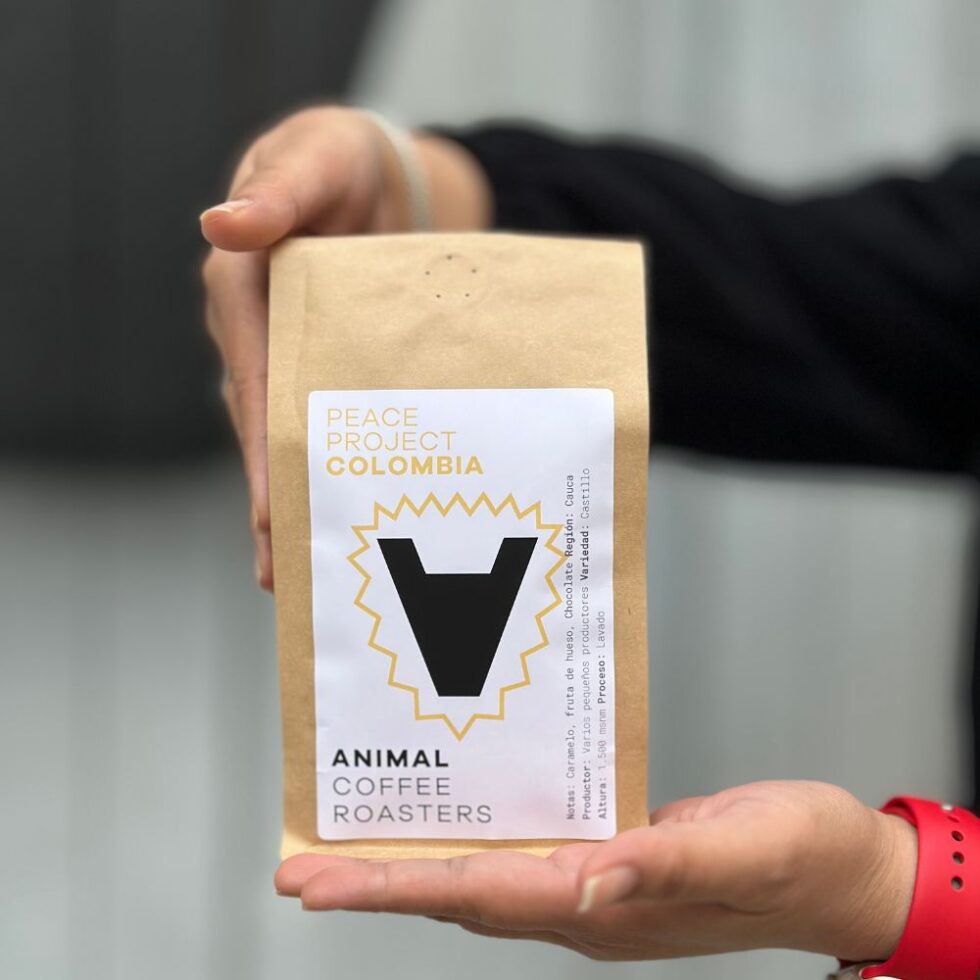
 Animal Coffee
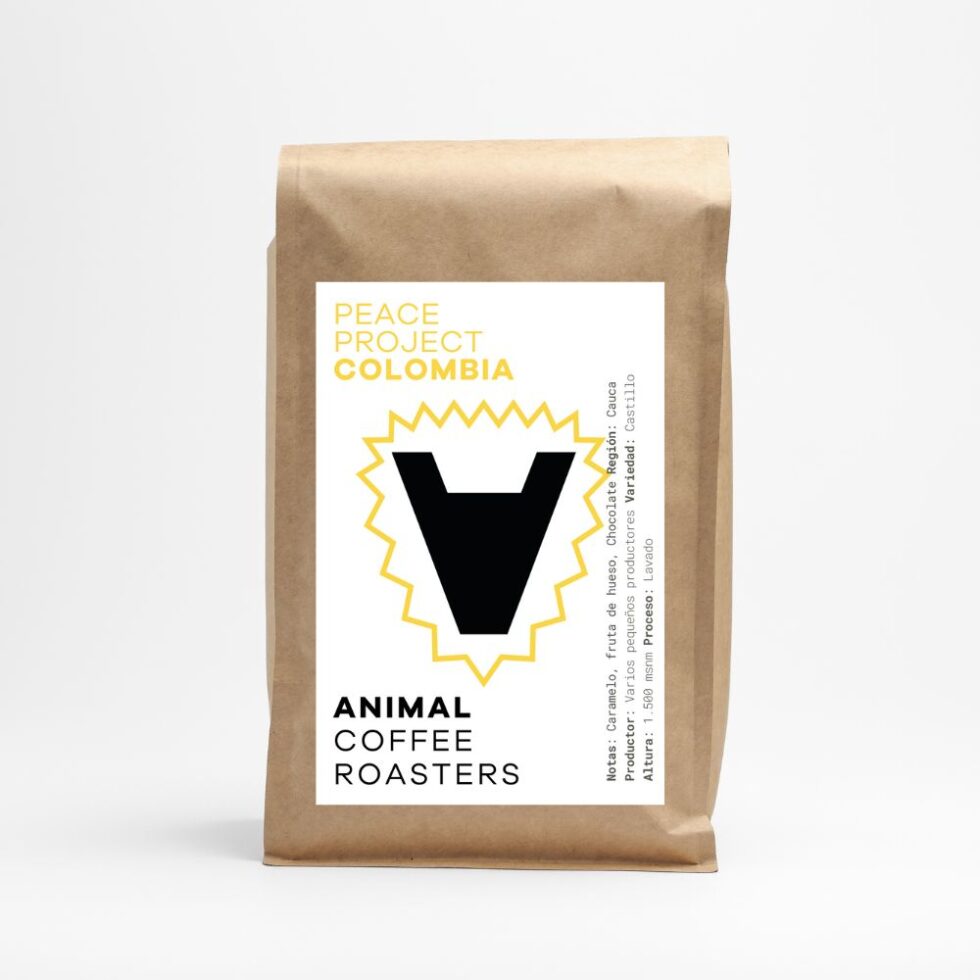
Colombia Peace Project
Cauca, Colombie
- Lavé
- Pure origine
Colombia Peace Project est un café d’origine Colombie, vendu par Animal Coffee (Espagne). Région : Cauca. Traitement : lavé. Notes de dégustation du torréfacteur : orange peel, caramel. Prix : de 12,85 € à 41,15 €, selon le format. Soit à partir de 41,15 € le kilo.
Pas encore noté · Écrivez le premier avis
à partir de12,85 €
≈ 41,15 € / kg
Vous serez redirigé vers la boutique du torréfacteur pour finaliser votre achat.
- Pays du torréfacteur
- Espagne
- Pays de livraison
- France · À vérifier sur la boutique du torréfacteur
Free shipping to mainland Spain on orders over €35.
TASTING NOTES: Orange peel, dark chocolate, caramel.
Origin: Colombia
Region: Cauca
Producer: Various small producers
Variety: Blend of varieties (100% Arabica)
Altitude: 1,700 – 2,100 masl
Process: Washed
SCA Score: 84 SCA points
Roast: Medium
☕ Recommended for espresso and Italian coffee maker.
Profil gustatif
D’après les détails indiqués sur la boutique du torréfacteur.
Notes de dégustation
- Orange peel
- Caramel
Formats et prix
Description
Our selection of specialty Colombian coffee in an omni roast. Perfect for any extraction method.
SPECIALTY COLOMBIAN COFFEE
Colombian coffee is recognized worldwide for its quality, being the fourth largest coffee producer globally. Coffee in Colombia is grown in all the mountainous areas of the country and involves more than 500,000 producer families.
Colombian coffee is 100% Arabica. It is grown in the country on land with altitudes between 1,300 and 2,000 meters. Colombian coffees are characterized by their washed process.
Additionally, the climatic and terrain conditions give it a relatively high acidity. Likewise, Colombian specialty coffee generally stands out for its mild flavor and balanced body.
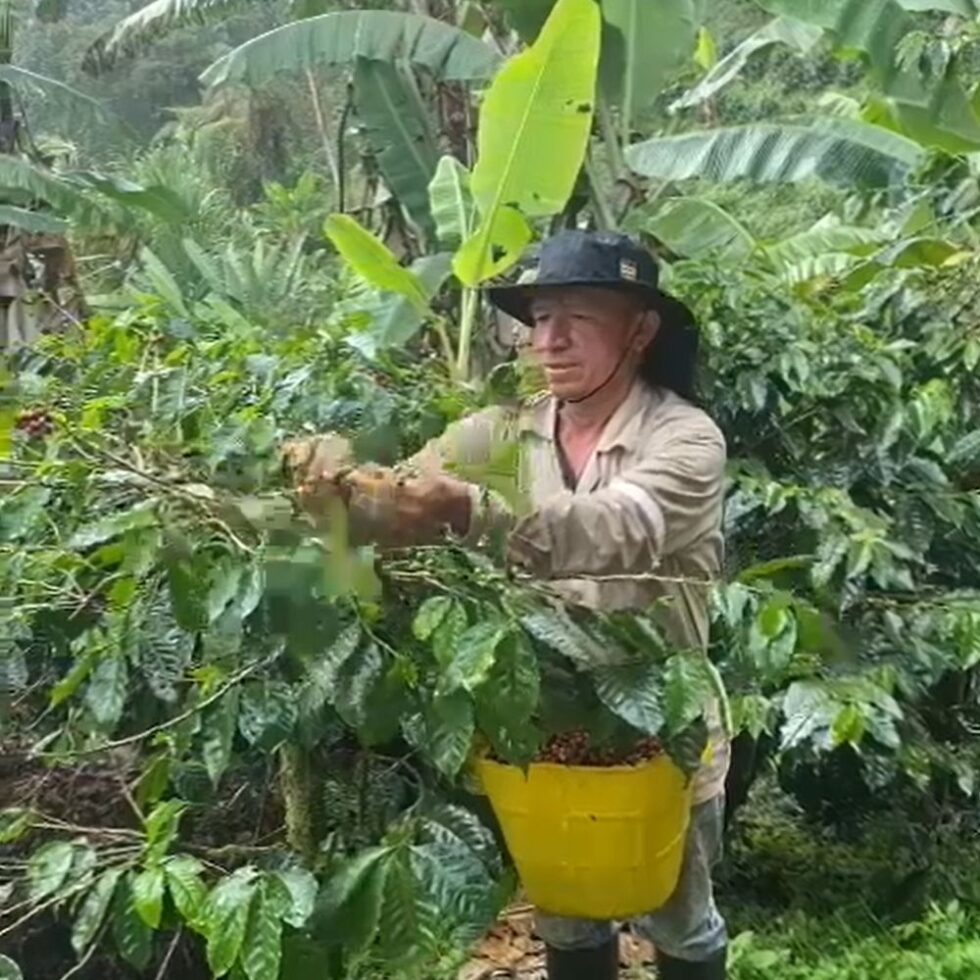
As is usual with specialty coffee, Colombian coffee is harvested by hand. Each bean is picked at the optimal moment of its maturity to guarantee greater sweetness.
ORIGIN: PEACE PROJECT
This specialty Colombian coffee is a product and testimony to the resilience and determination of the farmers in this region.
Cauca is a region marked by impressive landscapes and fertile lands. In contrast, this region is characterized by its violent history, which continues to the present day. Cauca is a region that today still experiences a high level of conflict. These conflicts make the cultivation and transport of coffee both challenging and dangerous.
Land dispossession and drug trafficking are the main factors driving conflict and violence in the territory. This is compounded by alliances between different political and armed forces. Thus, combat between dissidents and public forces is revived, leaving the civilian population caught in the crossfire.
Coffee growers and inhabitants of the north of this region are deeply affected by this conflict.
Every step in the production and transport of this specialty coffee is meticulously supervised by individuals who have endured the harsh realities of a prolonged struggle. A struggle that involves victims and former guerrilla members, working together towards a peaceful and prosperous future.
Learn more about the conflict in this region.
CAUCA REGION
Historically, Cauca has been one of the regions most affected by armed conflicts. Because of this, for a long time, cultivating the land was impossible.
Currently, thanks to the soils not being overexploited, they are very fertile and suitable for growing specialty coffees. And furthermore, without having to make great efforts in benefit protocols. This contributes to the quality of this Colombian coffee and, additionally, is a fundamental factor for the coffee beans to have the quality required to be considered specialty coffee
The Cauca Region has one of the most fascinating natural features of Colombia: the birth of the central and western mountain ranges of the country, as well as the Cauca and Magdalena rivers, making it a territory with abundant water and agricultural wealth, as well as having amazing landscapes.
Located in the southwestern region of Colombia, Cauca borders the departments of Valle del Cauca, Tolima, Huila, Caquetá, Putumayo, and Nariño, as well as the Pacific Ocean. This region has tropical jungles, basins, and volcanoes, as well as natural parks and a diversity of crops. Among the crops are sugarcane and panela, corn, yuca, potato, beans, tomato, and of course, coffee.
The climate of the region and its varied topography, characteristic of the Western and Eastern mountain ranges that cross it, make Cauca the fourth largest coffee-producing region nationally.
It is also the leading region in terms of the number of coffee-growing families, with more than 90,000 families cultivating approximately 94,000 hectares of Arabica coffee. The predominant varieties in Colombian specialty coffee are Caturra, Castillo, Typica, Bourbon, and Tabi.
Thanks to the Andes mountain range crossing Cauca and the protection in the well-known Popayán plateau, there are homogeneous climatic and altitude characteristics that are ideal for giving rise to one of the most outstanding coffees in Colombia.
HARVESTING, WASHING, AND FERMENTATION OF SPECIALTY COFFEE IN COLOMBIA
In Colombia, with most plantations located in mountainous areas, they manually collect mature coffee beans during the day. After finishing the workday, they gather the cherries at the benefit center, where they are poured and depulped.
Due to the availability of water resources, the washed or wet process predominates in Colombian specialty coffee. This process consists of separating the bean from the husk and fermenting it in water tanks until the mucilage disappears. Next, the bean is dried either in the sun or in drying machines. Finally, the beans are sieved or sorted by size.
The washed process gives Colombian coffee a lighter body, more fruity flavors, and higher acidity.
An interesting fact is that chaff from the coffee is used as fuel. This achieves greater energy efficiency and waste reduction.
Questions sur Colombia Peace Project
Quel goût a Colombia Peace Project ?
Notes de dégustation du torréfacteur : orange peel, caramel. Familles d’arômes : agrumes et caramel et sucré.
D’où vient Colombia Peace Project ?
Origine : Colombie. Région : Cauca. Altitude : 1 700–2 100 m.
Comment Colombia Peace Project est-il traité ?
Méthode de traitement : lavé.
Combien coûte Colombia Peace Project ?
Prix : de 12,85 € à 41,15 €, selon le format. Soit à partir de 41,15 € le kilo. Les prix viennent de la boutique et peuvent changer ; la boutique affiche le prix actuel.
Où acheter Colombia Peace Project ?
Dans la boutique en ligne de Animal Coffee : les prix de cette page y renvoient. Cafendo ne vend pas de café.
Avis
Aucun avis pour l’instant.
Si vous aimez ce café, essayez ceux-ci
Choisis chez d’autres torréfacteurs pour une origine, un procédé, une torréfaction, des notes et un prix en commun. Les cafés enregistrés ou bien notés par les mêmes personnes comptent le plus.
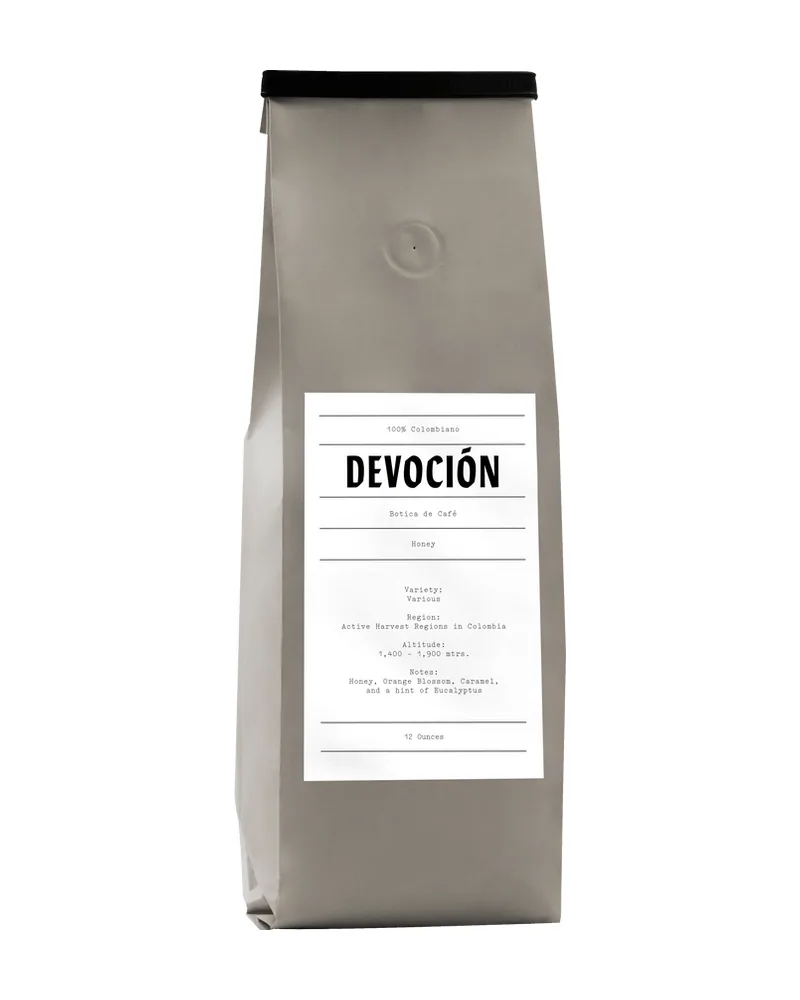
Devocion USA
HONEY
16,83 $US
ClairePourquoi: ColombieAgrumes · Caramel et sucréLavé
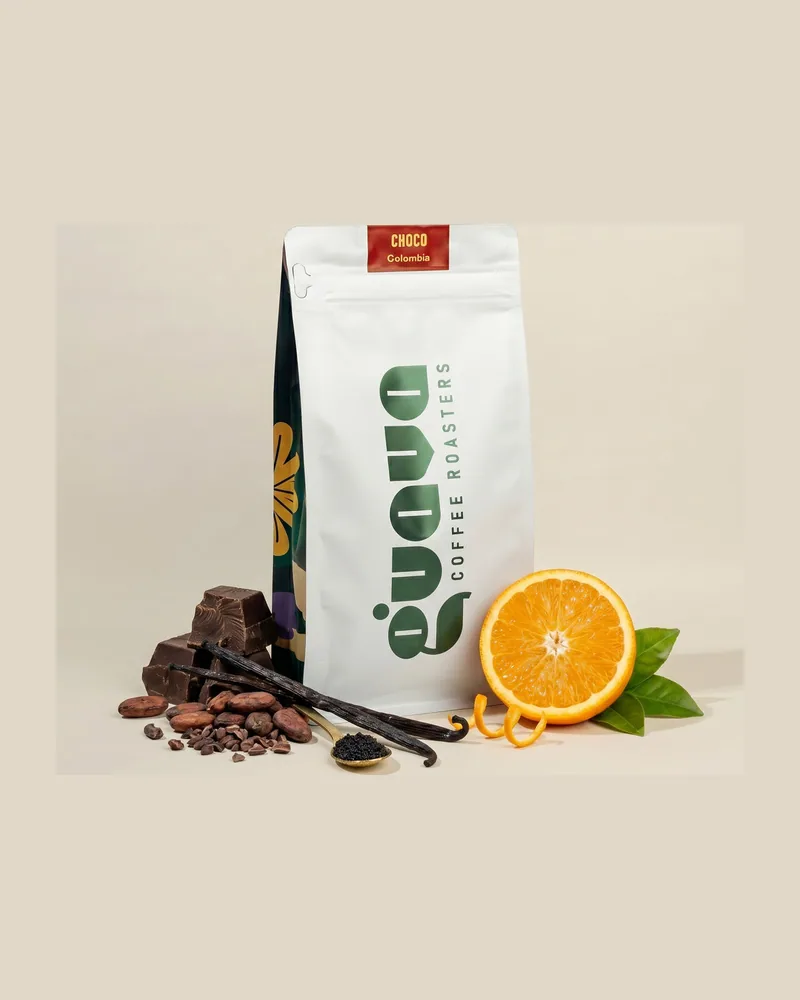
Guava Coffee Roasters
Colombia - Choco
62,00 RON
Pourquoi: ColombieAgrumes · Caramel et sucréLavé
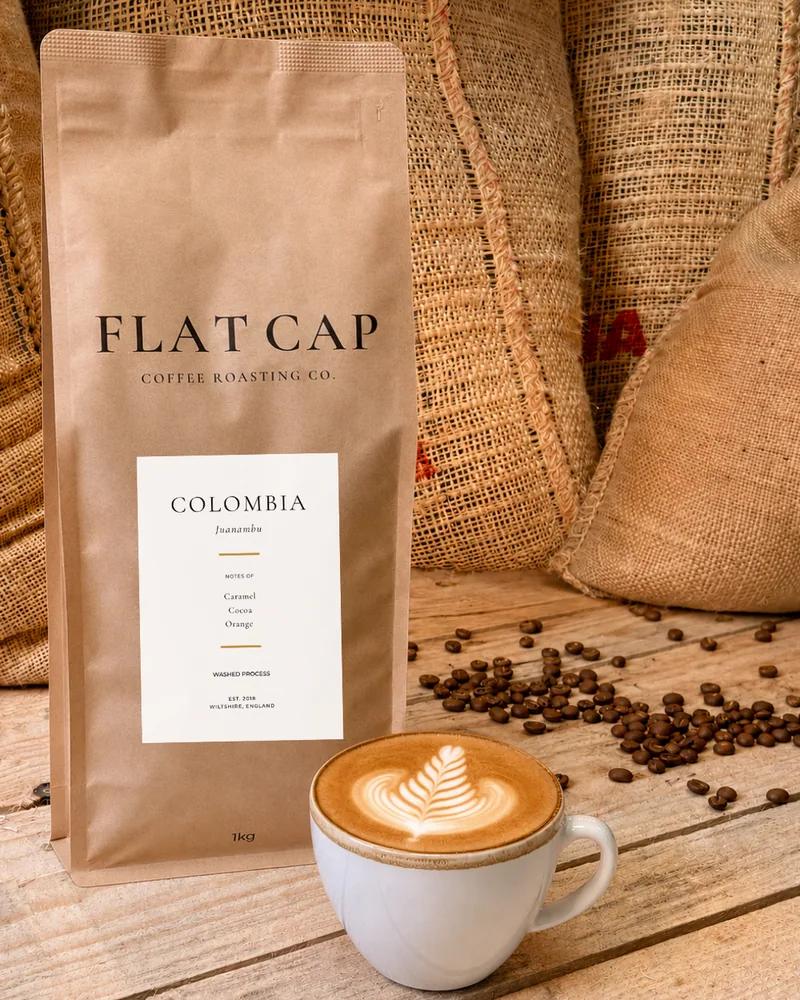
The Flat Cap Coffee Roasting Company
Colombia - Juanambú
11,95 £GB
MoyennePourquoi: ColombieAgrumes · Caramel et sucréLavé
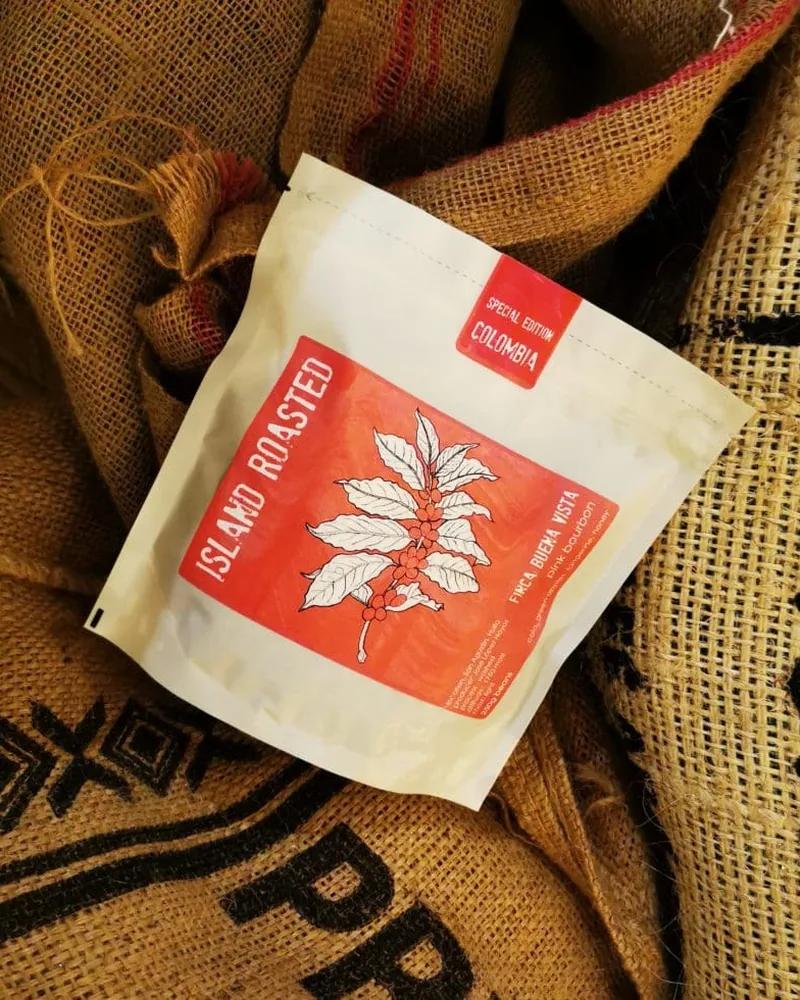
Island Roasted
Colombia Friends of Huila
9,50 £GB
MoyennePourquoi: ColombieAgrumes · Caramel et sucréLavé
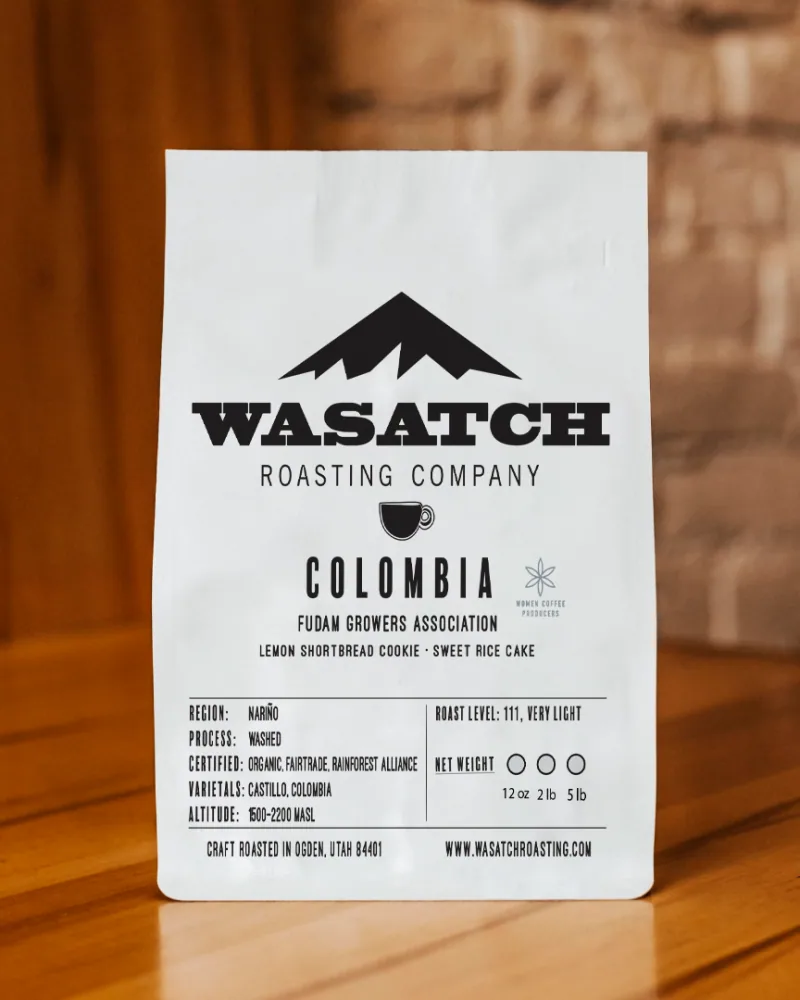
Wasatch Roasting
Colombia-Nariño FUDAM
23,00 $US
Pourquoi: ColombieAgrumes · Caramel et sucréLavé
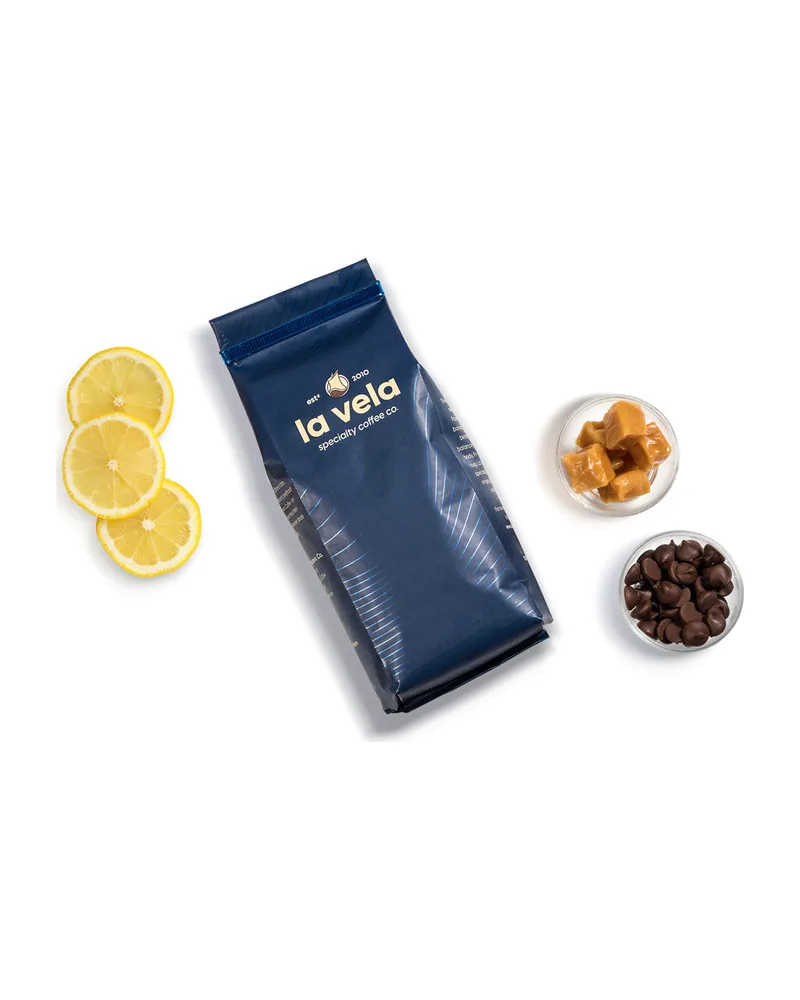
La Vela Coffee Roasters
Colombia: Risaralda
16,00 $US
MoyennePourquoi: ColombieAgrumes · Caramel et sucréLavé
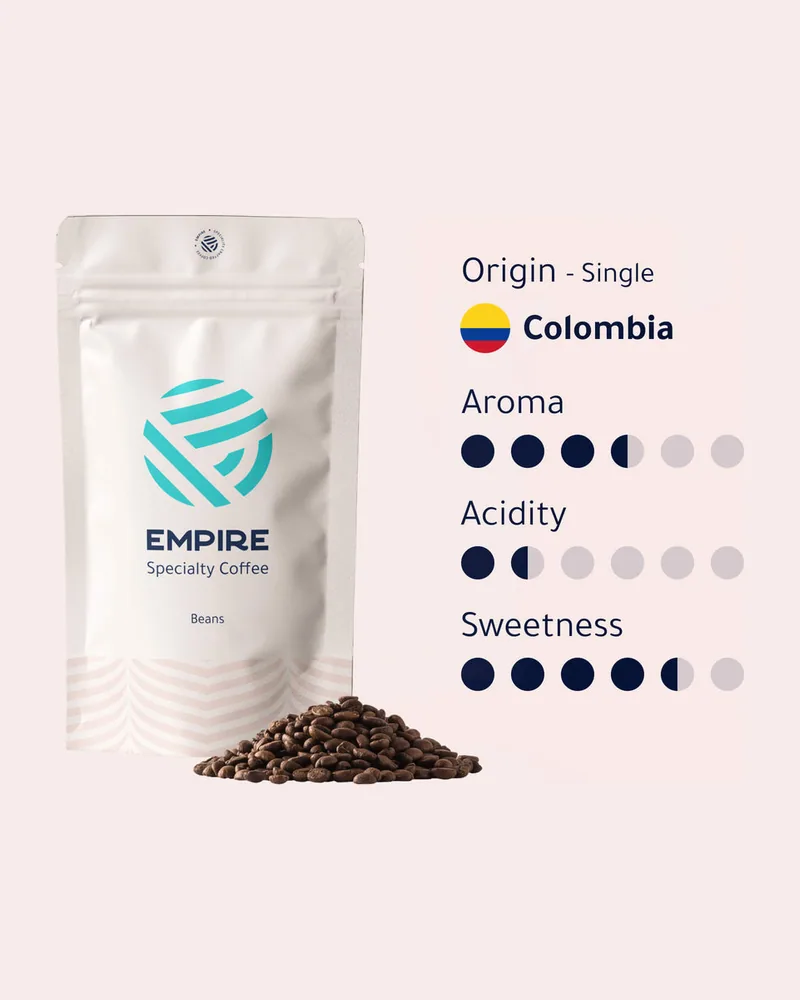
Empire coffee
Colombia Coffee Beans
75,00 QAR
Pourquoi: ColombieAgrumes · Caramel et sucréLavé
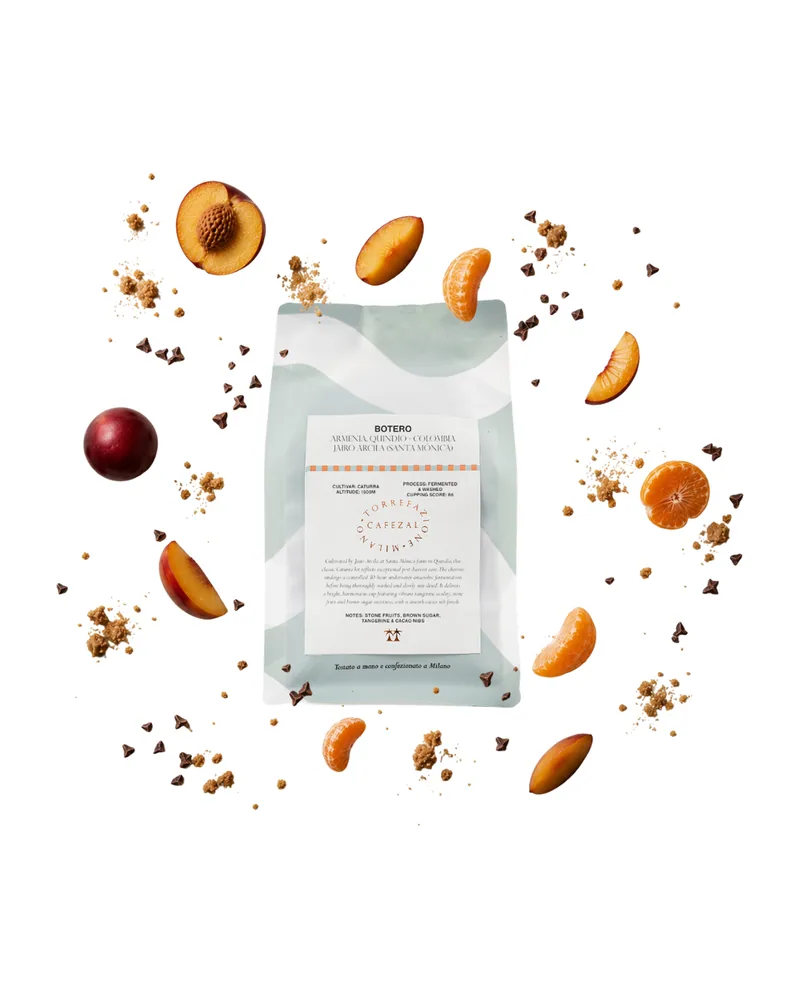
Cafezal Specialty Coffee Roasters
Botero - Colombia
19,90 €
Pourquoi: ColombieAgrumes · Caramel et sucréLavé