


Café descafeinado Colombia Sugar Cane
Caldas, Colombie
- Assemblage
Café descafeinado Colombia Sugar Cane est un café d’origine Colombie, vendu par Animal Coffee (Espagne). Région : Caldas. Variété : Caturra, Castillo (100% Arabica). Notes de dégustation du torréfacteur : brown sugar. Prix : de 13,35 € à 42,75 €, selon le format. Soit à partir de 42,75 € le kilo.
Pas encore noté · Écrivez le premier avis
à partir de13,35 €
≈ 42,75 € / kg
Vous serez redirigé vers la boutique du torréfacteur pour finaliser votre achat.
- Pays du torréfacteur
- Espagne
- Pays de livraison
- France · À vérifier sur la boutique du torréfacteur
TASTING NOTES: Brown sugar, dark chocolate.
Origin: Colombia
Department: Caldas
Producer: Small local producers
Variety: Caturra, Castillo (100% Arabica)
Altitude: 1,700 – 1,900 meters above sea level
Process: Washed – Natural Sugar Cane decaffeination
SCA Score: 84 points
Roast: Dark (Medium-Dark)
☕ Recommended for espresso and moka pot (decaf coffee).
Profil gustatif
D’après les détails indiqués sur la boutique du torréfacteur.
Notes de dégustation
- Brown sugar
Formats et prix
Description
DECAF COFFEE FROM COLOMBIA
– SUGAR CANE PROCESS
Decaf coffee. What is it?
Decaf coffee is coffee from which the caffeine has been removed. Caffeine is a stimulant that affects the nervous system and is naturally present in coffee.
In plants, caffeine acts as a natural pesticide, helping them defend themselves against pests. The higher the altitude at which coffee plants grow, the less caffeine they contain. This is because there are fewer insects to defend against at higher elevations.
Because specialty coffee is 100% Arabica, it contains about half as much caffeine as coffee made from Robusta beans. This is because Arabica coffee plants grow at higher elevations.
Specialty decaf coffee. Is it possible?
Specialty decaf coffee... It may seem contradictory, but it isn't.
If you identify with any of these statements:
- you care about coffee quality but can't tolerate caffeine, or
- you're one of those people who can't drink coffee too late because it keeps you awake
Here's some good news: decaf coffee and specialty coffee don't have to be mutually exclusive. So if you'd like to enjoy a delicious specialty coffee at the end of the day and caffeine affects you, don't worry. Specialty decaf coffee is the solution.
The decaf coffee we roast comes from Colombia and is hand-picked to meet the same quality standards set by the SCA
Decaffeinated coffee using the Sugar Cane process
Caffeine is removed using a process called Sugar Cane. Since sugarcane is commonly grown in Colombia, it is an abundant and readily available resource for this process. Sugarcane is also an economical and natural way to extract caffeine from coffee beans.
Here's how this decaf coffee is made:
First, molasses is extracted from sugarcane and fermented to create ethanol. The ethanol is then combined with acetic acid, better known as vinegar, to produce ethyl acetate.
First, the green coffee is exposed to a gentle steam bath. This moistens the beans and opens their pores, making it easier to extract the caffeine.
Next, the beans are soaked in this ethyl acetate for several hours, during which the caffeine is separated.
The coffee beans are then rinsed with water to remove most of the ethyl acetate.
Next, the coffee is exposed to steam again to remove the ethyl acetate from inside the beans.
Finally, the coffee is dried until it reaches an appropriate moisture level of 10% to 12%.
Sugar Cane, a chemical-free method
The main advantage is that the Sugar Cane process is free of chemical products. The ethyl acetate used in the process is naturally derived and disappears completely by the end of the process. Even if any traces of ethyl acetate remain, they disappear completely when the coffee is roasted, leaving no residue.
Another important benefit of the process is that it preserves the coffee's original flavor and aroma characteristics. This decaffeination process gently extracts caffeine from the beans, avoiding excessive temperatures and pressure. This helps preserve the structure of the coffee bean cells.
Additionally, to protect the decaf coffee from ambient humidity and help keep it stable, the coffee is polished with Carnauba wax.
Carnauba wax is natural and is obtained from the leaves of the Copernicia Prunifera palm, native to Ceará in northeastern Brazil. This plant produces the wax during the dry season, coating its leaves with it to prevent water loss. To obtain it, the leaves are simply cut, left to dry, and crushed.
COFFEE FROM COLOMBIA. ORIGIN: CALDAS
This Colombian decaf coffee comes from the Caldas region. Our partner in the region, OPCE, selected this lot from small-scale farmers in the area. The farms are located at elevations between 1,700 and 1,900 meters above sea level.
After numerous trials, an experimental lot was produced using a specific milling process for decaffeination. This resulted in a cleaner, more pleasant coffee. The selection of the raw materials was crucial. This lot uses coffees made with natural fermentation processes and higher acidity. This balances the characteristic sweetness of decaf and adds fruity notes.
Questions sur Café descafeinado Colombia Sugar Cane
Quel goût a Café descafeinado Colombia Sugar Cane ?
Notes de dégustation du torréfacteur : brown sugar. Familles d’arômes : caramel et sucré.
D’où vient Café descafeinado Colombia Sugar Cane ?
Origine : Colombie. Région : Caldas. Producteur : Small local producers. Altitude : 1 700–1 900 m. Variété : Caturra, Castillo (100% Arabica).
Combien coûte Café descafeinado Colombia Sugar Cane ?
Prix : de 13,35 € à 42,75 €, selon le format. Soit à partir de 42,75 € le kilo. Les prix viennent de la boutique et peuvent changer ; la boutique affiche le prix actuel.
Où acheter Café descafeinado Colombia Sugar Cane ?
Dans la boutique en ligne de Animal Coffee : les prix de cette page y renvoient. Cafendo ne vend pas de café.
Réponses tirées des données de la boutique et du catalogue Cafendo.
Avis
Aucun avis pour l’instant.
Si vous aimez ce café, essayez ceux-ci
Choisis chez d’autres torréfacteurs pour une origine, un procédé, une torréfaction, des notes et un prix en commun. Les cafés enregistrés ou bien notés par les mêmes personnes comptent le plus.

Earth Bean Coffee
Colombia Magdalena
18,00 $US
MoyennePourquoi: ColombieCaramel et sucréPrix proche
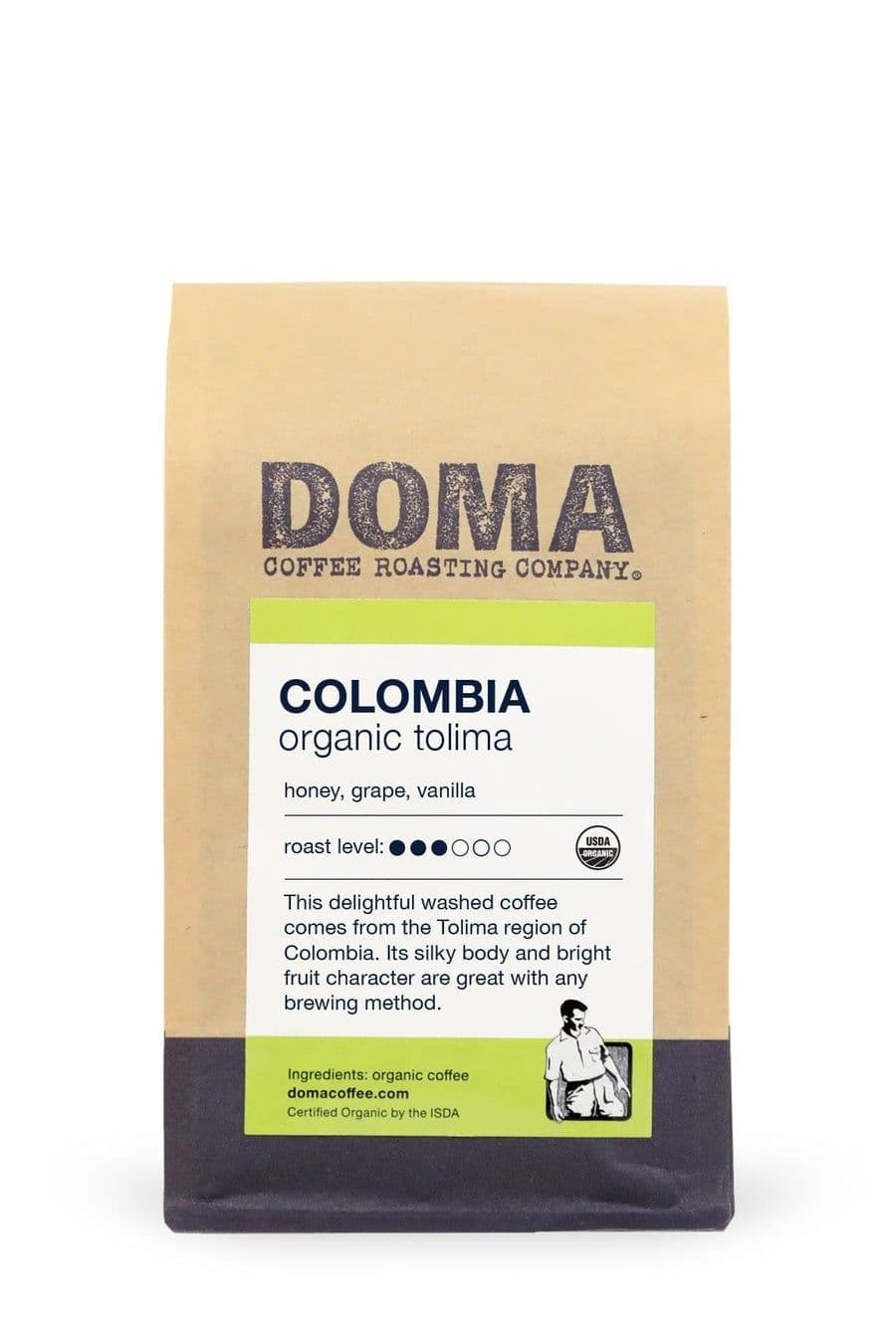
DOMA Coffee
COLOMBIA
20,00 $US
FoncéePourquoi: ColombieCaramel et sucréPrix proche
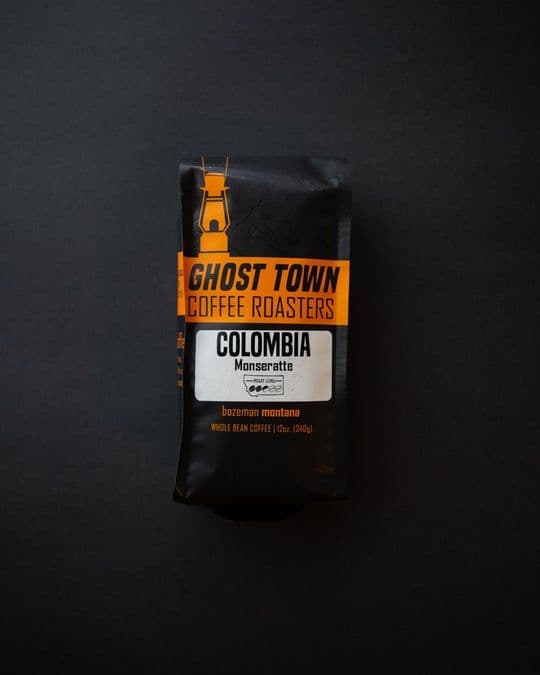
Ghost Town Coffee
Colombia - Monserrate
11,41 $US
ClairePourquoi: ColombieCaramel et sucréPrix proche
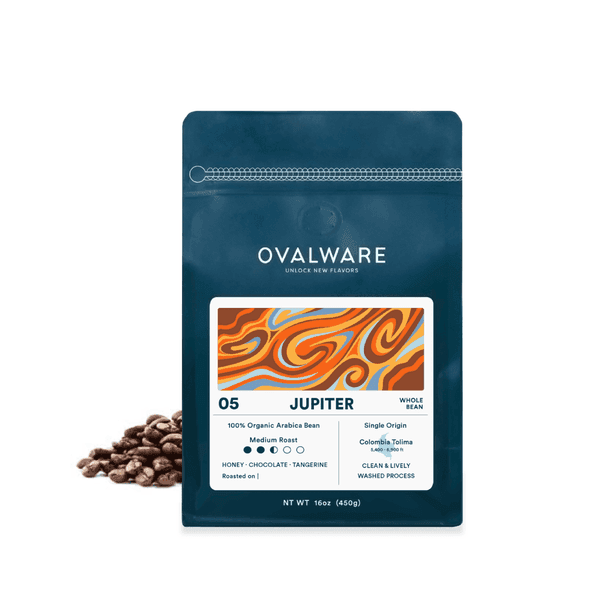
OVALWARE
05 JUPITER POUR OVER COFFEE BEAN
17,68 $US
MoyennePourquoi: ColombieCaramel et sucréPrix proche
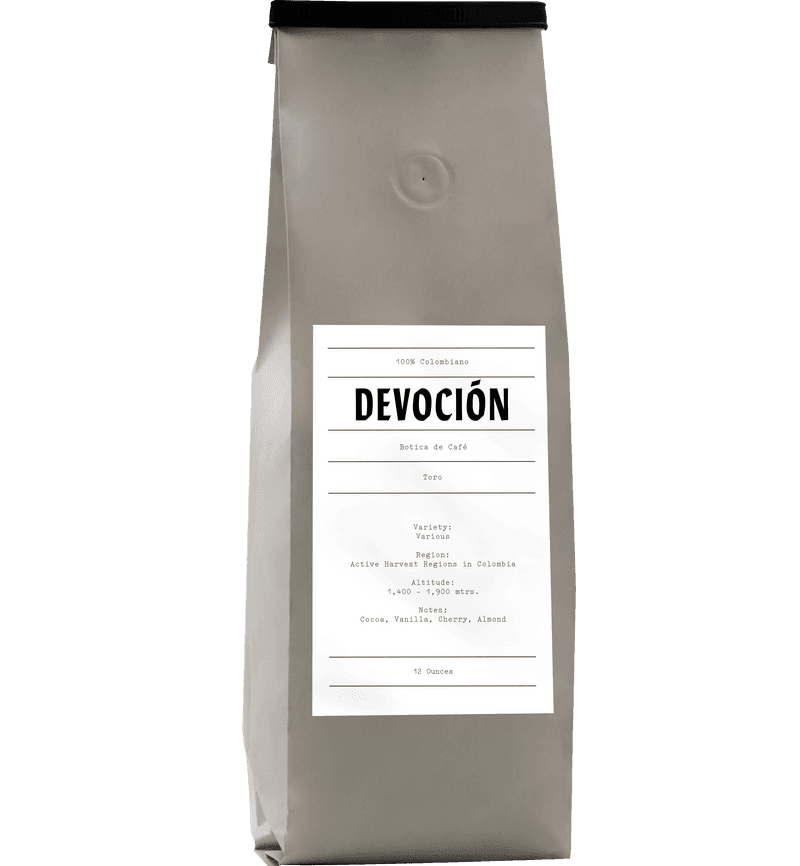
Devocion USA
TORO
16,83 $US
MoyennePourquoi: ColombieCaramel et sucréPrix proche
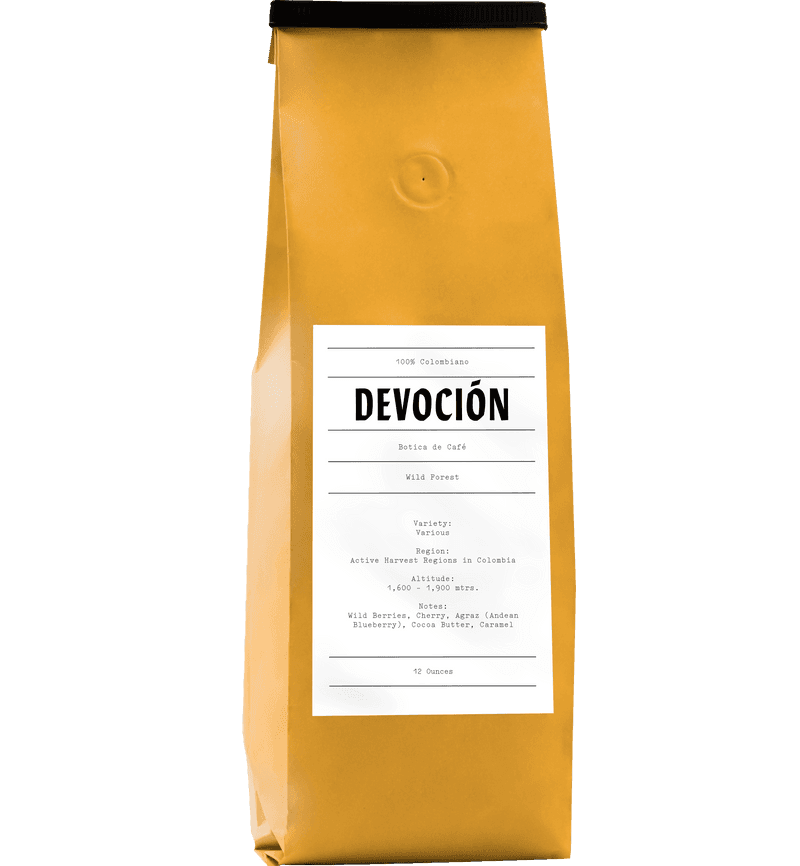
Devocion USA
WILD FOREST
16,83 $US
MoyennePourquoi: ColombieCaramel et sucréPrix proche
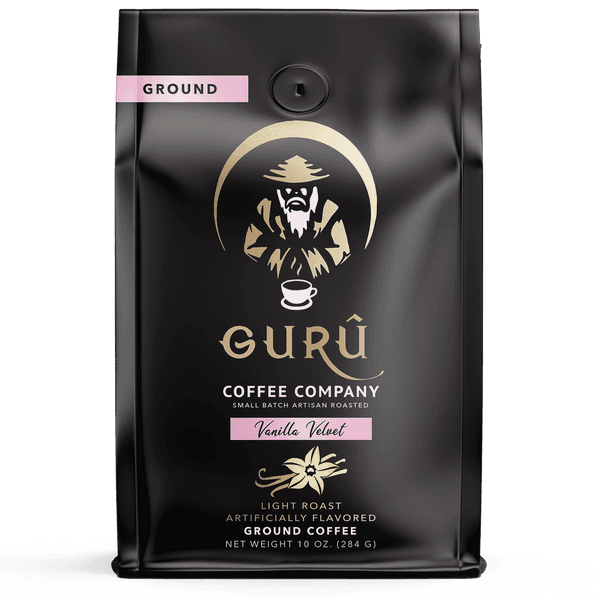
Gurû Coffee Company
Vanilla Velvet Light Roast Ground Coffe
13,24 $US
ClairePourquoi: ColombieCaramel et sucréPrix proche
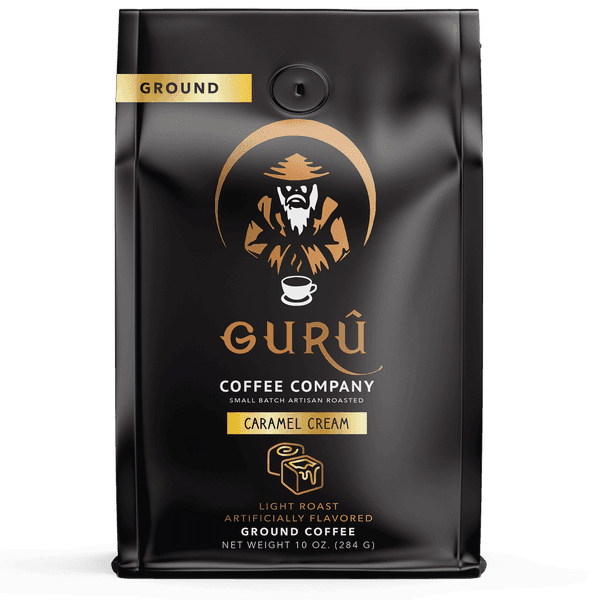
Gurû Coffee Company
Caramel Cream Light Roast Ground Coffee
13,24 $US
MoyennePourquoi: ColombieCaramel et sucréPrix proche


