

Dinkinesh: Yabitu Koba, Ethiopia
Uraga, Guji, Ethiopia, Äthiopien
- Röstgrad: Hell
- Gewaschen
- Single Origin
Dinkinesh: Yabitu Koba, Ethiopia ist ein Kaffee aus Äthiopien, verkauft von Little Waves Coffee Roasters (Vereinigte Staaten). Region: Uraga, Guji, Ethiopia. Aufbereitung: Gewaschen. Varietät: Dega, Kurume. Röstung: Hell. Geschmacksnoten laut Rösterei: white tea, white peach, blueberry, lemoncake. Preis: 26,00 $ bis 130,00 $, je nach Packungsgröße. Das sind ab 57,32 $ pro Kilo.
Noch nicht bewertet · Schreib die erste Bewertung
ab26,00 $
≈ 57,32 $ / kg
Du wirst zum Shop der Rösterei weitergeleitet, um den Kauf abzuschließen.
- Sitz der Rösterei
- Vereinigte Staaten
- Lieferland
- Deutschland · ✓ Ja, laut Shop der Rösterei
Geschmacksprofil
Nach den Angaben im Shop der Rösterei.
Geschmacksnoten
- White tea
- White peach
- Blueberry
- Lemoncake
- RöstgradHell
- HellDunkel
Größen und Preise
| Menge | Pro kg | Preis |
|---|---|---|
| 12oz | 76,43 $ | 26,00 $ ↗ |
| 2lb | 57,32 $ | 52,00 $ ↗ |
| 5lb | 57,32 $ | 130,00 $ ↗ |
Beschreibung
Name: Dinkinesh: Yabitu Koba
Region: Uraga, Guji, Ethiopia
Tasting Notes: white tea, white peach, blueberry, & lemoncake
Producers: Yabitu Koba community
Process: Washed
Varieties: Dega, Kurume
Altitude: 2,160 - 2,320 MASL
Roast: Light
Recommended Brew Ratios:
Espresso: 1:2.1 (17.5-18g in, 36.75-37.8 out, 25-28 seconds)
Filter: 1:16
Batch Brew: 1:16.6
Yabitu Koba
Deep in the Uraga district of Guji, Ethiopia, lies Koba, a remote kebele whose name comes from the native false banana tree, a familiar presence throughout the landscape. Reaching Koba is no small journey: a flight to Addis Ababa, another to Hawassa, followed by a five-hour drive through mountainous terrain. During the rainy season, the roads become muddy, difficult, and sometimes nearly impassable.
Here, smallholder producers bring their coffee cherry to a local processing center, traveling from their farms by horse, mule, or donkey. Some farms are 30 to 90 minutes away along dirt roads, making the harvest dependent not only on the ripeness of the cherry, but on the weather and the ability to get it to the mill. Rainy seasons that once lasted just a few months have grown longer, now stretching across much of the year. During harvest, from December through February, producers make the most of every sunny day, gathering and transporting their coffee whenever the conditions allow.
Coffee grows among false banana trees, maize, Korch, Wanza, and Sesa, with shade selected according to the age and needs of each plant. The region's fertile sandy-loam soils offer an exceptional balance of drainage and water retention, supporting healthy coffee plants through thoughtful cultivation.
The people of Koba belong to the Oromo community and speak Oromiffa, carrying generations of agricultural knowledge and traditions. Life here remains closely tied to the land, though access to essentials like electricity, clean drinking water, and education can be limited. Many children begin school later, often around age nine, due to the distance they must travel. Agriculture remains central to the community, with families growing coffee, potatoes, maize, and false banana for their livelihoods.
Despite the challenges of reaching Koba and the realities of daily life, its producers continue to cultivate coffees of extraordinary quality. Their deep knowledge of the land, generations of coffee-growing wisdom, and dedication to their craft are reflected in every cup.
We are grateful to share this coffee from a place where the journey is as remarkable as what grows at its end.
*If you would like this coffee ground, please specify brew method in comments.
Fragen zu Dinkinesh: Yabitu Koba, Ethiopia
Wie schmeckt Dinkinesh: Yabitu Koba, Ethiopia?
Geschmacksnoten laut Rösterei: white tea, white peach, blueberry, lemoncake. Aromagruppen: Fruchtig und Zitrus.
Woher kommt Dinkinesh: Yabitu Koba, Ethiopia?
Herkunft: Äthiopien. Region: Uraga, Guji, Ethiopia. Produzent: Yabitu Koba community. Anbauhöhe: 2.160–2.320 m. Varietät: Dega, Kurume.
Wie wird Dinkinesh: Yabitu Koba, Ethiopia aufbereitet?
Aufbereitung: Gewaschen.
Welchen Röstgrad hat Dinkinesh: Yabitu Koba, Ethiopia?
Röstgrad: Hell.
Was kostet Dinkinesh: Yabitu Koba, Ethiopia?
Preis: 26,00 $ bis 130,00 $, je nach Packungsgröße. Das sind ab 57,32 $ pro Kilo. Die Preise stammen aus dem Shop und können sich ändern; dort steht der aktuelle Preis.
Wo kann ich Dinkinesh: Yabitu Koba, Ethiopia kaufen?
Im Onlineshop von Little Waves Coffee Roasters: Die Preise auf dieser Seite verlinken dorthin. Laut Shop wird weltweit geliefert. Cafendo verkauft selbst keinen Kaffee.
Bewertungen
Noch keine Bewertungen.
Wenn dir dieser Kaffee schmeckt, probier diese
Von anderen Röstereien, nach gemeinsamer Herkunft, Aufbereitung, Röstung, Geschmacksnoten und Preis. Am meisten zählen Kaffees, die dieselben Leute gespeichert oder gut bewertet haben.
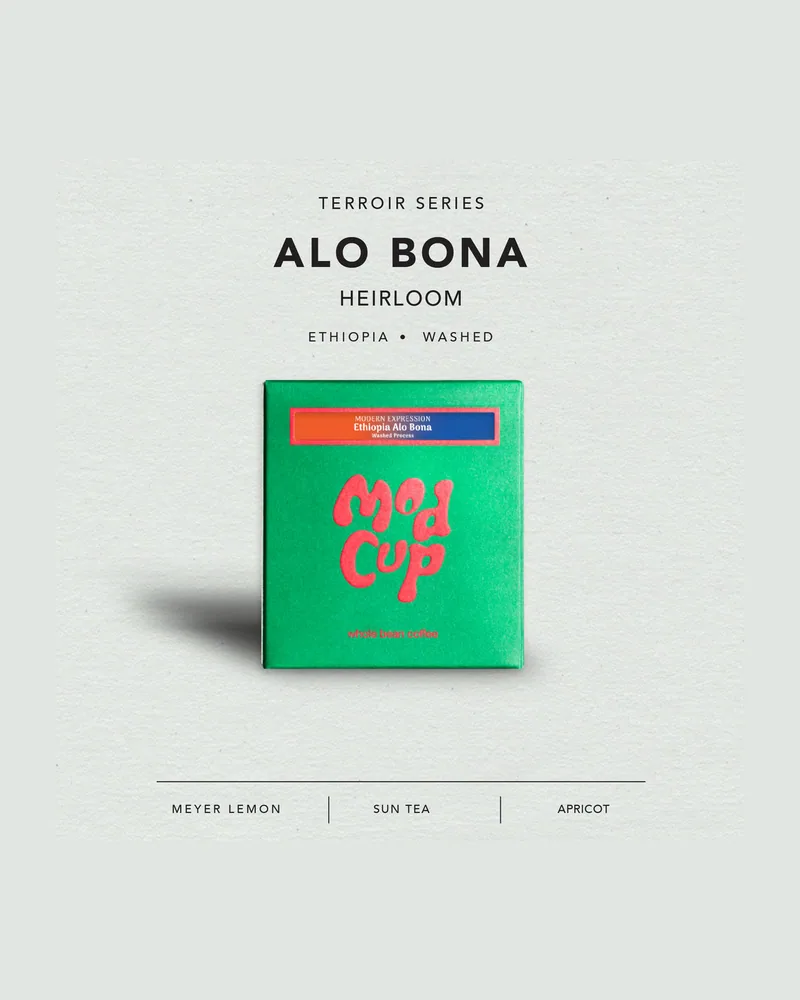
modcup coffee
Alo Bona Washed
27,50 $
HellWarum: ÄthiopienZitrus · FruchtigGewaschen

Hidden Grounds Coffee
Ethiopia Yirgacheffe
19,00 $
HellWarum: ÄthiopienZitrus · FruchtigGewaschen
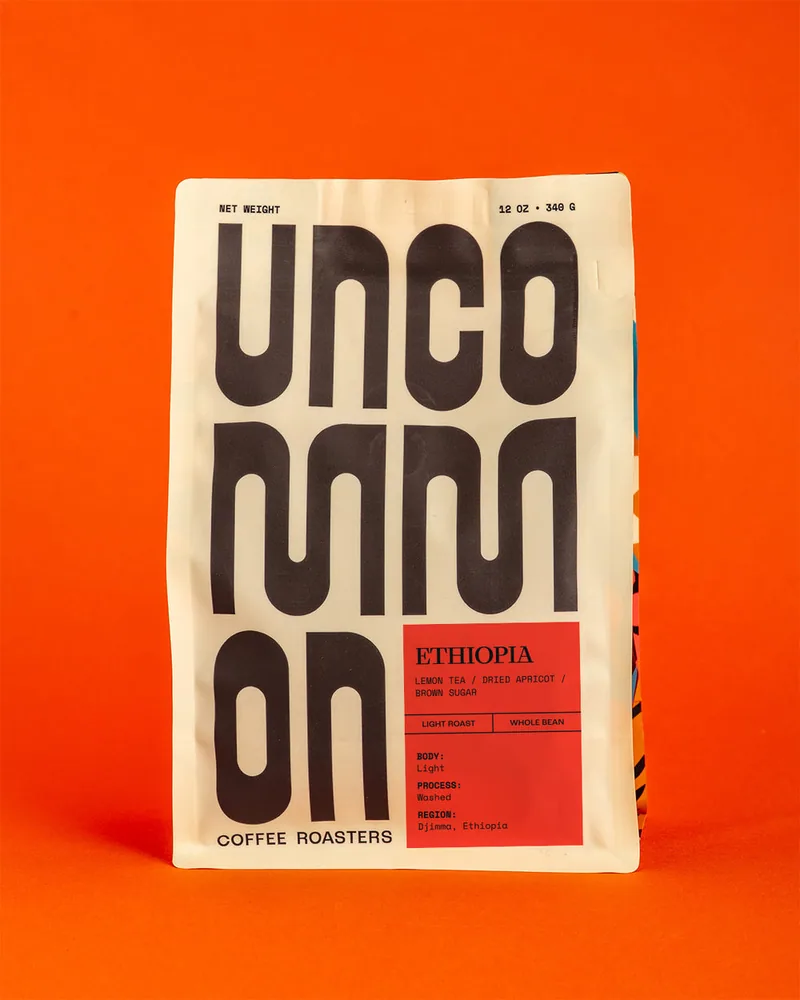
Uncommon Coffee Roasters
Ethiopia
18,50 $
HellWarum: ÄthiopienZitrus · FruchtigGewaschen
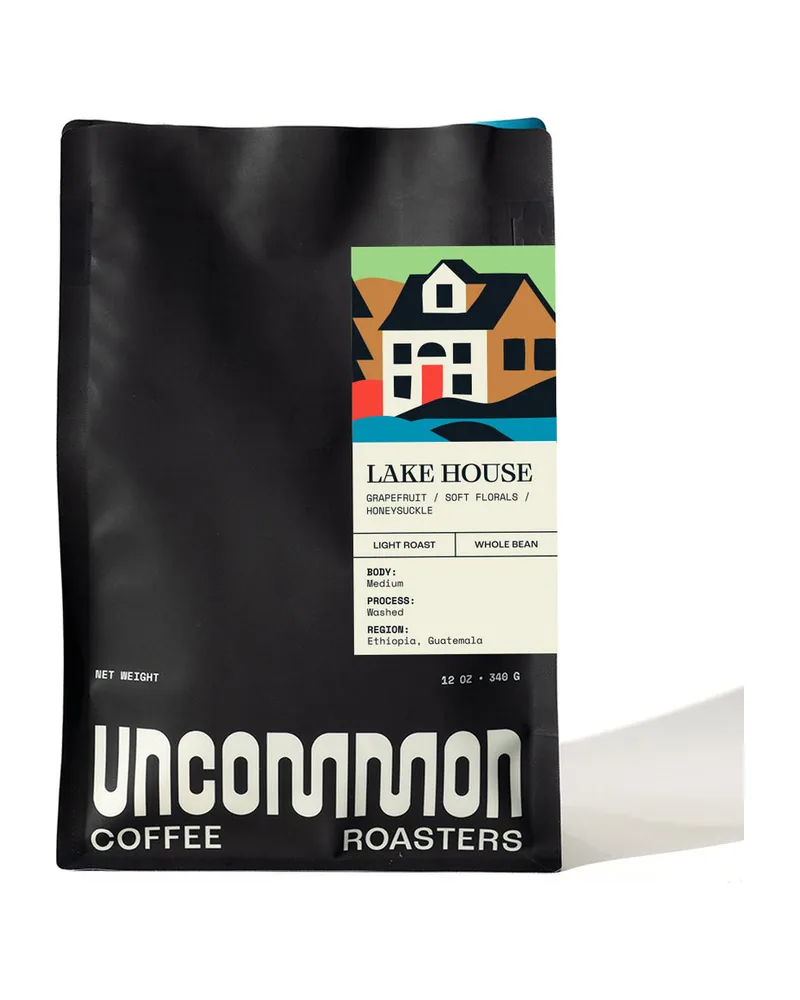
Uncommon Coffee Roasters
Lake House Blend
20,00 $
HellWarum: ÄthiopienZitrus · FruchtigGewaschen
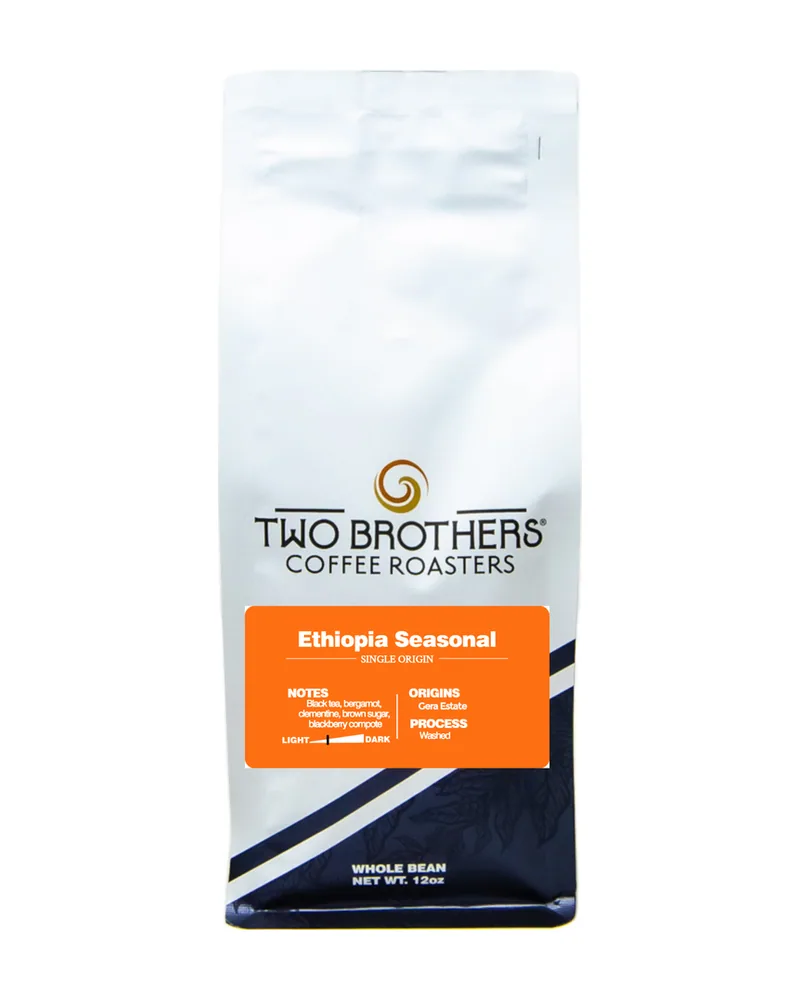
Two Brothers Coffee Roasters
Ethiopia Seasonal
17,99 $
HellWarum: ÄthiopienZitrus · FruchtigGewaschen
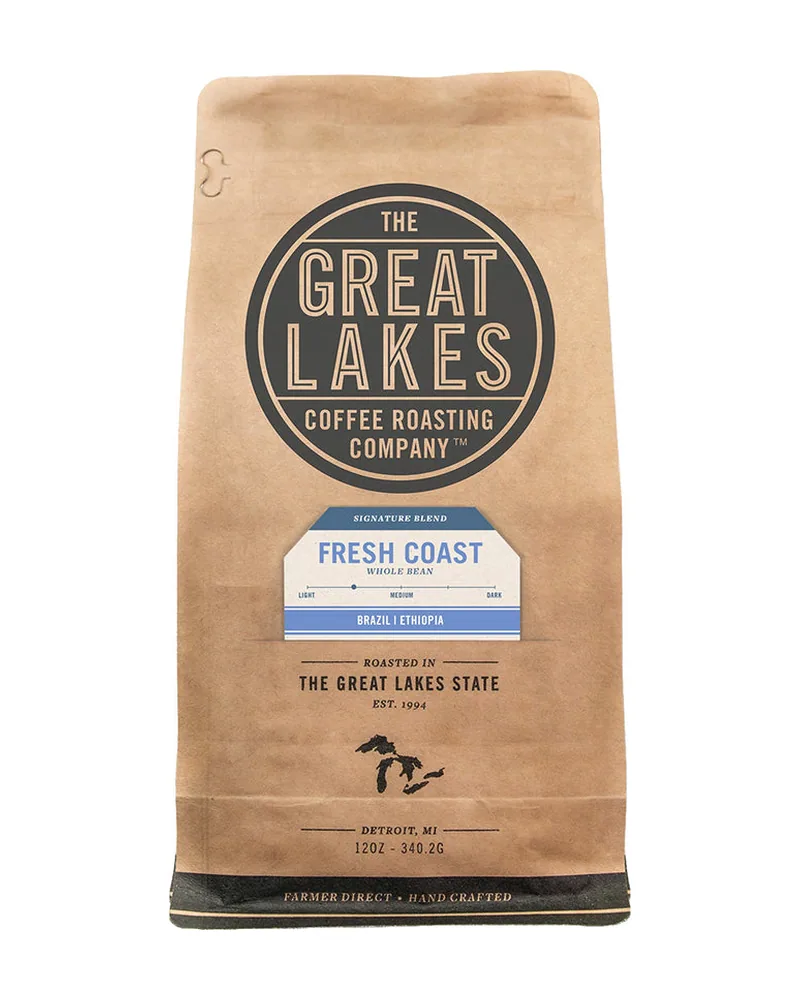
Great Lakes Coffee Roasting Company
Fresh Coast
20,00 $
HellWarum: ÄthiopienZitrus · FruchtigGewaschen
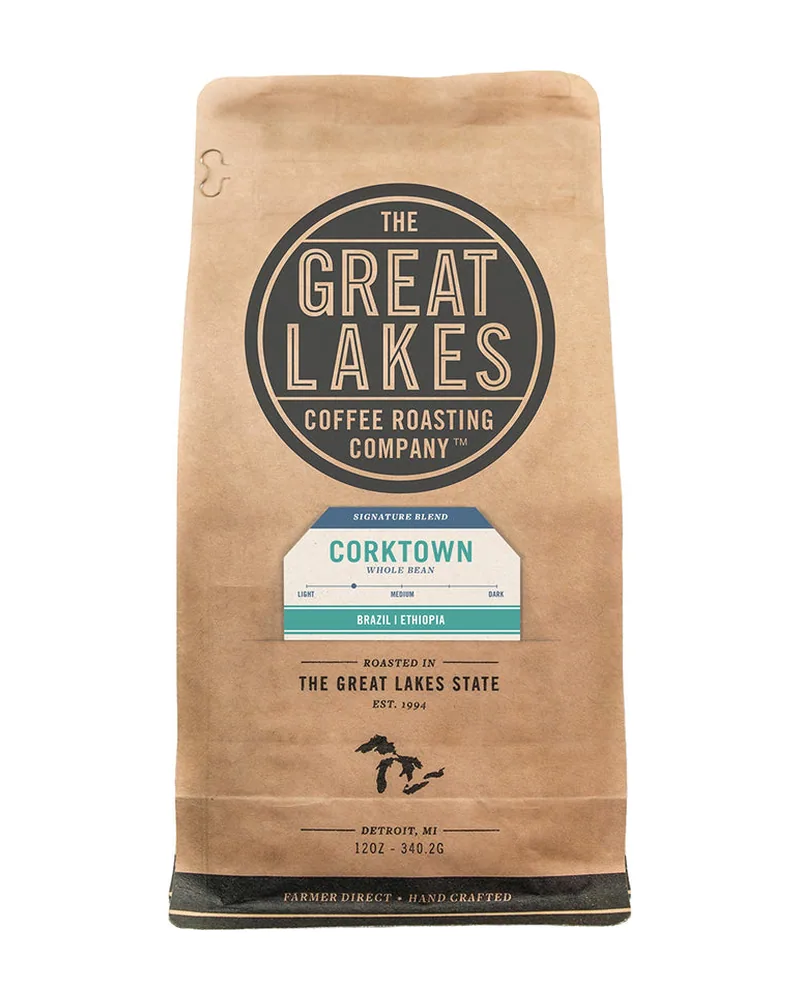
Great Lakes Coffee Roasting Company
Corktown
20,00 $
HellWarum: ÄthiopienZitrus · FruchtigGewaschen
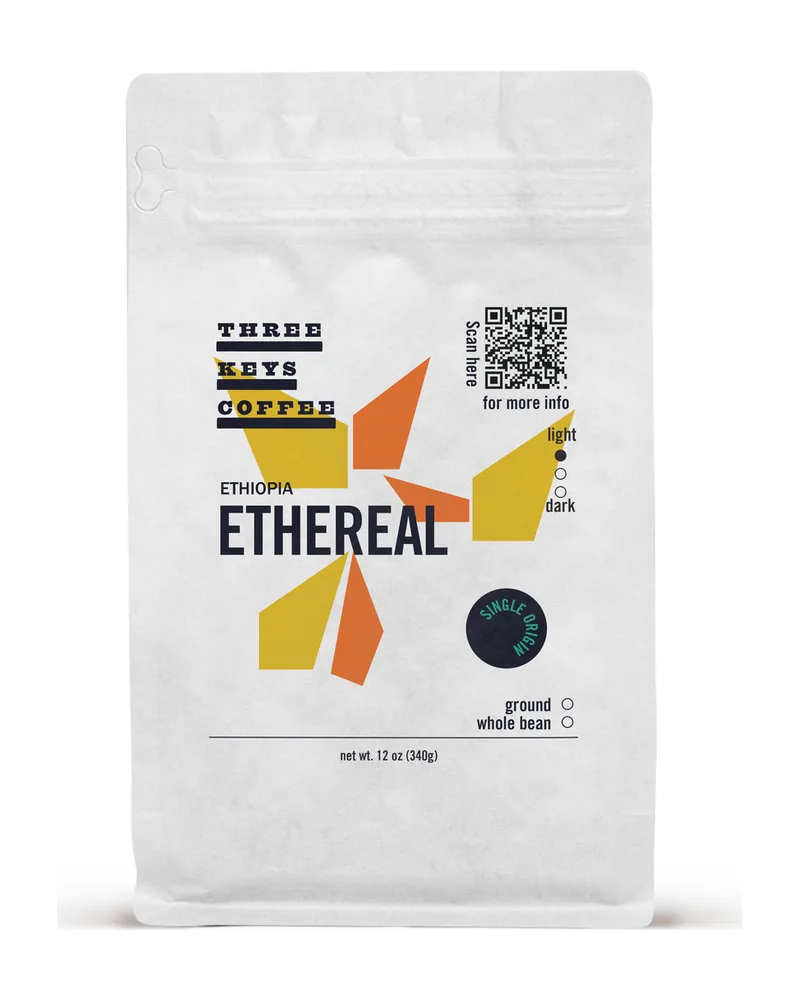
Three Keys Coffee
Ethiopia Ethereal - Single Origin
20,00 $
HellWarum: ÄthiopienZitrus · FruchtigGewaschen
Mehr von Little Waves Coffee Roasters
Alle Produkte von Little Waves Coffee Roasters →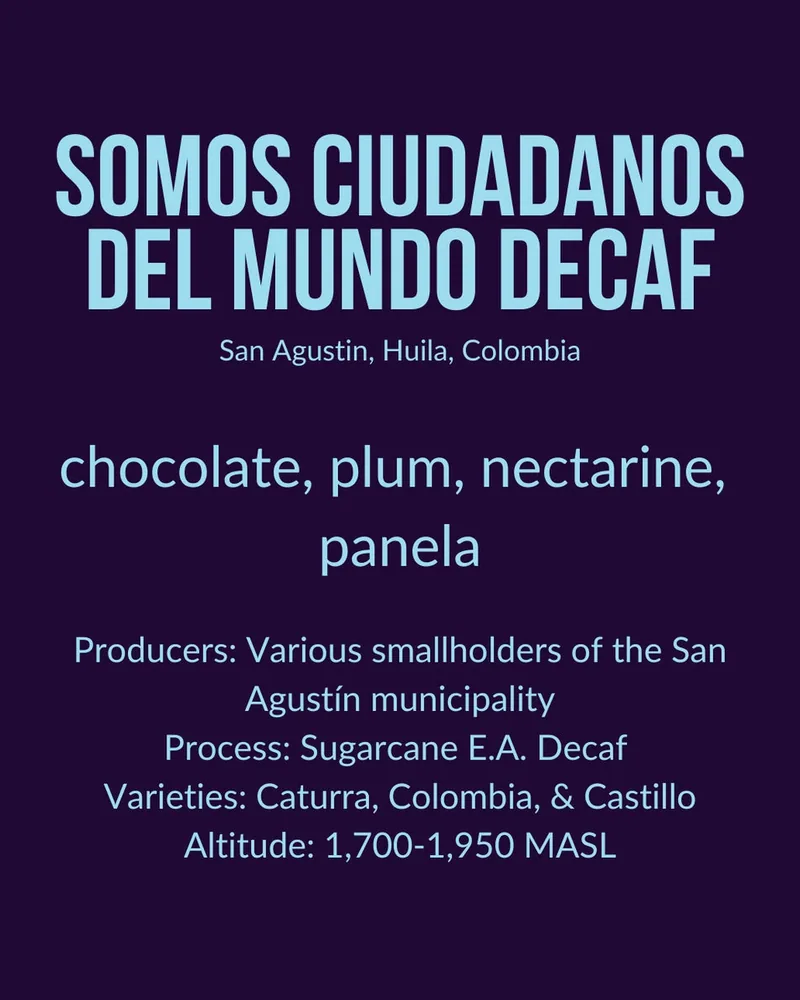
Little Waves Coffee Roasters
Somos Ciudadanos del Mundo Decaf - Colombia - Bulk
15,00 $
Little Waves Coffee Roasters
Somos Ciudadanos del Mundo Decaf - Colombia
23,00 $
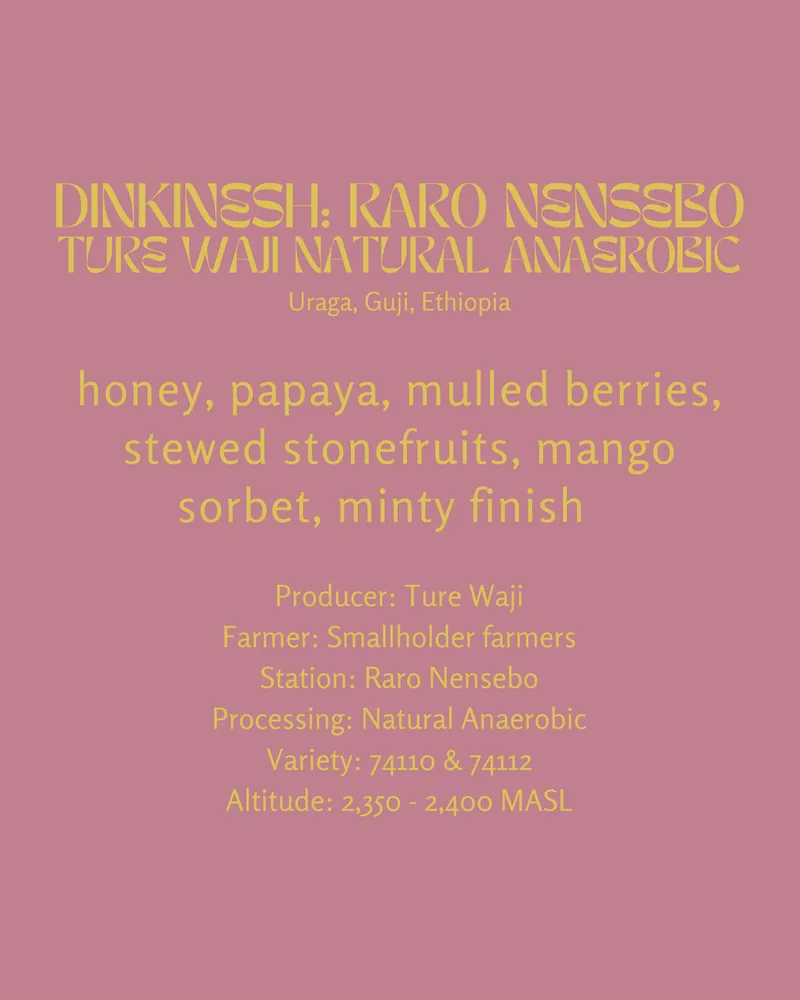
Little Waves Coffee Roasters
Dinkinesh: Raro Nensebo, Ture Waji Natural Anaerobic - Ethiopia
19,75 $
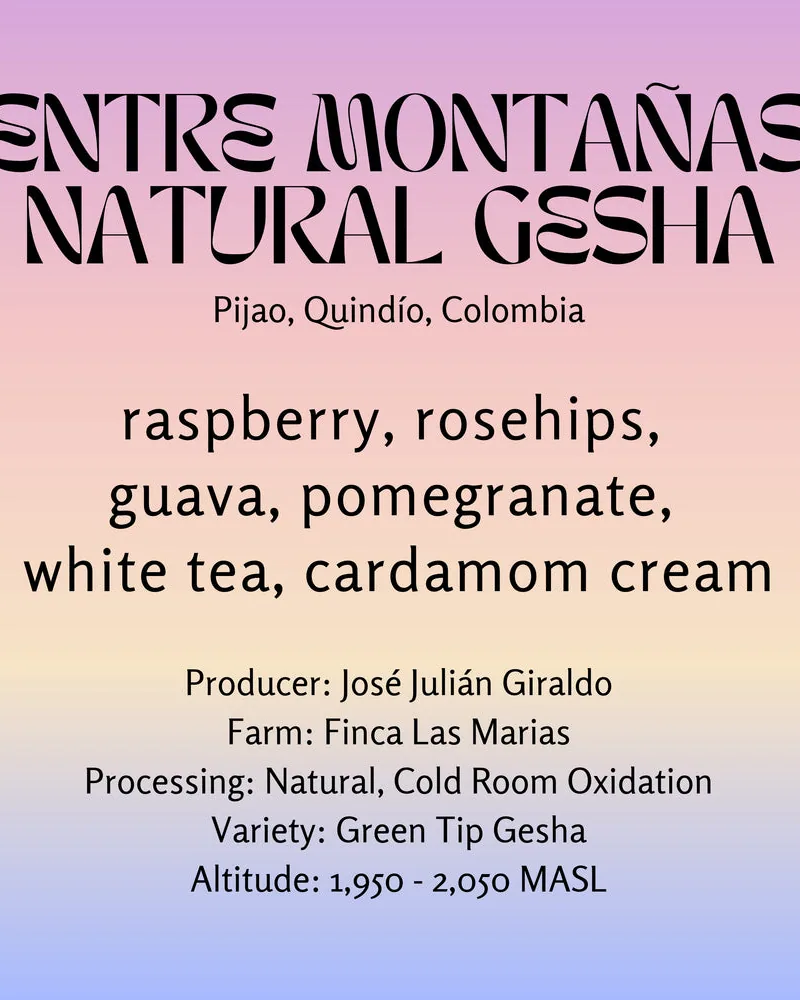
Little Waves Coffee Roasters
José Julián Giraldo - Entre Montañas Natural Gesha - Colombia
23,50 $