

Ethiopië · Natural · Licht
Nog geen beoordelingen · Schrijf de eerste review
ETHIOPIA ORGANIC GUJI HAMBELA G1
 Hill Tree Roastery
US$ 25,00
ongeveer € 23
Je gaat naar de shop van de brander om je aankoop af te ronden.
Smaakprofiel
BrandingsgraadLicht
Koffiekaart
Geteeld
- Kuri Mountain Coffee • Hambela Washing Station • Local Smallholders
- Ethiopian Heirloom Varieties
- 2.100–2.200 m
Kersen op hoogte rijpen langzamer, wat meestal een levendiger zuurgraad geeft.
Verwerkt
Natural
Gedroogd in de kers, wat meestal een zoetere, fruitigere kop geeft.
Gebrand
Licht
- Hill Tree Roastery
- Huntington, Verenigde Staten
Bij een lichte branding blijven fruit en zuurgraad van de herkomst op de voorgrond.
Meer details
- Samenstelling
- Single origin
- Bonensoort
- Arabica
- Cafeïne
- Met cafeïne
- Maling
- Hele bonen of gemalen
- Land van productie
- Verenigde Staten
Beschrijving
ETHIOPIA ORGANIC GUJI HAMBELA G1 is een koffie uit Ethiopië, verkocht door Hill Tree Roastery (Huntington, Verenigde Staten). Verwerking: natural. Variëteit: Ethiopian Heirloom Varieties. Branding: licht. Prijs: US$ 25,00.
Tasting Notes
FLAVOR: Blueberry • Papaya • Raspberry • Tart Fruit • Hibiscus
BODY: Light
ACIDITY: Bright
PROCESS: Natural
Size: 12 oz
Roast: Light
Origin: Uraga, Guji Zone, Oromia, Ethiopia
Elevation: 2,100–2,200 meters
Producers: Kuri Mountain Coffee • Hambela Washing Station • Local Smallholders
Varieties: Ethiopian Heirloom Varieties
Harvest: October–January
Origin Notes
Ethiopia Guji Hambela | Organic Grade 1 Natural
Vibrant, fruit-forward, and delicately floral, Ethiopia Guji Hambela is the kind of coffee that challenges your expectations of what coffee can taste like.
Juicy blueberry and raspberry meet tropical papaya, while hibiscus introduces a delicate floral quality and refreshing tartness. Its light body and bright acidity create a beautifully expressive cup that continues to evolve as it cools.
Roasted in small batches at Hill Tree Roastery, this coffee offers an opportunity to experience the remarkable diversity of Ethiopian coffee and the influence that traditional processing can have on flavor.
Guji | Coffee From The Ethiopian Highlands
Situated within Ethiopia's Oromia region, Guji has become one of the country's most celebrated specialty coffee origins.
This particular coffee comes from the highlands of Uraga, where farms sit approximately 2,100–2,200 meters (6,890–7,220 feet) above sea level.
The combination of cooler temperatures, fertile soils, and a semi-forested growing environment encourages coffee cherries to mature slowly. This extended development contributes to the sweetness, vibrant acidity, and complex flavors associated with high-elevation Ethiopian coffees.
For coffee enthusiasts who appreciate the connection between geography and flavor, Guji provides a fascinating example of how growing conditions can shape the character of a cup.
Kuri Mountain Coffee | Supporting Local Farmers
Behind this coffee is a partnership between Kuri Mountain Coffee, the Hambela Washing Station, and a network of local farmers.
Participating growers receive agricultural training and technical assistance to help improve cultivation and coffee quality. Additional smallholder farmers contribute cherries to the lot.
This collaborative approach brings together traditional farming knowledge and modern quality-control practices.
It's another reminder that exceptional coffee begins with the people who cultivate it, long before the beans arrive at our roastery.
Natural Processing | Bringing Fruit To The Forefront
Natural processing is one of Ethiopia's oldest coffee-processing traditions.
Unlike washed coffees, where the surrounding fruit is removed before drying, naturally processed coffee dries inside the intact cherry.
For this Hambela lot, carefully selected cherries spend approximately three weeks drying on elevated beds. During this time, workers monitor the drying process and remove unsuitable fruit.
The extended contact with the cherry can encourage greater fruit intensity, aromatic complexity, and perceived sweetness.
In this particular coffee, that translates into pronounced blueberry and raspberry notes, tropical papaya, and a distinctive hibiscus-like finish.
Ethiopian Heirloom Varieties | A Remarkable Coffee Heritage
Ethiopia is home to an extraordinary diversity of Arabica coffee varieties, many of which are collectively described as Ethiopian heirloom varieties.
The term encompasses numerous traditional coffee varieties rather than identifying one specific cultivar.
This genetic diversity is one reason Ethiopian coffees can display such an incredible range of flavors—from familiar chocolate and citrus to tropical fruit, berries, flowers, and tea-like characteristics.
Combined with Guji's high elevation and natural processing, these varieties help create a coffee that feels distinctly different from more traditional Central and South American offerings.
What Does Grade 1 Mean?
Grade 1 (G1) is Ethiopia's highest standard coffee grade, reflecting strict requirements for green coffee quality, permissible defects, and cup characteristics.
Achieving this classification requires careful attention throughout harvesting, processing, drying, and sorting.
While a grade alone cannot tell you everything about how a coffee will taste, it provides an indication of the quality standards applied before the coffee reaches the roaster.
With a supplier-assigned cup score of 86, this Guji Hambela is an excellent example of the quality and complexity Ethiopian specialty coffee can offer.
Ethiopia | The Birthplace Of Coffee
Few countries have a connection to coffee as meaningful as Ethiopia.
Widely regarded as the birthplace of Arabica coffee, Ethiopia is home to the famous legend of Kaldi, a goat herder who reportedly discovered coffee's energizing properties after observing his goats eating coffee cherries.
Today, coffee remains deeply connected to Ethiopian culture, hospitality, and community. Traditional coffee ceremonies bring people together to share freshly roasted and brewed coffee, transforming an everyday beverage into a meaningful social experience.
That appreciation for coffee as something more than a source of caffeine is something we share at Hill Tree Roastery.
Why You'll Love This Coffee
If you enjoy coffees that are fruit-forward, aromatic, and full of personality, Ethiopia Guji Hambela deserves a place in your rotation.
Blueberry and raspberry create a juicy berry foundation, while papaya introduces tropical sweetness. Hibiscus adds a delicate floral dimension, and a pleasantly tart finish keeps the cup refreshing and lively.
This isn't a traditional chocolate-forward coffee. It's an opportunity to discover an entirely different side of specialty coffee without a single added flavoring.
It's particularly well suited to coffee enthusiasts who appreciate naturally processed coffees, bright acidity, floral aromatics, and the experience of discovering new flavors as a cup cools.
Take your time with this one. Some of its most interesting characteristics may emerge well after your first sip.
Frequently Asked Questions
Why does Ethiopian Guji coffee taste like blueberries?
Ethiopian coffee varieties, high-elevation growing conditions, and natural processing can all contribute to distinctive berry-like flavors. Drying the coffee inside its cherry can further encourage fruit-forward characteristics, making blueberry and raspberry particularly noticeable in this coffee.
Are blueberry, papaya, raspberry, or hibiscus added to this coffee?
No. There are no added flavors or sweeteners. These tasting notes describe naturally occurring flavors and aromas we experience as a result of the coffee's varieties, growing conditions, processing, and roasting.
What does hibiscus mean as a coffee tasting note?
Hibiscus describes a delicate floral character accompanied by a refreshing, slightly tart quality. If you've ever enjoyed hibiscus tea, you may recognize a similar combination of floral aromatics and fruit-like acidity in this coffee.
What is the difference between natural and washed Ethiopian coffee?
Washed coffees generally emphasize clarity, delicate floral characteristics, and more defined acidity. Naturally processed coffees dry inside the intact cherry, which can produce more pronounced fruit flavors, sweetness, and aromatic complexity.
This Guji Hambela is an excellent example of the expressive berry and tropical fruit characteristics associated with Ethiopian natural coffees.
What's the best way to brew Ethiopia Guji Hambela?
We recommend pour-over, Chemex, AeroPress, or a quality drip brewer to fully appreciate its fruit and floral characteristics.
These brewing methods can help highlight the blueberry, raspberry, papaya, and hibiscus notes while maintaining the coffee's naturally light body and bright acidity.
Try tasting it at different temperatures, too. Its tropical sweetness, berry character, and delicate floral qualities may become increasingly noticeable as the coffee cools.
Verkoper en levering


- Brander gevestigd in
- Verenigde Staten
- Bezorgen in
- Nederland · ✓ Ja, volgens de shop van de brander
Reviews
Nog geen reviews.
Vragen over ETHIOPIA ORGANIC GUJI HAMBELA G1
Waar komt ETHIOPIA ORGANIC GUJI HAMBELA G1 vandaan?
Herkomst: Ethiopië. Producent: Kuri Mountain Coffee • Hambela Washing Station • Local Smallholders. Hoogte: 2.100–2.200 m. Variëteit: Ethiopian Heirloom Varieties.
Hoe wordt ETHIOPIA ORGANIC GUJI HAMBELA G1 verwerkt?
Verwerking: natural.
Welke branding heeft ETHIOPIA ORGANIC GUJI HAMBELA G1?
Branding: licht.
Wat kost ETHIOPIA ORGANIC GUJI HAMBELA G1?
Prijs: US$ 25,00. De prijzen komen uit de winkel en kunnen veranderen; de winkel heeft de actuele.
Waar kan ik ETHIOPIA ORGANIC GUJI HAMBELA G1 kopen?
In de webwinkel van Hill Tree Roastery: de prijzen op deze pagina linken ernaar. Volgens de winkel wordt wereldwijd geleverd. Cafendo verkoopt zelf geen koffie.
Vind je deze koffie lekker? Probeer dan deze
Gekozen bij andere branderijen op gedeelde herkomst, verwerking, branding, smaaknoten en prijs. Koffies die dezelfde mensen bewaarden of goed beoordeelden tellen het zwaarst.
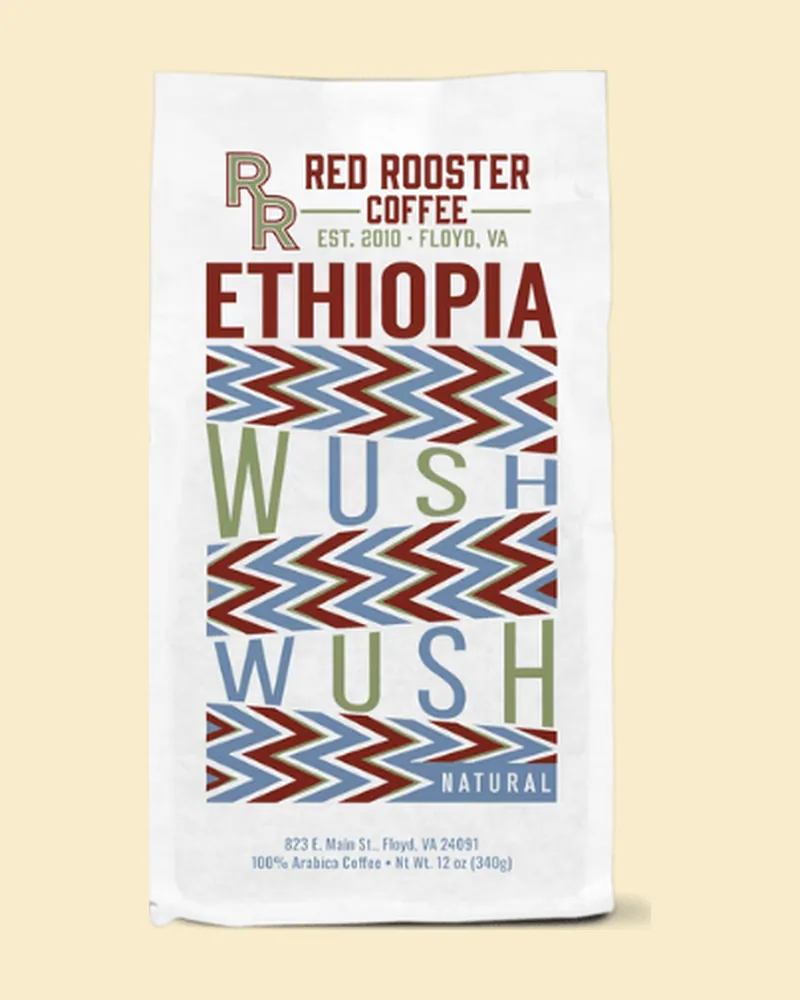
Red Rooster
Ethiopia Wush Wush Natural
ongeveer € 18
LichtUS$ 19,81
ongeveer € 5,32 / 100 g
Waarom: EthiopiëNaturalVergelijkbare prijs
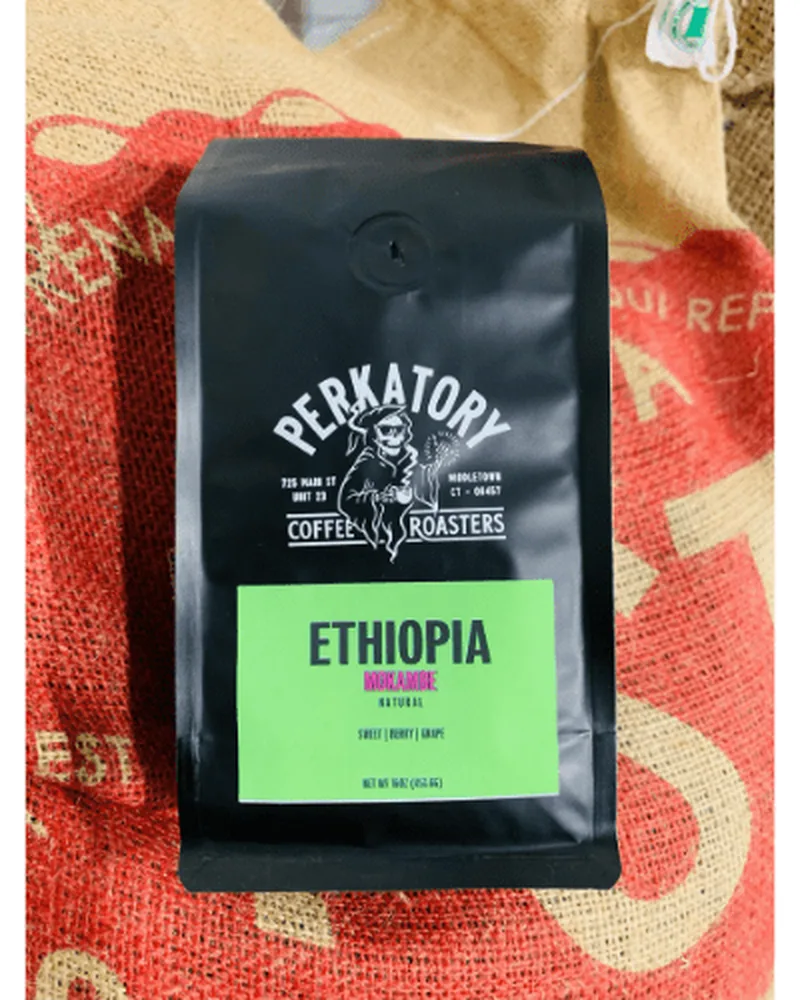
Perkatory Coffee Roasters
Ethiopia Mokambe Natural 16 oz.
ongeveer € 17
LichtUS$ 18,57
ongeveer € 3,73 / 100 g
Waarom: EthiopiëNaturalVergelijkbare prijs
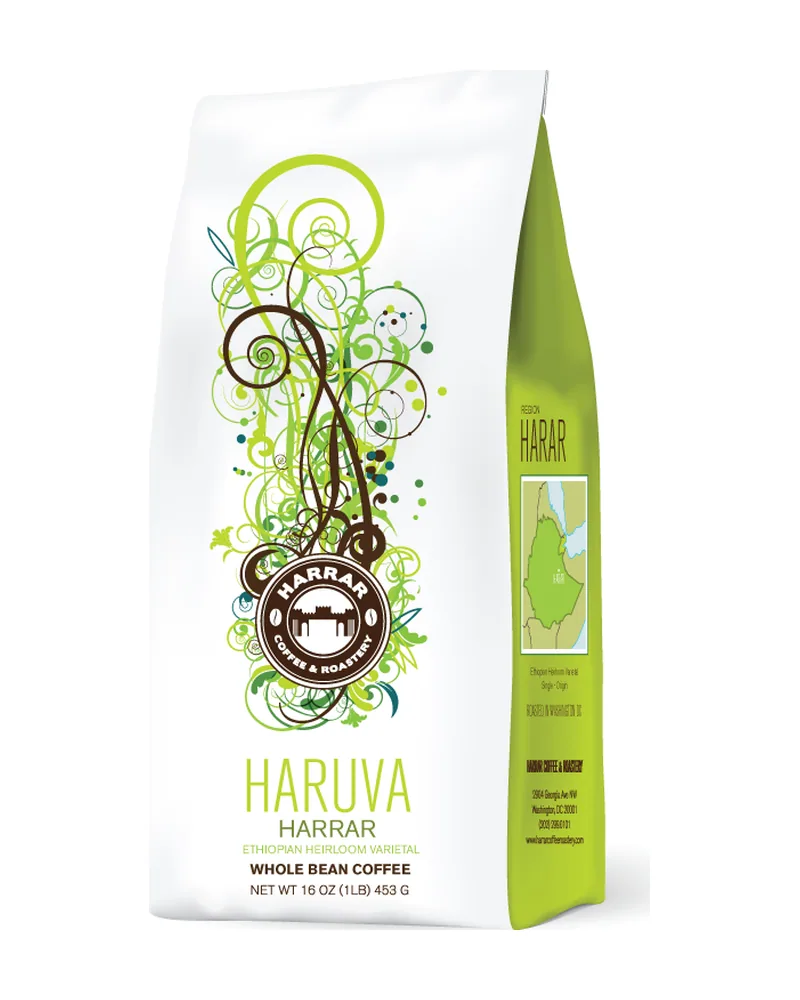
Harrar coffee roastery
Ethiopia Harrar Haruva
ongeveer € 15
LichtUS$ 15,99
ongeveer € 4,29 / 100 g
Waarom: EthiopiëNaturalVergelijkbare prijs
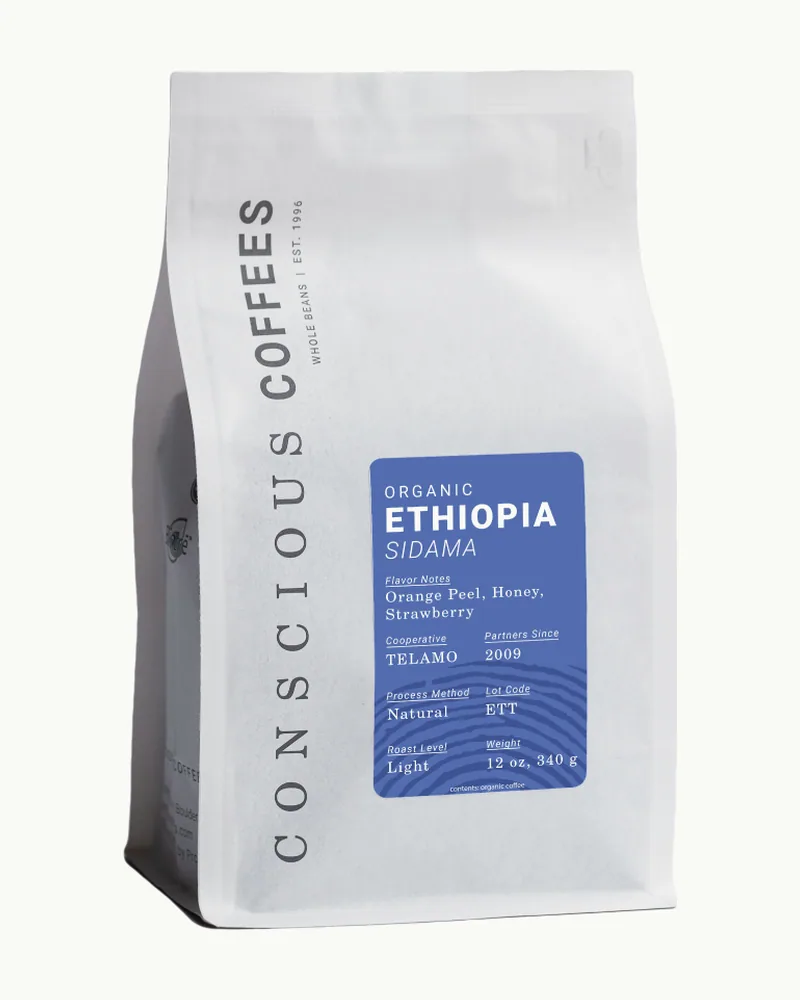
Conscious Coffees
Ethiopia | Sidama Region, Natural Process
ongeveer € 17
LichtUS$ 19,00
Waarom: EthiopiëNaturalVergelijkbare prijs
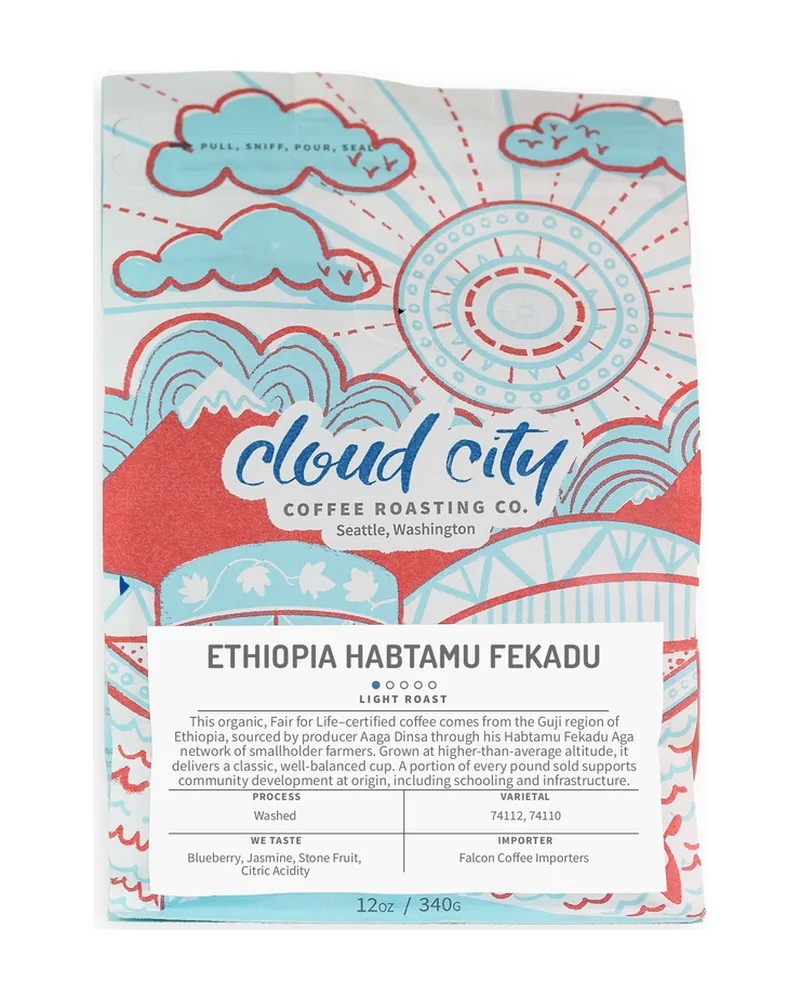
Cloud City
Ethiopia Anasora
ongeveer € 23
LichtUS$ 25,00
ongeveer € 6,71 / 100 g
Waarom: EthiopiëNaturalVergelijkbare prijs
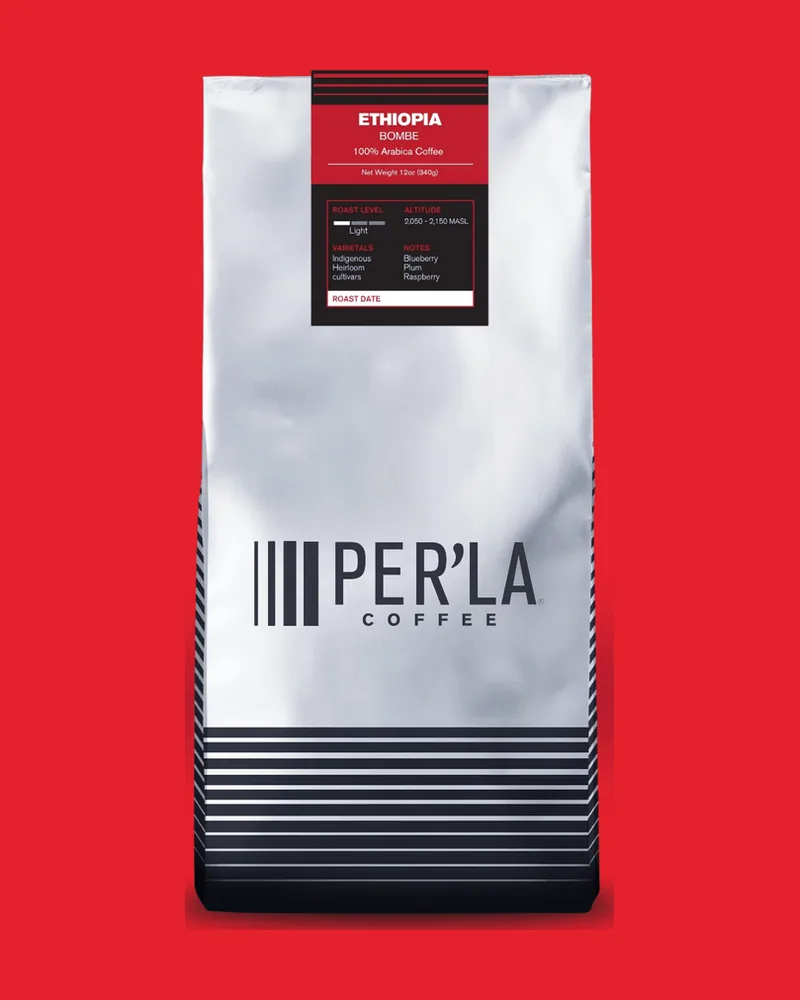
HOUSE OF PER'LA
Ethiopia Durato Bombe
ongeveer € 23
LichtUS$ 25,00
Waarom: EthiopiëNaturalVergelijkbare prijs
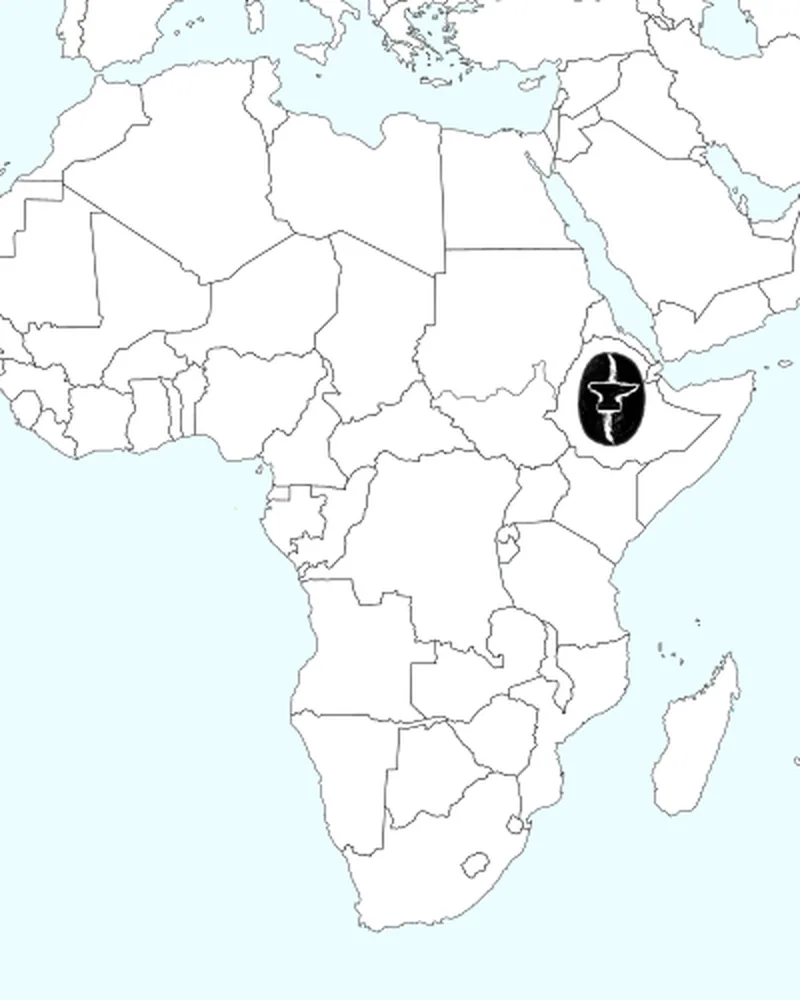
ANVIL Coffee Roasters
ANVIL Ethiopian - Ayele Fulasa Gesha - Micro lot
ongeveer € 18
Licht£ 15,18
ongeveer € 5,20 / 100 g
Waarom: EthiopiëNaturalVergelijkbare prijs
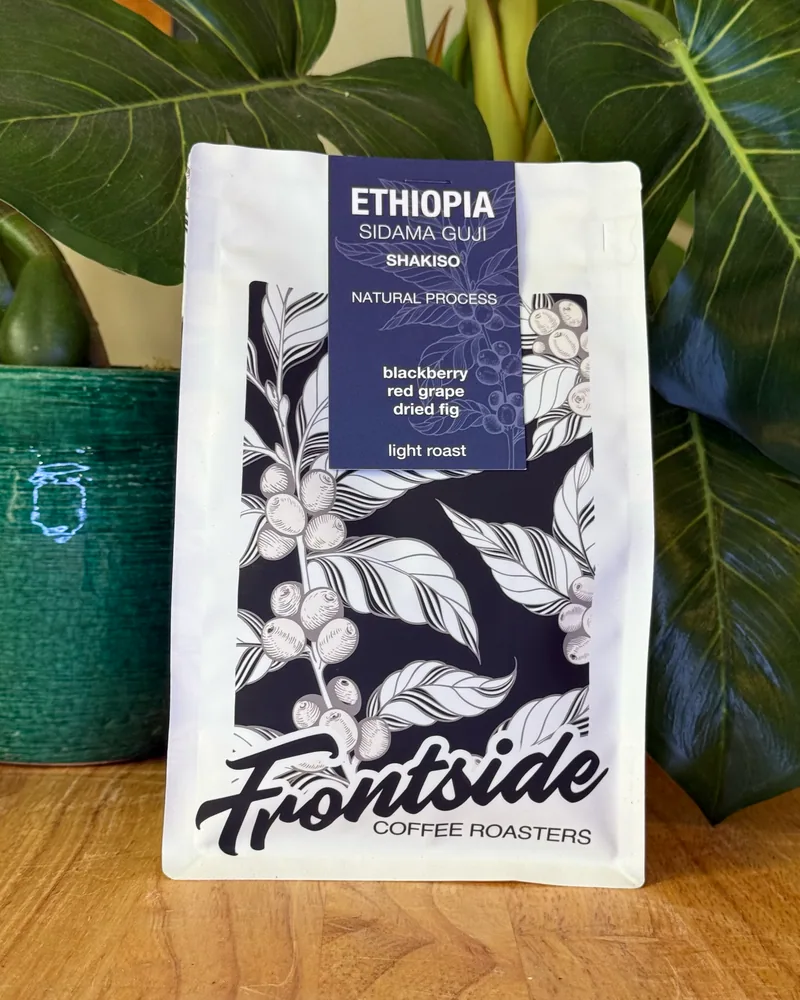
Frontside Coffee Roasters
Ethiopia Guji Shakiso Natural
ongeveer € 21
LichtUS$ 23,00
ongeveer € 6,17 / 100 g
Waarom: EthiopiëNaturalVergelijkbare prijs
Meer van Hill Tree Roastery
Alles bekijken →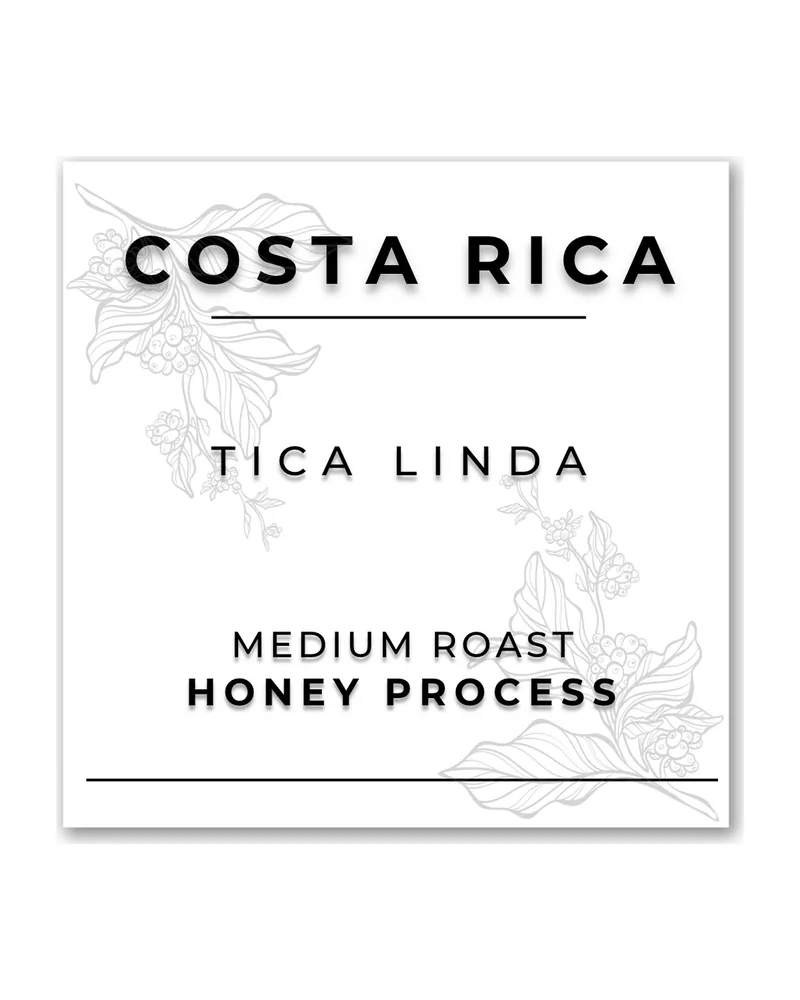
Hill Tree Roastery
COSTA RICA TICA LINDA HONEY WOMEN PRODUCERS
ongeveer € 18
MediumUS$ 20,00
Hill Tree Roastery
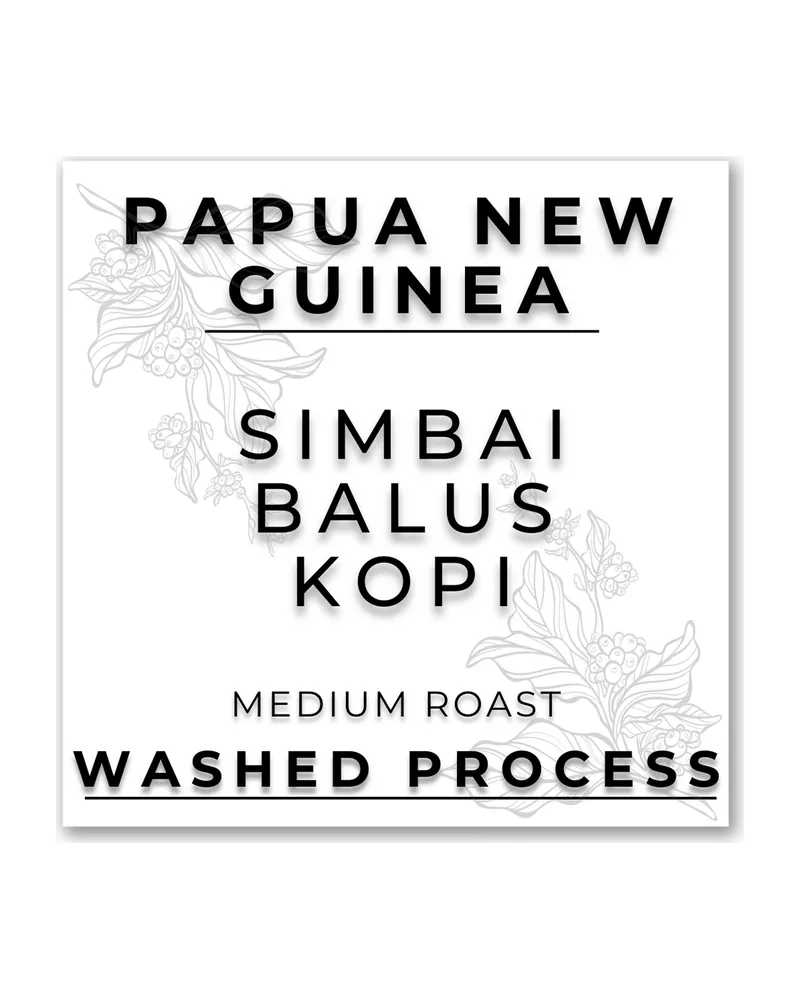
PAPUA NEW GUINEA SIMBAI BALUS KOPI WASHED COFFEE
ongeveer € 18
MediumUS$ 20,00
Hill Tree Roastery
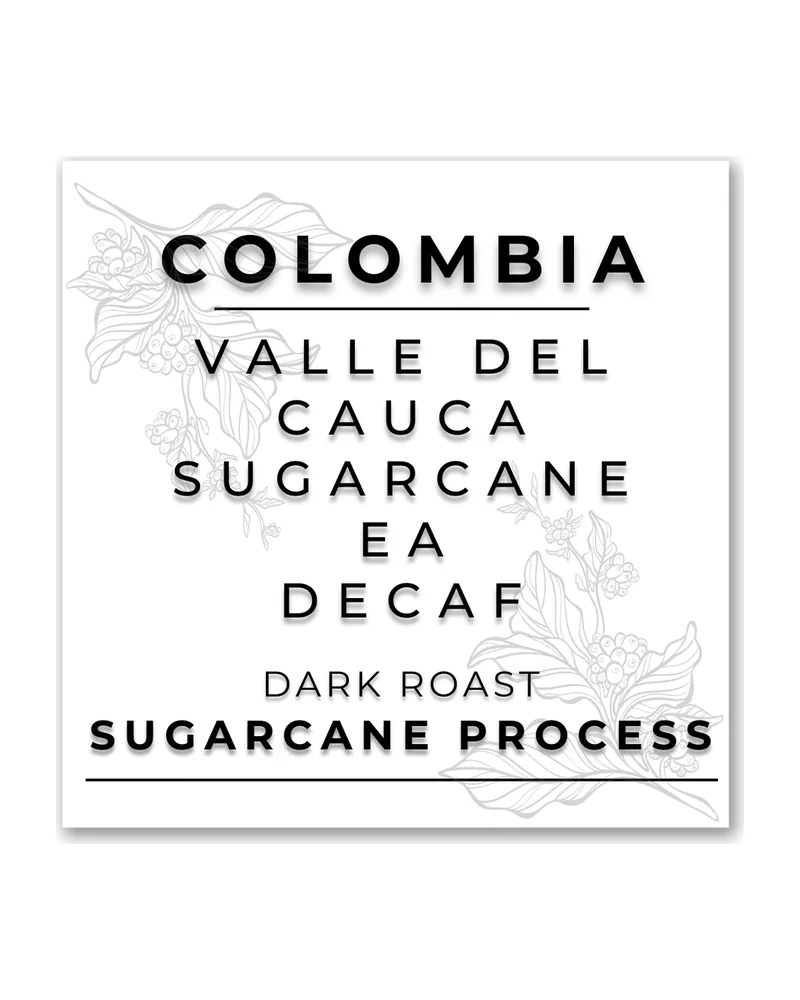
COLOMBIA VALLE DEL CAUCA SUGARCANE EA DECAF
ongeveer € 18
DonkerUS$ 20,00
Hill Tree Roastery
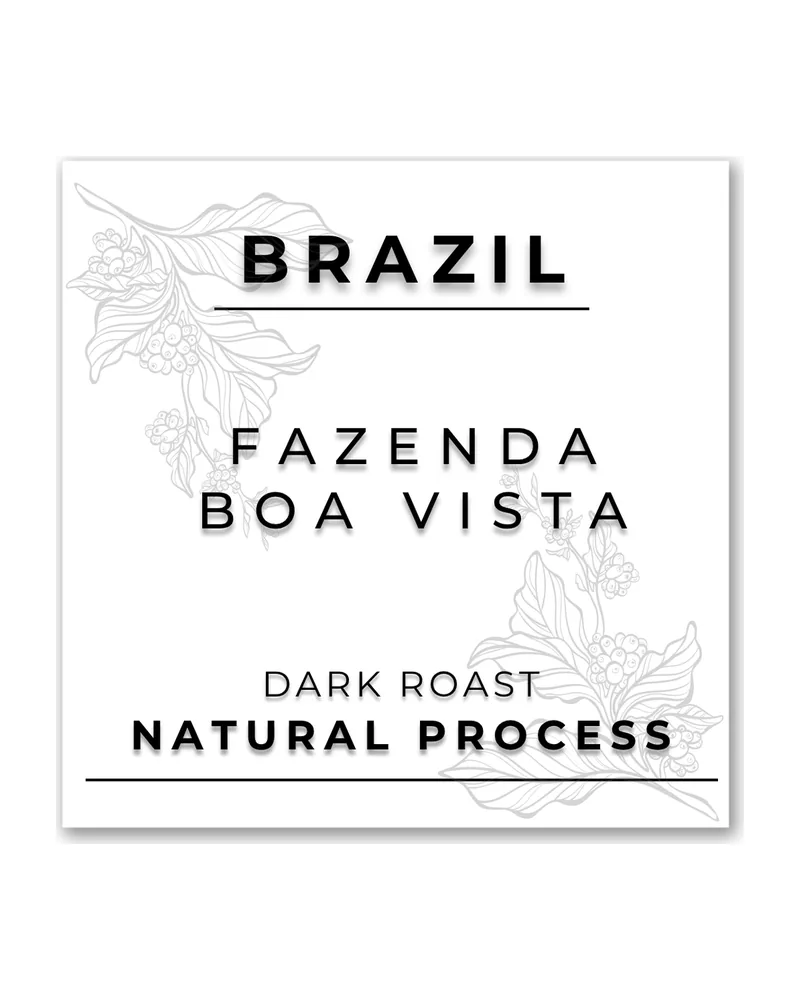
BRAZIL FAZENDA BOA VISTA
ongeveer € 18
DonkerUS$ 20,00