

Etiopia · Naturell · Lys
Ikke vurdert ennå · Bli den første til å vurdere den
ETHIOPIA ORGANIC GUJI HAMBELA G1
 Hill Tree Roastery
25,00 USD
omtrent 244 kr
Du blir sendt til brenneriets butikk for å fullføre kjøpet.
Smaksprofil
BrenningsgradLys
Kaffeark
Dyrket
- Kuri Mountain Coffee • Hambela Washing Station • Local Smallholders
- Ethiopian Heirloom Varieties
- 2 100–2 200 m
I høyden modnes bærene langsommere, noe som som regel gir en friskere syre.
Foredlet
Naturell
Tørket inne i bæret, noe som som regel gir en søtere, mer fruktig kopp.
Brent
Lys
- Hill Tree Roastery
- Huntington, USA
En lys brenning lar opprinnelsens frukt og syre stå fremst.
Flere detaljer
- Sammensetning
- Single origin
- Bønnetype
- Arabica
- Koffein
- Med koffein
- Malegrad
- Hele bønner eller malt
- Produksjonsland
- USA
Beskrivelse
ETHIOPIA ORGANIC GUJI HAMBELA G1 er en kaffe fra Etiopia, solgt av Hill Tree Roastery (Huntington, USA). Foredling: naturell. Variant: Ethiopian Heirloom Varieties. Brenning: lys. Pris: 25,00 USD.
Tasting Notes
FLAVOR: Blueberry • Papaya • Raspberry • Tart Fruit • Hibiscus
BODY: Light
ACIDITY: Bright
PROCESS: Natural
Size: 12 oz
Roast: Light
Origin: Uraga, Guji Zone, Oromia, Ethiopia
Elevation: 2,100–2,200 meters
Producers: Kuri Mountain Coffee • Hambela Washing Station • Local Smallholders
Varieties: Ethiopian Heirloom Varieties
Harvest: October–January
Origin Notes
Ethiopia Guji Hambela | Organic Grade 1 Natural
Vibrant, fruit-forward, and delicately floral, Ethiopia Guji Hambela is the kind of coffee that challenges your expectations of what coffee can taste like.
Juicy blueberry and raspberry meet tropical papaya, while hibiscus introduces a delicate floral quality and refreshing tartness. Its light body and bright acidity create a beautifully expressive cup that continues to evolve as it cools.
Roasted in small batches at Hill Tree Roastery, this coffee offers an opportunity to experience the remarkable diversity of Ethiopian coffee and the influence that traditional processing can have on flavor.
Guji | Coffee From The Ethiopian Highlands
Situated within Ethiopia's Oromia region, Guji has become one of the country's most celebrated specialty coffee origins.
This particular coffee comes from the highlands of Uraga, where farms sit approximately 2,100–2,200 meters (6,890–7,220 feet) above sea level.
The combination of cooler temperatures, fertile soils, and a semi-forested growing environment encourages coffee cherries to mature slowly. This extended development contributes to the sweetness, vibrant acidity, and complex flavors associated with high-elevation Ethiopian coffees.
For coffee enthusiasts who appreciate the connection between geography and flavor, Guji provides a fascinating example of how growing conditions can shape the character of a cup.
Kuri Mountain Coffee | Supporting Local Farmers
Behind this coffee is a partnership between Kuri Mountain Coffee, the Hambela Washing Station, and a network of local farmers.
Participating growers receive agricultural training and technical assistance to help improve cultivation and coffee quality. Additional smallholder farmers contribute cherries to the lot.
This collaborative approach brings together traditional farming knowledge and modern quality-control practices.
It's another reminder that exceptional coffee begins with the people who cultivate it, long before the beans arrive at our roastery.
Natural Processing | Bringing Fruit To The Forefront
Natural processing is one of Ethiopia's oldest coffee-processing traditions.
Unlike washed coffees, where the surrounding fruit is removed before drying, naturally processed coffee dries inside the intact cherry.
For this Hambela lot, carefully selected cherries spend approximately three weeks drying on elevated beds. During this time, workers monitor the drying process and remove unsuitable fruit.
The extended contact with the cherry can encourage greater fruit intensity, aromatic complexity, and perceived sweetness.
In this particular coffee, that translates into pronounced blueberry and raspberry notes, tropical papaya, and a distinctive hibiscus-like finish.
Ethiopian Heirloom Varieties | A Remarkable Coffee Heritage
Ethiopia is home to an extraordinary diversity of Arabica coffee varieties, many of which are collectively described as Ethiopian heirloom varieties.
The term encompasses numerous traditional coffee varieties rather than identifying one specific cultivar.
This genetic diversity is one reason Ethiopian coffees can display such an incredible range of flavors—from familiar chocolate and citrus to tropical fruit, berries, flowers, and tea-like characteristics.
Combined with Guji's high elevation and natural processing, these varieties help create a coffee that feels distinctly different from more traditional Central and South American offerings.
What Does Grade 1 Mean?
Grade 1 (G1) is Ethiopia's highest standard coffee grade, reflecting strict requirements for green coffee quality, permissible defects, and cup characteristics.
Achieving this classification requires careful attention throughout harvesting, processing, drying, and sorting.
While a grade alone cannot tell you everything about how a coffee will taste, it provides an indication of the quality standards applied before the coffee reaches the roaster.
With a supplier-assigned cup score of 86, this Guji Hambela is an excellent example of the quality and complexity Ethiopian specialty coffee can offer.
Ethiopia | The Birthplace Of Coffee
Few countries have a connection to coffee as meaningful as Ethiopia.
Widely regarded as the birthplace of Arabica coffee, Ethiopia is home to the famous legend of Kaldi, a goat herder who reportedly discovered coffee's energizing properties after observing his goats eating coffee cherries.
Today, coffee remains deeply connected to Ethiopian culture, hospitality, and community. Traditional coffee ceremonies bring people together to share freshly roasted and brewed coffee, transforming an everyday beverage into a meaningful social experience.
That appreciation for coffee as something more than a source of caffeine is something we share at Hill Tree Roastery.
Why You'll Love This Coffee
If you enjoy coffees that are fruit-forward, aromatic, and full of personality, Ethiopia Guji Hambela deserves a place in your rotation.
Blueberry and raspberry create a juicy berry foundation, while papaya introduces tropical sweetness. Hibiscus adds a delicate floral dimension, and a pleasantly tart finish keeps the cup refreshing and lively.
This isn't a traditional chocolate-forward coffee. It's an opportunity to discover an entirely different side of specialty coffee without a single added flavoring.
It's particularly well suited to coffee enthusiasts who appreciate naturally processed coffees, bright acidity, floral aromatics, and the experience of discovering new flavors as a cup cools.
Take your time with this one. Some of its most interesting characteristics may emerge well after your first sip.
Frequently Asked Questions
Why does Ethiopian Guji coffee taste like blueberries?
Ethiopian coffee varieties, high-elevation growing conditions, and natural processing can all contribute to distinctive berry-like flavors. Drying the coffee inside its cherry can further encourage fruit-forward characteristics, making blueberry and raspberry particularly noticeable in this coffee.
Are blueberry, papaya, raspberry, or hibiscus added to this coffee?
No. There are no added flavors or sweeteners. These tasting notes describe naturally occurring flavors and aromas we experience as a result of the coffee's varieties, growing conditions, processing, and roasting.
What does hibiscus mean as a coffee tasting note?
Hibiscus describes a delicate floral character accompanied by a refreshing, slightly tart quality. If you've ever enjoyed hibiscus tea, you may recognize a similar combination of floral aromatics and fruit-like acidity in this coffee.
What is the difference between natural and washed Ethiopian coffee?
Washed coffees generally emphasize clarity, delicate floral characteristics, and more defined acidity. Naturally processed coffees dry inside the intact cherry, which can produce more pronounced fruit flavors, sweetness, and aromatic complexity.
This Guji Hambela is an excellent example of the expressive berry and tropical fruit characteristics associated with Ethiopian natural coffees.
What's the best way to brew Ethiopia Guji Hambela?
We recommend pour-over, Chemex, AeroPress, or a quality drip brewer to fully appreciate its fruit and floral characteristics.
These brewing methods can help highlight the blueberry, raspberry, papaya, and hibiscus notes while maintaining the coffee's naturally light body and bright acidity.
Try tasting it at different temperatures, too. Its tropical sweetness, berry character, and delicate floral qualities may become increasingly noticeable as the coffee cools.
Selger og levering

- Brenneriet holder til i
- USA
- Send til
- Norge · ✓ Ja, ifølge brenneriets nettbutikk
Vurderinger
Ingen vurderinger ennå.
Spørsmål om ETHIOPIA ORGANIC GUJI HAMBELA G1
Hvor kommer ETHIOPIA ORGANIC GUJI HAMBELA G1 fra?
Den kommer fra Etiopia. Produsent: Kuri Mountain Coffee • Hambela Washing Station • Local Smallholders. Høyde over havet: 2 100–2 200 m. Variant: Ethiopian Heirloom Varieties.
Hvordan er ETHIOPIA ORGANIC GUJI HAMBELA G1 foredlet?
Foredlingsmetode: naturell.
Hvilken brenningsgrad har ETHIOPIA ORGANIC GUJI HAMBELA G1?
Brenningsgrad: lys.
Hva koster ETHIOPIA ORGANIC GUJI HAMBELA G1?
Pris: 25,00 USD. Prisene kommer fra butikken og kan endre seg. Butikken har gjeldende priser.
Hvor kan jeg kjøpe ETHIOPIA ORGANIC GUJI HAMBELA G1?
I nettbutikken til Hill Tree Roastery: prisene på denne siden lenker dit. Ifølge butikken sin leverer de over hele verden. Cafendo selger ikke kaffe selv.
Liker du denne kaffen, prøv disse
Plukket ut fra andre brennerier etter felles opprinnelse, foredling, brenning, smaksnotater og pris. Kaffer som de samme menneskene har lagret eller vurdert høyt, teller mest.
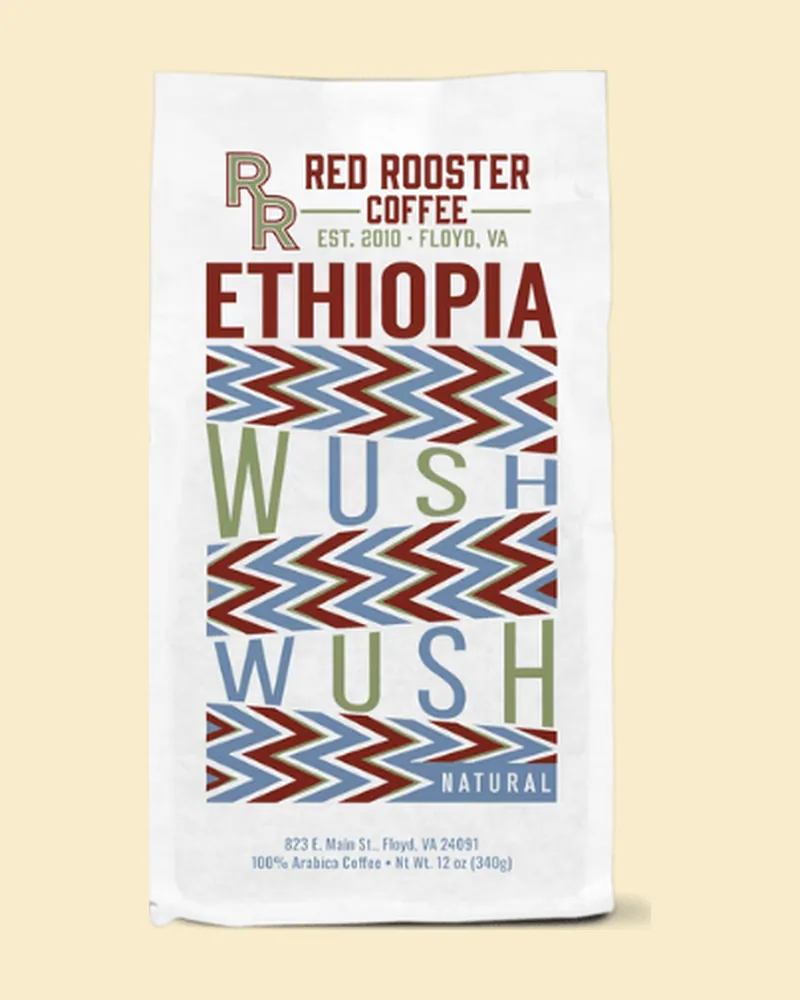
Red Rooster
Ethiopia Wush Wush Natural
omtrent 193 kr
Lys19,81 USD
omtrent 57 kr / 100 g
Hvorfor: EtiopiaNaturellLignende pris
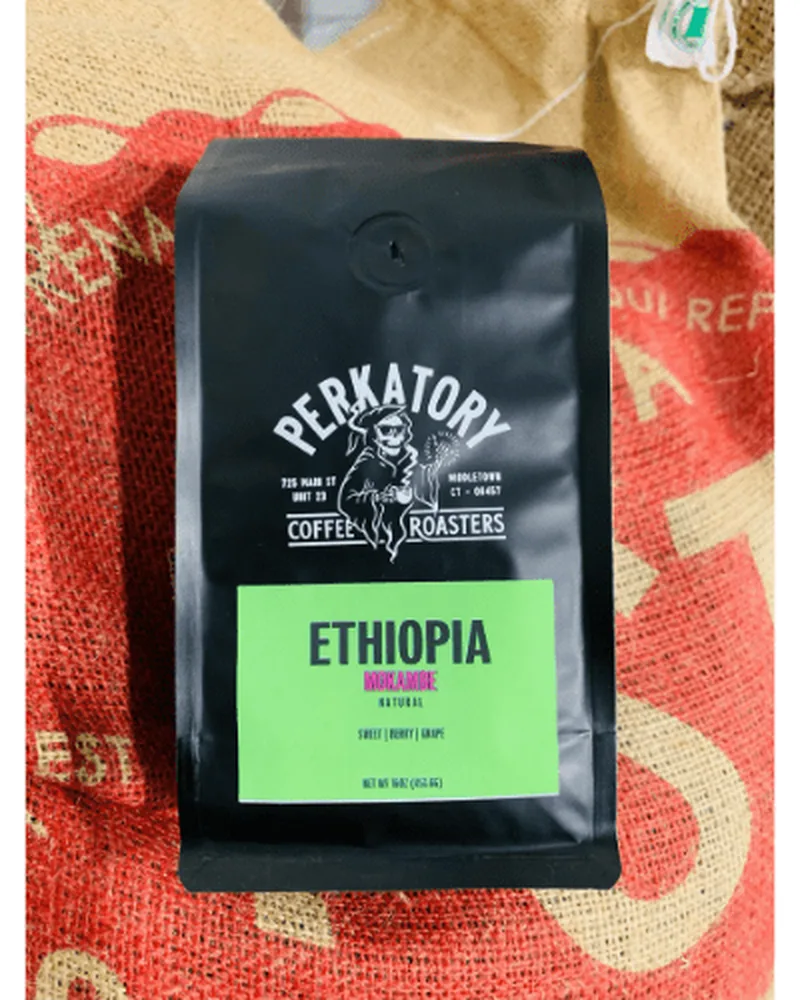
Perkatory Coffee Roasters
Ethiopia Mokambe Natural 16 oz.
omtrent 181 kr
Lys18,57 USD
omtrent 40 kr / 100 g
Hvorfor: EtiopiaNaturellLignende pris
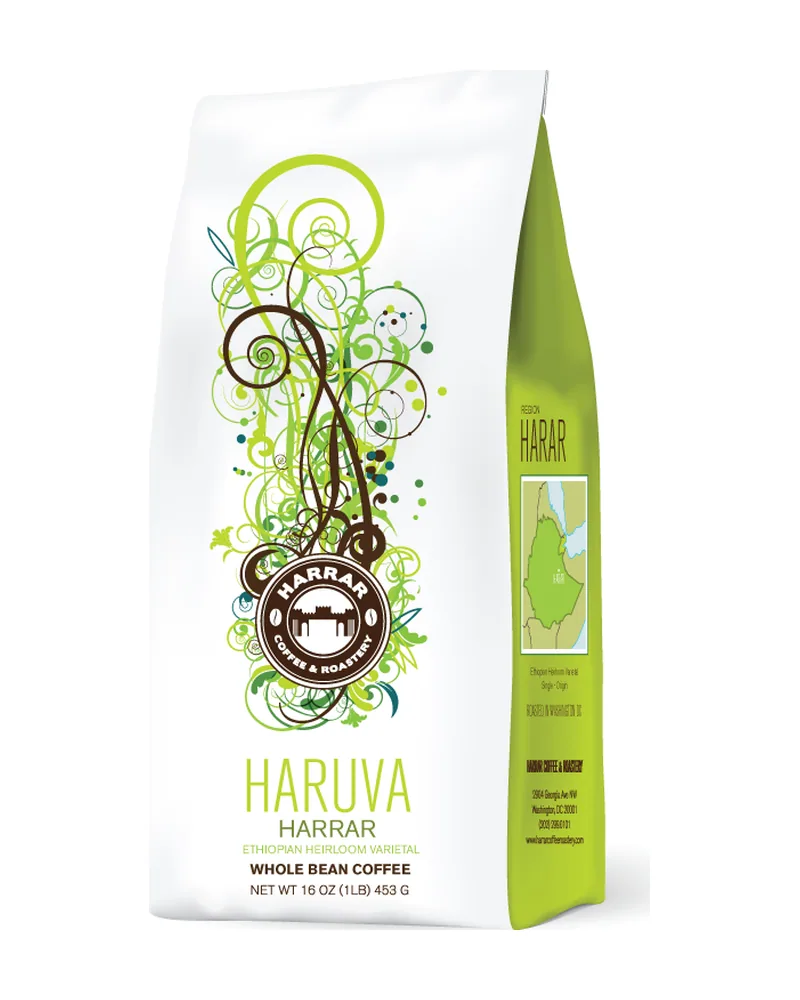
Harrar coffee roastery
Ethiopia Harrar Haruva
omtrent 156 kr
Lys15,99 USD
omtrent 46 kr / 100 g
Hvorfor: EtiopiaNaturellLignende pris
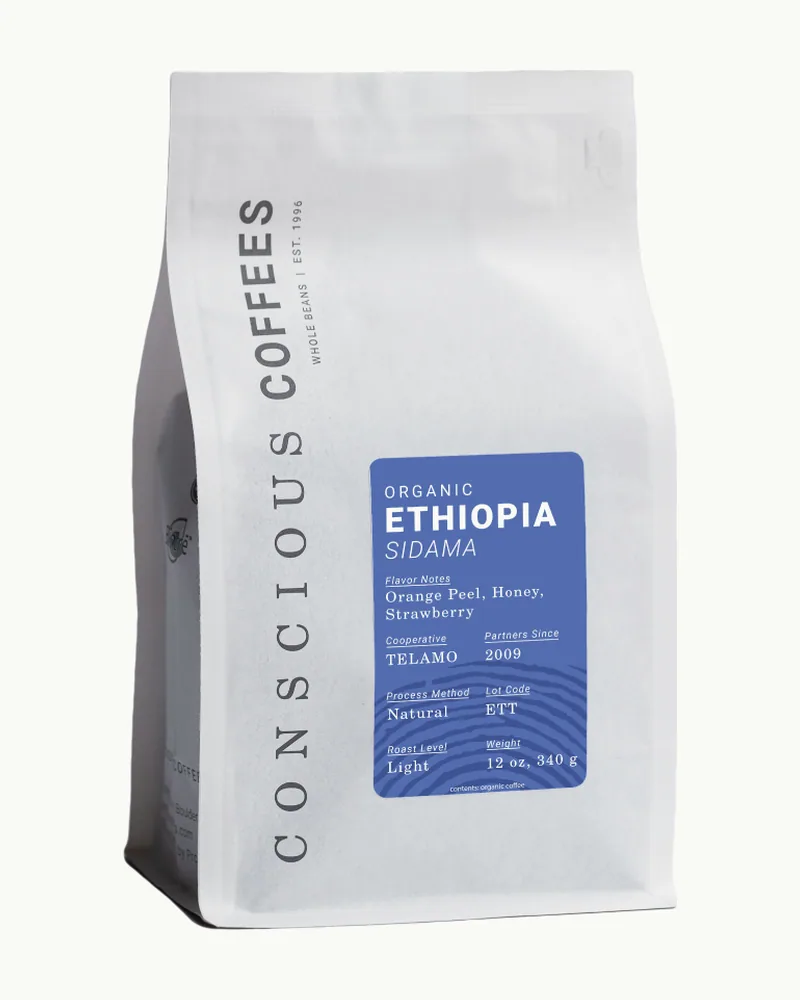
Conscious Coffees
Ethiopia | Sidama Region, Natural Process
omtrent 185 kr
Lys19,00 USD
Hvorfor: EtiopiaNaturellLignende pris
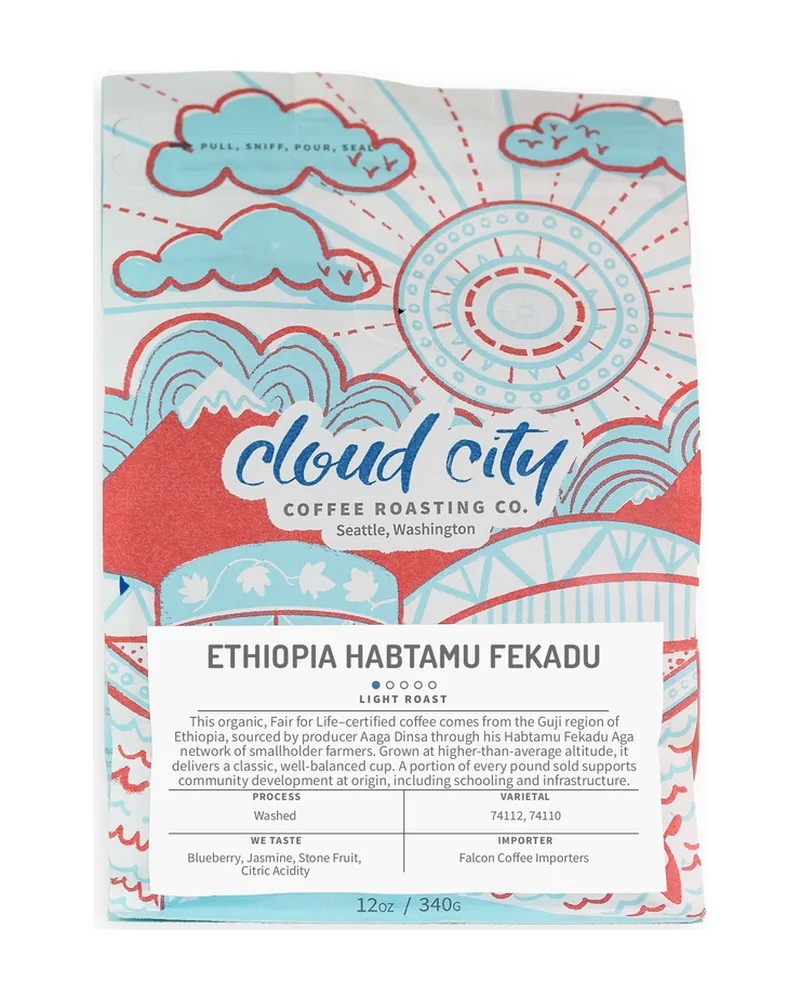
Cloud City
Ethiopia Anasora
omtrent 244 kr
Lys25,00 USD
omtrent 72 kr / 100 g
Hvorfor: EtiopiaNaturellLignende pris
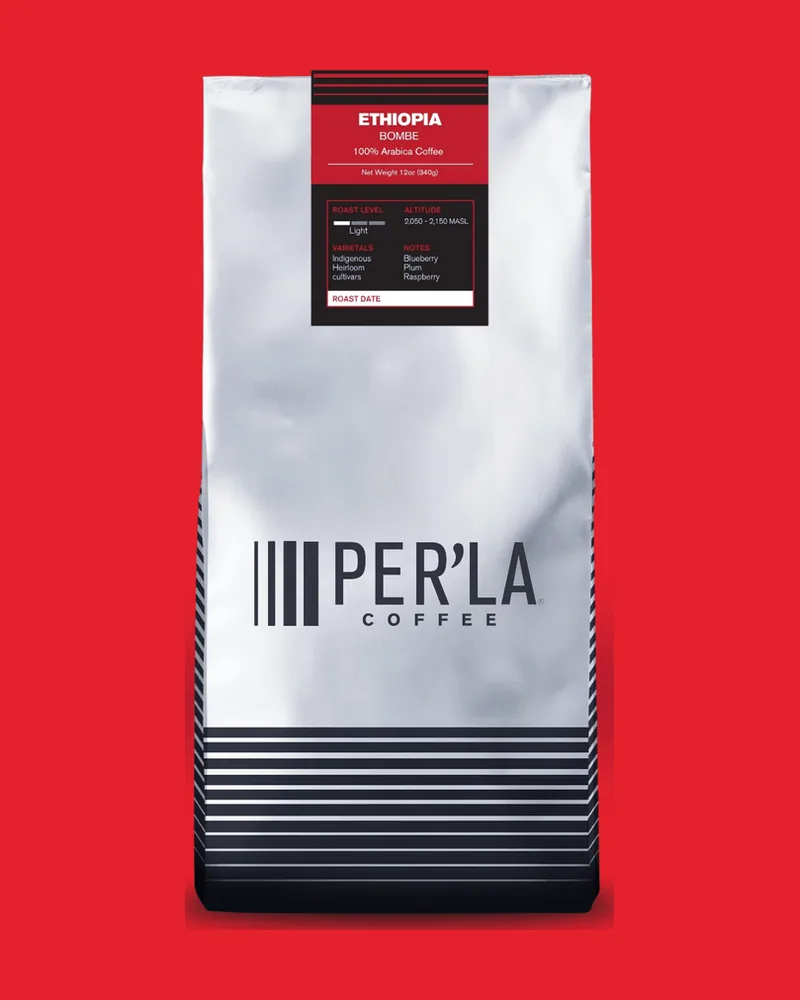
HOUSE OF PER'LA
Ethiopia Durato Bombe
omtrent 244 kr
Lys25,00 USD
Hvorfor: EtiopiaNaturellLignende pris
ANVIL Coffee Roasters
ANVIL Ethiopian - Ayele Fulasa Gesha - Micro lot
omtrent 194 kr
Lys15,18 £
omtrent 56 kr / 100 g
Hvorfor: EtiopiaNaturellLignende pris
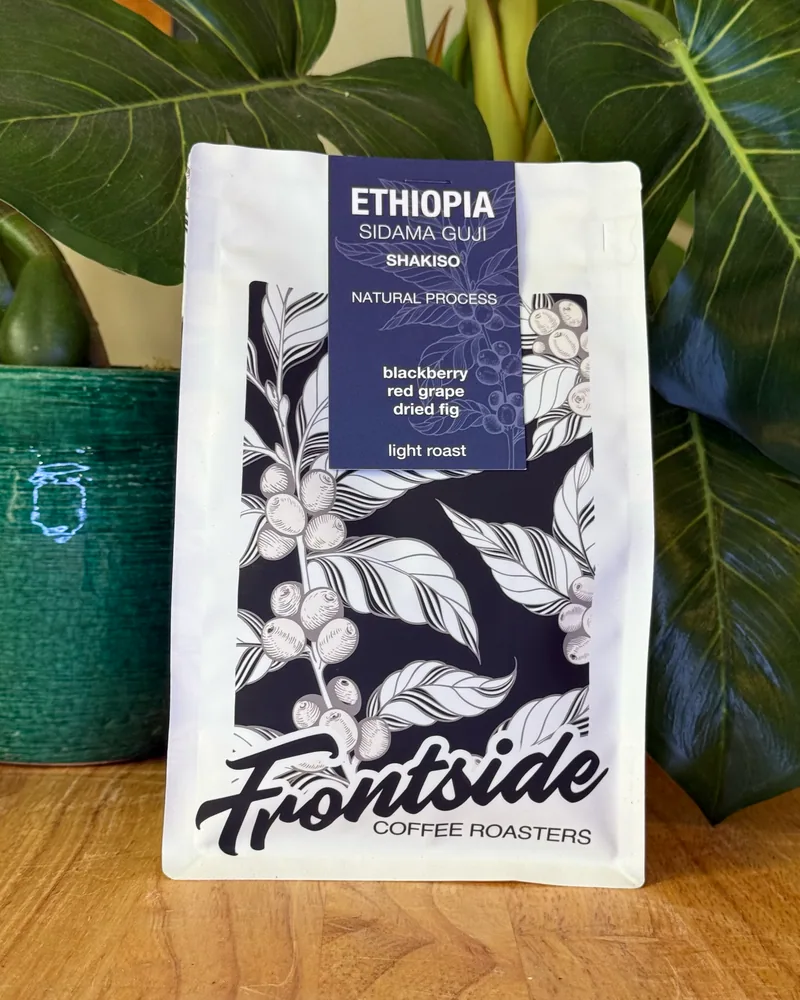
Frontside Coffee Roasters
Ethiopia Guji Shakiso Natural
omtrent 224 kr
Lys23,00 USD
omtrent 66 kr / 100 g
Hvorfor: EtiopiaNaturellLignende pris
Mer fra Hill Tree Roastery
Se alle →
Hill Tree Roastery
COSTA RICA TICA LINDA HONEY WOMEN PRODUCERS
omtrent 195 kr
Middels20,00 USD
Hill Tree Roastery
PAPUA NEW GUINEA SIMBAI BALUS KOPI WASHED COFFEE
omtrent 195 kr
Middels20,00 USD
Hill Tree Roastery
COLOMBIA VALLE DEL CAUCA SUGARCANE EA DECAF
omtrent 195 kr
Mørk20,00 USD
Hill Tree Roastery
BRAZIL FAZENDA BOA VISTA
omtrent 195 kr
Mørk20,00 USD