


 Quarter Horse Coffee
Santa Rosa
Aún sin valoraciones · Escribe la primera reseña
desde14,95 GBP
≈ 34,95 GBP / kg
Completarás la compra en la tienda del tostador.
- Sede del tostador
- Reino Unido
- Envío a
- España · Compruébalo en la tienda del tostador
Formatos y precios
| Molienda | Tamaño | Por kg | Precio |
|---|---|---|---|
| En grano | 250g | 59,80 GBP | 14,95 GBP ↗ |
| Coarse | 250g | 63,80 GBP | 15,95 GBP ↗ |
| Medio | 250g | 63,80 GBP | 15,95 GBP ↗ |
| Fine | 250g | 63,80 GBP | 15,95 GBP ↗ |
| En grano | 1kg | 34,95 GBP | 34,95 GBP ↗ |
| Coarse | 1kg | 35,95 GBP | 35,95 GBP ↗ |
| Medio | 1kg | 35,95 GBP | 35,95 GBP ↗ |
| Fine | 1kg | 35,95 GBP | 35,95 GBP ↗ |
Descripción
Coffee producer Petrônio Otávio Borges de Sousa operates Fazenda Santa Rosa in Cambuquira, Minas Gerais in the Sul de Minas region of Brazil. Petrônio was born to a coffee producing family, with history stretching back to his grandfather who set the standard of the family’s devotion to agriculture. Today, Fazenda Santa Rosa—which totals 636 hectares of land and includes 290 hectares of coffee production—is just one of the family’s farms in the Sul de Minas region.
Petrônio’s main motivation is to produce specialty coffees, aiming to produce high quality lots with a commitment to the hard work and innovation needed to accomplish his goal. That motivation is supported by the social ties that connect Petrônio and his family to the broader coffee industry, as he explains, “ created within the coffee market, whether with friends in Brazil and customers and partners abroad, also motivates us more and more to increase our commitment and performance in the sector.”
This lot of Yellow Bourbon coffee underwent Natural processing. Yellow Bourbon was discovered in 1930 on a Red Bourbon farm in Pederneiras, São Paulo, Brazil. It’s unclear if Yellow Bourbon developed as a natural mutation of Red Bourbon, or if it was a naturally occurring cross between Red Bourbon and Yellow Botucatu, a mutation of Typica discovered in 1871 in Botucatu, São Paulo. Yellow Bourbon is known for good cup quality and relatively high productivity, and has come back into fashion as a cultivated variety across Brazil after its initial novelty wore off in the mid 1900’s. Instituto Agronomico (IAC) of Sao Paulo State in Campinas, Brazil renewed research efforts of the variety in 2005, seeking to highlight the plant’s robust nature and high cup potential.
Reseñas
Aún no hay reseñas.
Cafés similares
Cafés similares de otros tostadores

Earth Bean Coffee
Colombia Magdalena
18,00 US$
Medio
Earth Bean Coffee
Malca (espresso)
17,00 US$
Medio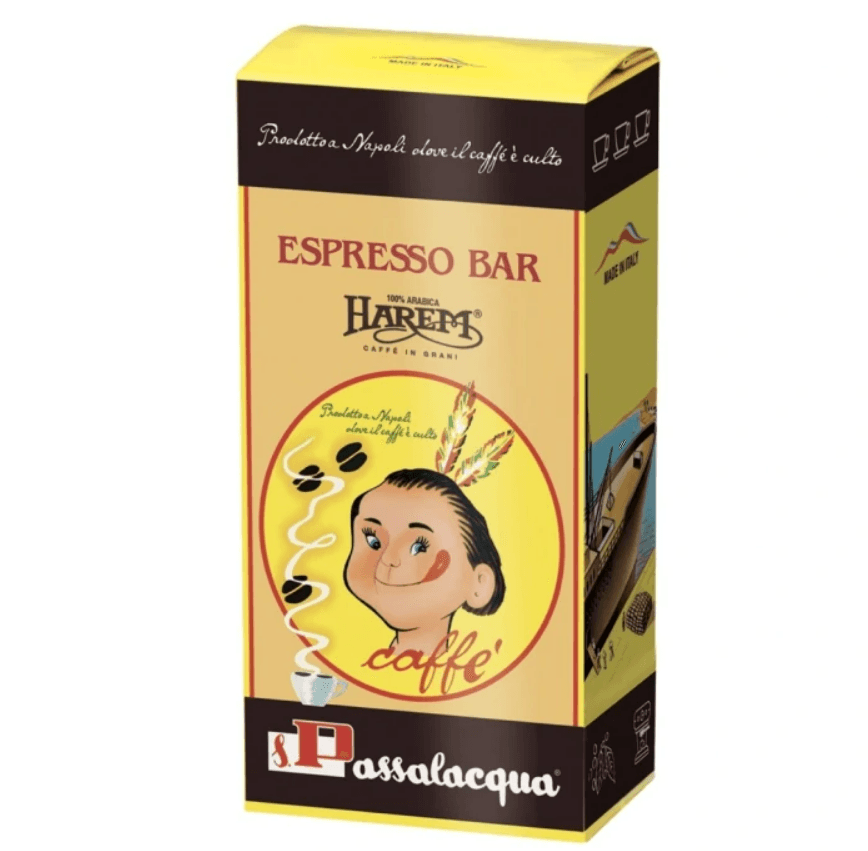
Passalacqua
Harem
19,00 US$
Oscuro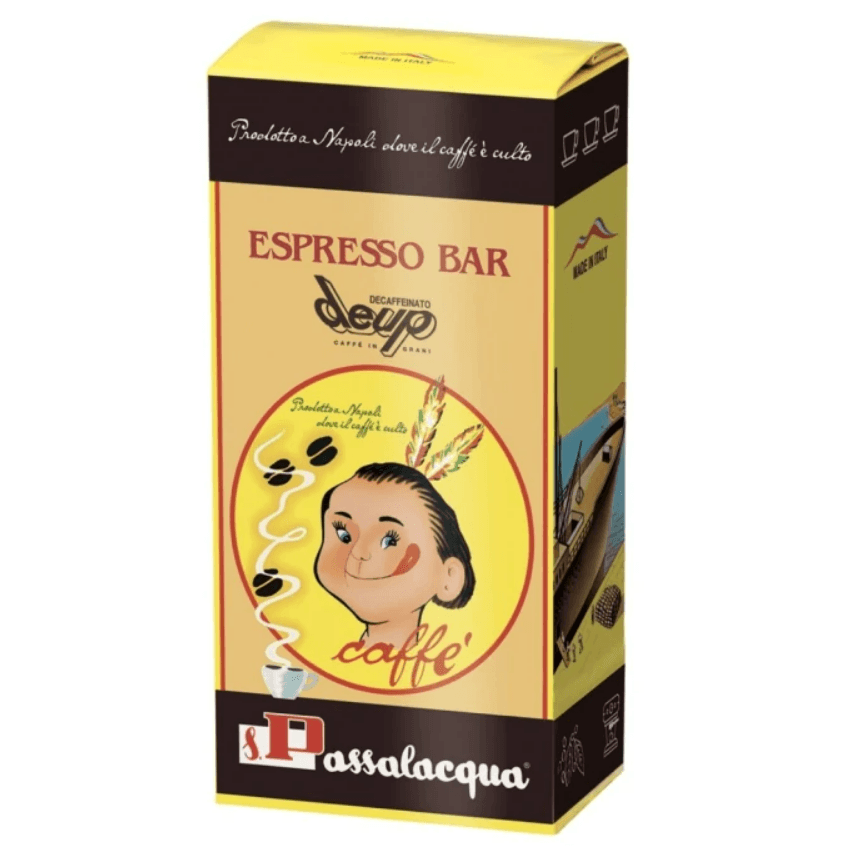
Passalacqua
Deup
14,50 US$
Oscuro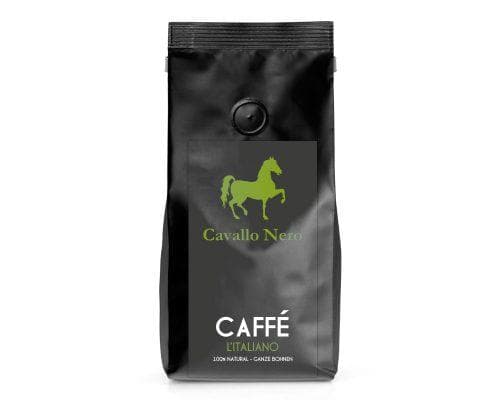
Biotiva
Coffee L'Italiano
12,50 US$
Oscuro
Biotiva
Cavallo Nero Coffee Extra Mild
12,50 US$
Medio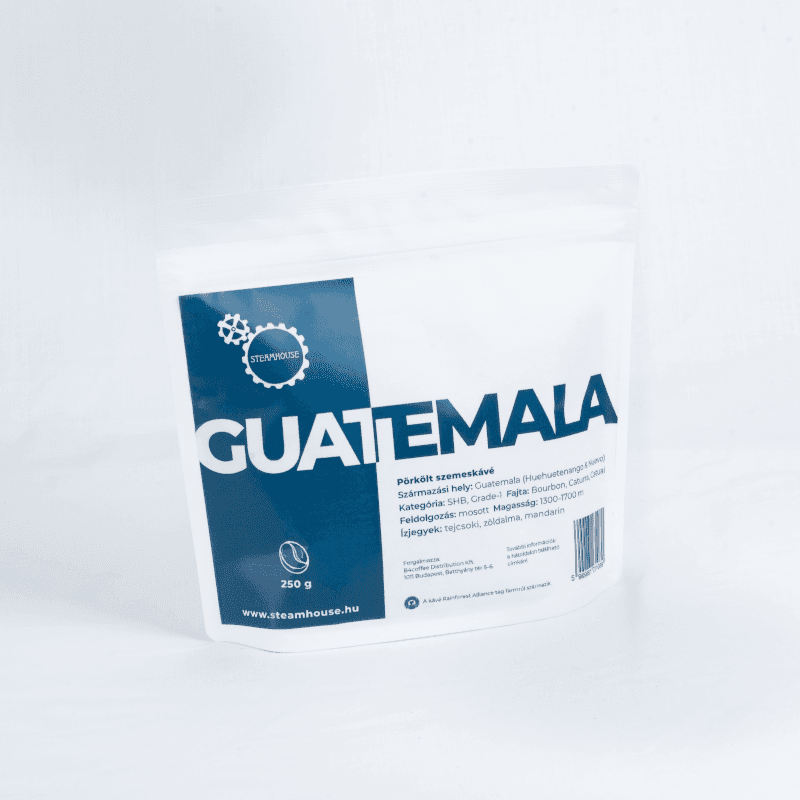
Steamhouse
Guatemala Coffee Beans
10,00 US$
Medio
Two Wheels Coffee
Burundi Nemba Bourbon specialty coffee
5,29 US$
Medio


