


Brazil Regional - Minas Gerais Volcanic Peaberries
Brazilië
- Single origin
Brazil Regional - Minas Gerais Volcanic Peaberries is een koffie uit Brazilië, verkocht door Parchmen & Co (Singapore). Prijs: SGD 19,00 tot SGD 53,00, afhankelijk van de verpakking. Dat is vanaf SGD 53,00 per kilo.
Nog geen beoordelingen · Schrijf de eerste review
vanafSGD 19,00
≈ SGD 53,00 / kg
Je gaat naar de shop van de brander om je aankoop af te ronden.
- Brander gevestigd in
- Singapore
- Bezorgen in
- Nederland · Check de shop van de brander
Formaten en prijzen
| Maling | Inhoud | Per kg | Prijs |
|---|---|---|---|
| Hele bonen | 250g | SGD 76,00 | SGD 19,00 ↗ |
| Gemalen voor espresso | 250g | SGD 76,00 | SGD 19,00 ↗ |
| Gemalen voor percolator | 250g | SGD 76,00 | SGD 19,00 ↗ |
| Gemalen voor filter | 250g | SGD 76,00 | SGD 19,00 ↗ |
| Gemalen voor French press | 250g | SGD 76,00 | SGD 19,00 ↗ |
| Gemalen voor cold brew | 250g | SGD 76,00 | SGD 19,00 ↗ |
| Hele bonen | 500g | SGD 72,00 | SGD 36,00 ↗ |
| Gemalen voor espresso | 500g | SGD 72,00 | SGD 36,00 ↗ |
Toon alle 18
| Maling | Inhoud | Per kg | Prijs |
|---|---|---|---|
| Gemalen voor percolator | 500g | SGD 72,00 | SGD 36,00 ↗ |
| Gemalen voor filter | 500g | SGD 72,00 | SGD 36,00 ↗ |
| Gemalen voor French press | 500g | SGD 72,00 | SGD 36,00 ↗ |
| Gemalen voor cold brew | 500g | SGD 72,00 | SGD 36,00 ↗ |
| Hele bonen | 1kg | SGD 53,00 | SGD 53,00 ↗ |
| Gemalen voor espresso | 1kg | SGD 53,00 | SGD 53,00 ↗ |
| Gemalen voor percolator | 1kg | SGD 53,00 | SGD 53,00 ↗ |
| Gemalen voor filter | 1kg | SGD 53,00 | SGD 53,00 ↗ |
| Gemalen voor French press | 1kg | SGD 53,00 | SGD 53,00 ↗ |
| Gemalen voor cold brew | 1kg | SGD 53,00 | SGD 53,00 ↗ |
Beschrijving
Brazil Minas Gerais Volcanic Peaberries, Mixed Blend, Natural, 2026
Caramel | Honey | Sweet Orange | Maple | Nuts
This coffee is a blend of two coffees from two neighboring regions in Minas Gerais. An inland state at the southeast of the world's largest coffee producing country, it is a storehouse of minerals, directly represented by its Portuguese name which means general mines. It is located in the Brazilian Highlands, known in Portuguese as the Central Highlands, which is an ancient geological feature covering more than half of Brazil's landmass. Within, one find low mountains, hilly uplands and tabular plateaus, about 800 to 1,000m above sea level. It in on these fertile plateaus of Minas Gerais that 50% of Brazil's coffees are grown.
Part of our coffee is from Poços de Caldas, a town famous for its manufacture of soap and glass, as well as its Sulphur-rich volcanic water feeding its bustling spa industry. On a plateau at 1,000 to 1,300m surrounding by higher terrain with mountains rising to 1,800m, the town reveals itself to be located inside the caldera of an ancient volcano that was active 80 million years ago. It is no wonder its name roughly translates to "occupying a well". Today, about 80% of the area is rural, with the rich volcanic soils and microclimate promising specialty flavours in the cup. Indeed, specialty coffee is taking shape against a long tradition of coffee cultivation since the 19th century when the construction of a railway allowed coffee from the only volcanic source in Brazil to be shipped out to the world. This is the only volcanic source for coffee cultivation in the whole of Brazil.
Another part of our coffee is from Ibiraci - an indigeneous tribal name meaning "mother tree". It is close to the famous coffee producing region of Alta Mogiana, and shares the same topography of high plateaus at 1,000 to 1,300m. One can say that this city is built using "coffee money", having financed the infrastructure and other industries using the riches brought in by a century of commodity coffee. Today, commodity coffee has set a strong foundation in farm infrastructure, finances, machineries and manpower.
Being located at the edge of the coffee belt near to the Tropics of Capricorn, harvest period for both our coffees is during the northern hemispheric summer and autumn months of June to September when it is winter there. Both areas have distinct weather patterns of wet summers and dry winters, allowing coffee blossom and cherry ripening in union. The dry harvest period during winter further allows dry processing for the cherries. In the small town of Poços de Caldas, land is limited and shared by 100 farming families. Coffee harvest is done manually without machines. In Ibiraci, the vast flat plateaus of the city and industrial maturity allow machine harvesting.
This is a unique blend of two coffees from a developed and a developing coffee region, with cherries harvested by both hand and machine, making the connection between small batch specialty production and mass scale production. This coffee is made more unique with its composition of 100% peaberries of size 10-11. In the usual case of two seeds in a cherry, a peaberry results from a seed deformation when it outgrows its usual size and eats into the space meant for the other seed, fully squeezing it out of existence. This allows the surviving seed a larger share of nutrients and sugars, enriching its flavour. Only occurring in 5-8% of harvests, the resulting shape is roundish oblong without any flat sides. It is sweetness overload with its round and cute look!
Roast Level
We have roasted this coffee to medium light with a development time of close to 2 min to fully realise its sugary potential. We are juicing its maximum sweetness against the easy tendency of tipping over and becoming burnt.
Brew Flavour
We are brewing this coffee on the filter using 15g to 250ml of 93°C water at 800 µm grind size, using Timemore B75 and Kalita Wave 185 paper. The coffee grounds smell juicy and caramelly. The impression of the dry fragrance continue into the brew against a background of sweet oranges, on a balanced cup without obvious acidity or bitterness. It turns maple syrupy when it is slightly cooled and this sweetness lingers into the after flavour.
15g for 250ml
0-15 sec: Pour 50g of water
45-95 sec: Add 200g
On the espresso on a semi-automatic machine or even a commercial machine, its intense sweetness without sourness makes it a welcome, daily cup.
Cofinet worked with Bourbon Specialty Coffee of Brazil to bring us this coffee.
Savouring our world in a cup!
Enjoy!
Vragen over Brazil Regional - Minas Gerais Volcanic Peaberries
Waar komt Brazil Regional - Minas Gerais Volcanic Peaberries vandaan?
Herkomst: Brazilië.
Wat kost Brazil Regional - Minas Gerais Volcanic Peaberries?
Prijs: SGD 19,00 tot SGD 53,00, afhankelijk van de verpakking. Dat is vanaf SGD 53,00 per kilo. De prijzen komen uit de winkel en kunnen veranderen; de winkel heeft de actuele.
Waar kan ik Brazil Regional - Minas Gerais Volcanic Peaberries kopen?
In de webwinkel van Parchmen & Co: de prijzen op deze pagina linken ernaar. Cafendo verkoopt zelf geen koffie.
Reviews
Nog geen reviews.
Vind je deze koffie lekker? Probeer dan deze
Gekozen bij andere branderijen op gedeelde herkomst, verwerking, branding, smaaknoten en prijs. Koffies die dezelfde mensen bewaarden of goed beoordeelden tellen het zwaarst.
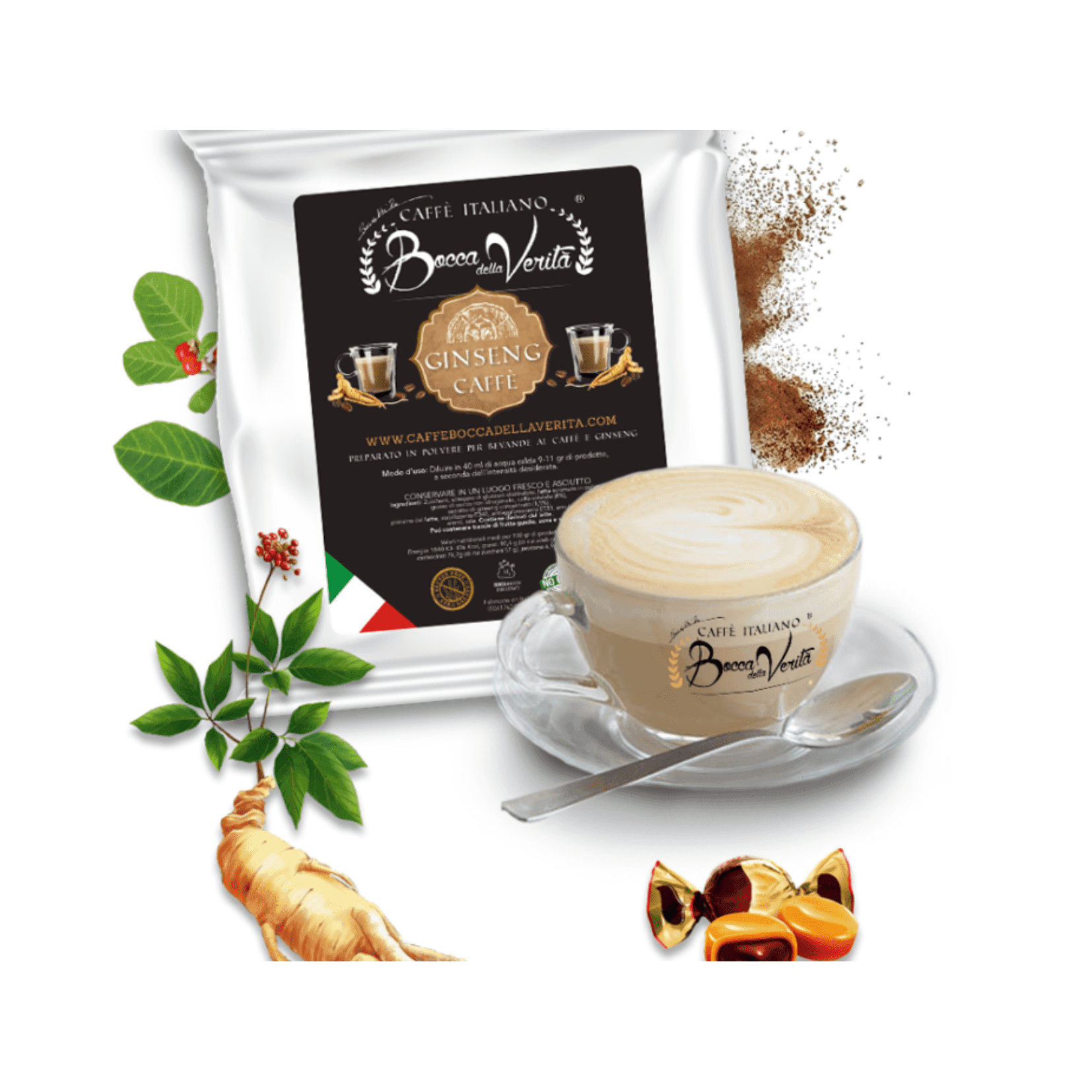
Bocca Della Verita
Ginseng Coffee
US$ 18,90
LichtWaarom: BraziliëVergelijkbare prijs

Tico Coffee Roasters
Flying Dragon
US$ 19,95
DonkerWaarom: BraziliëVergelijkbare prijs

Tico Coffee Roasters
Rialto Espresso
US$ 19,95
DonkerWaarom: BraziliëVergelijkbare prijs

Oetterli Coffee
HAUS KAFFEE - SITIO VARGEM GRANDE
US$ 13,28
LichtWaarom: BraziliëVergelijkbare prijs

Bocca Della Verita
Brasil
US$ 24,90
MediumWaarom: BraziliëVergelijkbare prijs

Vigilante Coffee
Brazil Capim Seco
US$ 18,95
MediumWaarom: BraziliëVergelijkbare prijs
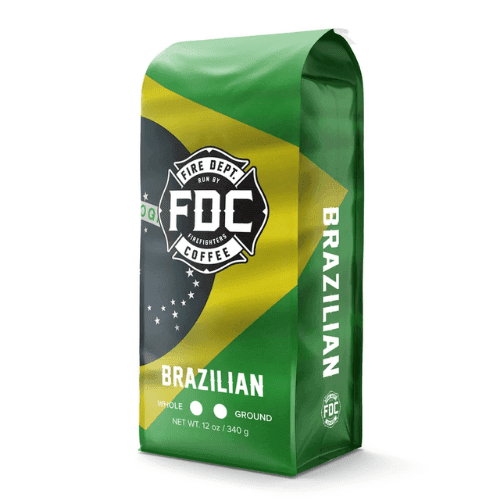
Fire Dept. Coffee
BRAZILIAN COFFEE
US$ 13,46
MediumWaarom: BraziliëVergelijkbare prijs

Gourvita Trends
BRAZILIAN MILDAIR - von Coffee-Nation
US$ 13,90
LichtWaarom: BraziliëVergelijkbare prijs


