Parchmen & Co
Brazil Regional - Minas Gerais Volcanic Peaberries
Brasilien
- Single origin
Brazil Regional - Minas Gerais Volcanic Peaberries är ett kaffe från Brasilien, som säljs av Parchmen & Co (Singapore). Pris: 19,00 SGD till 53,00 SGD, beroende på storlek. Det motsvarar från 53,00 SGD per kilo.
Inget betyg än · Bli först med att recensera det
från19,00 SGD
≈ 53,00 SGD / kg
Du skickas till rosteriets butik för att slutföra ditt köp.
- Rosteri baserat i
- Singapore
- Leverans till
- Sverige · ✓ Ja, enligt rosteriets butik
Storlekar och priser
| Malning | Innehåll | Per kg | Pris |
|---|---|---|---|
| Hela bönor | 250g | 76,00 SGD | 19,00 SGD ↗ |
| Malet för espresso | 250g | 76,00 SGD | 19,00 SGD ↗ |
| Malet för mokabryggare | 250g | 76,00 SGD | 19,00 SGD ↗ |
| Malet för filter | 250g | 76,00 SGD | 19,00 SGD ↗ |
| Malet för French press | 250g | 76,00 SGD | 19,00 SGD ↗ |
| Malet för cold brew | 250g | 76,00 SGD | 19,00 SGD ↗ |
| Hela bönor | 500g | 72,00 SGD | 36,00 SGD ↗ |
| Malet för espresso | 500g | 72,00 SGD | 36,00 SGD ↗ |
Visa alla 18
| Malning | Innehåll | Per kg | Pris |
|---|---|---|---|
| Malet för mokabryggare | 500g | 72,00 SGD | 36,00 SGD ↗ |
| Malet för filter | 500g | 72,00 SGD | 36,00 SGD ↗ |
| Malet för French press | 500g | 72,00 SGD | 36,00 SGD ↗ |
| Malet för cold brew | 500g | 72,00 SGD | 36,00 SGD ↗ |
| Hela bönor | 1kg | 53,00 SGD | 53,00 SGD ↗ |
| Malet för espresso | 1kg | 53,00 SGD | 53,00 SGD ↗ |
| Malet för mokabryggare | 1kg | 53,00 SGD | 53,00 SGD ↗ |
| Malet för filter | 1kg | 53,00 SGD | 53,00 SGD ↗ |
| Malet för French press | 1kg | 53,00 SGD | 53,00 SGD ↗ |
| Malet för cold brew | 1kg | 53,00 SGD | 53,00 SGD ↗ |
Beskrivning
Brazil Minas Gerais Volcanic Peaberries, Mixed Blend, Natural, 2026
Caramel | Honey | Sweet Orange | Maple | Nuts
This coffee is a blend of two coffees from two neighboring regions in Minas Gerais. An inland state at the southeast of the world's largest coffee producing country, it is a storehouse of minerals, directly represented by its Portuguese name which means general mines. It is located in the Brazilian Highlands, known in Portuguese as the Central Highlands, which is an ancient geological feature covering more than half of Brazil's landmass. Within, one find low mountains, hilly uplands and tabular plateaus, about 800 to 1,000m above sea level. It in on these fertile plateaus of Minas Gerais that 50% of Brazil's coffees are grown.
Part of our coffee is from Poços de Caldas, a town famous for its manufacture of soap and glass, as well as its Sulphur-rich volcanic water feeding its bustling spa industry. On a plateau at 1,000 to 1,300m surrounding by higher terrain with mountains rising to 1,800m, the town reveals itself to be located inside the caldera of an ancient volcano that was active 80 million years ago. It is no wonder its name roughly translates to "occupying a well". Today, about 80% of the area is rural, with the rich volcanic soils and microclimate promising specialty flavours in the cup. Indeed, specialty coffee is taking shape against a long tradition of coffee cultivation since the 19th century when the construction of a railway allowed coffee from the only volcanic source in Brazil to be shipped out to the world. This is the only volcanic source for coffee cultivation in the whole of Brazil.
Another part of our coffee is from Ibiraci - an indigeneous tribal name meaning "mother tree". It is close to the famous coffee producing region of Alta Mogiana, and shares the same topography of high plateaus at 1,000 to 1,300m. One can say that this city is built using "coffee money", having financed the infrastructure and other industries using the riches brought in by a century of commodity coffee. Today, commodity coffee has set a strong foundation in farm infrastructure, finances, machineries and manpower.
Being located at the edge of the coffee belt near to the Tropics of Capricorn, harvest period for both our coffees is during the northern hemispheric summer and autumn months of June to September when it is winter there. Both areas have distinct weather patterns of wet summers and dry winters, allowing coffee blossom and cherry ripening in union. The dry harvest period during winter further allows dry processing for the cherries. In the small town of Poços de Caldas, land is limited and shared by 100 farming families. Coffee harvest is done manually without machines. In Ibiraci, the vast flat plateaus of the city and industrial maturity allow machine harvesting.
This is a unique blend of two coffees from a developed and a developing coffee region, with cherries harvested by both hand and machine, making the connection between small batch specialty production and mass scale production. This coffee is made more unique with its composition of 100% peaberries of size 10-11. In the usual case of two seeds in a cherry, a peaberry results from a seed deformation when it outgrows its usual size and eats into the space meant for the other seed, fully squeezing it out of existence. This allows the surviving seed a larger share of nutrients and sugars, enriching its flavour. Only occurring in 5-8% of harvests, the resulting shape is roundish oblong without any flat sides. It is sweetness overload with its round and cute look!
Roast Level
We have roasted this coffee to medium light with a development time of close to 2 min to fully realise its sugary potential. We are juicing its maximum sweetness against the easy tendency of tipping over and becoming burnt.
Brew Flavour
We are brewing this coffee on the filter using 15g to 250ml of 93°C water at 800 µm grind size, using Timemore B75 and Kalita Wave 185 paper. The coffee grounds smell juicy and caramelly. The impression of the dry fragrance continue into the brew against a background of sweet oranges, on a balanced cup without obvious acidity or bitterness. It turns maple syrupy when it is slightly cooled and this sweetness lingers into the after flavour.
15g for 250ml
0-15 sec: Pour 50g of water
45-95 sec: Add 200g
On the espresso on a semi-automatic machine or even a commercial machine, its intense sweetness without sourness makes it a welcome, daily cup.
Cofinet worked with Bourbon Specialty Coffee of Brazil to bring us this coffee.
Savouring our world in a cup!
Enjoy!
Frågor om Brazil Regional - Minas Gerais Volcanic Peaberries
Var kommer Brazil Regional - Minas Gerais Volcanic Peaberries ifrån?
Det kommer från Brasilien.
Vad kostar Brazil Regional - Minas Gerais Volcanic Peaberries?
Pris: 19,00 SGD till 53,00 SGD, beroende på storlek. Det motsvarar från 53,00 SGD per kilo. Priserna kommer från butiken och kan ändras; butiken har de aktuella priserna.
Var kan jag köpa Brazil Regional - Minas Gerais Volcanic Peaberries?
I Parchmen & Cos webbutik: priserna på den här sidan länkar dit. Enligt butiken levererar den över hela världen. Cafendo säljer inget kaffe själva.
Recensioner
Inga recensioner än.
Gillar du det här kaffet? Prova de här
Utvalt från andra rosterier utifrån gemensamt ursprung, bearbetning, rostning, smakbeskrivning och pris. Kaffe som samma personer har sparat eller gett höga betyg väger tyngst.
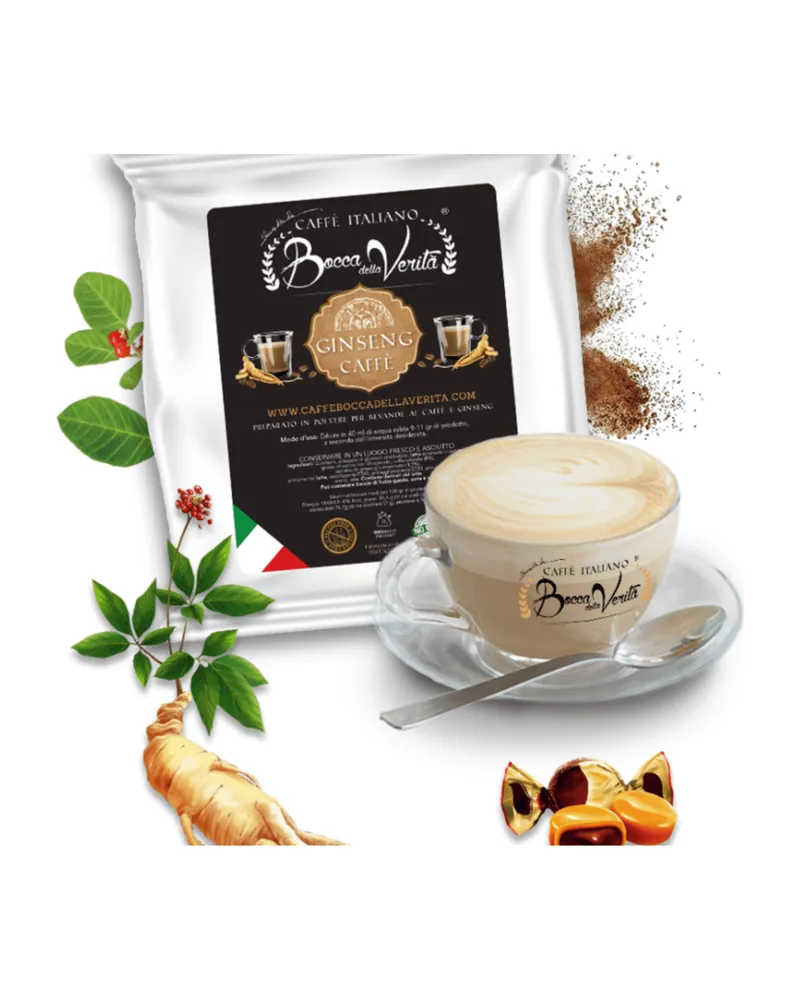
Bocca Della Verita
Ginseng Coffee
18,90 US$
LjusVarför: BrasilienLiknande pris
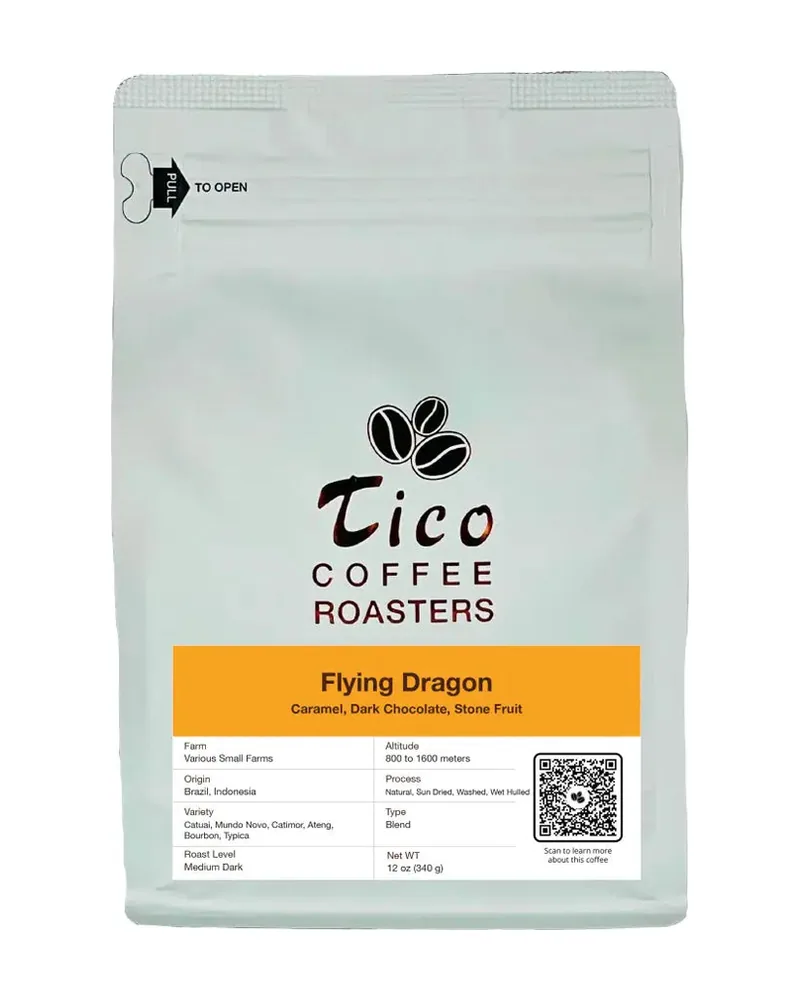
Tico Coffee Roasters
Flying Dragon
21,00 US$
MörkVarför: BrasilienLiknande pris
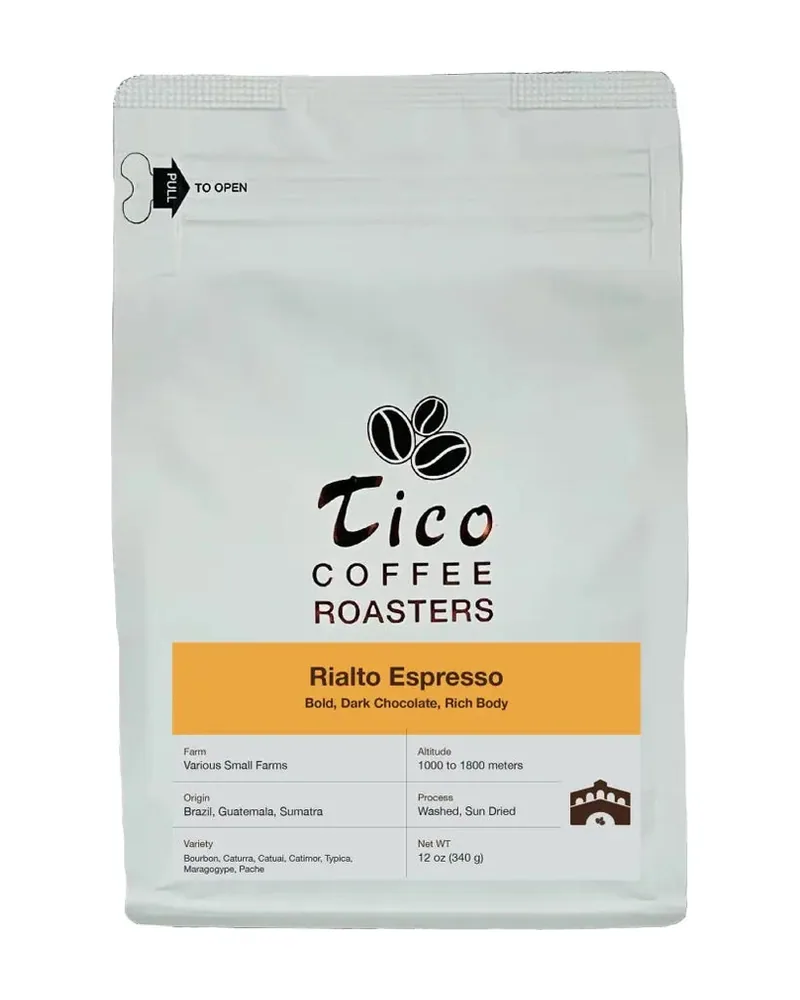
Tico Coffee Roasters
Rialto Espresso
21,00 US$
MörkVarför: BrasilienLiknande pris

Oetterli Coffee
HAUS KAFFEE - SITIO VARGEM GRANDE
13,28 US$
LjusVarför: BrasilienLiknande pris
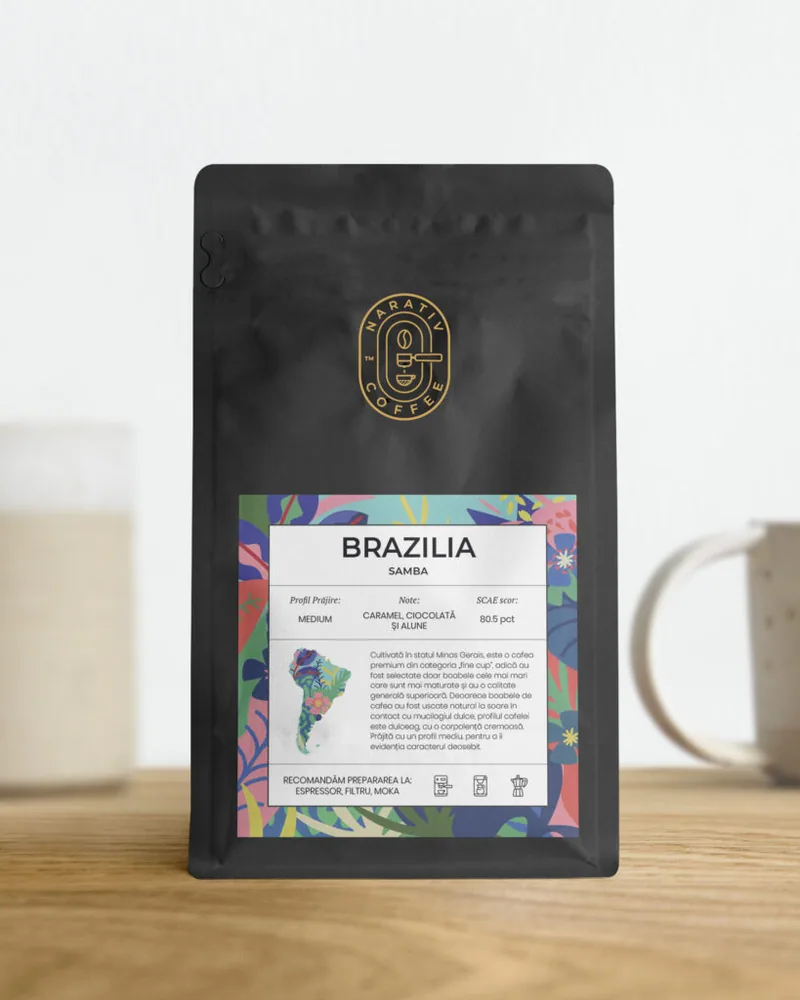
Narativ Specialty Coffee
Brazilia Samba
42,00 RON
Varför: BrasilienLiknande pris
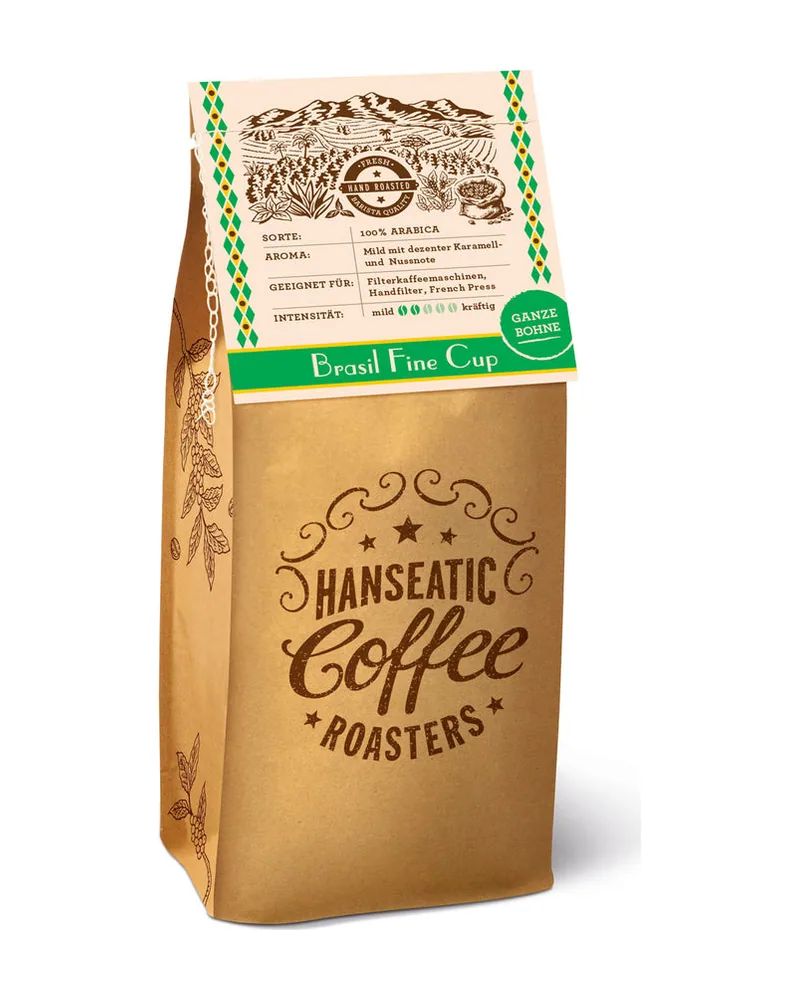
Hanseatic Coffee Roasters
Brasil Fine Cup | Single Origin
9,99 €
Varför: BrasilienLiknande pris
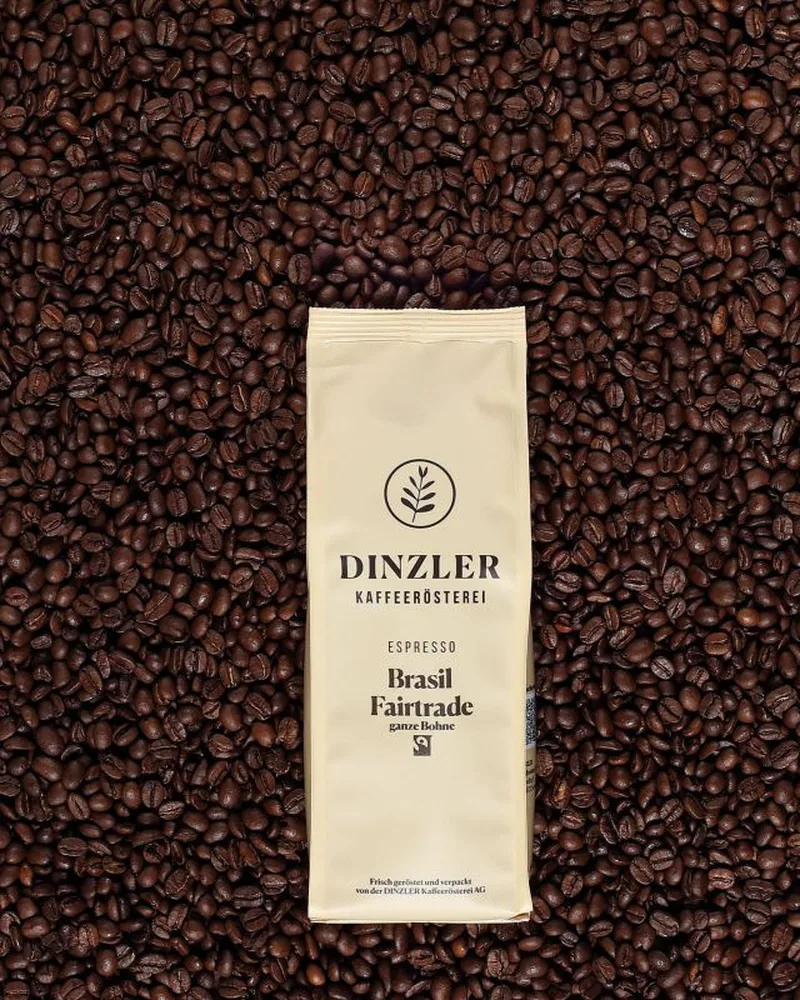
Dinzler Kaffeerösterei
DINZLER Espresso Brazil
9,10 US$
LjusVarför: BrasilienLiknande pris
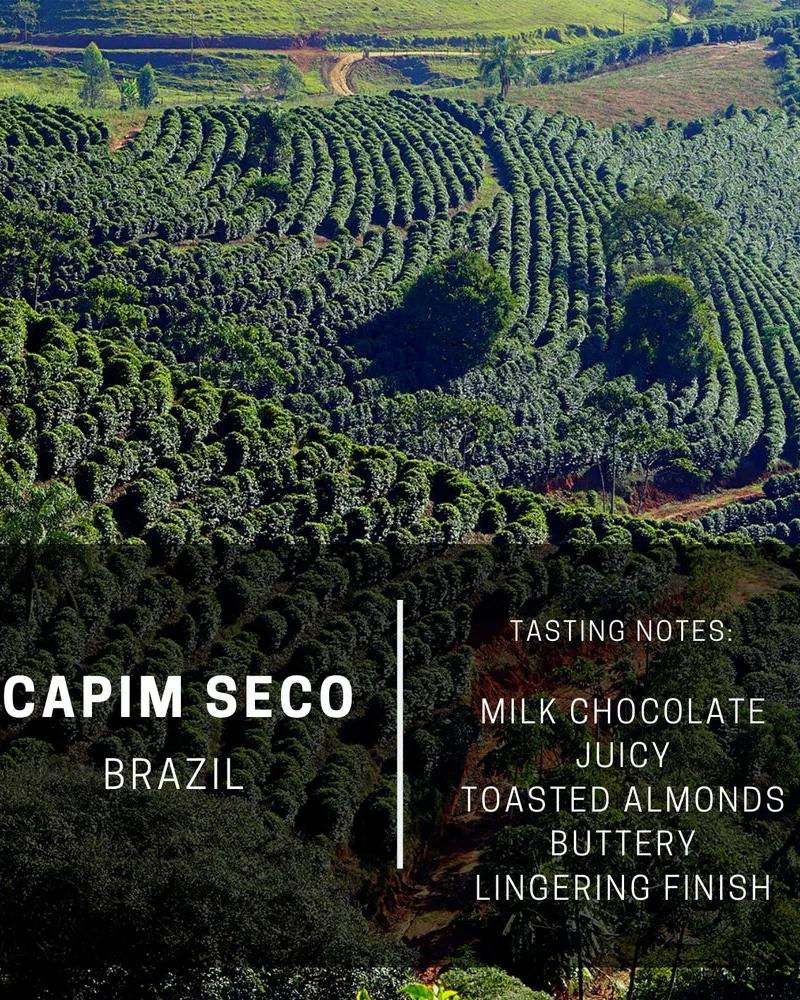
Vigilante Coffee
Brazil Capim Seco
20,00 US$
MediumVarför: BrasilienLiknande pris