


 Out Of The Grey Coffee
Single Origin - Java Estate - Specialty Coffee
Indonezia
- Grad de prăjire: Medie
- Blend
Încă fără note · Scrie prima recenzie
de la20,95 USD
Comanda o finalizezi în magazinul prăjitoriei.
- Sediul prăjitoriei
- Statele Unite ale Americii
- Livrare în
- România · Verifică în magazinul prăjitoriei
Profil de gust
După detaliile din magazinul prăjitoriei.
- Grad de prăjireMedie
- DeschisăÎnchisă
Variante și prețuri
| Măcinare | Choose Your Caffeine Option | Preț |
|---|---|---|
| Boabe | Regular | 20,95 USD ↗ |
| Măcinată pentru espresso | Regular | 21,95 USD ↗ |
| Măcinată pentru French press | Regular | 21,95 USD ↗ |
| Măcinată pentru ibric | Regular | 21,95 USD ↗ |
| Medium Coarse (Drip Coffeemaker) | Regular | 21,95 USD ↗ |
| Medium (Cone-Bottom Filter) | Regular | 21,95 USD ↗ |
| Medium Fine (K-Cup Pod/Pour-Over) | Regular | 21,95 USD ↗ |
Descriere
Intense nut-toned aroma with complications of fruit, milky cocoa, caramel, flowers and grapefruit, delicate mouthfeel, soft acidity with bittersweet chocolate finish.
Roast: Dark Medium
Processing: Fully Washed and Sun Dried
Altitude: 1100 - 1350 M.A.S.L.
Harvest: July - September
12 oz. Handcrafted Specialty Coffee
Indonesia is a fascinating and diverse origin, and a complex one in which to work: While the majority of the coffee on the island is grown by smallholders, there are still four or five major estates that account not only for a large area of coffee production (around 4,000 hectares), but also much of the collection and processing. Smallholder farmers will often sell their cherry to the estates, which will grade and blend them for sale under the estate's name.
In the past, ootgCoffee has sourced directly from one of those estates, and continues to seek direct relationships at origin, with several ongoing projects and relationships in development. However, we do not currently offer any origin-direct coffees from Java, and instead source lots for their cup quality and characteristics, offering little traceability.
HISTORY
Coffee was introduced throughout the islands of Indonesia by the Dutch in the 1600s, and was first exported by the Dutch East India Company in the early 1700s: Java was the first of the islands to cultivate coffee, and that long history with the plant on the land is part of the reason that coffee is generically known as "java." Large Dutch-owned plantations were the norm, and the laborers and locals suffered financially and politically under the colonial regime: The 1860 novel Max Havelaar: Or the Coffee Auctions of the Dutch Trading Company outlined many of the ways that the Dutch government and landowners abused and oppressed the Indonesian people, specifically on Sumatra and Java. Poverty, starvation, and destitution were common among coffee workers and within the indigenous communities.
In the 1860s and 1870s, a coffee-leaf-rust epidemic decimated the coffee market in Indonesia, and led to the abandonment of many estates by the Dutch; as the plantations broke up, laborers took up small plots of the land, eventually replanting most of the old-stock Arabica with Robusta coffee and various more disease-resistant hybrids. This land redistribution created the predominance of smallholder growers on the islands, which exists to this day. Taken as a whole, Indonesia is the fourth-largest coffee-producing country in the world, though Java—once a powerhouse producer and the primary origin for the world's most sought-after supply—has not come near to reclaiming its position at the top of the list worldwide.
Javanese coffees have long been distinct for their earthy, savory, somewhat vegetal or herbaceous characteristics, in part contributed by the climate and the mix of varieties grown, but also due to a specific post-harvest processing style called Wet-Hulling, or locally known as Giling Basah, which imparts much of the unique qualities these coffees have.
"MOCHA JAVA"
One of the most famous and misunderstood terms in coffee is "Mocha Java," which historically refers to a blend made from coffee beans from Java and from Yemen. (Yemeni coffee has long been called "Mocha" after the main port, which is alternately spelled Mokha, Mokka, and Mocha, among other variations.) The deep chocolate and winey berry of the Yemen coffee was thought to be a perfect complement to the Javanese profile, with its savory complexity. However, throughout the centuries the words "mocha" and "java" came to be used colloquially for other coffee-related terms, causing much confusion among present-day consumers. Today, "mocha" is used to describe a beverage made with espresso and chocolate, harking back to the chocolaty characteristics Yemen's coffee is famous for; while "java" rather generically acts as a stand-in for "coffee" in slang and popular usage.
Recenzii
Încă nu există recenzii.
Dacă îți place cafeaua asta, încearcă și
Alese de la alte prăjitorii după origine, proces, prăjire, note de gust și preț comune. Cântăresc cel mai mult cafelele salvate sau notate bine de aceiași oameni.
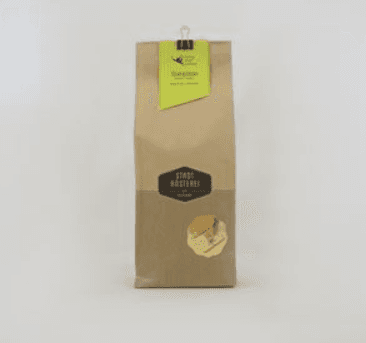
Oetterli Coffee
ORANGUTAN SUMATRA
14,38 USD
MedieDe ce: IndoneziaPreț apropiatAceeași prăjire
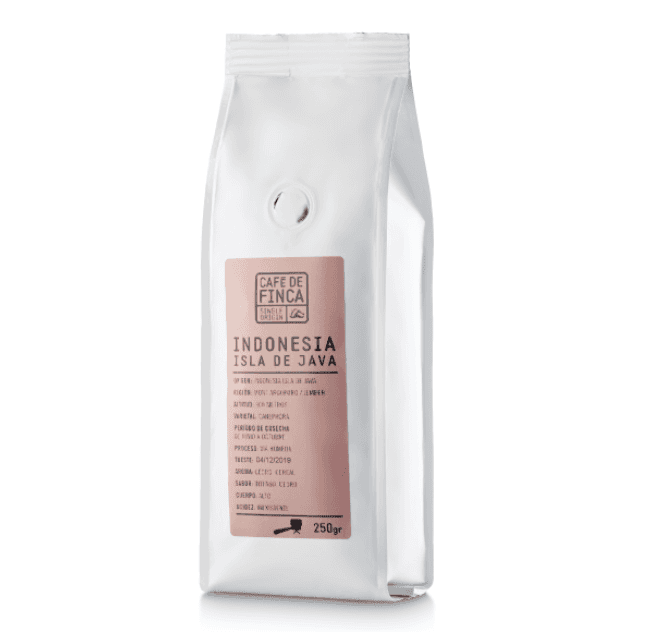
Cafés Novell
Novell Café de Finca Indonesia Java Island
34,90 USD
MedieDe ce: IndoneziaPreț apropiatAceeași prăjire

Press Coffee
Sumatra Takengon Mandheling Coffee
17,50 USD
MedieDe ce: IndoneziaPreț apropiatAceeași prăjire
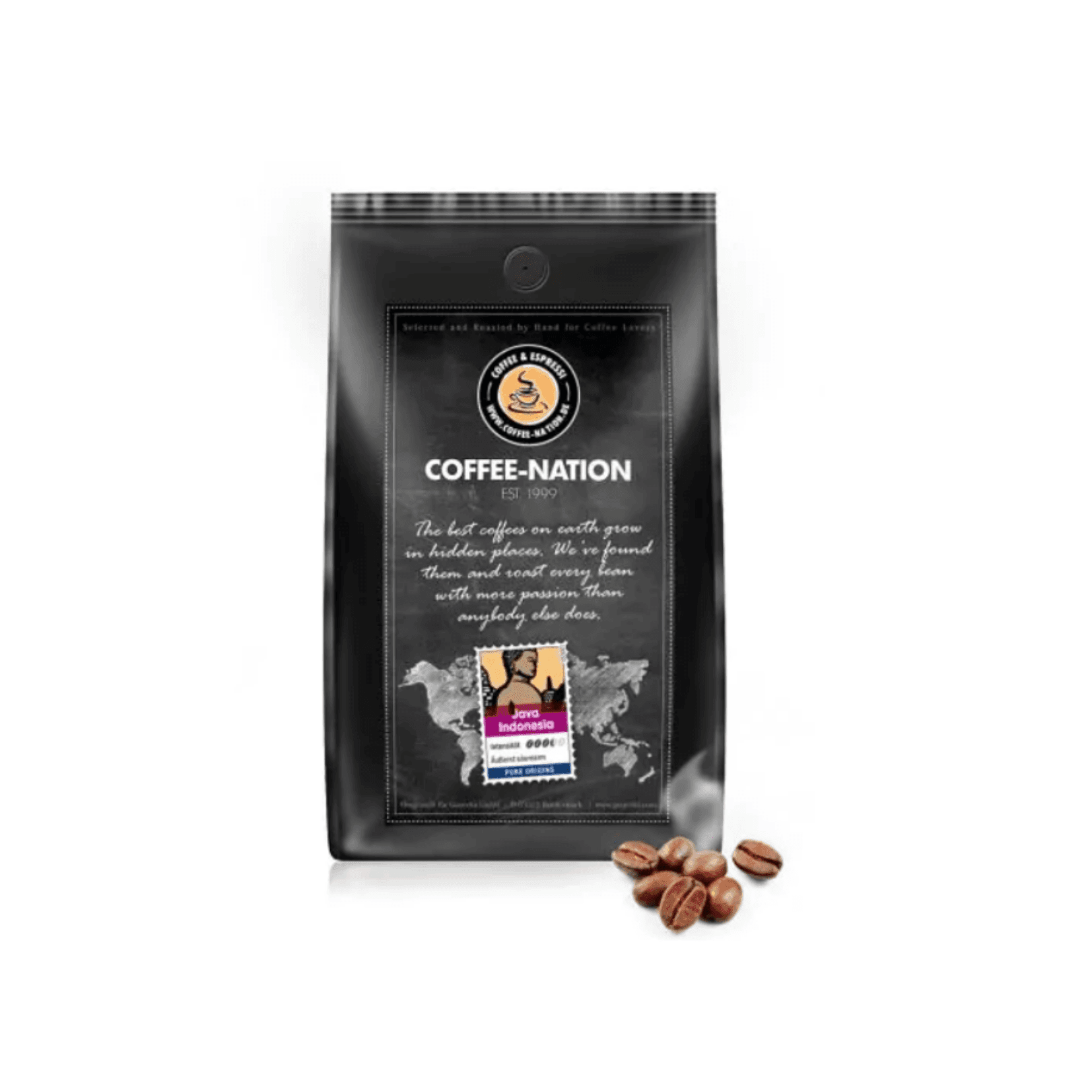
Gourvita Trends
JAVA INDONESIA - von Coffee-Nation
13,90 USD
MedieDe ce: IndoneziaPreț apropiatAceeași prăjire

Alta Organic Coffee
BALI BLUE MOON [INDONESIA]
14,71 USD
MedieDe ce: IndoneziaPreț apropiatAceeași prăjire
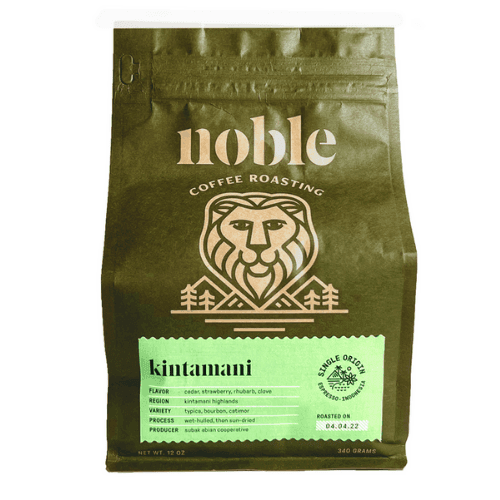
Noble Coffee Roasting
Single Origin Espresso - Balinese 'Kintamani'
17,57 USD
MedieDe ce: IndoneziaPreț apropiatAceeași prăjire

Caffe Vita
Organic Sumatra Gayo River
25,00 USD
MedieDe ce: IndoneziaPreț apropiatAceeași prăjire
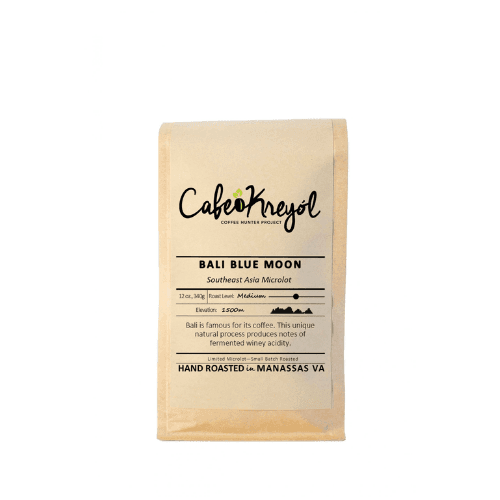
Cafe Kreyol
Bali Blue Moon - Southeast Asia Microlot Natural Process Medium Roast
14,99 USD
MedieDe ce: IndoneziaPreț apropiatAceeași prăjire


