


Indonesia Single Origin Arabica - Wana Prastha Curtina Singaraja Bali
Indonezia
- Single origin
Indonesia Single Origin Arabica - Wana Prastha Curtina Singaraja Bali este o cafea din Indonezia, vândută de Parchmen & Co (Singapore). Preț: între 8,00 SGD și 70,00 SGD, în funcție de gramaj. Adică de la 70,00 SGD pe kilogram.
Încă fără note · Scrie prima recenzie
de la8,00 SGD
≈ 70,00 SGD / kg
Comanda o finalizezi în magazinul prăjitoriei.
- Sediul prăjitoriei
- Singapore
- Livrare în
- România · Verifică în magazinul prăjitoriei
Variante și prețuri
| Măcinare | Cantitate | Pe kg | Preț |
|---|---|---|---|
| Boabe | 50g | 160,00 SGD | 8,00 SGD ↗ |
| Măcinată pentru espresso | 50g | 160,00 SGD | 8,00 SGD ↗ |
| Măcinată pentru moka | 50g | 160,00 SGD | 8,00 SGD ↗ |
| Măcinată pentru filtru | 50g | 160,00 SGD | 8,00 SGD ↗ |
| Măcinată pentru French press | 50g | 160,00 SGD | 8,00 SGD ↗ |
| Boabe | 150g | 80,00 SGD | 12,00 SGD ↗ |
| Măcinată pentru espresso | 150g | 80,00 SGD | 12,00 SGD ↗ |
| Măcinată pentru moka | 150g | 80,00 SGD | 12,00 SGD ↗ |
Arată toate cele 25
| Măcinare | Cantitate | Pe kg | Preț |
|---|---|---|---|
| Măcinată pentru filtru | 150g | 80,00 SGD | 12,00 SGD ↗ |
| Măcinată pentru French press | 150g | 80,00 SGD | 12,00 SGD ↗ |
| Boabe | 250g | 80,00 SGD | 20,00 SGD ↗ |
| Măcinată pentru espresso | 250g | 80,00 SGD | 20,00 SGD ↗ |
| Măcinată pentru moka | 250g | 80,00 SGD | 20,00 SGD ↗ |
| Măcinată pentru filtru | 250g | 80,00 SGD | 20,00 SGD ↗ |
| Măcinată pentru French press | 250g | 80,00 SGD | 20,00 SGD ↗ |
| Boabe | 500g | 72,00 SGD | 36,00 SGD ↗ |
| Măcinată pentru espresso | 500g | 72,00 SGD | 36,00 SGD ↗ |
| Măcinată pentru moka | 500g | 72,00 SGD | 36,00 SGD ↗ |
| Măcinată pentru filtru | 500g | 72,00 SGD | 36,00 SGD ↗ |
| Măcinată pentru French press | 500g | 72,00 SGD | 36,00 SGD ↗ |
| Boabe | 1kg | 70,00 SGD | 70,00 SGD ↗ |
| Măcinată pentru espresso | 1kg | 70,00 SGD | 70,00 SGD ↗ |
| Măcinată pentru moka | 1kg | 70,00 SGD | 70,00 SGD ↗ |
| Măcinată pentru filtru | 1kg | 70,00 SGD | 70,00 SGD ↗ |
| Măcinată pentru French press | 1kg | 70,00 SGD | 70,00 SGD ↗ |
Descriere
Singaraja has long been at the heart of North Bali. Developed around the historic port of Buleleng, the city became an important centre of maritime trade and commerce, connecting Bali with ports across the Indonesian archipelago and beyond. During the Dutch colonial period, Singaraja became the administrative centre of Bali, while Buleleng served as a major gateway for goods entering and leaving the island. The port brought together traders and communities from across the region, helping shape Singaraja into one of Bali’s most culturally diverse historic cities.
Behind the city rise the volcanic highlands of North Bali, where smallholder farmers cultivate Arabica coffee in places such as Munduk, Gobleg, Wanagiri, Pancasari and Banyuatis. Today, Singaraja remains an important reference point for coffee from these northern mountains. This coffee connects the historic trading culture of the coast with the farming communities of the highlands, bringing together North Bali’s landscape and heritage, but refreshed with a new generation of specialty coffee producers. At elevations of 1,200–1,500m, smallholder farmers cultivate coffee on mineral-rich volcanic slopes.
Coffee farms across North Bali are typically small, family-run plots of around 0.5–2 hectares, where cherries are carefully handpicked and processed in microlots. The region’s coffee growing heritage is deeply connected to Bali’s farming traditions, while a new generation of producers is introducing modern approaches to quality and traceability.
This coffee is processed by Curtina, a family-run specialty coffee farm and processor in Kintamani, Bali. It was founded in 2021 by Wana Prastha, a second-generation producer whose focus on specialty coffee is helping bridge traditional farming with contemporary quality practices. Beyond growing its own coffee, it also works closely with approximately 200 smallholder farmers across the surrounding highland communities, supporting quality-focused coffee production from farm to export. The name Curtina is derived from a Sanskrit word meaning “to gather together,” underscoring its philosophy in its work. Today, Curtina stands as one of North Bali's emerging specialty coffee processors.
This coffee is exported from Indonesia from Coffee Beyond Borders (CBB), a specialty coffee trader based in Jakarta, Indonesia. It is the specialty green coffee sourcing and trading arm of Indonesia International Trading (IIT). Established in 2016, the company sources Indonesian and international green coffee for local and global buyers. Its broader mission is helping change perceptions of Indonesian coffee quality. CBB classified this coffee under the Nismara series. Nismara is a word from Javanese, meaning “penuh ketenangan” - a state of deep calm and serenity. The classification suggests this coffee embodies tranquility and emotional balance, reflecting both the quiet highland terroir of North Bali and the island’s broader cultural association with balance and calm.
This coffee is a blend of USDA, Cobra and Kopyol. It is common practice for Indonesian farms to grow different varieties and process them together as if they are a single variety. One reasons is that a lot of varieties are very similar in their appearances. Secondly, this practice allows the farms to spread out the risks of each variety. Sometimes, the unique distribution of the farm's varieties decide the quality of the coffee.
USDA (US Department of Agriculture) had coffee plant breeding programs in the past and some were distributed to Indonesia in the 1950s. Simply called USDA, there were a few types brought to Indonesia: S731, S762 and S765. S762 is most widely planted and was part of a collection of seeds gathered by the UN Food & Agriculture Organization (FAO) from the Mizan Tafari Ethiopia in the 1955. 10 plants were sent to the coffee research station in Jember, Java, and it is now widely abundant in Ijen. It has a moderate resistance to coffee leaf rust, but lacks a distinct coffee flavour. Because Mizan Tafari is near to where the Ethiopian Gesha was first found, it is sometimes referred to or mistaken as a Gesha locally.
COBRA, an abbreviation of COlombia and BRAzil, is a popular variety in East Java and Bali that was crossed from varieties from these 2 countries previously. It has moderate coffee resistance, is high yielding and produces good flavour. There is little literature on this variety.
Kopyol is a locally recognised Arabica type in Bali. Similar to the COBRA, its exact genetic background is not well documented, and it is best understood as a locally adapted coffee population rather than a confirmed cross between named varieties. In Bali, it is associated with traditional smallholder cultivation. In the cup, Kopyol can contribute sweetness, body, fruit character and complexity.
Roast Level
We have roasted this coffee lighter than usual. Indonesia coffees tend to roast fast towards the end. When that happens, they tend to take on colour very fast, leading to a frantic evacuation of the beans causing under-roasting inside the expanded beans, and even sweating from the over-roasted surface layer. It is a delicate balance, and we roast it with a low ROR to prevent this from happening. As usual, we would like a longer afterflavour, so we extended the time after first crack.
Brew Flavour
Grind size, brewer, kettle, filter paper, water characteristics, speed and height of pour - all these factors and probably more affect the final cup. We are cognizant that brew recipe can only serve as a guide.
We are using the Abaca paper on a Timemore Crystal Eye dripper, at 15g @ 800 μm to 220ml to brew this coffee. To contextualise the grind size, it is close to the size of sugar. On a 3-day-old roast, the dry fragrance is a sugary with yellow fruit characteristics.
Since 2026, we have been experimenting with 2-part pour, using 2 temperatures. Our method is seldom practised in cafes as it is unfriendly towards training for the brewer's cup competition requiring serving 3 coffees simultaneously.
Our method is simple, as follows:
A shorter 1st part at a higher temperature followed by a longer 2nd part at a lower temperature. This is in recognition that enzymatic chemical compounds are smaller molecules that are easily extractable; these compounds produce our favorite notes of fruits and flowers, and are the first to be extracted. The first brewing water has to fight the interference of the escaping roasting gases that are getting out of the coffee particles as the water is trying to get in. A higher water temperature carries more energy to maximise the extraction of these enzymatic compounds. However, this first part will be more sour as it consists predominantly of easily extractable acids.
Subsequently, the longer time lapsed after the start of brewing allow capillary actions and diffusion to bring chemical compounds that are deeper inside the coffee particle to the surface to be eroded by the fresh brewing water. Again, the enzymatic smaller molecules will be more mobile and first to be extracted, contributing to the flavour profile of the brew. Adding to this will be the heavier and less mobile compounds, contributing sweet and then bitter notes to the brew. But because the human tongue is approximately 1 million times more sensitive to bitterness than sweetness, we choose to use a lower temperature but at a longer time (higher volume) to achieve a delicate flavour balance.
The result is a clean, expressive cup with intense sweetness like sugarcane juice or Chinese traditional soupy dessert, chocolate and a yellow afternote (persimmon or mango) on a smooth mouthfeel and a balanced medium body.
This is our brew recipe, with 2 pours:
0th sec - Add 80g of 92°C water
(Within 5 days of roast) 45th sec for 30 sec - Add 140g of 86°C water to reach 220g
(After 5 days of roast) 30th sec for 30 sec - Add 140gof 86°C water to reach 220g
Bypass 5-10g if needed
Savouring our world in a cup!
Enjoy!
Întrebări despre Indonesia Single Origin Arabica - Wana Prastha Curtina Singaraja Bali
De unde vine Indonesia Single Origin Arabica - Wana Prastha Curtina Singaraja Bali?
Originea: Indonezia.
Cât costă Indonesia Single Origin Arabica - Wana Prastha Curtina Singaraja Bali?
Preț: între 8,00 SGD și 70,00 SGD, în funcție de gramaj. Adică de la 70,00 SGD pe kilogram. Prețurile vin din magazin și se pot schimba; magazinul are prețul actual.
De unde pot cumpăra Indonesia Single Origin Arabica - Wana Prastha Curtina Singaraja Bali?
Din magazinul online Parchmen & Co: prețurile de pe această pagină au link către el. Cafendo nu vinde cafea.
Recenzii
Încă nu există recenzii.
Dacă îți place cafeaua asta, încearcă și
Alese de la alte prăjitorii după origine, proces, prăjire, note de gust și preț comune. Cântăresc cel mai mult cafelele salvate sau notate bine de aceiași oameni.
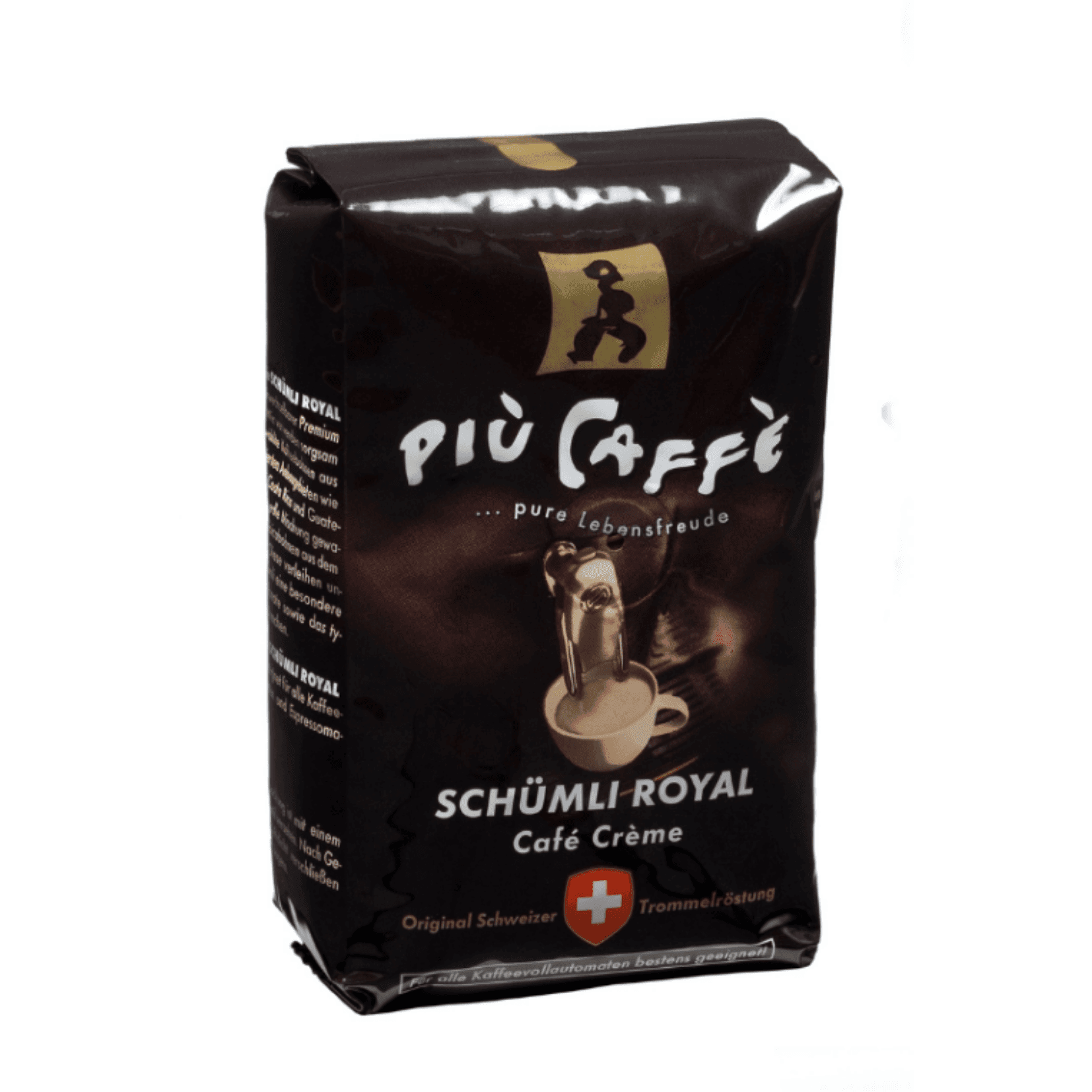
Più Caffè
più caffè Schümli Royal 250 g
6,45 USD
DeschisăDe ce: IndoneziaPreț apropiat
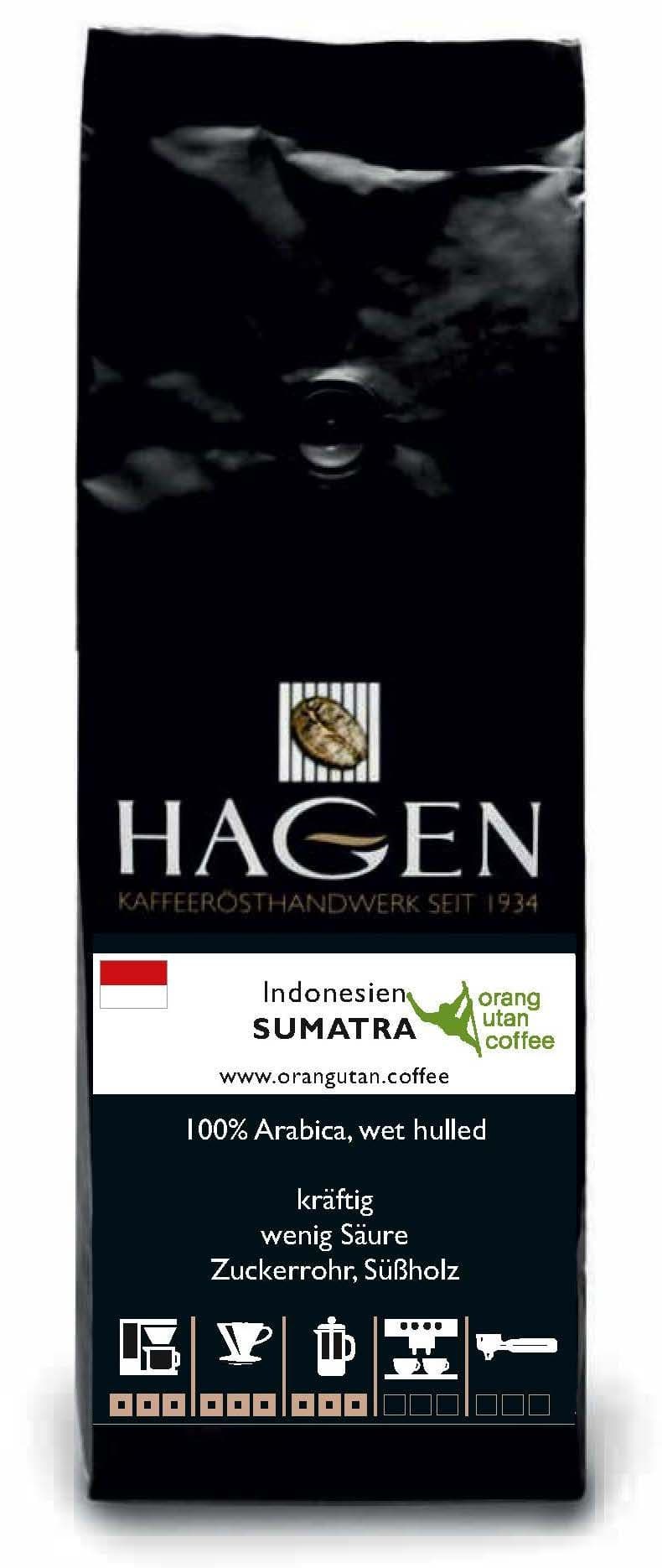
Hagen Kaffee
Indonesia Sumatra Arabica Orang Utan
8,70 USD
MedieDe ce: IndoneziaPreț apropiat
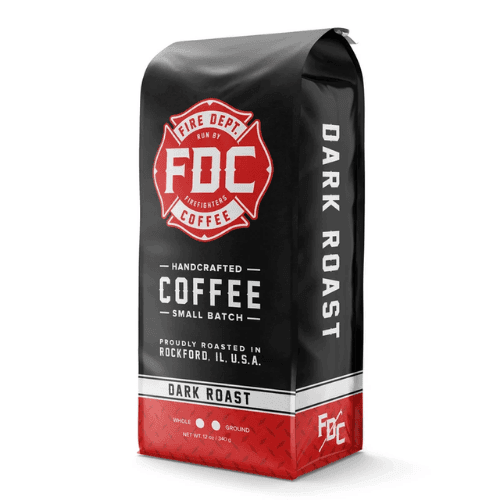
Fire Dept. Coffee
DARK ROAST COFFEE
13,22 USD
ÎnchisăDe ce: IndoneziaPreț apropiat
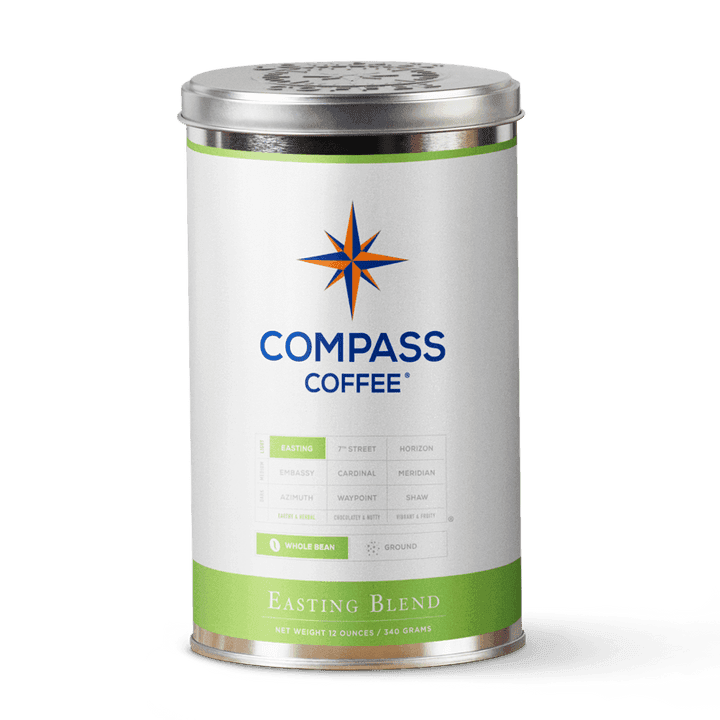
Compass Coffee
Easting Tin
12,21 USD
DeschisăDe ce: IndoneziaPreț apropiat

Berliner Kaffeerösterei
Indonesia Gayo Longberry Wahana Estate
11,95 USD
MedieDe ce: IndoneziaPreț apropiat

Berliner Kaffeerösterei
Indonesian Flores Bajawa Da´ Gabo Estate Bio
8,95 USD
MedieDe ce: IndoneziaPreț apropiat
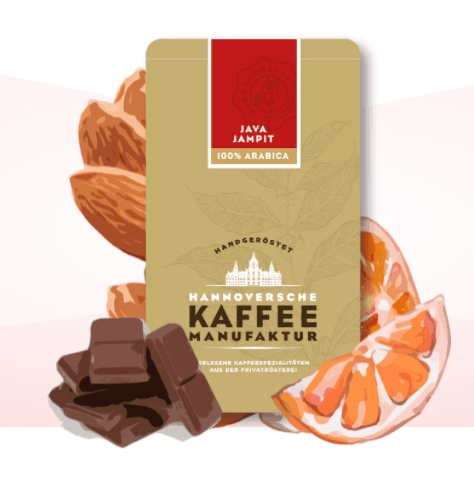
Hannoversche Kaffeemanufaktur
Java Japit
7,20 USD
MedieDe ce: IndoneziaPreț apropiat
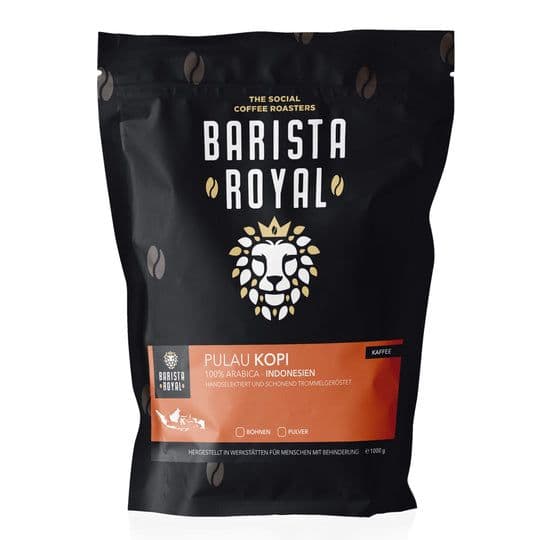
Baristal Royal
Pulau Kopi
11,99 USD
De ce: IndoneziaPreț apropiat


