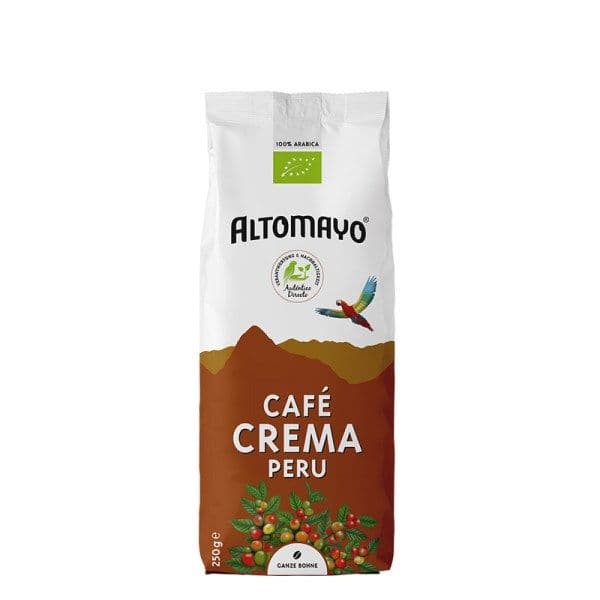
LAGUNA DE LOS CONDORES. ORGANIC. PERU.
Peru
- Washed
- Single Origin
Not rated yet · Be the first to review it
from€13.00
≈ €46.00 / kg
You’ll be taken to the roaster’s shop to complete your purchase.
- Roaster based in
- Austria
- Ship to
- United States · Not listed by the roaster’s shop
Sizes and prices
Description
LAGUNA DE LOS CONDORES. ORGANIC. PERU.
FILTER COFFEE V60 / Aeropress / Kalita / Orea / French Press
We taste:
RED APPLE.
BLOOD ORANGE.
WHITE CHOCOLATE.
We taste: Red Apple. Blood Orange. White Chocolate.
Laguna de los Condores is an all-around star for filter coffee. It’s sweet and super juicy, with wonderful tea and fruit notes. Laguna de los Condores is perfect for fans of both sweeter, more classic coffees and those who prefer something a little fruitier. A compromise without compromises.
Processing / processing : washed
Variety / variety : Bourbon, Catimor, Caturra, Pache, Typica
Growing altitude / height : 1200 - 1600m
FOB: $ 3,66/lb
Importer / Importer: Sucafina, BE
In Peru’s mountainous landscapes, smallholder farmers grow the organic coffees that make up Los Condores on plots that are usually less than one hectare in size. Warm days and cool nights—due to the growing areas’ location at 1,200 to 1,600 meters above sea level—create ideal conditions for coffee.
Farmers usually process their coffee directly on their own farms. Most of the coffee is “wet processed” (fully washed): The coffee cherries are depulped, fermented, and then dried in the sun. As producers increasingly turn to the specialty coffee market, greenhouses and specialized drying racks are being used more often for drying.
After drying, the coffee is sold to a cooperative. Producers who don’t belong to a cooperative generally sell their harvest to intermediaries. Membership in a cooperative effectively protects farmers from exploitation and can make a significant difference in the income they earn from growing coffee. Nevertheless, only about 15–25% of smallholder farmers are currently organized in a cooperative.
Reviews
No reviews yet.
Similar coffees
From Peru, by other roasters