
Coffee origin
 Coffee from Mexico
Cafendo lists 575 coffees with beans from Mexico, from 374 roasters in 22 countries. 538 of them are single origins; the others are blends with beans from other countries too.
Most frequent in the roasters' tasting notes of 61 single origins:
- chocolate 48%
- nuts 41%
- citrus 26%
- caramel 21%
- honey and sugar 20%
Roasters with coffee from Mexico
- Queen Bee Coffee(United States)
- Just coffee(United States)
- Lebensbaum Kaffee(Germany)
- Cultivar Coffee(United States)
- Cycle Roasters(Germany)
- Hand Roasted Coffee Warehouse(United Kingdom)
- Little Waves Coffee Roasters(United States)
- Merchant & Friends(Germany)
Mexico at a glance
- Growing regions
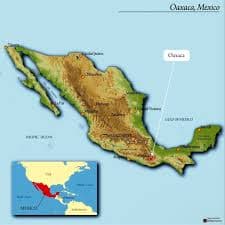
- Chiapas, Veracruz, and Oaxaca
- Species
- Arabica
575 products · Ship to United States: roasters based there come first, then those whose shop says it delivers there

Klekolo World Coffee
Chiapas Mexico: Italian Roast Coffee
$11.49

Brooklyn Roasting Company
Mexico
$18.95
Kaffeeklatsch
Mexico Oaxaca Mixteca San Miguel Guerrero
$11.00$11.50
Kaffeeklatsch
Mexico Altura Veracruz
$11.50

Palace Coffee Company
GOODNIGHT
$7.00

Carrboro Coffee Roasters
Decaf Mexico
$11.50

Archetype Coffee
Mexico Teojomulco
$20.95

Dark Heart Coffee
Mexico - El Duraznal - Washed
$12.95

Cultivar Coffee
Mexico Rancho El Separo #10 Cup of Excellence Competition Winner
$22.00

Cultivar Coffee
Mexico Samuel Altamirano
$32.00
Light
Cultivar Coffee
Mexico Veracruz
$20.00
Light
Cultivar Coffee
Mexico Samuel Altamirano Espresso
$32.00
Light
Cultivar Coffee
Mexico Veracruz Espresso
$20.00
Light
Retrograde Coffee Roasters
Organic Decaf Dark Matter Mexico- Water Processed
$8.00
Medium
Velton's
Mexico Nayarita (Natural)
$17.25
Light
Local Roasters Coffee
Mexico Chiapas Siltepec
$20.99
Dark
Acoustic Java
Mexico
$22.00
Dark
Free Form Coffee
Mexico - Ki-Saya
$11.95
Medium
Cafe Santana
Mexico Altura
$22.00
Dark
Bellwood Coffee
Mexico Cerro la Bruja
$24.00

Hidden River Roasters
Mexico Organic - (Dark Roast) Coffee
$17.99
Dark
Hidden River Roasters
Mexico Organic - (Medium Roast) Coffee
$17.99
Medium
Regent Coffee - Specialty Coffee
Mexico Chiapas Kulaktik
$25.00
Dark
Regent Coffee - Specialty Coffee
Mexico Chiapas Kulaktik Barrel Aged Coffee
$33.00
DarkRead about coffee from Mexico
Questions about coffee from Mexico
What does coffee from Mexico taste like?
In the tasting notes roasters wrote for 61 single origins from Mexico on Cafendo, the most frequent flavours are chocolate (48%), nuts (41%), citrus (26%), and caramel (21%).
Where is coffee grown in Mexico?
The main growing regions are Chiapas, Veracruz, and Oaxaca.
Where can I buy coffee from Mexico?
Cafendo lists 575 coffees with beans from Mexico, from 374 roasters in 22 countries. 538 of them are single origins; the others are blends with beans from other countries too. Cafendo does not sell coffee itself: each coffee links to a shop that sells it, usually the roaster’s own. The roasters with the most coffees from Mexico on Cafendo are Queen Bee Coffee, Just coffee, and Lebensbaum Kaffee.
The mention of Mexico tends to evoke a number of images in a person's mind, including spicy food, tequila, and sombreros. However, Mexico also has a thriving coffee industry - the achievements of which are undoubtedly as well known as those of some of the world's largest beans-growing nations, such as Brazil and Ethiopia. Here, we will analyze the history of coffee cultivation in the country, how this has developed over the years, and what the future of the Mexican industry looks like.
The history of coffee production in Mexico
Coffee is believed to have first arrived in Mexico in the late 1700s and began to be grown by local farmers. He came to the country with the Spaniards, who brought the plants with them from Cuba and the Dominican Republic.
However, it was not until many years later that the Mexican coffee industry began to catch on, as it began exporting its products abroad on a regular basis in the late 1800s. During this period, Mexican coffee was grown primarily near the country's border with Guatemala, which led to some land disputes between farmers, which led to wealthy European parties purchasing large areas and investing in strategic strategies. long-term cultivation.
It was not until the twentieth century that many smaller farmers began to take growing beans seriously, realizing that it was a viable way to make money and meet the demand of traders and toasters abroad. History books show that these smaller-scale producers were often much more successful than larger plantation owners - something Harvard student Casey M Lurtz explored in his analysis of the Mexican coffee industry.
Speaking to Harvard Business School Working Knowledge, Ms. Lurtz said: “The people who succeeded were the ones who didn't become too aspirational. "Those who failed were those who were determined to grow up or go home. They went home." The country's coffee market has grown significantly over the years and today, Mexico is among the largest growers of organic beans in the world - in 2000, the nation was responsible for 60% of organic coffee in the world.
Coffee growing conditions in Mexico
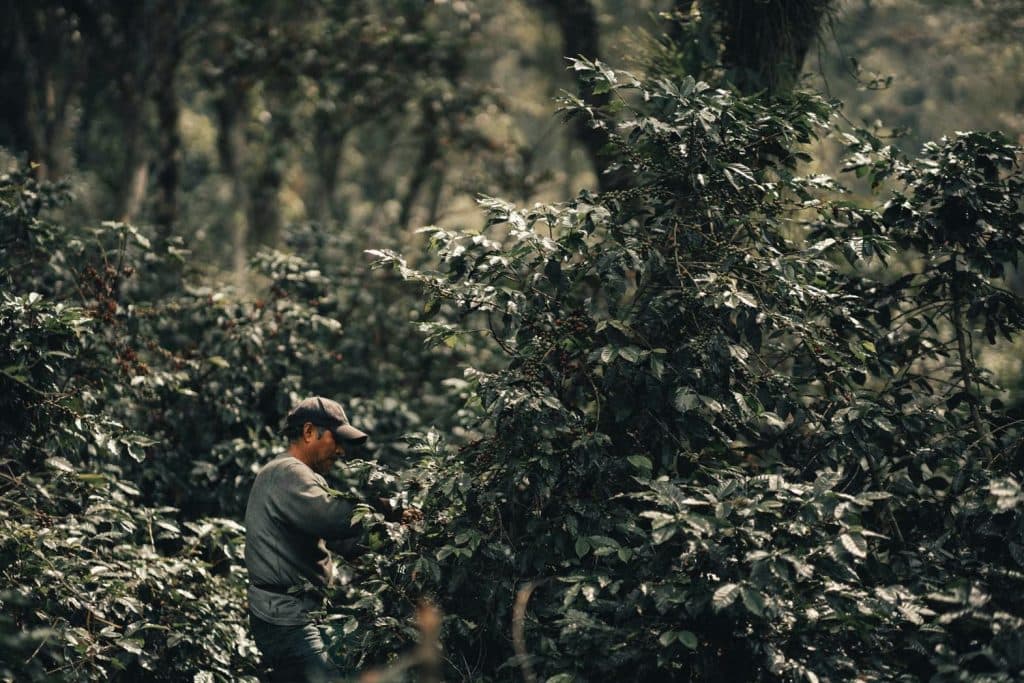
Mexico is perfectly suited to the cultivation of Arabica grains, due to its large location close to the Pacific and Atlantic oceans. Due to its diverse climate and location, coffee plants in the country tend to bloom three to four times a year - provided the conditions are right - which means that the season from November to March usually has a coffee crop.
The South American nation has a topography that varies significantly, but most of its grains (about 40%) are currently grown in forests of medium and medium-altitude, according to AMCAFE figures.
Mexican coffee cooperatives
As in many countries, coffee in Mexico is traded and exported through a cooperative system, bringing farmers together and making sure they get the best possible price for their products while making sure that traders get the best grains available to sell to roasters.
A cooperative-style group - INMECAFE - existed in the country in the latter part of the twentieth century, but it collapsed in 1989, having a devastating effect on farmers due to the prevalence of corruption and exploitation. However, the nation soon recovered from this, with new cooperatives set up a few years later.
In fact, Equal Exchange states on its website: "The model and success of Mexican cooperatives and civic organizations have laid the foundations for some of the most compelling social movements in the world."
Recent production
Despite its fragmented beginnings, Mexico's coffee market has expanded significantly over the years, with figures from the 2011-12 harvest showing that the country produced about 5.6 million bags of 60 kg beans, carrying 52% of these abroad. Although the harvest represents only 0.26 percent of the nation's total economy, in some of the most successful coffee-producing states - Oaxaca, Veracruz, Puebla, and Chiapas, for example - 90 percent of Mexico's beans are grown, which means that a much greater impact on the local economy there.
These four states also produce coffee with very different cutting profiles, with the one from Oaxaca which tends to have a taste reminiscent of milk chocolate and almonds, while the beans from Veracruz are very sweet, with hints of roasted hazelnuts. In Puebla, coffee tends to taste like walnuts and caramel, and in Chiapas, notes of dark chocolate and cherries are often present, demonstrating a significant diversity depending on the individual group and cup.
What's next for Mexico?
The Mexican coffee industry has undergone many changes over the years, but its beans remain among the most popular in the world due to their intensely rich and unique cutting profiles, which are covered by roasters around the world.