
Organic Certification
Coffee lovers are discerning people because they can say a lot about coffee through its many flavors, aromas, and origins. Besides, the biggest difference between coffee is most striking before it reaches the cup. This…
401 products
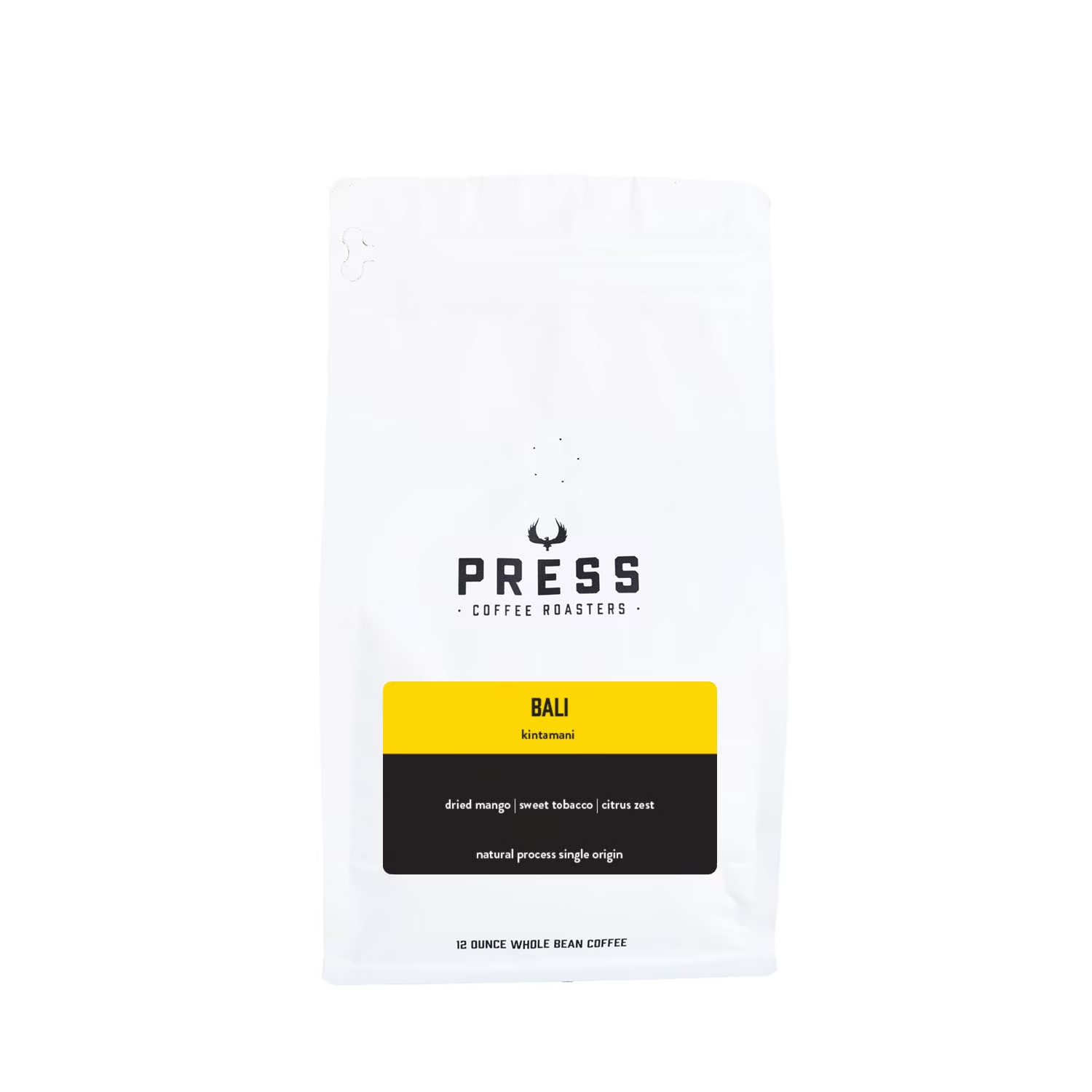
Press Coffee
BALI KINTAMANI
$17.15
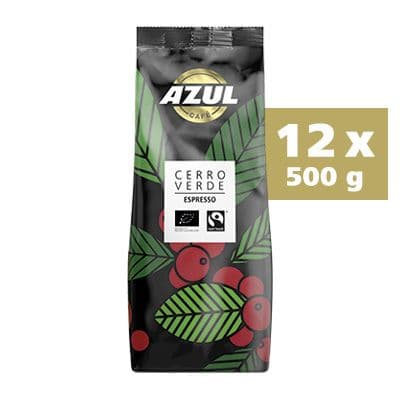
Azul coffee
Cerro Verde, espresso, organic/fair trade, whole beans
$148.30
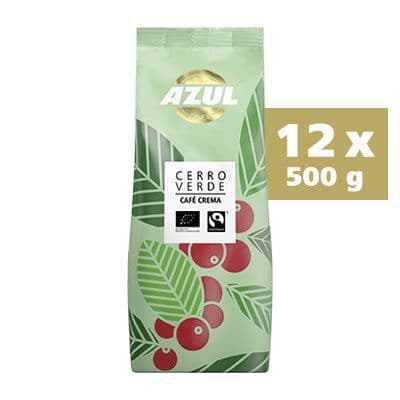
Azul coffee
Cerro Verde Café Crema, organic/fair trade, whole beans
$148.30
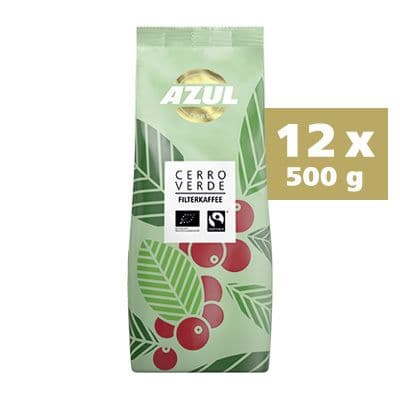
Azul coffee
Cerro Verde filter coffee, organic/fair trade, ground
$148.30
Azul coffee
Cerro Verde Espresso, folding box, organic/fair trade, whole beans
$4.95
Azul coffee
Cerro Verde Café Crema, folding box, organic/fair trade, whole beans
$4.95
The Bean Coffee Company
Organic House Blend, Single Serve Cups
$19.50
Medium
The Bean Coffee Company
Organic Sumatra
$14.71
Medium
The Bean Coffee Company
Organic Latin Blend
$13.09
Medium
The Bean Coffee Company
Organic Papua New Guinea
$13.40
Medium
The Bean Coffee Company
Organic Decaf California Blend
$13.38
Medium
The Bean Coffee Company
Organic California Blend
$13.60
Medium
The Bean Coffee Company
Organic El Grano Ricco ~ Costa Rican Classic
$13.27
Medium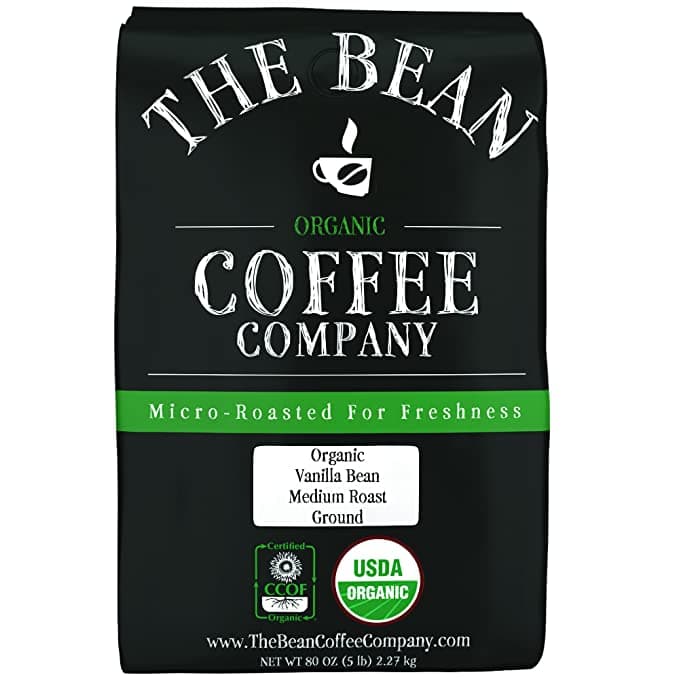
The Bean Coffee Company
Organic Vanilla Bean
$15.99
Medium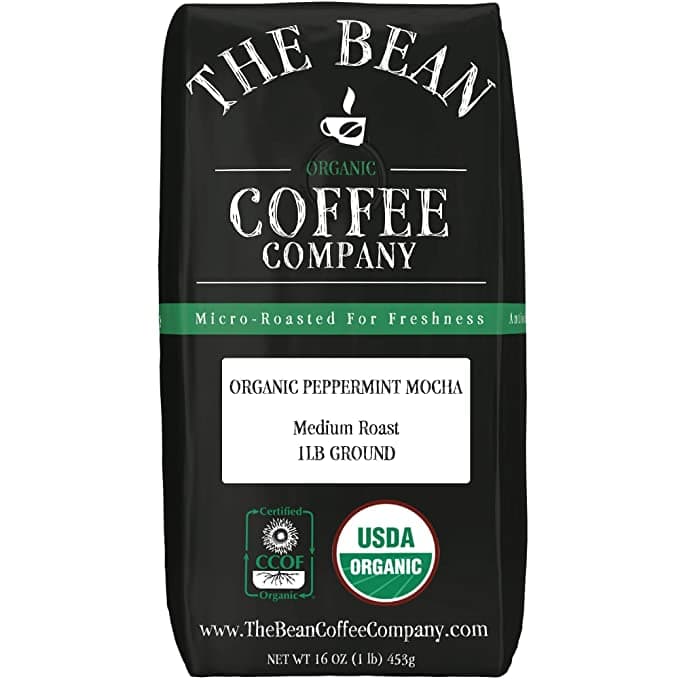
The Bean Coffee Company
Organic Peppermint Mocha
$13.25
Medium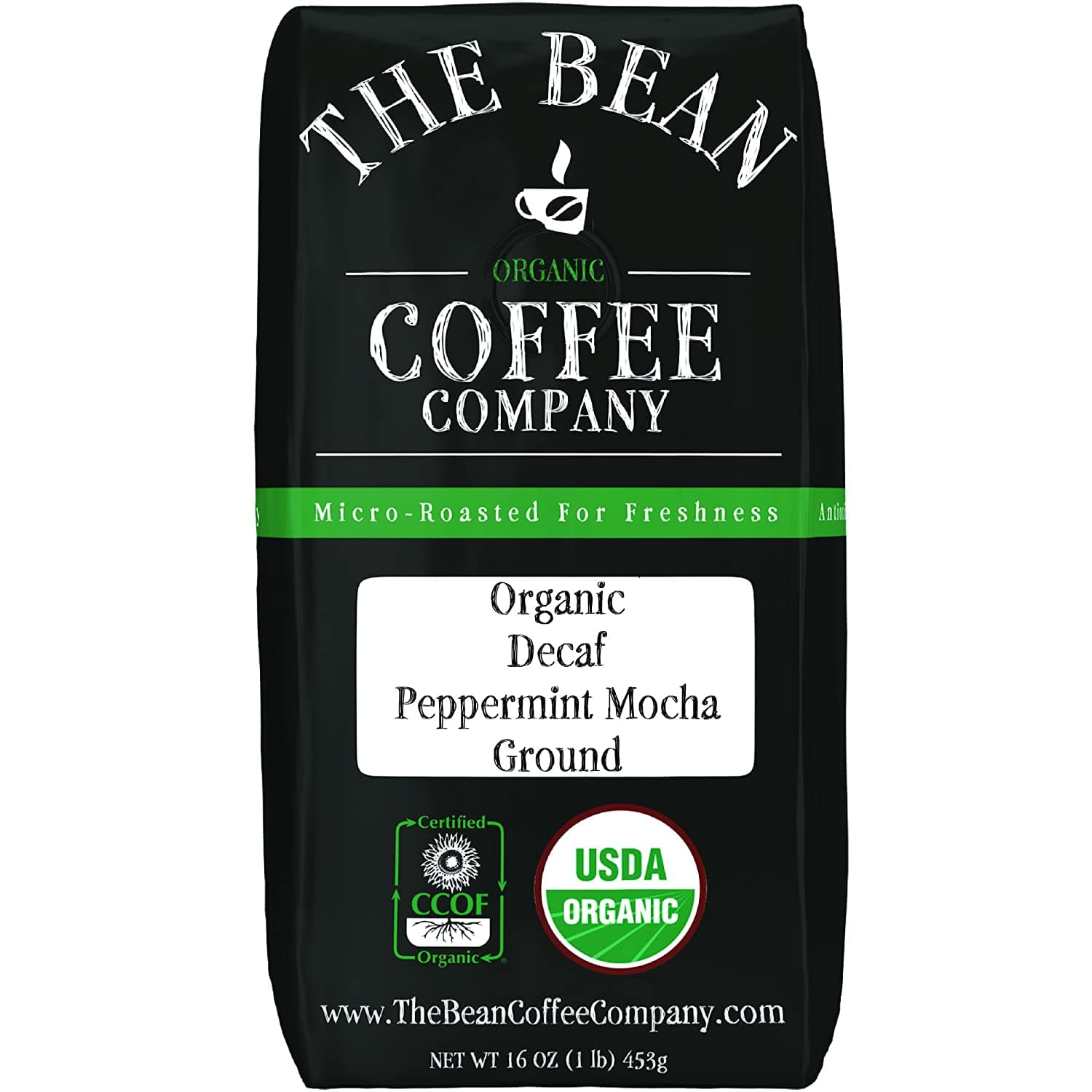
The Bean Coffee Company
Organic Decaf Peppermint Mocha
$13.59
Medium
The Bean Coffee Company
Organic Il Chicco (Traditional Italian Roast)
$13.45
Dark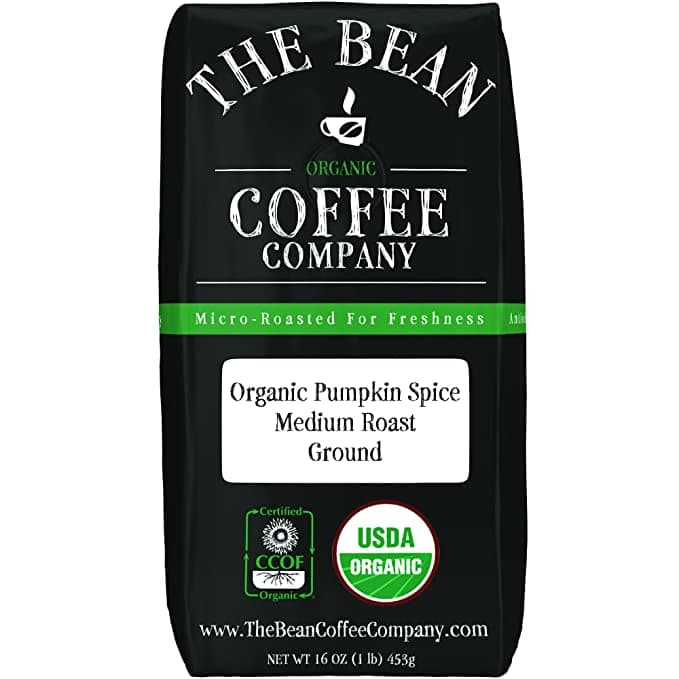
The Bean Coffee Company
Organic Pumpkin Spice
$13.05
Medium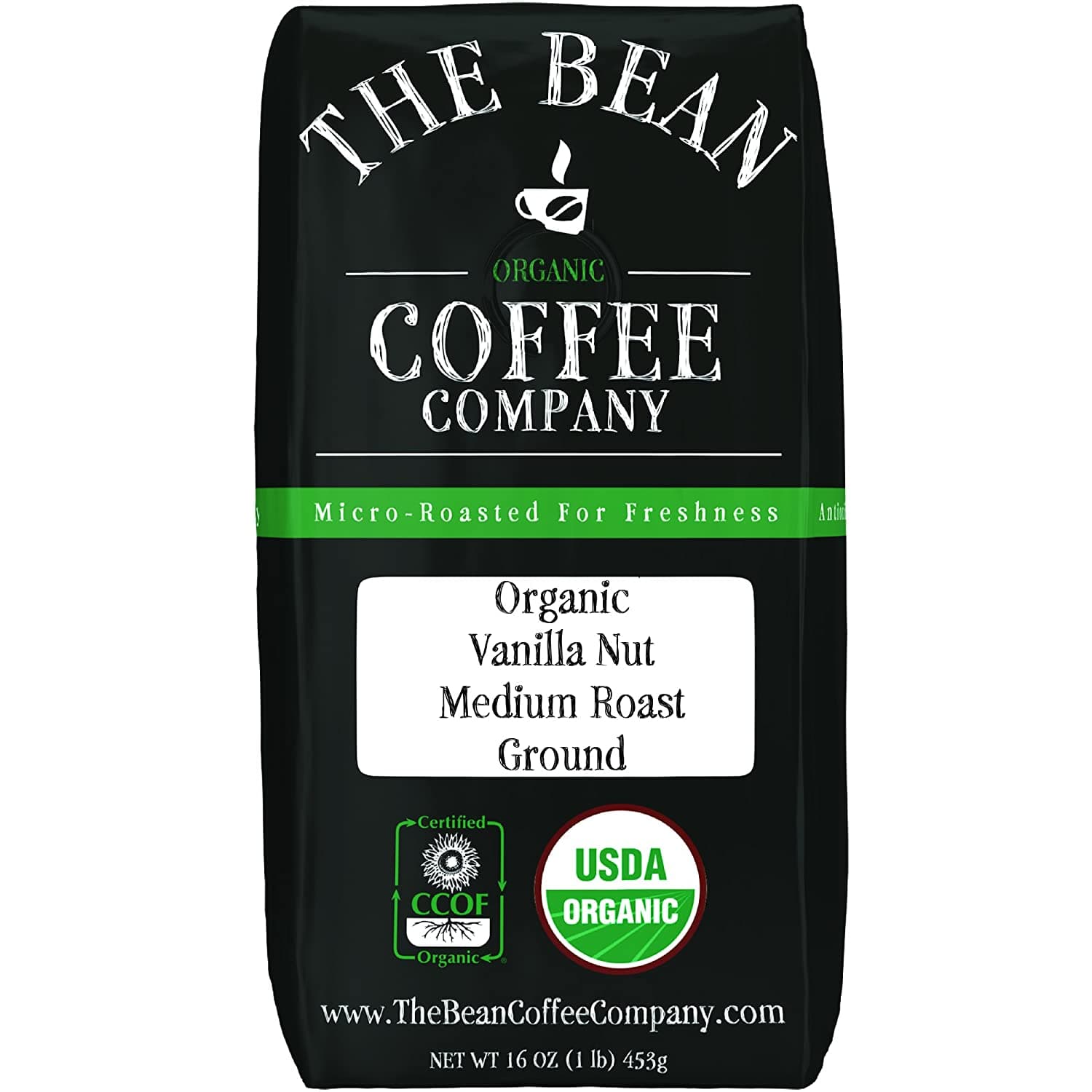
The Bean Coffee Company
Organic Vanilla Nut
$13.38
Medium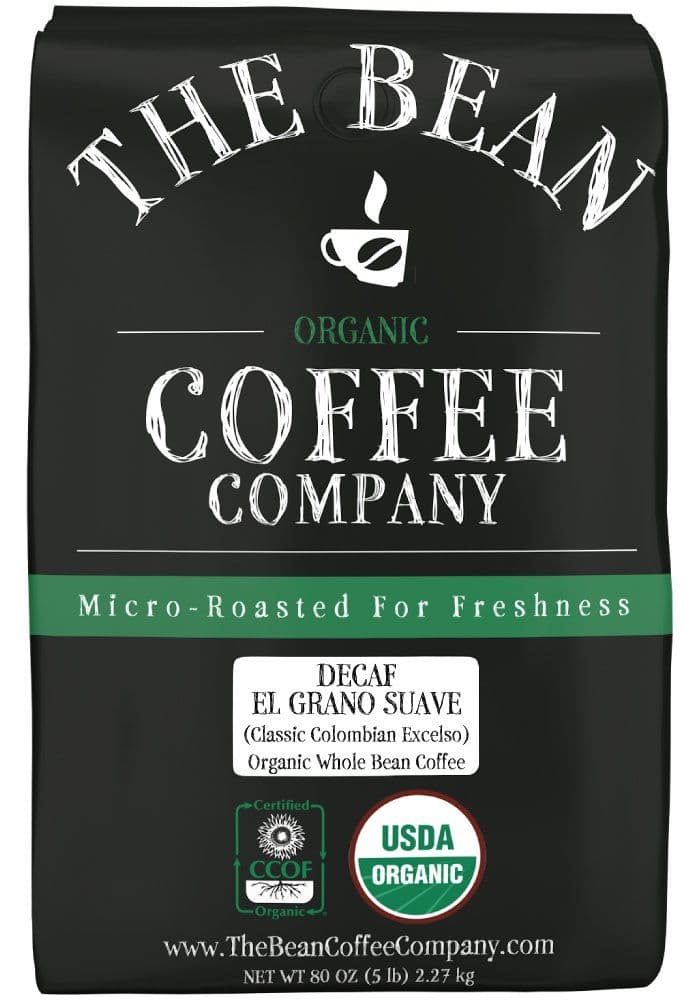
The Bean Coffee Company
Organic Decaf El Grano Suave
$14.69
Medium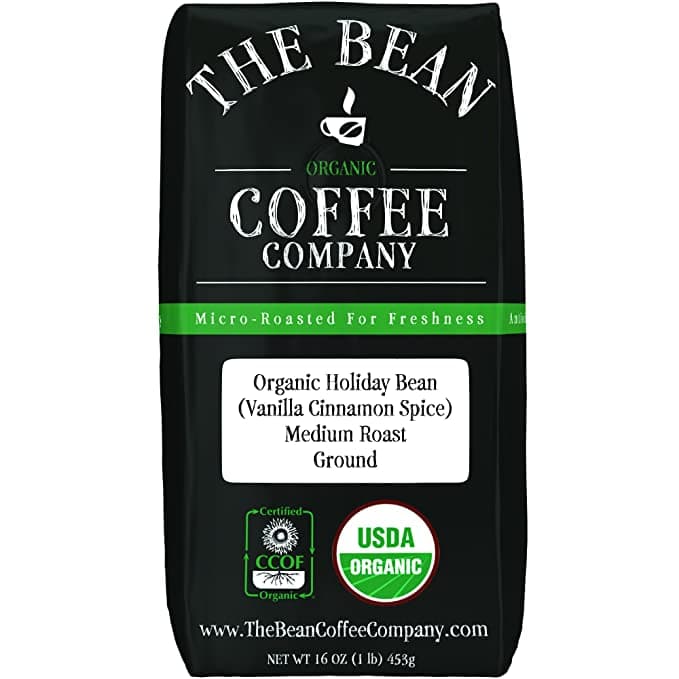
The Bean Coffee Company
Organic Holiday Bean
$13.05
Medium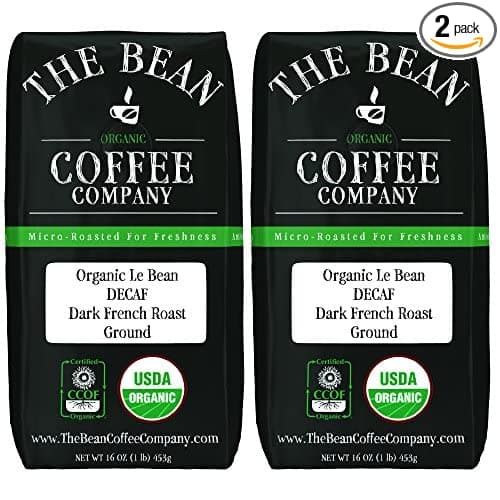
The Bean Coffee Company
Organic Decaf Le Bean
$13.05
Dark
The Bean Coffee Company
Organic Unroasted Green Coffee Beans, Sumatran
$11.99
The Bean Coffee Company
Organic Unroasted Green Coffee Beans, Peruvian
$11.77
Coffee lovers are discerning people because they can say a lot about coffee through its many flavors, aromas, and origins. Besides, the biggest difference between coffee is most striking before it reaches the cup. This difference is what makes coffee differ between organic and conventional coffee. Even when you already choose organic coffee, you might wonder why it matters when brewing coffee.
Coffee is one of the most traded assets in the world, with over 12 billion pounds of coffee produced annually. In other words, meeting that demand is not easy. To make things easier, over time farming methods were developed to maximize productivity. However, rushing things is not always good, and the results of a rushed production are what makes the difference between the organic coffee and conventional coffee that many are used to.
What is Organic Certification?
In order for the coffee to have an organic certification, many factors are taken into consideration. For example, the fertilizer used in a coffee farm must be 100% organic. Organic fertilizers include chicken manure, coffee pulp, Bocchi, and general compost. If non-organic fertilizers were used, such as synthetic nitrogen, phosphate, and potash, the grown crop cannot be certified organic.
In order for organic coffee to receive organic certification, many factors are taken into consideration. For example, the fertilizer used for the coffee farm must be 100% organic. Organic fertilizer includes chicken manure, coffee pulp, Bocchi, and general compost. If non-organic fertilizers such as synthetic nitrogen, phosphate, and potash are used, then the crop cannot be certified organic.
In addition, if you are looking to drink coffee from a sustainable source, then you might look for an organic label. But what is organic coffee? What is the difference between organic and conventional coffee? It’s very simple, you can’t just rely on the organic label in order to be sure that your coffee was produced in a sustainable way. The best advice you can receive as a coffee drinker who wants to brew coffee from sustainable sources is to know your roasters.
Pretty much, not everyone is able to know a roaster and their coffee farm since they can be far away. However, if you can get the chance to meet one and know their core values and how they manage coffee, it’s the best way to know a roaster. It is because those values are carried all the way through the chain and straight into your morning coffee cup.
Benefits of Organic Coffee
Organic coffee, as mentioned before, is grown and produced without the use of synthetic fertilizer or chemicals. Organic coffee is treated with organic fertilizers and organic pesticides. Unlike conventional coffee, the organic one is grown in the shade of lush forests. But why does that matter? It matters because forested coffee farms sustain the fertility of the soil and keep the regional ecosystem alive. Forests also handle unusual weather patterns better and they are safer investments for coffee farmers.
But still what are the benefits of organic coffee? From a health perspective, organic coffee is high in antioxidants, vitamins, and minerals, as well as other nutrients like potassium and magnesium. Organic coffee can boost the immune system, and having moderate amounts of caffeine can also provide a natural energy boost. Organic coffee tastes better because the beans grow in higher altitudes. It takes longer to develop, however, the results lead to a richer flavor where many coffee lovers can distinguish. By choosing to drink organic coffee, you also support the environment, sustainability, and you can avoid unnecessary exposure to pesticides.
The Best Type of Organic Coffee
Speaking of organic coffee, even when it comes to it, there are types, and types of organic coffee. The best organic coffee that you can find around is biodynamic coffee. This coffee is cultivated in a process called biodynamic agriculture, where all the parts of the farm are interconnected. Biodynamic coffee is the first type of organic coffee.
The biodynamic coffee farms focus on the health of the farm and the integration of all its parts. However, the difference between an organic farm and a biodynamic farm is that biodynamic coffee farms don't allow outside materials to be brought into the farm. For example, the soil health is maintained only through nutrients that are produced from the compost that is prepared from the materials that grew or were raised on the farm. This practice ensures that every coffee bean is organic, and this method promotes biodynamic coffee as one of the few crops that preserve the natural landscape, rather than destroying it.