
Peru
Peru is located in western South America, on the border with the South Pacific Ocean, between Chile and Ecuador, with a total area of 1,285,220 square kilometers. Peru's climate is extremely diverse, ranging from tropic…
151 products

Caffè Moak
Morbido Funk, 50 Cialde
$16.40
Light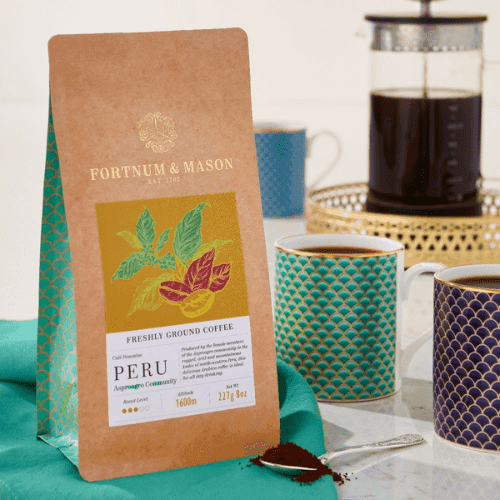
Fortnum & Mason
Peru Asproagro Community Estate Ground Coffee, 227g
$0.00
Medium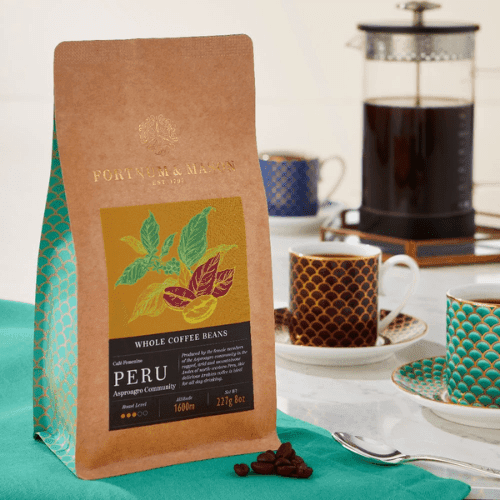
Fortnum & Mason
Peru Asproagro Community Estate Coffee Beans, 227g
$13.07
Medium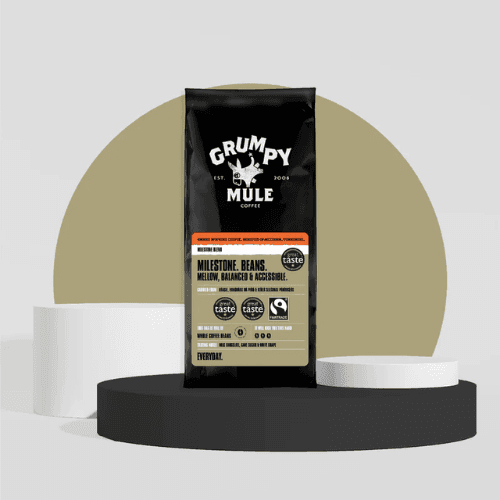
Grumpy Mule
MILESTONE COFFEE BEANS. 1KG.
$26.90
Medium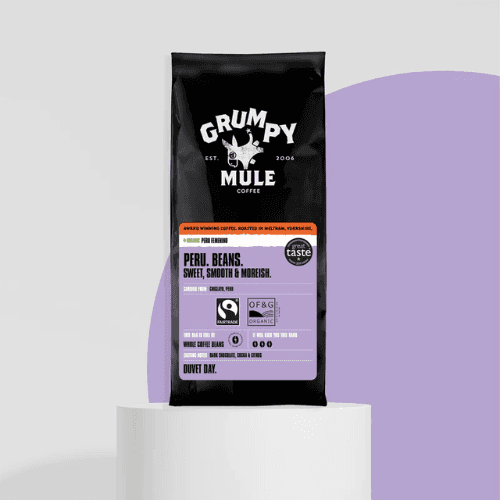
Grumpy Mule
PERU CAFE FEMENINO COFFEE BEANS
$6.22
Medium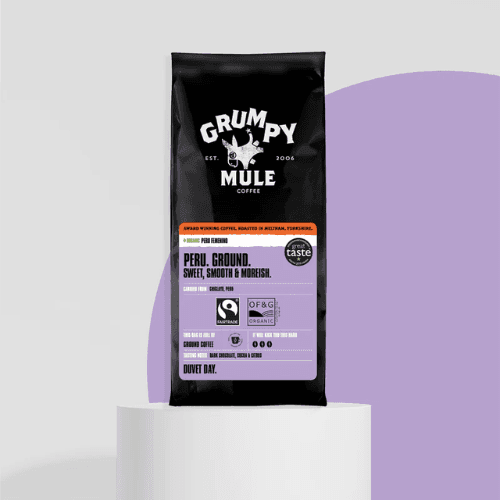
Grumpy Mule
PERU CAFE FEMENINO GROUND COFFEE
$6.22
Medium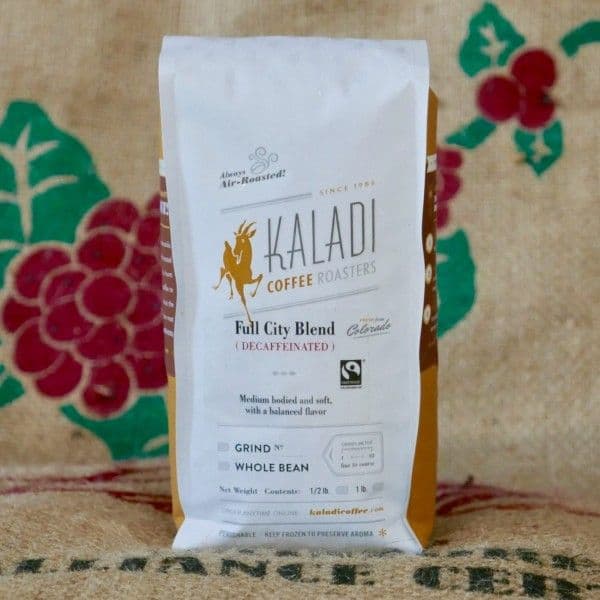
Kaladi Coffee Roasters
Full City SWP Decaf
$16.56
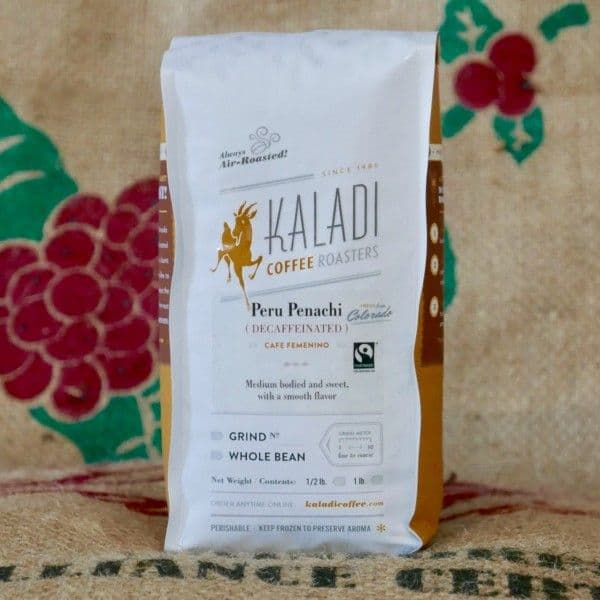
Kaladi Coffee Roasters
Decaf Peru Penachi
$16.56
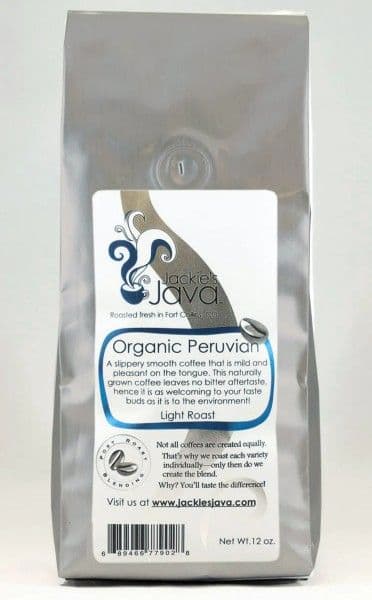
Jackie's Java
ORGANIC PERUVIAN
$14.21
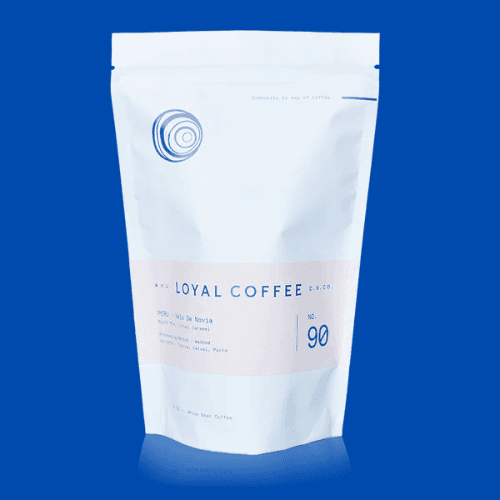
Loyal Coffee
Peru - Velo De Novia
$19.98
Medium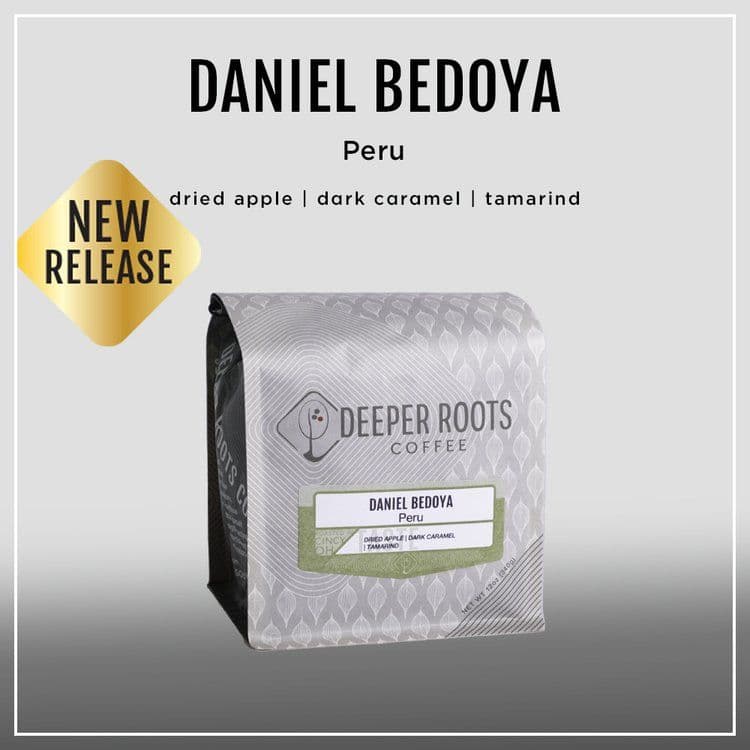
Deeper Roots Coffee
DANIEL BEDOYA | PERU
$14.97
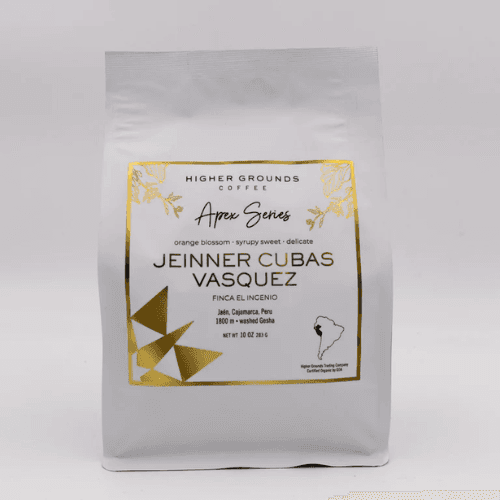
Higher Grounds
ORGANIC APEX PERUVIAN JEINNER CUBAS VASQUEZ
$23.76
Medium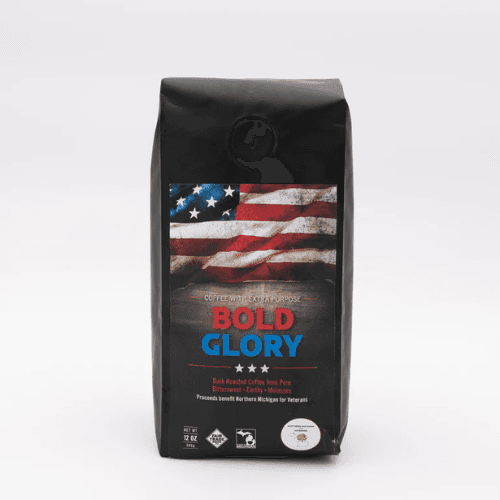
Higher Grounds
BOLD GLORY
$16.15
Dark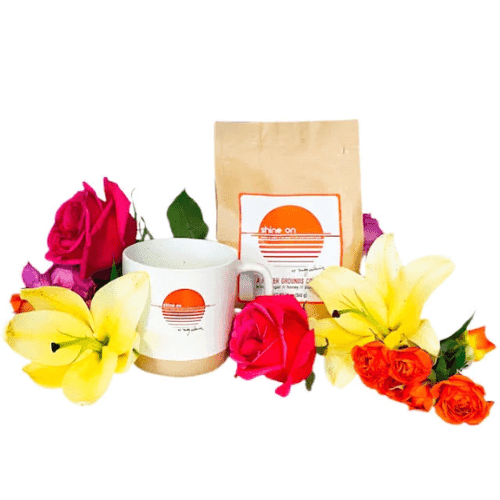
Higher Grounds
SHINE ON BLEND + MUG
$24.71
Medium
Higher Grounds
ORGANIC APEX PERUVIAN NORANDINO NATURAL
$15.21
Medium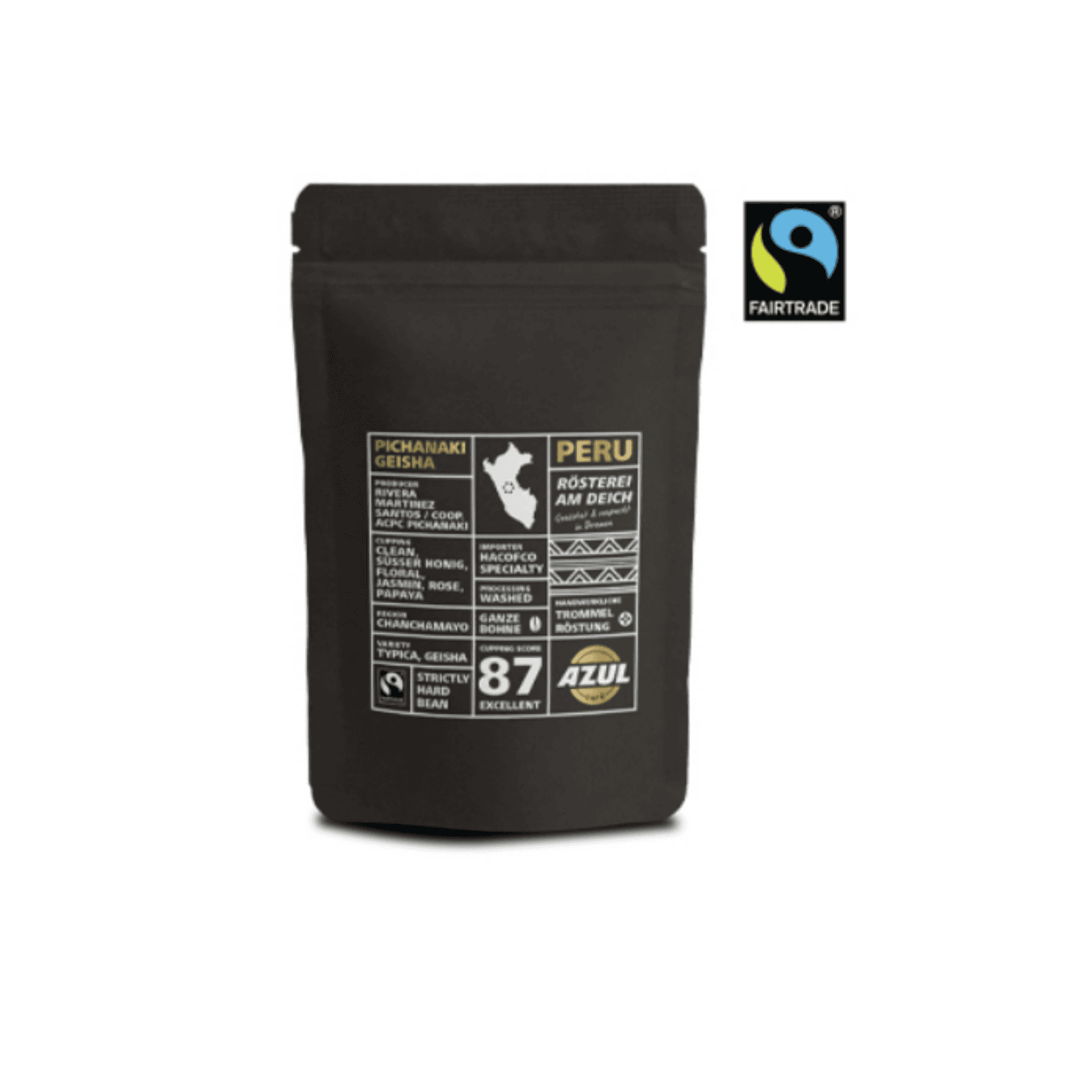
Azul coffee
Peru Pichanaki Geisha Fairtrade
$7.50
Medium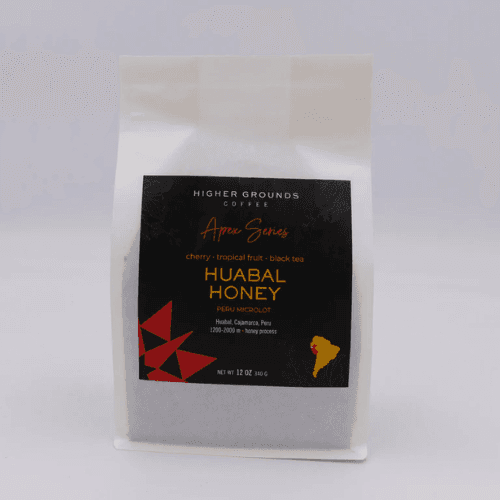
Higher Grounds
ORGANIC APEX HUABAL HONEY PERU MICROLOT
$16.25
Medium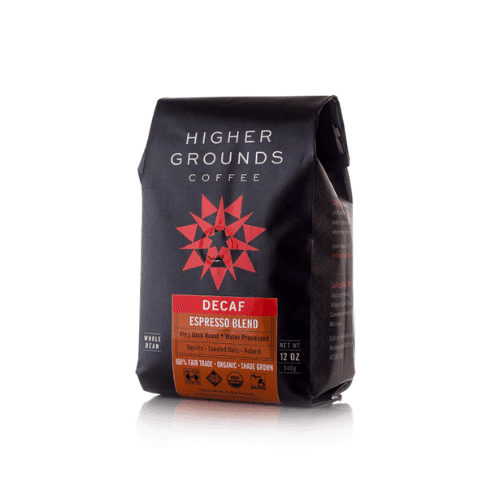
Higher Grounds
ORGANIC DECAF ESPRESSO
$15.32
Medium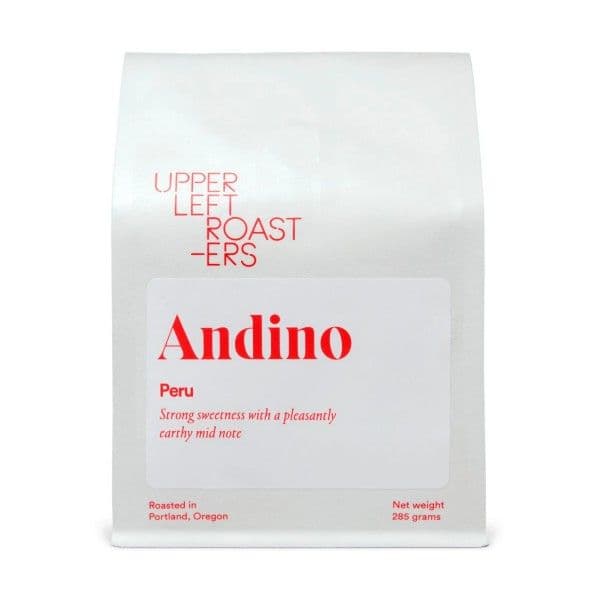
Upper Left Roaster
Andino, Peru
$15.39

Higher Grounds
ORGANIC PERUVIAN PANGOA MEDIUM-DARK
$15.36
Medium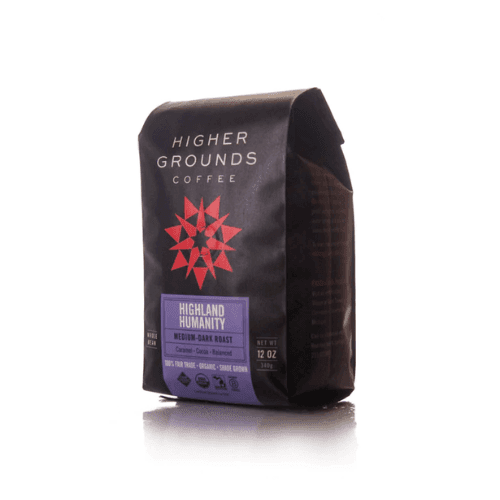
Higher Grounds
ORGANIC HIGHLAND HUMANITY MEDIUM-DARK
$15.37
Dark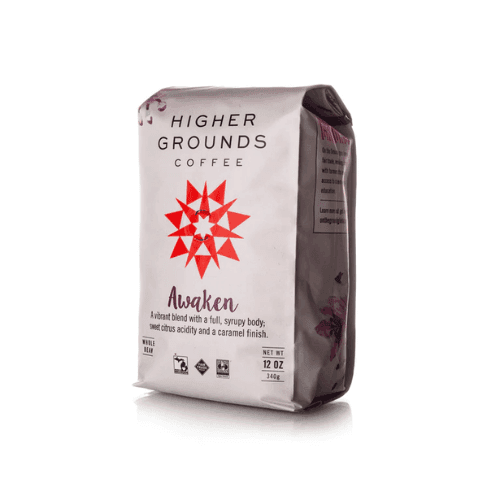
Higher Grounds
AWAKEN SPRING BLEND
$16.34
Medium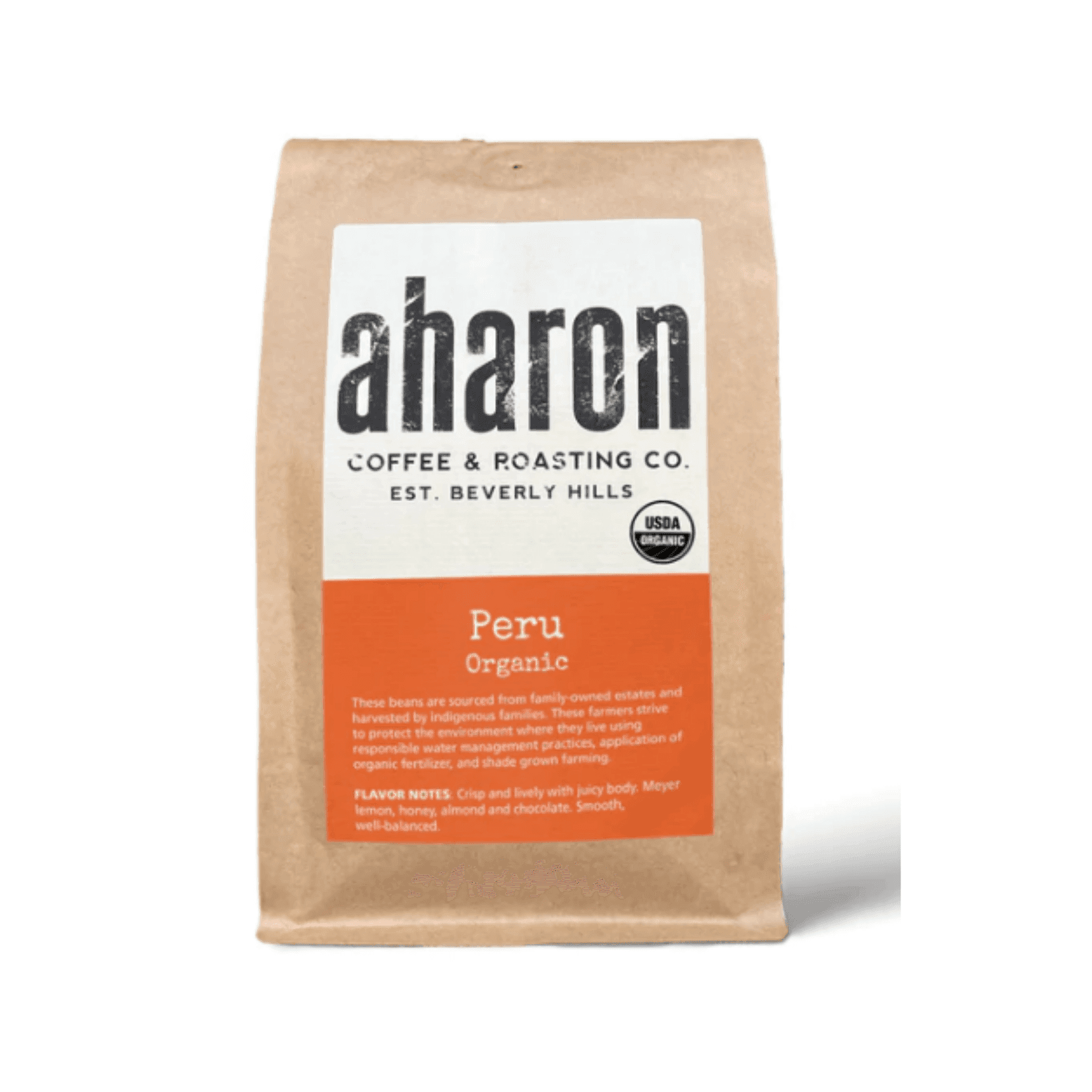
Aharon Coffee
Peru - Organic
$16.25
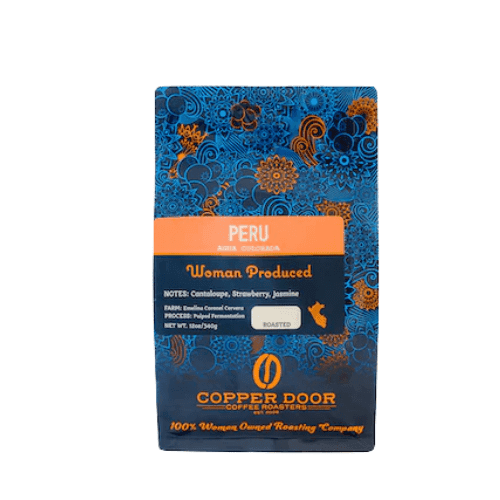
Copper Door Coffee Roasters
Peru Agua Colorada
$19.54
LightPeru is located in western South America, on the border with the South Pacific Ocean, between Chile and Ecuador, with a total area of 1,285,220 square kilometers. Peru's climate is extremely diverse, ranging from tropical in the east to dry desert in the west, from temperate to cold in the Andes Mountains. Different climates are closely suited to the primary geographical regions of Peru, including a western coastal plain, the high and rugged Andes of the center, and the eastern jungle of the Amazon Basin.
Coffee from Peru
Coffee production came to Peru in the 1700s. After two centuries, the typical heirloom variety still accounts for 60% of the country's exports. There are more than 110,000 coffee growers in Peru, most of whom are indigenous to these landscapes and speak Spanish as a second language. The average farmer who owns the land lives on two or three hectares, a few hours away from the comfort of electricity and running water. Peru's coffee exports represent two percent of both the national economy and the global coffee supply, Peru is quickly building a global reputation for producing traditionally grown, shade-grown, high-quality Arabica beans.
The agricultural properties of Peruvian coffee growers are small, and the country's typical micro-wet milling operation is even smaller. From May to September, farmers pick ripe cherries and carry them by hand with wooden legs and fermentation tanks. This tradition of micro-wet milling has protected Peru's water resources from the devastating effects of pulp mills that pollute rivers. After processing their coffee, most farmers walk their beans or mule to the nearest town - a journey that can take between thirty minutes and eight hours. On Saturday, the nearest town market becomes a buying and selling station for the surrounding coffee growers. Farmers sell their coffee and buy goods for their homes before going back on the hiking trails.
An unfortunate experience in these buying and selling markets is the arrival of a single buyer. This dramatically lowers the price paid to farmers for their coffee. With no personal storage space and only unsafe and expensive collective storage in the city, farmers generally have no choice but to accept lower prices. Buyers in the region's main city then repeat this process during the week. The further away the farms are, the more coffee is brewed and marketed before it reaches the coast. Once there, the coffee is ground dry and ready for export. This disorganized marketing system and isolation have caused farmers to become estranged from the final drink that comes from their farms. For many years, growers have been working on a weight/dollar exchange for their coffee in parchment, completely disconnecting the idea that they are producing a drink that will be enjoyed based on its quality. It is even known that middlemen gain weight by throwing sand and water into each bag.
Fair Trade Cooperatives: cultivating alternatives with the future of Peruvian coffee
Over the past decade, small cooperatives in Peru have strengthened their movements and provided a more organized and rewarding opportunity for the tens of thousands of farmers who were once subjected to the exploitative commercial practices explained above. It is estimated that 15-25% of the more than 100,000 smallholders in Peru now belong to cooperation organizations2. These cooperatives have linked to international fair trade and organic networks to stimulate their growth. Working with partners such as the Equal Exchange, small cooperatives in Peru have quickly become the second-largest supplier of certified fair trade coffee after Mexico and one of the best organic producers in the world. The higher prices offered by these certified and specialized markets have strengthened cooperatives and offered at least some price premiums to farmers. More direct market access has also helped four fair trade certified cooperatives to establish themselves among Peru's top 21 coffee exporters.
The cooperatives have invested these price premiums and numerous donations from international development agencies in building infrastructure to improve coffee quality, processing, and export, training farmers in their transition to certified organic production and social development projects.
The significant differences experienced by farmers far outweigh the better prices received on the farm. The differences are related to the organization and development of a collective sense of identity through participation in their cooperatives, the ability to own and control their means of production, and about the common learning process through training and exchanges of farmers. A farmer shares her thoughts: "Before there were no courses. But now they tell us about the roles of men and women. You learn to value yourself. You learn about participation.