November 5, 2026 · By Darius Stan
How to make a cappuccino at home

A good cappuccino is simple: a shot of espresso, hot milk and a layer of fine, velvety foam, in a cup of about 150 to 180 ml. You can make one at home with an espresso machine, but also with a moka pot, an AeroPress or strong coffee and a simple frother. Here is how, plus how a cappuccino differs from a latte, a flat white and a latte macchiato.
What a cappuccino is
The traditional Italian cappuccino is a single espresso (about 25 to 30 ml) topped with steamed milk and foam, served in a cup of around 150 to 180 ml. Roughly a third espresso, a third milk and a third foam is the classic rule of thumb, although most cafés today make it with a little less foam. Many cafés outside Italy use a double shot.
Cappuccino, latte, flat white: the differences
| Drink | Espresso | Milk | Typical size |
|---|---|---|---|
| Espresso macchiato | Single | A spoonful of foam | 60–90 ml |
| Cortado | Single or double | About as much warm milk as coffee, little foam | 100–130 ml |
| Cappuccino | Single or double | Milk with a thick layer of foam | 150–180 ml |
| Flat white | Double | Milk with a very thin layer of microfoam | 150–180 ml |
| Caffè latte | Single or double | Lots of milk, thin foam | 240–350 ml |
| Latte macchiato | Single, poured last | Lots of milk and foam, in layers in a glass | 250–350 ml |
More drinks in the guide to milk-based coffee drinks and how to make a flat white.
How to make a cappuccino with an espresso machine
- Warm the cup with hot water.
- Pull the espresso: about 18 g of finely ground coffee for a double shot of 36 to 40 g in 25 to 30 seconds. See espresso at home.
- Steam the milk. Fill a cold jug no more than a third with cold milk. Purge the steam wand, put the tip just below the surface and open the steam fully. For the first few seconds, let it draw in a little air (a soft hissing sound) until the milk has grown by about a third. Then sink the tip a little deeper and let the milk spin until the jug is too hot to hold for more than a moment, about 60 to 65 °C.
- Polish the milk: tap the jug on the counter to burst big bubbles and swirl it until the surface looks glossy, like wet paint.
- Pour the milk into the espresso straight away, starting high and finishing close to the cup so the foam rises to the top. Want to try a heart? See latte art basics.
How to make a cappuccino without an espresso machine
The coffee
- Moka pot: the closest to espresso at home. See how to use a moka pot.
- AeroPress: use a fine grind, about 18 g of coffee and 60 to 80 ml of water for a strong concentrate. See AeroPress coffee.
- French press or filter: brew stronger than usual, about 1:10, and use a small amount.
The foam
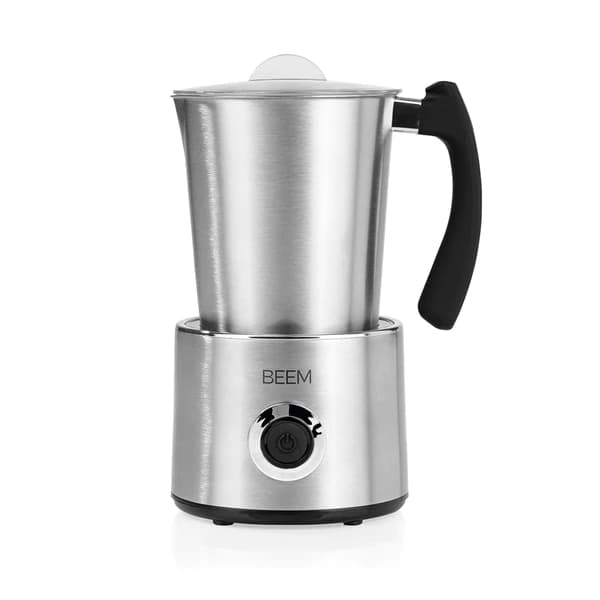
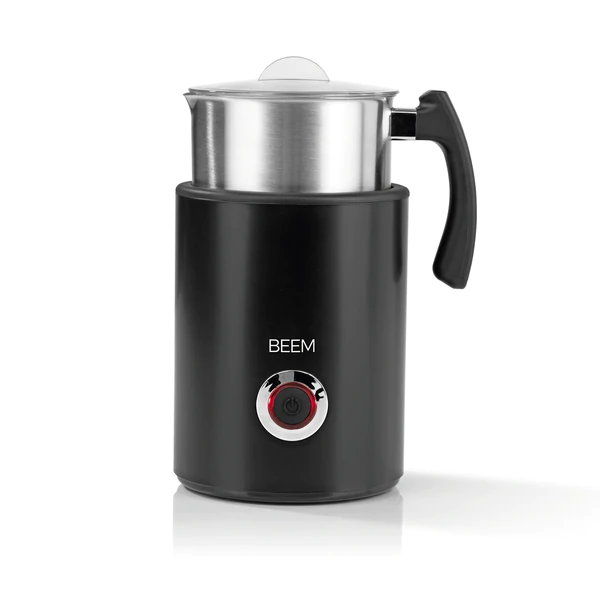
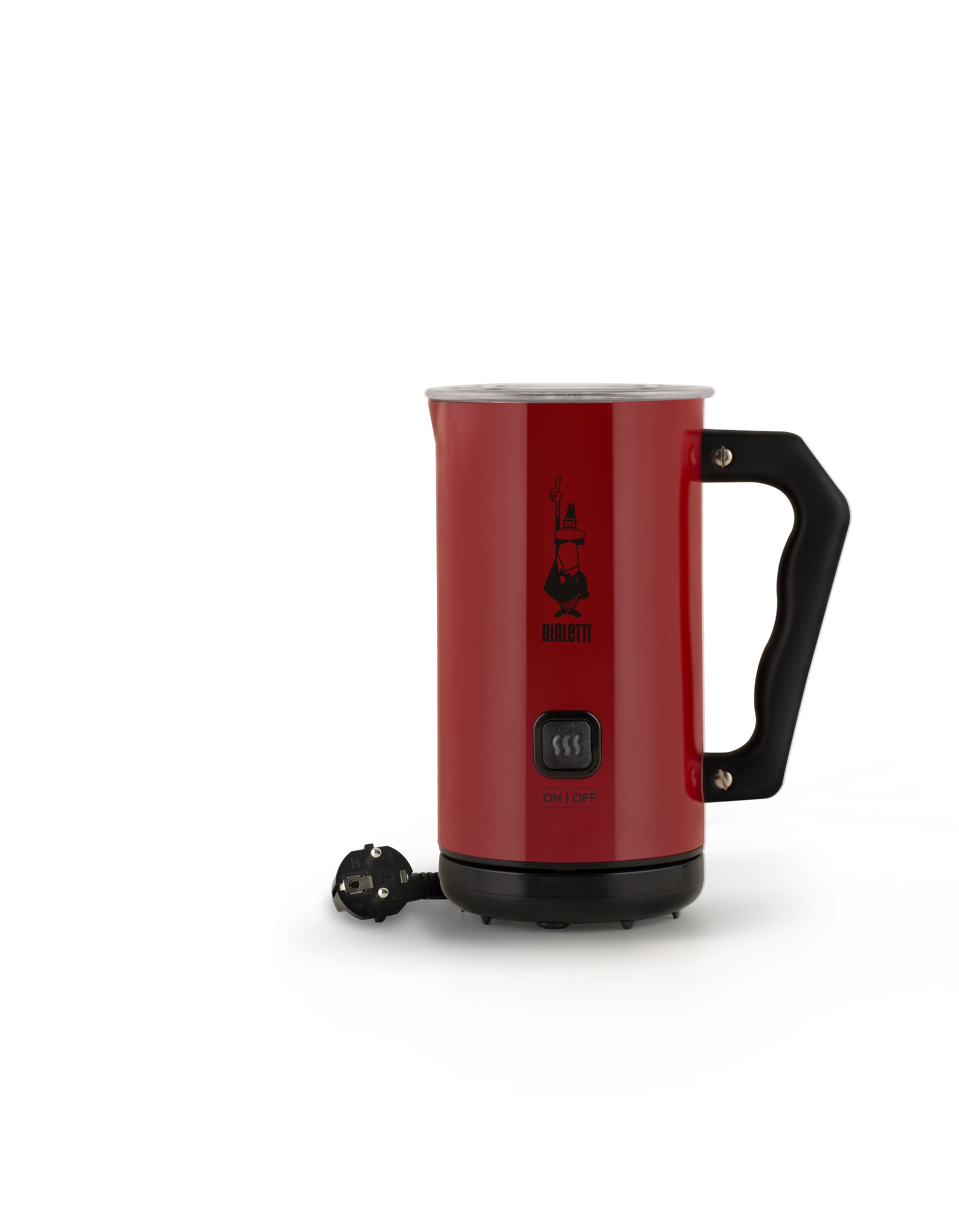
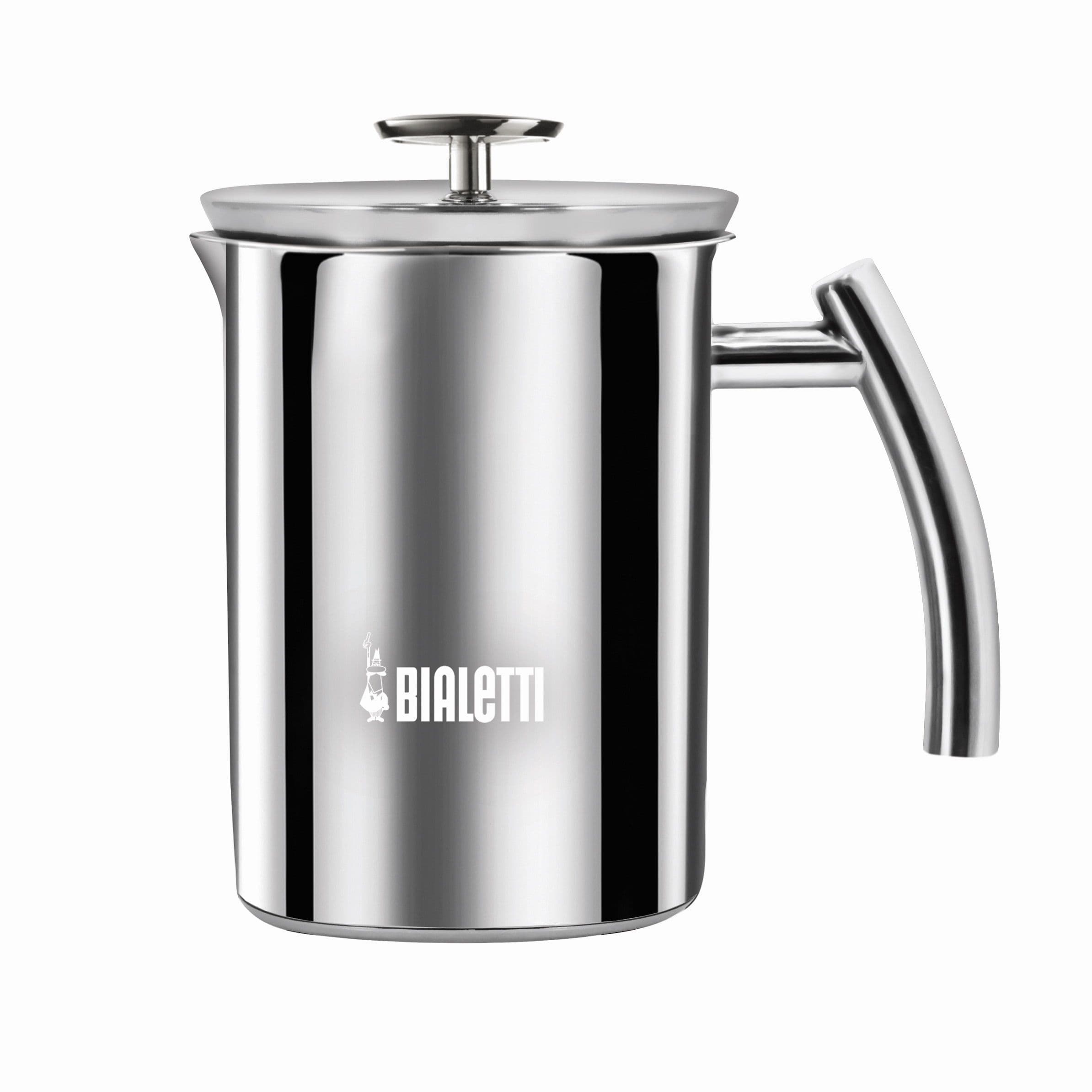
- Electric frother: the easiest, and many heat the milk at the same time. Browse milk frothers.
- Handheld whisk: heat the milk first, then froth with the whisk just below the surface for 20 to 30 seconds.
- French press: pour hot milk into a clean press, a third full, and pump the plunger quickly 20 to 30 times. It makes surprisingly fine foam.
- Jar: shake cold milk in a closed jar for 30 seconds, take the lid off and microwave for 30 seconds to set the foam.
Tap and swirl the milk before pouring, whatever you used. More tips in frothing milk.
Which milk froths best?
Fresh, cold whole milk gives the creamiest, sweetest foam. Semi-skimmed milk makes more, stiffer foam with less taste. For plant milks, choose a "barista" version: oat milk is the easiest, while soy foams well but can split in very hot or acidic coffee, and almond milk often makes thin foam. Never reheat milk you have already steamed; the foam will not come back.
Which coffee for cappuccino?
Milk softens acidity and covers delicate notes, so coffees with chocolate, caramel and nut flavours shine in a cappuccino. Medium to medium-dark espresso blends are the classic choice, often with Brazil as a base. If you like a fruitier cappuccino, try a medium-roasted coffee from Ethiopia or Kenya; it can taste like berries and cream. For a cappuccino from a bean-to-cup machine, see beans for bean-to-cup machines.
Quick answers
Why is my milk foam bubbly instead of creamy?
Too much air at the start, or air let in for too long. Stretch only for a few seconds, then let the milk spin. Tap and swirl before pouring.
Why does my cappuccino taste burnt?
The milk was too hot. Above about 70 °C milk loses its sweetness and starts to taste cooked.
Do you put sugar or cocoa on a cappuccino?
Up to you. Cocoa or cinnamon on top is common in many countries; in Italy a cappuccino is usually served plain, with sugar on the side.
From the catalog
From independent roasters and makers. Each one links to the shop that sells it.