
Coffee origin
 Coffee from Costa Rica
Cafendo lists 737 coffees with beans from Costa Rica, from 440 roasters in 33 countries. 704 of them are single origins; the others are blends with beans from other countries too.
Most frequent in the roasters' tasting notes of 80 single origins:
- chocolate 39%
- citrus 24%
- nuts 20%
- apple, grape and dried fruit 20%
- honey and sugar 18%
Roasters with coffee from Costa Rica
- Cafe Britt(United States)
- RhoadsRoast Coffees(United States)
- Stillers Coffee(Denmark)
- Volcanica Coffee(United States)
- Julius Coffee(Canada)
- Aroma Ridge Gourment(United States)
- Berliner Kaffeerösterei(Germany)
- Tico Coffee Roasters(United States)
Costa Rica at a glance
- Growing regions
- Tarrazú, Tres Ríos, Orosi, Turrialba, Valle Central, Valle Occidental, Guanacaste, and Brunca
- Altitude
- 1,200–1,700 m
- Processing
- washed
- The best coffees from Costa Rica
- Colombia vs Costa Rica
- Costa Rica vs Ethiopia
- Brazil vs Costa Rica
- Costa Rica vs Guatemala
737 products · Ship to United States: roasters based there come first, then those whose shop says it delivers there
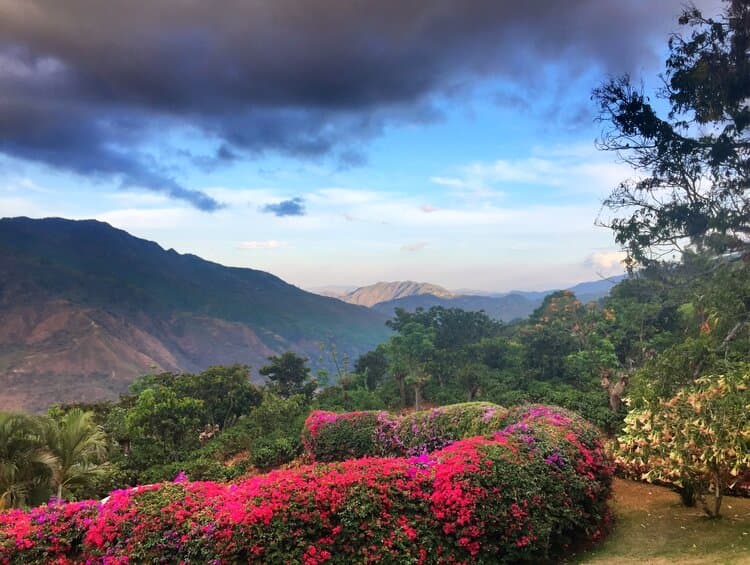
Kaffeeklatsch
Costa Rica Hacienda La Minita
$14.00
Kaffeeklatsch
Costa Rica La Esperanza Familia Monge
$14.50
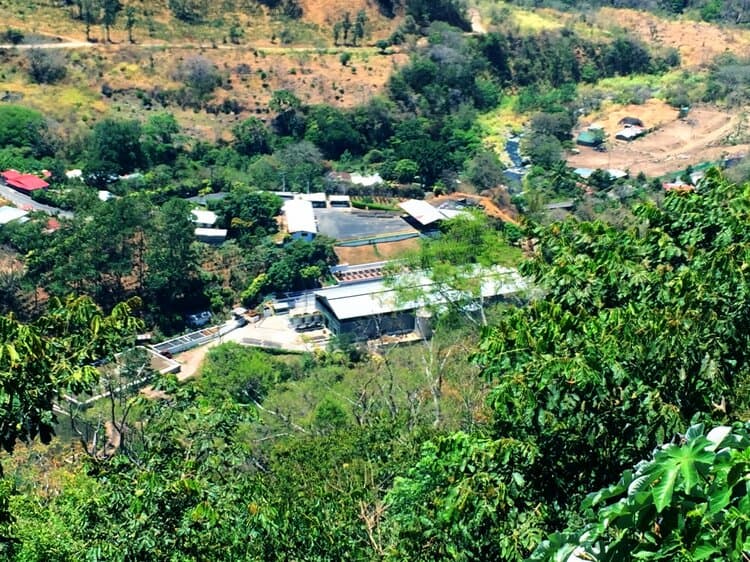
Kaffeeklatsch
Costa Rica El Melico Gesha Honey
$20.00

ICONIK
Finca Costa Rica
$27.00

XAYMACA Coffee
Costa Rica Tarrazu
$10.95

Lost Sock Roasters
AQUIARES, Costa Rica
$21.00

Lost Sock Roasters
ALL THE COLORS OF THE DARK ROAST
$22.00
Dark
Café Rica
Cafe Rica's Hacienda - House Roast - Single Origin and Certified Organic Washed Costa Rica
$19.00

Café Rica
Café Rica’s Black Honey - Honey Processed Costa Rica
$24.00

Stone Street Coffee
Costa Rica Tarrazu
$20.00
Light
Retrograde Coffee Roasters
Costa Rica Alajuela West Valley Monte Crisol
$8.00
Medium
Three Ships Coffee
Monte Lenta - Costa Rica
$22.00

Local Roasters Coffee
Costa Rica Jaguar Honey
$18.00
Medium
Local Roasters Coffee
Costa Rica Hacienda La Amistad
$22.99
Light
Acoustic Java
Costa Rica La Tirra
$24.00
Light
Acoustic Java
Costa Rica San Luis Micromill
$24.00
Light
Free Form Coffee
Costa Rica - El Llano
$12.95

Cafe Santana
Costa Rica
$22.00
Dark
Bellwood Coffee
Costa Rica La Hacienda Natural
$26.00

Hidden River Roasters
Costa Rica - (Dark Roast) Coffee
$17.99
Dark
Rocky Mountain Roastery
Costa Rica | Medium/Dark Roast Coffee
$20.99
Dark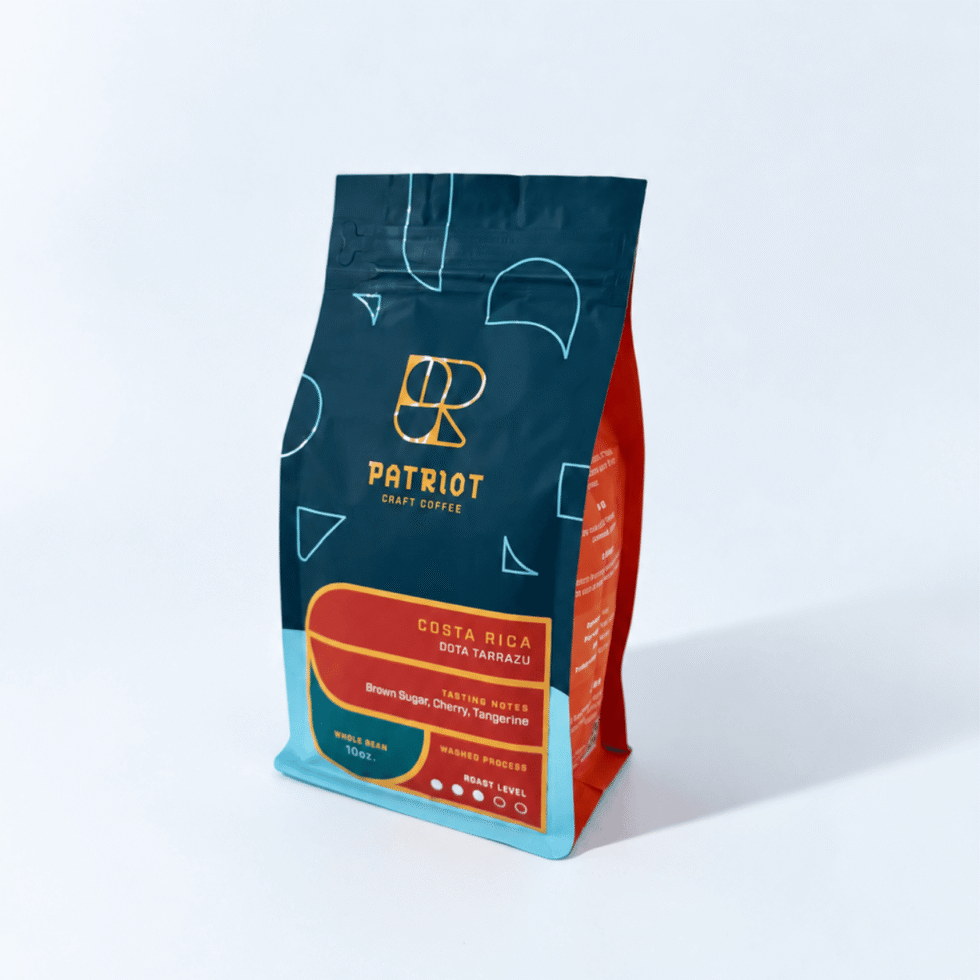
Patriot Craft Coffee
Costa Rica Dota Tarrazu
$14.49

BoomTown Coffee
Sonora — Honeyed Costa Rican
$24.00
Medium
No name java
Costa Rican Tarrazu
$15.99
LightRead about coffee from Costa Rica
Questions about coffee from Costa Rica
What does coffee from Costa Rica taste like?
In the tasting notes roasters wrote for 80 single origins from Costa Rica on Cafendo, the most frequent flavours are chocolate (39%), citrus (24%), nuts (20%), and apple, grape and dried fruit (20%).
Where is coffee grown in Costa Rica?
The main growing regions are Tarrazú, Tres Ríos, Orosi, Turrialba, Valle Central, Valle Occidental, Guanacaste, and Brunca. Coffee is grown there at 1,200–1,700 m above sea level.
How is coffee from Costa Rica processed?
The usual processing methods are washed.
Where can I buy coffee from Costa Rica?
Cafendo lists 737 coffees with beans from Costa Rica, from 440 roasters in 33 countries. 704 of them are single origins; the others are blends with beans from other countries too. Cafendo does not sell coffee itself: each coffee links to a shop that sells it, usually the roaster’s own. The roasters with the most coffees from Costa Rica on Cafendo are Cafe Britt, RhoadsRoast Coffees, and Stillers Coffee.
Coffee has been grown in Costa Rica since the early 19th century. When the country’s independence from Spain was proclaimed in 1821, the municipality handed over free coffee seeds to encourage production, and records show that there were about seventeen thousand trees in Costa Rica at the time.
In 1825, the government continued to promote coffee by exempting it from certain taxes, and in 1831 the government decided that if someone had been growing coffee for five years, he could claim it. While small quantities of coffee were exported to Panama in 1820, the first real exports began in 1832. Although this coffee was ultimately destined for England, it first passed through Chile, where it was repackaged and renamed “Café Chileno de Valparaíso”.
Direct exports to England followed in 1843, shortly after the British increasingly invested in Costa Rica. This eventually established the Bank of Anglo-Costa Rican in 1863, which provided funding to enable the industry to grow. For nearly fifty years, between 1846 and 1890, coffee was the only exporting country. Coffee was driven by infrastructure, such as the creation of the first railways connecting the country to the Atlantic Ocean, and funding for San Juan de Dios Hospital, the first post office, and the first government printing press. It would also have an impact on culture, as the National Theater is a product of the early coffee economy, along with the first libraries and the University of Santo Tomas.
Costa Rica’s coffee infrastructure has long given him an advantage when he had to get a better price on the international market. The wet process was introduced in 1830, and by 1905 there were two hundred wet mills in operation in the country. Washed coffee reached higher prices, and it was then that processing coffee in this way increased its perceived quality.
The coffee industry continued to grow until it began to reach its geographical limits. The population was still spreading from San José to the rest of the country, and farmers were looking for new land to grow crops. However, the whole area of the country was not suitable for coffee growing, which still controls the growth of the industry.
It is undeniable that Costa Rican coffee has gained a good reputation and good prices for its coffees for a very long time, despite the fact that the coffee it produces was typically clean and pleasant rather than interesting or unusual. In the later part of the 20th century, they sought to move from hereditary varieties to high-yielding varieties. While higher yields make economic sense, many in the specialty coffee industry felt that the quality of the cup had deteriorated and was even less interesting. Recently, however, there have been changes that have sparked great interest in better quality coffees produced in the country.
Coffee and tourism
Costa Rica is one of the most developed and safest countries in Central America. This makes it an incredibly popular tourist destination, especially among North Americans. Tourism not only displaced coffee as a primary location for foreign income but also collided with and combined with it. Ecotourism is especially popular in Costa Rica, and there are many coffee farms in the country to visit and go on tours. Typically, larger farms offer tours with less focus on absolute quality, but it’s still interesting to have the opportunity to see up close how coffee farming works.
Traceability
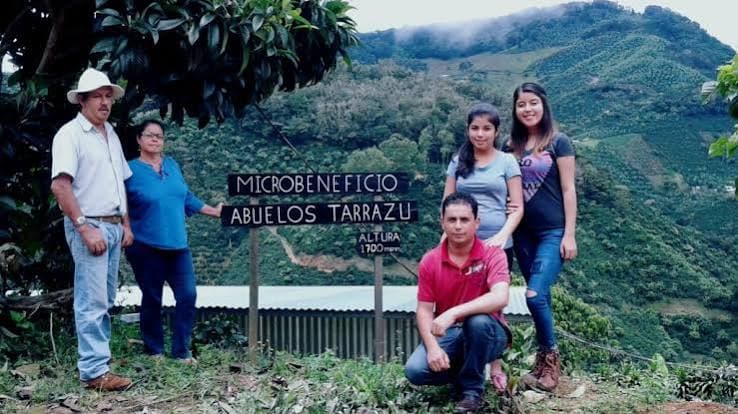
Currently, land ownership is extremely common in Costa Rica, with ninety percent of coffee growers there having small and medium-sized farms. As such, you can find a coffee that can be fed to an individual farm or a particular cooperative.
Taste Profile
Costa Rican coffee is typically very clean and sweet, although it is often very light-bodied. Recently, however, micro-farms have offered a wider range of flavors and styles.