
Coffee origin
 Coffee from Ethiopia
Cafendo lists 1,824 coffees with beans from Ethiopia, from 869 roasters in 42 countries. 1,687 of them are single origins; the others are blends with beans from other countries too.
Most frequent in the roasters' tasting notes of 175 single origins:
- citrus 35%
- floral 33%
- berries 29%
- stone fruit 25%
- chocolate 22%
Roasters with coffee from Ethiopia
- Berliner Kaffeerösterei(Germany)
- Bonga Red Mountain(Germany)
- Code Black(Australia)
- Harrar coffee roastery
- Smokin' Beans Coffee(United States)
- Bugan Coffee Lab(Italy)
- Oetterli Coffee(Switzerland)
- Threecoffee(United Arab Emirates)
Ethiopia at a glance
- Growing regions
- Sidama, Yirgacheffe, Guji, Harar, Limu, Jimma, and Kaffa
- Altitude
- 1,400–2,200 m
- Species
- Arabica
- The best coffees from Ethiopia
- Colombia vs Ethiopia
- Brazil vs Ethiopia
- Ethiopia vs Guatemala
- Ethiopia vs Indonesia
1,824 products · Ship to United States: roasters based there come first, then those whose shop says it delivers there

Black & White Roasters
The Classic
5.0(1 rating)$13.74

Dapper & Wise Coffee Roasters
Ethiopia Natural Halo Beriti
$21.00

Wake Up Coffee Company
Ethiopian Worka Sakaro Anaerobic Process
$26.50

SteamDot
Ethiopia – Guji
$18.95

Pegasus Coffee
Ethiopia Guji
$18.95

XAYMACA Coffee
Ethiopia Yirgacheffe
$13.95

Loving Labor Coffee Co.
Ethiopia Sidamo
$25.99
Light
Elliott & Murrey Coffee Roasters
Emu is Emo
$19.95
Light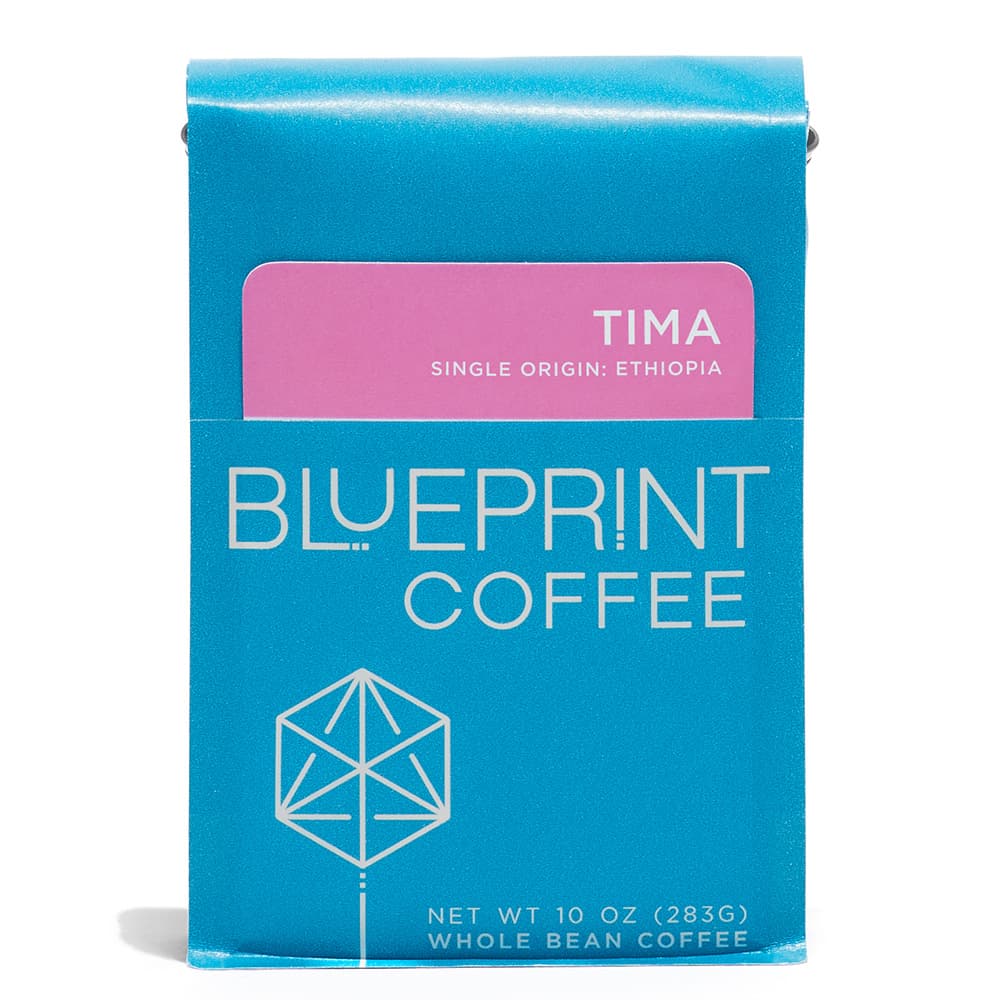
Blueprint Coffee Delmar
Tima, Ethiopia
$26.00
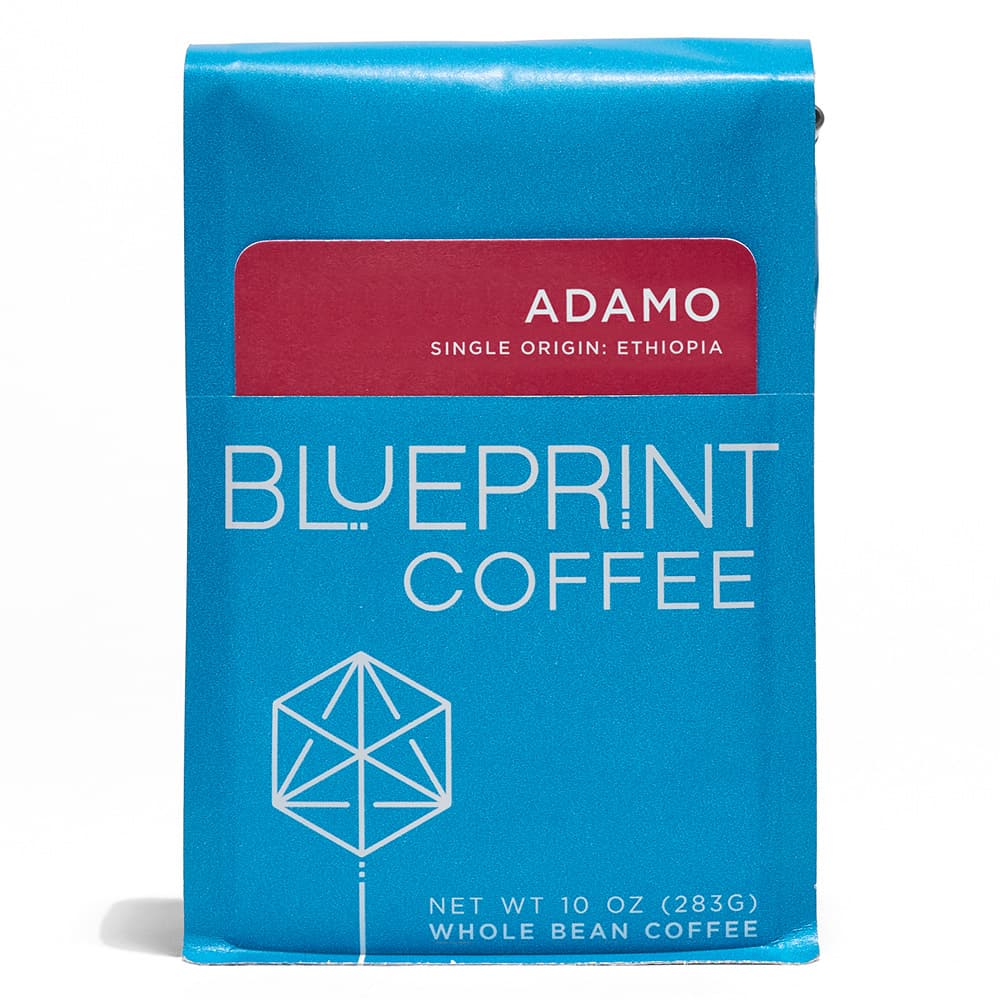
Blueprint Coffee Delmar
Adamo, Ethiopia
$26.00

Barnyard Coffee Roasters
Single Origin | Ethiopia | Medium Roast
$16.95
Medium
Palace Coffee Company
DUKE
$7.00
Dark
Lost Sock Roasters
YABITU KOBA NATURAL, Ethiopia
$24.00

Lost Sock Roasters
YABITU KOBA, Ethiopia
$23.00

Carrboro Coffee Roasters
Ethiopia - Ardi
$11.50

Carrboro Coffee Roasters
Ethiopia - Yergz
$11.50

Otus Coffee Co.
Strawberry Smash - Worka Sakaro, Ethiopia
$26.00

Non-Fiction Coffee
Ethiopia - Chelchele Anaerobic Natural
$22.00

Non-Fiction Coffee
Ethiopia - Demeka Becha Washed
$22.00

Charleston Coffee Roasters
Ethiopia Sidama Ayla
$24.99
Light
Archetype Coffee
Ethiopia Hamasho Natural
$23.95

Archetype Coffee
Ethiopia Habtamu Fikadu Danche
$24.95

Gimme! Coffee
Ethiopia SCFCU Natural
$25.00
Medium
Dark Heart Coffee
Ethiopia - Shantawene - Natural
$14.95
Read about coffee from Ethiopia
Questions about coffee from Ethiopia
What does coffee from Ethiopia taste like?
In the tasting notes roasters wrote for 175 single origins from Ethiopia on Cafendo, the most frequent flavours are citrus (35%), floral (33%), berries (29%), and stone fruit (25%).
Where is coffee grown in Ethiopia?
The main growing regions are Sidama, Yirgacheffe, Guji, Harar, Limu, Jimma, and Kaffa. Coffee is grown there at 1,400–2,200 m above sea level.
Where can I buy coffee from Ethiopia?
Cafendo lists 1,824 coffees with beans from Ethiopia, from 869 roasters in 42 countries. 1,687 of them are single origins; the others are blends with beans from other countries too. Cafendo does not sell coffee itself: each coffee links to a shop that sells it, usually the roaster’s own. The roasters with the most coffees from Ethiopia on Cafendo are Berliner Kaffeerösterei, Bonga Red Mountain, and Code Black.
Of all the coffee-producing countries, Ethiopia is perhaps the most fascinating. Its popularity came from the unusual, astonishing coffees it can produce in high quantity. The floral and fruity coffee from Ethiopia was noticed by many professionals in the industry.
Ethiopia is called the birthplace of coffee. It was here where it was consumed by humans, initially as a fruit rather than a beverage. Yemen was the first country to grow coffee as a crop, but it had been exported from Ethiopia in 1600.
PRODUCTION SYSTEMS
Ethiopia’s coffee production is divided into three main categories, depending on their method of production.
FOREST COFFEES
These come from the wild trees from nature, this can be found mostly in the southwest of the country. These trees usually have a mixture of natural shade plants around them. The harvest and yield of these trees are low compared to the consciously planted coffee trees.
GARDEN COFFEES
These are coffees from trees typically planted in household gardens. The tree has less natural shade. Many farmers use some fertilizer on their plants. This type of coffee makes up most of Ethiopia’s production.
PLANTATION COFFEES
These coffees come from trees grown on larger farms. They are prepared with agricultural practices such as pruning, and mulching.
Interest returned to Ethiopian coffee in the early 1800s, when there was recorded the highest number of the export of one hundred quintals of coffee from Enerea, an area of modern-day Ethiopia. In the 1950s there was a time of increased structure in the Ethiopian coffee industry and a new grading system.
In 1991 when the country moved towards democracy the international markets opened up for Ethiopia. However, that caused fluctuating market prices. Coffee farmers in Ethiopia, in particular, have had to survive large, uncontrollable price swings. This has given rise to the formation of cooperatives, offering support to the local farmers. They were offered help with funding, market information, and transport.
TRACEABILITY
It is possible to find Ethiopian coffee in a single area, though it’s relatively hard. However, the roaster may simply have bought a coffee that had come through the ECX and it could still be amazing despite its lack of transparency. These coffees have much to offer in taste if it’s chosen carefully.
Once difficult to trace, the quality and origin of coffee are becoming more traceable. This allows consumers to make their choices based on more information about where and how their coffee is harvested.
TASTE PROFILE
The flavors of Ethiopian coffees are diverse. You can find anything from citrus, often bergamot, and florals to candied fruit or even tropical fruit flavors. The best-washed coffees can be elegant, complex, and delicious when they are prepared correctly.