
Fair Trade Certification
This is how millions of us start our day and a companion for countless conversations. An estimated 1.6 billion cups of coffee are brewed every day. Globally, more than 125 million people depend on coffee for their livel…
153 products · Ship to United States: roasters based there come first, then those whose shop says it delivers there
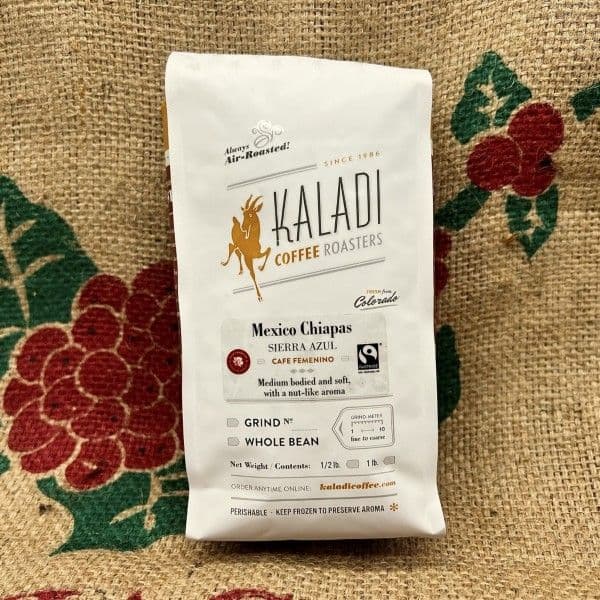
Kaladi Coffee Roasters
Mexico Chiapas Sierra Azul
$15.61
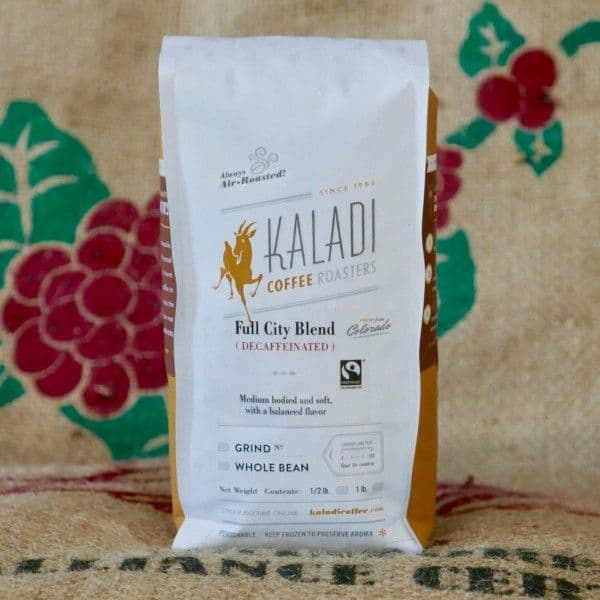
Kaladi Coffee Roasters
Full City SWP Decaf
$16.56
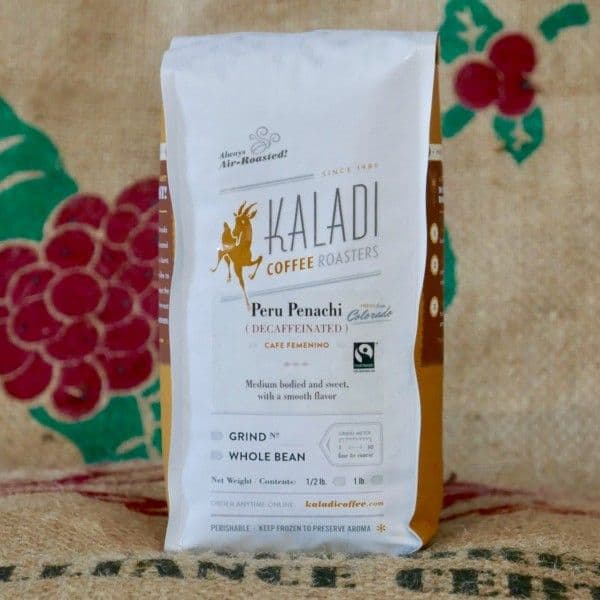
Kaladi Coffee Roasters
Decaf Peru Penachi
$16.56
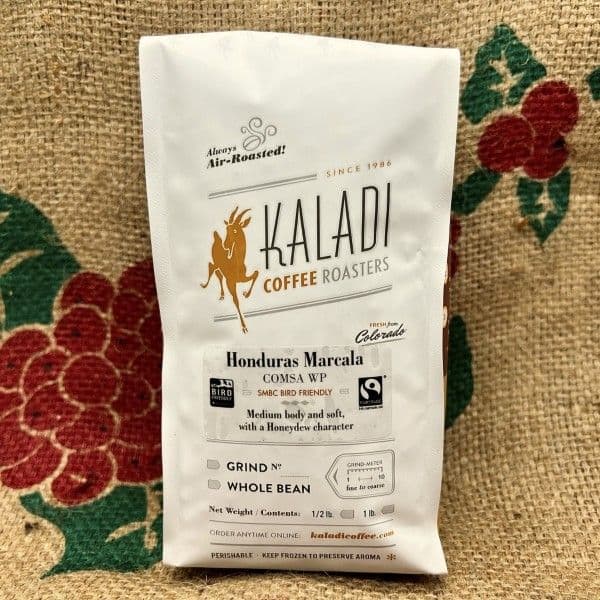
Kaladi Coffee Roasters
Honduras Marcala Comsa
$15.85
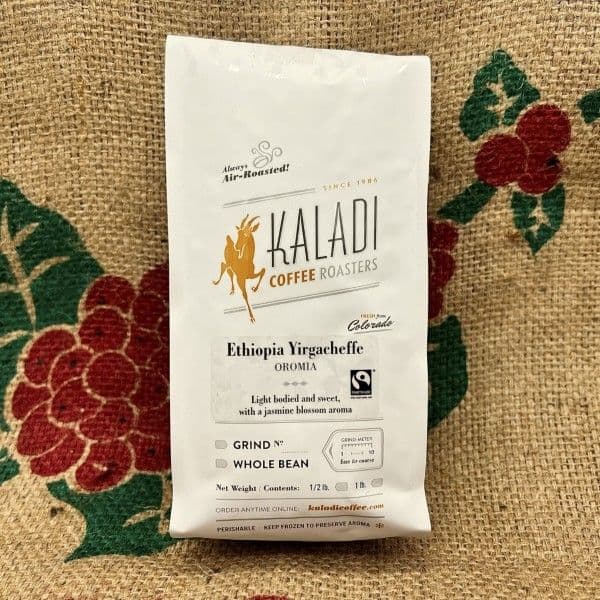
Kaladi Coffee Roasters
Ethiopia Yirgacheffe Oromia
$15.85

Jackie's Java
LA AMISTAD ESTATE DARK ROAST
$15.15
Dark
Commonwealth Joe
Skyline Overlook
$16.99
Medium
Commonwealth Joe
Shenandoah Spring
$16.99
Medium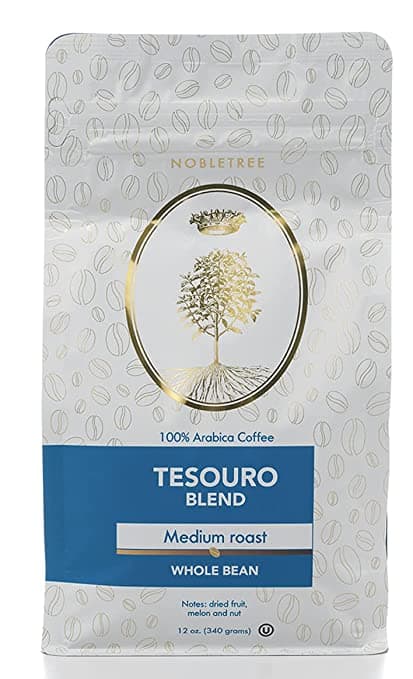
Nobletree Coffee
Tesouro Specialty
$16.35
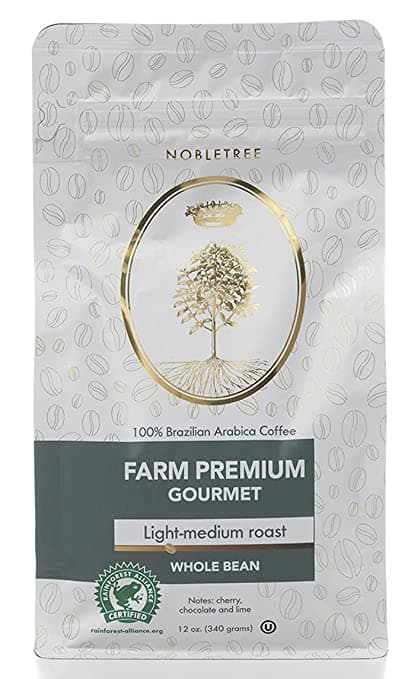
Nobletree Coffee
Specialty Farm Premium
$14.42
Medium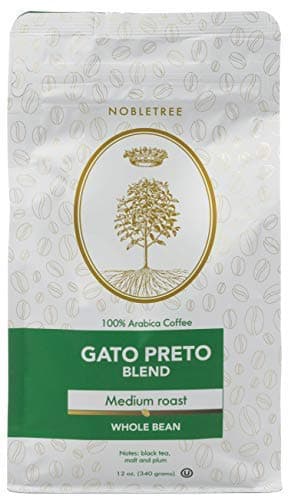
Nobletree Coffee
Gato Preto
$16.35
Medium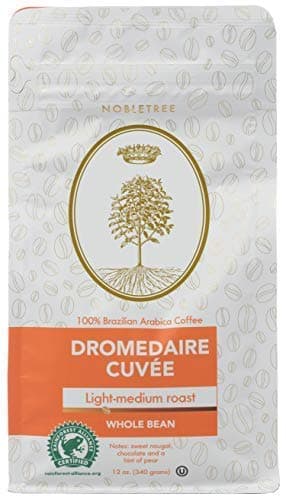
Nobletree Coffee
Dromedaire Cuvée
$16.35
Medium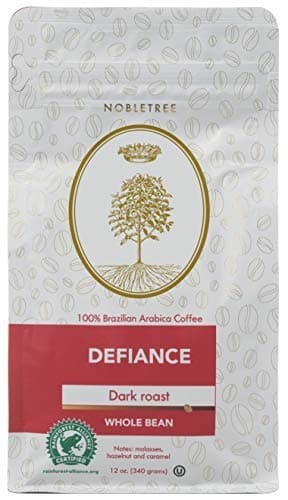
Nobletree Coffee
Defiance
$16.35
Dark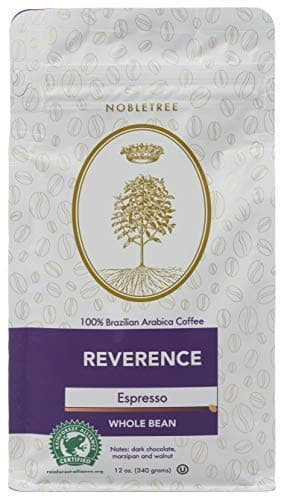
Nobletree Coffee
Reverence
$16.35
Dark
Brown Dog Coffee
NICARAGUAN ORGANIC, FT
$15.61
Medium
Black Beard Roasters
Bali Blue Moon | Hand Roasted Organic Arabica Coffee
$15.75
Dark
Alta Organic Coffee
PERU [SOUTH AMERICA]
$14.64
Dark
Cafe Altura
Cafe Altura Ground Organic Coffee, Fair Trade Dark Blend, 12 Ounce (Pack of 3)
$39.36
Dark
Cafe Altura
Café Altura, Organic Freeze Dried Coffee, 3.5 oz
$0.00

Cafe Altura
Cafe Altura Organic Fair Trade Decaf Instant Coffee, 3.53 oz
$0.00
Medium
Cafe Altura
Cafe Altura Organic Fair Trade Decaf Instant Coffee, 3.53 oz (Pack Of 2)
$0.00
Medium
Death Wish Coffee
Death Wish Coffee Company’s Ground Coffee [1-pack/bag, 1 lb] | The World's Strongest Medium Roast | USDA Certified Organic, Fair Trade | Arabica and Robusta Beans | A Lighter Shade of Bold
$17.10
Medium
Death Wish Coffee
DEATH WISH COFFEE Whole Bean Coffee [5 Lbs.] The World's Strongest Coffee, USDA Certified Organic, Fair Trade, Arabica and Robusta Beans (1-Pack)
$70.47
Very dark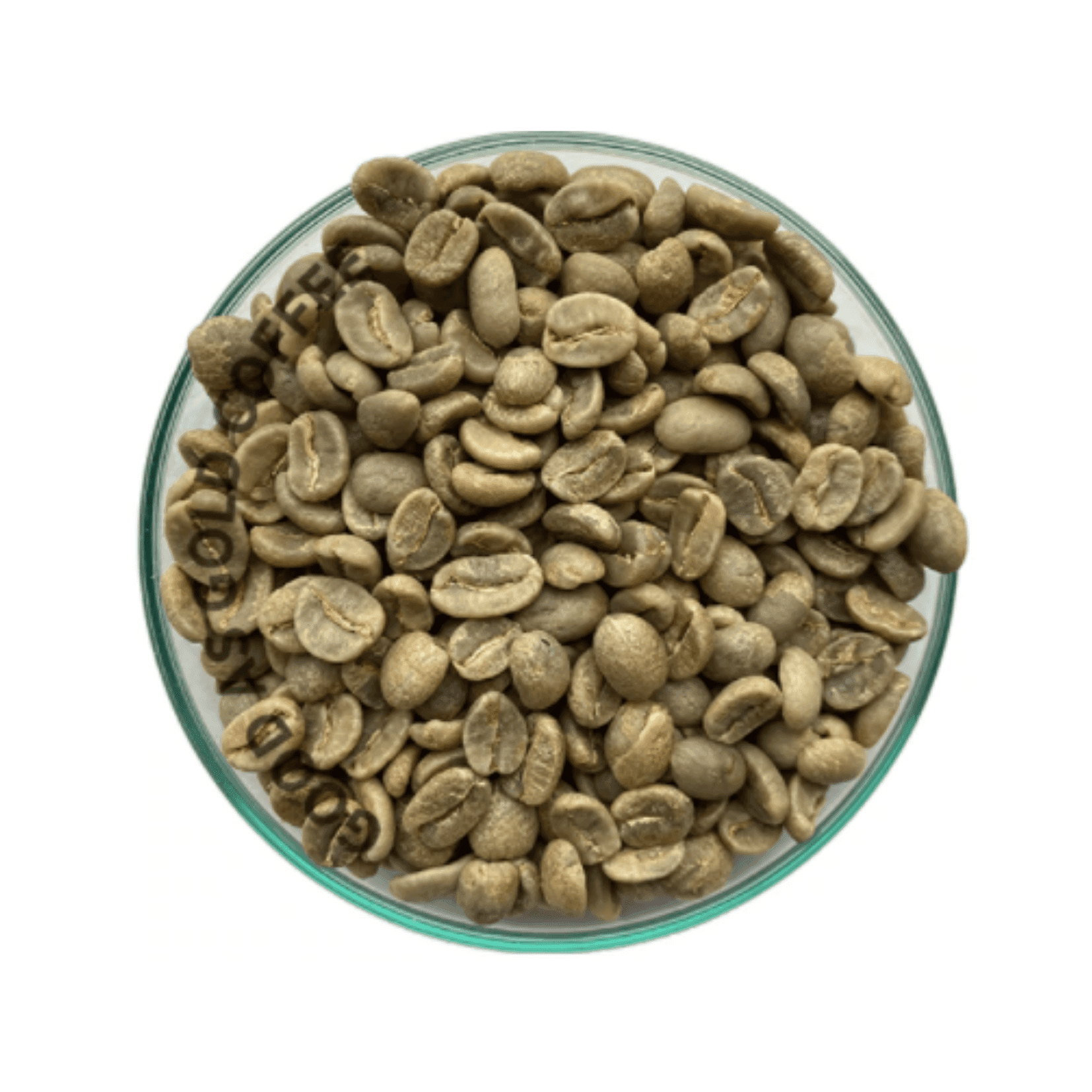
Good As Gold
Tanzania Peaberry - Green Coffee
$6.95
LightThis is how millions of us start our day and a companion for countless conversations. An estimated 1.6 billion cups of coffee are brewed every day. Globally, more than 125 million people depend on coffee for their livelihood, yet many are unable to earn a living from this beloved and valuable culture. Worldwide, 25 million small farmers produce 70-80% of the world’s coffee, which is one of the reasons why Fair Trade focuses its efforts on smallholder organizations.
When you relax with a favorite cup of coffee, do you ever wonder about the journey of coffee beans? How did you get from a bean on a tree to that delicious aroma in the cup? Some roasters buy all their coffee through Cooperative Coffees, a fair trade buying cooperative founded in 1999, so they always know exactly where their coffee is grown, who grew it, how it is treated, and who benefits. This results in this unique model of direct trade.
One company believes so strongly in the transformative possibilities of fair trade that it named itself after the people it trades with. Campesino Cafe … Little Farmer’s Coffee.
Americans drink a lot of coffee: 400 million cups a day, to be exact. Dripping, cold preparation, moving and espresso, we like everything. It is difficult to imagine our life without the coffee we know and love. In a culture that likes fast, easy, and cheap, it is easy to forget that there are farmers whose livelihoods depend on the cup of coffee in your hand. But as the global pandemic covers the new challenges of poverty and climate change that producers are already facing, the future of coffee cultivation as a way of life becomes more uncertain.
Whatever your taste, you can find fair trade coffee online or in-store; as always, make sure you look for the certified seal for fair trade.
What is Fair Trade Certification?
Fairtrade coffee is a coffee that has a fair trade certification, which means that the coffee was produced to fair trade standards by fair trade organizations. These organizations create trading partnerships that are based on dialogue, transparency, and respect. The main goal is to achieve greater equity in international trade.
These partnerships contribute to sustainable development that offers better trading conditions to coffee farmers. Fairtrade organizations support producers and sustainable farming practices.
When people buy coffee, they can look for the Fair Trade stamp of approval on the coffee package. Sometimes, it feels good to buy something that has “fair” in the title.
What are the Benefits of Fair Trade Coffee?
Fairtrade is environmentally responsible. It helps small farmers cultivate their lands in a sustainable manner. If the farmers are paid fairly, they do not have to cut down forests to plant more coffee crops. Fairtrade improves their communities and changes farmers’ lives. It helps them achieve economic independence and financial stability. It interrupts the cycle of dependence on intermediaries that have not necessarily acted in the best interests of producers and empowers small farmers by forming cooperatives. These cooperatives mean they now have access to credit, opportunities to learn better and more sustainable farming techniques, and access to marketing and technical assistance. Most importantly, being part of a cooperative means small farmers no longer constantly worry about meeting basic needs food, housing, health care, and education. The cooperatives help provide those needs by building schools, providing access to health care, and improving infrastructure, all of which improve the standard of living for the farmers, their families, and their communities.