


CABALLERO - BOMBA DE FRUTA #2. HONDURAS.
Honduras
- Natural
- Single Origin
Not rated yet · Be the first to review it
from€14.00
≈ €50.00 / kg
You’ll be taken to the roaster’s shop to complete your purchase.
- Roaster based in
- Austria
- Ship to
- United States · Not listed by the roaster’s shop
Sizes and prices
Description
CABALLERO - BOMBA DE FRUTA #2. HONDURAS. MARCALA. CHINACLA.
RUM PLUM.
RASPBERRY.
CINNAMON.
We taste: RUM PLUM. RASPBERRY. CINAMMON.
Bomba de Fruta—the name says it all. This coffee has beautifully intense fermentation notes while still being extremely clean and complex. Rum plum covered in rich chocolate. Rounded out with raspberry and spice notes. A very special espresso that also works wonderfully with milk.
Processing / processing : extended fermentation naturalVariety / variety : Catuai
Growing altitude / height : 1600m
FOB: $ 4,75/lb
Importer / Importer: Nordic Approach, NO
The Caballero coffees are named after Marysabel Caballero. These wonderful coffees are produced by her and her husband, Moises Herrera. The family owns several small and medium-sized farms in Marcala, in southeastern Honduras. They are all near their “Beneficio” Xincala, where the coffees are processed. Xincala is a central mill where coffees from all the farms are brought. Usually, harvests from individual farms are kept separate, but when the daily quantities are too small, the produce from different farms is blended. They call these blends “Caballero.”
Marysabel and Moises are clearly focused on sustainable farming and processing. On their 200 hectares of land, they produce, among other things, organic fertilizer from manure, which, together with coffee cherry pulp and other organic materials, provides the coffee plants with the nutrients they need. Oranges, avocados, bananas, and other fruits are also grown on the farm. This helps provide for the workers and also supports biodiversity and provides shade for the coffee plants.
The two are extremely successful and have contributed greatly to the excellent reputation that high-quality coffees from Honduras now enjoy. Everything done on the farm is documented; time and resources are invested in new machinery, as well as in planting new coffee varieties, to continually improve coffee quality.
Reviews
No reviews yet.
Similar coffees
From Honduras, by other roasters
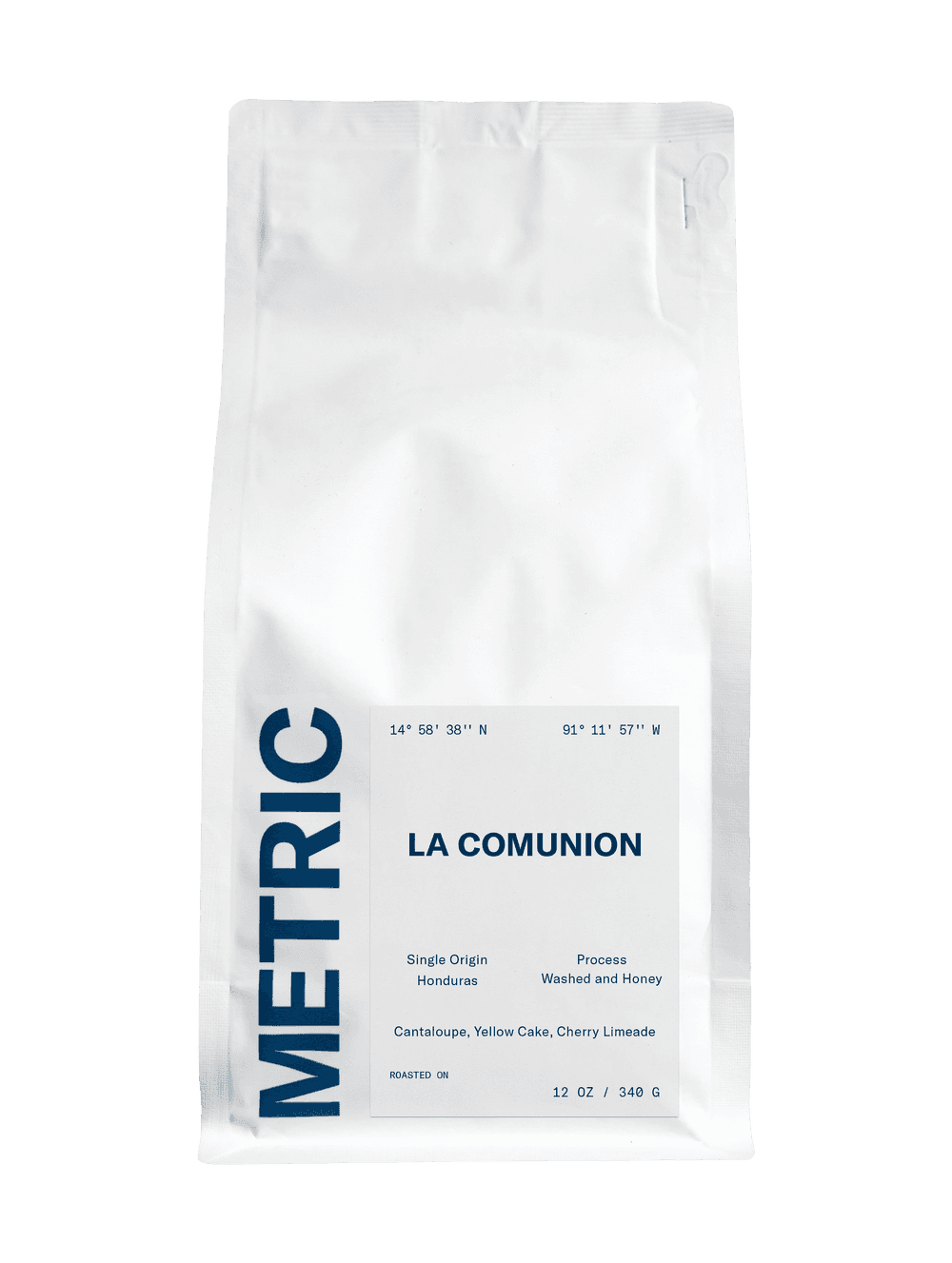
Metric Coffee
Honduras La Comunion
$12.31

Four Sigmatic
Ground Mushroom Coffee With Lion's Mane
$17.44
Dark
Four Sigmatic
Perform Coffee with L-Theanine & Cordyceps Mushrooms
$17.44
Dark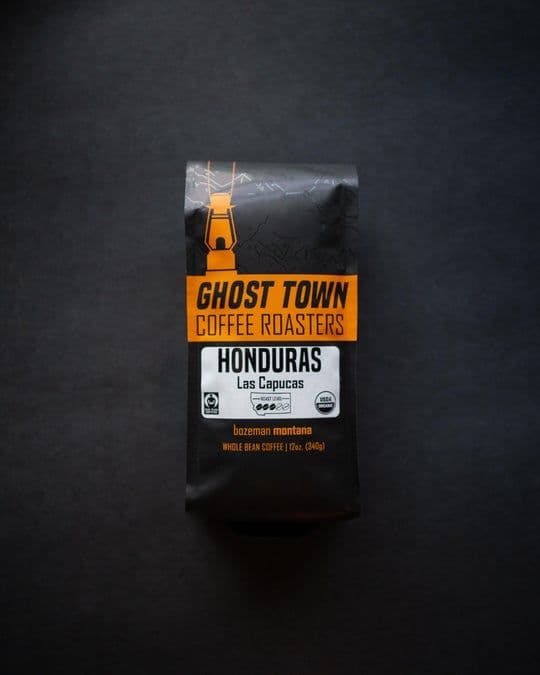
Ghost Town Coffee
Honduras - Las Capucas
$11.63
Medium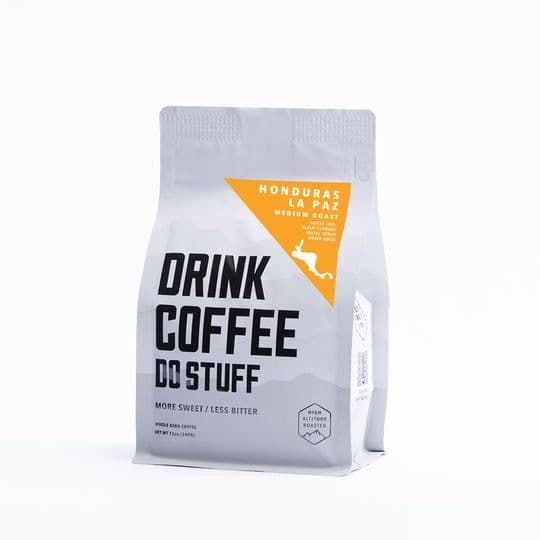
Drink Coffee Do Stuff
HONDURAS LA PAZ
$16.75
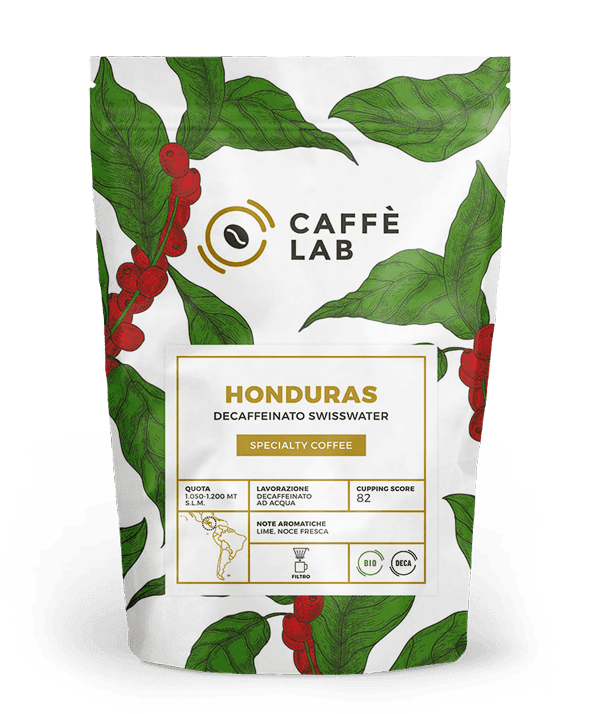
CaffèLab
Caffelab HONDURAS
$8.50
Light
Temple Coffee Roasters
HONDURAS SERGIO ROMERO
$17.63

Caffè Trucillo
HONDURAS - SAN ANDRES ESPECIAL
$7.50
Medium


