


Sebastian Ramirez / Maragesha / Cold ferment washed
Quindío, Colombia
- Washed
- Single Origin
Sebastian Ramirez / Maragesha / Cold ferment washed is a coffee from Colombia, sold by Paradigm Spark (Canada). Region: Quindío. Process: washed. Variety: Maragesha. The roaster’s tasting notes: red wine, pomegranate, eucalyptus. Price: CA$30.95 to CA$160.95, depending on the size. That is from CA$160.95 per kilo.
Not rated yet · Be the first to review it
fromCA$30.95
≈ CA$160.95 / kg
You’ll be taken to the roaster’s shop to complete your purchase.
- Roaster based in
- Canada
- Ship to
- United States · Not listed by the roaster’s shop
Taste profile
From the details listed by the roaster’s shop.
Tasting notes
- Red Wine
- Pomegranate
- Eucalyptus
Sizes and prices
| Coffee Size | Per kg | Price |
|---|---|---|
| 150g | CA$206.33 | CA$30.95 ↗ |
| 250g | CA$167.80 | CA$41.95 ↗ |
| 1kg | CA$160.95 | CA$160.95 ↗ |
Description
SEZITA – red fruit flavours with exotic notes of tropical fruits
- Origin: Colombia
- Region: Quindío
- Producer: Sebastián Ramírez
- Farm: El Placer
- Variety: Maragesha
- Fermentation: 120 hours below 14C
- Drying: Washed
- Altitude: 2000m
- Flavour notes: Red Wine, Pomegranate, Eucalyptus
The Producer
Sebastián Ramírez is a fourth-generation Colombian coffee producer and the founder of El Placer Farms. Based in Colombia’s coffee-growing region of Quindío, Sebastián combines his family’s agricultural experience with a highly technical approach to fermentation, drying, and sensory development.
His work at El Placer is centred on creating distinctive coffees through careful cherry selection and precise control of variables such as temperature, pH, oxygen exposure, fermentation time, and drying conditions. Rather than applying the same process to every coffee, Sebastián develops individual protocols according to the variety, cherry condition, and flavour profile he wants to express.
El Placer Farms is known for both expressive experimental coffees and clean, variety-focused lots. While some El Placer coffees use co-fermentation or added fermentation ingredients, this Maragesha follows a carefully controlled washed process without the addition of fruit or spices. The intention is to reveal the character of the coffee through selective harvesting, cool fermentation, thorough washing, and slow drying.
The Maragesha Variety
Maragesha is an extremely rare coffee variety generally described within the specialty-coffee industry as having genetic characteristics associated with both Maragogipe and Gesha.
Maragogipe is recognized for its unusually large cherries, seeds, leaves, and tall tree structure. Gesha is internationally valued for its floral aromatics, refined acidity, citrus character, and elegant cup structure. Maragesha is therefore often presented as a rare selection that may combine the physical characteristics of Maragogipe with some of the aromatic and sensory potential associated with Gesha.
However, Maragesha is not yet a globally standardized variety with one universally documented genetic lineage. Different producers may use the name for locally discovered or selected trees showing characteristics associated with both parent varieties. For this reason, Maragesha coffees should be understood as rare, producer-selected lots whose quality and character depend on the individual plant material, growing environment, processing, and careful separation of the harvest.
In Sebastián Ramírez’s hands, the variety is processed with an emphasis on clarity and preservation. The long fermentation is conducted at a low temperature, helping to develop complexity while limiting excessive fermentation character.
Processing Details
1. Cherry selection
Only ripe coffee cherries measuring approximately 20° Brix are selected for this lot.
Brix is a measurement of soluble sugar concentration within the cherry. Selecting cherries at a consistent Brix level helps Sebastián begin the process with fruit at a similar stage of ripeness, supporting more even fermentation and a more cohesive final cup profile.
2. Floating
The selected cherries are placed in water for density separation.
Dry, damaged, hollow, or insufficiently developed cherries tend to float and are removed. Denser, properly developed cherries sink and continue to the next stage of processing.
3. Manual selection
Following flotation, the cherries are inspected and sorted by hand.
This additional selection removes immature, partially ripe, overripe, or visually damaged cherries that may have passed through the initial density separation. The combination of Brix measurement, flotation, and manual sorting creates a highly uniform starting material before fermentation begins.
4. Controlled fermentation
The fermentation is completed in three stages.
Phase One — Whole-cherry collection
The selected cherries are placed in GrainPro bags while the complete production lot is being collected. The bags limit unnecessary exposure to oxygen and help protect the cherries from premature oxidation before the primary fermentation begins.
Phase Two — Depulping and tank fermentation
Once the full lot has been assembled, the cherries are depulped using a stainless-steel depulper. The depulped coffee, with mucilage remaining around the parchment, is transferred into fermentation tanks for 120 hours.
Throughout the fermentation, Sebastián controls two important variables:
- pH is maintained at approximately 4.3
- Temperature is kept at or below 14°C
The low temperature is particularly significant. Cooler fermentation slows microbial activity, allowing the process to develop gradually over five days. This gives Sebastián greater control over the transformation of sugars and organic compounds within the remaining mucilage.
Maintaining a controlled pH helps prevent the fermentation from progressing too far into unstable or undesirable conditions. The objective is not to create an excessively fermented profile, but to build sweetness, aromatic complexity, and texture while preserving the identity and clarity of the Maragesha variety.
Phase Three — Washing
After the 120-hour fermentation, the coffee is thoroughly washed to remove the remaining mucilage and stop further fermentation.
This washing stage contributes to a cleaner cup structure, clearer flavour separation, and a more transparent expression of the variety.
5. Slow drying
The washed parchment coffee is transferred to a marquesina, a covered and ventilated drying structure commonly used in Colombia.
The coffee is dried gradually for approximately 8 to 15 days, depending on temperature, humidity, airflow, and weather conditions. The protective covering helps shield the parchment from rainfall and excessive direct sunlight while allowing controlled air circulation.
During drying, the coffee is monitored and regularly moved to encourage even moisture reduction. Drying continues until the beans reach approximately 11% moisture content.
This slow and measured approach helps protect the coffee’s cellular structure and reduces the risk of uneven drying, mould development, or excessive heat damage.
6. Stabilization
After drying, the coffee is rested for 20 days before final preparation and export.
This stabilization period allows moisture to redistribute more evenly throughout the bean. Immediately after drying, moisture levels can vary slightly between the outer and inner portions of the seed. Resting the coffee helps create a more stable and consistent condition before milling.
The stabilized coffee is then packed in GrainPro bags to protect it from external humidity, odours, and environmental contamination.
Questions about Sebastian Ramirez / Maragesha / Cold ferment washed
What does Sebastian Ramirez / Maragesha / Cold ferment washed taste like?
The roaster’s tasting notes: red wine, pomegranate, eucalyptus. Flavour groups: fruity.
Where does Sebastian Ramirez / Maragesha / Cold ferment washed come from?
It comes from Colombia. Region: Quindío. Producer: Sebastián Ramírez. Altitude: 2,000 m. Variety: Maragesha.
How is Sebastian Ramirez / Maragesha / Cold ferment washed processed?
Processing method: washed.
How much does Sebastian Ramirez / Maragesha / Cold ferment washed cost?
Price: CA$30.95 to CA$160.95, depending on the size. That is from CA$160.95 per kilo. Prices come from the shop and can change; the shop has the current ones.
Where can I buy Sebastian Ramirez / Maragesha / Cold ferment washed?
In the online shop of Paradigm Spark: the prices on this page link to it. According to its shop, it delivers to Canada, Andorra, United Arab Emirates, Antigua & Barbuda, Anguilla, Albania and 150 other countries. Cafendo does not sell coffee itself.
Answers built from the shop’s own data and the Cafendo catalog.
Reviews
No reviews yet.
If you like this coffee, try these
Picked from other roasters for a shared origin, process, roast, tasting notes and price. Coffees that the same people saved or rated highly count the most.
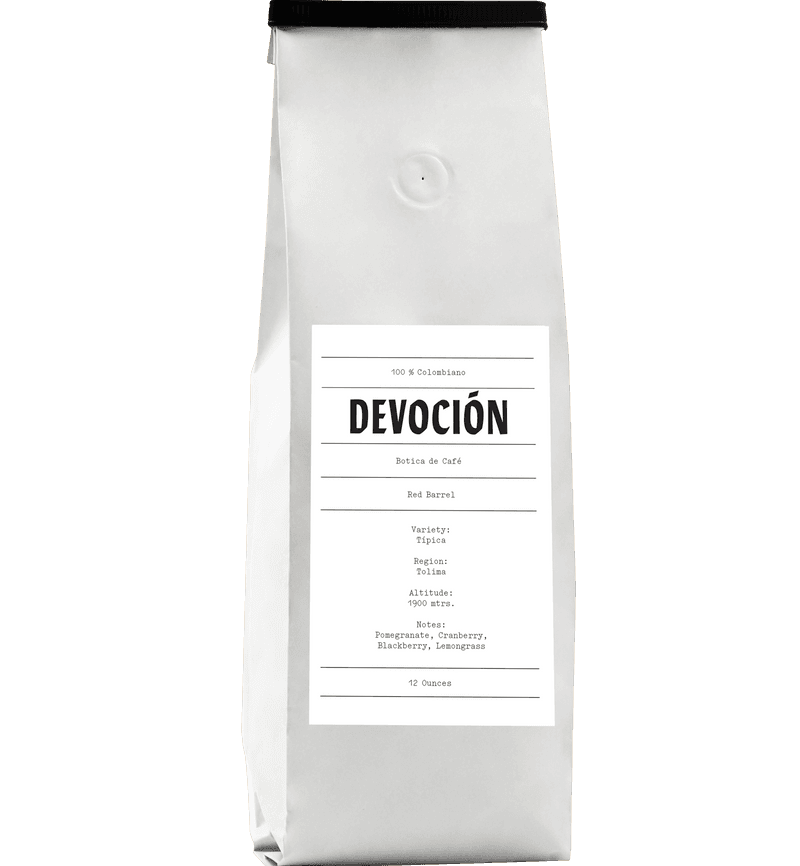
Devocion USA
RED BARREL
$20.37
MediumWhy: ColombiaFruityWashed

Theory Collaborative
Dark Side of the Bloom Blend
$21.50
DarkWhy: ColombiaFruityWashed
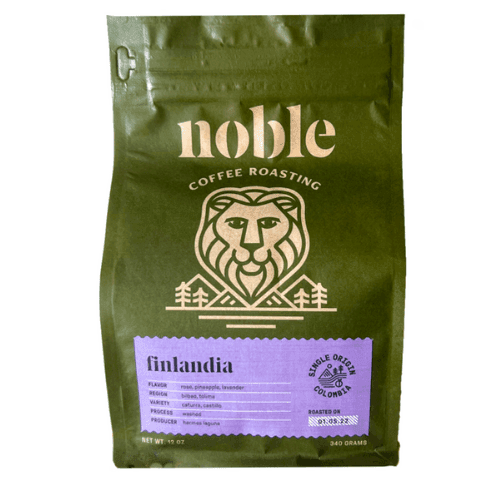
Noble Coffee Roasting
Colombian 'Finlandia'
$22.19
MediumWhy: ColombiaFruityWashed
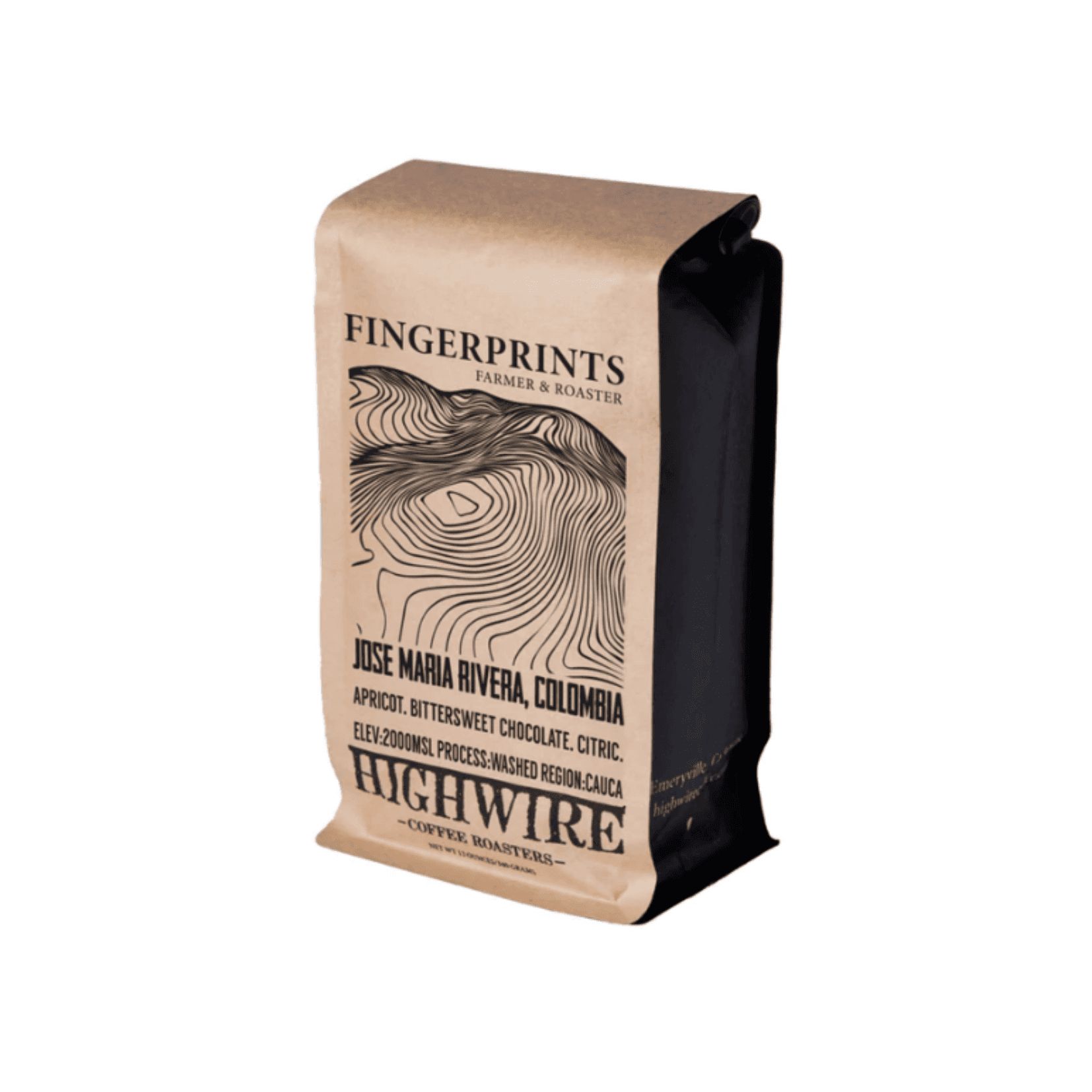
Highwire
Jose Maria Rivera, Colombia
$20.06
MediumWhy: ColombiaFruityWashed

Oak & Bond Coffee
Colombia Exótico De Altura
$19.50
MediumWhy: ColombiaFruityWashed

Oak & Bond Coffee
Scotch Whisky Barrel Aged Coffee
$25.99
MediumWhy: ColombiaFruityWashed

Monogram Coffee
Paola Trujillo
CA$43.50
Why: ColombiaFruityWashed

Monogram Coffee
Jairo Arcila Cherry Espresso
CA$34.00
Why: ColombiaFruityWashed


