Paradigm Spark
Sebastian Ramirez / Maragesha / Cold ferment washed
Quindío, Colombia
- Vasket
- Single origin
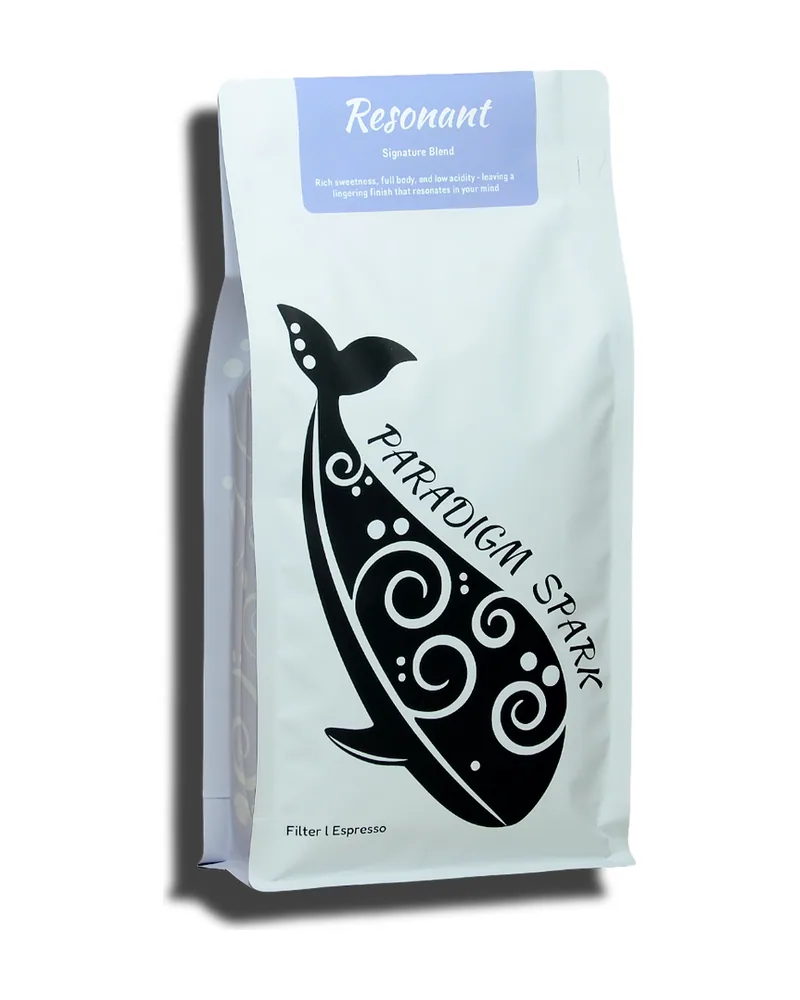
Sebastian Ramirez / Maragesha / Cold ferment washed er en kaffe fra Colombia, solgt av Paradigm Spark (Canada). Region: Quindío. Foredling: vasket. Variant: Maragesha. Brenneriets smaksnotater: red wine, pomegranate, eucalyptus. Pris: 47,00 CAD til 248,00 CAD, avhengig av størrelsen. Det vil si fra 248,00 CAD per kilo.
Ikke vurdert ennå · Bli den første til å vurdere den
fra47,00 CAD
≈ 248,00 CAD / kg
Du blir sendt til brenneriets butikk for å fullføre kjøpet.
- Brenneriet holder til i
- Canada
- Send til
- Norge · ✓ Ja, ifølge brenneriets nettbutikk
Smaksprofil
Fra opplysningene som brenneriets butikk har oppgitt.
Smaksnotater
- Red Wine
- Pomegranate
- Eucalyptus
Størrelser og priser
| Innhold | Per kg | Pris |
|---|---|---|
| 150g | 313,33 CAD | 47,00 CAD ↗ |
| 250g | 256,00 CAD | 64,00 CAD ↗ |
| 1kg | 248,00 CAD | 248,00 CAD ↗ |
Beskrivelse
SEZITA – red fruit flavours with exotic notes of tropical fruits
- Origin: Colombia
- Region: Quindío
- Producer: Sebastián Ramírez
- Farm: El Placer
- Variety: Maragesha
- Fermentation: 120 hours below 14C
- Drying: Washed
- Altitude: 2000m
- Flavour notes: Red Wine, Pomegranate, Eucalyptus
The Producer
Sebastián Ramírez is a fourth-generation Colombian coffee producer and the founder of El Placer Farms. Based in Colombia’s coffee-growing region of Quindío, Sebastián combines his family’s agricultural experience with a highly technical approach to fermentation, drying, and sensory development.
His work at El Placer is centred on creating distinctive coffees through careful cherry selection and precise control of variables such as temperature, pH, oxygen exposure, fermentation time, and drying conditions. Rather than applying the same process to every coffee, Sebastián develops individual protocols according to the variety, cherry condition, and flavour profile he wants to express.
El Placer Farms is known for both expressive experimental coffees and clean, variety-focused lots. While some El Placer coffees use co-fermentation or added fermentation ingredients, this Maragesha follows a carefully controlled washed process without the addition of fruit or spices. The intention is to reveal the character of the coffee through selective harvesting, cool fermentation, thorough washing, and slow drying.
The Maragesha Variety
Maragesha is an extremely rare coffee variety generally described within the specialty-coffee industry as having genetic characteristics associated with both Maragogipe and Gesha.
Maragogipe is recognized for its unusually large cherries, seeds, leaves, and tall tree structure. Gesha is internationally valued for its floral aromatics, refined acidity, citrus character, and elegant cup structure. Maragesha is therefore often presented as a rare selection that may combine the physical characteristics of Maragogipe with some of the aromatic and sensory potential associated with Gesha.
However, Maragesha is not yet a globally standardized variety with one universally documented genetic lineage. Different producers may use the name for locally discovered or selected trees showing characteristics associated with both parent varieties. For this reason, Maragesha coffees should be understood as rare, producer-selected lots whose quality and character depend on the individual plant material, growing environment, processing, and careful separation of the harvest.
In Sebastián Ramírez’s hands, the variety is processed with an emphasis on clarity and preservation. The long fermentation is conducted at a low temperature, helping to develop complexity while limiting excessive fermentation character.
Processing Details
1. Cherry selection
Only ripe coffee cherries measuring approximately 20° Brix are selected for this lot.
Brix is a measurement of soluble sugar concentration within the cherry. Selecting cherries at a consistent Brix level helps Sebastián begin the process with fruit at a similar stage of ripeness, supporting more even fermentation and a more cohesive final cup profile.
2. Floating
The selected cherries are placed in water for density separation.
Dry, damaged, hollow, or insufficiently developed cherries tend to float and are removed. Denser, properly developed cherries sink and continue to the next stage of processing.
3. Manual selection
Following flotation, the cherries are inspected and sorted by hand.
This additional selection removes immature, partially ripe, overripe, or visually damaged cherries that may have passed through the initial density separation. The combination of Brix measurement, flotation, and manual sorting creates a highly uniform starting material before fermentation begins.
4. Controlled fermentation
The fermentation is completed in three stages.
Phase One — Whole-cherry collection
The selected cherries are placed in GrainPro bags while the complete production lot is being collected. The bags limit unnecessary exposure to oxygen and help protect the cherries from premature oxidation before the primary fermentation begins.
Phase Two — Depulping and tank fermentation
Once the full lot has been assembled, the cherries are depulped using a stainless-steel depulper. The depulped coffee, with mucilage remaining around the parchment, is transferred into fermentation tanks for 120 hours.
Throughout the fermentation, Sebastián controls two important variables:
- pH is maintained at approximately 4.3
- Temperature is kept at or below 14°C
The low temperature is particularly significant. Cooler fermentation slows microbial activity, allowing the process to develop gradually over five days. This gives Sebastián greater control over the transformation of sugars and organic compounds within the remaining mucilage.
Maintaining a controlled pH helps prevent the fermentation from progressing too far into unstable or undesirable conditions. The objective is not to create an excessively fermented profile, but to build sweetness, aromatic complexity, and texture while preserving the identity and clarity of the Maragesha variety.
Phase Three — Washing
After the 120-hour fermentation, the coffee is thoroughly washed to remove the remaining mucilage and stop further fermentation.
This washing stage contributes to a cleaner cup structure, clearer flavour separation, and a more transparent expression of the variety.
5. Slow drying
The washed parchment coffee is transferred to a marquesina, a covered and ventilated drying structure commonly used in Colombia.
The coffee is dried gradually for approximately 8 to 15 days, depending on temperature, humidity, airflow, and weather conditions. The protective covering helps shield the parchment from rainfall and excessive direct sunlight while allowing controlled air circulation.
During drying, the coffee is monitored and regularly moved to encourage even moisture reduction. Drying continues until the beans reach approximately 11% moisture content.
This slow and measured approach helps protect the coffee’s cellular structure and reduces the risk of uneven drying, mould development, or excessive heat damage.
6. Stabilization
After drying, the coffee is rested for 20 days before final preparation and export.
This stabilization period allows moisture to redistribute more evenly throughout the bean. Immediately after drying, moisture levels can vary slightly between the outer and inner portions of the seed. Resting the coffee helps create a more stable and consistent condition before milling.
The stabilized coffee is then packed in GrainPro bags to protect it from external humidity, odours, and environmental contamination.
Spørsmål om Sebastian Ramirez / Maragesha / Cold ferment washed
Hvordan smaker Sebastian Ramirez / Maragesha / Cold ferment washed?
Brenneriets smaksnotater: red wine, pomegranate, eucalyptus. Smaksgrupper: fruktig.
Hvor kommer Sebastian Ramirez / Maragesha / Cold ferment washed fra?
Den kommer fra Colombia. Region: Quindío. Produsent: Sebastián Ramírez. Høyde over havet: 2 000 m. Variant: Maragesha.
Hvordan er Sebastian Ramirez / Maragesha / Cold ferment washed foredlet?
Foredlingsmetode: vasket.
Hva koster Sebastian Ramirez / Maragesha / Cold ferment washed?
Pris: 47,00 CAD til 248,00 CAD, avhengig av størrelsen. Det vil si fra 248,00 CAD per kilo. Prisene kommer fra butikken og kan endre seg. Butikken har gjeldende priser.
Hvor kan jeg kjøpe Sebastian Ramirez / Maragesha / Cold ferment washed?
I nettbutikken til Paradigm Spark: prisene på denne siden lenker dit. Ifølge butikken sin leverer de til Canada, Andorra, De forente arabiske emirater, Antigua og Barbuda, Anguilla, Albania og 150 andre land. Cafendo selger ikke kaffe selv.
Vurderinger
Ingen vurderinger ennå.
Liker du denne kaffen, prøv disse
Plukket ut fra andre brennerier etter felles opprinnelse, foredling, brenning, smaksnotater og pris. Kaffer som de samme menneskene har lagret eller vurdert høyt, teller mest.
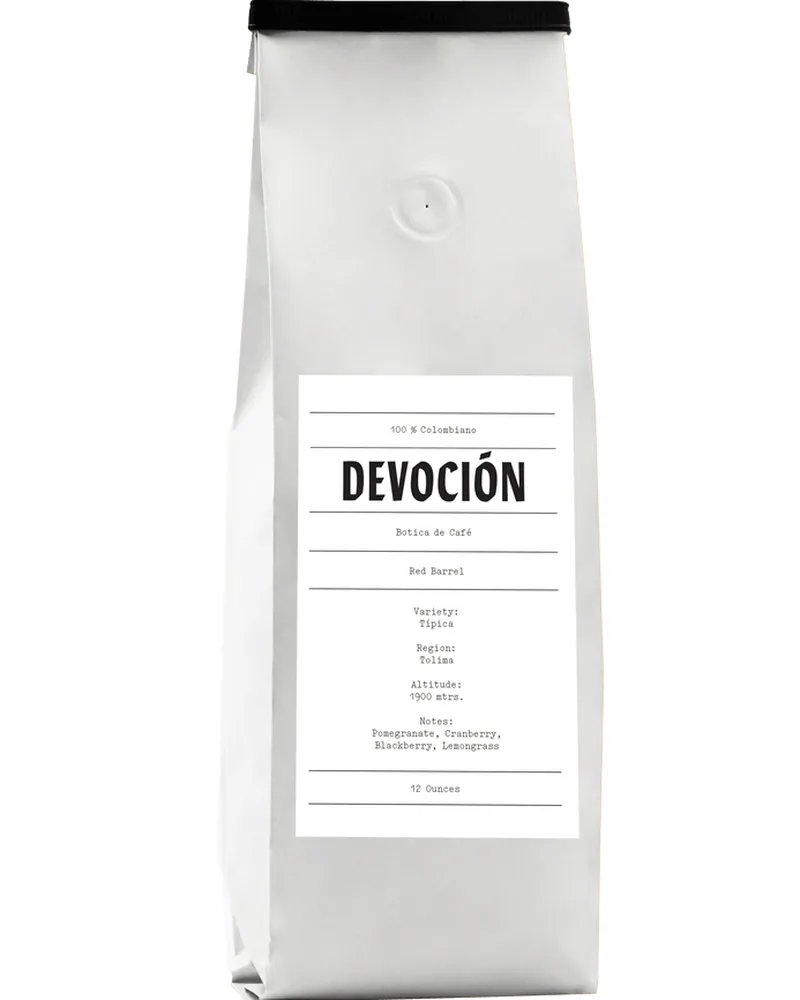
Devocion USA
RED BARREL
20,37 USD
MiddelsHvorfor: ColombiaFruktigVasket
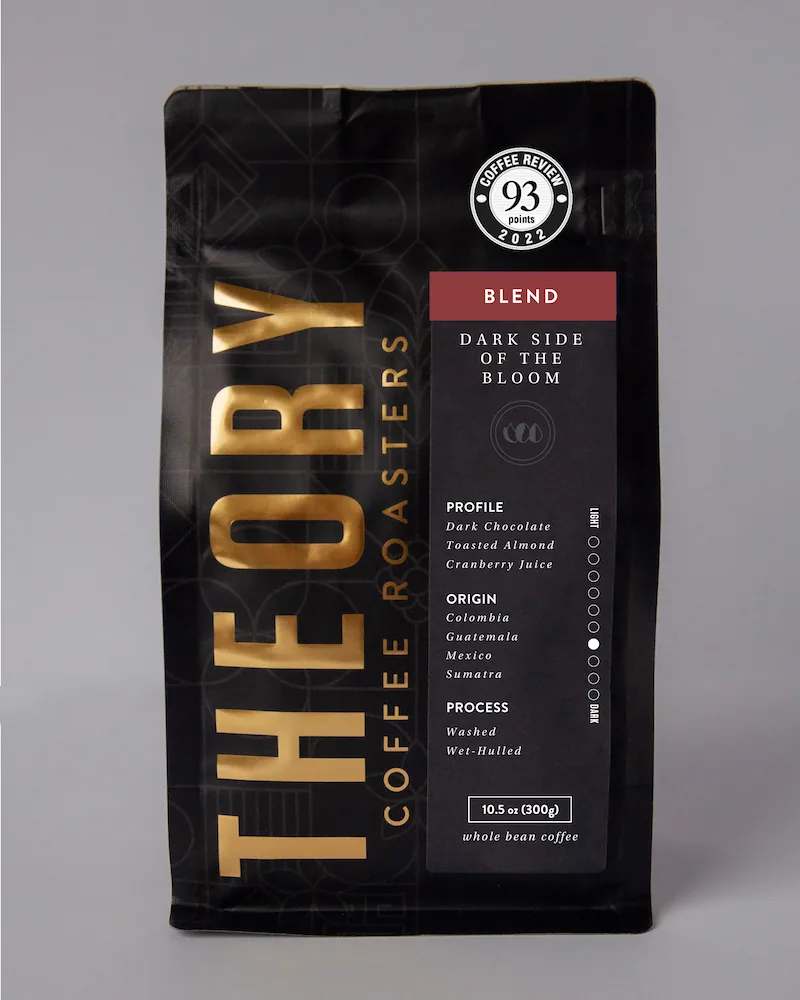
Theory Collaborative
Dark Side of the Bloom Blend
21,50 USD
MørkHvorfor: ColombiaFruktigVasket

Oak & Bond Coffee
Scotch Whisky Barrel Aged Coffee
25,99 USD
MiddelsHvorfor: ColombiaFruktigVasket
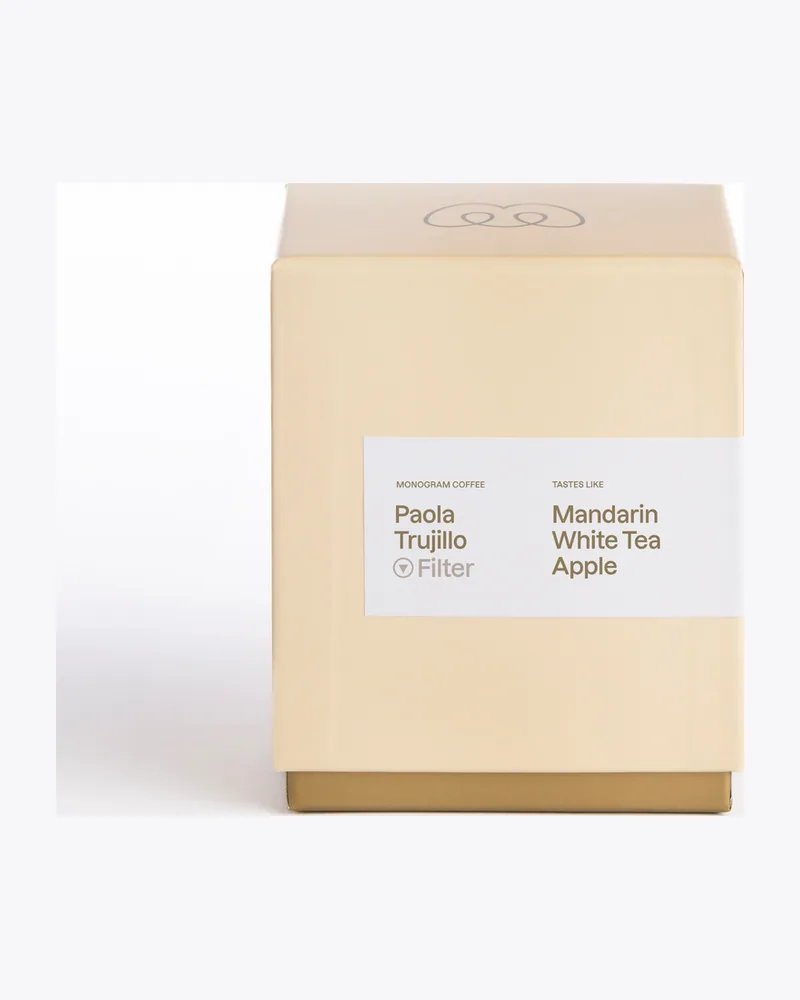
Monogram Coffee
Paola Trujillo
43,50 CAD
Hvorfor: ColombiaFruktigVasket
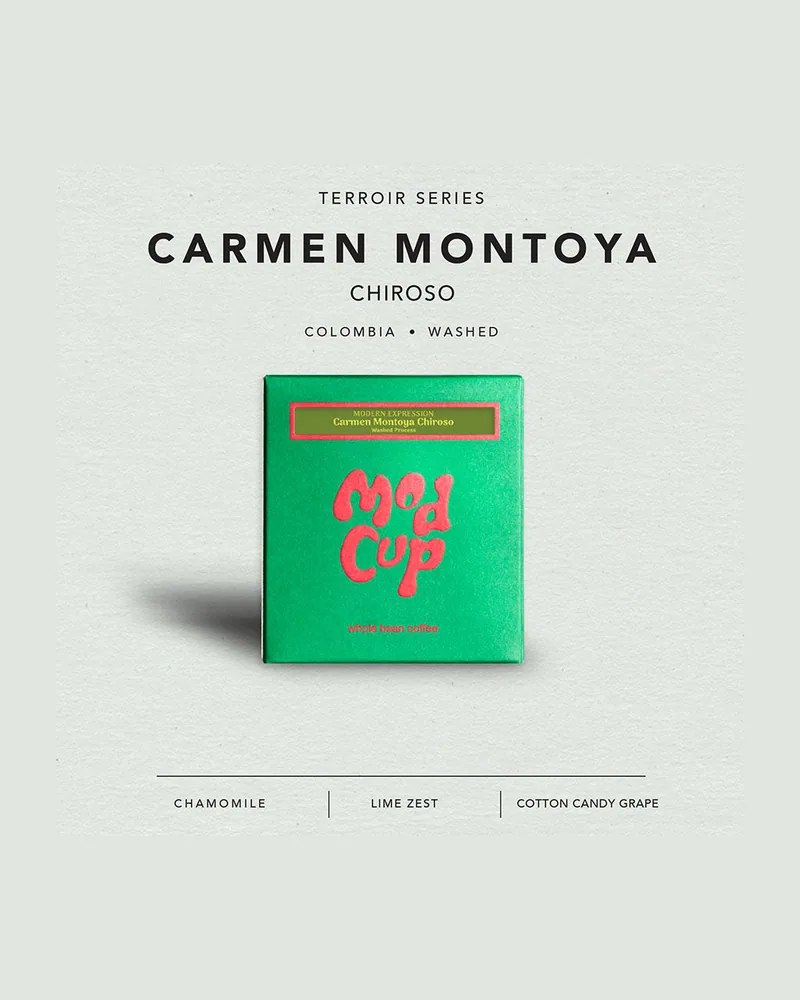
modcup coffee
Carmen Montoya Washed Chiroso
27,00 USD
LysHvorfor: ColombiaFruktigVasket

Coffee Exchange
Colombia Fondo Paez – Washed, American
23,75 USD
Hvorfor: ColombiaFruktigVasket
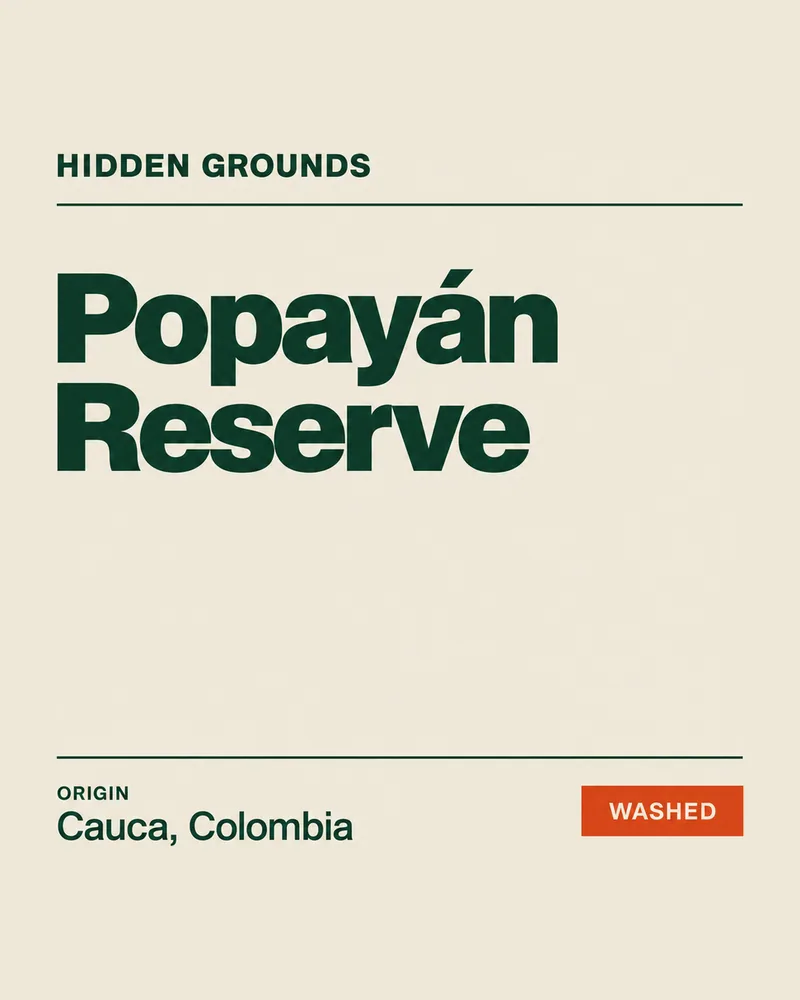
Hidden Grounds Coffee
Colombia Popayán Reserve
21,00 USD
MiddelsHvorfor: ColombiaFruktigVasket

Coroco Coffee
Colombia Finca Monteblanco Purple Caturra “Blueberry” Co-Ferment
29,95 USD
LysHvorfor: ColombiaFruktigVasket