


KAMAVINDI. KAMATHURA. KENIA
Kenya
- Washed
- Single Origin
Not rated yet · Be the first to review it
from€15.00
≈ €54.00 / kg
You’ll be taken to the roaster’s shop to complete your purchase.
- Roaster based in
- Austria
- Ship to
- United States · Not listed by the roaster’s shop
Sizes and prices
Description
KAMAVINDI. KAMATHURA. KENYA, EMBU.
FILTER COFFEE V60 / Aeropress / Kalita / Orea / French Press
We taste:
RED CURRANT JELLY.
ELDERFLOWER.
BLACK TEA WITH LEMON.
We taste: REDCURRANT JELLY. ELDERFLOWER. BLACK TEA WITH LEMON.
Kamavindi brings all the classic flavors you know from excellent Kenyan coffees, while also being sweet and especially juicy. A really good, really refreshing coffee—even on cooler days.
Processing: washed
Variety: Batian, Ruiru 11, SL28, SL34
Growing altitude: 1650m - 1800m
FOB: $ 4,54/lb
Importer: Coffee Quest, NL
"Kamathura" refers to carefully assembled lots sourced from various washing stations across Kenya. The name “Kamathura” is made up of two words: “KAMA” for Kamavindi and “THURA”, which means “selected” or “selection” in the local languages around Mount Kenya. Kamathura therefore means “Kamavindi’s selection.”
Kamavindi Coffee is a family business in Embu, Kenya, founded in 1958. Today, it has its own training center and cupping lab. Through its “Kamavindi Coffee Lab” initiative, the company trains cooperatives and processing facilities in processing and post-harvest methods, and also helps them establish direct connections with international buyers.
The washing stations mentioned process coffee from more than 5,000 smallholder farmers, whose farms are located between 1,650 and 1,800 meters. These lots consist of the classic Kenyan varieties: SL-28, SL-34, Batian, and Ruiru II.
The coffee is hand-picked, ensuring that only ripe red cherries are used. After the coffees are sorted, they undergo double fermentation: first, 20 hours of dry fermentation, followed by an intermediate wash to remove the mucilage, then another 20 to 24 hours of fermentation in tanks, before the coffee is washed and sorted once more. The coffee is then dried on raised beds for 14 to 21 days.
Reviews
No reviews yet.
Similar coffees
From Kenya, by other roasters
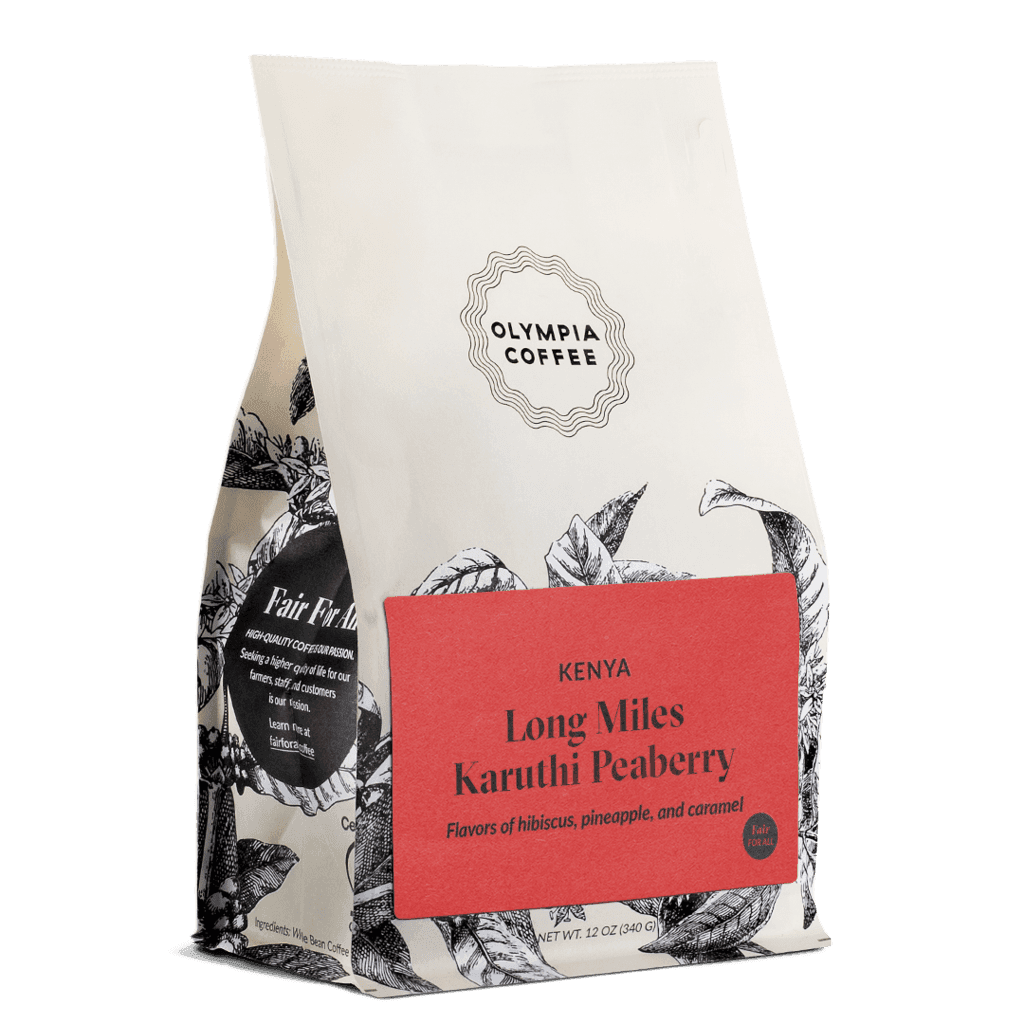
Olympia Coffee
KENYA Long Miles Karuthi Peaberry
$20.02
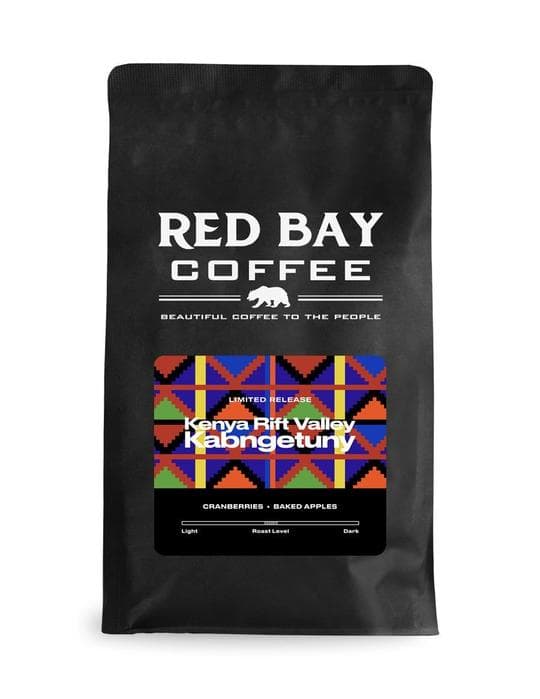
Red Bay Coffee
Kabngetuny
$20.43
Medium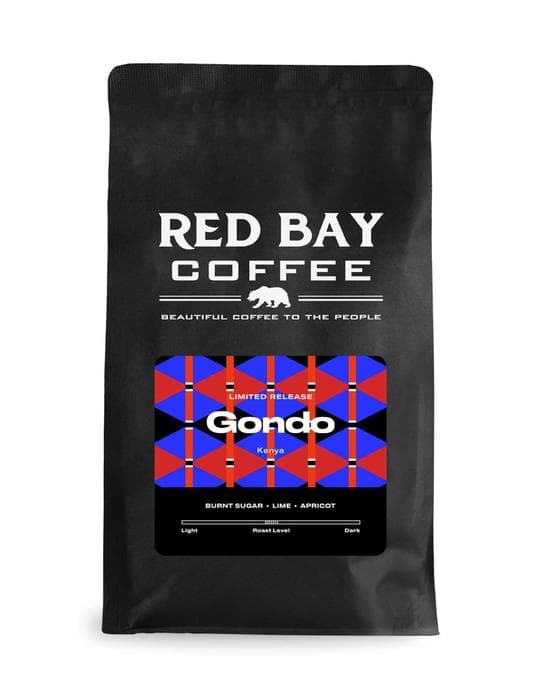
Red Bay Coffee
Gondo
$19.54
Medium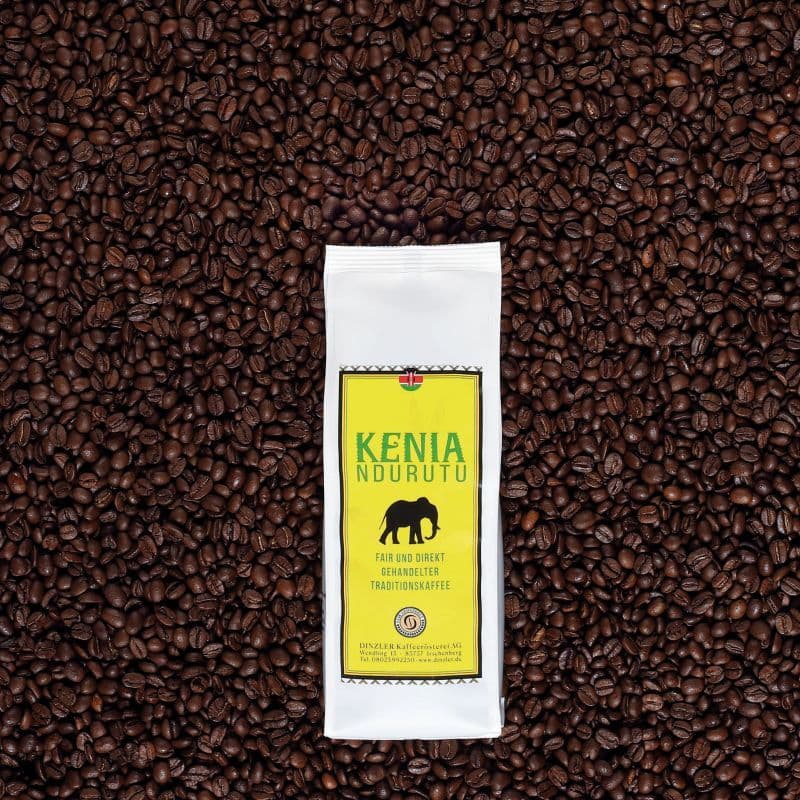
Dinzler Kaffeerösterei
DINZLER Coffee Kenya Ndurutu
$8.70
Light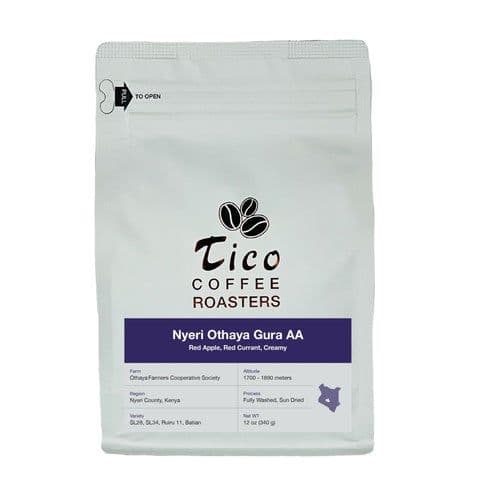
Tico Coffee Roasters
Kenya Nyeri Othaya Gura AA
$22.06
Medium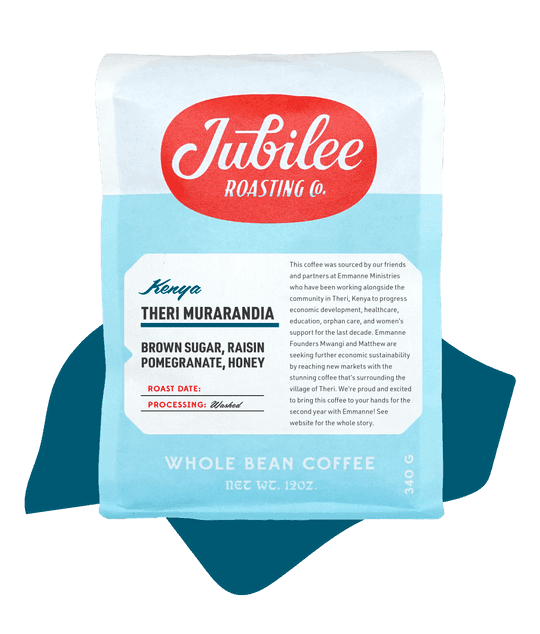
Jubilee Roasting Co.
KENYA THERI MURARANDIA
$16.58
Caffe Ladro
Kenya Komothai
$16.40
Light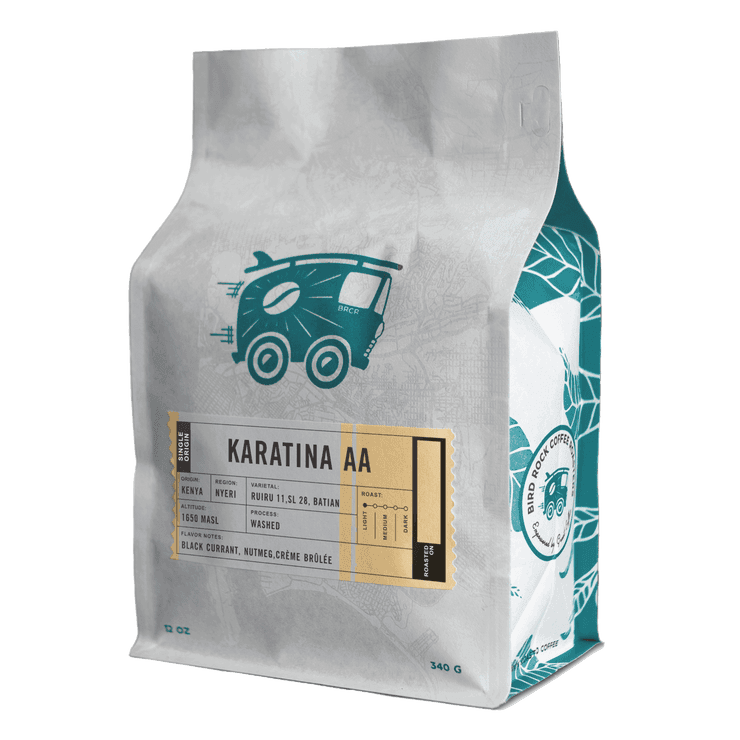
Bird Rock
KARATINA AA
$21.96
Light


