
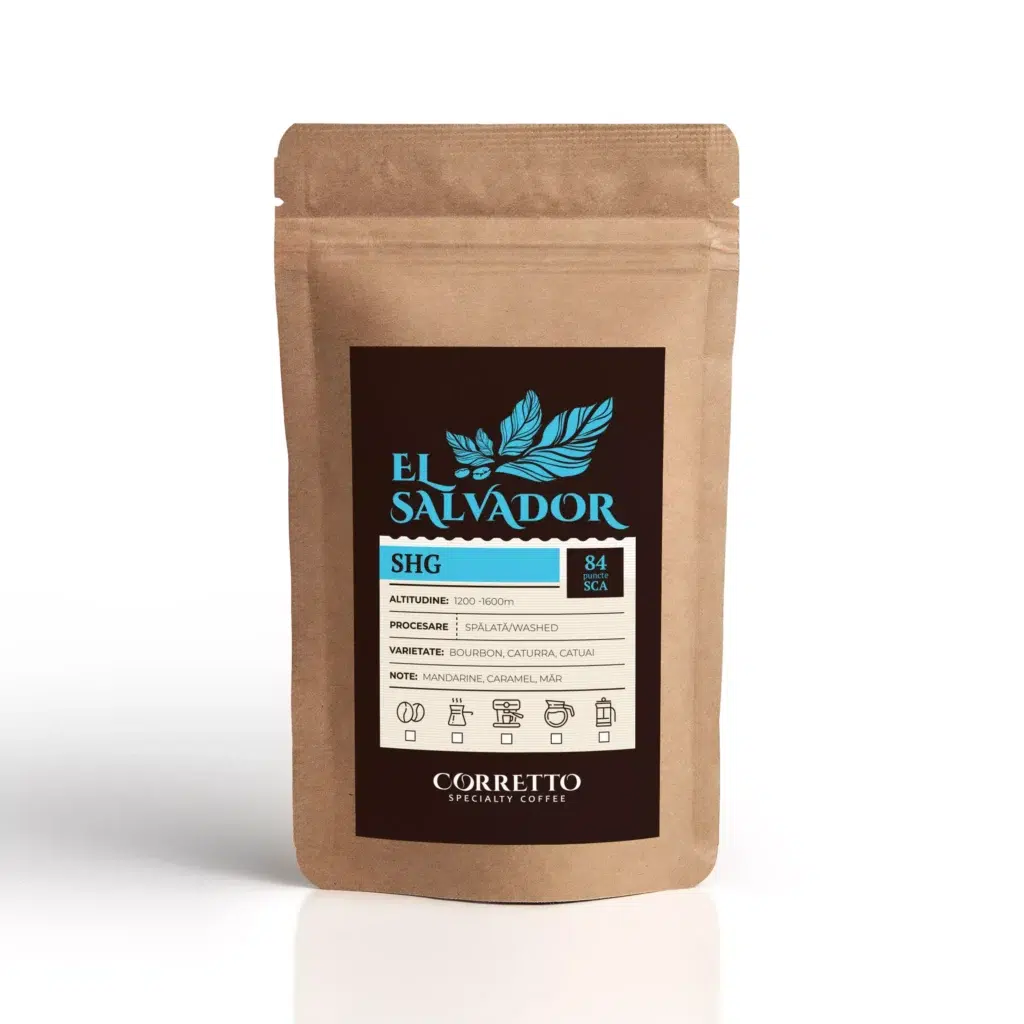
de Specialitate Corretto, El Salvador SHG, Washed, 100% Arabica, 84 puncte SCA
El Salvador
- Roast Level: Medium
- Washed
- Single Origin
Not rated yet · Be the first to review it
fromRON 48.00
≈ RON 216.00 / kg
You’ll be taken to the roaster’s shop to complete your purchase.
- Roaster based in
- Romania
- Ship to
- United States · Check on the roaster’s shop
🇸🇻 Origin: Central America, El Salvador, La Libertad region
🌱 Varieties: Bourbon, Caturra, Catuai
⛰️ Altitude: 1200 m – 1600 m
☕ Tasting notes: Tangerine, Caramel, Apple
Single-origin coffee from El Salvador, scoring 84 SCA points, roasted by Corretto to a Medium / Omni Roast profile. It has a medium body, pleasant malic acidity, and notes of tangerine, caramel, and apple. We recommend it for espresso and brew.
Taste profile
From the details listed by the roaster’s shop.
Tasting notes
- Tangerine
- Caramel
- Apple
- Roast LevelMedium
- LightDark
Sizes and prices
| Grind | Coffee Size | Per kg | Price |
|---|---|---|---|
| Whole Beans | 200g | RON 240.00 | RON 48.00 ↗ |
| Whole Beans | 400g | RON 240.00 | RON 96.00 ↗ |
| Whole Beans | 500g | RON 228.00 | RON 114.00 ↗ |
| Whole Beans | 1kg | RON 216.00 | RON 216.00 ↗ |
Description
El Salvador SHG Familia Pacas Specialty Coffee | Detailed Information and Description
🇸🇻 Origin: Central America, El Salvador, La Libertad region
👨🌾 Producer: Familia Pacas — Exportadora Pacas (fifth generation)
🌱 Varieties: Bourbon, Caturra, Catuai
⛰️ Altitude: 1200 m – 1600 m
💧 Processing: Washed
🔥 Roast profile: Medium / Omni Roast
☕ Tasting notes: Tangerine, Caramel, Apple
🍒 Acidity: Medium | Intensity: Medium
🫘 Body: Medium
📏 Bean size: Screen 17
🏆 SCA score: 84 points
⚙️ Recommended for: Espresso and brew methods (V60, Chemex, drip)
⏳ Optimal degassing: 7–14 days from the roast date
El Salvador Coffee Origin: Altitude, Terroir, and What Makes This Coffee Special
El Salvador is the smallest country in Central America, but its size has nothing to do with the coffee it produces. In the late 1800s, the country was the world's fourth-largest coffee producer, and today it remains an origin known for varieties such as Bourbon and Pacamara.
This lot comes from farms in the area around Cerro Verde volcano and Llamatepec volcano (Santa Ana), in the La Libertad department. Altitude ranges from 1200 to 1600 meters, and the SHG (Strictly High Grown) classification confirms that the beans grew above the 1200 m threshold—the zone where bean density increases and the coffee's flavor becomes clearer.
The volcanic soil here is mineral-rich and well-drained. Coffee trees grow in the shade, protected by the canopy of other trees, which slows cherry maturation and gives them time to accumulate sugars. This terroir produces clean, balanced coffees without extremes—exactly what you associate with Central America.
100% Arabica Coffee from Familia Pacas—Five Generations of Coffee
This lot is produced by Exportadora Pacas, a fifth-generation family business. Familia Pacas grows, processes, and exports specialty coffee—they're not just farmers, but processors too, giving them complete control over coffee quality, from the tree to the green bean ready for export.
The cherries are hand-picked at full ripeness and sorted on-site. Any unripe, dried, or green cherries are separated before the lot reaches the processing station. This lot contains three varieties grown in the shade on the hills around Cerro Verde: Bourbon (known for its natural sweetness and syrupy body), Caturra (a dwarf mutation of Bourbon, with well-defined citrus acidity), and Catuai (a productive hybrid that adds balance and consistency). The beans are screen 17—uniform sorting matters during roasting because each bean absorbs heat at the same rate.
One detail worth mentioning: Pacas isn't just a name on the label. The “Pacas” variety—a natural mutation of Bourbon discovered in 1949 on the family's farms—actually bears their name.
Processing at Beneficio Vivagua: Traceability from Cherry to Cup
After sorting, the cherries are taken to Beneficio Vivagua, the Familia Pacas processing station, located in the Zapotitán Valley in La Libertad—about 40 minutes from the capital, San Salvador.
The processing method is classic washed, with a few details that make a difference. First, the pulp is mechanically removed. The separated pulp isn't discarded—it's collected weekly and transported back to the farm, where it's used as natural fertilizer for the coffee shrubs. This circular-economy practice improves the soil and reduces waste.
After pulping, the beans ferment for 6 hours, then are washed with fresh water. Next, they are pre-dried on patios for three days, until the moisture content drops to 25–30%. Then the beans go into mechanical dryers for 30–35 hours, until they reach 11.7–12% moisture—the optimal level for storage. The coffee rests in parchment for a period before final dry milling, where the beans are sorted mechanically (by size, density, and color) and by hand.
This complete traceability—from the exact farm to the processing station to the drying parameters—is what sets a specialty lot apart from commercial coffee.
Tasting Profile: Notes of Tangerine, Caramel, and Apple
If you usually drink dark-roast coffees or classic espresso and want to take the next step toward fruitier coffees, the SHG Familia Pacas lot is a great place to start.
Roasted by Corretto to a Medium / Omni Roast profile, this coffee works for both espresso and brew without any adjustments. The body is medium—not heavy, not thin, but balanced. The acidity is medium and malic: think of the acidity of a juicy apple that makes your mouth water. It's not the sharp acidity of a lemon, but a rounded, pleasant one.
The dominant aroma is tangerine—citrus acidity, with a natural sweetness behind it that green citrus doesn't have. The second note is caramel, which gives the body a slightly syrupy texture. And finally, apple—a clean fruity note that brings everything together in a balanced cup.
This medium body, with its caramelized texture, is less common in washed coffees with fruity notes. Usually, washed processing produces clean coffees with a lighter body. Here, the combination of varieties (Bourbon for natural sweetness, Caturra for acidity, Catuai for body) and the medium roast profile preserve both the fruit and the substance.
What Does SHG (Strictly High Grown) Mean?
SHG is a grading standard used in Central America—Guatemala, Costa Rica, Honduras, and El Salvador. It certifies that the beans grew above 1,200 meters (the exact threshold varies slightly from country to country).
Why does altitude matter? Above 1,200 m, temperatures are cooler, cherries ripen more slowly, and the beans become denser. A dense bean absorbs heat differently in the roaster and usually produces a more aromatically complex cup. The SHG classification doesn't guarantee good flavor (you can have an SHG lot with defects), but it's a solid indicator that the beans had good growing conditions.
The grade immediately below SHG is HG (High Grown)—coffee grown between 900 m and 1,200 m. Below 900 m is the Central Standard category, rarely used in specialty coffee.
How to Brew El Salvador SHG Coffee at Home
The Omni Roast profile means this lot was roasted to work well with any brewing method—espresso or brew. Its medium body and medium acidity make it versatile: you don't have to adjust your recipe much to get a good cup.
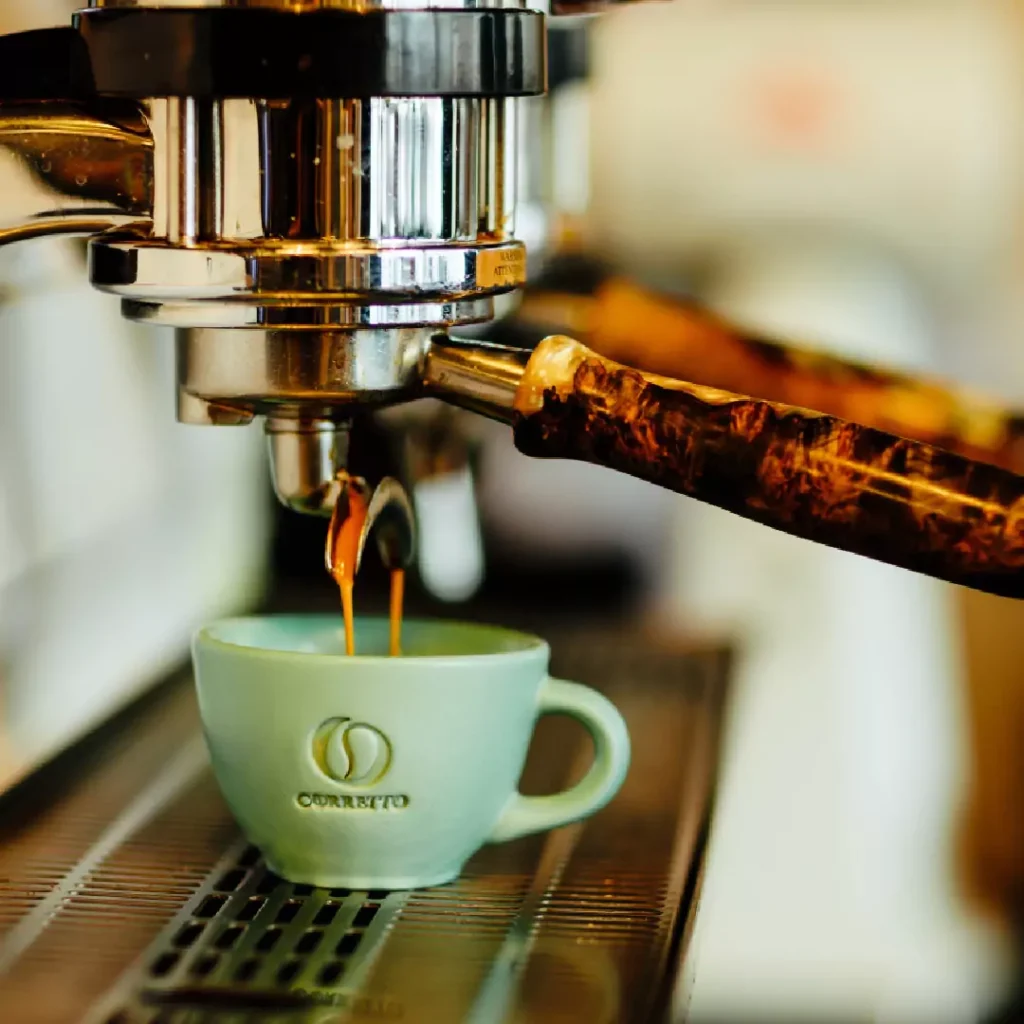
Espresso Recipe
Dose: 18g coffee (fine grind)
Yield: 36g–40g in the cup
Extraction time: 25–30 seconds
The shot is clean, with stable crema and caramel notes up front. The acidity is mild in espresso—the tangerine is more subtle, while sweetness takes the lead. In a cappuccino or flat white, the milk naturally complements the caramel and apple notes.
☕ Corretto tip: If you're coming from a classic espresso (Brazil, Guatemala) and want to bring out more of the fruity notes, pull at a 1:2.5 ratio (18g → 45g). The longer extraction brings out the tangerine without losing body.
Brew Recipe (V60 / Chemex / Drip)
Dose: 15g coffee for 250ml water
Grind: medium (like coarse salt)
Water temperature: 92–95°C
Total time: 3:00–3:30 minutes
With drip, the malic acidity stands out and apple becomes the dominant note. Tangerine adds citrus brightness in the first sip, while caramel comes through more in the aftertaste. If you don't drink coffee with milk, brew brings out the best this lot has to offer.
☕ Corretto tip: Let the beans degas for at least 7–10 days from the roast date (printed on the bag) before grinding them. With an 84-point SCA coffee, the difference in clarity is noticeable.
Choose the Right Grind
El Salvador SHG Familia Pacas coffee is available in our coffee shop as whole bean or freshly ground, depending on how you prefer your order. If you're not sure which grind size is right for you, we've prepared a complete guide to the four grind types—Espresso, Drip, Ibrik, and French Press—with parameters, ratios, and practical tips for each. You'll find it in the “Grind Types” tab on this page.
Reviews
No reviews yet.
Similar coffees
From El Salvador, by other roasters
Steamhouse
Pack of 12 El Salvador capsules
$6.50
Medium
Steamhouse
Pack of 72 El Salvador capsules
$32.50
Medium
Two Wheels Coffee
El Salvador EL Horno specialty coffee
$5.29
Medium
Faith In Coffee
Moonlight Jive
$10.06
Medium
Ghost Town Coffee
El Salvador - El Manzano
$13.83
Medium
Ghost Town Coffee
El Salvador - Cedro
$15.14
Medium
Hannoversche Kaffeemanufaktur
El Salvador Finca Las Tinieblas
$9.50
Medium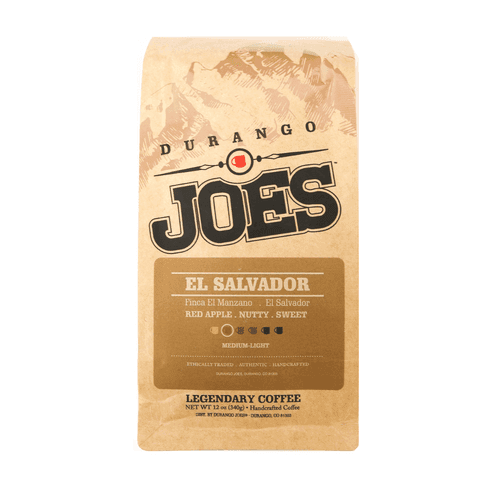
Durango Joes Coffee
El Salvador
$15.30
MediumMore from Caffè Corretto
All products from Caffè Corretto →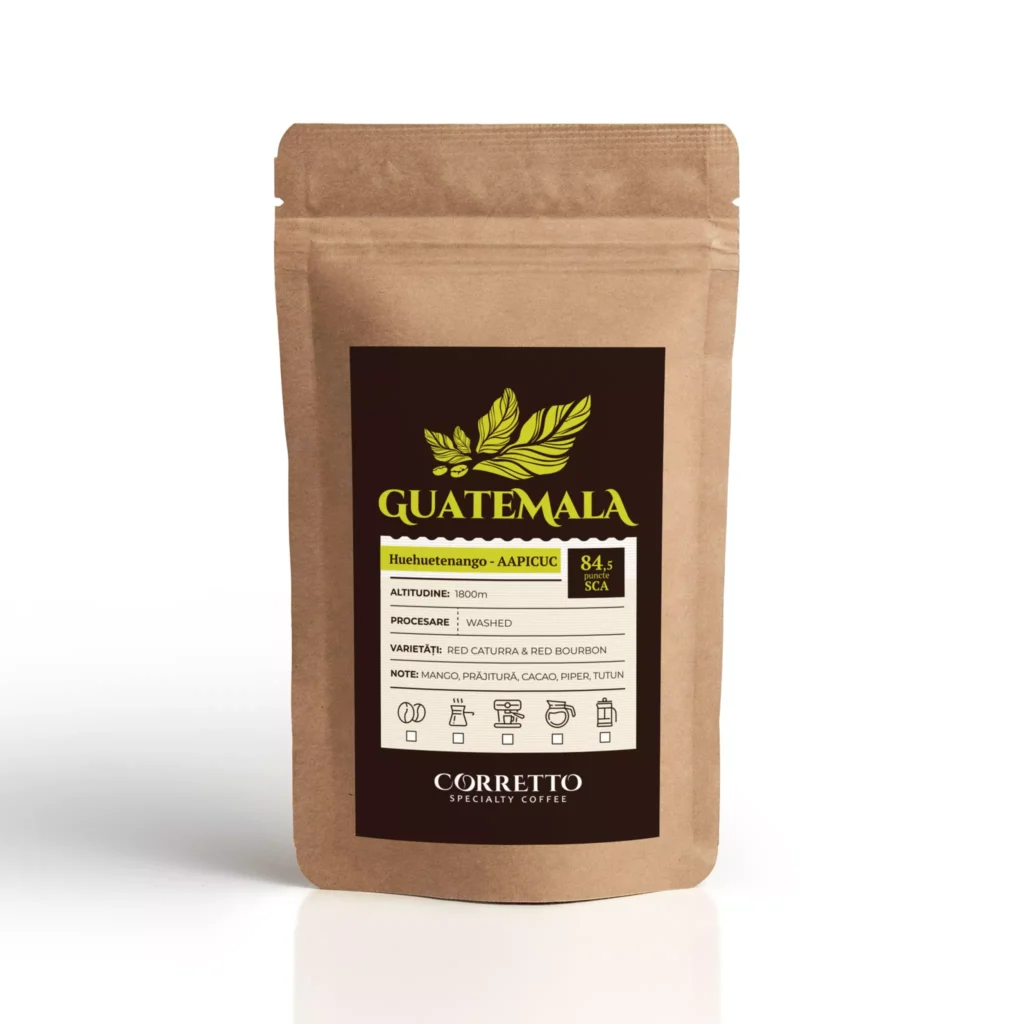
Caffè Corretto
de Specialitate Corretto, Guatemala Huehuetenango, Washed, 100% Arabica, 84,5 puncte SCA
RON 38.00
Medium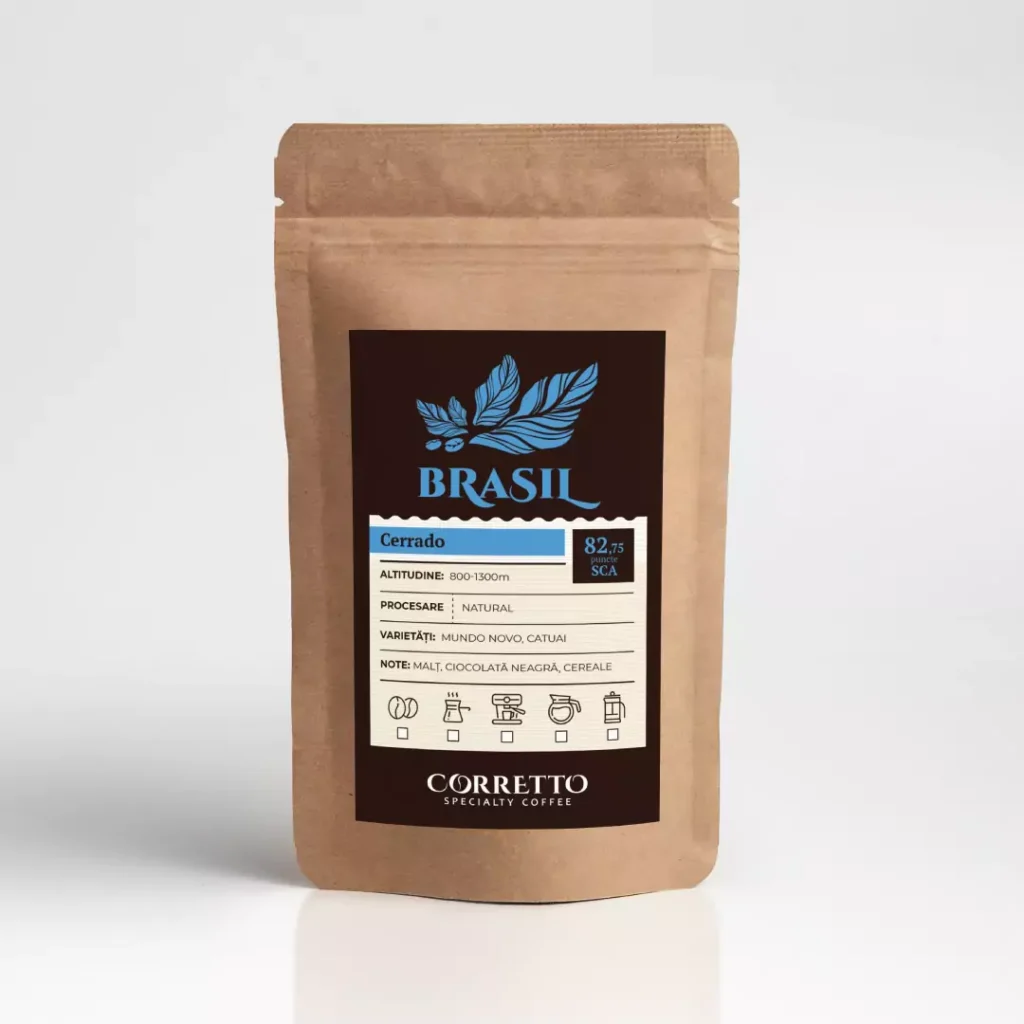
Caffè Corretto
de Specialitate Corretto, Brazilia Cerrado, Natural, 100% Arabica, 82,75 puncte SCA
RON 32.00
Caffè Corretto
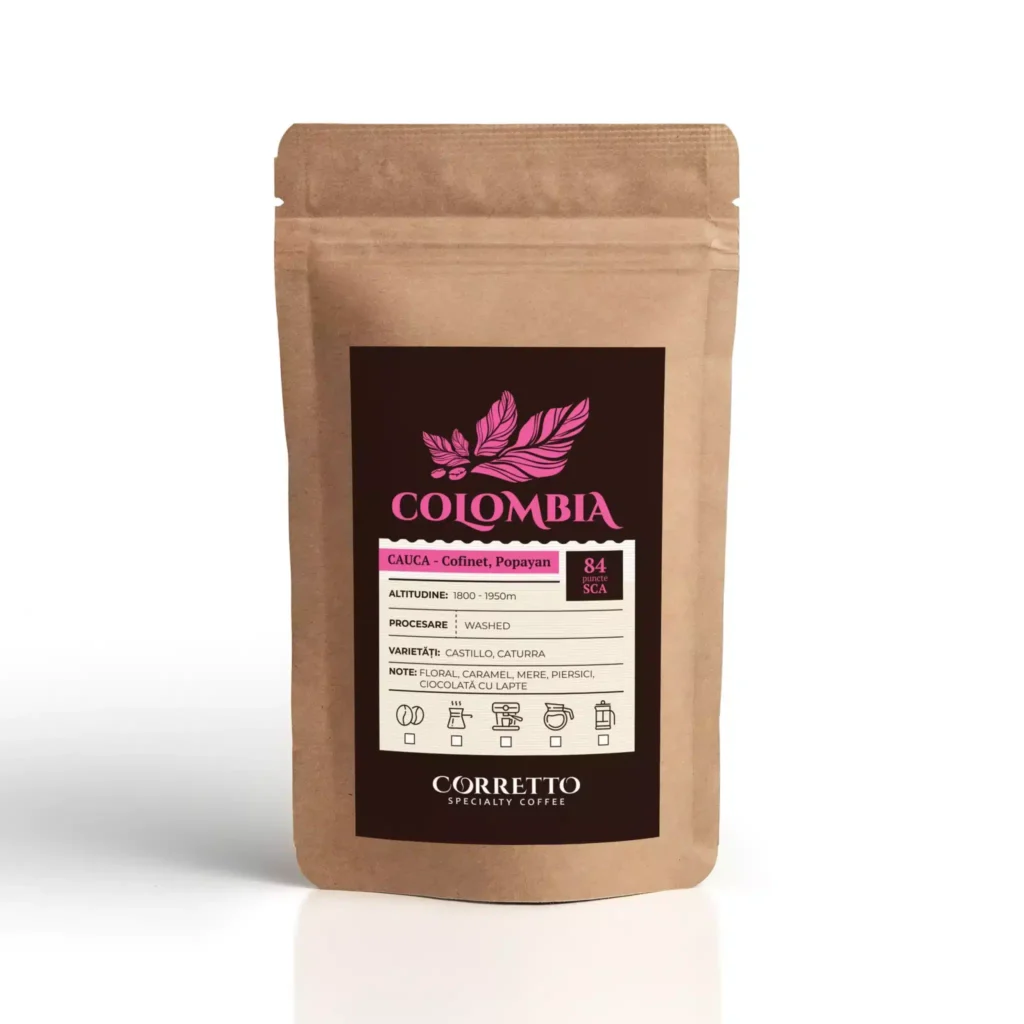
de Specialitate Corretto, Columbia Cauca Popayan, Washed, 100% Arabica, 84 puncte SCA
RON 36.00
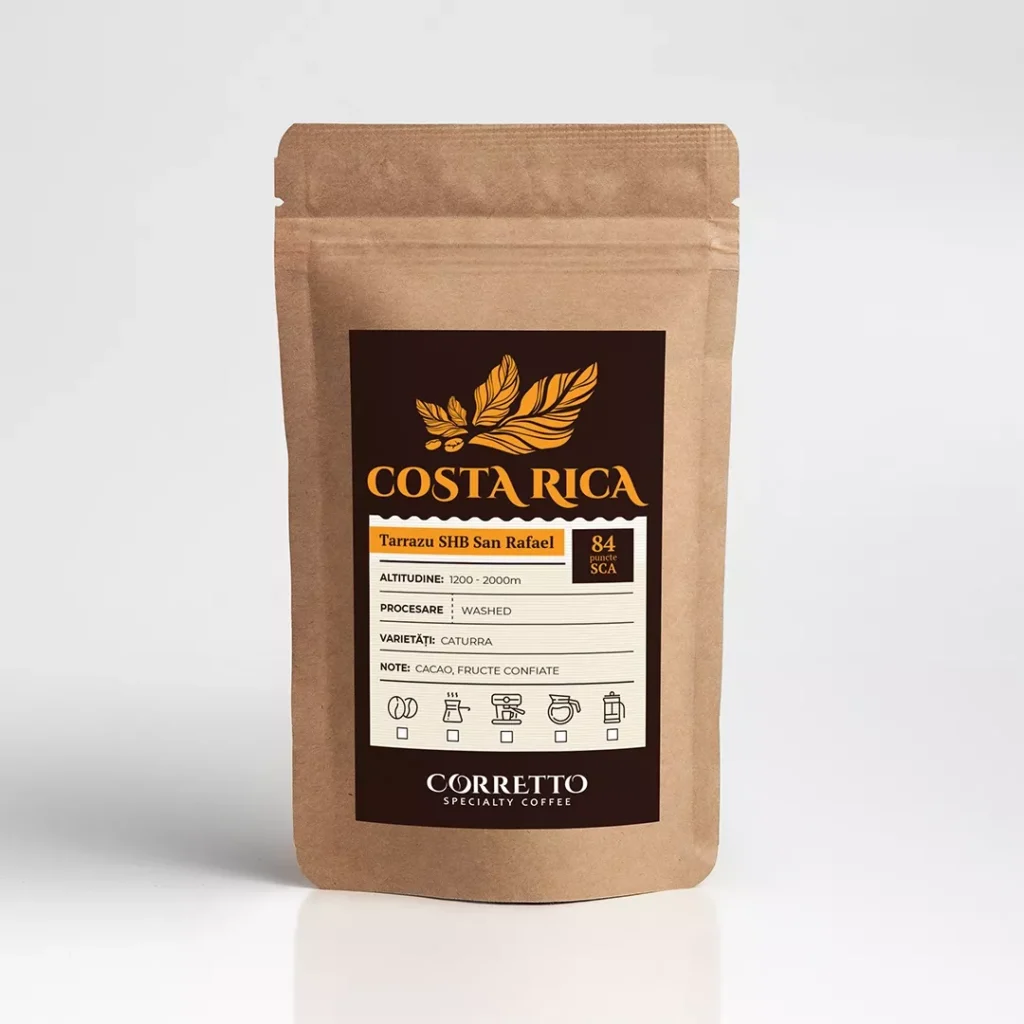
Caffè Corretto
de Specialitate Corretto, Costa Rica Tarrazu SHB San Rafael, Washed, 100% Arabica, 84 puncte SCA
RON 38.00
Medium