
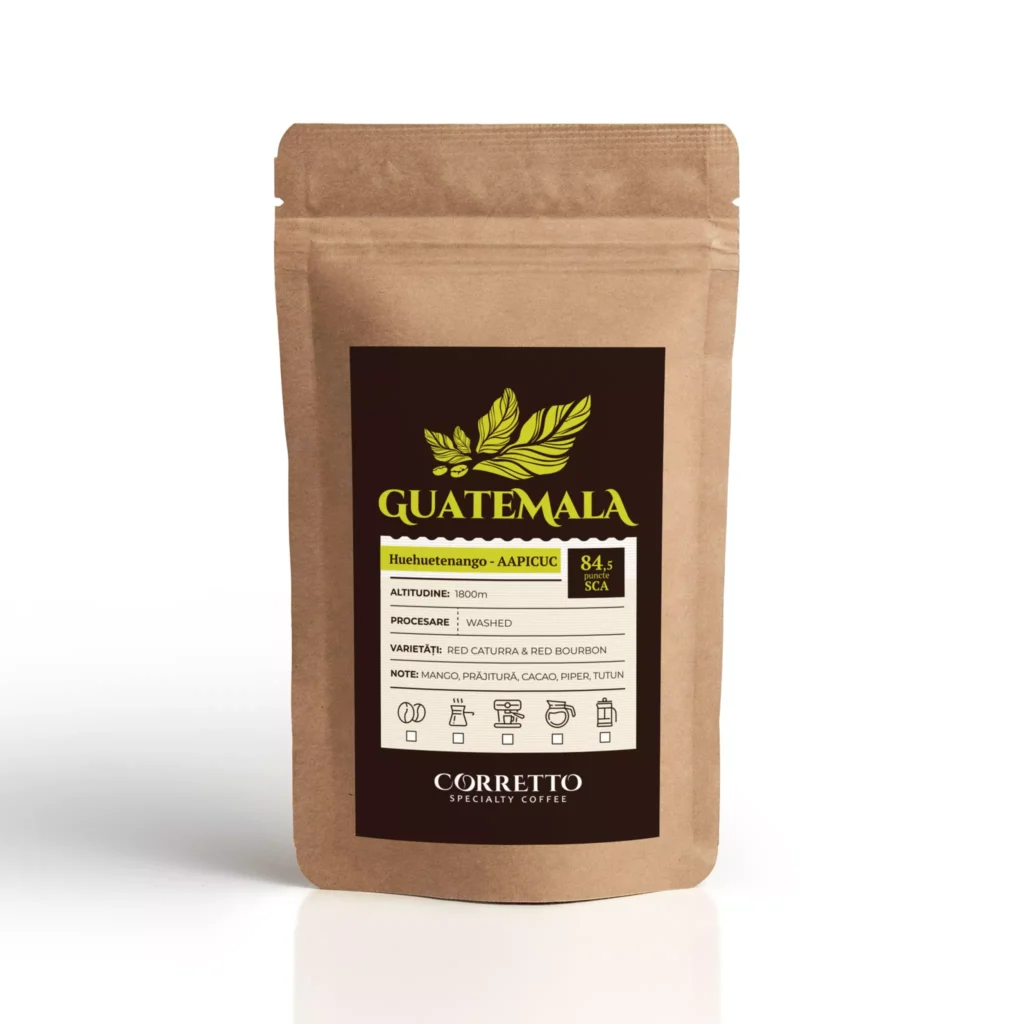
de Specialitate Corretto, Guatemala Huehuetenango, Washed, 100% Arabica, 84,5 puncte SCA
Guatemala
- Roast Level: Medium
- Washed
- Single Origin
Not rated yet · Be the first to review it
fromRON 38.00
≈ RON 171.00 / kg
You’ll be taken to the roaster’s shop to complete your purchase.
- Roaster based in
- Romania
- Ship to
- United States · Check on the roaster’s shop
🇬🇹 Origin: Central America, Guatemala, Huehuetenango Department
🌱 Varieties: Red Caturra, Red Bourbon
⛰️ Altitude: 1,800 m
☕ Tasting notes: Mango, Cake, Cacao, Pepper, Tobacco
Single-origin coffee from Guatemala, scoring 84.5 SCA points, medium-roasted by Corretto as an Omni Roast. Full body and low acidity in a characterful coffee that surprises with its complexity. Recommended for espresso and brew.
Taste profile
From the details listed by the roaster’s shop.
Tasting notes
- Mango
- Cake
- Cacao
- Pepper
- Tobacco
- Roast LevelMedium
- LightDark
Sizes and prices
| Grind | Coffee Size | Per kg | Price |
|---|---|---|---|
| Whole Beans | 200g | RON 190.00 | RON 38.00 ↗ |
| Whole Beans | 400g | RON 190.00 | RON 76.00 ↗ |
| Whole Beans | 500g | RON 180.50 | RON 90.25 ↗ |
| Whole Beans | 1kg | RON 171.00 | RON 171.00 ↗ |
Description
Guatemala Huehuetenango Specialty Coffee | Detailed Information and Description
🇬🇹 Origin: Central America, Guatemala, Huehuetenango Department, Unión Cantinil area
👨🌾 Producer: AAPICUC Cooperative (~70+ small farmers)
🌱 Varieties: Red Caturra, Red Bourbon
⛰️ Altitude: 1,800 m
💧 Processing: Washed
🔥 Roast profile: Medium / Omni Roast
☕ Tasting notes: Mango, cake, cacao, pepper, tobacco
🍒 Acidity: Low | Intensity: Medium
🫘 Body: Full
📏 Bean size: Screen 16
🏆 SCA score: 84.5 points
⚙️ Recommended for: Espresso and brew methods (V60, Chemex, drip)
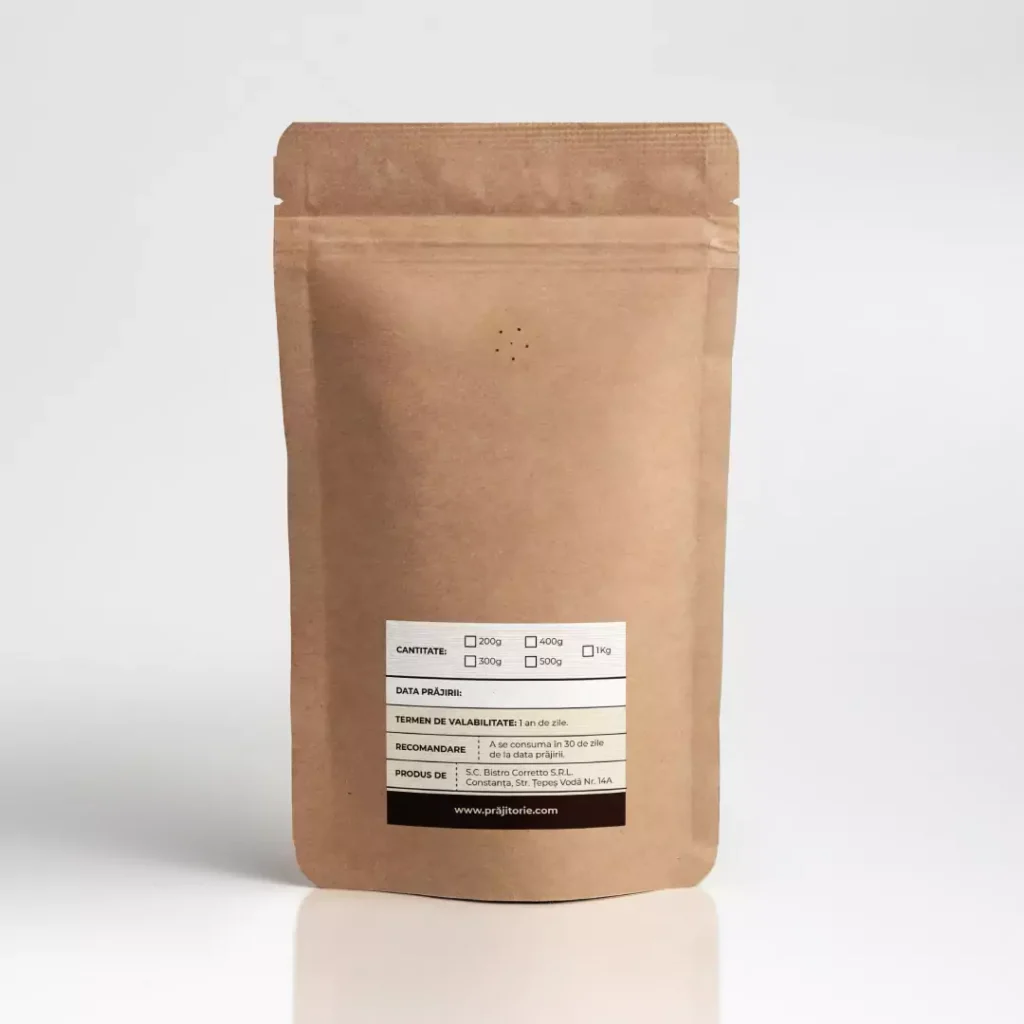
⏳ Optimal degassing: 7–14 days from the roast date
📦 Guatemala specialty coffee available in 200 g, 400 g, 500 g, and 1 kg bags
Guatemala Coffee Beans: One of the Most Respected Origins in Central America
Guatemala is a small country with a coffee-growing tradition spanning more than 150 years. Arabica coffee is grown on the volcanic slopes in the south and west of the country, across eight distinct regions—each with its own microclimate, soil, and flavor profile. Of them all, Huehuetenango consistently produces some of the most complex and sought-after lots.
Huehuetenango is in northwestern Guatemala, near the border with Mexico. It has the highest coffee-growing elevations in the country—coffee is grown as high as 2,000 m—and its climate is unlike that of any other region in the country. Warm air rising from the Mexican plains meets cold air descending from the Cuchumatanes Mountains, and this circulation protects the plantations from frost, even at extreme elevations. That’s why coffee can be grown higher in Huehuetenango than almost anywhere else in Central America.
The soil is volcanic, well-drained, and rich in minerals. Farmers in the area are mostly small producers—many with plots smaller than one hectare—and the coffee cherries are picked by hand, one by one.
AAPICUC Cooperative: Beekeepers and Coffee Growers from Unión Cantinil
AAPICUC stands for Asociación de Apicultores y Caficultores de Unión Cantinil—a cooperative founded in 2013 that brings together more than 70 small farmers in the Unión Cantinil area of Huehuetenango. The name tells you something about its members: they are both coffee growers and beekeepers. Around 10 cooperative members also raise bees, which is more than just a detail—the presence of bees and beehives on coffee farms helps with pollination and maintaining biodiversity.
The cooperative emphasizes sustainable agricultural practices. Coffee pulp left over after processing is composted with other organic materials and used as fertilizer on the coffee fields. It’s a closed loop: what comes out of the coffee goes back into the soil, and the soil nourishes the next crop.
This lot comes from an altitude of 1,800 m—a high elevation even by Huehuetenango standards. At this altitude, the cherries ripen slowly, and the beans accumulate sugars they wouldn’t develop at lower elevations.
Red Caturra and Red Bourbon Varieties
This lot combines two varieties from the Bourbon lineage, both in their “Red” versions—meaning the fruit is red when ripe (as opposed to Yellow/Amarelo versions).
Red Bourbon is one of the two basic genetic lineages of Arabica. It came to Central America from Yemen via Bourbon Island (now Réunion), and from there spread throughout the region. Bourbon produces sweet coffees with full body and high aromatic complexity, but it is vulnerable to disease and less productive than modern varieties.
Red Caturra is a dwarf mutation of Bourbon, discovered in Brazil. It is more compact, more productive, and adapts well to high elevations. It retains Bourbon’s citrus acidity, but in a more concentrated form.
Together, the two varieties produce a lot with full body (from Bourbon), low but present acidity (from Caturra grown at high altitude), and aromatic complexity that comes through especially in the unusual notes of pepper and tobacco.
The beans are screen size 16, ensuring uniform sorting during processing and an even roast.
Washed Processing
The AAPICUC lot is processed using the washed method. After being picked by hand, the cherries are mechanically depulped, the beans undergo controlled fermentation, are washed with fresh water, and are sun-dried to 11–12% moisture.
Washed processing is the standard in Guatemala—and it’s the method that lets terroir notes stand out without interference from the sweetness of the pulp. For a lot with such a complex profile (five notes), clean processing is essential: each note needs to be distinct, not masked by fermentation residue or overlapping fruit notes.
Tasting Profile: Mango, Cake, Cacao, Pepper, and Tobacco
This lot has an uncommon profile. Its five tasting notes span a wide range—from tropical fruit to spices—and make Guatemala Huehuetenango one of the most distinctive coffees in the Corretto lineup.
Mango is the opening note—a sweet, juicy tropical fruit that comes through clearly in the first sips. It’s not the kind of fruity acidity you get in a Kenya (raspberry, currants—red, sharp fruits). Mango is rounder, gentler, and more tropical.
Cake comes through next—a baked sweetness, like leavened dough, giving the cup a pleasant texture and a comforting feel. Cacao rounds out the base: not mild milk chocolate (like you get in Colombia Cauca), but deeper cacao with an elegant touch of bitterness.
Then come the notes that set this lot apart from anything else in the lineup: pepper and tobacco. Pepper appears in the aftertaste as a slight spiciness—not hot, but seasoned, like freshly ground black pepper. Tobacco is the last note to linger: a dry, warm aroma, like unfermented tobacco leaves. The pepper-and-tobacco combination gives the finish a gravitas that the fruity, sweet notes at the beginning don’t suggest.
The body is full—it has substance and weight in the mouth. Acidity is low, allowing the spice and tobacco notes to express themselves without competition. Intensity is medium.
With 84.5 SCA points, the lot confirms a solid specialty coffee profile—but the score matters less than what you taste in the cup.
How to Brew Guatemala Coffee at Home
The full body and low acidity make this freshly roasted lot a great choice for espresso. The Omni Roast profile also makes it work very well for brew, where its aromatic complexity fully opens up.
Espresso Recipe
Dose: 18 g coffee (fine grind)
Yield: 36–40 g in the cup
Extraction time: 25–30 seconds
The shot is dense, with a thick crema and a cacao-and-cake base. Mango comes through as a rounded sweetness, while pepper appears in the finish as a gentle warmth. In a cappuccino, the full body balances the milk without getting lost—the cake and cacao notes combine with the milk in a way that brings dessert to mind.
☕ Corretto Tip: To bring out more of the pepper and tobacco notes, reduce the yield to 32–34 g (a 1:1.8 ratio). The shorter extraction concentrates the spicy notes in the aftertaste.
Brew Recipe (V60 / Chemex / Drip)
Dose: 15 g coffee for 250 ml water
Grind: medium (like coarse salt)
Water temperature: 92–95°C
Total time: 3:00–3:30 minutes
With drip brewing, mango moves to the foreground and becomes juicier. Cake and cacao recede slightly, while pepper and tobacco come through more clearly in the aftertaste—it’s as if the spice notes have more room to express themselves when the body is lighter (drip coffee doesn’t have the same weight as espresso). To experience all five notes distinctly, brew this lot with a V60.
☕ Corretto Tip: Let the beans degas for at least 7–10 days from the roast date (printed on the bag) before grinding. At 84.5 SCA points, the difference in clarity is noticeable.
Choose the Right Grind
Guatemala Huehuetenango coffee is available at our coffee shop as whole beans or ground to order, depending on your preference. If you’re not sure which grind size is right for you, we’ve prepared a complete guide to the four grind types—Espresso, Drip, Ibrik, and French Press—with parameters, ratios, and practical tips for each. You can find it in the “Grind Types” tab on this page.
Reviews
No reviews yet.
Similar coffees
From Guatemala, by other roasters
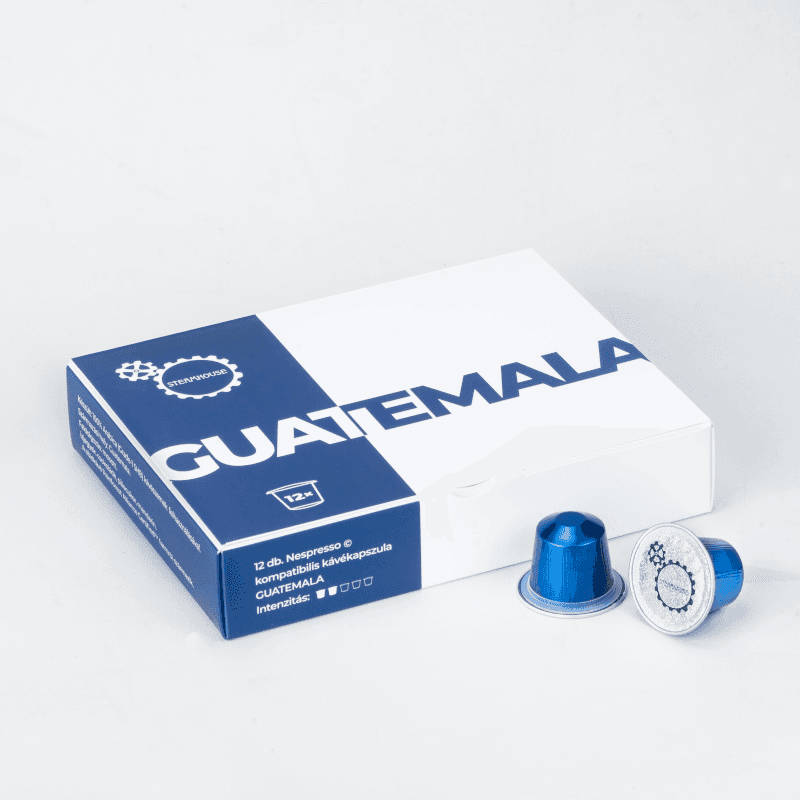
Steamhouse
Pack of 12 Guatemala coffee capsules
$6.50
Medium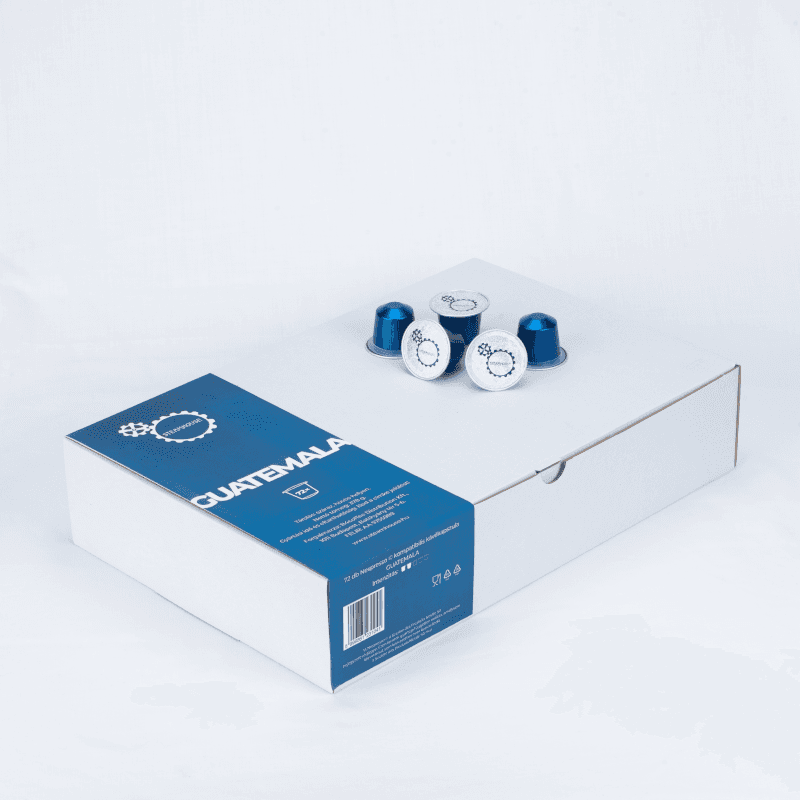
Steamhouse
Pack of 72 Guatemala coffee capsules
$32.50
Medium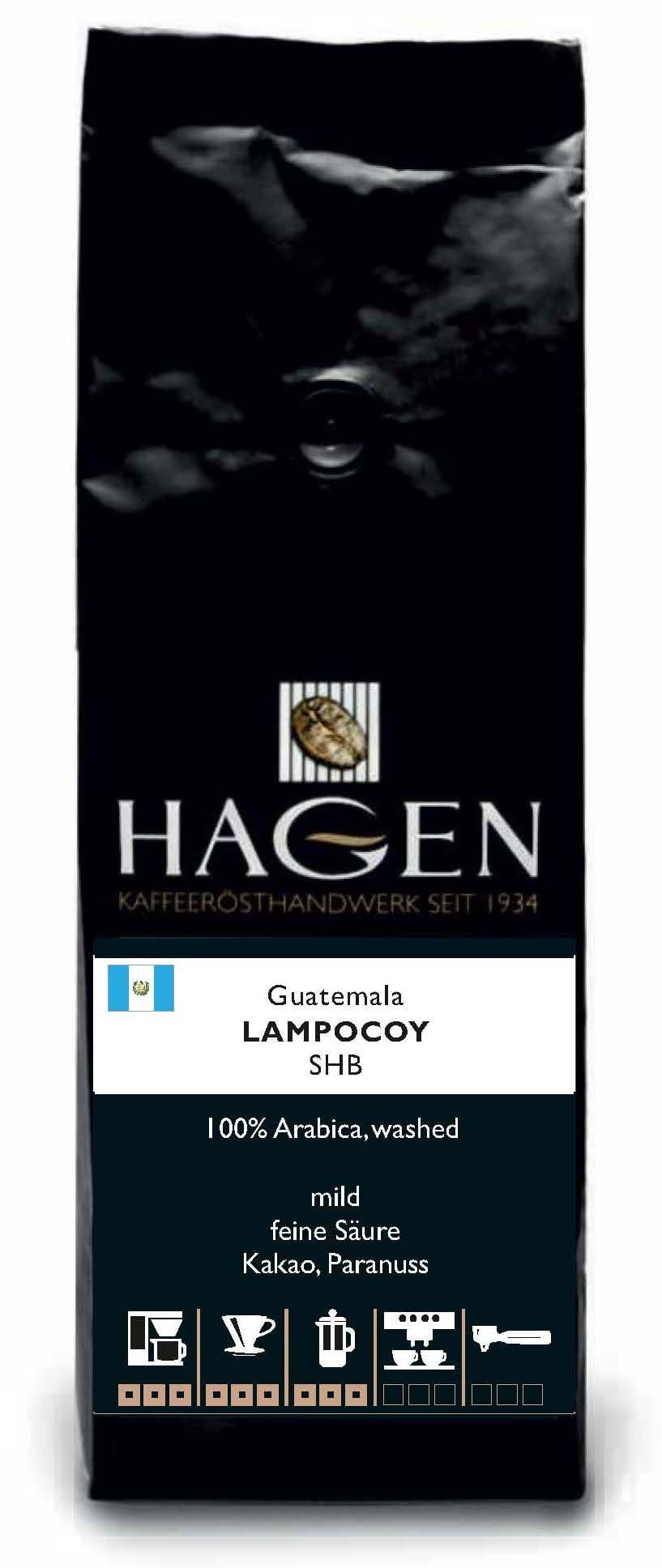
Hagen Kaffee
Guatemala Lampocoy
$8.30
Medium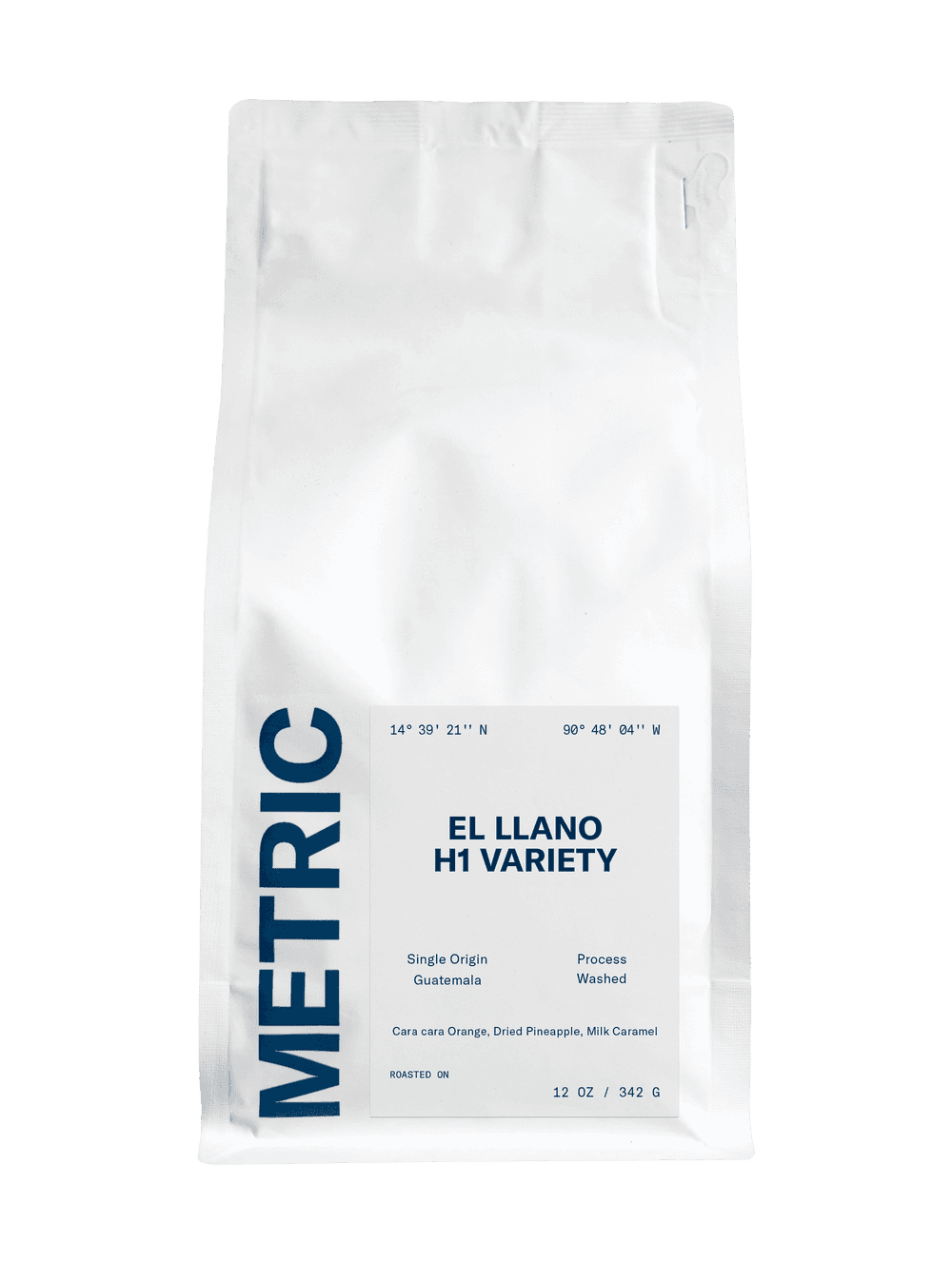
Metric Coffee
El Llano H1 Variety
$13.92
Medium
Dinzler Kaffeerösterei
DINZLER organic coffee San Miguel
$8.00
Medium
Four Sigmatic
Ground Mushroom Coffee with Probiotics
$17.44
Medium
Elm Coffee Roasters
Guatemala Lazaro Constanza
$17.45
Medium
Four Sigmatic
Mushroom Coffee Pods with Probiotics
$31.47
MediumMore from Caffè Corretto
All products from Caffè Corretto →
Caffè Corretto
de Specialitate Corretto, Brazilia Cerrado, Natural, 100% Arabica, 82,75 puncte SCA
RON 32.00
Caffè Corretto
de Specialitate Corretto, Columbia Cauca Popayan, Washed, 100% Arabica, 84 puncte SCA
RON 36.00
Caffè Corretto
de Specialitate Corretto, Costa Rica Tarrazu SHB San Rafael, Washed, 100% Arabica, 84 puncte SCA
RON 38.00
Medium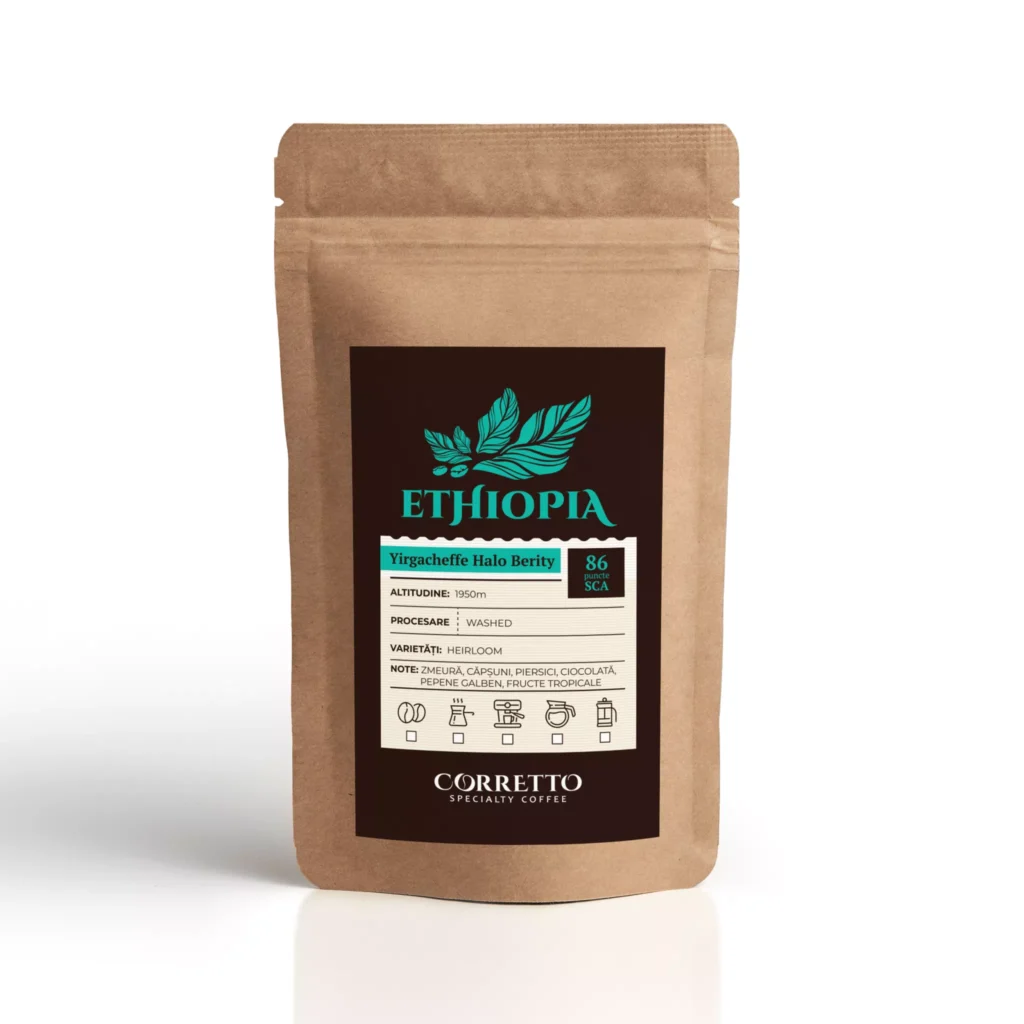
Caffè Corretto
de Specialitate Corretto, Etiopia Yirgacheffe Halo Berity, Washed, 100% Arabica, 86 Puncte SCA
RON 48.00
Medium