
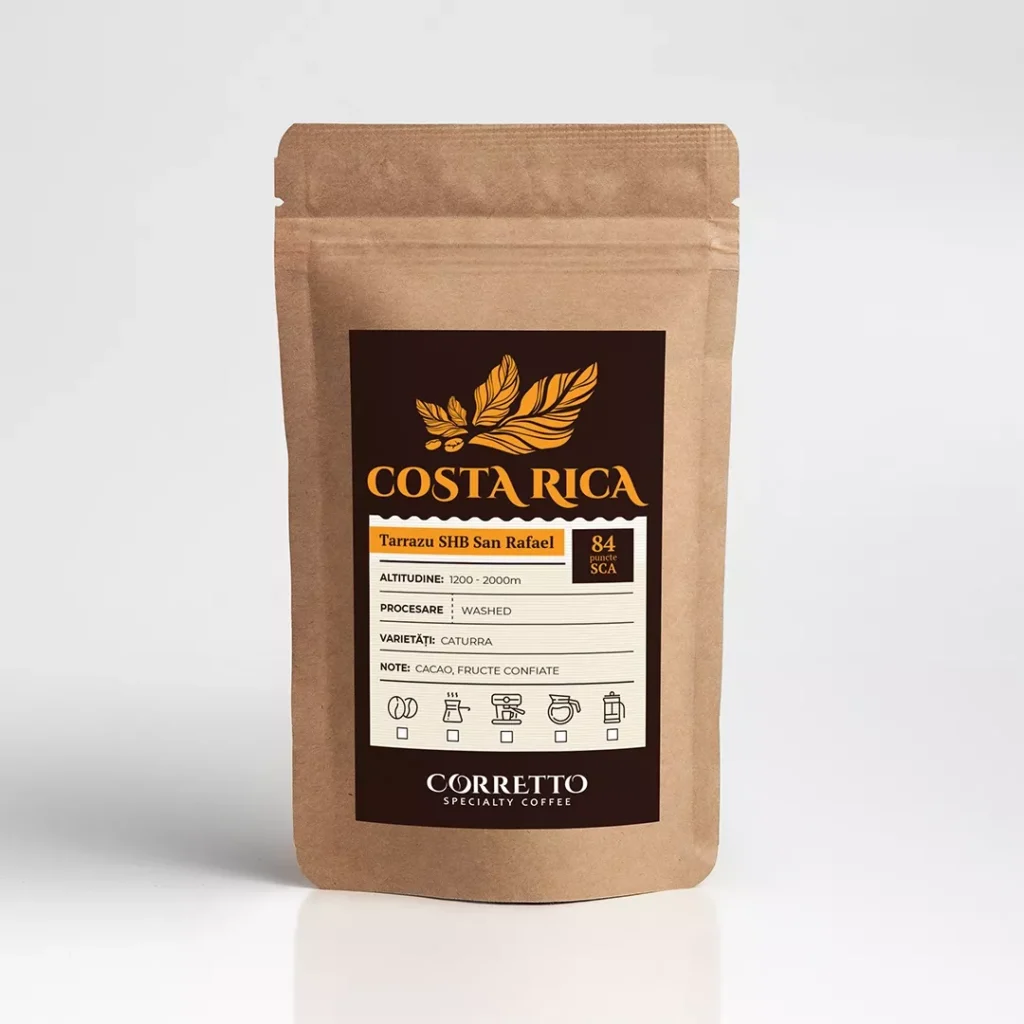
de Specialitate Corretto, Costa Rica Tarrazu SHB San Rafael, Washed, 100% Arabica, 84 puncte SCA
Costa Rica
- Roast Level: Medium
- Washed
- Blend
Not rated yet · Be the first to review it
fromRON 38.00
≈ RON 171.00 / kg
You’ll be taken to the roaster’s shop to complete your purchase.
- Roaster based in
- Romania
- Ship to
- United States · Check on the roaster’s shop
🇨🇷 Origin: Central America, Costa Rica, Tarrazú region
🌱 Variety: Caturra
⛰️ Altitude: 1,200 m–2,000 m
☕ Flavor profile: Cocoa, candied fruit
Single-origin coffee from Costa Rica, 84 SCA points, roasted by Corretto to a Medium / Omni Roast profile. Medium body, medium acidity, recommended for espresso and brew.
Taste profile
From the details listed by the roaster’s shop.
- Roast LevelMedium
- LightDark
Sizes and prices
| Grind | Coffee Size | Per kg | Price |
|---|---|---|---|
| Whole Beans | 200g | RON 190.00 | RON 38.00 ↗ |
| Whole Beans | 400g | RON 190.00 | RON 76.00 ↗ |
| Whole Beans | 500g | RON 180.50 | RON 90.25 ↗ |
| Whole Beans | 1kg | RON 171.00 | RON 171.00 ↗ |
Description
Costa Rica Tarrazu SHB San Rafael Specialty Coffee | Detailed Information and Description
🇨🇷 Origin: Central America, Costa Rica, Tarrazu region
👨🌾 Producer: San Rafael Farm
🌱 Variety: Caturra
⛰️ Altitude: 1,200 m–2,000 m
💧 Processing: Washed
🔥 Roast profile: Medium / Omni Roast
☕ Flavor profile: Cocoa, candied fruit
🍒 Acidity: Medium | Intensity: Medium
🫘 Body: Medium
📏 Bean size: Screen 17
🏆 SCA score: 84 points
⚙️ Recommended for: Espresso and brew methods (V60, Chemex, drip)
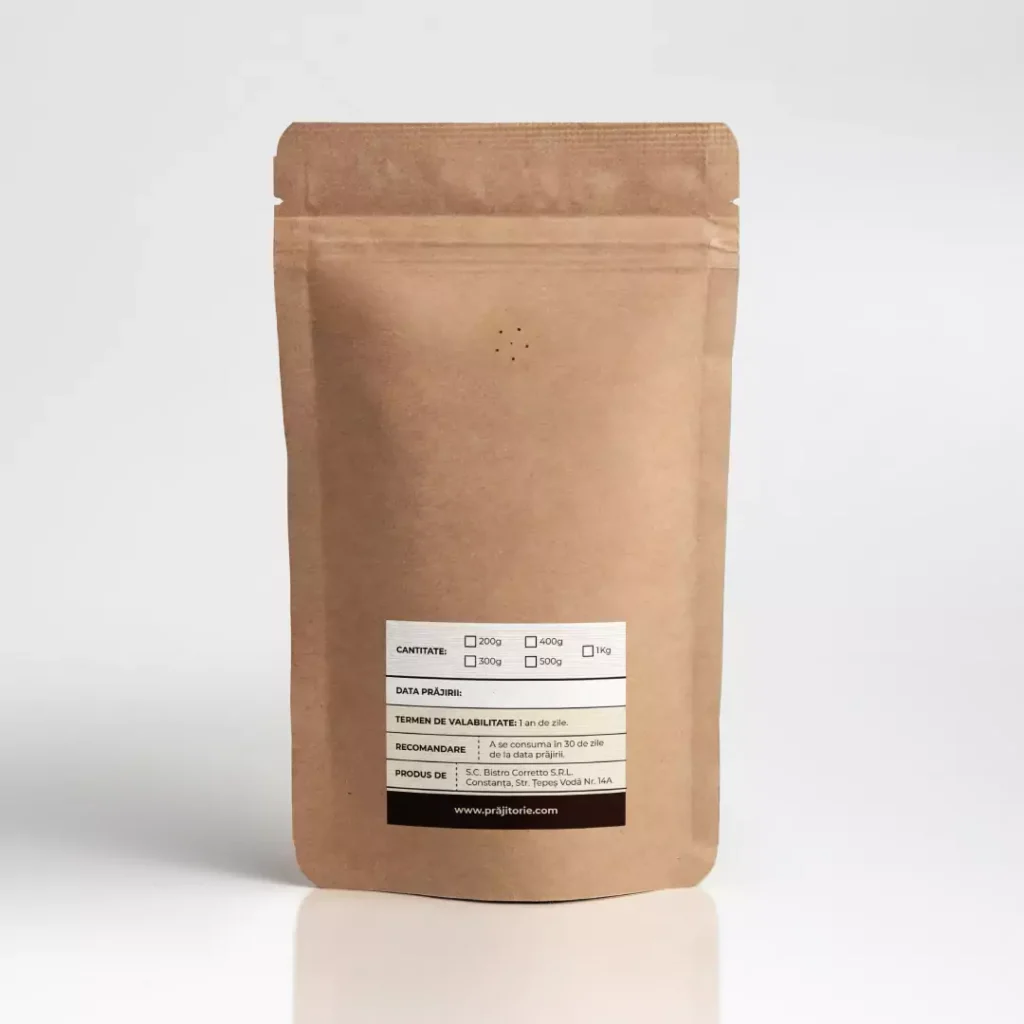
⏳ Optimal degassing: 7–14 days from the roast date
📦 Costa Rican specialty coffee available in 200 g, 400 g, 500 g, and 1 kg bags
Costa Rica Coffee Beans: Why the Tarrazu Region Is One of the Most Sought-After Origins
Costa Rica is a small country, but it produces specialty coffee at a level that much larger countries cannot match. By law, coffee production is reserved exclusively for Arabica coffee. Robusta has been banned from cultivation since 1989, making Costa Rica one of the few countries in the world with this restriction.
Tarrazu is the region’s signature coffee-growing area. It lies in the southeast of the Central Valley, on the slopes of the Talamanca Mountains, at elevations between 1,200 and 2,000 meters. Its acidic, mineral-rich volcanic soil is exactly the kind that gives coffee clear acidity and complex sweetness. A well-defined rainy season (May–November) alternates with a dry period during which the cherries ripen slowly and evenly.
This lot comes from San Rafael Farm and is classified as SHB (Strictly Hard Bean). The classification confirms that the beans grew at high altitude, where cooler temperatures slow maturation and produce a dense bean with high aromatic potential.
100% Arabica Coffee Beans from San Rafael Farm
The variety in this lot is Caturra—a dwarf mutation of Bourbon that is compact and productive, with well-defined citric acidity. Caturra is one of the most widespread varieties in Costa Rica and adapts well to high altitudes.
The cherries are hand-picked at full ripeness, and the harvest season runs from December through March—later than in low-lying regions, precisely because the fruit needs more time to ripen. These coffee beans are screen 17, meaning they’re uniformly sorted, which matters during roasting: each bean reacts to heat at the same rate, resulting in a more balanced extraction in the cup.
The processing stations (beneficios) are among the best-equipped in Central America, and the quality standards for this single-origin coffee are evident in every lot that comes out of the region.
What Washed Processing Means and How It Affects Flavor
The San Rafael lot is processed using the washed method—the dominant method in Costa Rica and the one that best highlights terroir and variety. After harvesting, the pulp is mechanically removed, the beans undergo controlled fermentation, and they’re washed with fresh water. They’re dried on patios or African beds until the moisture level reaches 11–12%.
Washed processing completely removes the fruit residue from the bean, leaving the taste of the coffee itself—soil, altitude, variety—without the interference of sweetness from the pulp (as you’d get with Natural or Honey processing). That’s why washed coffees have a reputation for being “clean”—the flavor notes are distinct and easy to identify individually.
Flavor Profile: Notes of Cocoa and Candied Fruit
When you open the bag of freshly roasted coffee, you immediately notice the aroma of cocoa—not milk chocolate, but pure, slightly bitter cocoa with a depth you recognize right away. It’s the note you associate with a “serious” coffee, but here it comes with a surprise: candied fruit.
Roasted by Corretto to a Medium / Omni Roast profile, this coffee has a firm, medium body, without the excessive heaviness of a Brazilian lot with a dark roast profile. The acidity is medium—present, but not sharp. There’s a roundness in the cup that brings together the cocoa and fruity notes.
Candied fruit comes through especially in the aftertaste: a concentrated, jam-like sweetness that lingers on the tongue. It’s not the light sweetness of honey (as you’d get with Burundi), but something denser and more “ripe.” The combination of cocoa and candied fruit is a profile you rarely find in washed coffees—cocoa notes usually appear in darker roasts, while candied fruit notes are associated with Natural processing. Here, you get both in a washed lot with a medium roast profile, which speaks to the quality of the green beans and the terroir.
What Does SHB (Strictly Hard Bean) Mean?
SHB is Costa Rica’s classification system based on altitude and bean density. “Hard Bean” refers to a dense bean grown at high altitude, where cool temperatures slow the cherries’ maturation.
Costa Rica’s thresholds: SHB (Strictly Hard Bean) means coffee grown above 1,200 m. Below this threshold, GHB (Good Hard Bean) applies to coffee grown between 1,000 and 1,200 m, and HB (Hard Bean) to coffee grown below 1,000 m.
How to Brew Costa Rica Tarrazu Coffee at Home
The Omni Roast profile means this lot was roasted to work well for both espresso and brew. Its medium body and acidity make it versatile—you don’t need to adjust your recipe much to get a great cup.
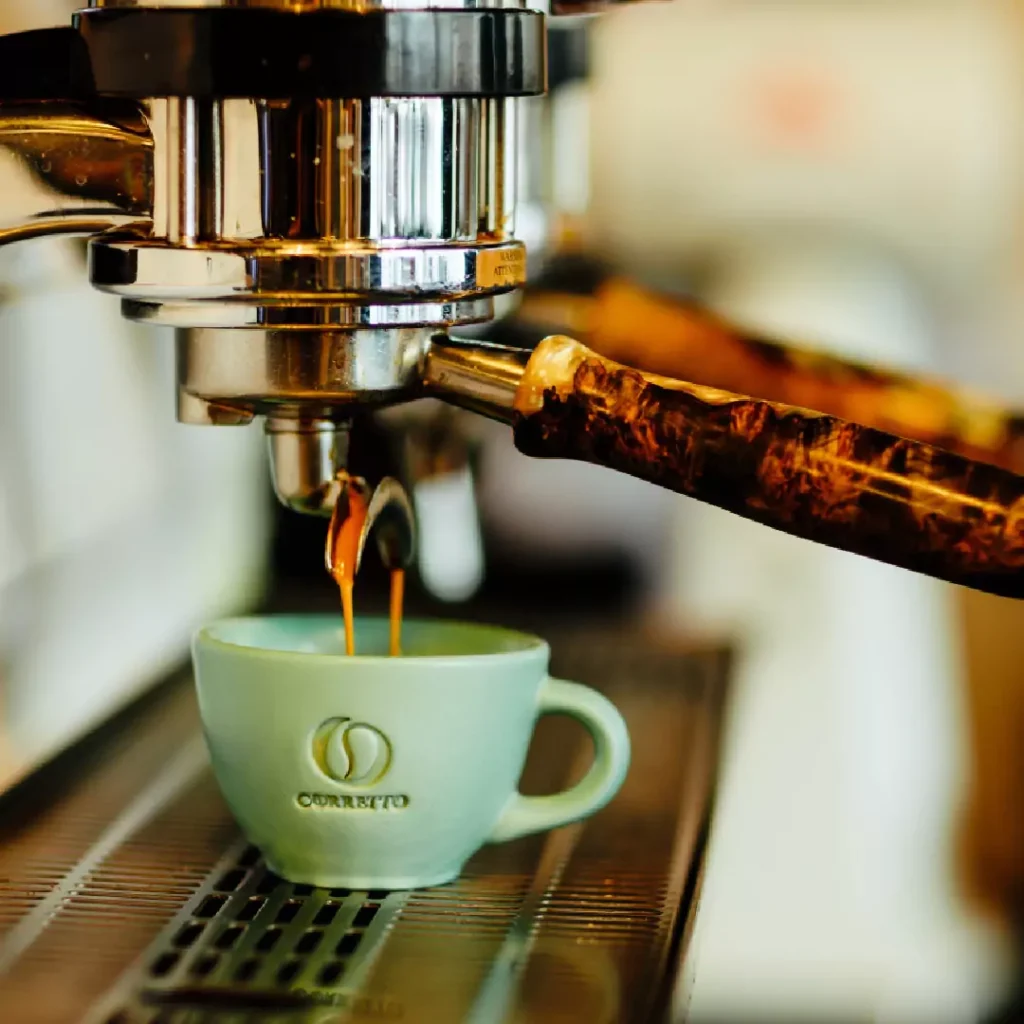
Espresso Recipe
Dose: 18 g coffee (fine grind)
Yield: 36–40 g in the cup
Extraction time: 25–30 seconds
The shot has a cocoa base, stable crema, and a subtle sweetness in the aftertaste. The acidity is gentle in espresso—the candied fruit comes through more as a rounded quality than as a distinct note. In a cappuccino, the cocoa combines with the milk in a way that brings hot chocolate to mind.
☕ Corretto’s tip: To bring out more candied fruit flavor, increase the yield to 42–44 g (1:2.3 ratio). The longer extraction brings out the fruity notes without losing the cocoa base.
Brew Recipe (V60 / Chemex / Drip)
Dose: 15 g coffee for 250 ml water
Grind: Medium (like coarse salt)
Water temperature: 92–95°C Total brew time: 3:00–3:30 minutes
With drip brewing, the profile flips: candied fruit comes to the fore, while cocoa becomes the background note. The acidity opens up slightly, revealing a clarity you don’t get in the same way with espresso. If you want to understand why Tarrazu has the reputation it does, brew this lot with a V60.
☕ Corretto’s tip: Let the beans degas for at least 7–10 days from the roast date (shown on the bag) before grinding them. With an 84-point SCA coffee, the difference in clarity is noticeable.
Choose the Right Grind
Costa Rica Tarrazu SHB San Rafael coffee is available from our coffee shop as whole beans or freshly ground, depending on how you prefer your order. If you’re not sure which grind size is right for you, we’ve prepared a complete guide to the four grind types—Espresso, Drip, Ibrik, and French Press—with parameters, ratios, and practical tips for each. You’ll find it in the “Grind Types” tab on this page.
Reviews
No reviews yet.
Similar coffees
From Costa Rica, by other roasters
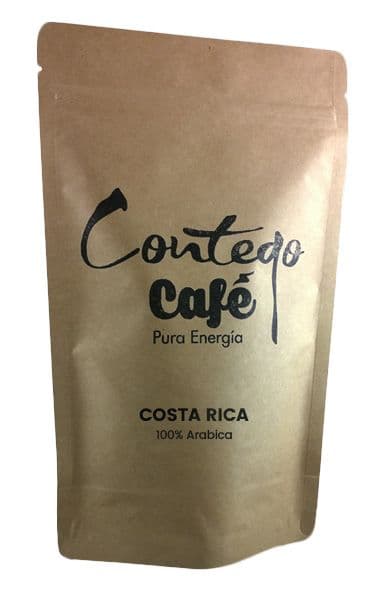
Contego
Roasted Coffee Costa Rica
$4.65
Medium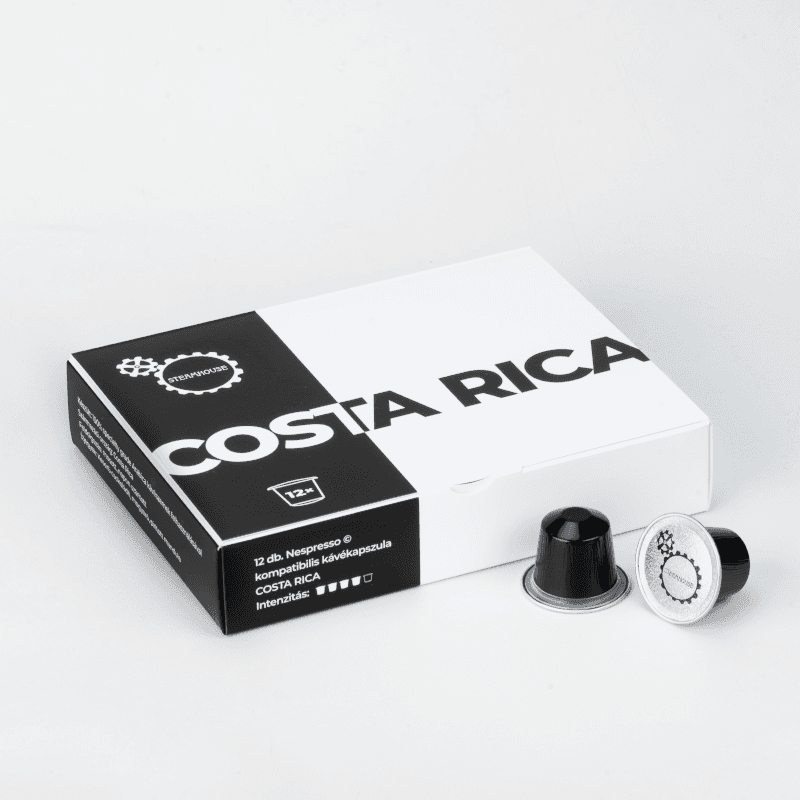
Steamhouse
Pack of 12 Costa Rica capsules
$6.50
Medium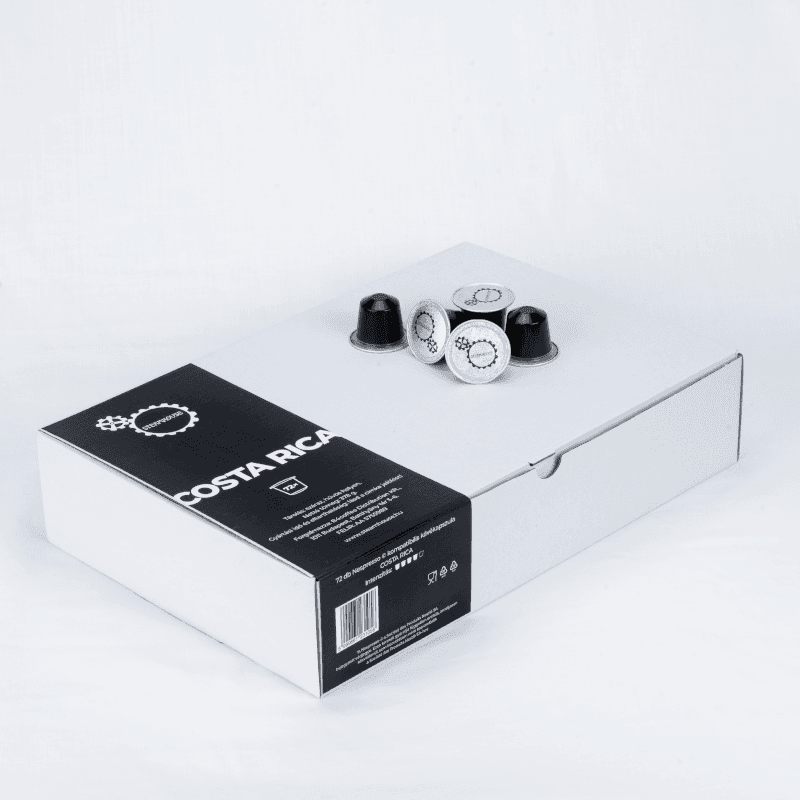
Steamhouse
Pack of 72 Costa Rica capsules
$32.50
Medium
Smokin' Aces Coffee
Jaguar Honey
$18.69
Medium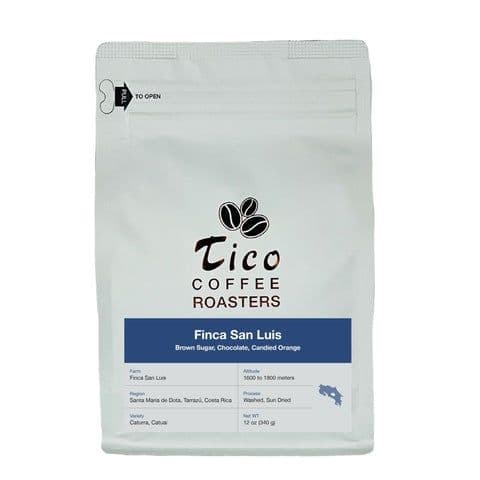
Tico Coffee Roasters
Costa Rica Finca San Luis
$17.64
Medium
Tico Coffee Roasters
Costa Rica Santa Lucia Anaerobic
$21.18
Medium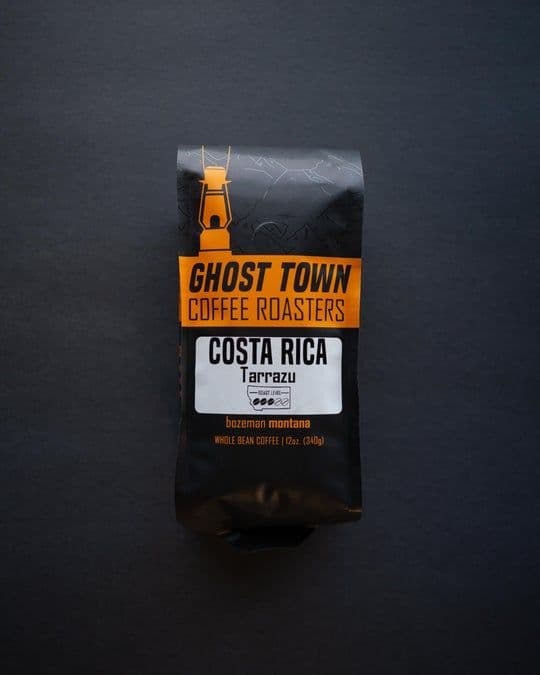
Ghost Town Coffee
Costa Rica - Tarrazu
$13.16
Medium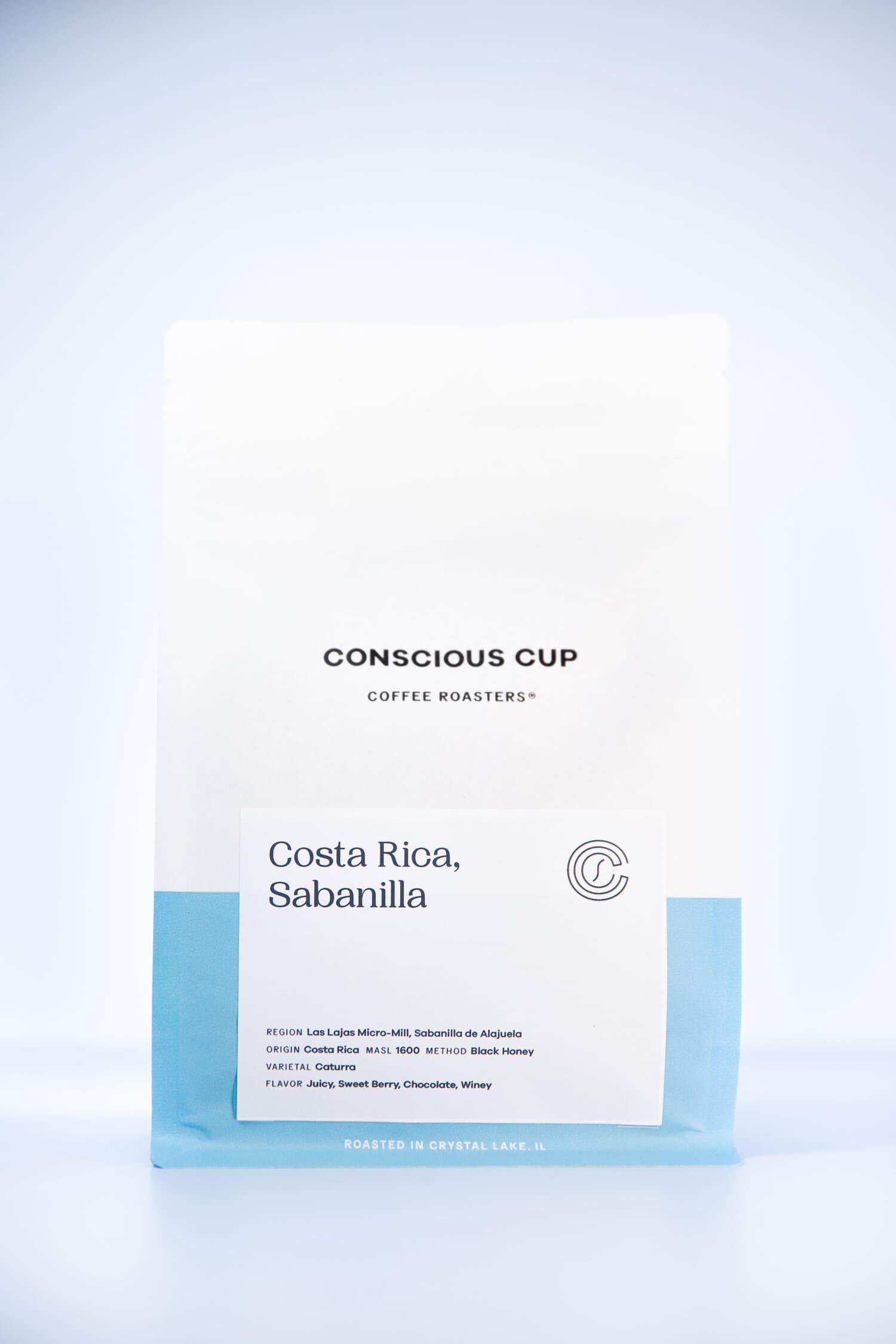
Conscious Cup Coffee Roasters
COSTA RICA, FINCA SABANILLA
$25.57
MediumMore from Caffè Corretto
All products from Caffè Corretto →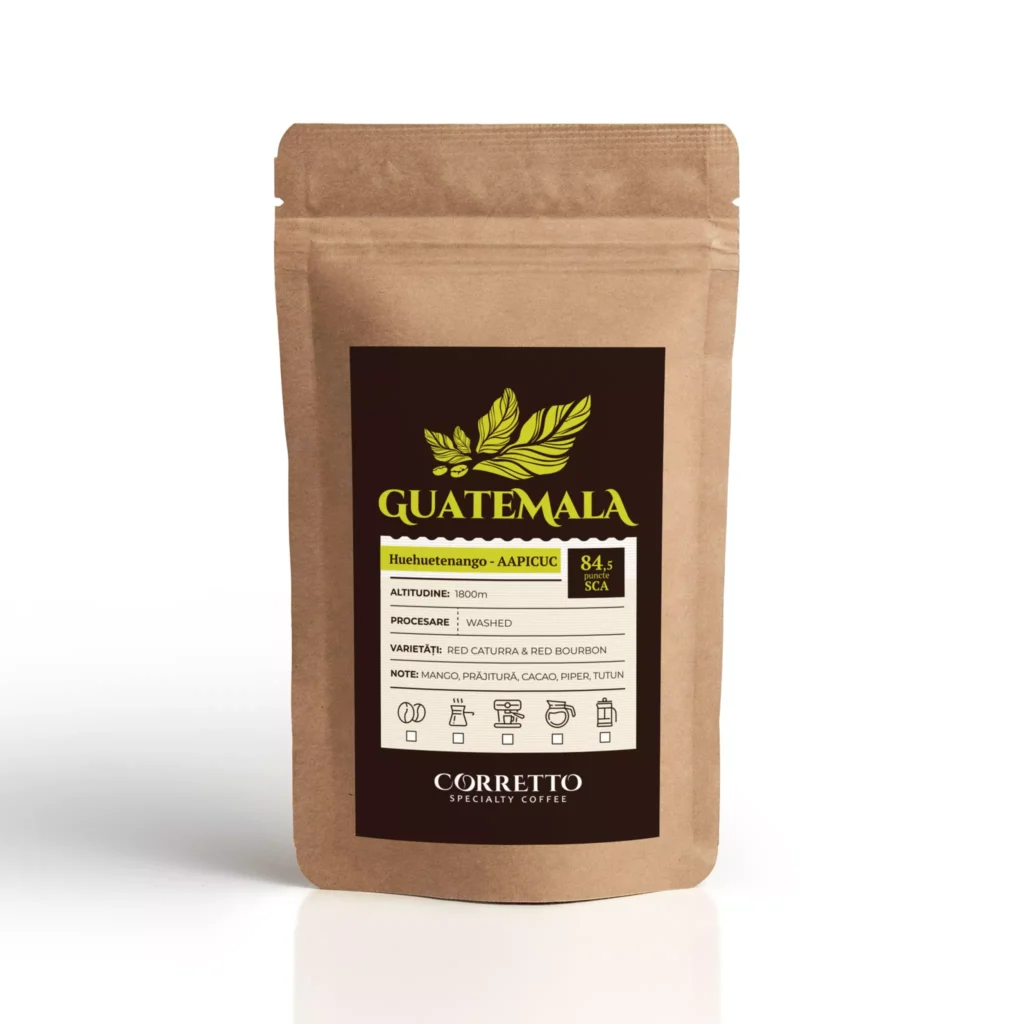
Caffè Corretto
de Specialitate Corretto, Guatemala Huehuetenango, Washed, 100% Arabica, 84,5 puncte SCA
RON 38.00
Medium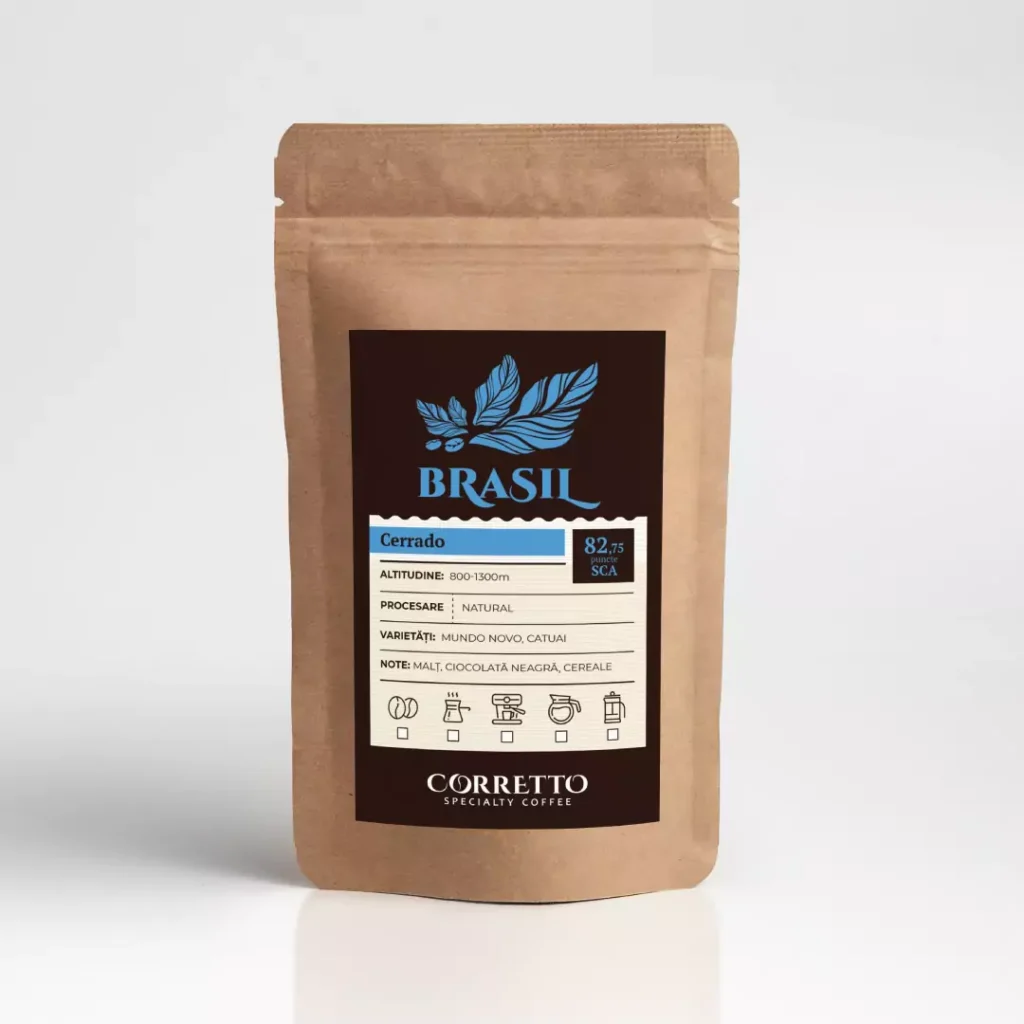
Caffè Corretto
de Specialitate Corretto, Brazilia Cerrado, Natural, 100% Arabica, 82,75 puncte SCA
RON 32.00
Caffè Corretto
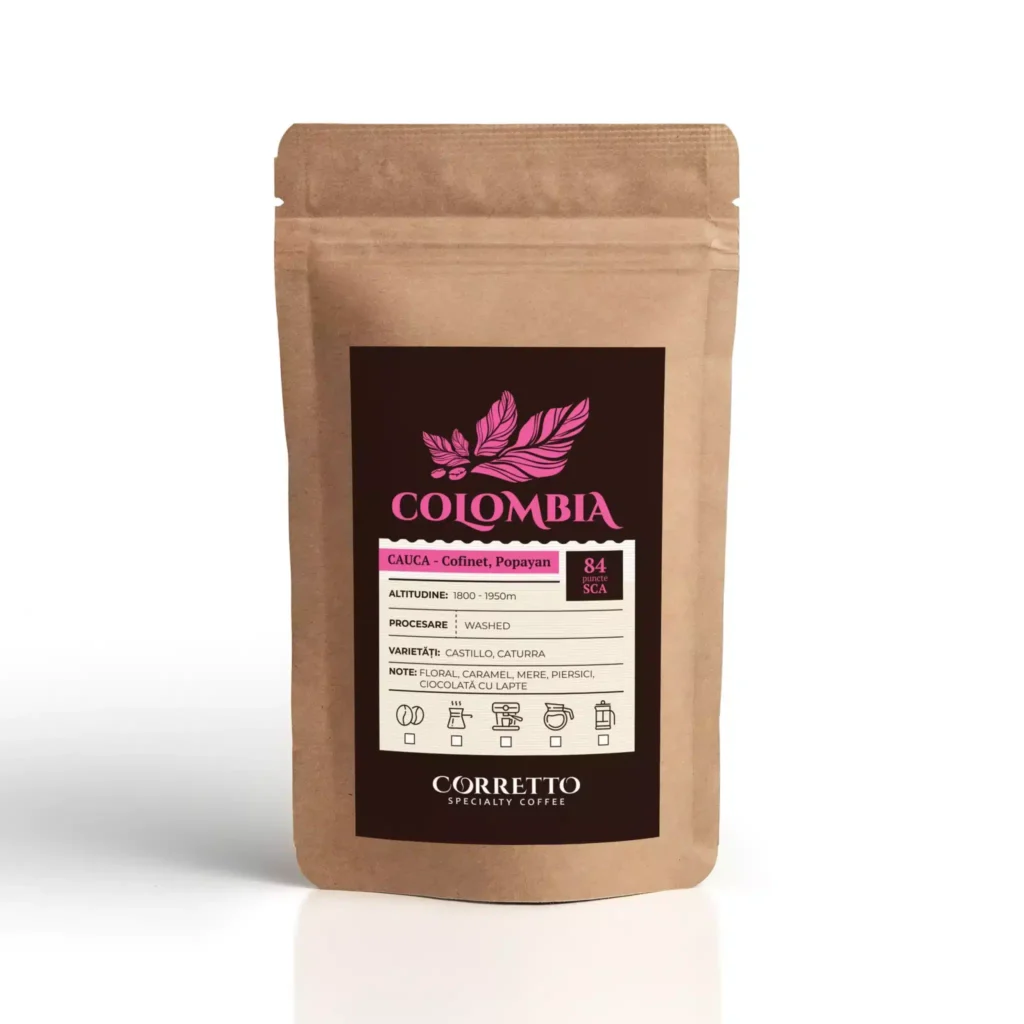
de Specialitate Corretto, Columbia Cauca Popayan, Washed, 100% Arabica, 84 puncte SCA
RON 36.00
Caffè Corretto
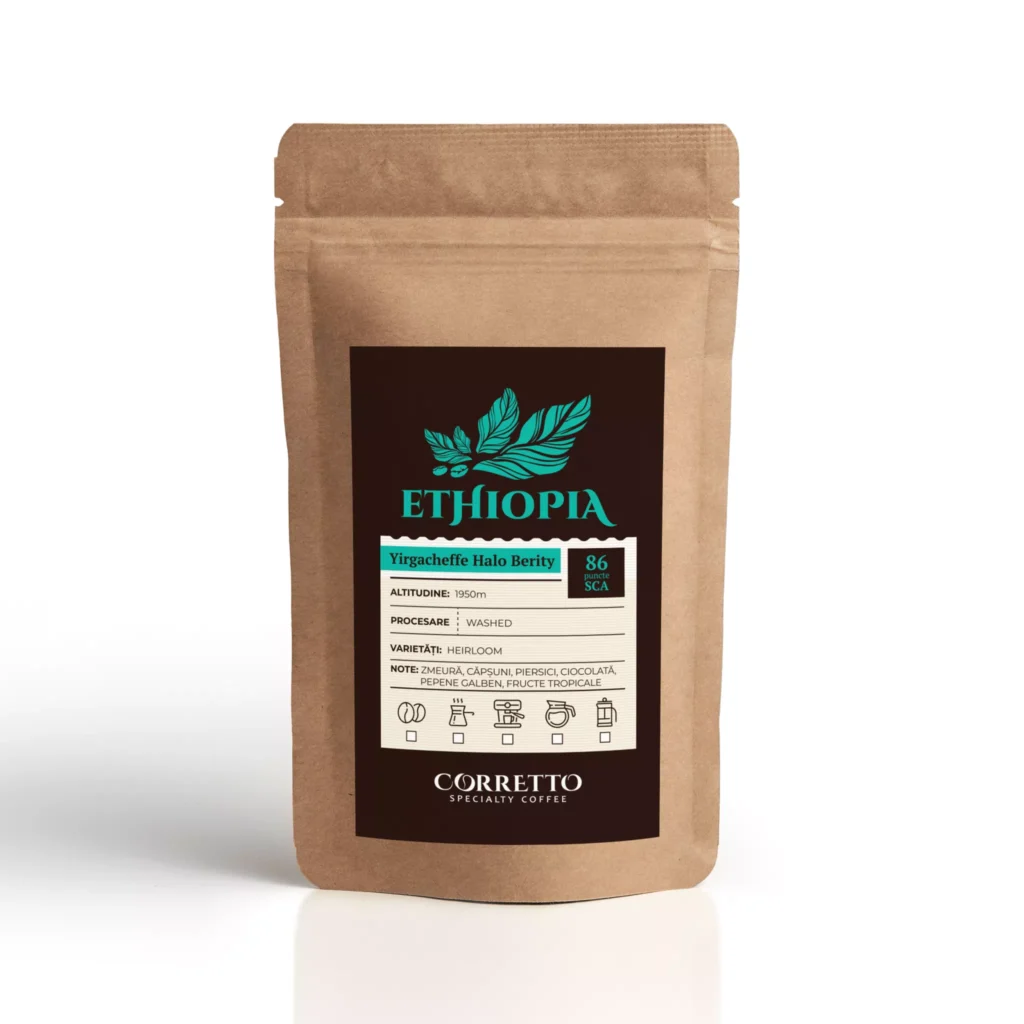
de Specialitate Corretto, Etiopia Yirgacheffe Halo Berity, Washed, 100% Arabica, 86 Puncte SCA
RON 48.00
Medium