

COSTA RICA TICA LINDA HONEY WOMEN PRODUCERS
Costa Rica
- Roast Level: Medium
- Honey
- Single Origin
COSTA RICA TICA LINDA HONEY WOMEN PRODUCERS is a coffee from Costa Rica, sold by Hill Tree Roastery (Huntington, United States). Process: honey. Variety: Caturra • Catuai. Roast: medium. Price: $20.00.
Not rated yet · Be the first to review it
from$20.00
You’ll be taken to the roaster’s shop to complete your purchase.
- Roaster based in
- United States
- Ship to
- United States · ✓ Yes, the roaster is based there
Taste profile
From the details listed by the roaster’s shop.
- Roast LevelMedium
- LightDark
Sizes and prices
Description
Tasting Notes
FLAVOR: Bittersweet Chocolate • Brown Sugar • Grapefruit
BODY: Medium
ACIDITY: Bright
PROCESS: Honey
Size: 12 oz
Origin: Tarrazú, Costa Rica
Elevation: 1,600 meters
Producers: Various Women Producers
Varieties: Caturra • Catuai
Origin Notes
Costa Rica Tica Linda | Women Producers
Sweet, bright, and beautifully balanced, Tica Linda showcases both the quality of Costa Rican coffee and the women responsible for producing it.
Grown high in the mountains of Tarrazú by women coffee producers, this coffee combines bittersweet chocolate and brown sugar sweetness with a lively grapefruit finish. Costa Rica's signature honey processing adds body and sweetness while preserving the bright acidity that makes coffees from this region so distinctive.
Tica Linda also provides greater access to the specialty coffee market for women producers—recognizing their work, agricultural knowledge, and contribution to the coffee industry.
Tica Linda | Women In Coffee
Women perform a significant share of the work throughout the coffee industry, yet historically women farmers have had less access to resources, market opportunities, and recognition than their male counterparts.
Women-produced lots like Tica Linda are designed to help change that.
This coffee is produced by various women farmers whose work comes together to create a distinctive regional lot. By creating greater access to the specialty coffee market, programs like Tica Linda provide opportunities for women producers to receive increased recognition and financial return for the quality of the coffee they grow.
For us, knowing the story behind a coffee makes the experience more meaningful. Tica Linda gives us an opportunity to share not only where the coffee was grown, but also something about the people responsible for bringing it to your cup.
Tarrazú | The Mountains Of Costa Rica
Tarrazú is Costa Rica's most famous and highest-producing coffee region, known throughout the specialty coffee world for coffees with excellent body and bright, refined acidity.
The region received Denomination of Origin status in 2019, recognizing the distinctive characteristics of coffee produced there.
This Tica Linda lot was grown at approximately 1,600 meters (5,250 feet) above sea level. Red clay soils, a humid climate, tropical temperatures, and high elevation combine to create outstanding conditions for Arabica coffee.
At these elevations, coffee cherries mature more slowly, giving them additional time to develop the sugars and flavor compounds that eventually make their way into your cup.
Caturra & Catuai | Classic Costa Rican Varieties
Tica Linda is produced from Caturra and Catuai, two Arabica varieties widely cultivated throughout Costa Rica and Latin America.
Caturra is a natural mutation of Bourbon that became popular because of its compact size and excellent cup potential. Catuai was developed as a compact, productive variety well suited to challenging growing conditions.
Here in the high elevations of Tarrazú, these varieties contribute to a cup with a beautiful combination of sweetness, structure, and bright acidity.
Paired with honey processing, they help create the bittersweet chocolate and brown sugar foundation of the coffee while allowing its grapefruit-like brightness to remain lively and distinct.
Honey Processing | Sweetness Meets Brightness
Despite the name, no honey is added to honey-processed coffee.
Instead, the name refers to the sticky, honey-like layer of fruit—called mucilage—that remains on the coffee bean after the cherry's outer skin and pulp are removed.
Unlike a traditional washed coffee, where most of that fruit is removed before drying, honey-processed coffee is allowed to dry with some of the mucilage still attached.
That extra contact with the fruit helps develop greater sweetness and body while maintaining much of the clarity and brightness associated with washed coffees.
The result in Tica Linda is a beautiful combination: brown sugar sweetness and bittersweet chocolate balanced by a crisp grapefruit-like acidity.
Beneficio San Diego | Tradition Meets Innovation
After leaving the farm, coffee still requires tremendous care before it's ready to be roasted.
Beneficio San Diego, established in 1888, specializes in processing coffees from Costa Rica's Tarrazú and Tres Ríos regions. Today, it is recognized as one of the country's most modern coffee mills.
The mill has continually invested in improving efficiency, quality, sustainability, and its relationships with coffee-producing communities.
That attention during processing matters. Even exceptional coffee grown under ideal conditions can lose quality if it isn't carefully handled after harvest. The work performed at the mill helps preserve the characteristics developed on the farm all the way to the green coffee we eventually roast.
Strictly Hard Bean | Why Elevation Matters
Costa Rican coffee grown at 1,200 meters or higher can qualify as Strictly Hard Bean (SHB).
The term refers to the physical density of coffee grown at higher elevations. Cooler temperatures generally cause coffee cherries to mature more slowly, allowing additional time for development before harvest.
That slower maturation can produce dense beans with concentrated sweetness and complexity.
At approximately 1,600 meters, Tica Linda is grown well within this high-elevation environment—one of the factors contributing to its combination of sweetness, structure, and bright acidity.
Costa Rica | Quality Over Quantity
Costa Rica has built its coffee reputation around quality, innovation, and a sophisticated coffee infrastructure.
The country's investments in agricultural research, education, sustainability, and modern processing have helped establish Costa Rican coffee as a premium specialty origin.
Its producers have also been pioneers in processing methods—particularly the honey process used for this coffee—which allows producers and mills to influence sweetness, body, and acidity after the cherries have been harvested.
Tica Linda brings those qualities together in a coffee that reflects both Costa Rica's coffee tradition and the women producers helping shape its future.
Why You'll Love This Coffee
If you enjoy a coffee that's sweet and chocolate-forward but still has a little brightness and personality, Costa Rica Tica Linda offers a beautiful balance.
The first impression is familiar: bittersweet chocolate and rich brown sugar. Then the coffee opens into a crisp grapefruit-like brightness that keeps the cup lively and clean.
The honey process bridges those flavors beautifully, adding sweetness and body without covering up the characteristics created by Tarrazú's 1,600-meter elevation and Caturra and Catuai varieties.
It's approachable enough to become an everyday coffee while offering enough complexity for someone interested in exploring how origin, variety, elevation, and processing can completely change what's possible in a cup of coffee.
Frequently Asked Questions
Does "honey processed" mean honey is added to the coffee?
No. There's no honey or added sweetener in the coffee. The term refers to the sticky fruit mucilage left on the coffee bean while it dries. Because that layer resembles honey, the processing method became known as the honey process.
Will this coffee actually taste like grapefruit?
You may notice a citrus-like brightness reminiscent of grapefruit, but nothing has been added or flavored. Tasting notes describe naturally occurring flavors and aromas we experience in the coffee. Here, grapefruit describes the coffee's bright, slightly tart citrus character.
What makes Tarrazú coffee special?
Tarrazú combines high elevations, red clay soils, tropical temperatures, and a distinctive climate that creates excellent conditions for coffee. Tica Linda is grown at approximately 1,600 meters, and the region is particularly known for coffees with good body, sweetness, and bright acidity.
What are Caturra and Catuai?
Caturra and Catuai are Arabica coffee varieties, similar to the way different varieties of grapes are used in wine. Each has its own growing characteristics and cup potential. Combined with Tarrazú's growing conditions and honey processing, they contribute to Tica Linda's balance of sweetness, body, and brightness.
What's the best way to brew Costa Rica Tica Linda?
This coffee is especially enjoyable as a pour-over, Chemex, AeroPress, or quality drip coffee. Methods that provide good clarity will help separate the bittersweet chocolate and brown sugar sweetness from the brighter grapefruit finish.
Try tasting it at different temperatures, too. Chocolate and brown sugar may be more noticeable while the coffee is hot, while some of its brighter citrus characteristics can become easier to recognize as the cup cools.
Questions about COSTA RICA TICA LINDA HONEY WOMEN PRODUCERS
Where does COSTA RICA TICA LINDA HONEY WOMEN PRODUCERS come from?
It comes from Costa Rica. Altitude: 1,600 m. Variety: Caturra • Catuai.
How is COSTA RICA TICA LINDA HONEY WOMEN PRODUCERS processed?
Processing method: honey.
What roast level is COSTA RICA TICA LINDA HONEY WOMEN PRODUCERS?
Roast level: medium.
How much does COSTA RICA TICA LINDA HONEY WOMEN PRODUCERS cost?
Price: $20.00. Prices come from the shop and can change; the shop has the current ones.
Where can I buy COSTA RICA TICA LINDA HONEY WOMEN PRODUCERS?
In the online shop of Hill Tree Roastery: the prices on this page link to it. Cafendo does not sell coffee itself.
Reviews
No reviews yet.
If you like this coffee, try these
Picked from other roasters for a shared origin, process, roast, tasting notes and price. Coffees that the same people saved or rated highly count the most.
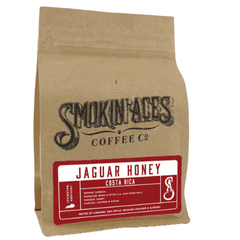
Smokin' Aces Coffee
Jaguar Honey
$18.69
MediumWhy: Costa RicaHoneySimilar price

Fellow
Brandywine - Las Lajas Black Honey
$20.34
MediumWhy: Costa RicaHoneySimilar price
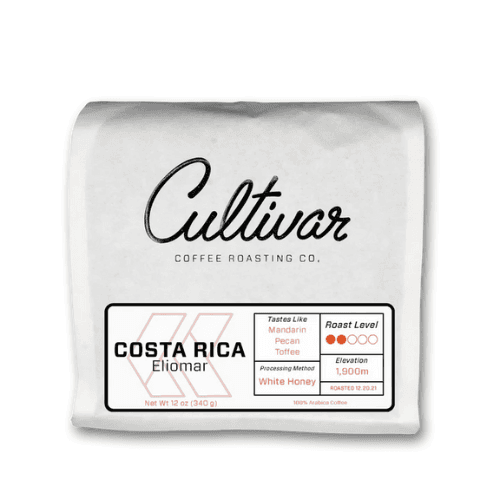
Cultivar Coffee
COSTA RICA ELIOMAR
$16.83
MediumWhy: Costa RicaHoneySimilar price

Springtown roasters
Costa Rica Honey Process
$18.00
MediumWhy: Costa RicaHoneySimilar price

Dritan Alsela
Costa Rica
€15.90
MediumWhy: Costa RicaHoneySimilar price

Uncommon Coffee Roasters
Amiga's Blend
$21.00
MediumWhy: Costa RicaHoneySimilar price

Cortez Coffee Roasters
Costa Rica Red Honey
$16.95
MediumWhy: Costa RicaHoneySimilar price

San Joaquin Coffee Company
Costa Rica Tarrazu Honey Processed Coffee or Ground
$20.00
MediumWhy: Costa RicaHoneySimilar price


