


 Out Of The Grey Coffee
Single Origin - ENGORA Papua New Guinea - Fair Trade Coffee
Papua New Guinea
- Roast Level: Medium
- Natural
- Single Origin
Single Origin - ENGORA Papua New Guinea - Fair Trade Coffee is a coffee from Papua New Guinea, sold by Out Of The Grey Coffee (United States). Process: natural. Roast: medium. Price: $20.95 to $21.95, depending on the size.
Not rated yet · Be the first to review it
from$20.95
You’ll be taken to the roaster’s shop to complete your purchase.
- Roaster based in
- United States
- Ship to
- United States · ✓ Yes, the roaster is based there
Taste profile
From the details listed by the roaster’s shop.
- Roast LevelMedium
- LightDark
Sizes and prices
Description
Delicately sweet, spices, almond, flowers and caramel flavors, gentle acidity, satiny mouthfeel, long rich drying spice-toned finish.
Roast: Medium
Processing: Wet Milled and Sun Dried
Altitude: 1300 - 1500 M.A.S.L.
Harvest: September (Main Crop) & January - February (Fly Crop)
12 oz. Handcrafted Fair Trade Coffee
On its own as a single origin coffee, or in a blend, ENGORA FTO coffee is reliable and adds value to the cup. It has the complexity and body to use as an espresso base. It is known for its rich syrupy body, fruity flavor, and high acidity.
HOAC (Highland Organic Agriculture Cooperative) is the producer group exported by Coffee Connections. It is one of the few Fair Trade groups registered in PNG. The group has invested their Fair Trade Premium in their community, building new classrooms and desks in the school and purchasing mattresses for local health centers.
The area of production lies in the mountainous Eastern Highlands near the town of Okapa. The coffee grows in very rich, dark red/brown volcanic soil. The coffee is hand picked when it is bright red and dried in the sun. The parchment is covered at night to protect it from the early morning dew. Due to the remote location of the coffee, the trees have never had exposure to chemical fertilizers or pesticides, and the water for the centralized wet mill is taken from a pristine stream. Getting the coffee from the farms to the world is quite a feat due to the geography and lack of infrastructure. The wet mill is situated about 40 miles as the bird flies south of Goroka, but is a six hour drive in a 4x4 vehicle, or a 25 minute small plane. The roads track the mountain ridges and during the rainy season they become impassable. The coffee is trucked out using 4 wheel drive, tractor & trailer when conditions permit.
There are presently 2604 village farmers registered and living amongst the 32 village communities spread over 500 km in the Purosa valley region in the Eastern Highlands. These growers support about 12,000 family members. Coffee is the only cash crop for these producers apart from a few local vegetables. The HOAC members are all village growers who tend their small plots of coffee and individually process in their villages following organic and sustainable agricultural practices.
Our primary partner in PNG is the exporting company Monpi, and through that company we have sourced coffees from individual washing stations and communities such as Kujin, Namugo, and Ulya, as well as through the FTO-certified cooperative Keto Tepasi, located in the Chivu region. We are actively working toward developing a microlot program in Papua New Guinea, which would allow us to offer individual day lots from the washing stations such as Namugo, and potentially reward farmers for quality while also encouraging them to make investments back into their production, picking, sorting, and facilities.
HISTORY
The anthropological history of PNG is fascinating, but this is a page about coffee, so: Germans and British colonized Papua New Guinea in the 19th century, with the Germans toward the north and Brits in the south, where they planted coffee in and around Port Moresby in order to sell it to the Australian market. In the 1920s, commercial coffee production was increased through the introduction of Typica coffee from Jamaica, a variety commonly known as Blue Mountain. As was common in most coffee-growing areas of the Pacific Islands, most of the coffee production was from a handful of large European- or Australian-owned estates, with labor coming from the local indigenous population.
Today, while there are still estates and plantations, the majority of coffee production comes from smallholder farmers, each with around 1–2 hectares called “gardens” in which they grow small amounts of coffee as well as whatever else a family or community might need for use or sale. Less than 3 percent of the country is used for commercial agriculture, and forest makes up more than 63 percent of Papua New Guinea’s landscape.
Cultural differences and conflict are partially responsible for the logistical difficulties of sourcing from PNG: The country’s many indigenous populations are often very distinct from one another in terms of custom and language, and individual communities might comprise only a few hundred people, making communication and the cultural sensitivity required to do business here more difficult than in other coffee-growing regions. Less than 10 percent of the population is connected to or use the Internet for communications, and there are roughly 55 telephones (both fixed-line and cellular) for every 100 people, another impediment when operating within a very digital contemporary global coffee industry.
Questions about Single Origin - ENGORA Papua New Guinea - Fair Trade Coffee
Where does Single Origin - ENGORA Papua New Guinea - Fair Trade Coffee come from?
It comes from Papua New Guinea. Altitude: 1,300–1,500 m.
How is Single Origin - ENGORA Papua New Guinea - Fair Trade Coffee processed?
Processing method: natural.
What roast level is Single Origin - ENGORA Papua New Guinea - Fair Trade Coffee?
Roast level: medium.
How much does Single Origin - ENGORA Papua New Guinea - Fair Trade Coffee cost?
Price: $20.95 to $21.95, depending on the size. Prices come from the shop and can change; the shop has the current ones.
Where can I buy Single Origin - ENGORA Papua New Guinea - Fair Trade Coffee?
In the online shop of Out Of The Grey Coffee: the prices on this page link to it. Cafendo does not sell coffee itself.
Answers built from the shop’s own data and the Cafendo catalog.
Reviews
No reviews yet.
If you like this coffee, try these
Picked from other roasters for a shared origin, process, roast, tasting notes and price. Coffees that the same people saved or rated highly count the most.

Reverie Coffee Roasters
Papua New Guinea
$22.00
MediumWhy: Papua New GuineaNaturalSimilar price

Local Roasters Coffee
Papua New Guinea Goroka
$24.99
MediumWhy: Papua New GuineaNaturalSimilar price

Golden State Coffee
Papua New Guinea Arufa Natural
$22.00
LightWhy: Papua New GuineaNaturalSimilar price

Coffee Labs Roasters
Papua New Guinea Kinmuga Natural 2026
$21.95
Why: Papua New GuineaNaturalSimilar price

Kava Family
Papua New Guinea | Kindeng
€14.00
Why: Papua New GuineaNaturalSimilar price

PPP Coffee
Papua New Guinea Arufa
SGD 24.50
Why: Papua New GuineaNaturalSimilar price

Gourvita Trends
PAPUA NEW GUINEA - von Coffee-Nation
$13.90
MediumWhy: Papua New GuineaSimilar priceSame roast
Bertazzo
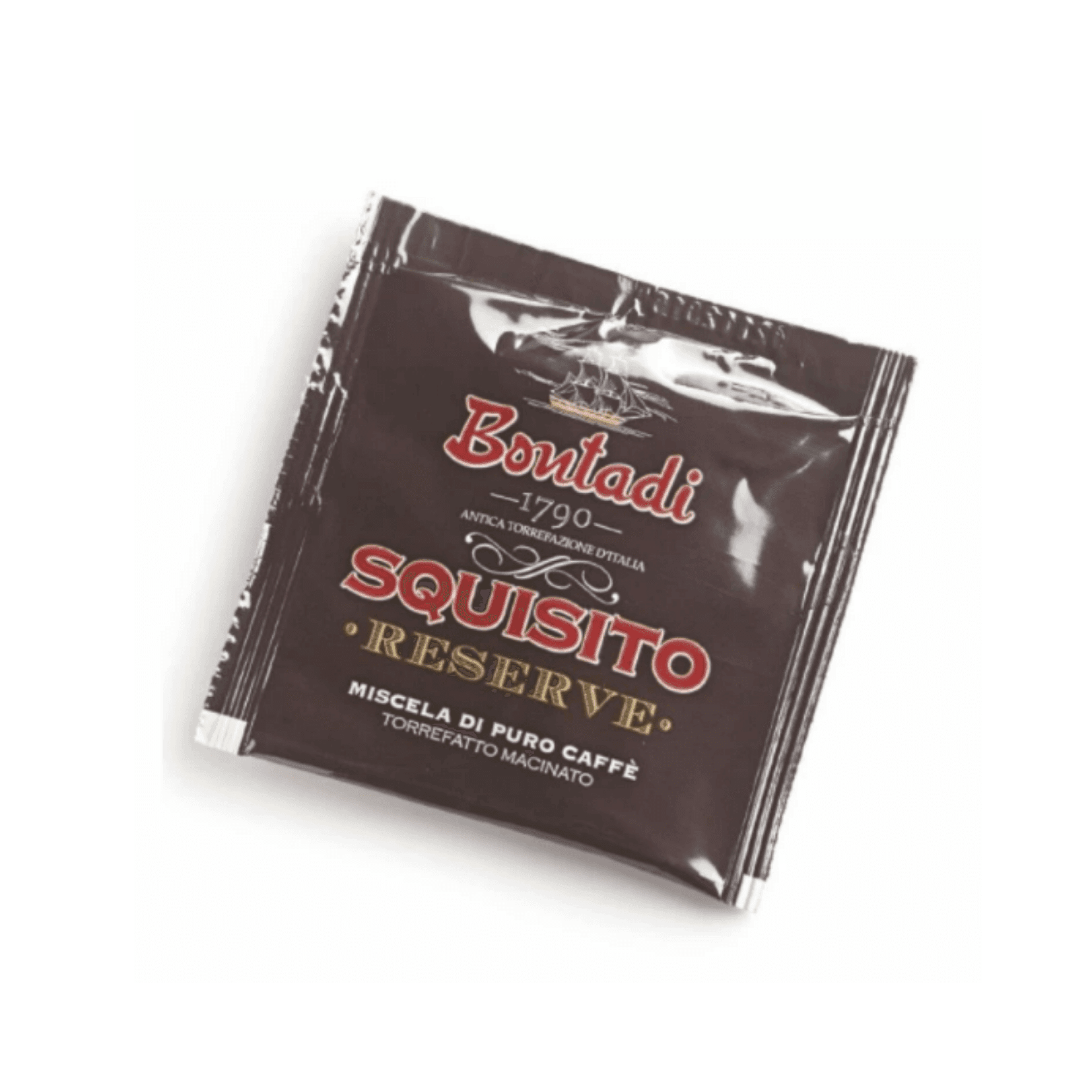
BONTADI SQUISITO RESERVE
$13.70
MediumWhy: Papua New GuineaSimilar priceSame roast


