Out Of The Grey Coffee
Single Origin - ENGORA Papua New Guinea - Fair Trade Coffee
Papua Nya Guinea
- Rostningsgrad: Medium
- Naturell
- Single origin
Single Origin - ENGORA Papua New Guinea - Fair Trade Coffee är ett kaffe från Papua Nya Guinea, som säljs av Out Of The Grey Coffee (USA). Bearbetning: naturell. Rostning: medium. Pris: 22,99 US$ till 23,48 US$, beroende på storlek.
Inget betyg än · Bli först med att recensera det
från22,99 US$
Du skickas till rosteriets butik för att slutföra ditt köp.
- Rosteri baserat i
- USA
- Leverans till
- Sverige · ✓ Ja, enligt rosteriets butik
Smakprofil
Utifrån uppgifterna i rosteriets butik.
- RostningsgradMedium
- LjusMörk
Storlekar och priser
| Malning | Choose Your Caffeine Option | Pris |
|---|---|---|
| Hela bönor | Regular | 22,99 US$ ↗ |
| Malet för espresso | Regular | 23,48 US$ ↗ |
| Malet för French press | Regular | 23,48 US$ ↗ |
| Malet för ibrik | Regular | 23,48 US$ ↗ |
| Medium Coarse (Drip Coffeemaker) | Regular | 23,48 US$ ↗ |
| Medium (Cone-Bottom Filter) | Regular | 23,48 US$ ↗ |
| Medium Fine (K-Cup Pod/Pour-Over) | Regular | 23,48 US$ ↗ |
Beskrivning
Delicately sweet, spices, almond, flowers and caramel flavors, gentle acidity, satiny mouthfeel, long rich drying spice-toned finish.
Roast: Medium
Processing: Wet Milled and Sun Dried
Altitude: 1300 - 1500 M.A.S.L.
Harvest: September (Main Crop) & January - February (Fly Crop)
12 oz. Handcrafted Fair Trade Coffee
On its own as a single origin coffee, or in a blend, ENGORA FTO coffee is reliable and adds value to the cup. It has the complexity and body to use as an espresso base. It is known for its rich syrupy body, fruity flavor, and high acidity.
HOAC (Highland Organic Agriculture Cooperative) is the producer group exported by Coffee Connections. It is one of the few Fair Trade groups registered in PNG. The group has invested their Fair Trade Premium in their community, building new classrooms and desks in the school and purchasing mattresses for local health centers.
The area of production lies in the mountainous Eastern Highlands near the town of Okapa. The coffee grows in very rich, dark red/brown volcanic soil. The coffee is hand picked when it is bright red and dried in the sun. The parchment is covered at night to protect it from the early morning dew. Due to the remote location of the coffee, the trees have never had exposure to chemical fertilizers or pesticides, and the water for the centralized wet mill is taken from a pristine stream. Getting the coffee from the farms to the world is quite a feat due to the geography and lack of infrastructure. The wet mill is situated about 40 miles as the bird flies south of Goroka, but is a six hour drive in a 4x4 vehicle, or a 25 minute small plane. The roads track the mountain ridges and during the rainy season they become impassable. The coffee is trucked out using 4 wheel drive, tractor & trailer when conditions permit.
There are presently 2604 village farmers registered and living amongst the 32 village communities spread over 500 km in the Purosa valley region in the Eastern Highlands. These growers support about 12,000 family members. Coffee is the only cash crop for these producers apart from a few local vegetables. The HOAC members are all village growers who tend their small plots of coffee and individually process in their villages following organic and sustainable agricultural practices.
Our primary partner in PNG is the exporting company Monpi, and through that company we have sourced coffees from individual washing stations and communities such as Kujin, Namugo, and Ulya, as well as through the FTO-certified cooperative Keto Tepasi, located in the Chivu region. We are actively working toward developing a microlot program in Papua New Guinea, which would allow us to offer individual day lots from the washing stations such as Namugo, and potentially reward farmers for quality while also encouraging them to make investments back into their production, picking, sorting, and facilities.
HISTORY
The anthropological history of PNG is fascinating, but this is a page about coffee, so: Germans and British colonized Papua New Guinea in the 19th century, with the Germans toward the north and Brits in the south, where they planted coffee in and around Port Moresby in order to sell it to the Australian market. In the 1920s, commercial coffee production was increased through the introduction of Typica coffee from Jamaica, a variety commonly known as Blue Mountain. As was common in most coffee-growing areas of the Pacific Islands, most of the coffee production was from a handful of large European- or Australian-owned estates, with labor coming from the local indigenous population.
Today, while there are still estates and plantations, the majority of coffee production comes from smallholder farmers, each with around 1–2 hectares called “gardens” in which they grow small amounts of coffee as well as whatever else a family or community might need for use or sale. Less than 3 percent of the country is used for commercial agriculture, and forest makes up more than 63 percent of Papua New Guinea’s landscape.
Cultural differences and conflict are partially responsible for the logistical difficulties of sourcing from PNG: The country’s many indigenous populations are often very distinct from one another in terms of custom and language, and individual communities might comprise only a few hundred people, making communication and the cultural sensitivity required to do business here more difficult than in other coffee-growing regions. Less than 10 percent of the population is connected to or use the Internet for communications, and there are roughly 55 telephones (both fixed-line and cellular) for every 100 people, another impediment when operating within a very digital contemporary global coffee industry.
Frågor om Single Origin - ENGORA Papua New Guinea - Fair Trade Coffee
Var kommer Single Origin - ENGORA Papua New Guinea - Fair Trade Coffee ifrån?
Det kommer från Papua Nya Guinea. Höjd: 1 300–1 500 m.
Hur bearbetas Single Origin - ENGORA Papua New Guinea - Fair Trade Coffee?
Bearbetningsmetod: naturell.
Vilken rostningsgrad har Single Origin - ENGORA Papua New Guinea - Fair Trade Coffee?
Rostningsgrad: medium.
Vad kostar Single Origin - ENGORA Papua New Guinea - Fair Trade Coffee?
Pris: 22,99 US$ till 23,48 US$, beroende på storlek. Priserna kommer från butiken och kan ändras; butiken har de aktuella priserna.
Var kan jag köpa Single Origin - ENGORA Papua New Guinea - Fair Trade Coffee?
I Out Of The Grey Coffees webbutik: priserna på den här sidan länkar dit. Enligt butiken levererar den över hela världen. Cafendo säljer inget kaffe själva.
Recensioner
Inga recensioner än.
Gillar du det här kaffet? Prova de här
Utvalt från andra rosterier utifrån gemensamt ursprung, bearbetning, rostning, smakbeskrivning och pris. Kaffe som samma personer har sparat eller gett höga betyg väger tyngst.
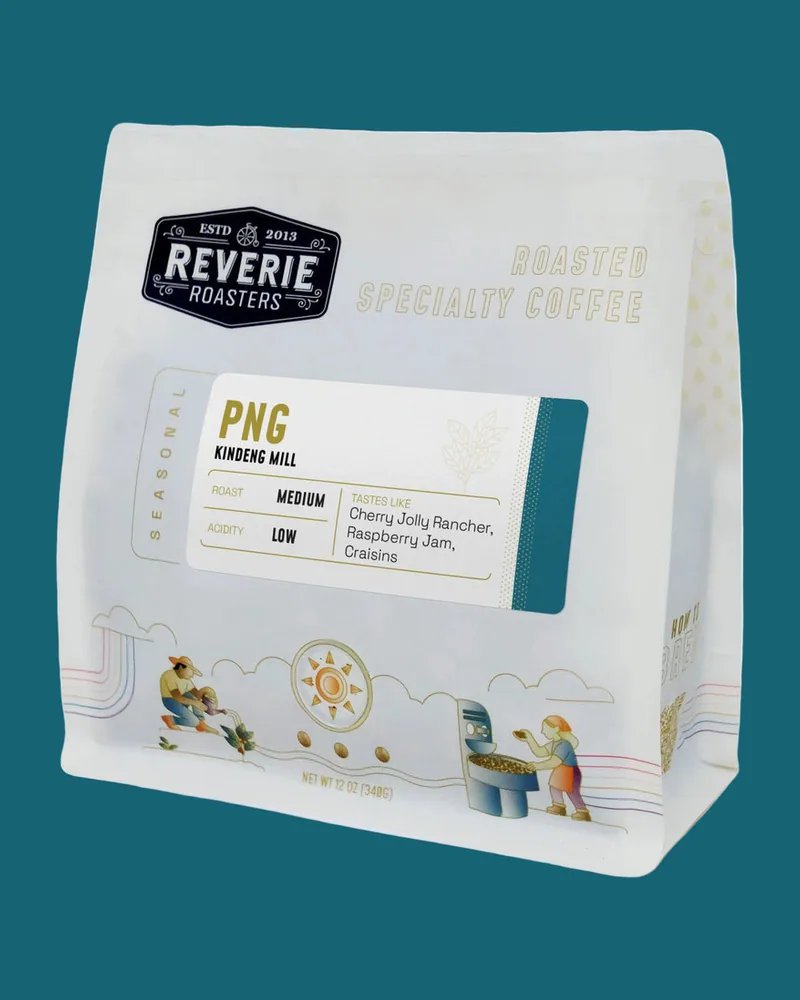
Reverie Coffee Roasters
Papua New Guinea
22,00 US$
MediumVarför: Papua Nya GuineaNaturellLiknande pris
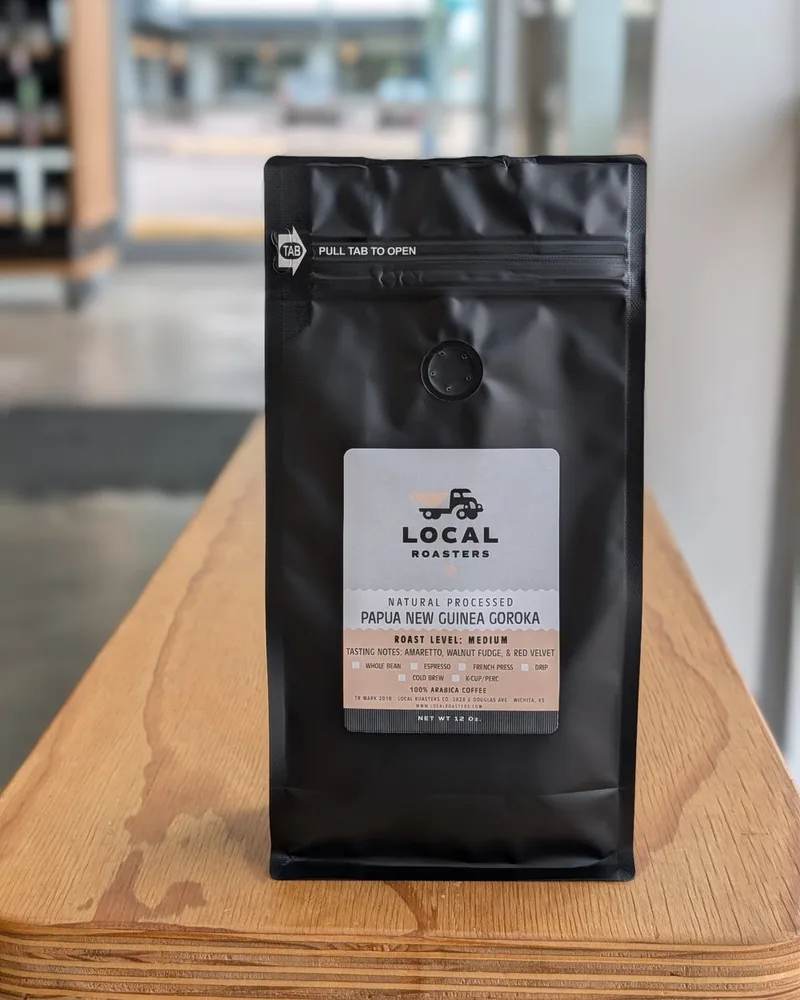
Local Roasters Coffee
Papua New Guinea Goroka
24,99 US$
MediumVarför: Papua Nya GuineaNaturellLiknande pris
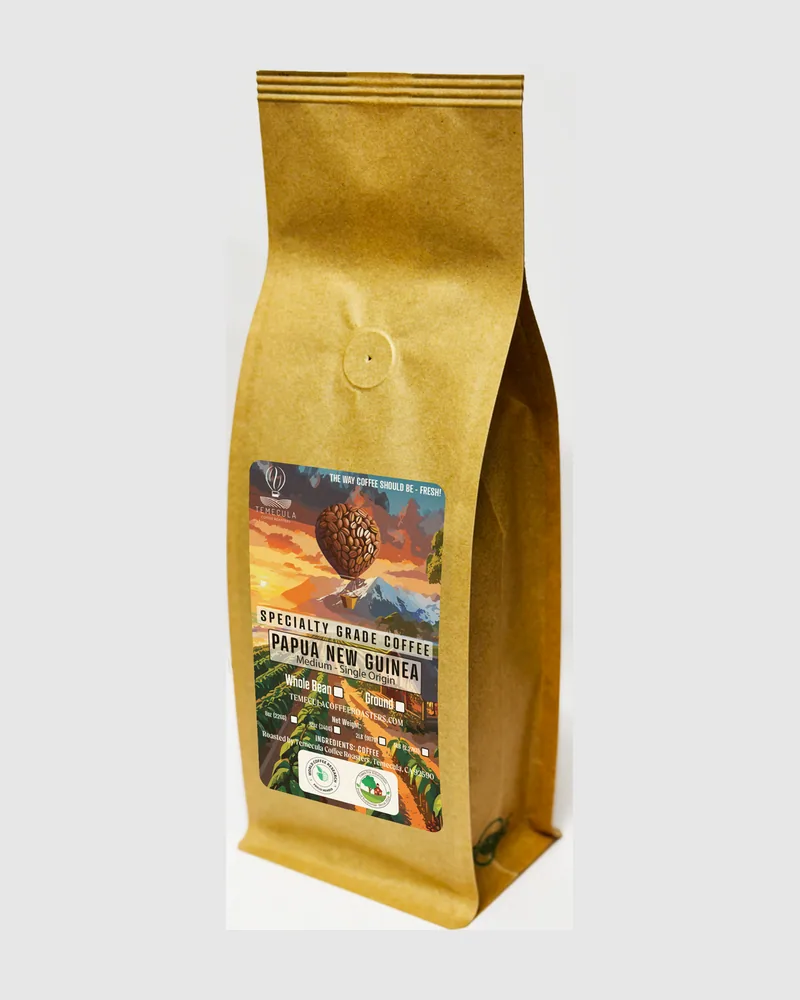
Temecula Coffee Roasters
Papua New Guinea - Medium Roast
17,99 US$
MediumVarför: Papua Nya GuineaNaturellLiknande pris
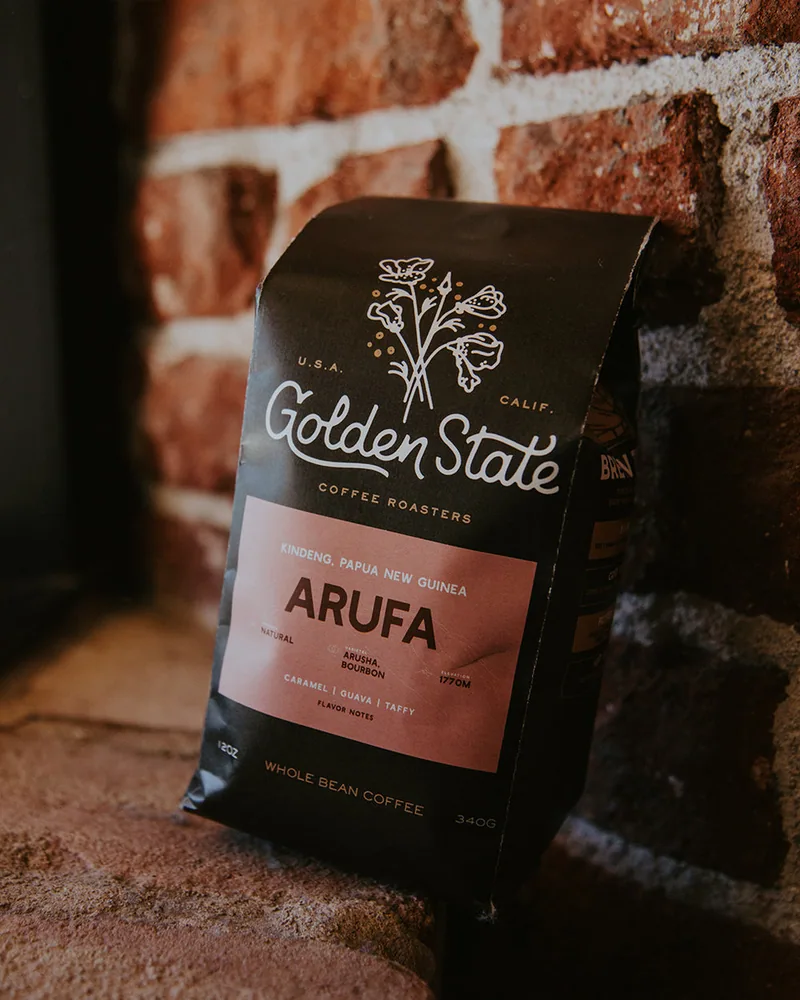
Golden State Coffee
Papua New Guinea Arufa Natural
22,00 US$
LjusVarför: Papua Nya GuineaNaturellLiknande pris
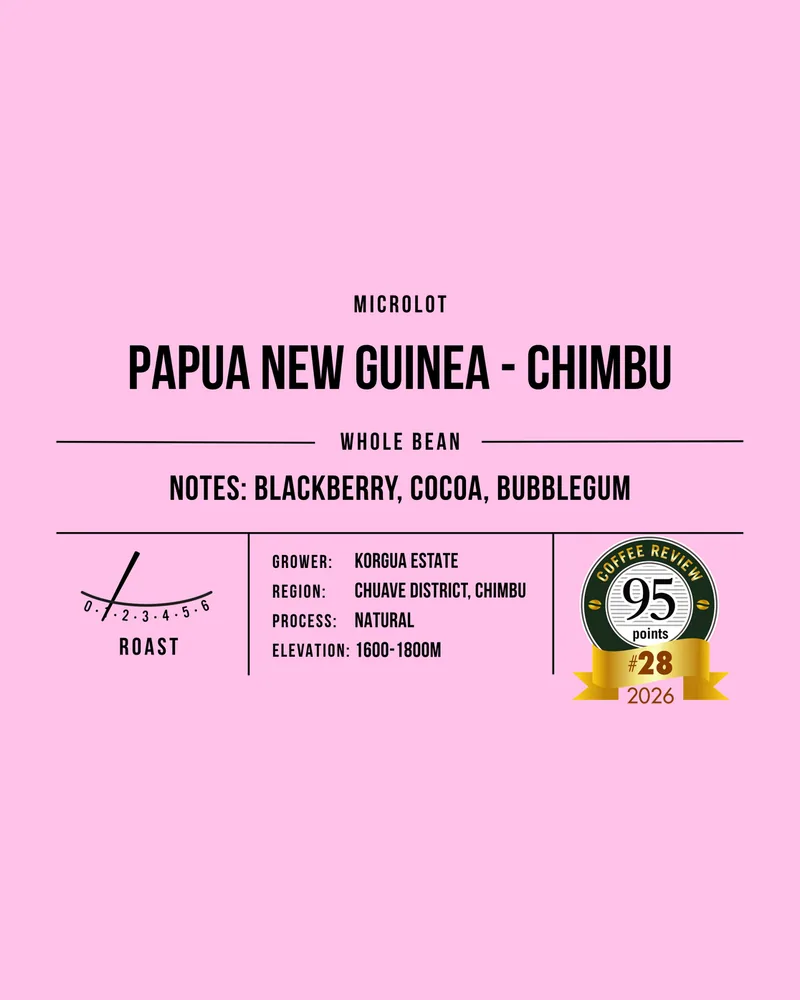
Rusty Dog Coffee
Papua New Guinea Chimbu Microlot, Light Roast - Special Release
21,50 US$
LjusVarför: Papua Nya GuineaNaturellLiknande pris
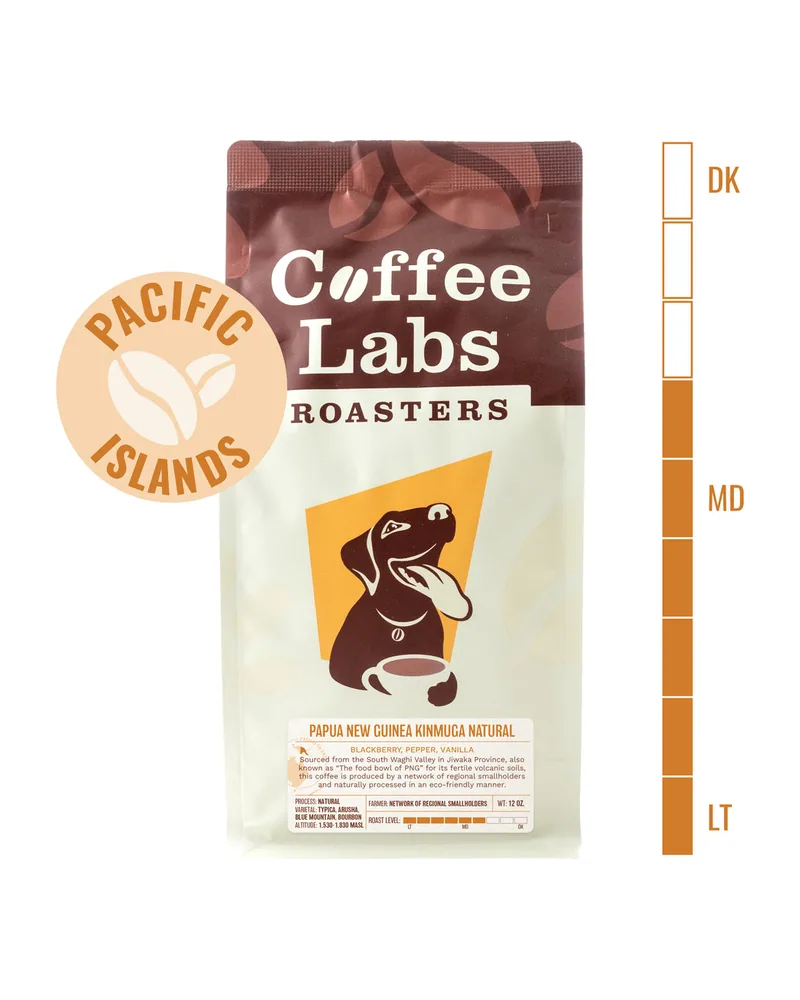
Coffee Labs Roasters
Papua New Guinea Kinmuga Natural 2026
24,00 US$
Varför: Papua Nya GuineaNaturellLiknande pris
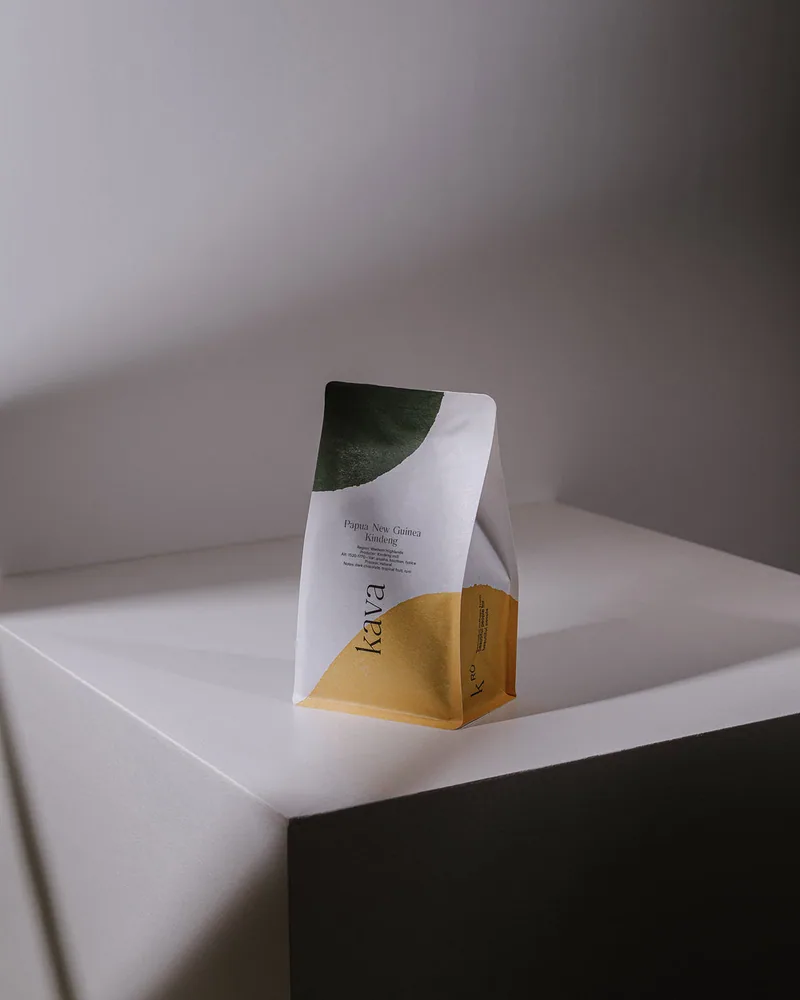
Kava Family
Papua New Guinea | Kindeng
14,00 €
Varför: Papua Nya GuineaNaturellLiknande pris
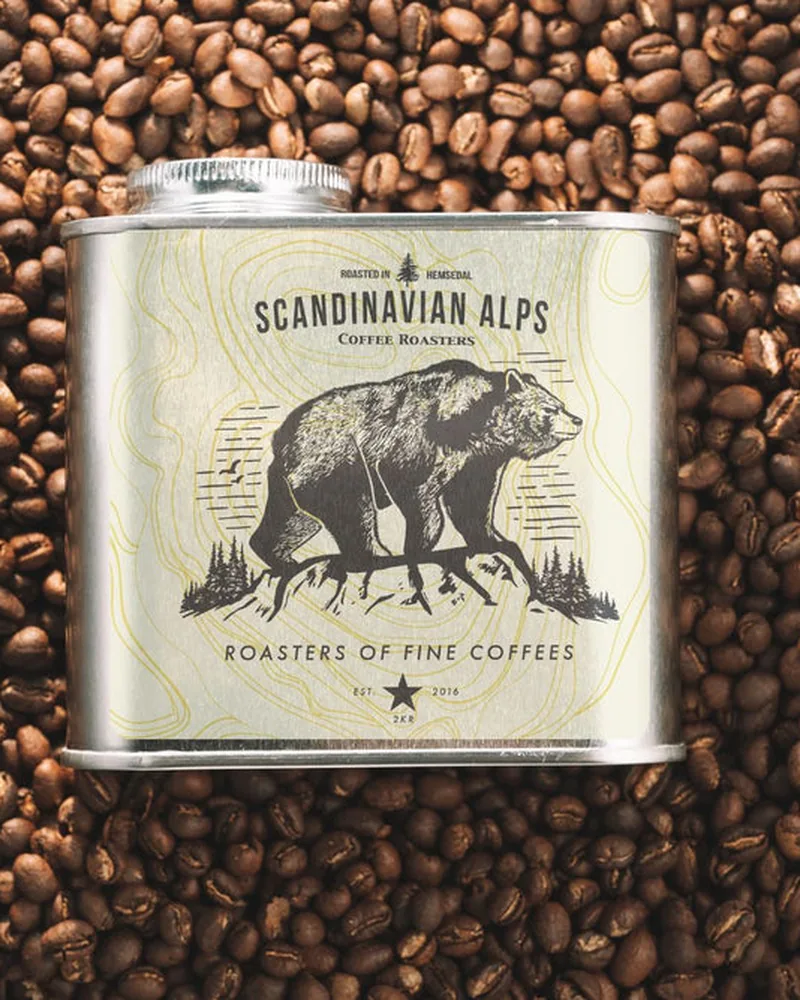
Scandinavian Alps Coffee
Papua New Guinea Kindeng Mill
175,81 Nkr
Varför: Papua Nya GuineaNaturellLiknande pris