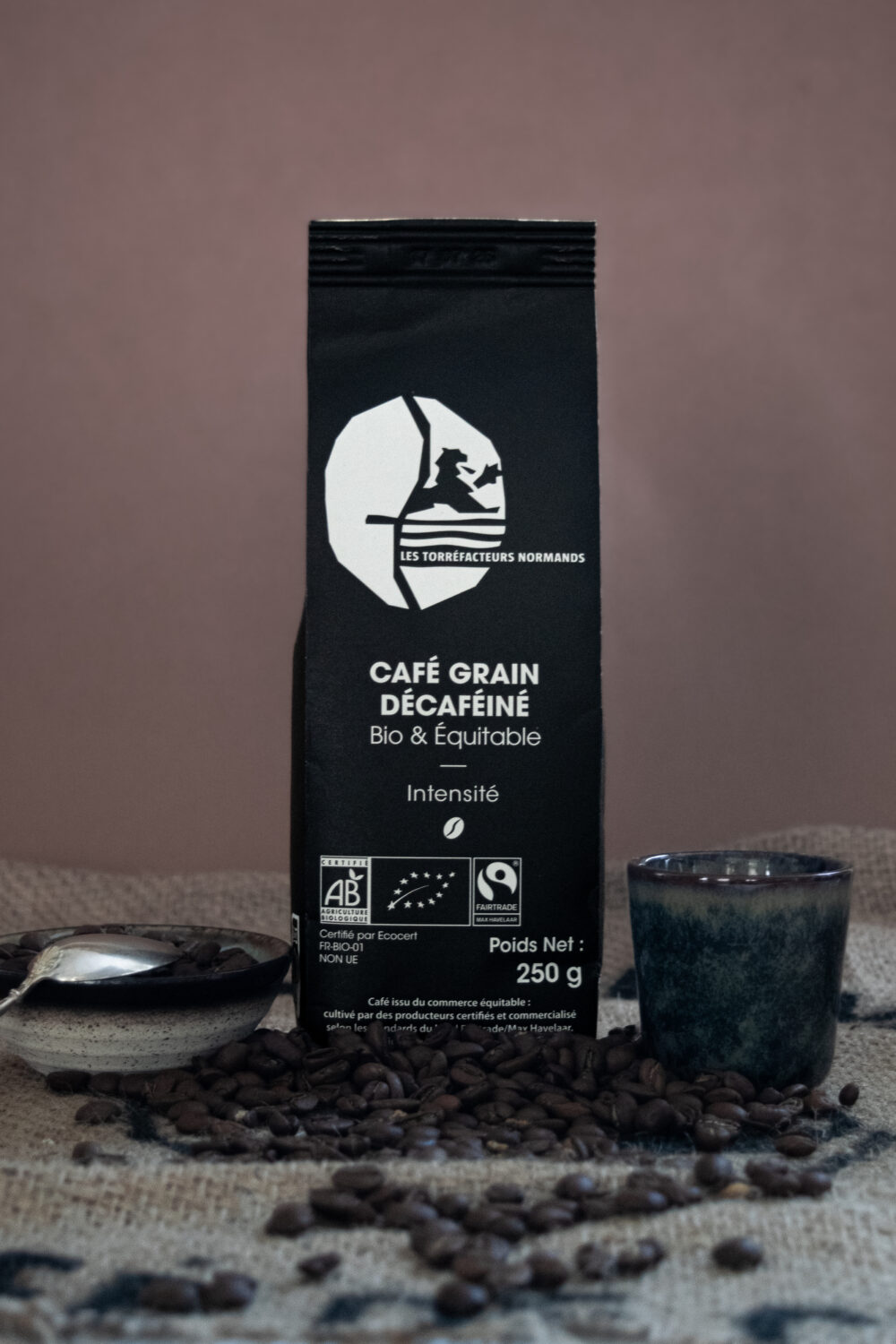
Le Décaféiné bio et équitable
- Decaffeinated Coffee
Not rated yet · Be the first to review it
from€4.20
≈ €25.00 / kg
You’ll be taken to the roaster’s shop to complete your purchase.
- Roaster based in
- France
- Ship to
- United States · Check on the roaster’s shop
These days, many regular coffee drinkers don’t want to give up their little morning cup, but they’re avoiding caffeine.
Sizes and prices
Description
The History of Decaf
Decaf was developed in the early 20th century by Mr. Ludwig Roselius. This German merchant was the first to market coffee beans that had accidentally been immersed in seawater during a voyage. After analyzing them, he realized that the coffee had lost its caffeine while retaining some of its flavor. A chemist, Mr. Runge, had already managed to separate the bean from its stimulating substance several decades earlier, but the idea hadn’t caught on at the time.
The Different Methods
To be considered decaffeinated, coffee must contain less than 1% caffeine. There are three ways to achieve this.
Solvents
Industrial producers primarily use solvents to extract caffeine from green coffee beans. They favor this less eco-friendly option. Large corporations already pay little attention to bean quality and roasting. They make no effort to use the least artificial method possible to extract caffeine. Given the enormous volume produced by industrial companies, it’s easy to see why decaf made with solvents accounts for 97% of global production.
Water
It was by chance that people discovered water could extract caffeine from coffee beans. That’s why this process is still used today for its natural properties. This method treats the beans gently and preserves some of their flavor. The coffee is soaked in baths. The remaining water then evaporates, carrying away the excess caffeine. There are even ways to recover the caffeine and sell it to manufacturers for use in soft drinks.
CO2
Carbon dioxide works very well to remove caffeine from our favorite beverage. When this gas is subjected to a specific temperature and high pressure, it proves to be an excellent way to penetrate the heart of the bean and dissolve the stimulating substance. Very high-pressure water jets are then enough to extract it. This method has significant advantages. Much more natural than solvents, CO2 meets the requirements for organic certification. People who turn to decaf out of necessity or by choice are often drawn to the benefits of organic products. To work with farmers receiving fair compensation certified by the Max Havelaar organization, we had to choose this decaffeination method. As you’ve probably gathered, we chose this method for our coffee.
Our Organic Decaf Coffee
Our greatest reward is hearing that our decaf really tastes like coffee. We’ve found that many people who could no longer consume caffeine had to give up coffee altogether! At the frequent tastings we hold at trade shows, we’ve always offered our decaf, and the response has been excellent. Our organic decaf has all the flavors of a mellow coffee, which comes as a surprise! People often tell us it has body and intense aromas. Believe us, it really is decaf! It’s enormously satisfying to see people who’d given up caffeine return to their morning ritual thanks to us. For a more natural experience, we chose organic beans from Peru, and for greater ethics, we chose to work with the fair-trade supply chain.
Reviews
No reviews yet.
Similar coffees
Other roasters’ coffees like this one
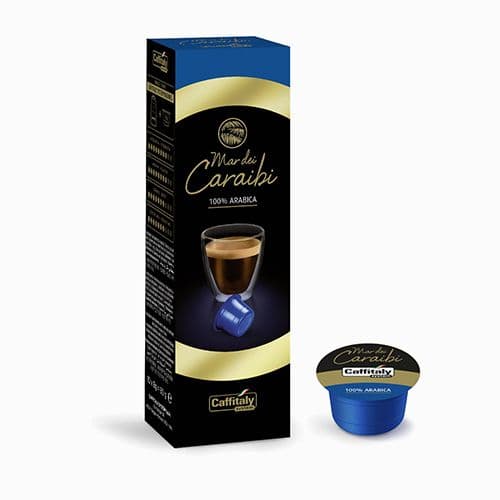
Caffitaly Moldova
Caffitaly Premium Mar dei Caraibi
$3.50
Medium
Caffitaly Moldova
Caffitaly Premium Terre del Guatemala
$3.50
Medium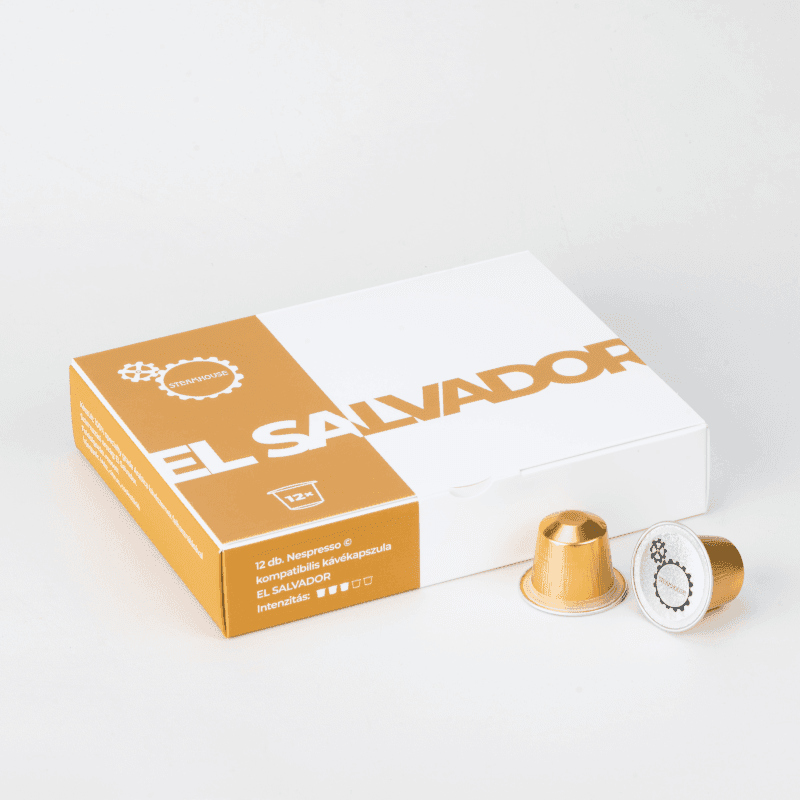
Steamhouse
Pack of 12 El Salvador capsules
$6.50
Medium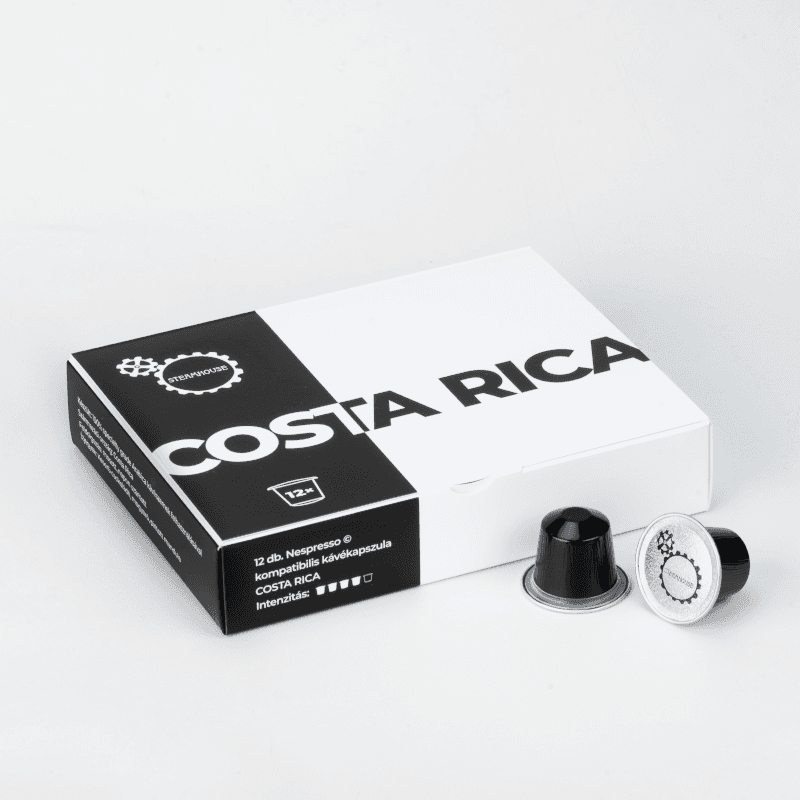
Steamhouse
Pack of 12 Costa Rica capsules
$6.50
Medium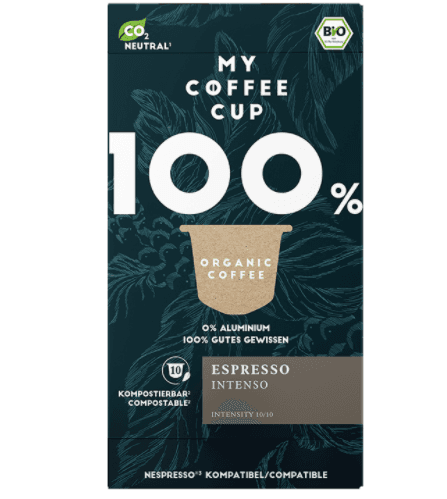
My Coffee Cup
ESPRESSO INTENSO
$3.29
Dark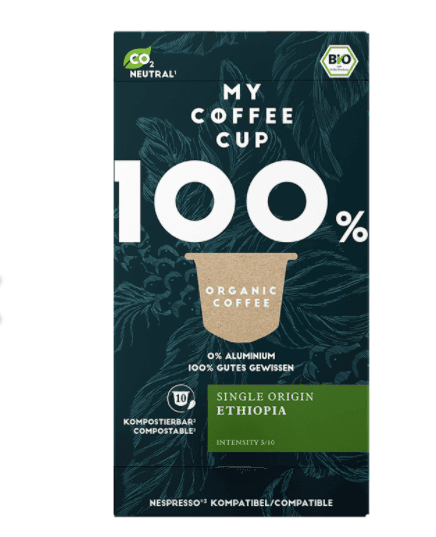
My Coffee Cup
SINGLE ORIGIN ETHIOPIA
$3.99
Light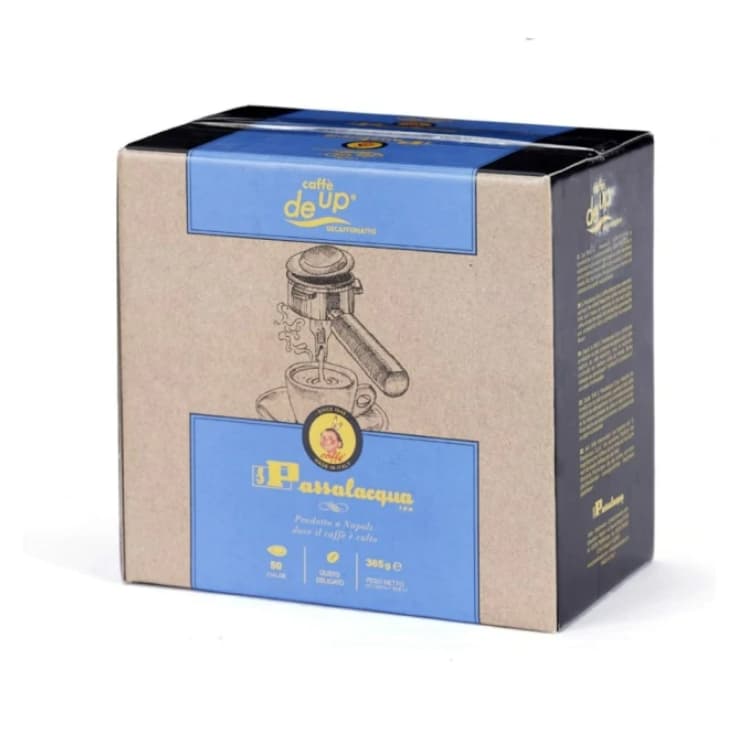
Passalacqua
Deup capsules
$12.75
Medium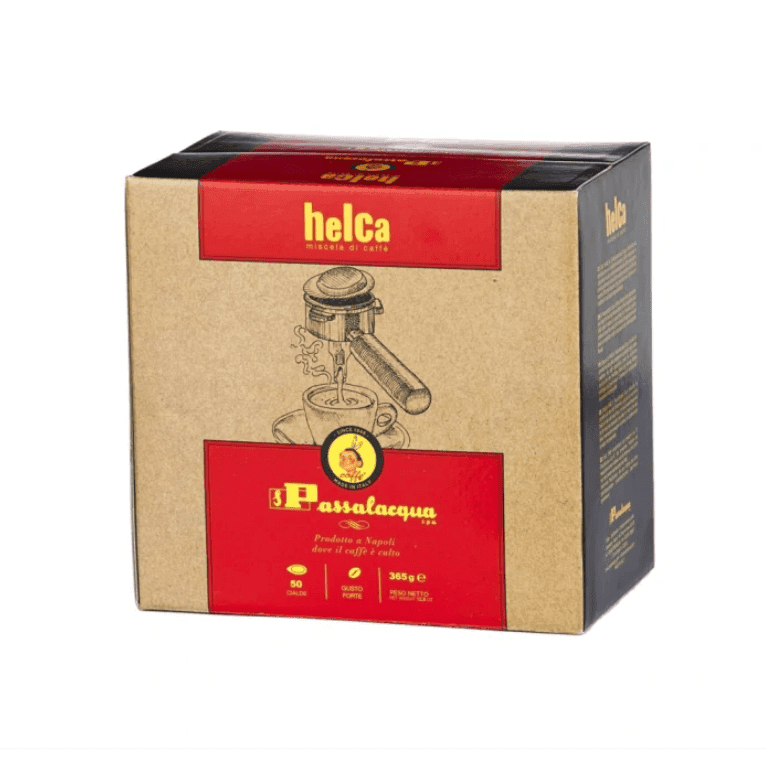
Passalacqua
Helca capsules
$11.70
Medium