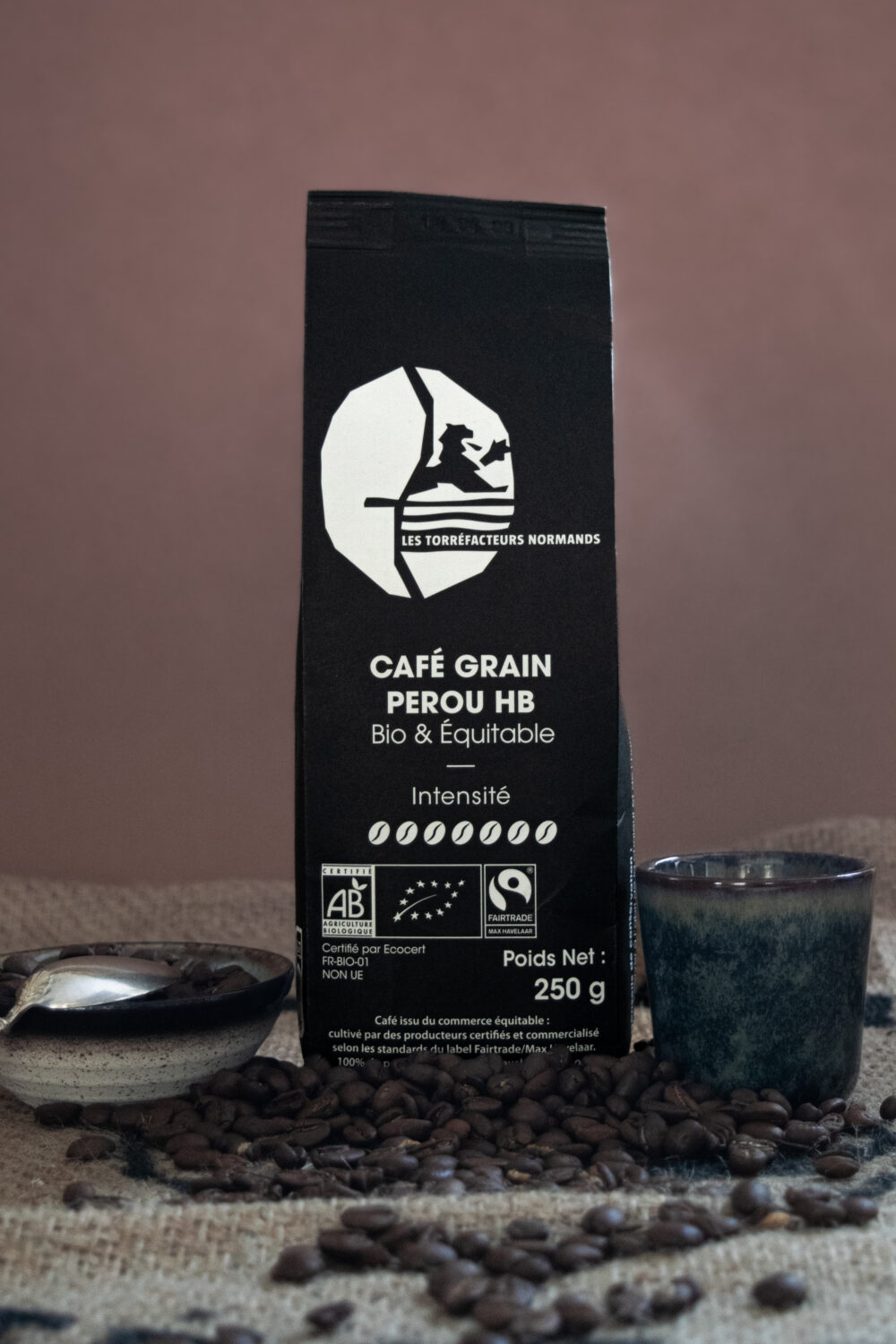
Le Café du Pérou Bio et Equitable
Le Café du Pérou Bio et Equitable is a coffee sold by Les Torréfacteurs Français (France). Price: €6.60 to €235.00, depending on the size. That is from €25.00 per kilo.
Not rated yet · Be the first to review it
from€6.60
≈ €25.00 / kg
You’ll be taken to the roaster’s shop to complete your purchase.
- Roaster based in
- France
- Ship to
- United States · Check on the roaster’s shop
Although this faraway destination may seem exotic, its coffee is extraordinary. From production to your cup, the journey is worth it.
Sizes and prices
Description
Although this faraway destination may seem exotic, its coffee is extraordinary. From production to your cup, the journey is worth it.
Our organic, Fairtrade range needed a bold coffee with an excellent mouthfeel. It didn’t take long for us to fall for the quality of this cup.
Peru, coffee in the land of the Incas
Over time, organic and Fairtrade Peru has become a major player in green coffee production in South America, and artisan roasters are sure to work with its beans.
Coffee beans in the Andes
At first, the earliest coffee trees were grown near the port of Pacasmayo in the north, but their harvest was used only for local consumption. It wasn’t until the early 1960s that exports began to grow significantly. The arrival of railways in the southern regions and the province of Chanchamayo proved to be a tremendous asset for transporting their crops. As in Brazil, improved infrastructure allowed small producers to grow their businesses. The best beans grow at high altitudes on the slopes of the Andes, particularly on certain slopes between 1,200 and 2,000 meters, and more broadly between 800 and 2,000 meters depending on the area. This high-altitude climate slows the ripening of the cherries, refining the terroir and encouraging more complex aromas and subtle acidity, thanks to the richness of the soil. That’s why this practical boost was needed for coffee cultivation to develop, often under the shade of trees and using practices that are more respectful of nature, biodiversity, and forests.
Peru’s production grows
At the beginning of the 2000s, production doubled in Peru. As a result, it became South America’s third-largest producer and the world’s 11th-largest, with coffee as its leading agricultural export. Peruvians clearly understand that they need to focus more on exports. Peruvian coffee is based on organic products, with around 70% of production coming from organic farming, making Peru the world’s leading exporter of organic coffee. Today, it’s hard to find espresso in Peru, as the local population prefers freeze-dried beverages. All the highest-quality beans are reserved exclusively for foreign markets. Around 60,000 small producers, often organized into cooperatives, work on small farms using artisanal methods adapted to local conditions. The growth of the global market is a major benefit to Peru’s coffee economy. The decision to grow mainly Arabica is paying off, as Peru is now one of the world’s five largest Arabica exporters. A significant share of the harvest is also Fairtrade, reflecting a spirit of respect for producers, with more stable incomes and cooperatives that support marketing as well as social projects that benefit everyday life.
Peruvian coffee won us over
Sometimes chance works in your favor. Peru makes great coffee. We’re proud to offer a coffee with a smooth, balanced profile and naturally fruity flavors, with notes and aromas of chocolate, hazelnut, and citrus for a lovely mellow taste.
Its characteristics:
- Grown at elevations between 1,000 and 1,500 meters
- Harvested from April to September
- Wet-processed
- Sun-dried
- Hand-sorted
- Caffeine content: 1.17%
Our first bags of organic coffee
We started roasting these Peruvian beans thanks to one of our business customers. None of the many specialty food stores we supplied had yet asked us for a bold, single-origin organic coffee made through Fairtrade, from a country where around 70% of production comes from certified organic farming. After a quick search, we were offered this concentrated taste of Peruvian pleasure! It immediately became highly sought after in specialty bulk-food stores. It’s grown in accordance with organic farming requirements. Producer cooperatives play a vital role, showing real respect for terroirs, high-altitude forests, and sustainable practices, often certified by Fairtrade. All the stores that prioritize organic products carry this coffee. These beans are grown according to Fairtrade principles, helping improve living conditions for producer families and encouraging them to abandon harmful practices such as slash-and-burn farming.
Peru wins popular acclaim
At first glance, we’ve never had such good luck with a new coffee. We didn’t necessarily choose to work with Peru at first, but it immediately felt like the right choice. Its clean, pronounced flavor reveals an excellent balance, with a silky body, light acidity, and real sweetness in the cup, along with a beautifully long finish. This lingering finish is smooth, rounded, and very pleasant to drink, with a natural sweetness. Our roasters especially appreciate this quality because it also adds complexity to the tasting experience. Its profile stands out for notes and aromas of dark chocolate and ripe fruit, sometimes with floral notes, with flavors that vary by region. You’ll find a pleasant bitterness, accompanied by a touch of freshness, rather than a coffee that’s completely unlike the tartness of an Ethiopian Moka. It also offers rich sensory depth, sometimes with a hint of cocoa or red berries that coffee lovers adore. Coffees from northern Peru are often brighter and fruitier, while those from the south have a more complex, floral character. For brewing, we recommend choosing an automatic Delonghi bean-to-cup machine, since roasting and brewing methods directly affect the result in the cup.
Le Salon Gourmand 2017
First of all, this organic, Fairtrade Peruvian coffee was lucky! We received it just before Le Salon Gourmand 2017 in Rouen. This is the most important event of the year for us. We serve more than 2,000 espressos to visitors over a weekend. Of the twenty bags of beans available to choose from, Peru was a clear favorite. It’s mainly Arabica, grown in different mountain areas according to a long-standing tradition. In fact, a third of the coffees served at the event came from the land of the Incas, with much-appreciated profiles shaped by region and climate: Typica makes a smooth, balanced cup, Bourbon brings more chocolate notes, Caturra offers more fruit, and Catimor showcases a true expertise in adaptation; this diversity also tells part of Peru’s coffee history. Today, this organic, Fairtrade coffee remains one of the longtime favorites in our community.
Questions about Le Café du Pérou Bio et Equitable
How much does Le Café du Pérou Bio et Equitable cost?
Price: €6.60 to €235.00, depending on the size. That is from €25.00 per kilo. Prices come from the shop and can change; the shop has the current ones.
Where can I buy Le Café du Pérou Bio et Equitable?
In the online shop of Les Torréfacteurs Français: the prices on this page link to it. Cafendo does not sell coffee itself.
Answers built from the shop’s own data and the Cafendo catalog.
Reviews
No reviews yet.
Similar coffees
Other roasters’ coffees like this one

Earth Bean Coffee
Colombia Magdalena
$18.00
Medium
Earth Bean Coffee
Malca (espresso)
$17.00
Medium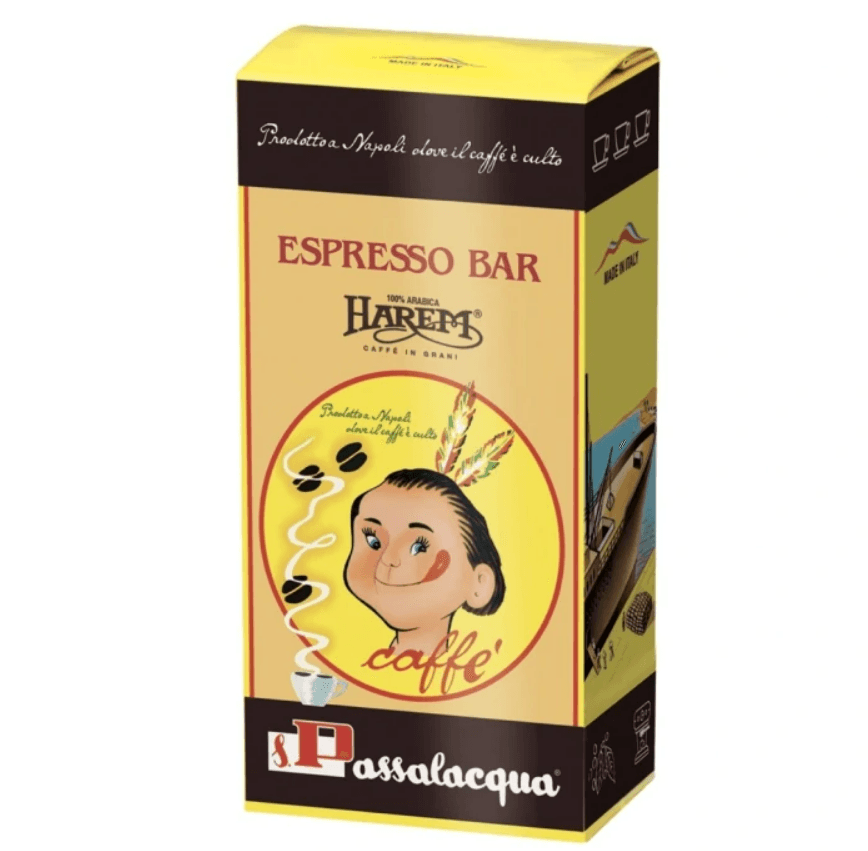
Passalacqua
Harem
$19.00
Dark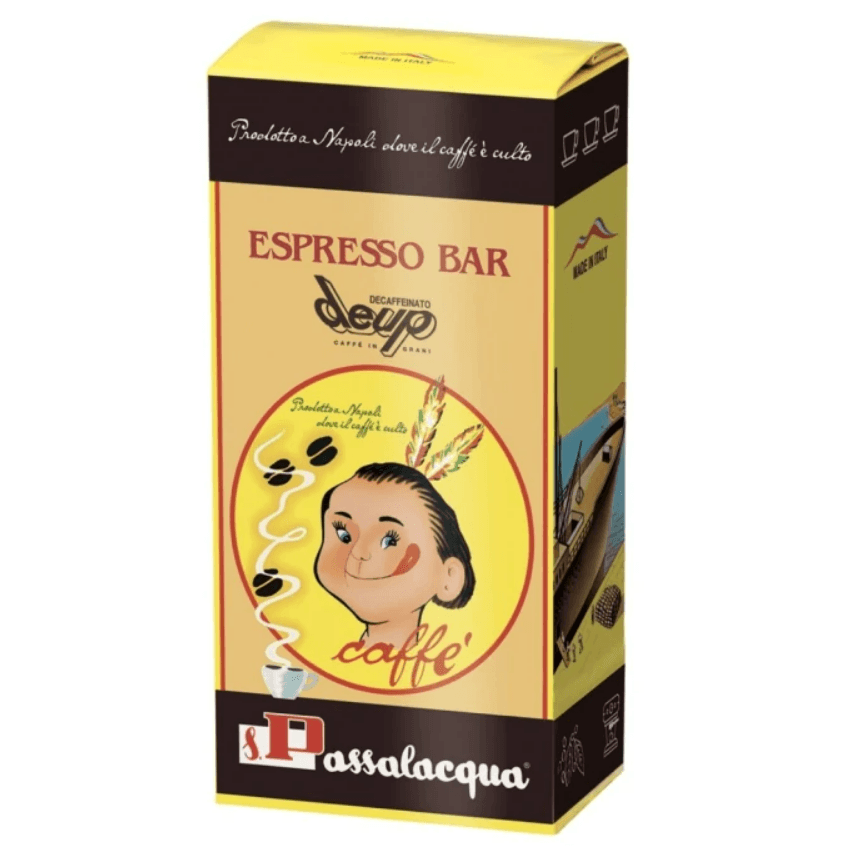
Passalacqua
Deup
$14.50
Dark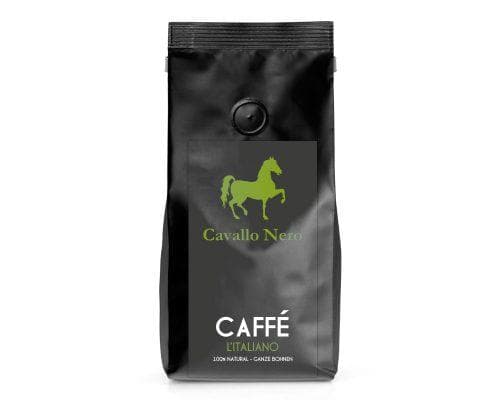
Biotiva
Coffee L'Italiano
$12.50
Dark
Biotiva
Cavallo Nero Coffee Extra Mild
$12.50
Medium
Steamhouse
Guatemala Coffee Beans
$10.00
Medium
Two Wheels Coffee
Burundi Nemba Bourbon specialty coffee
$5.29
Medium