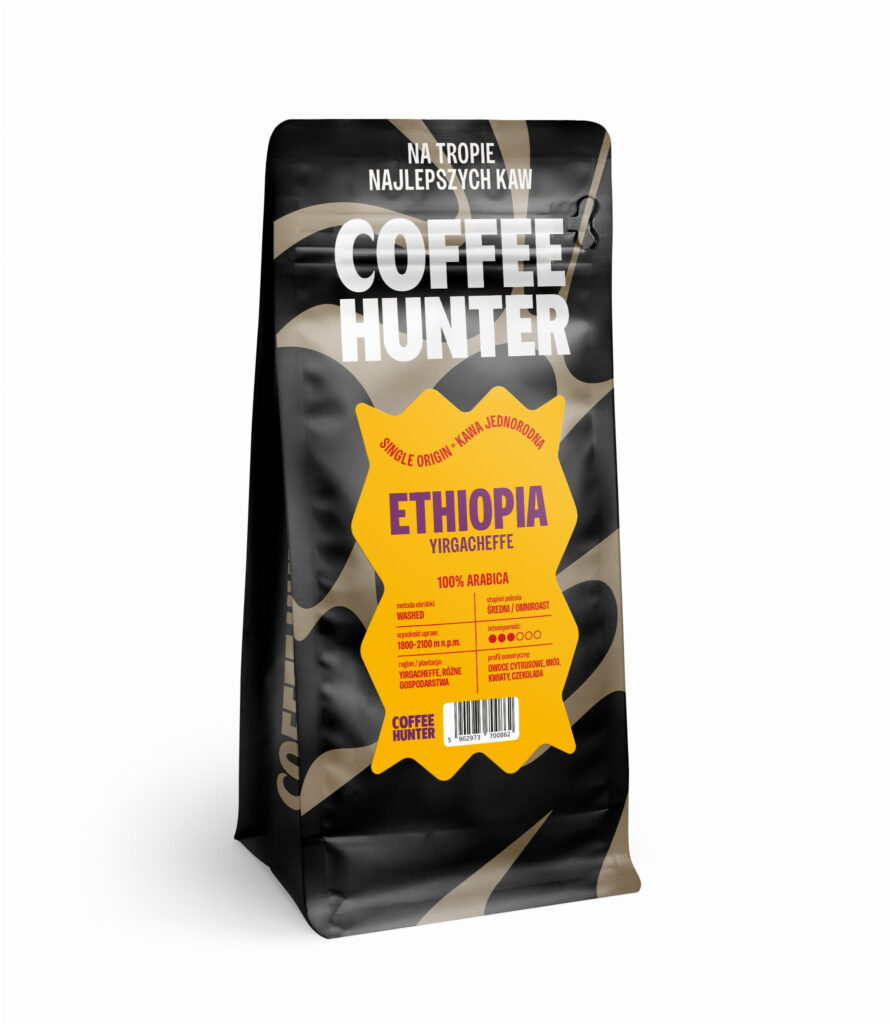
Kawa Etiopia Yirgacheffe
Ethiopia
- Single Origin
Kawa Etiopia Yirgacheffe is a coffee from Ethiopia, sold by Land Cafe (Poland). Price: PLN 44.99 to PLN 147.99, depending on the size. That is from PLN 147.99 per kilo.
Not rated yet · Be the first to review it
fromPLN 44.99
≈ PLN 147.99 / kg
You’ll be taken to the roaster’s shop to complete your purchase.
- Roaster based in
- Poland
- Ship to
- United States · Check on the roaster’s shop
The distinctive aroma of African coffees and exceptional flavor notes of fresh peaches, honey, chocolate, and nuts. A fantastic lime aftertaste lingers on the finish. Etopia Yirgacheffe coffee surprises with its flavor from the first sip to the last drop.
Sizes and prices
| Coffee Size | Per kg | Price |
|---|---|---|
| 250g | PLN 179.96 | PLN 44.99 ↗ |
| 500g | PLN 155.98 | PLN 77.99 ↗ |
| 1kg | PLN 147.99 | PLN 147.99 ↗ |
Description
Today, the Federal Democratic Republic of Ethiopia, formerly Abyssinia, is considered the birthplace of all coffee in the world. All the stories about the discovery of how coffee beans could be used—and, many believe, the word “coffee” itself—come from here.
Ethiopia is probably the world’s oldest coffee exporter, and coffee-drinking culture is so well established in the country that more than half of the harvest is consumed locally, putting Ethiopia in first place among coffee-producing countries.
Ethiopia lies in the so-called Horn of Africa, in the eastern part of the continent. It borders Kenya to the south, Somalia to the north and east, Eritrea to the northeast, and Sudan and South Sudan to the west. The country has no direct access to the sea, but is rich in natural resources (gold, platinum, and copper) and has significant agricultural potential.
Although Ethiopia’s economy is very underdeveloped and a large share of the population struggles with poverty, it is the fastest-growing country on the entire African continent. To put this into perspective, in 1995, more than 70% of the population lived below the poverty line (earning less than $1.90 a day); by 2015, that figure had fallen to 30.8%. Of course, this is still one of the worst rates in the world, but Ethiopia undoubtedly has a future of continued growth ahead. This applies to both the agricultural and industrial sectors, and the process is tied to policy changes and population growth, which provide Ethiopia with a labor force and a growing consumer market.
The coffee market, too, is undergoing positive changes after a period of political upheaval that began in the 1970s. Ethiopia, nearly stripped of private enterprise and in conflict with its neighbors, is now beginning to rebuild its coffee empire.
The most important coffee-growing regions in Ethiopia are Harrar, Sidamo, Wollega, Illubabor, Kaffa, and Shoa. Only Arabica is grown, and much of it is naturally processed.
Coffee flowering in Ethiopia takes place from January to March, and the harvest runs from October to April. The main destinations for these crops are Japan, Italy, the U.S., and Saudi Arabia.
Coffee from Ethiopia is usually named after the region where it was grown. It most often comes from larger producer cooperatives, which deliver the raw coffee to processing stations where the beans are sorted and graded. For example, Ethiopia Yirgacheffe Aricha gr.1 NATURAL is coffee from the Yirgacheffe region, processed at the Aricha station, Grade 1, using the natural process.
The most widely recognized growing regions include:
YIRGACHEFFE – where coffee is predominantly wet-processed. Beans from this region usually have a complex flavor, with notable acidity and a medium body.
SIDAMO – a region where most coffees are also washed, with a wine-like aftertaste, moderate acidity, and medium body.
DJIMMAH – home to the region’s best-known coffees, such as Ethiopia Djimmah Grade 5, naturally processed. This grade is now considered a middle ground between premium and commercial quality. The beans have quite a few defects and uneven moisture, but are often harvested from areas where coffee grows naturally (wild). Buyers around the world value them for their reasonable price-to-quality ratio and relatively clean flavor.
HARRAR – home to the pearl of Ethiopian coffees, Ethiopia Harrar Longberry. Its flavor reveals forest berries, blackberries, lemon acidity, and chocolate sweetness. Natural processing is most common in the region, and the varieties grown there have distinctive names: longberry (large beans), shortberry (smaller beans), or mocha (peaberry beans). Most of these coffees are exported to Saudi Arabia, where buyers are willing to pay any price for them. As a result, they are hard to find on the European market.
LIMMU – a region where the beans are most often washed. Coffees from this region have a distinctive, wine-like aftertaste, are sweeter, and have less pronounced acidity.
In addition to region names, Ethiopians use the grade designation for each coffee, as in the examples above. There are eight grades in total, of which only six are intended for export. Each grade is assigned a number of defects in a 300-gram sample:
GRADE 1: 1 – 3 defects
GRADE 2: 4 – 12 defects
GRADE 3: 13 – 25 defects
GRADE 4: 25 – 45 defects
GRADE 5: 46 – 100 defects
GRADE 6: 101 – 153 defects
Questions about Kawa Etiopia Yirgacheffe
Where does Kawa Etiopia Yirgacheffe come from?
It comes from Ethiopia.
How much does Kawa Etiopia Yirgacheffe cost?
Price: PLN 44.99 to PLN 147.99, depending on the size. That is from PLN 147.99 per kilo. Prices come from the shop and can change; the shop has the current ones.
Where can I buy Kawa Etiopia Yirgacheffe?
In the online shop of Land Cafe: the prices on this page link to it. Cafendo does not sell coffee itself.
Answers built from the shop’s own data and the Cafendo catalog.
Reviews
No reviews yet.
If you like this coffee, try these
Picked from other roasters for a shared origin, process, roast, tasting notes and price. Coffees that the same people saved or rated highly count the most.
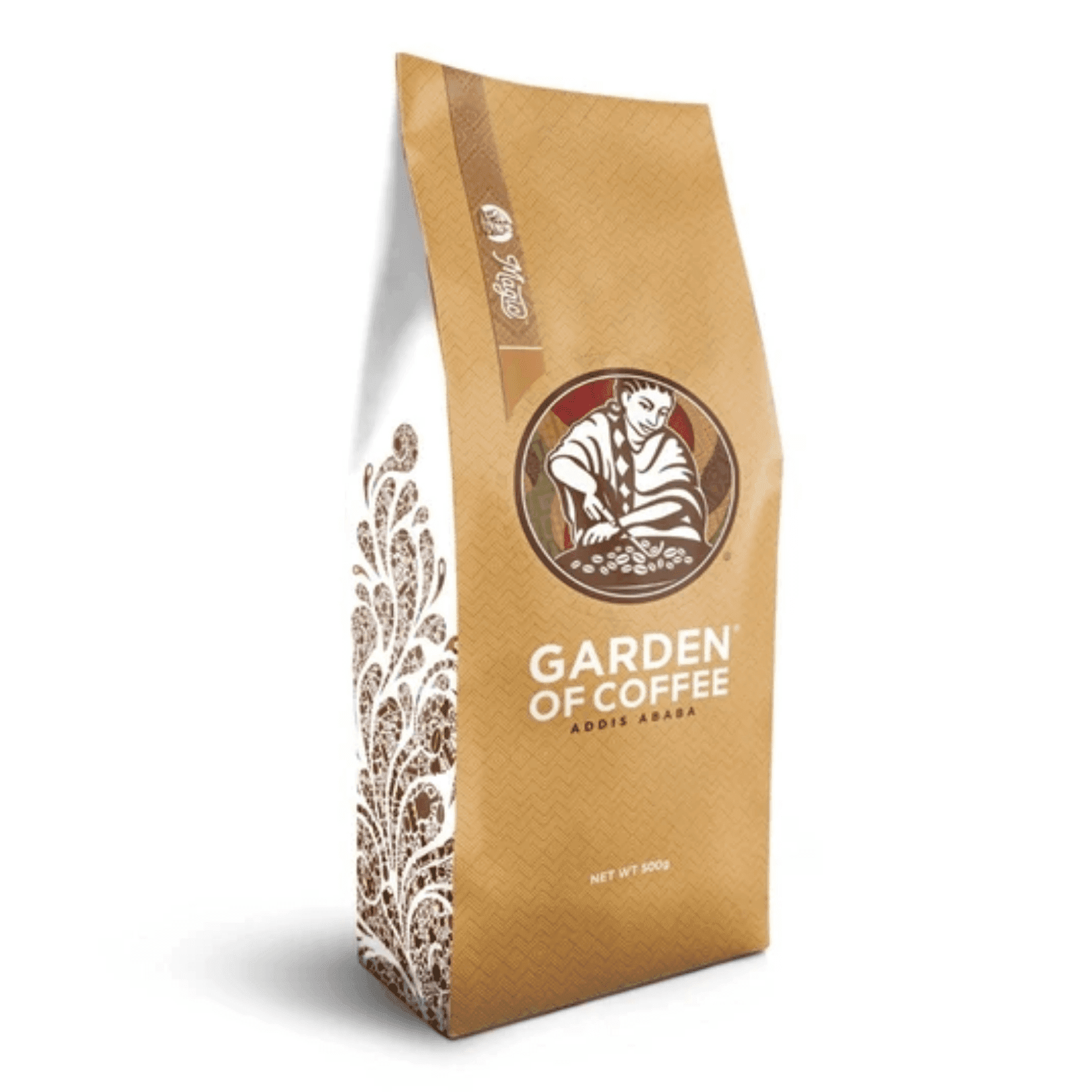
Garden of Coffee
YIRGACHEFFE MAGIC
$35.00
MediumWhy: EthiopiaSimilar price
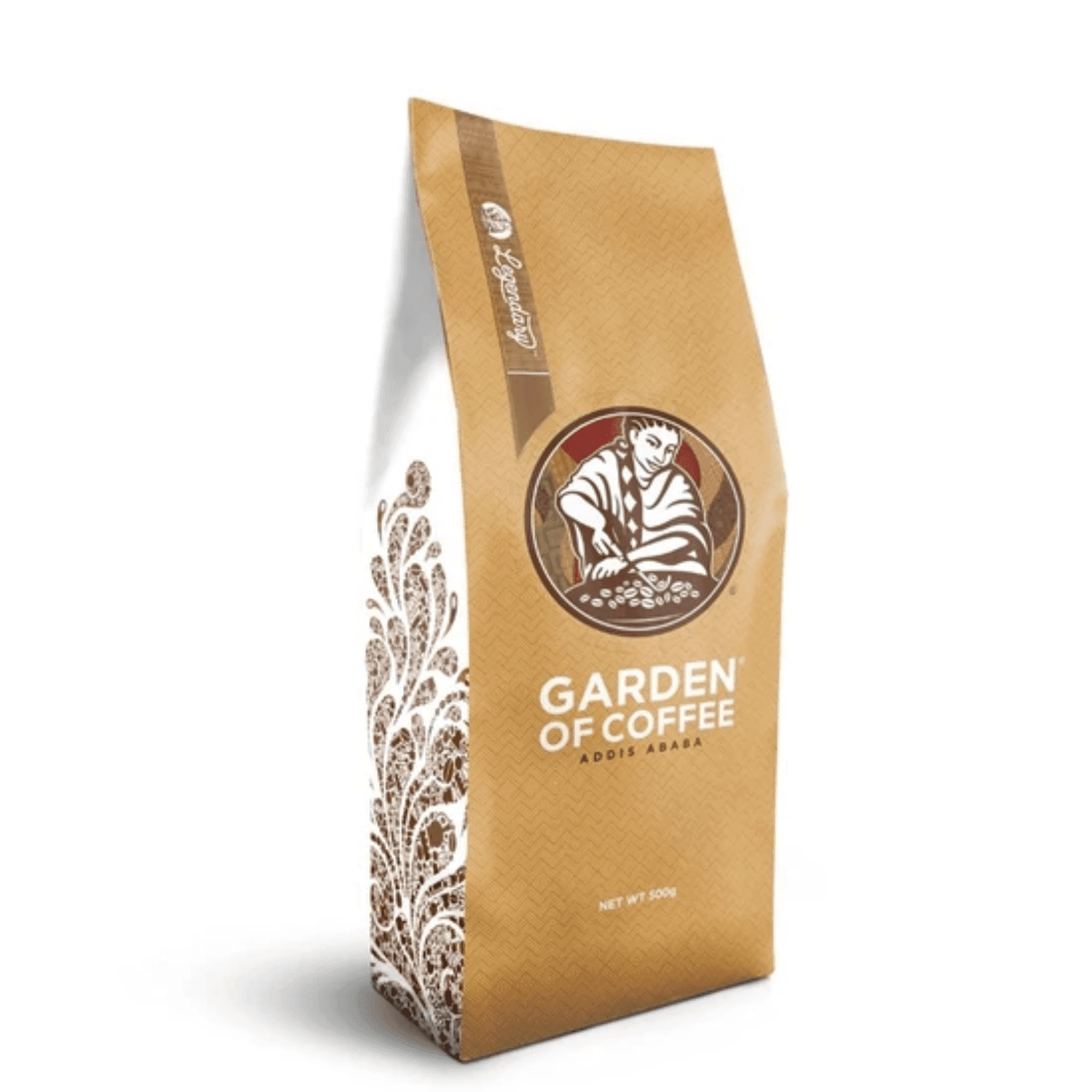
Garden of Coffee
SIDAMO LEGENDARY
$35.00
MediumWhy: EthiopiaSimilar price

Good Coffee Roasters
Ethiopia Nano Genji
$27.00
Why: EthiopiaSimilar price
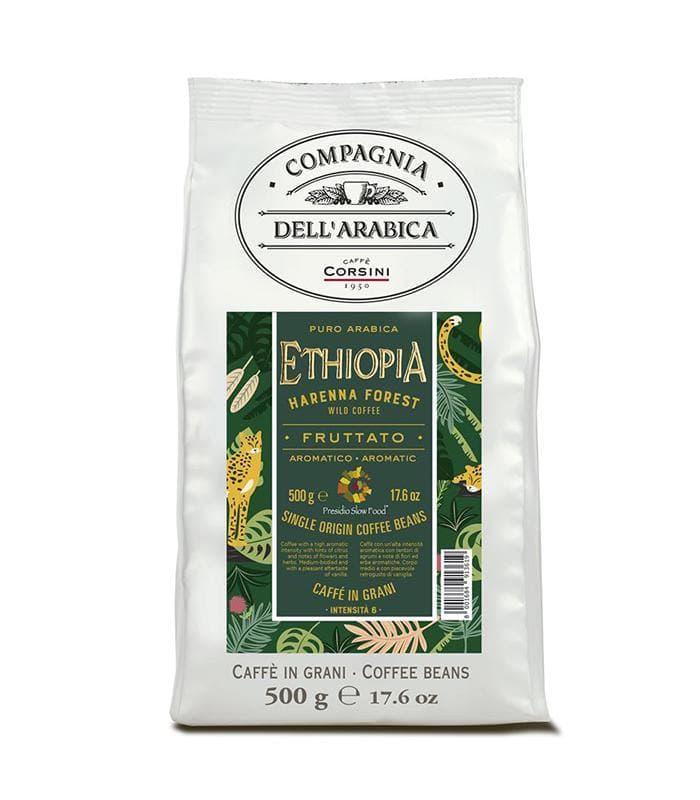
Caffe Corsini
Corsini Ethiopia Harena
$30.35
MediumWhy: EthiopiaSimilar price
Berliner Kaffeerösterei
Rainforest Kebena Forest Plantation Organic Espresso
$34.95
MediumWhy: EthiopiaSimilar price
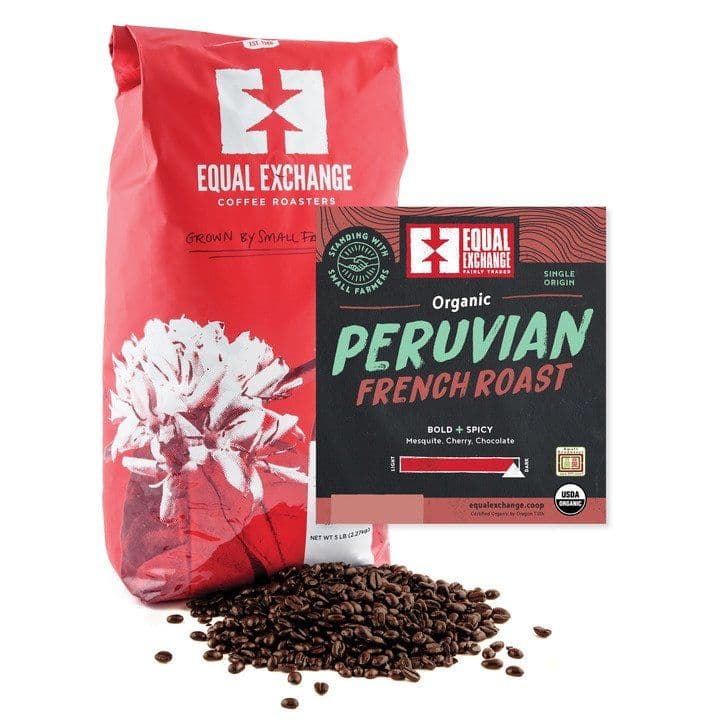
Equal Exchange
Organic Ethiopian Coffee
$48.48
MediumWhy: EthiopiaSimilar price

Cafés Novell
Novell Café de Finca Ethiopia Yirgacheffe
$34.90
MediumWhy: EthiopiaSimilar price
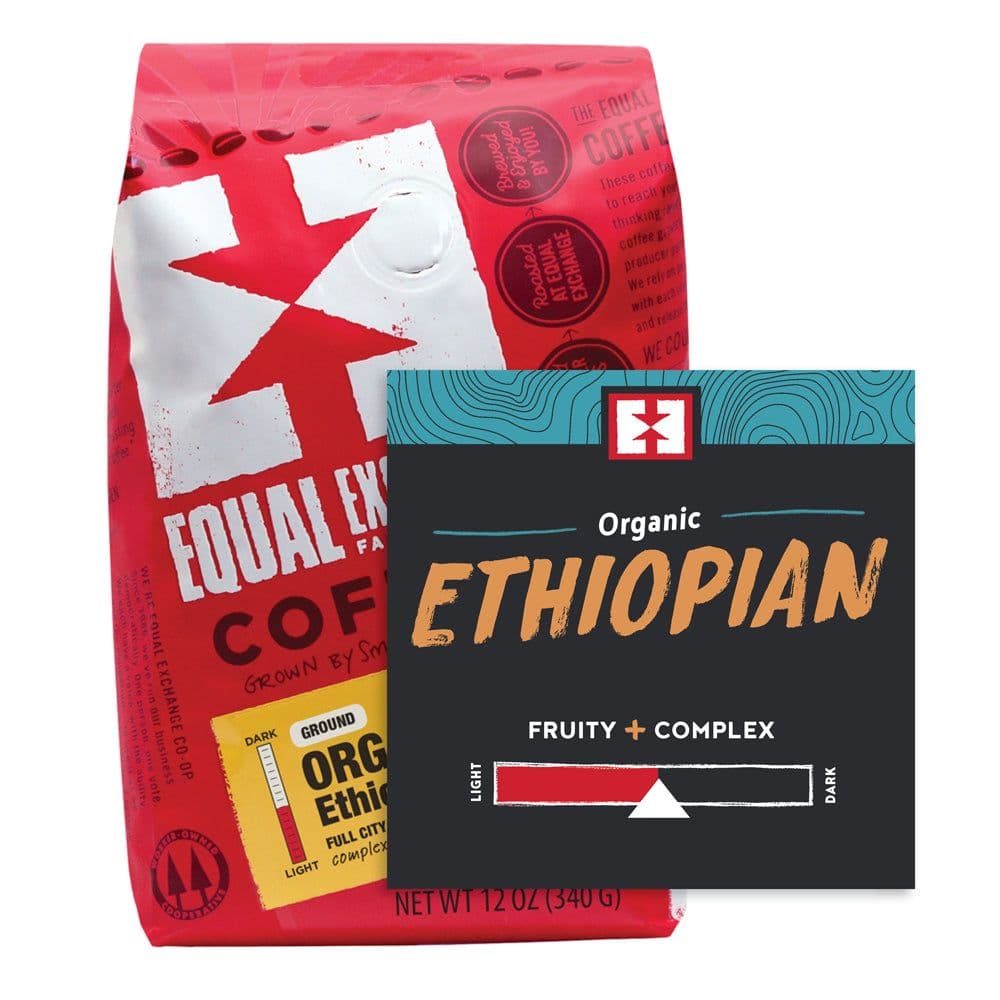
Equal Exchange
Organic Ethiopian Coffee
$39.59
MediumWhy: EthiopiaSimilar price