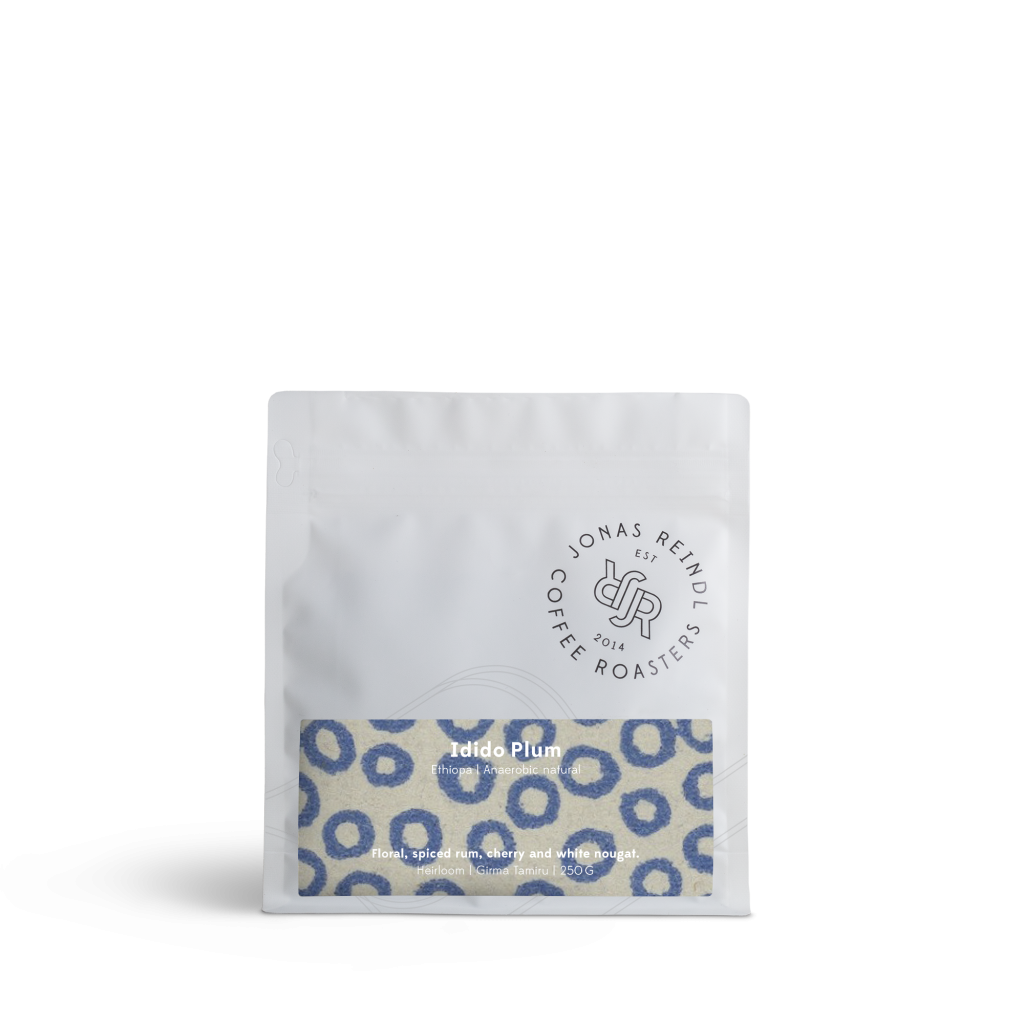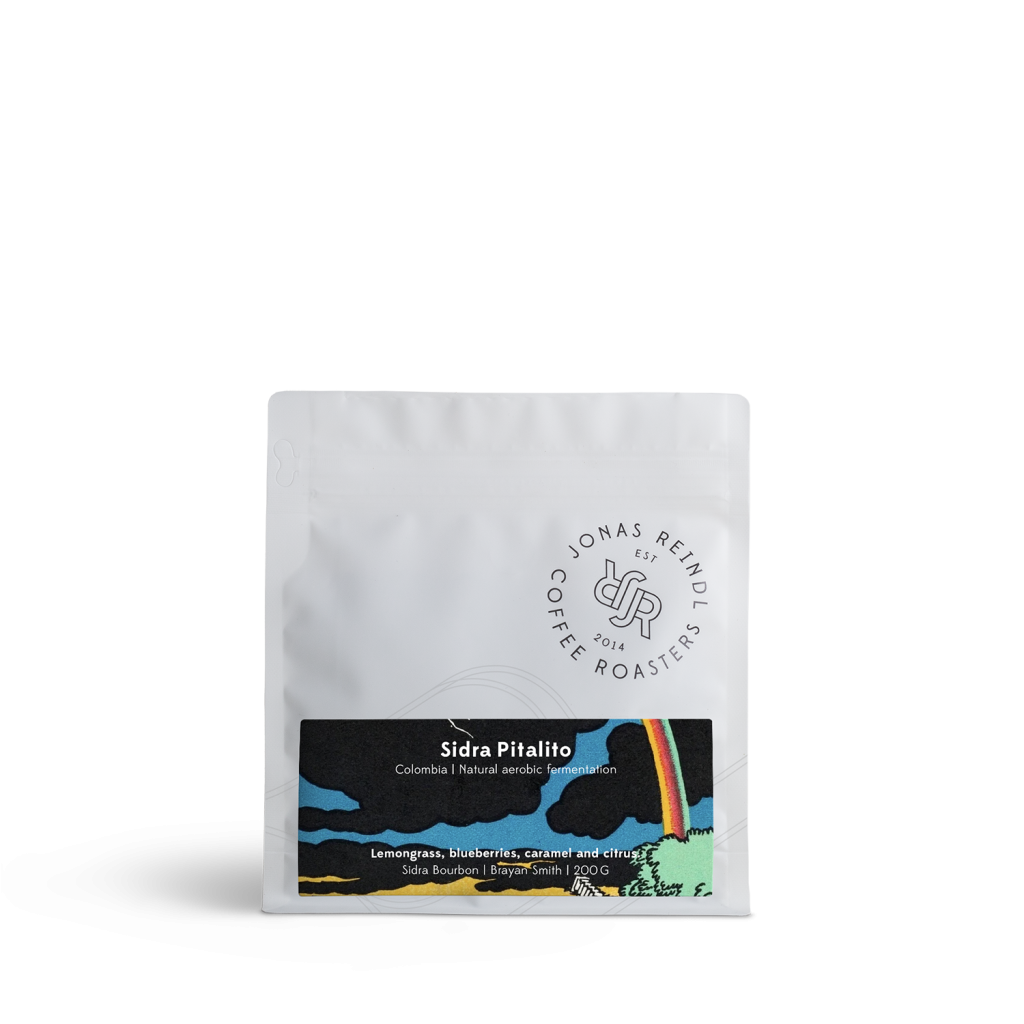




Jimma Chamomilla (Decaf)
- Decaffeinated Coffee
Not rated yet · Be the first to review it
from€20.00
You’ll be taken to the roaster’s shop to complete your purchase.
- Roaster based in
- Austria
- Ship to
- United States · Check on the roaster’s shop
Taste Profile
Camomile, milk chocolate and creamy.
Description
Jimma Chamomilla
During the 2019/2020 harvest, Mensur Abahika became the first single producer Osito purchased coffee from in Ethiopia. He remains a central figure in the Tokuma Farmer Group-a collective in Western Ethiopia where farmers collaborate to market their coffees and share knowledge to improve quality. Since we began working with Tokuma, we’ve seen both cup quality and consistency rise year after year, along with improved efficiency in getting coffees to port. Mensur continues to be vital to the group’s success and to Osito’s work with single producers in the region.
Jimma was long associated with lower-quality naturals, but that began to change in 2009 when Technoserve partnered with local coops to introduce washed processing and raise standards. In the years since, Jimma has become recognized as one of Ethiopia’s premier coffee regions. Washed coffees, requiring more infrastructure and risk, have typically been the domain of coops and private stations, with small and mid-sized farms focusing on naturals. That shifted in the 2022/2023 harvest, when several Tokuma producers, including Mensur, began producing washed coffees. This Lot is one of four washed Tokuma lots we purchased this year, and we are proud to share it with our roasting partners. This particular Lot was processed using Sugarcane derived Ethyl Acetate Method of decaffeination.
The Ethyl Acetate (EA) method is a decaffeination process that uses a naturally occurring compound, ethyl acetate, to remove caffeine from green coffee beans before they’re roasted. Ethyl acetate is found in fruits like bananas and apples, as well as in sugar cane, making it a naturally derived solvent. This process is often referred to as “naturally decaffeinated,” though the term depends on whether the ethyl acetate used is synthetic or organic. This method has gained popularity because it preserves much of the coffee bean’s natural flavour. Unlike more chemically intensive methods, EA provides a balance between effectiveness and maintaining the aromatic oils and flavour compounds that make coffee so enjoyable. Decaffeinating coffee via the ethyl acetate method involves several steps: Firstly steaming the Beans: The green coffee beans are first steamed to open up their pores, making it easier to remove caffeine. Secondly soaking in Ethyl Acetate: The beans are then soaked in a solution containing water and ethyl acetate. This solvent binds to the caffeine molecules within the coffee bean. Finally rinsing and Steaming Again: After the caffeine is removed, the beans are rinsed to eliminate any residual solvent. A second steaming process ensures that no trace of ethyl acetate remains. The entire process is carefully monitored to ensure the beans retain their natural compounds while achieving the desired level of decaffeination. The result is a delicious, aromatic cup of coffee that’s free of caffeine but not flavour.
Reviews
No reviews yet.
Similar coffees
Other roasters’ coffees like this one

Earth Bean Coffee
Colombia Magdalena
$18.00
Medium
Earth Bean Coffee
Malca (espresso)
$17.00
Medium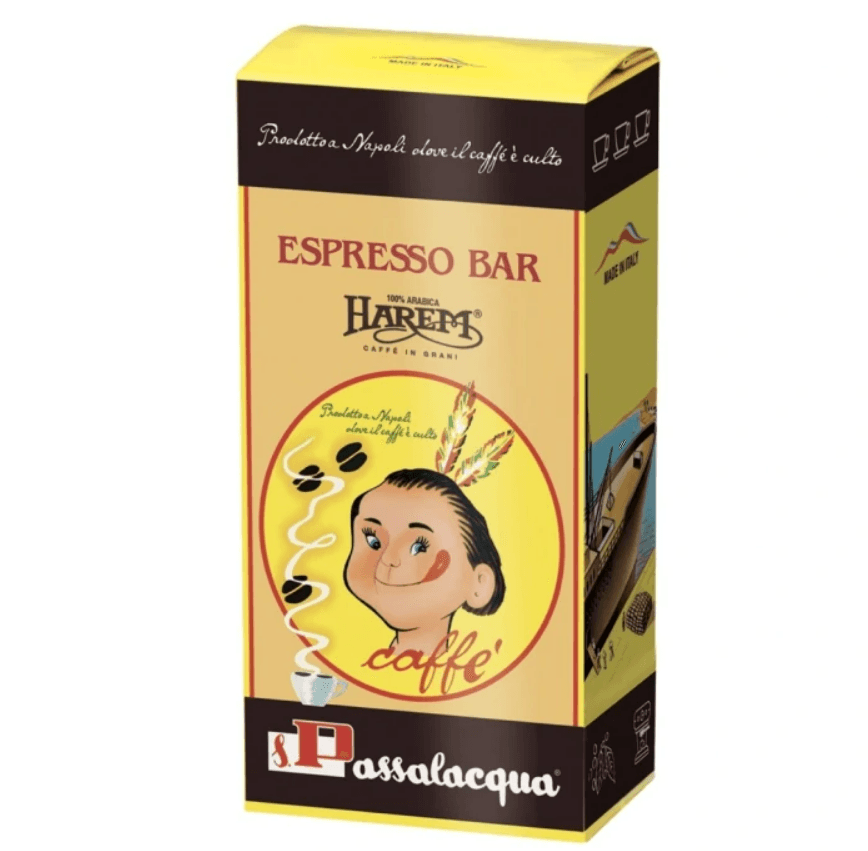
Passalacqua
Harem
$19.00
Dark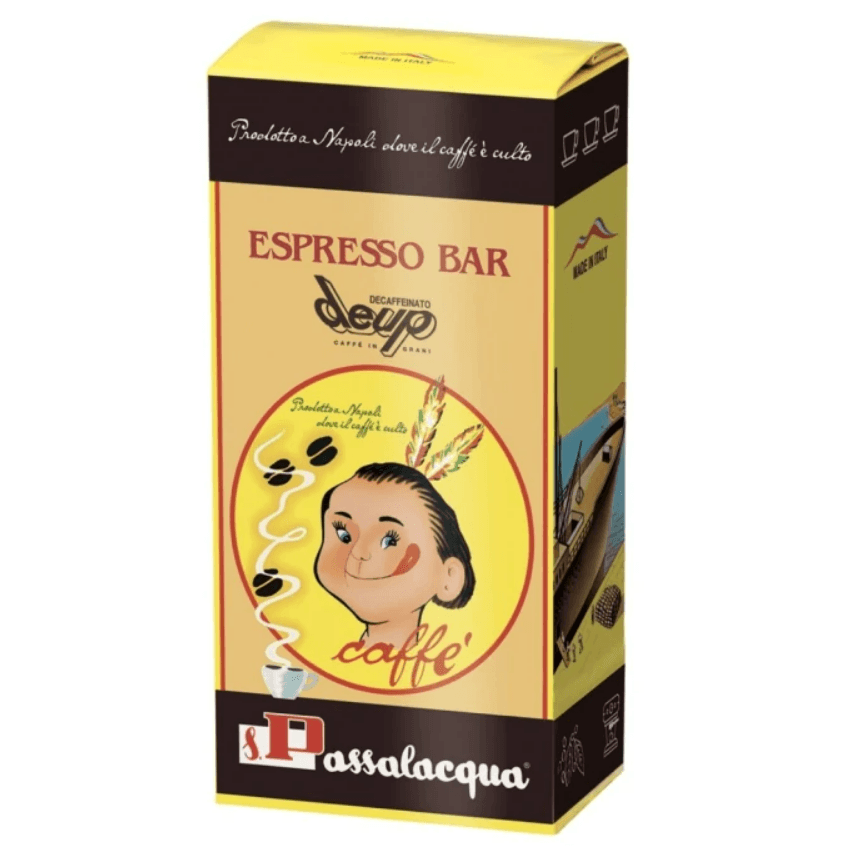
Passalacqua
Deup
$14.50
Dark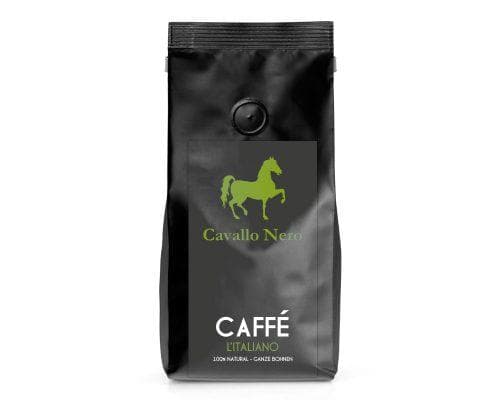
Biotiva
Coffee L'Italiano
$12.50
Dark
Biotiva
Cavallo Nero Coffee Extra Mild
$12.50
Medium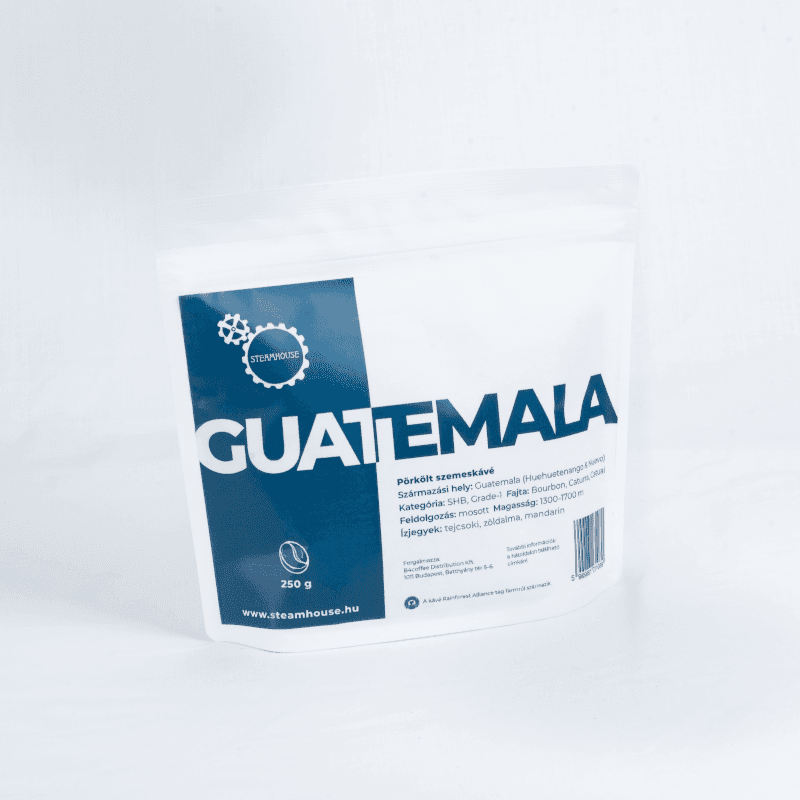
Steamhouse
Guatemala Coffee Beans
$10.00
Medium
Two Wheels Coffee
Burundi Nemba Bourbon specialty coffee
$5.29
Medium