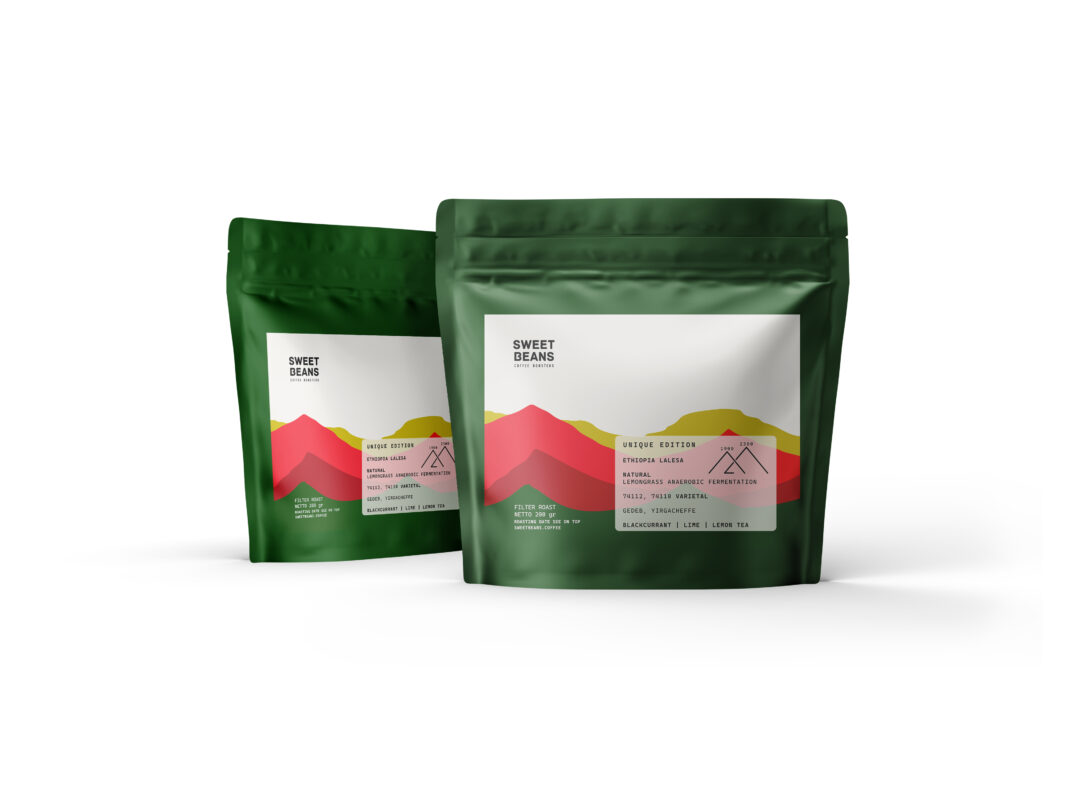
Ethiopia Lalessa Lemongrass
Ethiopia
- Anaerobic
- Single Origin
Ethiopia Lalessa Lemongrass is a coffee from Ethiopia, sold by Sweet Beans (Slovakia). Process: anaerobic. Variety: Heirloom. The roaster’s tasting notes: blackcurrant, lime, lemon tea, lemongrass, violet, brown sugar. Price: €24.00 to €79.00, depending on the size. That is from €79.00 per kilo.
Not rated yet · Be the first to review it
from€24.00
≈ €79.00 / kg
You’ll be taken to the roaster’s shop to complete your purchase.
- Roaster based in
- Slovakia
- Ship to
- United States · Check on the roaster’s shop
For this special process coffee, selected ripe cherries are placed into sealed, oxygen-free fermentation tanks together with a specific plant or fruit, depending on the intended fermentation style. The tanks create a controlled anaerobic environment by limiting oxygen exposure. Fermentation is carried out for approximately 5 to 10 days. During this period, controlled fermentation conditions influence the development of the coffee while maintaining a structured process that can be repeated and managed by the processing team. The profile includes special fermentation approaches – lemongrass fermentation. The coffee cherries are fermented in sealed tanks with the chosen botanical or fruit ingredient as part of the anaerobic processing method.
Primary flavour note: Blackcurrant, lime, lemon tea, lemongrass, violet, brown sugar, dark chocolate, brown spiceTaste profile
From the details listed by the roaster’s shop.
Tasting notes
- Blackcurrant
- Lime
- Lemon tea
- Lemongrass
- Violet
- Brown sugar
- Brown spice
Sizes and prices
Description
The coffee is produced by smallholder farmers operating under a vertically integrated model with EDN Ethiopian Coffee Export PLC. The farm structure allows EDN to work directly with producers in the Chelchele area while supporting them through financial assistance, subcontracting opportunities, and premium payments. This model is designed to maintain quality control from farm level through processing, milling, and export, while also supporting sustainable production and stronger farmer relationships.
The coffee is grown at elevations between 1,900 and 2,300 meters above sea level. The high-altitude conditions of Gedeb, combined with the region’s fertile soil and favorable climate, create a strong environment for slow cherry maturation and high-quality coffee development. The soil is described as red clay, well-drained, and fertile. The area receives approximately 1,200 to 1,599 mm of rainfall per year, supporting coffee cultivation alongside traditional farming practices. The varieties listed for this lot are 74112 and 74110, two Ethiopian selections commonly associated with quality-focused production.
Fermentation
For this special process coffee, selected ripe cherries are placed into sealed, oxygen-free fermentation tanks together with a specific plant or fruit, depending on the intended fermentation style. The tanks create a controlled anaerobic environment by limiting oxygen exposure. Fermentation is carried out for approximately 5 to 10 days. During this period, controlled fermentation conditions influence the development of the coffee while maintaining a structured process that can be repeated and managed by the processing team. The profile includes special fermentation approaches – lemongrass fermentation. The coffee cherries are fermented in sealed tanks with the chosen botanical or fruit ingredient as part of the anaerobic processing method.
After fermentation, the coffee continues through natural-style drying. The cherries are placed on raised drying beds and dried under the sun. During drying, workers monitor and manage the cherries to support even moisture reduction and avoid defects. The drying stage is an important part of the process because the coffee remains in its fruit while moisture is gradually reduced. The use of raised beds improves airflow around the cherries and helps support more consistent drying. Workers turn and sort the cherries during this stage, removing unsuitable material and helping preserve the quality of the lot.
Process: Anaerobic natural x Lemongrass Location: Gedeb Varieties: Heirloom Altitude: 2200 Primary flavour note: Blackcurrant, lime, lemon tea, lemongrass, violet, brown sugar, dark chocolate, brown spice
Questions about Ethiopia Lalessa Lemongrass
What does Ethiopia Lalessa Lemongrass taste like?
The roaster’s tasting notes: blackcurrant, lime, lemon tea, lemongrass, violet, brown sugar, brown spice. Flavour groups: fruity, citrus, floral, caramel & sweet, and spicy.
Where does Ethiopia Lalessa Lemongrass come from?
It comes from Ethiopia. Altitude: 2,200 m. Variety: Heirloom.
How is Ethiopia Lalessa Lemongrass processed?
Processing method: anaerobic.
How much does Ethiopia Lalessa Lemongrass cost?
Price: €24.00 to €79.00, depending on the size. That is from €79.00 per kilo. Prices come from the shop and can change; the shop has the current ones.
Where can I buy Ethiopia Lalessa Lemongrass?
In the online shop of Sweet Beans: the prices on this page link to it. Cafendo does not sell coffee itself.
Answers built from the shop’s own data and the Cafendo catalog.
Reviews
No reviews yet.
If you like this coffee, try these
Picked from other roasters for a shared origin, process, roast, tasting notes and price. Coffees that the same people saved or rated highly count the most.
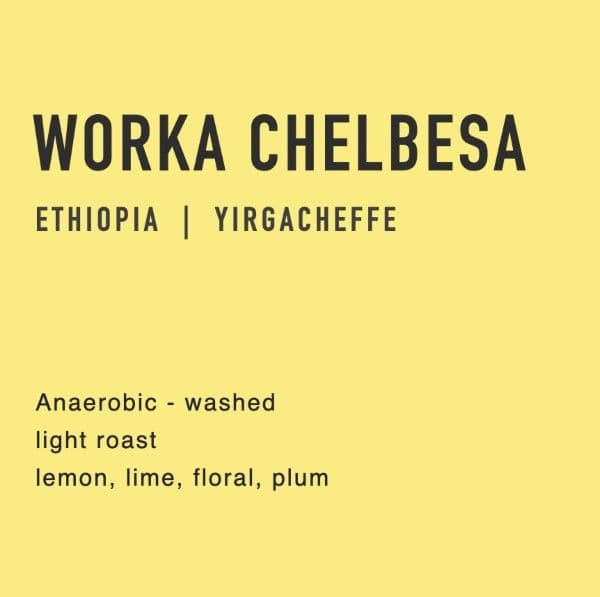
Gracest coffee
anaerobic worka chelbesa
$19.00
LightWhy: EthiopiaFruity · FloralAnaerobic

KB Coffee Roasters
Espresso - Ethiopie - Uraga Anaerobic
€18.00
Why: EthiopiaFruity · FloralAnaerobic
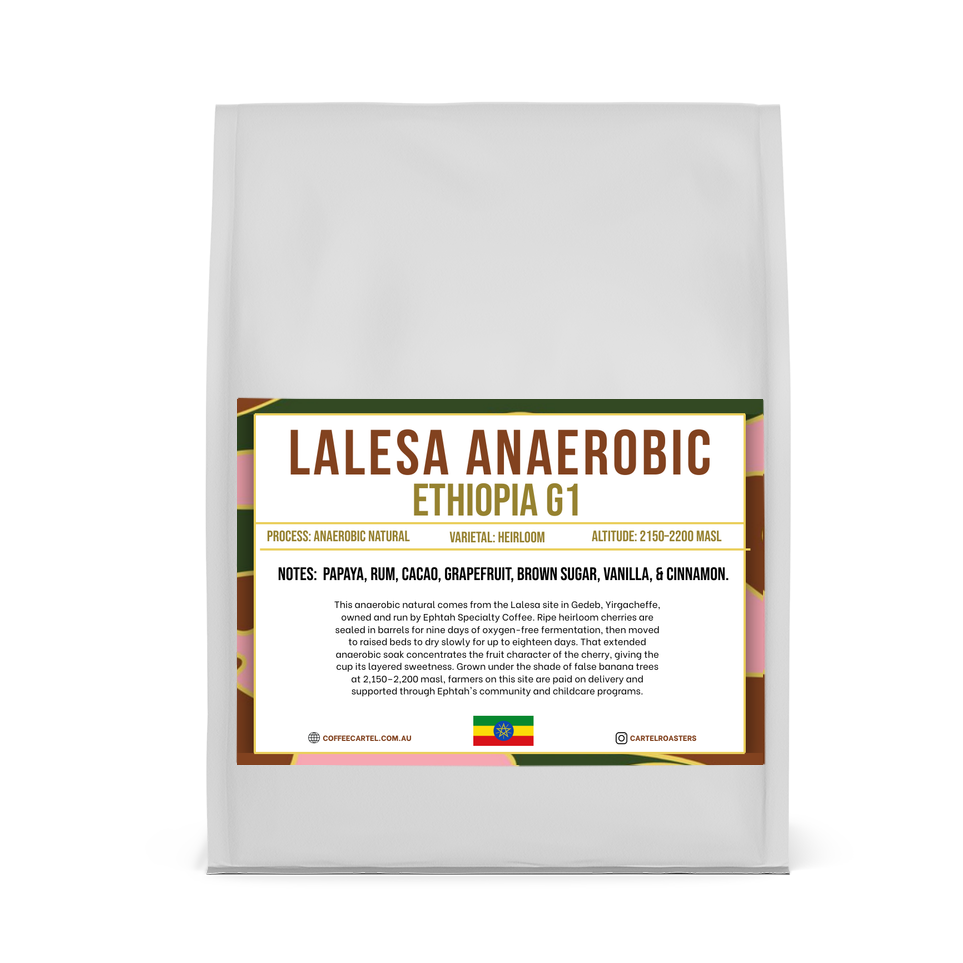
Coffee Cartel
ETHIOPIA – LALESA G1 – GEDEB – ANAEROBIC NATURAL
A$22.00
Why: EthiopiaSpicy · FruityAnaerobic

Rams Head Coffee
Ethiopia Yirgacheffe Biloya Anaerobic Natural
$85.00
Why: EthiopiaFruity · CitrusAnaerobic

Ghostbird Coffee
Ethiopia Bekele Belachew Anaerobic Natural
MYR 85.00
LightWhy: EthiopiaFruity · FloralAnaerobic

The Crackpots Coffee Roaster
Ethiopia Yirgacheffe "Midsummer Night's Moon" D.A. Washed
MYR 86.00
Why: EthiopiaFruity · FloralAnaerobic
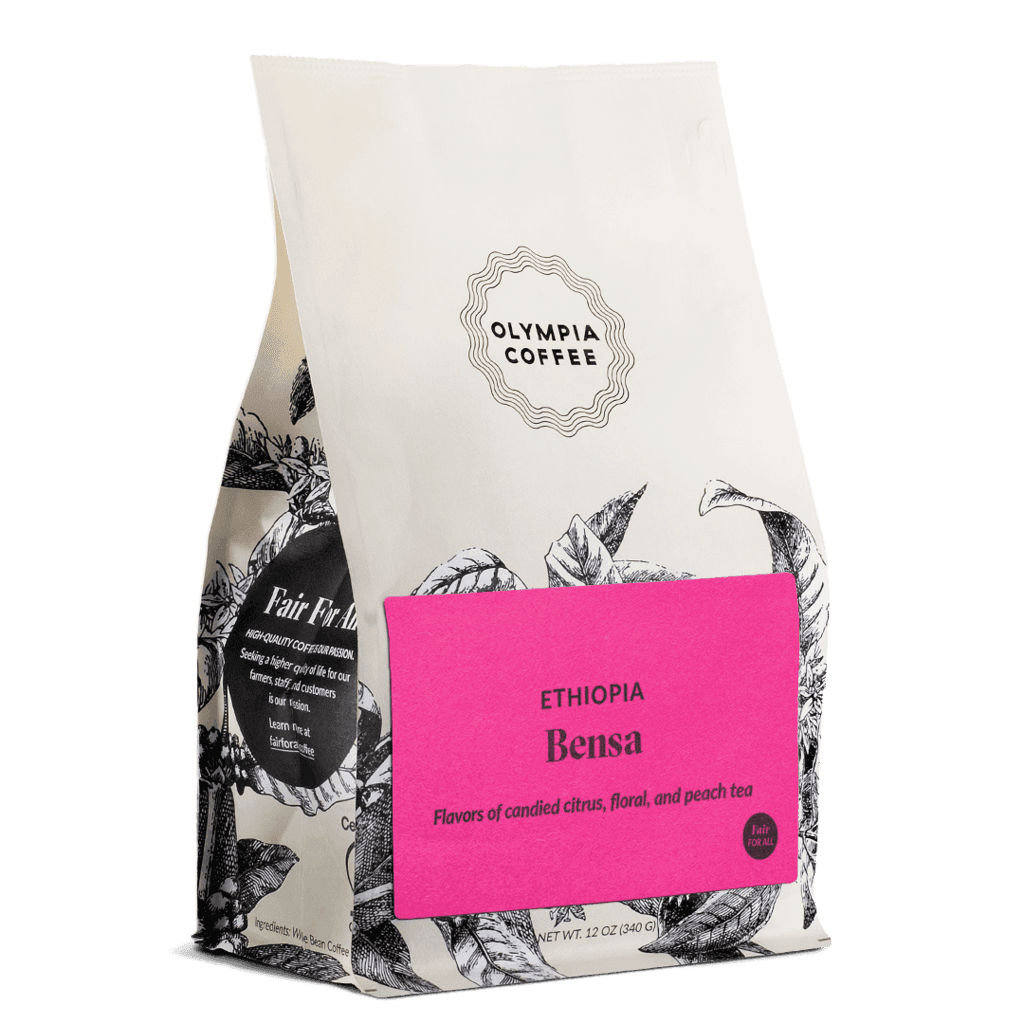
Olympia Coffee
ETHIOPIA Bensa
$16.91
Why: EthiopiaFruity · FloralSimilar price
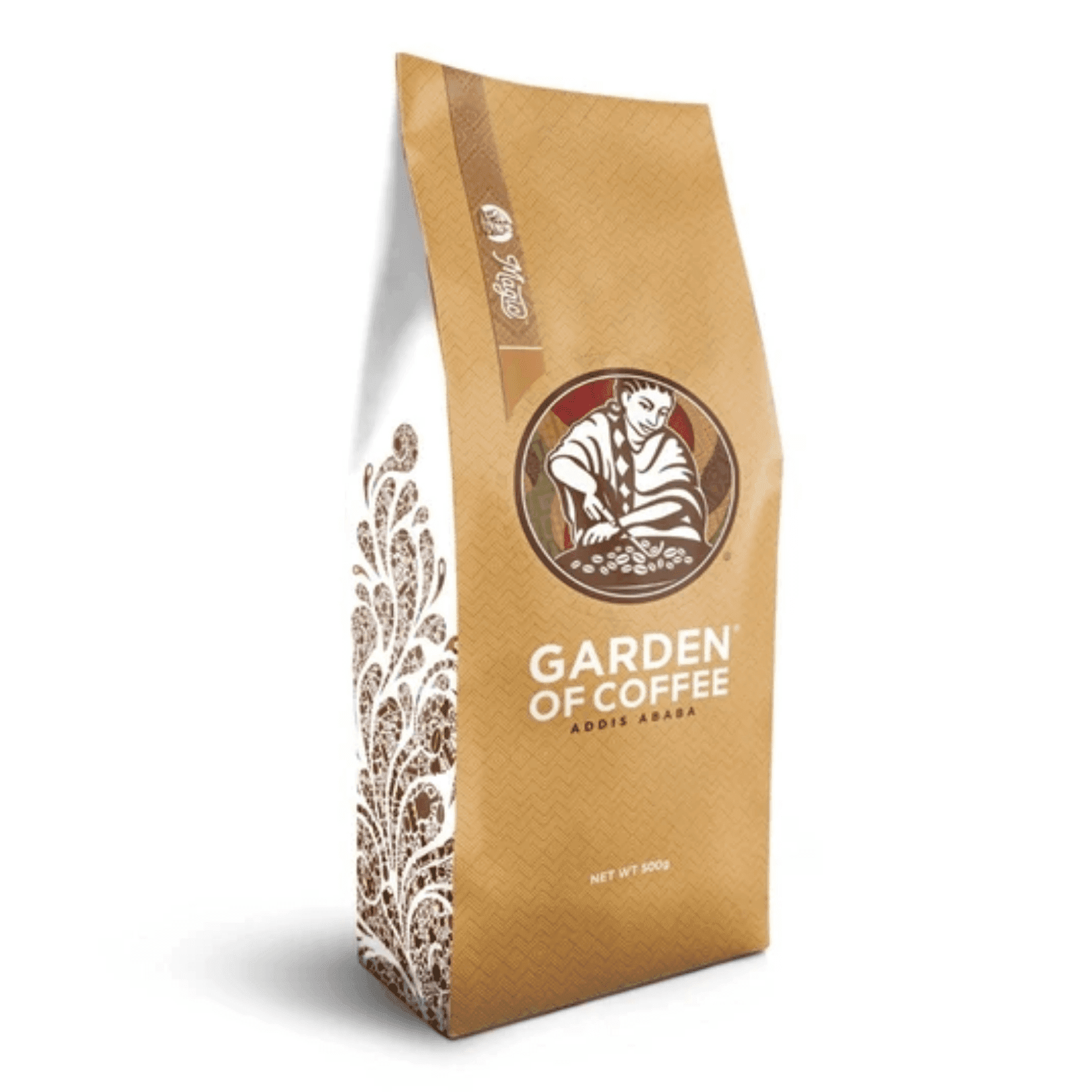
Garden of Coffee
YIRGACHEFFE MAGIC
$35.00
MediumWhy: EthiopiaFruity · FloralSimilar price