


 WAY Coffee Roasters
ETHIOPIA Halo Beriti FIL
Ethiopia
- Single Origin
ETHIOPIA Halo Beriti FIL is a coffee from Ethiopia, sold by WAY Coffee Roasters (Belgium). Price: €16.20 to €32.40, depending on the size. That is from €64.80 per kilo.
Not rated yet · Be the first to review it
from€16.20
≈ €64.80 / kg
You’ll be taken to the roaster’s shop to complete your purchase.
- Roaster based in
- Belgium
- Ship to
- United States · Not listed by the roaster’s shop
Sizes and prices
Description
| Country | Ethiopia |
| Region | Yirgacheffe — Gedeo · Halo Beriti |
| Washing station | Gedeb Banko Taratu |
| Producer | Bemen Coffee |
| Varietal | JARC 74110, JARC 74112, local landraces |
| Process | Fully Washed |
| Altitude | 2,100 – 2,300 m |
| Tasting Notes | Black tea, bergamot, floral, honey, peach, mango, lemon, milk chocolate |
| SCA score | 86.5 — Grade 1 |
The Story Behind the Bean
Yirgacheffe may be the best-known name in specialty coffee, yet it remains an area of very small plots. In the Gedeo Zone, around the village of Halo Beriti, the average farmer has one and a half hectares. Coffee grows among fruit trees and vegetable gardens—the kind of garden coffee you won’t find quite the same anywhere else.
The cherries are processed at the Gedeb Banko Taratu washing station, run by Bemen Coffee. Bemen was founded by Berhanu and Membere, a couple who have been involved in Ethiopian coffee for decades. Together, they work with more than three thousand smallholder farmers across the country’s main coffee-growing regions, paying premiums for cherries that deserve them. This lot comes from a small group of farmers around Halo Beriti. We purchased it through Sucafina.
Two Numbers and a Landrace
The label lists JARC 74110 and JARC 74112. Those numbers look like product codes, but they’re catalog codes. In 1974, the Jimma Agricultural Research Centre ventured into the Ethiopian forest in search of coffee trees that survived coffee berry disease and tasted good. The ones they found were given a year and a serial number.
The important detail: nothing was crossed with foreign genes. These are selections from Ethiopian forests, so their genetic richness remains rooted where they came from—and you can taste it. The lot also includes local landraces: local populations that have grown in these gardens for generations. Each farmer brings their own trees into the same lot.
Altitude, Processing & Quality
The plots lie between 2,100 and 2,300 meters—exceptionally high, even for Yirgacheffe. At this altitude, cherries ripen slowly, producing a dense bean with plenty of stored sugar. That’s where the stone fruit and honey notes come from, along with the bright but never sharp acidity.
When the cherries arrive at the station, they’re sorted by hand and passed through a water bath so the unripe ones float. Next comes pulping, 36 to 48 hours of fermentation, and a thorough wash in concrete channels. Drying happens in two stages: first, two days on shade nets, then another ten to twelve days on raised beds in the sun. This slow start prevents the outside from drying before the center catches up. Final sorting takes place in Addis Ababa.
The result is a Grade 1 lot that we cupped at 86.5. In the cup, you’ll find bergamot and lemon on the nose, peach and mango throughout, and a body that’s more reminiscent of black tea than chocolate. The finish is long and sweet, with honey and a hint of milk chocolate. This coffee shines most as a pour-over, but stays surprisingly bright as espresso, too.
Questions about ETHIOPIA Halo Beriti FIL
Where does ETHIOPIA Halo Beriti FIL come from?
It comes from Ethiopia.
How much does ETHIOPIA Halo Beriti FIL cost?
Price: €16.20 to €32.40, depending on the size. That is from €64.80 per kilo. Prices come from the shop and can change; the shop has the current ones.
Where can I buy ETHIOPIA Halo Beriti FIL?
In the online shop of WAY Coffee Roasters: the prices on this page link to it. According to its shop, it delivers to Belgium, Austria, Bulgaria, Czechia, Germany, Denmark and 19 other countries. Cafendo does not sell coffee itself.
Reviews
No reviews yet.
If you like this coffee, try these
Picked from other roasters for a shared origin, process, roast, tasting notes and price. Coffees that the same people saved or rated highly count the most.
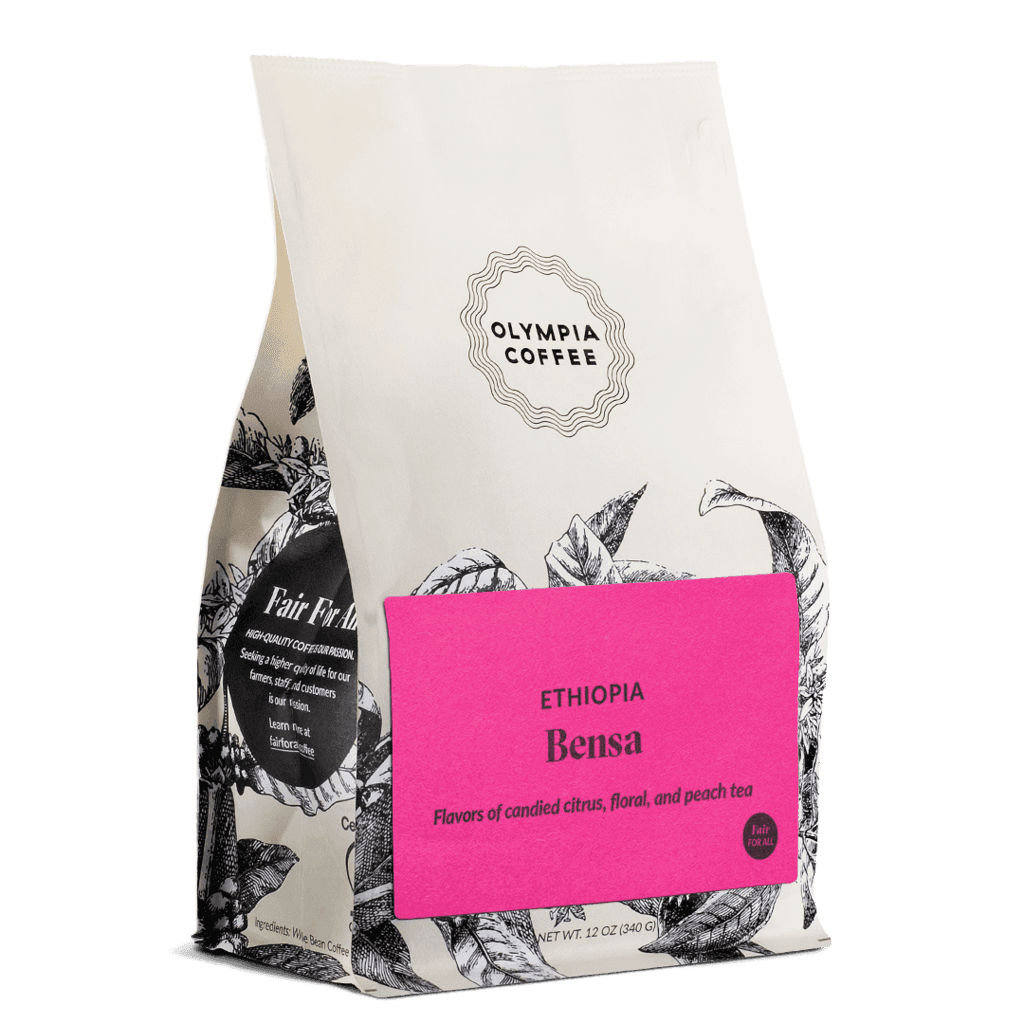
Olympia Coffee
ETHIOPIA Bensa
$16.91
Why: EthiopiaSimilar price
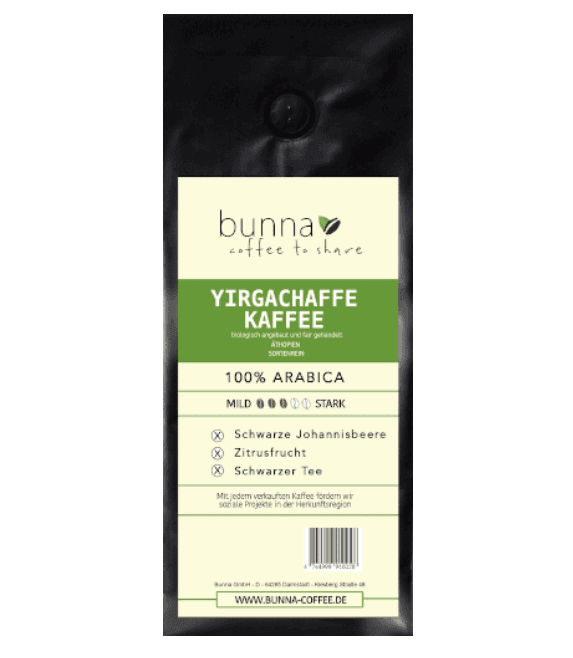
Bunna Coffee
Yirgachaffe Kaffee
$19.00
MediumWhy: EthiopiaSimilar price
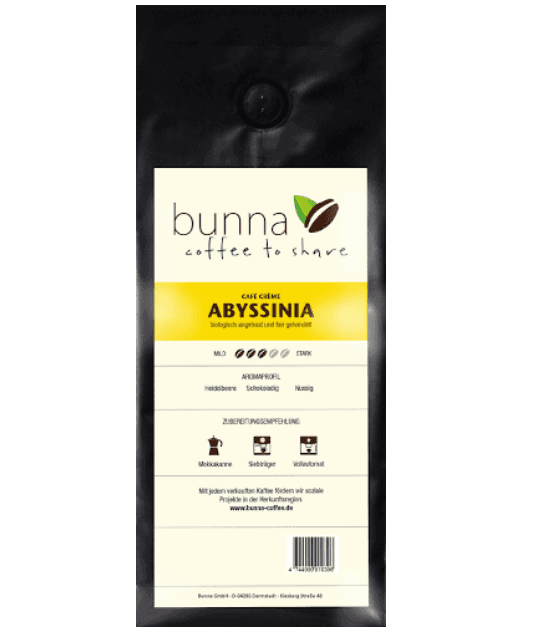
Bunna Coffee
Abyssinia Cafe Creme
$17.00
MediumWhy: EthiopiaSimilar price

Good Coffee Roasters
Ethiopia Nano Genji
$27.00
Why: EthiopiaSimilar price
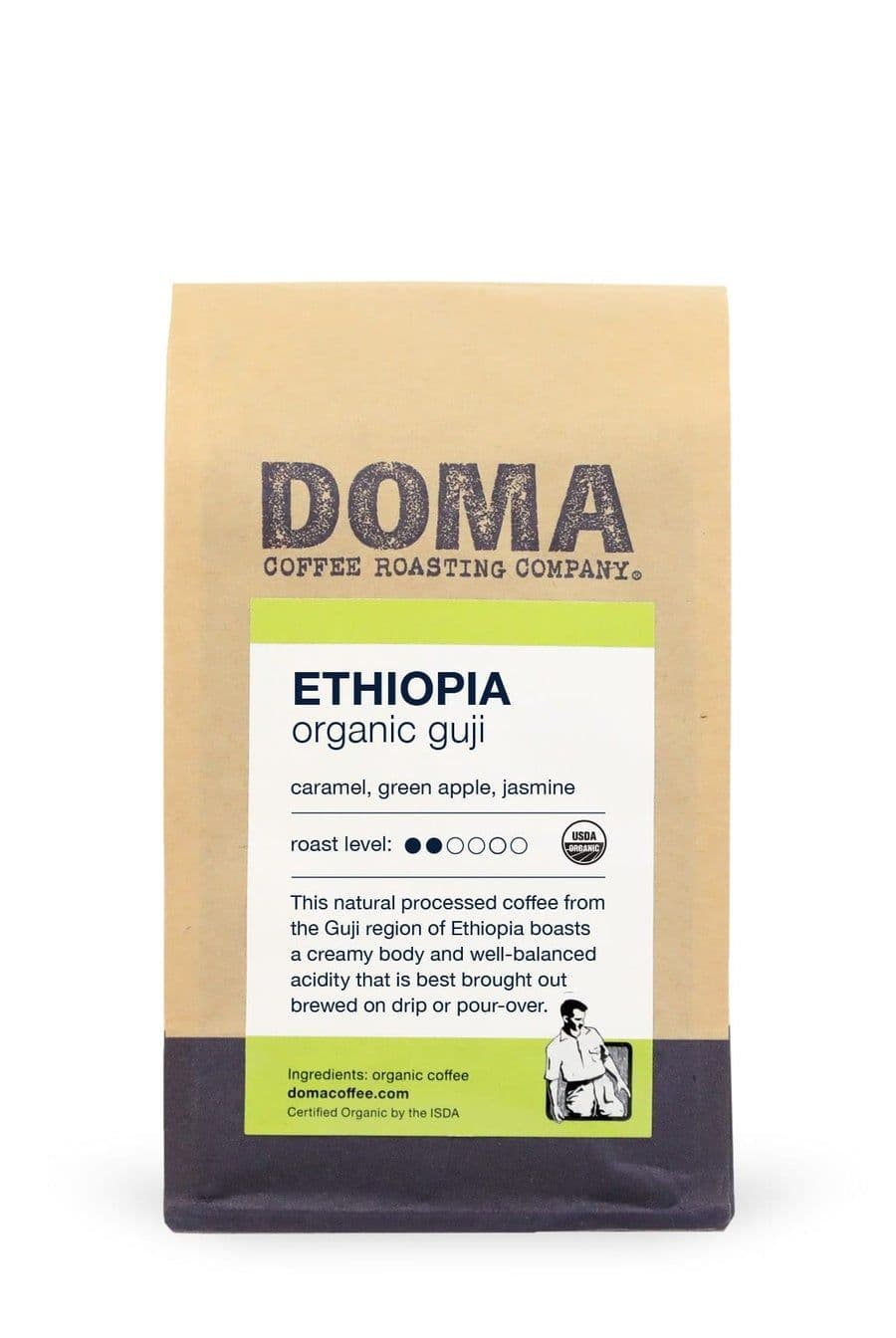
DOMA Coffee
ETHIOPIA
$23.00
MediumWhy: EthiopiaSimilar price
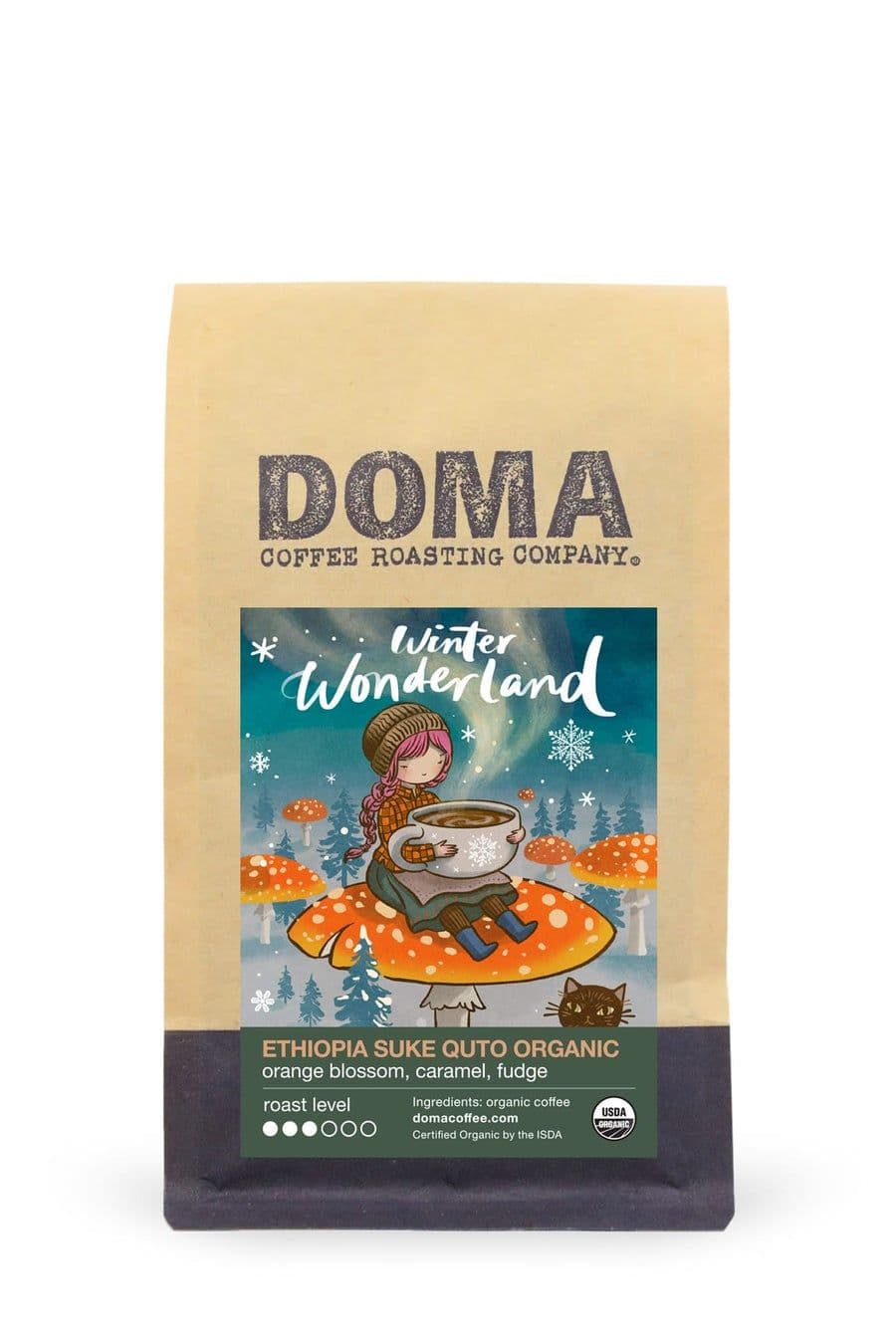
DOMA Coffee
WINTER WONDERLAND
$22.75
MediumWhy: EthiopiaSimilar price

Tico Coffee Roasters
Ethiopia Yirgacheffe Natural Chelchele
$23.95
LightWhy: EthiopiaSimilar price
Hallingers
The adventurous from Ethiopia
$13.90
DarkWhy: EthiopiaSimilar price


