WAY Coffee Roasters
ETHIOPIA Halo Beriti FIL
Etiopia
- Single origin
ETHIOPIA Halo Beriti FIL er en kaffe fra Etiopia, solgt av WAY Coffee Roasters (Belgia). Pris: 16,20 € til 32,40 €, avhengig av størrelsen. Det vil si fra 64,80 € per kilo.
Ikke vurdert ennå · Bli den første til å vurdere den
fra16,20 €
≈ 64,80 € / kg
Du blir sendt til brenneriets butikk for å fullføre kjøpet.
- Brenneriet holder til i
- Belgia
- Send til
- Norge · Ikke oppgitt av brenneriets nettbutikk
Størrelser og priser
| Malegrad | Innhold | Per kg | Pris |
|---|---|---|---|
| Hele bønner | 250g | 64,80 € | 16,20 € ↗ |
| Malt til mokakanne | 250g | 64,80 € | 16,20 € ↗ |
| Malt til AeroPress | 250g | 64,80 € | 16,20 € ↗ |
| Malt til filter | 250g | 64,80 € | 16,20 € ↗ |
| Malt til French press | 250g | 64,80 € | 16,20 € ↗ |
| Malt | 250g | 64,80 € | 16,20 € ↗ |
| Hele bønner | 500g | 64,80 € | 32,40 € ↗ |
| Malt til mokakanne | 500g | 64,80 € | 32,40 € ↗ |
Beskrivelse
| Country | Ethiopia |
| Region | Yirgacheffe — Gedeo · Halo Beriti |
| Washing station | Gedeb Banko Taratu |
| Producer | Bemen Coffee |
| Varietal | JARC 74110, JARC 74112, local landraces |
| Process | Fully Washed |
| Altitude | 2,100 – 2,300 m |
| Tasting Notes | Black tea, bergamot, floral, honey, peach, mango, lemon, milk chocolate |
| SCA score | 86.5 — Grade 1 |
The Story Behind the Bean
Yirgacheffe may be the best-known name in specialty coffee, yet it remains an area of very small plots. In the Gedeo Zone, around the village of Halo Beriti, the average farmer has one and a half hectares. Coffee grows among fruit trees and vegetable gardens—the kind of garden coffee you won’t find quite the same anywhere else.
The cherries are processed at the Gedeb Banko Taratu washing station, run by Bemen Coffee. Bemen was founded by Berhanu and Membere, a couple who have been involved in Ethiopian coffee for decades. Together, they work with more than three thousand smallholder farmers across the country’s main coffee-growing regions, paying premiums for cherries that deserve them. This lot comes from a small group of farmers around Halo Beriti. We purchased it through Sucafina.
Two Numbers and a Landrace
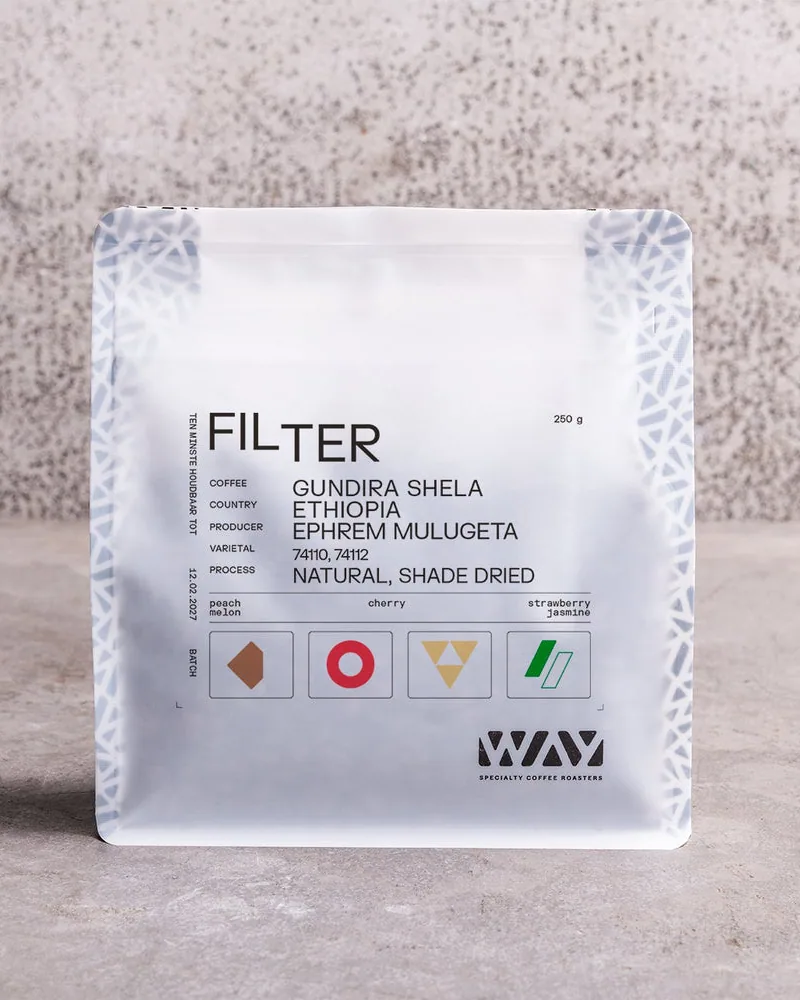
The label lists JARC 74110 and JARC 74112. Those numbers look like product codes, but they’re catalog codes. In 1974, the Jimma Agricultural Research Centre ventured into the Ethiopian forest in search of coffee trees that survived coffee berry disease and tasted good. The ones they found were given a year and a serial number.
The important detail: nothing was crossed with foreign genes. These are selections from Ethiopian forests, so their genetic richness remains rooted where they came from—and you can taste it. The lot also includes local landraces: local populations that have grown in these gardens for generations. Each farmer brings their own trees into the same lot.
Altitude, Processing & Quality
The plots lie between 2,100 and 2,300 meters—exceptionally high, even for Yirgacheffe. At this altitude, cherries ripen slowly, producing a dense bean with plenty of stored sugar. That’s where the stone fruit and honey notes come from, along with the bright but never sharp acidity.
When the cherries arrive at the station, they’re sorted by hand and passed through a water bath so the unripe ones float. Next comes pulping, 36 to 48 hours of fermentation, and a thorough wash in concrete channels. Drying happens in two stages: first, two days on shade nets, then another ten to twelve days on raised beds in the sun. This slow start prevents the outside from drying before the center catches up. Final sorting takes place in Addis Ababa.
The result is a Grade 1 lot that we cupped at 86.5. In the cup, you’ll find bergamot and lemon on the nose, peach and mango throughout, and a body that’s more reminiscent of black tea than chocolate. The finish is long and sweet, with honey and a hint of milk chocolate. This coffee shines most as a pour-over, but stays surprisingly bright as espresso, too.
Spørsmål om ETHIOPIA Halo Beriti FIL
Hvor kommer ETHIOPIA Halo Beriti FIL fra?
Den kommer fra Etiopia.
Hva koster ETHIOPIA Halo Beriti FIL?
Pris: 16,20 € til 32,40 €, avhengig av størrelsen. Det vil si fra 64,80 € per kilo. Prisene kommer fra butikken og kan endre seg. Butikken har gjeldende priser.
Hvor kan jeg kjøpe ETHIOPIA Halo Beriti FIL?
I nettbutikken til WAY Coffee Roasters: prisene på denne siden lenker dit. Ifølge butikken sin leverer de til Belgia, Østerrike, Bulgaria, Tsjekkia, Tyskland, Danmark og 19 andre land. Cafendo selger ikke kaffe selv.
Vurderinger
Ingen vurderinger ennå.
Liker du denne kaffen, prøv disse
Plukket ut fra andre brennerier etter felles opprinnelse, foredling, brenning, smaksnotater og pris. Kaffer som de samme menneskene har lagret eller vurdert høyt, teller mest.
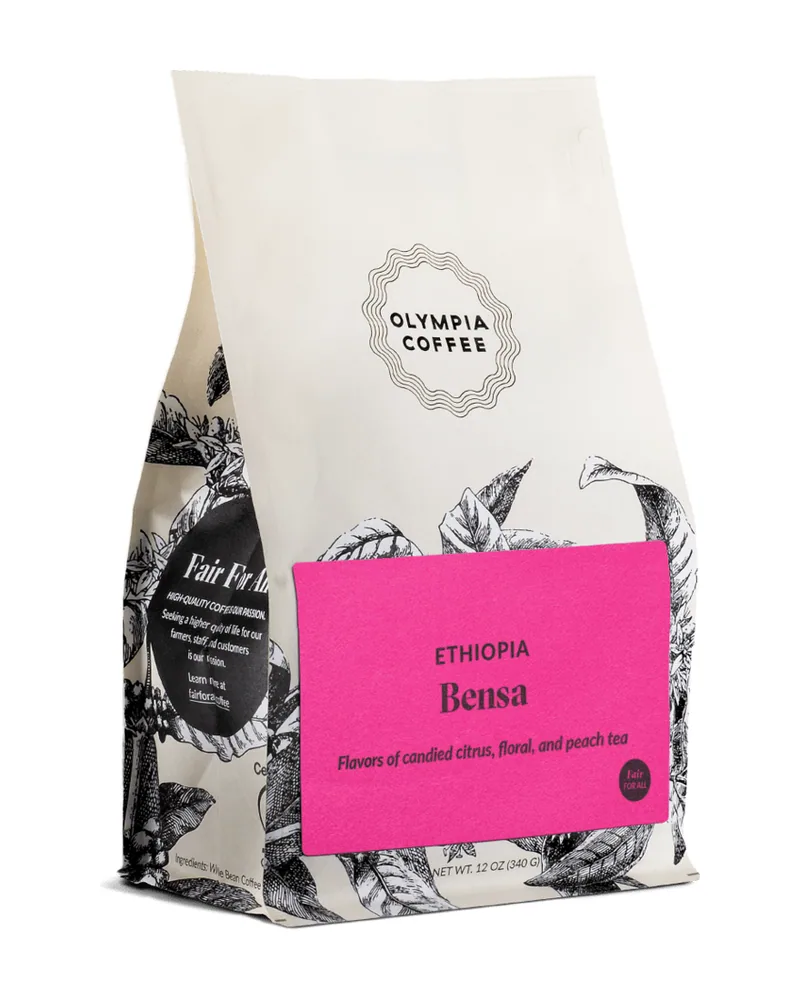
Olympia Coffee
ETHIOPIA Bensa
16,91 USD
Hvorfor: EtiopiaLignende pris
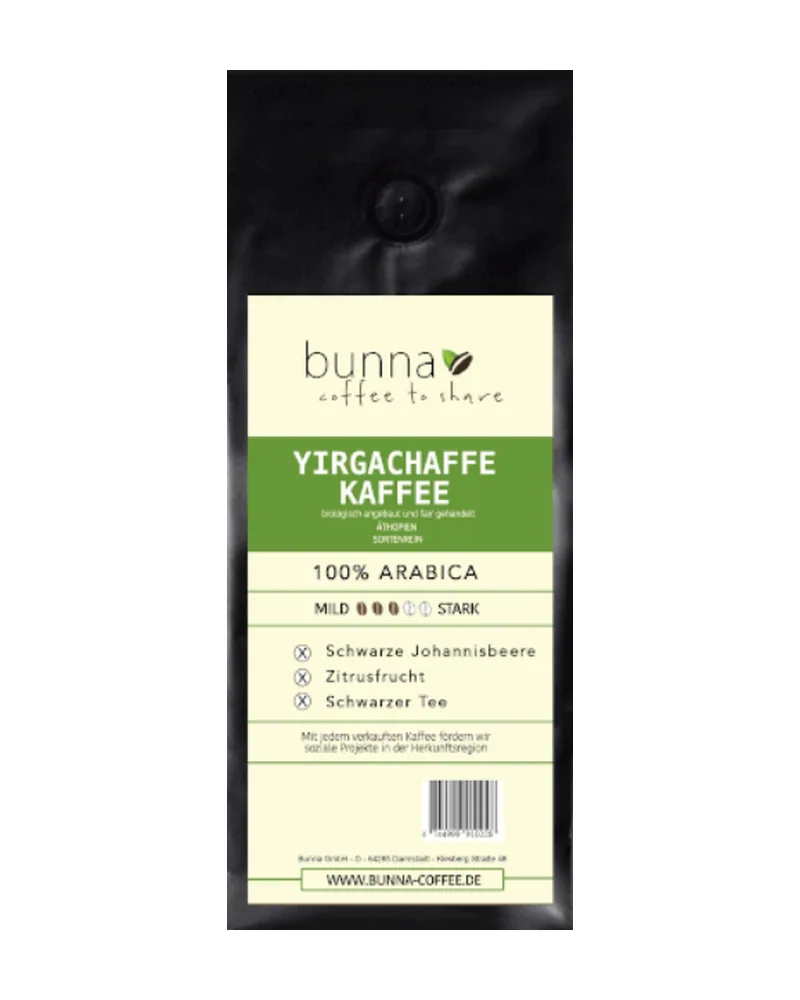
Bunna Coffee
Yirgachaffe Kaffee
19,00 USD
MiddelsHvorfor: EtiopiaLignende pris
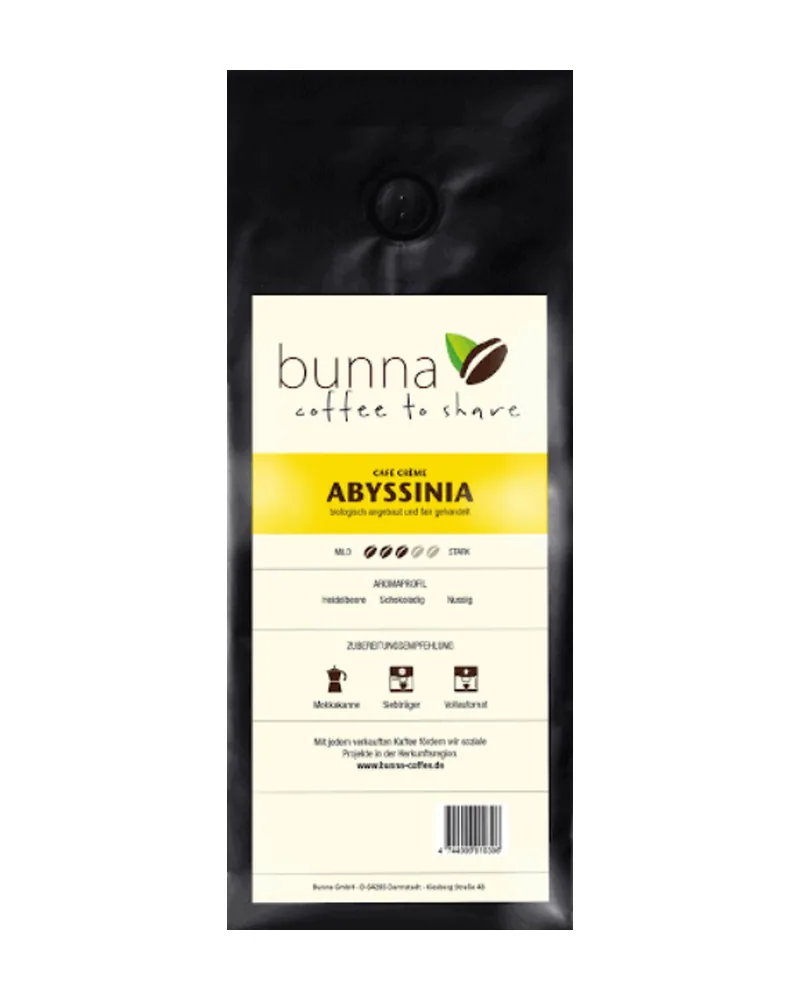
Bunna Coffee
Abyssinia Cafe Creme
17,00 USD
MiddelsHvorfor: EtiopiaLignende pris
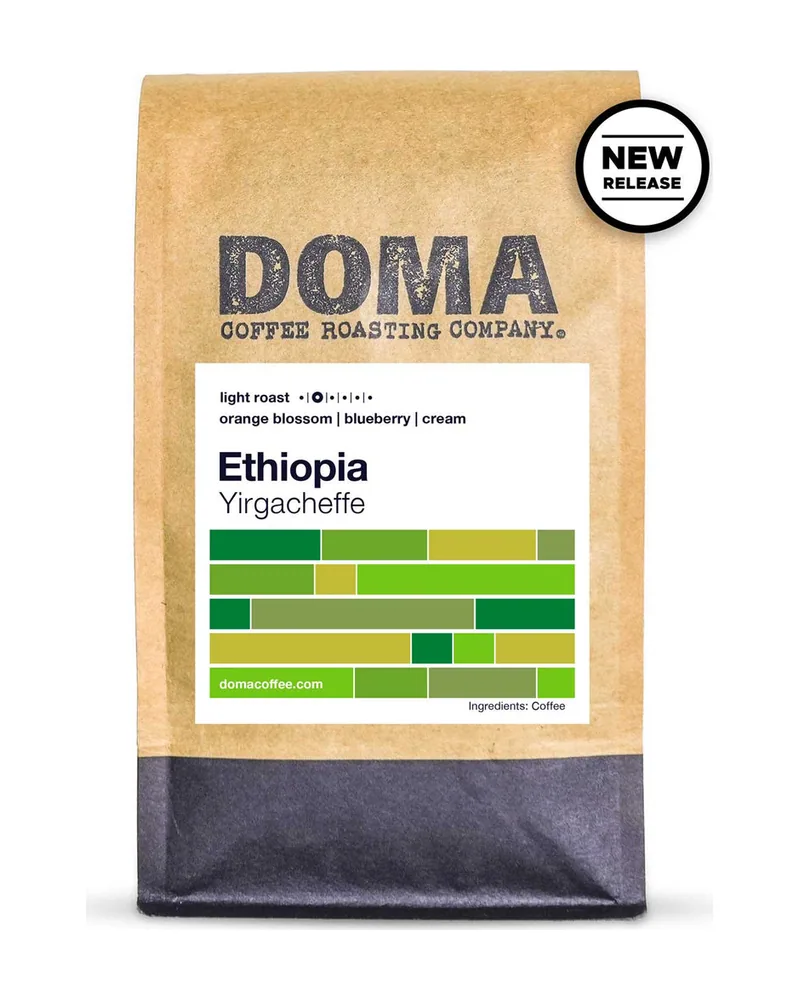
DOMA Coffee
ETHIOPIA
22,35 USD
Hvorfor: EtiopiaLignende pris
Hallingers
The adventurous from Ethiopia
13,90 USD
MørkHvorfor: EtiopiaLignende pris
Jubilee Roasting Co.
ETHIOPIA BENSA KOKOSA
17,44 USD
Hvorfor: EtiopiaLignende pris
Jubilee Roasting Co.
ETHIOPIA HAMESHO KEBENA
17,44 USD
Hvorfor: EtiopiaLignende pris
Bocca Della Verita
Etiopia
24,90 USD
MiddelsHvorfor: EtiopiaLignende pris