


 Glory could coffee roasters
Decaf - Swiss Water Process - Medium Roast
- Roast Level: Medium
- Decaffeinated Coffee
Decaf - Swiss Water Process - Medium Roast is a coffee sold by Glory could coffee roasters (Sparks, United States). Region: Mt. Kenya, Central Kenya. Variety: Mix of Varietals. Roast: medium. The roaster’s tasting notes: very bright acidity, black tea. Price: $18.95 to $21.95, depending on the size. That is from $48.39 per kilo.
Not rated yet · Be the first to review it
from$18.95
≈ $48.39 / kg
You’ll be taken to the roaster’s shop to complete your purchase.
- Roaster based in
- United States
- Ship to
- United States · ✓ Yes, the roaster is based there
Taste profile
From the details listed by the roaster’s shop.
Tasting notes
- Very bright acidity
- Black tea
- Roast LevelMedium
- LightDark
Sizes and prices
Description
We know people who change their plans so they can get our Decaf. Weird?! Maybe, but it is that good.
Swiss Water Process leads to a fantastic decaf coffee that will surprise you with great taste and none of the chemical processing or aftertaste. This ethically sourced blend has multiple origins: Colombia, Ethiopia, Honduras, Mexico and Indonesia. Flavors vary by season and may include sweet graham cracker, citrus, cherry and dark chocolate with a balance of sweetness and acidity and a pleasant mouthfeel.
Decaffeinated.
With regards to acidity and brightness, Kenya is widely recognized as the king of the hill, and our Kenya AB has been selected at auction as an expertly processed, top-notch offering not to be missed. It is cooperatively produced by many small farmers growing in the central Kenyan farmlands surrounding Mt. Kenya. The individual lots are consolidated at the local mill where they undergo a stringent double fermentation method, sometimes referred to as ‘Kenyan Process,’ that accentuates its complexity. The parchment is sun dried on raised beds and transported to the Nairobi Coffee Exchange where it is graded, cupped for quality and ultimately sold at auction.
Kenya has long been established as leader in high-grade East African arabica—its best lots are famed for their fruity, clean, complex profiles, offering balance and pronounced tasting notes of everything from berries and stone fruit to sweet citrus, rightly fetching a handsome auction price. The Nairobi Coffee Exchange auctions are a quality-based payment system that functions as the nerve center of a well-oiled industry built upon decades of lab-based agri-research, applied farming and a strong network of cooperatives. At the exchanges small farmers have a ‘seat at the table’ so to speak, where they can access a wide range of international buyers who have the will and capital to outbid one another in the perennial quest for a perfect cup. Truth be told, Kenya’s growers are owed much of today’s industry praise; for generations they have pushed the envelope and tested the limits of farming and processing capabilities in order to embrace advances in growing science. The main growing regions extend from the 17,000-foot, central peak of Mount Kenya all the way to the outskirts of the capital city of Nairobi to the south. Another portion of arabica farmlands lie on the slopes of Mt. Elgon, against Kenya’s western border with Uganda.
The ‘Kenyan Process’ double fermentation method requires pulped cherries be twice soaked for 12 to 24 hours in fermentation tanks with additional rinsing in between. When finished the beans are separated by density by way of a water channel, removing the less dense “floaters”. The beans then undergo one final soak to reportedly promote healthy amino and fatty acid structures. Next the beans are sun-dried on raised beds under strict supervision for approximately 1 to 2 weeks until their moisture is reduced to 11–12%.
Today’s specialty industry is built on the extensive work of Scott Laboratories who developed today’s well known SL28 and SL34 varietals that are widely used throughout Kenya and many other East African coffee producing nations. From 1934 to 1963 Scott Laboratories hybridized heirloom Mokka (Yemeni Typica) and Bourbon to produce more drought and rust resistant arabica strains. To this day the Scott Labs hybrids are favored over more recent, modern rust-resistant varietals like Ruiru-11 and Batian, which are not favored by specialty purveyors due to their lack of complexity compared to the traditional crop of SL. Going back even further to the 1890’s French missionaries first introduced arabica to Tanzania shortly before migrating it north to Kenya. Around the same time (1893) Scottish missionaries introduced the Mokka varietals to Kenya as well, where over time they came to be respectively known as the ‘French Mission’ and ‘Scottish Mission’ varietals.
Cupping Notes: Very bright acidity, medium body. Notes of currant, black tea and a hint of blackberry.
Producer: Small Farm Holders
Region: Mt. Kenya, Central Kenya
Variety: Mix of Varietals
Processing: Washed, and then sun dried
Altitude: 4,600 – 6,500 ft (1400 - 2000m)
Coffee Grading: AB
Questions about Decaf - Swiss Water Process - Medium Roast
What does Decaf - Swiss Water Process - Medium Roast taste like?
The roaster’s tasting notes: very bright acidity, black tea.
What roast level is Decaf - Swiss Water Process - Medium Roast?
Roast level: medium.
How much does Decaf - Swiss Water Process - Medium Roast cost?
Price: $18.95 to $21.95, depending on the size. That is from $48.39 per kilo. Prices come from the shop and can change; the shop has the current ones.
Where can I buy Decaf - Swiss Water Process - Medium Roast?
In the online shop of Glory could coffee roasters: the prices on this page link to it. Cafendo does not sell coffee itself.
Answers built from the shop’s own data and the Cafendo catalog.
Reviews
No reviews yet.
Similar coffees
Other roasters’ coffees like this one
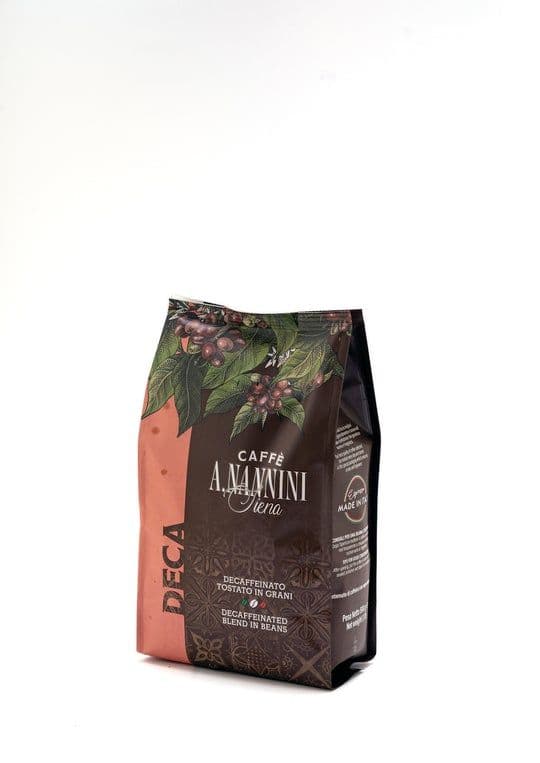
Nannini Dolci e Caffè
A. Nannini Decaffeinated
$13.70
Medium
Earth Bean Coffee
Colombia Magdalena
$18.00
Medium
Earth Bean Coffee
Malca (espresso)
$17.00
Medium
Biotiva
Cavallo Nero Coffee Extra Mild
$12.50
Medium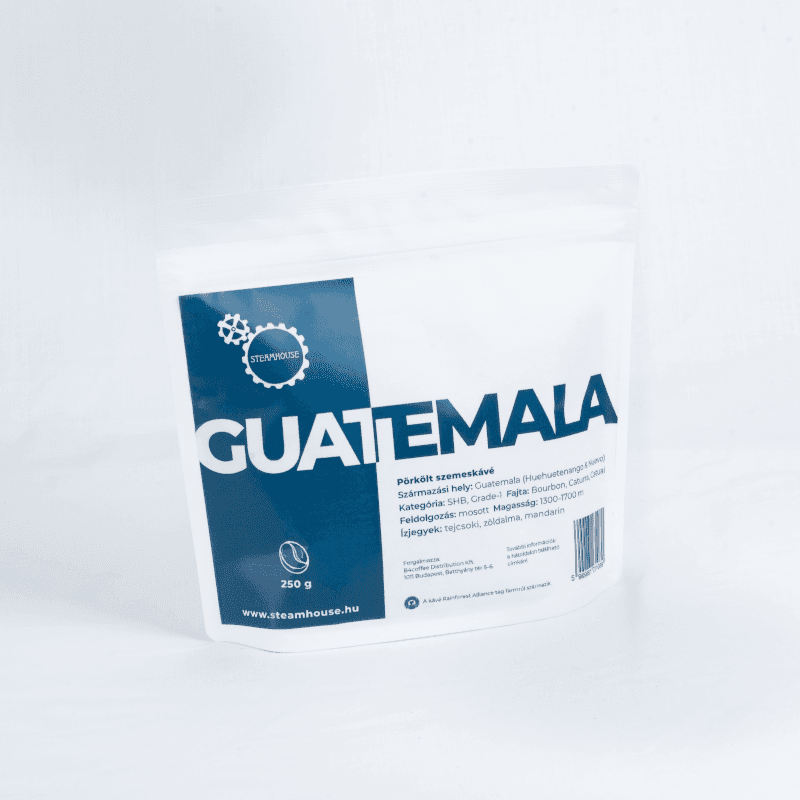
Steamhouse
Guatemala Coffee Beans
$10.00
Medium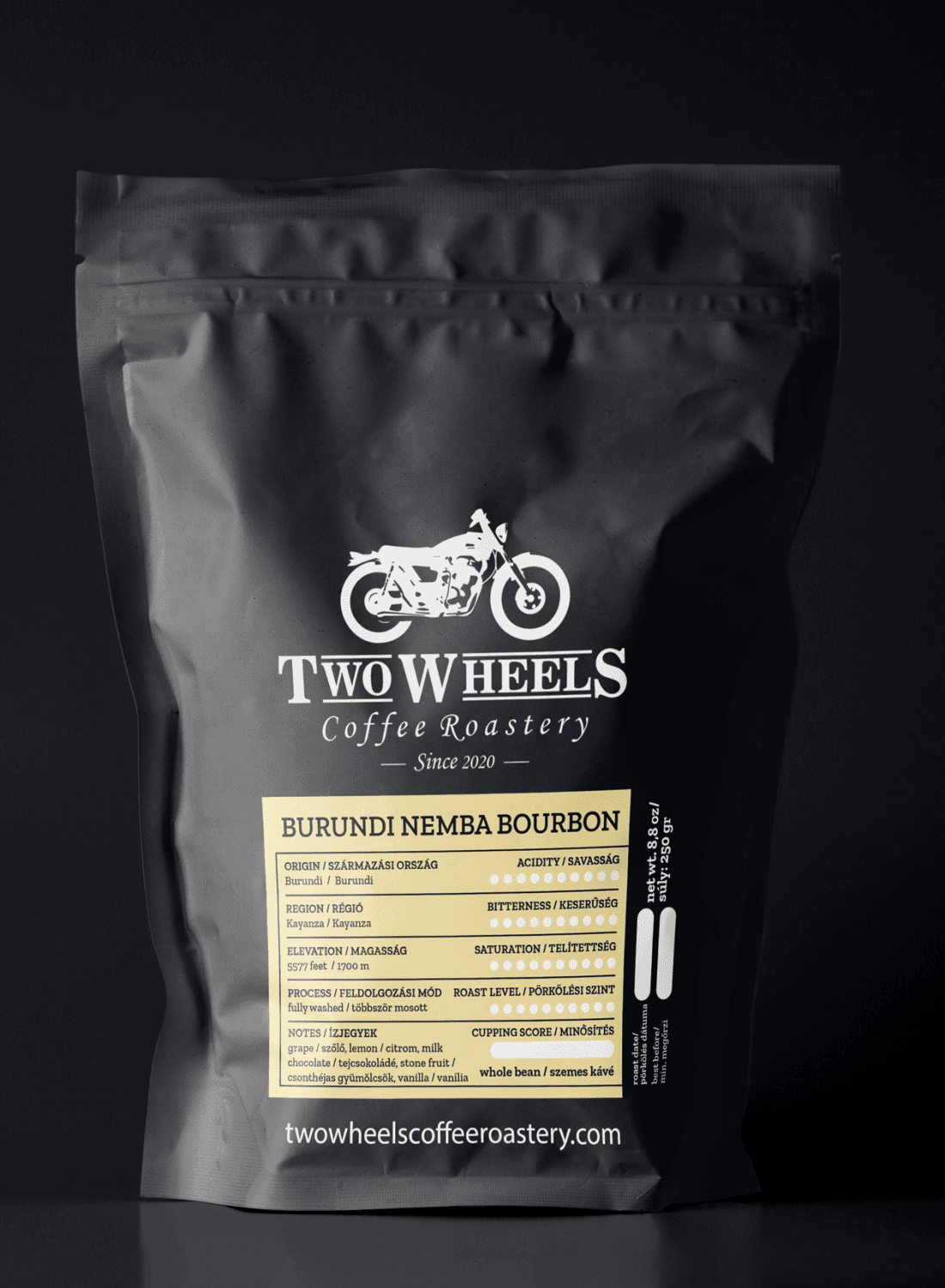
Two Wheels Coffee
Burundi Nemba Bourbon specialty coffee
$5.29
Medium
Smokin' Aces Coffee
Jaguar Honey
$18.69
Medium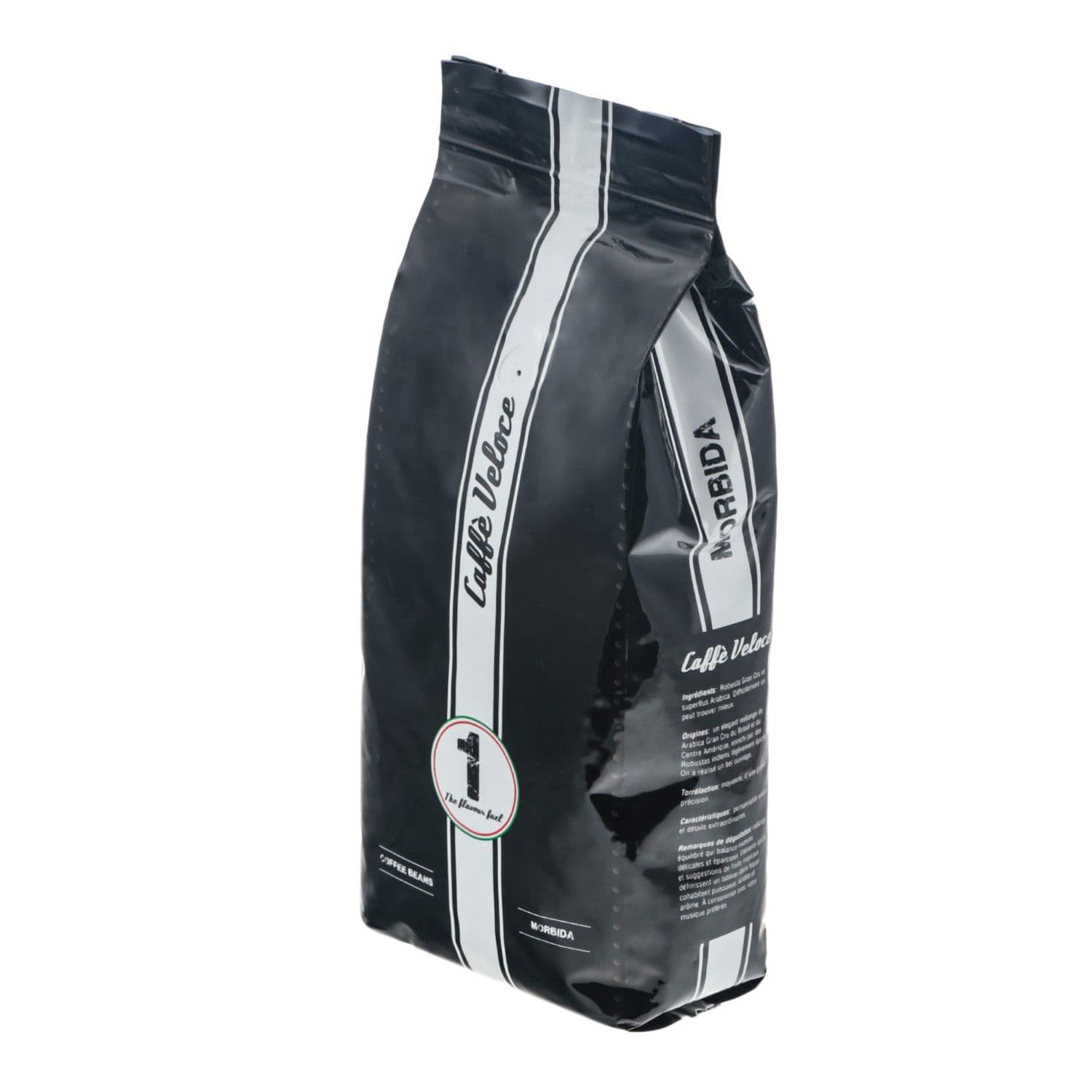
Caffitaly Moldova
Caffitaly Caffe Veloce Morbida
$24.82
MediumMore from Glory could coffee roasters
All products from Glory could coffee roasters →
Glory could coffee roasters
House Blend [more than just Espresso - Medium Roast]
$17.95
Medium
Glory could coffee roasters
French Roast - Medium [almost Dark] Roast
$17.95
Dark
Glory could coffee roasters
Ethiopia - [Sidamo Washed G2] Light [almost Medium] Roast
$17.95

Glory could coffee roasters
Brazil - Light Roast [Rosa Morena - Mogiano]
$17.95
Light