
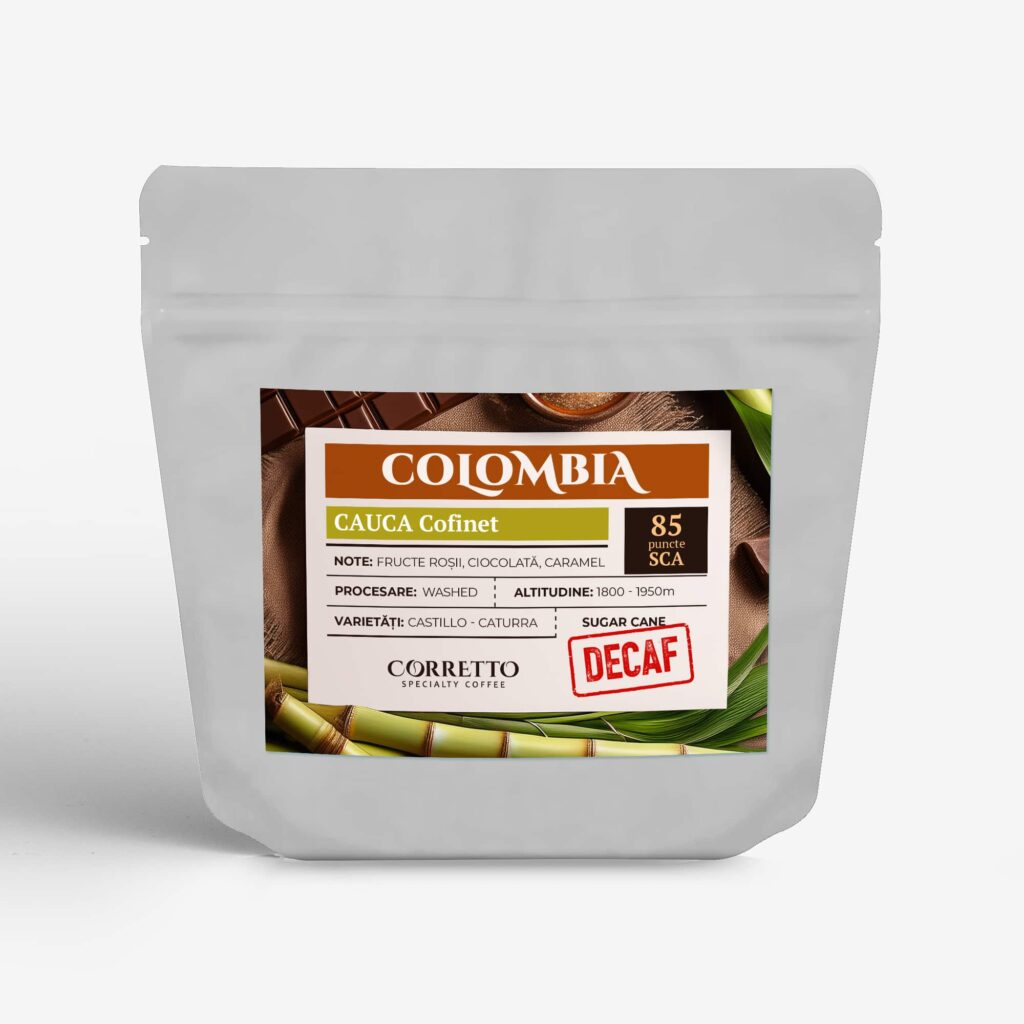

de Specialitate Corretto, Columbia Cauca Cofinet, Decofeinizată, Washed, 100% Arabica, 85 puncte SCA
Cauca, Colombia
- Roast Level: Medium
- Washed
- Single Origin
- Decaffeinated Coffee
Not rated yet · Be the first to review it
RON 55.00
≈ RON 275.00 / kg
You’ll be taken to the roaster’s shop to complete your purchase.
- Roaster based in
- Romania
- Ship to
- United States · Check on the roaster’s shop
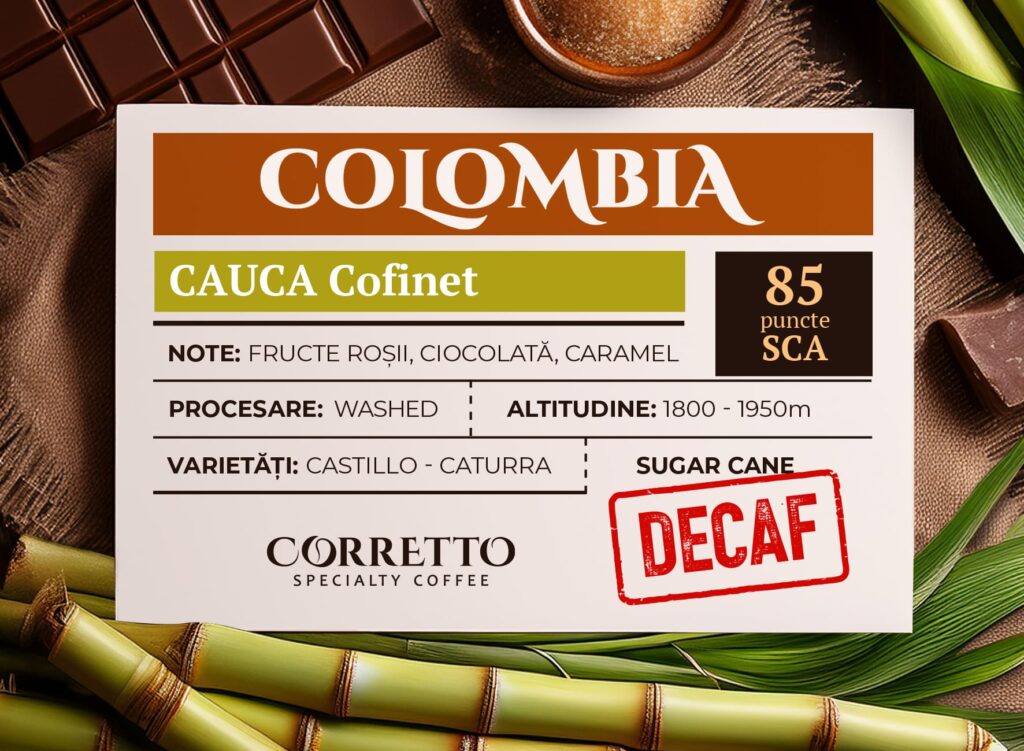
Colombia Cauca Cofinet Condor DECAF 85 SCA points
Region: Cauca
Processing: washed, decaffeinated using the sugar cane method (EA)
Variety: Castillo, Caturra
Tasting notes: red fruit, chocolate, caramel
This decaffeinated coffee was processed using the classic washed method and then decaffeinated using the classic sugarcane ethyl acetate processing method, commonly referred to as “naturally decaffeinated.” Ethyl acetate is produced by combining acetate with ethanol from the fermentation of molasses. Since molasses is a common byproduct of sugarcane in Colombia, this method is an innovative and cost-effective way to decaffeinate coffee.
Taste profile
From the details listed by the roaster’s shop.
Tasting notes
- Red fruit
- Chocolate
- Caramel
- Roast LevelMedium
- LightDark
Description
Specialty coffee | Country of origin: Colombia
Colombia Cauca Cofinet Condor DECAF 85 SCA points
Region: Cauca
Processing: washed, decaffeinated using the sugar cane method (EA)
Variety: Castillo, Caturra
Tasting notes: red fruit, chocolate, caramel
This decaffeinated coffee was processed using the classic washed method and then decaffeinated using the classic sugarcane ethyl acetate processing method, commonly referred to as “naturally decaffeinated.” Ethyl acetate is produced by combining acetate with ethanol from the fermentation of molasses. Since molasses is a common byproduct of sugarcane in Colombia, this method is an innovative and cost-effective way to decaffeinate coffee.
The process of creating ethyl acetate is quite common and straightforward. First, the sugars in sugarcane are fermented to create ethyl alcohol. Second, the ethyl alcohol is mixed with acetic acid. The result is ethyl acetate – a compound found in fruits and vegetables and the most common ester found in beer and wine, usually responsible for preserving fruity aromas.
The farmers’ green coffee sent for decaffeination arrives at this facility and is prepared for the process. To do this, the coffee is steamed to remove the husks. The coffee is then moistened with hot water to expand and soften the beans, beginning the hydrolysis of caffeine, which binds to chlorogenic acid salts.
Next, ethyl acetate is circulated through the coffee several times until at least 97% of the caffeine has been removed. Low-pressure steam is then applied to remove the ethyl acetate.
Finally, the coffee is vacuum-dried until its moisture content returns to the level it had when it arrived at the EA processing facility – usually between 10 and 12%.
This is in stark contrast to methods such as the Swiss Water Process, where the facility is in Canada and requires significantly more fossil fuels to produce.
– Because sugarcane is relatively available in Colombia, where it grows wild and on many farms, there is also less need to import the necessary ingredients.
– Although water is part of the overall process, the EA process actually uses less water than most other decaffeination methods, such as the Swiss Water and Mountain Water processes.
Least intrusive and preserves flavor
– Ethyl acetate is a natural compound found in many beverages. Note: No EA remains in the final coffee product.
– The EA process preserves much more of the coffee’s flavor than other methods.
SCA Score: Quality certification in the coffee industry
The excellent score of 89 earned by this specialty coffee from Ethiopia confirms the skill and dedication of the farmers and processors involved in its production. This score reflects every carefully managed aspect of the production process, from growing and rigorously selecting the coffee cherries to innovative processing methods such as carbonic maceration. Balanced flavors, gentle acidity, and a delightful aftertaste are just a few elements that complete the extraordinary experience for those who taste this coffee. With such a high score, this coffee is not only an elite product in the specialty coffee industry, but also an authentic representation of the richness and diversity of the Ethiopian coffee landscape. It is a source of pride for producers in the region and a symbol of excellence in an ever-evolving industry.
Reviews
No reviews yet.
Similar coffees
From Colombia, by other roasters
Contego
Coffee Columbia LaManuela
$4.65
Medium
Oetterli Coffee
DEZALÉ SINGLE ORIGIN
$12.27
Medium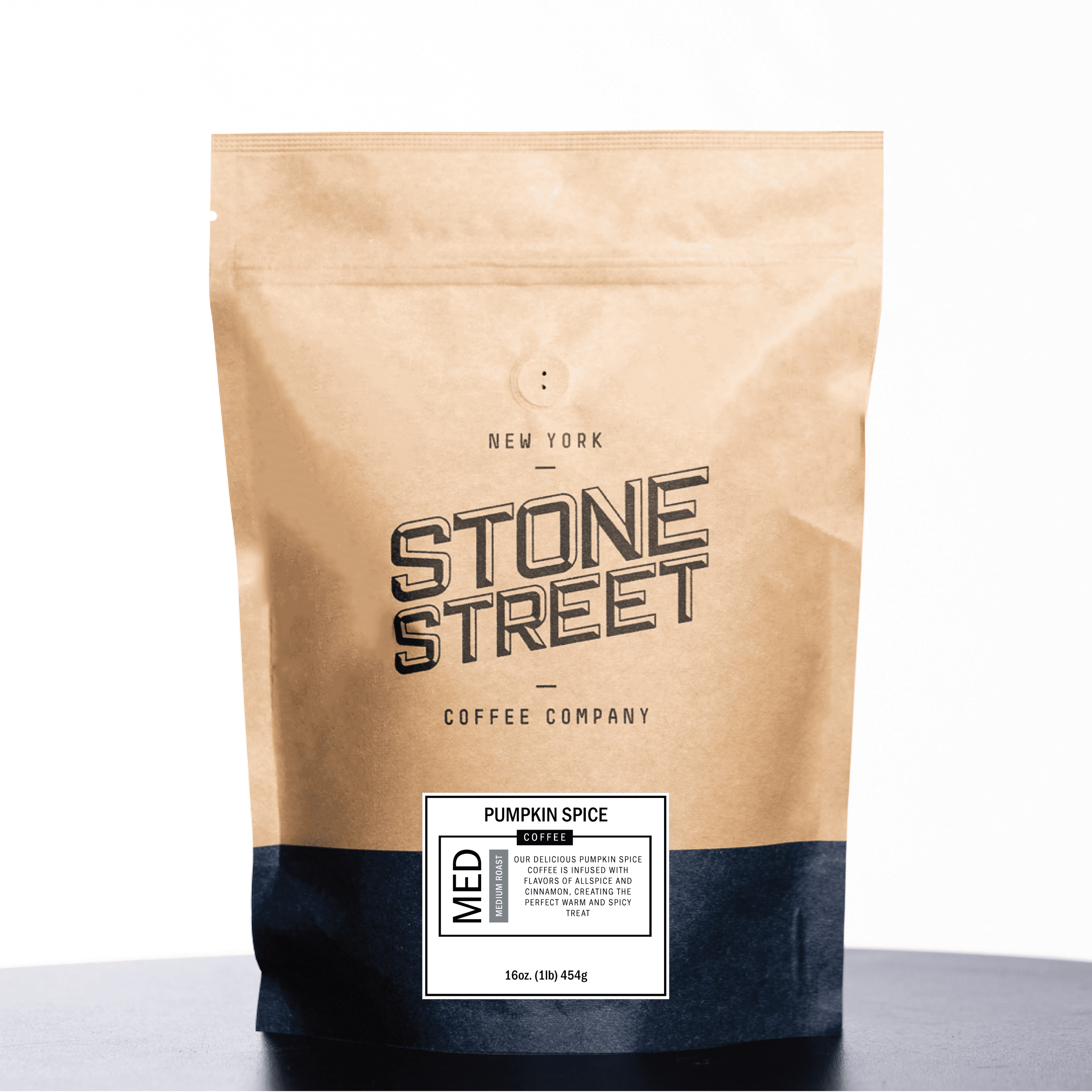
Stone Street Coffee
PUMPKIN SPICE
$13.29
Medium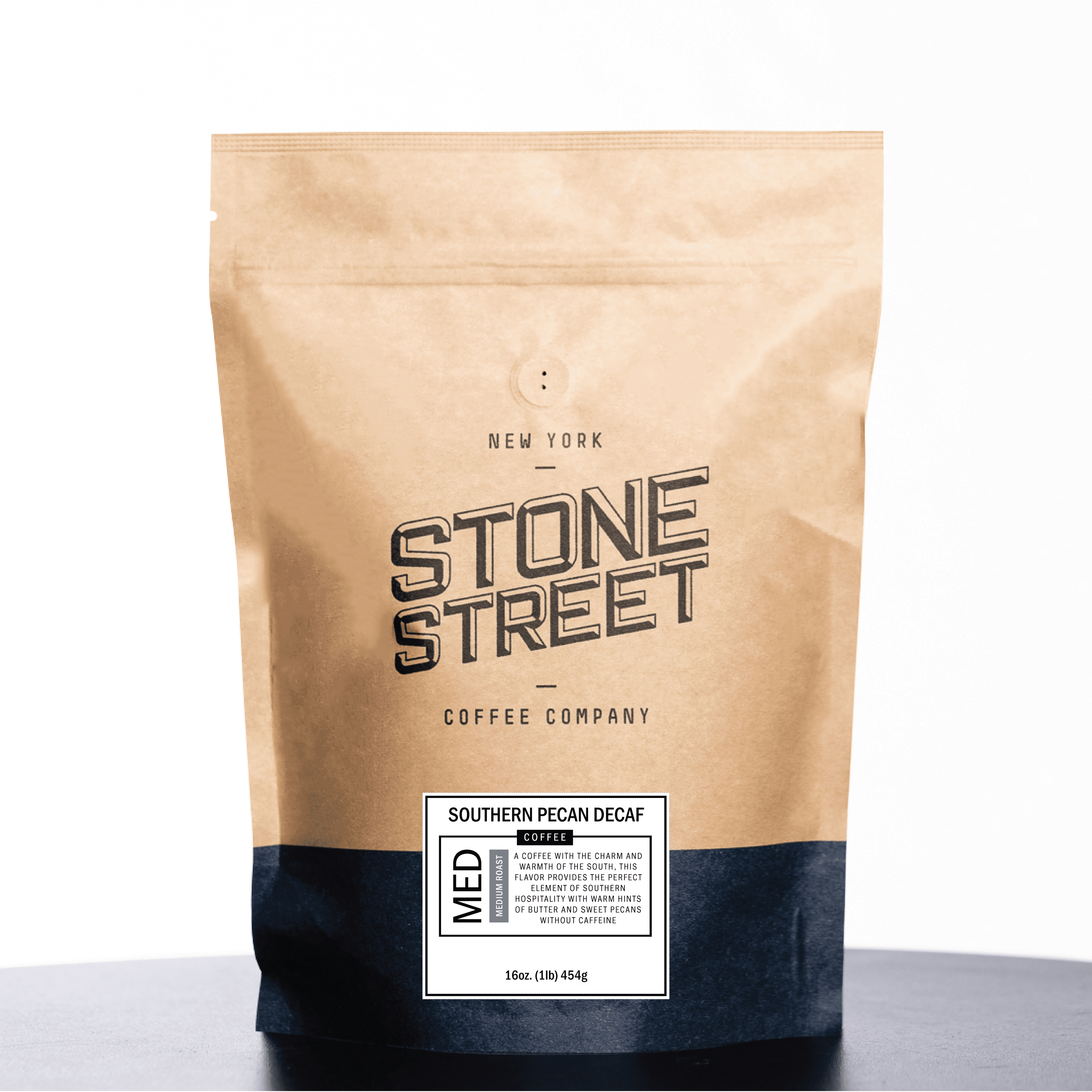
Stone Street Coffee
SOUTHERN PECAN DECAF
$13.29
Medium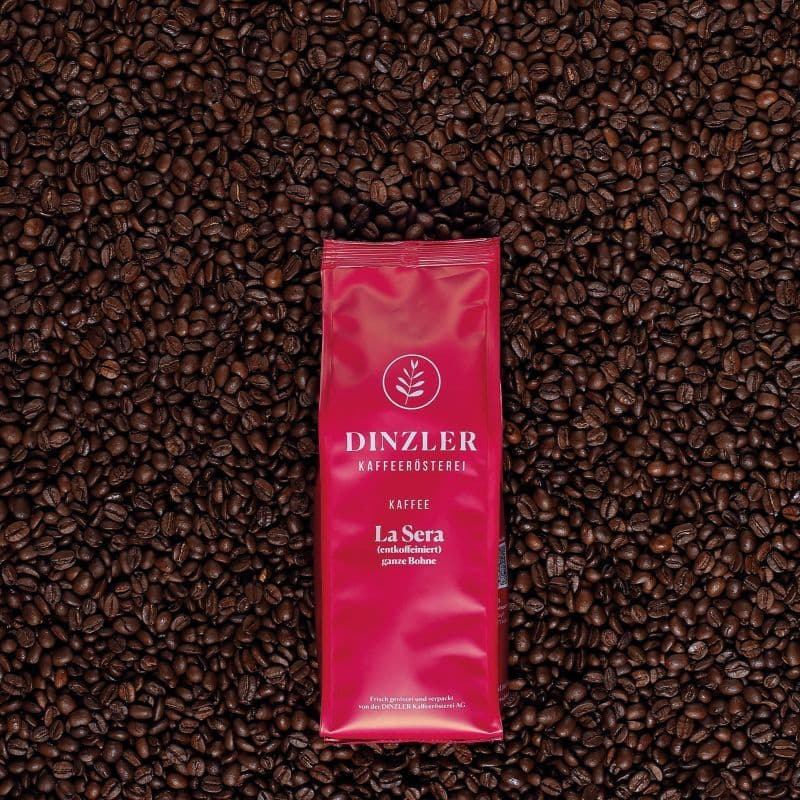
Dinzler Kaffeerösterei
DINZLER coffee La Sera
$7.00
Medium
Elm Coffee Roasters
Colombia Adelino Urbano
$17.45
Medium
Four Sigmatic
Instant Mushroom Coffee With Lion's Mane
$13.08
Medium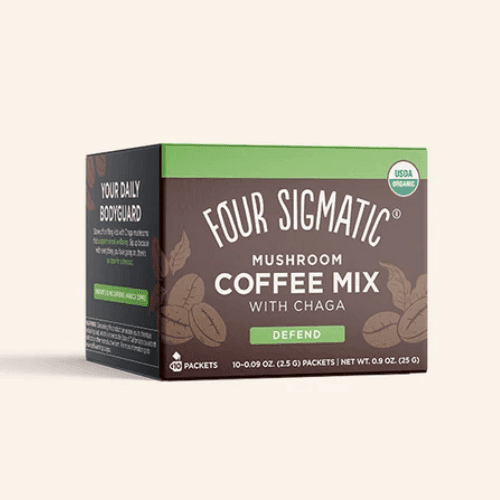
Four Sigmatic
Instant Mushroom Coffee with Chaga and Cordyceps
$13.07
MediumMore from Caffè Corretto
All products from Caffè Corretto →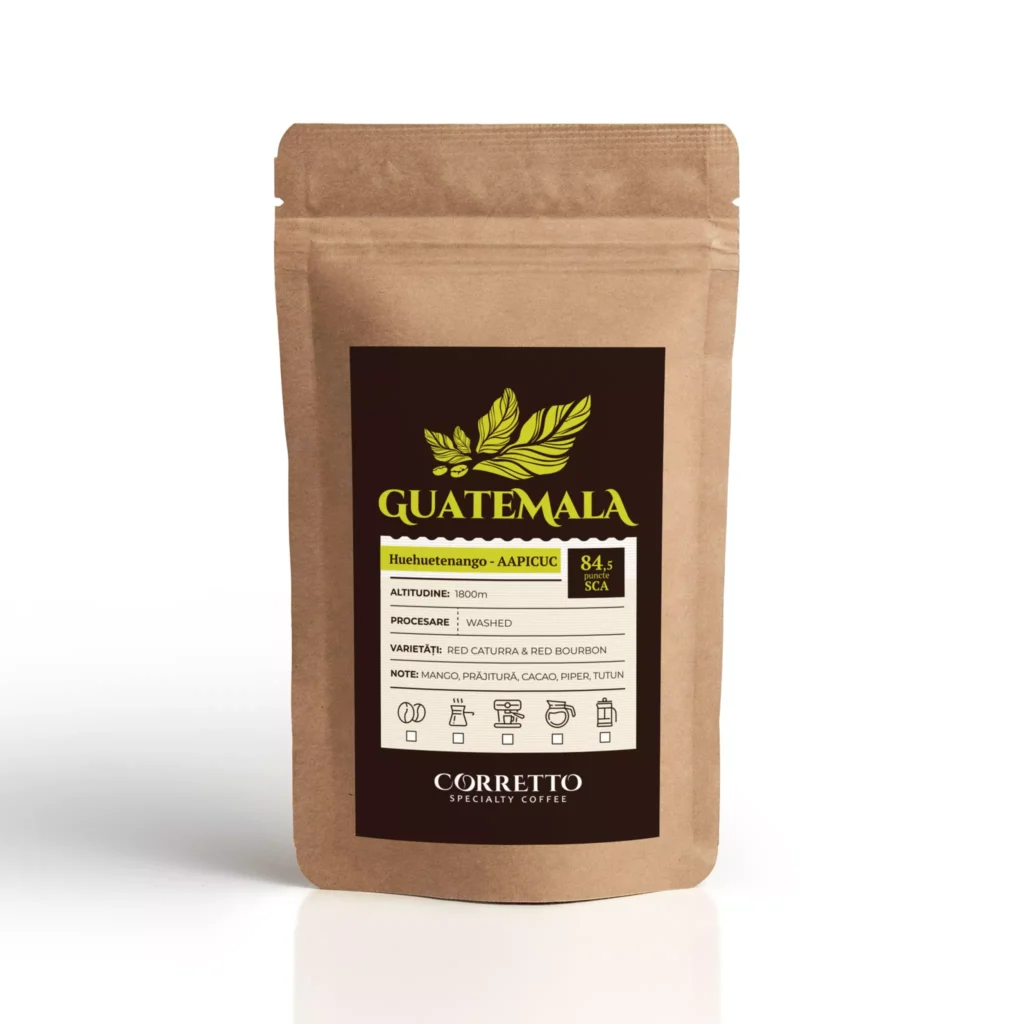
Caffè Corretto
de Specialitate Corretto, Guatemala Huehuetenango, Washed, 100% Arabica, 84,5 puncte SCA
RON 38.00
Medium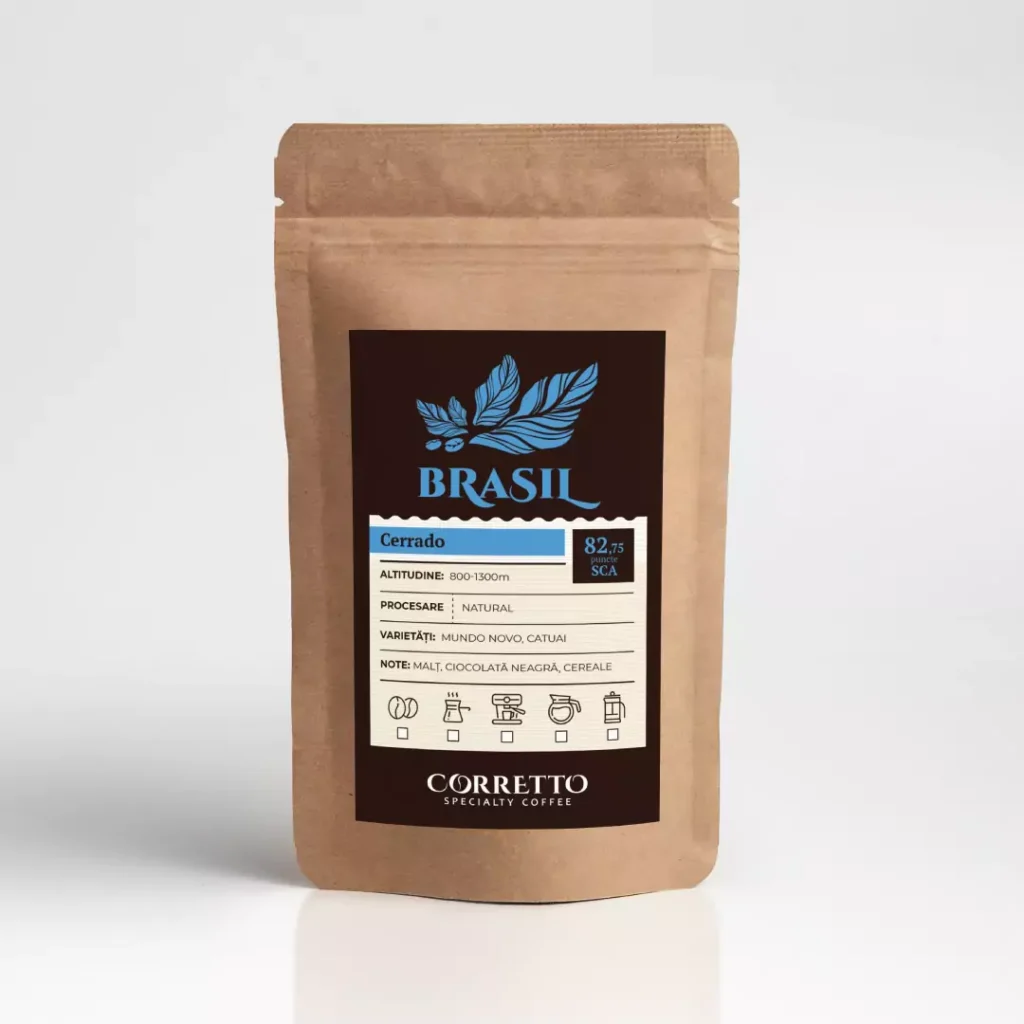
Caffè Corretto
de Specialitate Corretto, Brazilia Cerrado, Natural, 100% Arabica, 82,75 puncte SCA
RON 32.00
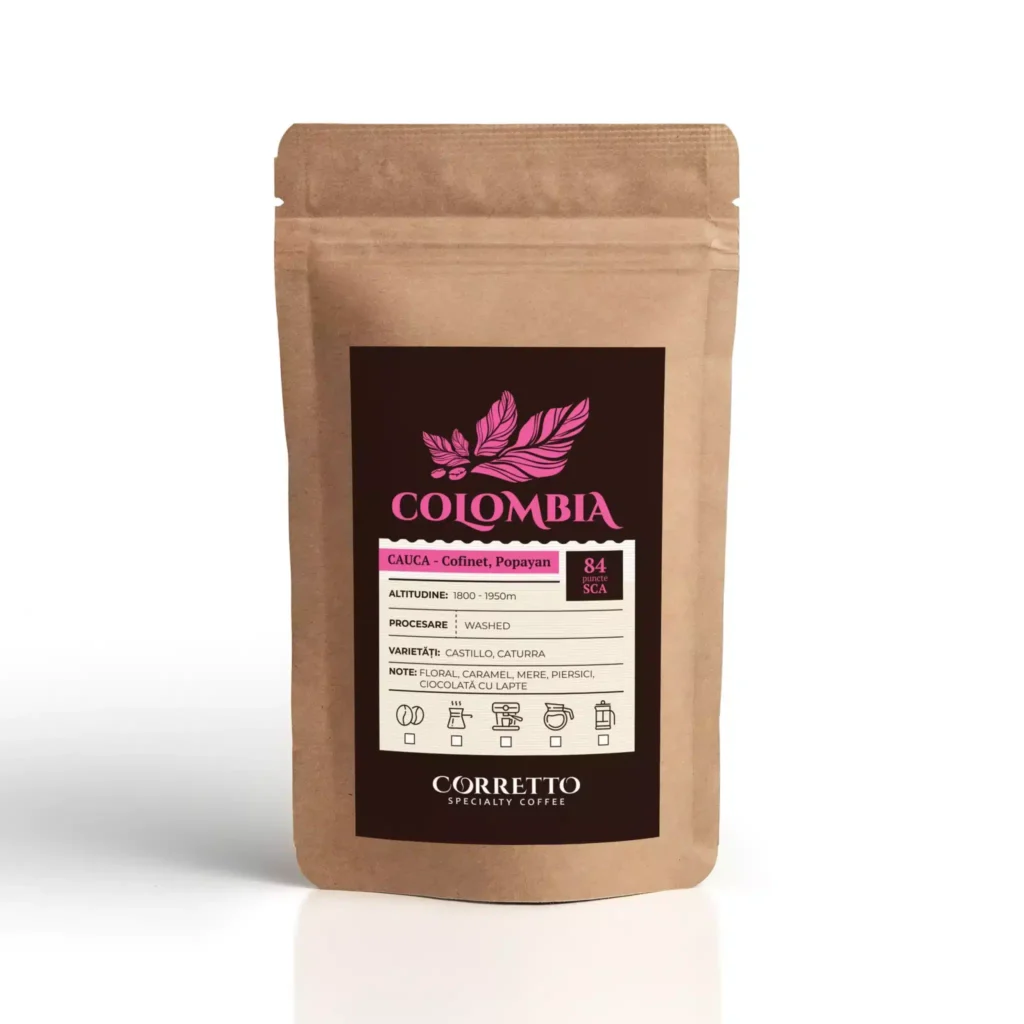
Caffè Corretto
de Specialitate Corretto, Columbia Cauca Popayan, Washed, 100% Arabica, 84 puncte SCA
RON 36.00
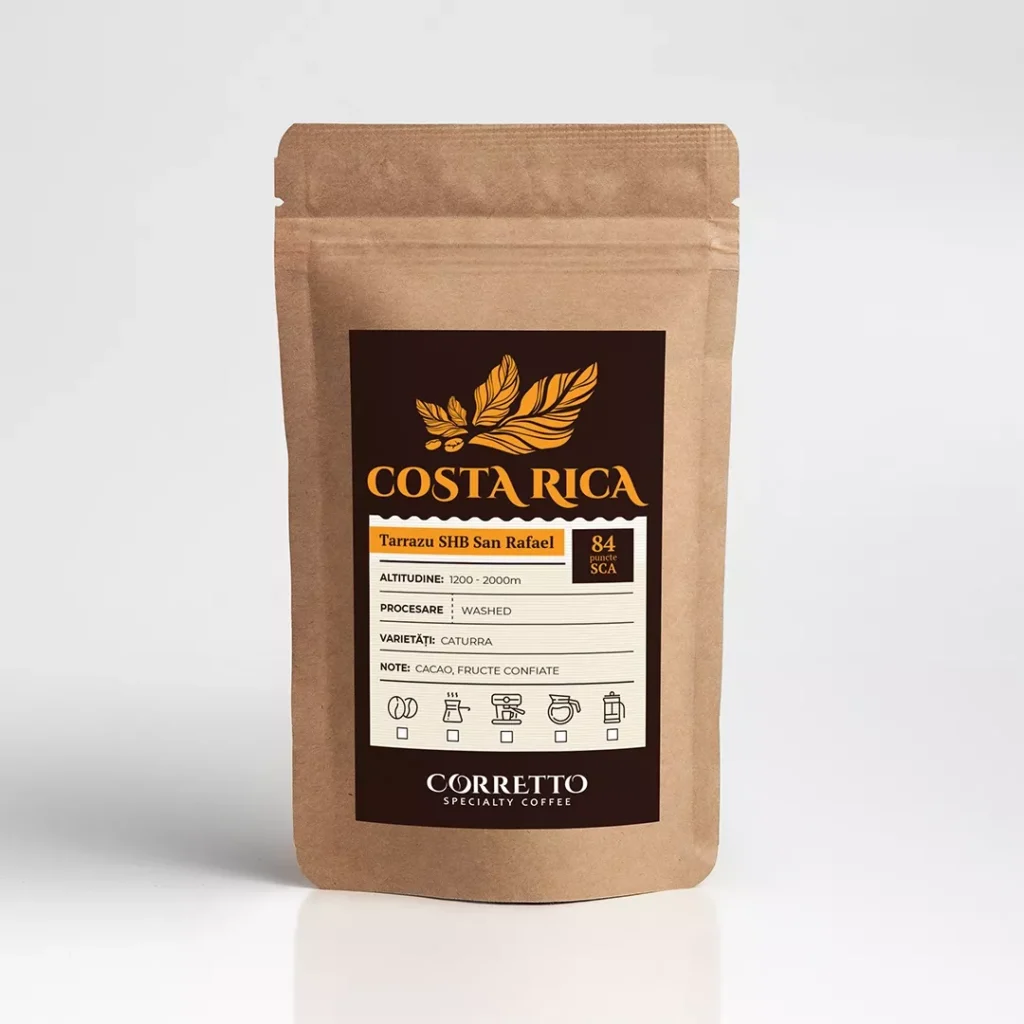
Caffè Corretto
de Specialitate Corretto, Costa Rica Tarrazu SHB San Rafael, Washed, 100% Arabica, 84 puncte SCA
RON 38.00
Medium