


Colombia, Decaf: EA Sugarcane Process
Colombia, Tolima, El Vergel
- Roast Level: Medium
- Single Origin
- Decaffeinated Coffee
Not rated yet · Be the first to review it
from$19.95
≈ $52.91 / kg
You’ll be taken to the roaster’s shop to complete your purchase.
- Roaster based in
- United States
- Ship to
- United States · ✓ Yes, the roaster is based there
Taste profile
From the details listed by the roaster’s shop.
Tasting notes
- Almond
- Panela
- Citrus
- Roast LevelMedium
- LightDark
Sizes and prices
Description
ROAST: Medium ALT: 1,500-2,100m
Processing: EA Sugarcane Process
Flavor Notes: Almond, Panela, Citrus
Region: Colombia, Tolima, El Vergel
Discover the delightful taste of our Decaf EA Sugarcane Process coffee from Colombia. Carefully crafted using a natural sugarcane process, this decaf coffee retains all the rich flavors and vibrant aromas of regular coffee, without the caffeine. It's perfect for those who want to enjoy the full-bodied taste of Colombian coffee at any time of the day, without sacrificing sleep.
The Decaf EA Sugarcane Process is a unique and natural method used to decaffeinate coffee beans, particularly in Colombia. "EA" stands for ethyl acetate, which is a naturally occurring compound derived from sugarcane. Here's how the process works:
-
Sourcing Ethyl Acetate (EA): Ethyl acetate is extracted from fermented sugarcane, which is abundant in Colombia. This compound is commonly found in fruits and other natural sources, making it a safe and natural solvent for decaffeination.
-
Steaming the Beans: The green coffee beans are first steamed to open their pores, making them more receptive to the decaffeination process.
-
Caffeine Removal: The beans are then soaked in a solution of water and ethyl acetate. The ethyl acetate bonds with the caffeine molecules and extracts them from the beans.
-
Washing and Drying: After the caffeine is removed, the beans are thoroughly washed to remove any residual ethyl acetate, and then they are steamed again to ensure any remaining traces of the solvent are evaporated. Finally, the beans are dried to restore their original moisture content.
This method is favored because it preserves the natural flavors and aromas of the coffee, resulting in a decaf coffee that tastes remarkably close to its caffeinated counterpart. The use of a natural solvent from sugarcane also aligns with sustainable and eco-friendly practices, making it an excellent choice for those who are mindful of both flavor and the environment.
Treat yourself to the best of both worlds—delicious coffee without the caffeine kick. Try it today and experience the difference!
Reviews
No reviews yet.
If you like this coffee, try these
Picked from other roasters for a shared origin, process, roast, tasting notes and price. Coffees that the same people saved or rated highly count the most.

Achilles Coffee Roasters
Colombia Mountain Water Decaf Single Origin Coffee
$21.00
MediumWhy: ColombiaNutty · CitrusSimilar price

Trilogy Coffee Roasting
Magda’s Blend (Half Decaf)
$17.50
MediumWhy: ColombiaNutty · CitrusSimilar price

Blue Barn coffee
Colombia Decaf
CA$11.95
MediumWhy: ColombiaNutty · CitrusSame roast

Kings Peak Coffee Roasters
Colombia Valle Del Cauca Decaf
$20.00
Why: ColombiaNutty · CitrusSimilar price

Crosby Coffee
Decaf Colombia Huila
£10.30
Why: ColombiaNutty · CitrusSimilar price

Colombia Coffee Roasters
SUGAR CANE DECAF (Washed Process) Colombia
£13.95
Why: ColombiaNutty · CitrusSimilar price

Bean Coffee Roasters
Colombia Condor Decaf
£11.50
Why: ColombiaNutty · CitrusSimilar price
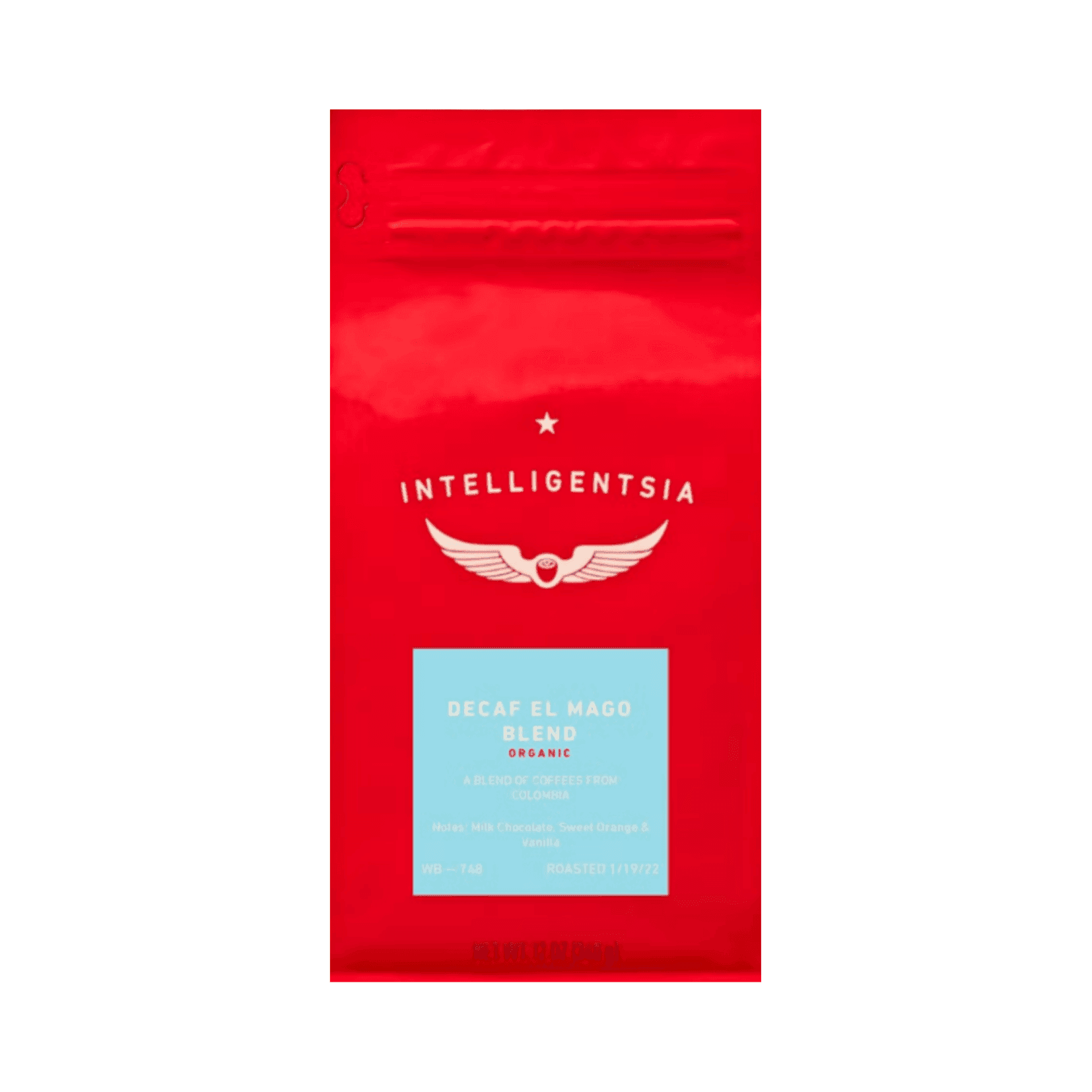
Intelligentsia coffee
DECAF ORGANIC EL MAGO
$15.72
MediumWhy: ColombiaCitrus · Caramel & sweetSimilar price


