


BRAZIL PEABERRY
Brazil
- Roast Level: Medium
- Single Origin
Not rated yet · Be the first to review it
from€13.00
≈ €35.00 / kg
You’ll be taken to the roaster’s shop to complete your purchase.
- Roaster based in
- Estonia
- Ship to
- United States · Check on the roaster’s shop
Sugar coated nutty overtones and chocolate marshmallow.
Taste profile
From the details listed by the roaster’s shop.
- Roast LevelMedium
- LightDark
Sizes and prices
Description
PB – Pärluba tekib kohvikirsis, kui tavalise kahe asemel on marjas üks kohviuba. Normaaltingimustes on kohviõiel kaks seemnepunga, mis pärast viljastamist arenevad kirsi sees kaheks eraldi kohviseemneks ehk oaks. Pärloa puhul üks neist kahest oast ei arene ja seega sisaldab küps kohvikirss ainult ühte uba.
Kuna kirsis on pärloa kasvatamiseks rohkem ruumi, saab see ovaalse (või “herne”) kuju. Hispaania keeles on see caracol. Portugali keeles nimetatakse pärluba tuttavalt mokaks.
Ehkki pärload on tehniliselt defektsed, on nad sageli ihaldatud oma maitse ja kuju pärast, mis hõlbustab röstimisel liikumist ja annab seetõttu ühtlase rösti. Araabika kohvis moodustavad pärload tavaliselt 10% kogu ubadest, kuigi see erineb kohvisordi järgi.
Kas nad maitsevad erinevalt?
Üldiselt on teada, et pärload maitsevad erinevalt, ehkki mitte tingimata paremate või halvematena kui tavalised oad. Mõni väidab, et kuna kirsis on ainult üks uba, imab see rohkem toitaineid ja on seega maitselisem. Pärloa kuju võimaldab röstimistrumlis paremini veereda ja seeläbi soojust ühtlasemalt üle kanda. Parim on pärload eraldada ja röstida eraldi, kuna need röstivad erinevalt tavalistest lamedatest oad.
* * *
PB – Peaberry is the result of the coffee cherry producing a single coffee bean instead of the normal two. Under normal conditions, a coffee blossom has two ovules which after fertilization develop into two distinct coffee seeds, or beans, within the cherry. In the case of a peaberry, one of these two beans does not develop and thus the ripe coffee cherry contains only one bean.
Since there is more space within the cherry for the peaberry to grow, it takes on its rounded (or “pea”) shape. In Spanish, it is a caracol. In Portuguese, a peaberry is familiarly called a moka.
While peaberries are technically defects, they are often coveted because of their flavor and because their round shape facilitates movement in the roaster and therefore results in an even roast. In Arabica coffee, peaberries typically account for 10% of total beans, though this varies by coffee variety.
Do They Taste Different?
It is generally accepted that peaberries taste different, though not necessarily better or worse than normal beans. Some argue that since there is only one bean in the cherry, it absorbs more nutrients and is thus more flavourful. The rounded shape of the peaberry does allow for better rolling in the roaster drum and thus a more homogeneous transfer of heat. It is best to separate the peaberries and roast them separately since they roast differently than standard flat beans.
Generally hailing form the Cabo Verde area in Minas Gerais the peaberry is a combination from a couple of neighbouring farms. Formed when the bean inside the cherry fails to create two parts, it is often touted as getting extra nutrients and therefore performing better in the cup. An average altitude of 950 meters, a climate with well defined seasons, low humidity and favourable temperatures all combine to make great growing areas for coffee.
Reviews
No reviews yet.
If you like this coffee, try these
Picked from other roasters for a shared origin, process, roast, tasting notes and price. Coffees that the same people saved or rated highly count the most.

Vigilante Coffee
Brazil Capim Seco
$18.95
MediumWhy: BrazilSimilar priceSame roast
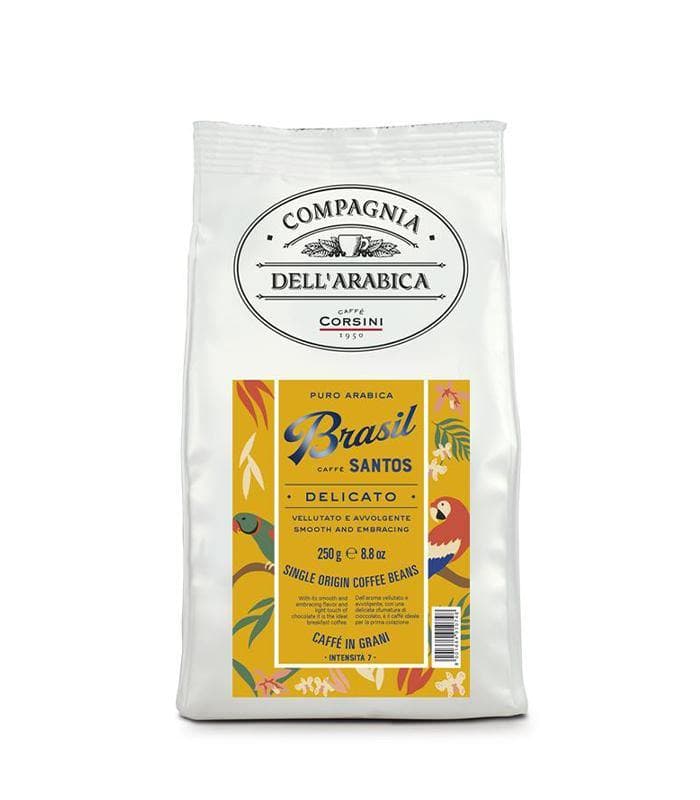
Caffe Corsini
Corsini Brasil Santos 250g
$8.69
MediumWhy: BrazilSimilar priceSame roast
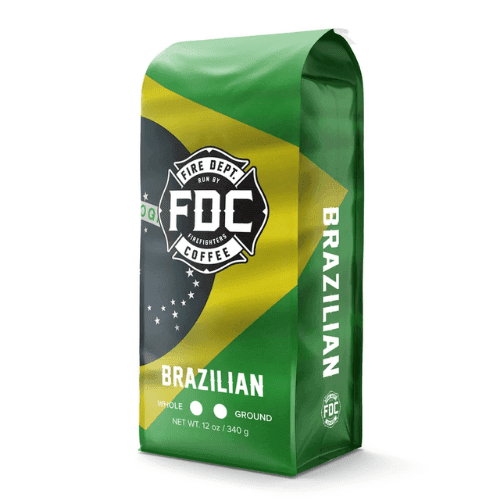
Fire Dept. Coffee
BRAZILIAN COFFEE
$13.46
MediumWhy: BrazilSimilar priceSame roast

Caffe Corsini
Corsini Purissimi Agricoltura Biologica
$11.02
MediumWhy: BrazilSimilar priceSame roast

Hannoversche Kaffeemanufaktur
Zoo Collection Tin - Brazil Fazenda Serrinha
$9.95
MediumWhy: BrazilSimilar priceSame roast
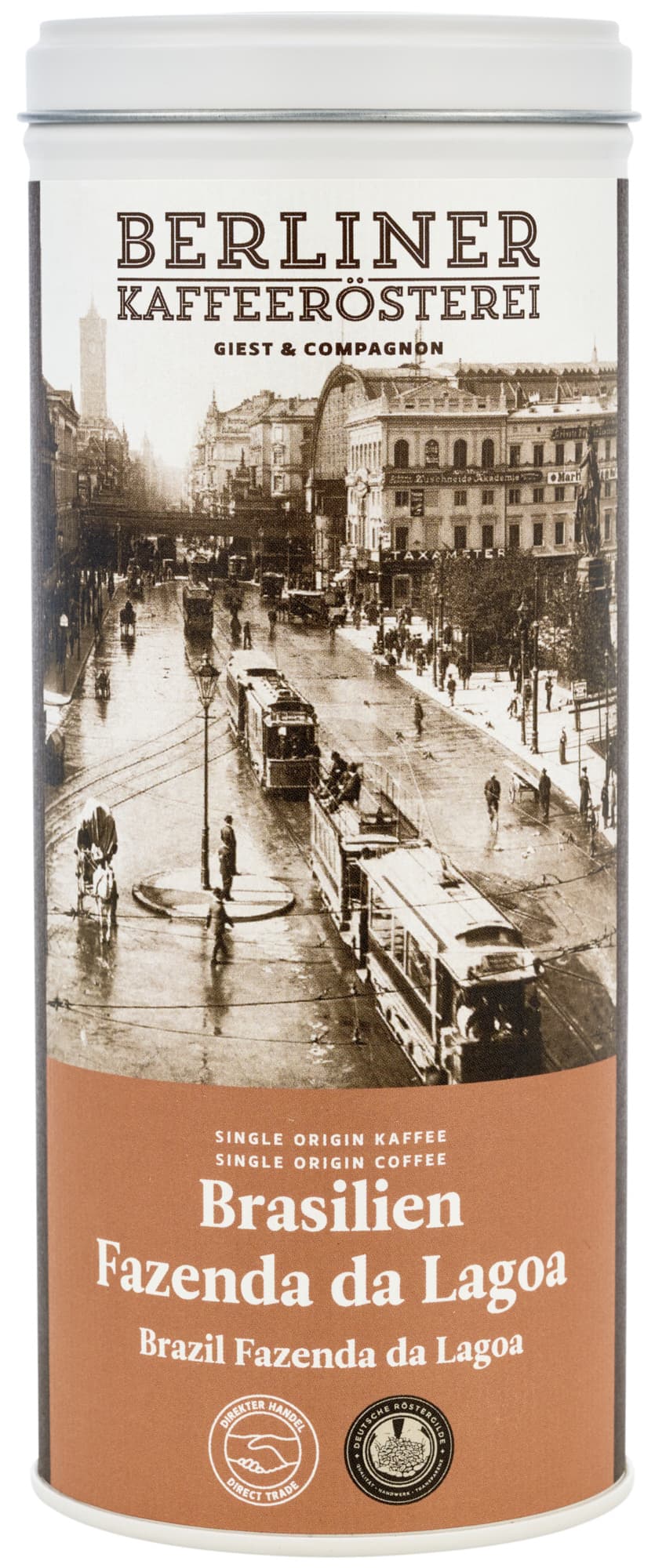
Berliner Kaffeerösterei
Brazil Fazenda da Lagoa - Canned
$8.90
MediumWhy: BrazilSimilar priceSame roast

Sextant Coffee Roasters
The Windsor - Brazil Coffee
$21.95
MediumWhy: BrazilSimilar priceSame roast
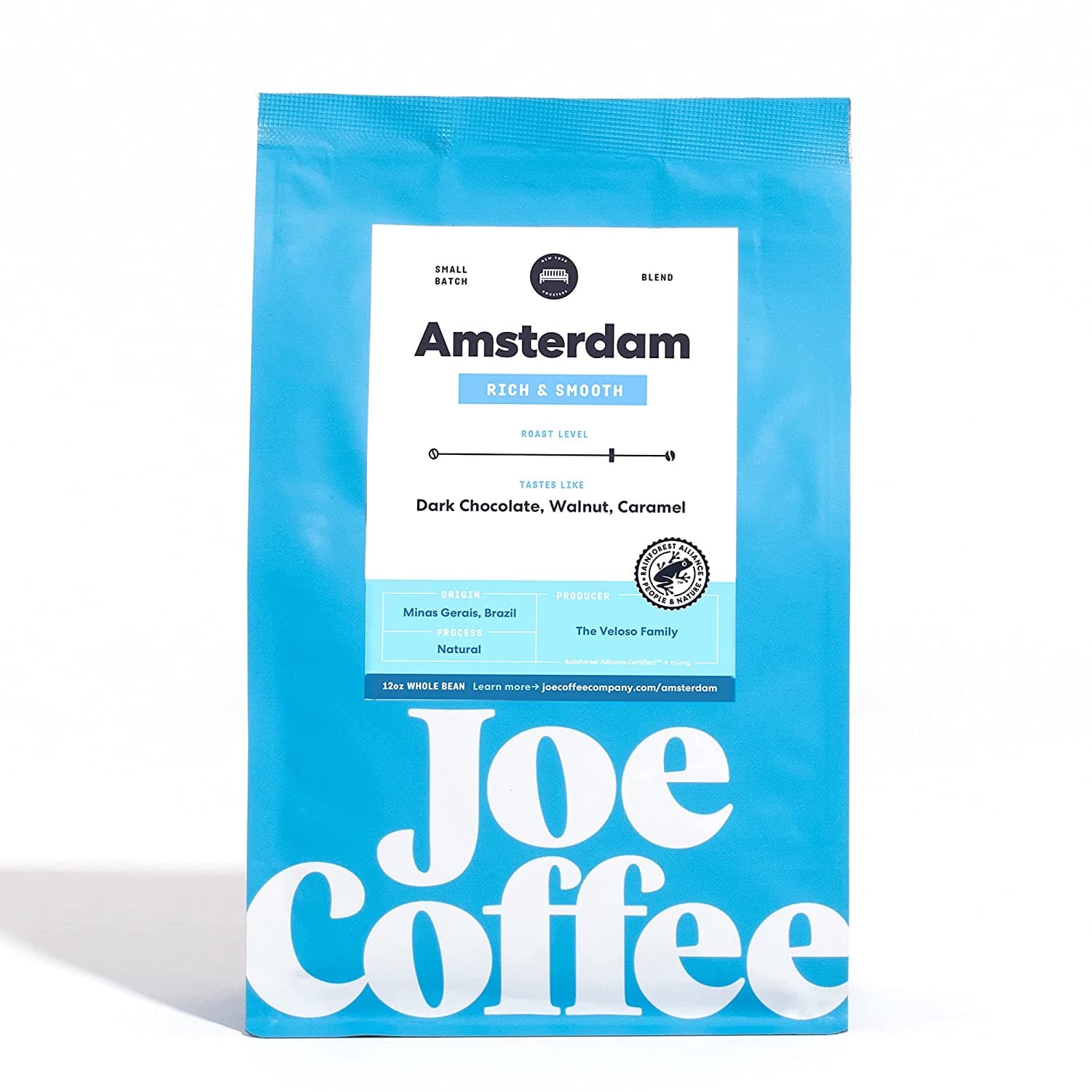
Joe Coffee Company
Joe Coffee Company, Medium Roasted Coffee Beans, Amsterdam Blend, Whole Bean, 12 oz Bag
$15.34
MediumWhy: BrazilSimilar priceSame roast


