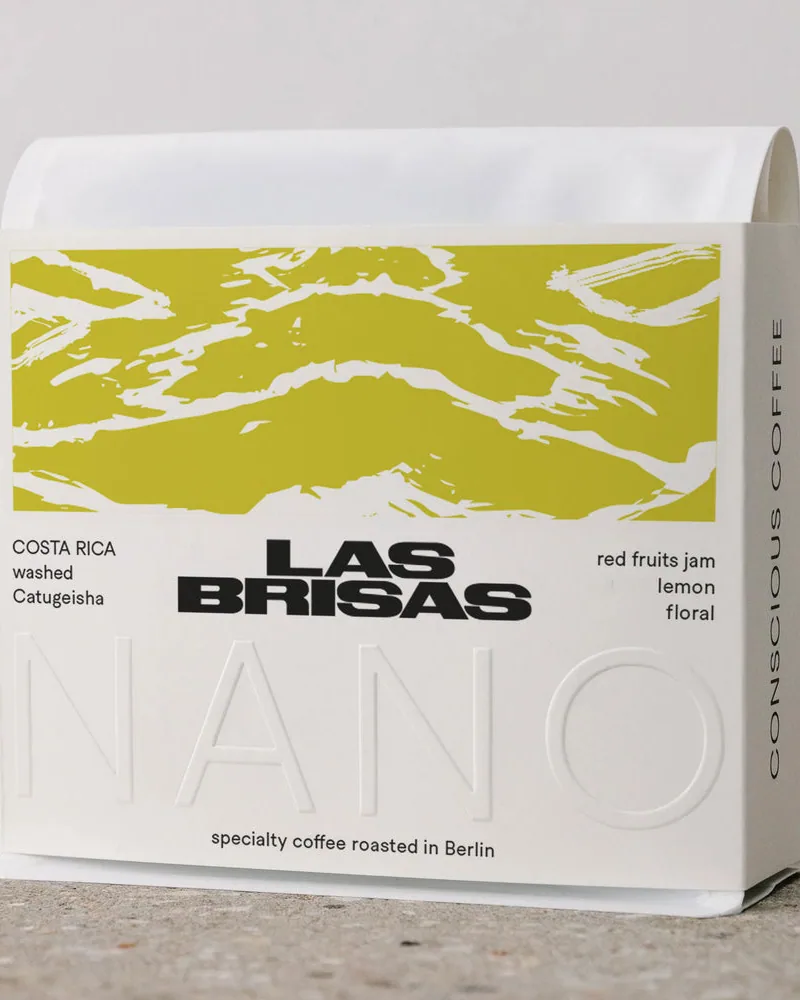
Brazil · Light
Not rated yet · Be the first to review it
Brazil | Castanho [organic]
 NANO Kaffee
Taste profile
Nutty and sweet, light roast.
- NuttyPecan
- Caramel & sweetBrown sugar
Roast levelLight
Coffee sheet
Grown
Roasted
Light
- NANO Kaffee
- Germany
A light roast keeps the fruit and acidity of the origin in front.
More details
- Composition
- Single Origin
- Coffee Bean Type
- Arabica
- Caffeine
- Caffeinated Coffee
- Coffee Grind
- Whole Bean
- Price per kg
- ≈ €62.00 / kg
- Country of Manufacture
- Germany
Description
Brazil | Castanho [organic] is a coffee from Brazil, sold by NANO Kaffee (Germany). Roast: light. The roaster’s tasting notes: pecan, brown sugar. Price: €5.00 to €52.90, depending on the size. That is from €62.00 per kilo.
High-quality specialty coffee – freshly roasted at the NANO KAFFEE roastery in Berlin Kreuzberg. A product of the highest quality. Grown, sourced, and roasted in respectful harmony with people, nature, and the planet.
NANO KAFFEE – Conscious Coffee from Berlin.
• 100% Arabica
• 100% organic roasted coffee (DE-ÖKO-070)
• Filter roast
• naturally processed (natural)
• whole beans
• Single Origin Brazil
• Tasting notes: pecan, brown sugar, dark chocolate
Enjoy this coffee as a balanced espresso or a pleasantly sweet filter coffee.
Stats
ORIGIN Brazil
REGION Matas de Minas, in São João do Manhuaçu
ALTITUDE 1,000–1,200 m above sea level
FARM Fazendas Dutra
FOB 10.43 eur / kg
VARIETY Red Catuai
PROCESSING natural, sun dried
TASTING NOTES pecan, brown sugar, dark chocolate
Packaging note:
The product image shows the 250-g package. The 60-g and 1,000-g sizes come in coffee bags with a front label and no wraparound band.
Quick Info
A family farm dedicated to sustainable coffee cultivation and the restoration and renewal of the ecosystem: organic farming surrounded by rocks, forests, and waterfalls; its own solar arrays; diverse flora and fauna,... This commitment to sustainability yields a bold Brazilian flavor profile of pecans, brown sugar, and dark chocolate—and earned the farm recognition as the second-most sustainable farm in Brazil. Impressive, considering that 35% of the world’s coffee beans come from farms in Brazil.
• Family business since 1950
• Volcanic soil (valuable minerals and trace elements, nutrients for a full flavor)
• Shade trees (protect coffee plants from the sun and improve the soil; good for biodiversity)
• Its own photovoltaic systems result in a virtually negative CO₂ footprint
* The farm was recognized as the second-most sustainable farm in Brazil
FARMERS — From the Cradle to the World
The family business began in the 1950s in Minas Gerais with a little over one hectare of land. Despite the farm’s small size, the father, “Zeca” Dutra, recognized the potential of the place and put his passion for coffee cultivation to work, continually improving and expanding the farm. When he passed away in September 1999, he left his wife and sons (who were born on the farm) more than 300 hectares of land under coffee cultivation.
The brothers decided to invest heavily in their education and expand their knowledge so they could apply the best possible practices to their farming.
They have now worked in every area of the coffee production chain for more than 35 years. They are known in Brazil and abroad as producers of specialty and organic coffees of the highest quality and distinctive character.
NATURE — Growing Coffee, Building an Ecosystem
Minas Gerais first became known for its valuable mineral deposits. Today, the state is one of the world’s largest coffee-growing regions.
Thanks to its ideal geographic location, predominantly temperate climate, and coffee-growing tradition dating back to the early 18th century, Brazil is one of the world’s leading coffee producers. Around 30% of the global coffee harvest comes from the nutrient-rich, mineral-laden soil of South America’s largest country—nearly one in four coffee plants grows here.
Farms in the Coffee Belt benefit from a tropical to subtropical climate and generally produce especially mild, smooth, and mildly spicy coffees.
More than 5,000 avocado trees provide shade. Strategically planted eucalyptus trees serve as windbreaks. African mahogany and a variety of fruit trees further promote biodiversity. The diverse flora attracts beneficial insects and provides shelter, refuge, and food for hundreds of birds and other wildlife. This creates a diverse and balanced ecosystem.
The coffee is grown in harmony with the environment—the coffee plantations are nestled among rocks, forests, and waterfalls.
One special feature is how evenly the cherries ripen: moderate temperatures, clearly defined dry and rainy seasons, and an altitude between 1,000 and 1,200 meters provide ideal conditions for slow, even ripening. This allows the cherries to draw more nutrients from the plants. It encourages the development of complex flavors, pronounced sweetness, balanced acidity, and a smooth texture—a terroir that produces some of the most delicious and flavorful coffees in the world.
IMPACT — Award-Winning Negative CO₂ Footprint
The farm takes a regenerative, ecological approach to coffee production, prioritizing ecological balance and long-term sustainability. Soil health, healthy biodiversity, and sustainable land management are intended to ensure a lasting positive impact on the environment. The goal is to restore and regenerate ecosystems while improving the livelihoods of employees and communities.
Its own solar arrays, diverse tree plantings, and strict water management—every measure reflects its commitment to the environment.
The photovoltaic system not only provides enough energy to cover the entire operation’s daily electricity needs; its environmental benefits are substantial: for example, it has prevented 960 tons of CO₂ from being emitted into the atmosphere. It would take about 24,760 mature trees to remove the same amount of CO₂ from the atmosphere. As a result, the farm can claim a virtually negative CO₂ footprint.
The effort has paid off: in 2024, Fazendas Dutra was recognized as the second-most sustainable operation in the country at Globo Rural’s renowned “Fazenda Sustentável 2024” awards. The award honors farms in Brazil that demonstrate outstanding environmental responsibility and sustainable innovation.
FLAVOR — Classic, but with More Depth
Thanks to artisanal processing, the altitude, and the plantation’s soil composition, this is a unique product. Every year, Fazendas Dutra’s coffee beans are counted among Brazil’s and the world’s best, both for their quality and sustainability.
The coffee cherries are processed using the natural dry method (the coffee is dried with the fruit still on the bean). This method uses very little water and emphasizes the coffee’s sweet, fruity flavors, as the beans are exposed to the fruit’s natural sugars for a longer period.
The minerals of Matas de Minas in Minas Gerais, the sustainable local ecosystem, decades of experience… all of this creates pronounced flavors.
Brazilian coffees are traditionally known for their low acidity, full body, and creamy, chocolatey, and nutty flavors.
And this coffee is no exception: Our roast brings out notes of pecans, brown sugar, and dark chocolate. A classic Brazilian espresso, but with more depth—in its cultivation and in the finish.
FUN FACT
Residents of Minas Gerais are also called Mineiros.
-
High-quality specialty coffee – freshly roasted at the NANO KAFFEE roastery in Berlin Kreuzberg. A product of the highest quality. Grown, sourced, and roasted in respectful harmony with people, plants, and the planet.
NANO KAFFEE – Conscious Coffee from Berlin.
Seller and delivery
- Roaster based in
- Germany
- Ship to
- United States · ✓ Yes, according to the roaster’s shop
Reviews
No reviews yet.
Questions about Brazil | Castanho [organic]
What does Brazil | Castanho [organic] taste like?
The roaster’s tasting notes: pecan, brown sugar. Flavour groups: nutty and caramel & sweet.
Where does Brazil | Castanho [organic] come from?
It comes from Brazil.
What roast level is Brazil | Castanho [organic]?
Roast level: light.
How much does Brazil | Castanho [organic] cost?
Price: €5.00 to €52.90, depending on the size. That is from €62.00 per kilo. Prices come from the shop and can change; the shop has the current ones.
Where can I buy Brazil | Castanho [organic]?
In the online shop of NANO Kaffee: the prices on this page link to it. According to its shop, it delivers to Germany, Austria, Belgium, Bulgaria, Canada, Czechia and 25 other countries. Cafendo does not sell coffee itself.
If you like this coffee, try these
Picked from other roasters for a shared origin, process, roast, tasting notes and price. Coffees that the same people saved or rated highly count the most.
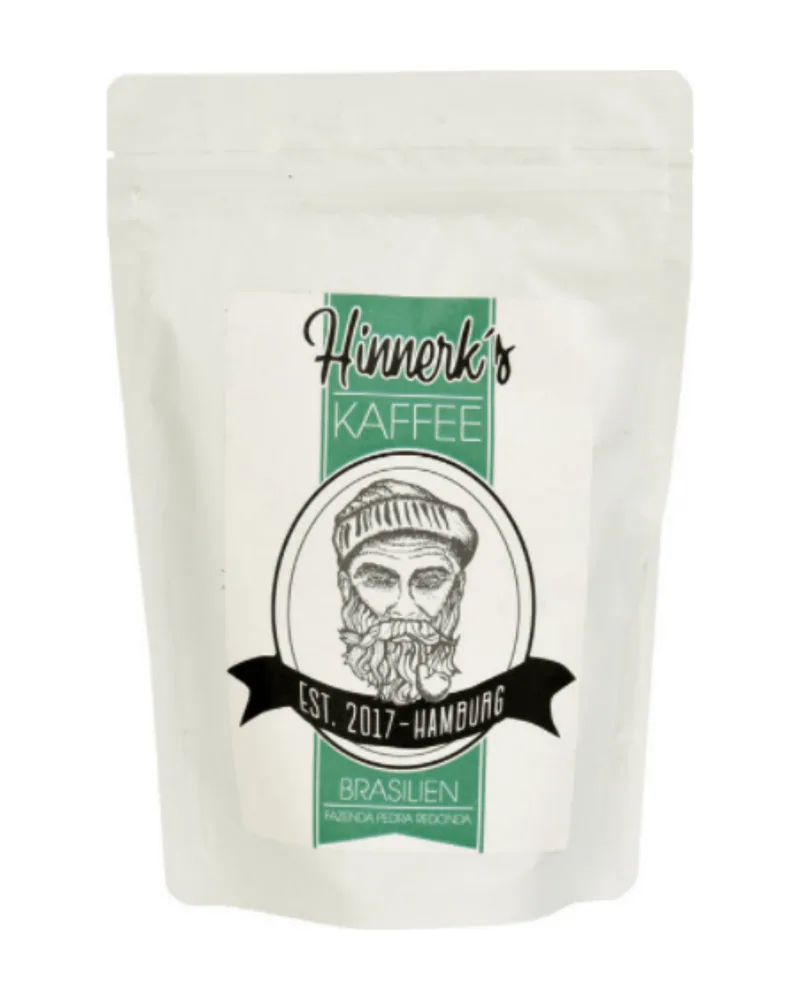
Hinnerk`s Kaffee EST.
Hinnerk`s Kaffee Brasilien
$7.90
MediumWhy: BrazilCaramel & sweet · NuttySimilar price
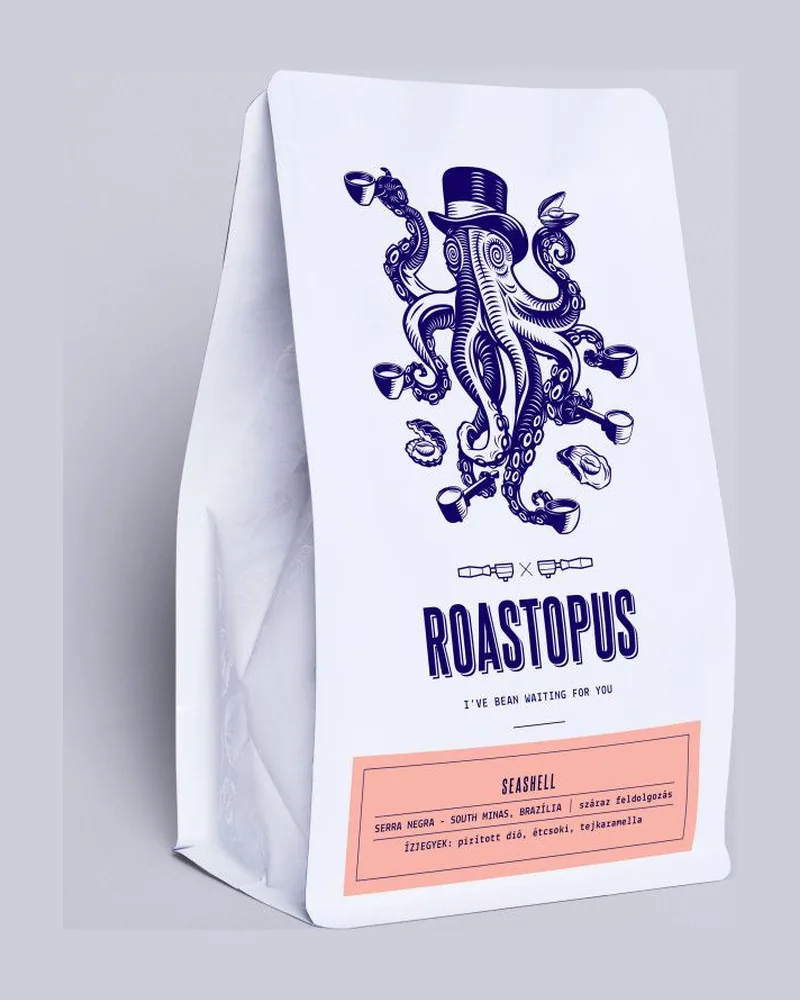
Roastopus
Seashell
$9.00
MediumWhy: BrazilCaramel & sweet · NuttySimilar price
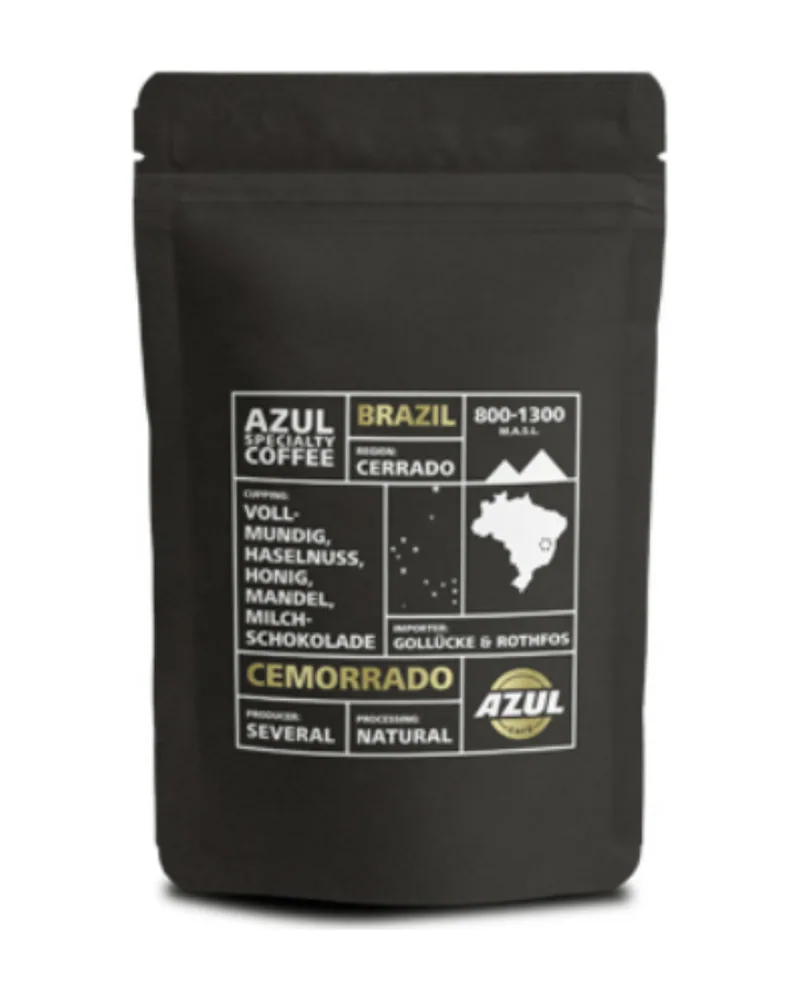
Azul coffee
Brazil Cemorradoa
$4.90
MediumWhy: BrazilCaramel & sweet · NuttySimilar price
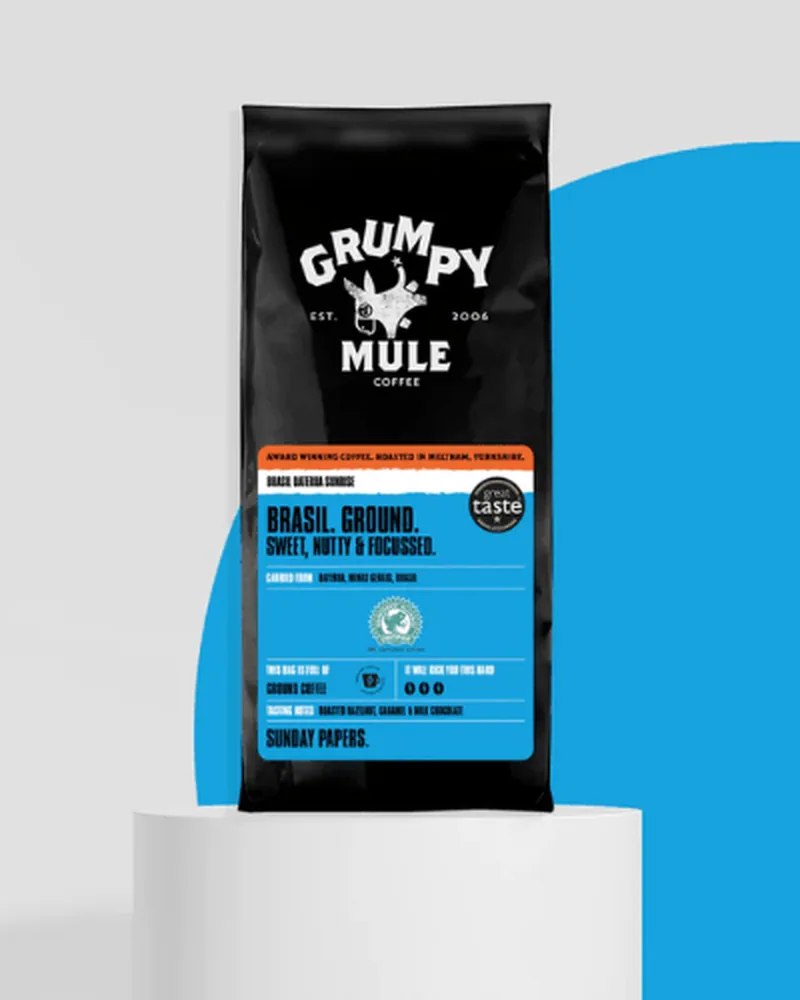
Grumpy Mule
BRASIL DATERRA SUNRISE GROUND COFFEE
$6.22
MediumWhy: BrazilCaramel & sweet · NuttySimilar price
H Proper Coffee Roasters
Brazil Capricornio Royal
₱500.00
MediumWhy: BrazilCaramel & sweet · NuttySimilar price
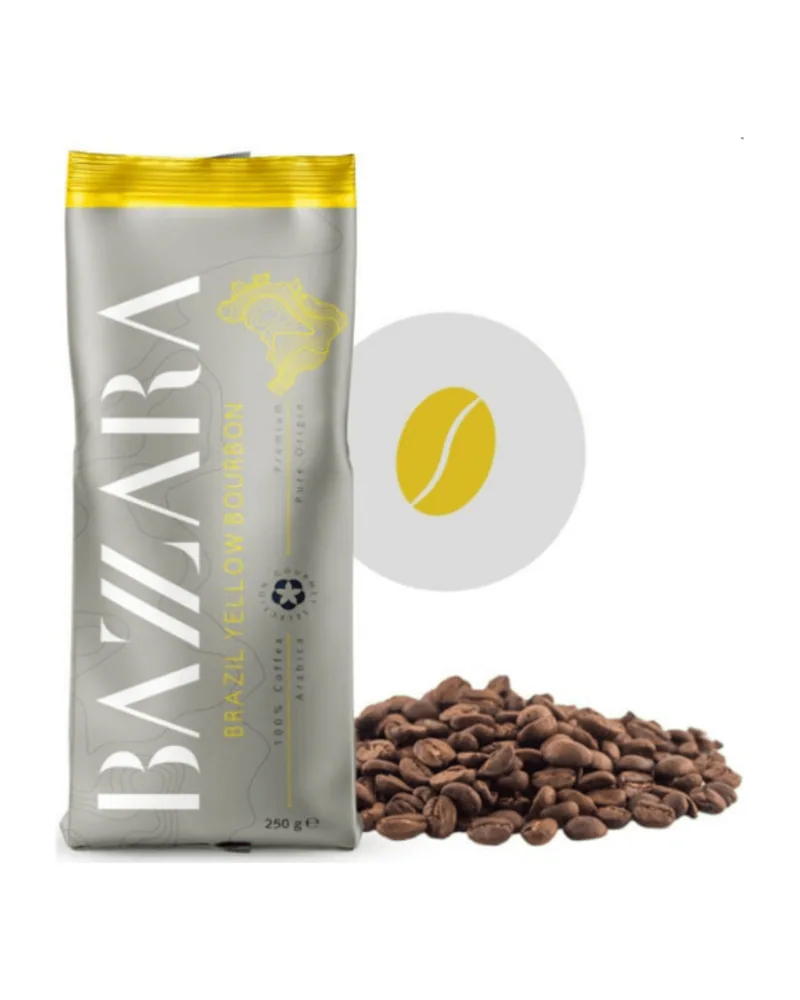
Bazzara
Brazil Yellow Bourbon
$8.50
DarkWhy: BrazilCaramel & sweet · NuttySimilar price
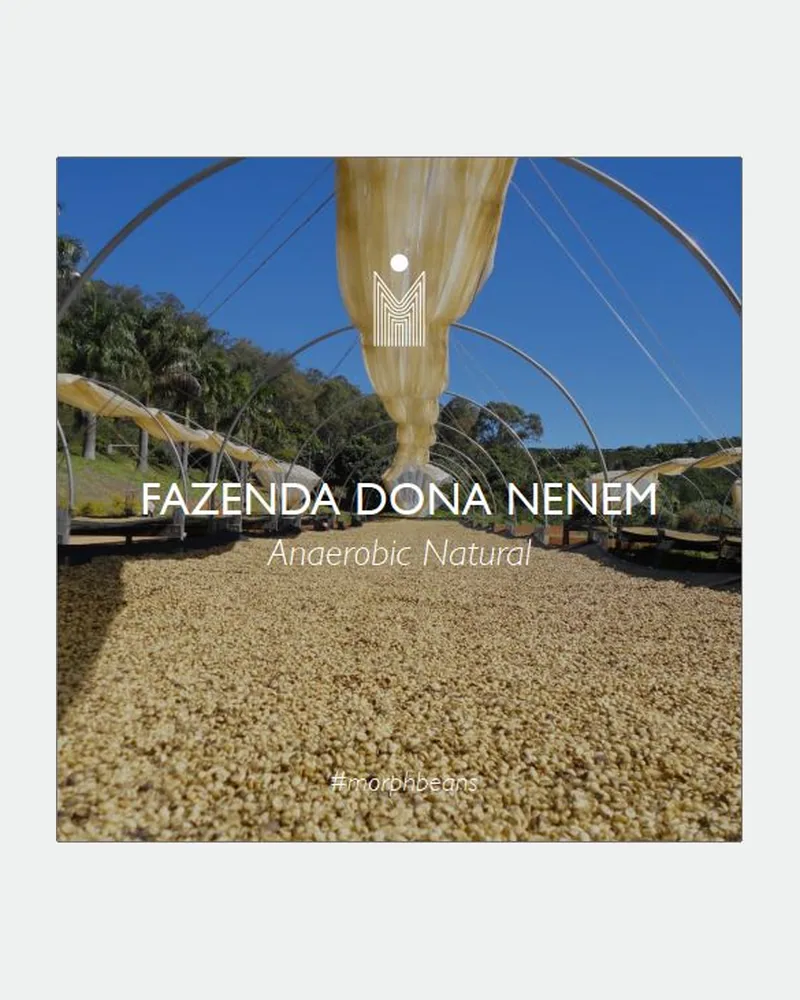
Morph Coffee Roaster
Brazil Fazenda Dona Nenem – Anaerobic Natural
IDR 120,000
Why: BrazilCaramel & sweet · NuttySimilar price
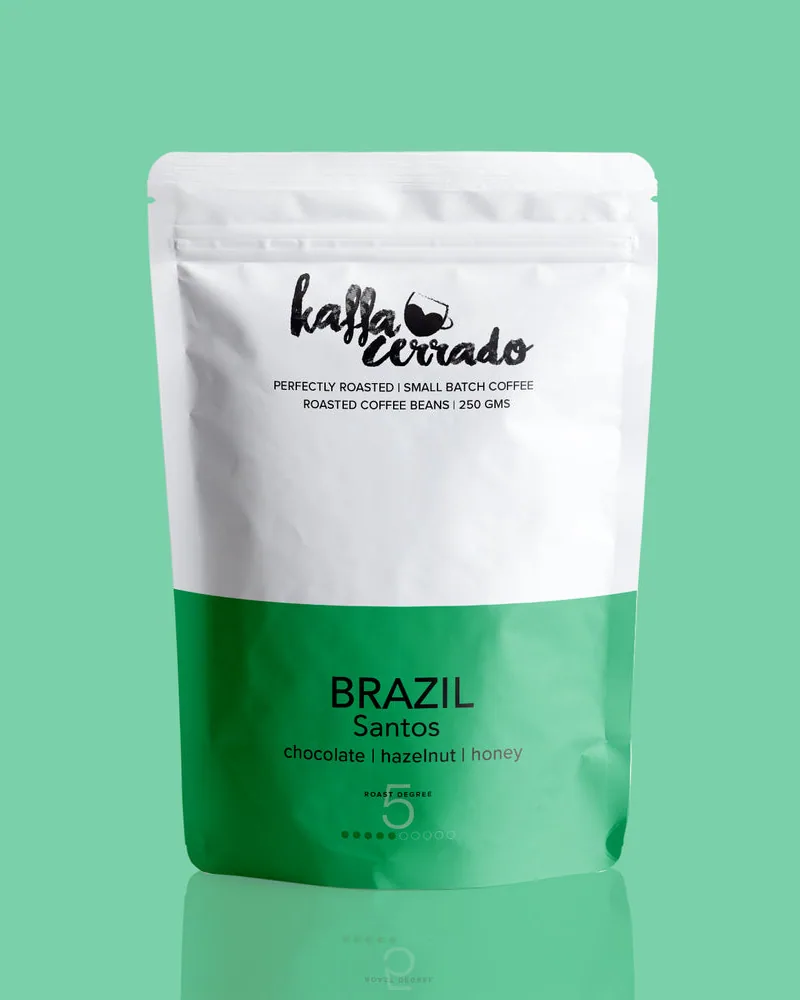
Kaffa Cerrado
Brazil Santos
₹750.00
Why: BrazilCaramel & sweet · NuttySimilar price