

Blue Moon - Bali
- Roast Level: Dark
- Wet-hulled
Not rated yet · Be the first to review it
from$16.00
You’ll be taken to the roaster’s shop to complete your purchase.
- Roaster based in
- United States
- Ship to
- United States · ✓ Yes, the roaster is based there
Taste profile
From the details listed by the roaster’s shop.
Tasting notes
- Peat moss
- Spiced hot chocolate
- Sweet
- Roast LevelDark
- LightDark
Sizes and prices
Description
Tasting Notes: Peat moss, spiced hot chocolate, sweet
Process: Hand-picked, wet-hulled, two-step sun drying on raised beds
Variety: Bourbon, (S795 & USDA 762) Typica, and Catimor
Certifications: Organic
Roast: Dark
NET WT 12oz Zippered Bag
Bali Blue Moon is named after the hallmark bluish hue of the bean produced from the wet-hulling process called Giling Basah in the Indonesian language. The bulk of Bali’s coffee production comes from small family-owned farms where each producer uses a few acres to cultivate coffee along with citrus trees in the volcanic soils of Mount Agung’s Kintamani highlands. They carefully sort their harvested cherries before depulping and fermenting overnight with their own micro-mills. Then the coffee is washed and laid out on patios to shed the excess water from the coffee parchment. Next the coffee takes a detour from the conventional path of processing in other origins, wherein, the coffee parchment is removed while the coffee still has a high moisture content. This wet-hulling process or Giling Basah leaves the coffee bean exposed while drying on patios to a moisture percentage acceptable for export and gives the beans their distinct bluish color. Balinese producers continue to maintain a traditional rural lifestyle organized around a Subak Abian, which is a reference to the ecologically sustainable irrigation systems developed more than 1,000 years ago by Hindu priests who practice Tri Hita Karana (the three sources of prosperity), a philosophy focused on the harmonization between the environment, humans and God. These traditions are followed in coffee cultivation, which means pesticides and synthetic fertilizers are never used. In recent years, local producer groups have begun to partner with regional exporters like Indokom to establish organic and Rainforest Alliance certifications, which harmonize with their traditional principles of conserving forest, soil, and water resources. Indokom also collaborates with producers to overcoming logistical challenges like rugged roads and lack of infrastructure. Indokom provides logistics and milling facilities, which improves traceability and quality control throughout the post-harvest process, as well as, the ability to swiftly bring the coffee to the international market, ensuring greater producer earnings from direct trade relationships.Reviews
No reviews yet.
If you like this coffee, try these
Picked from other roasters for a shared origin, process, roast, tasting notes and price. Coffees that the same people saved or rated highly count the most.
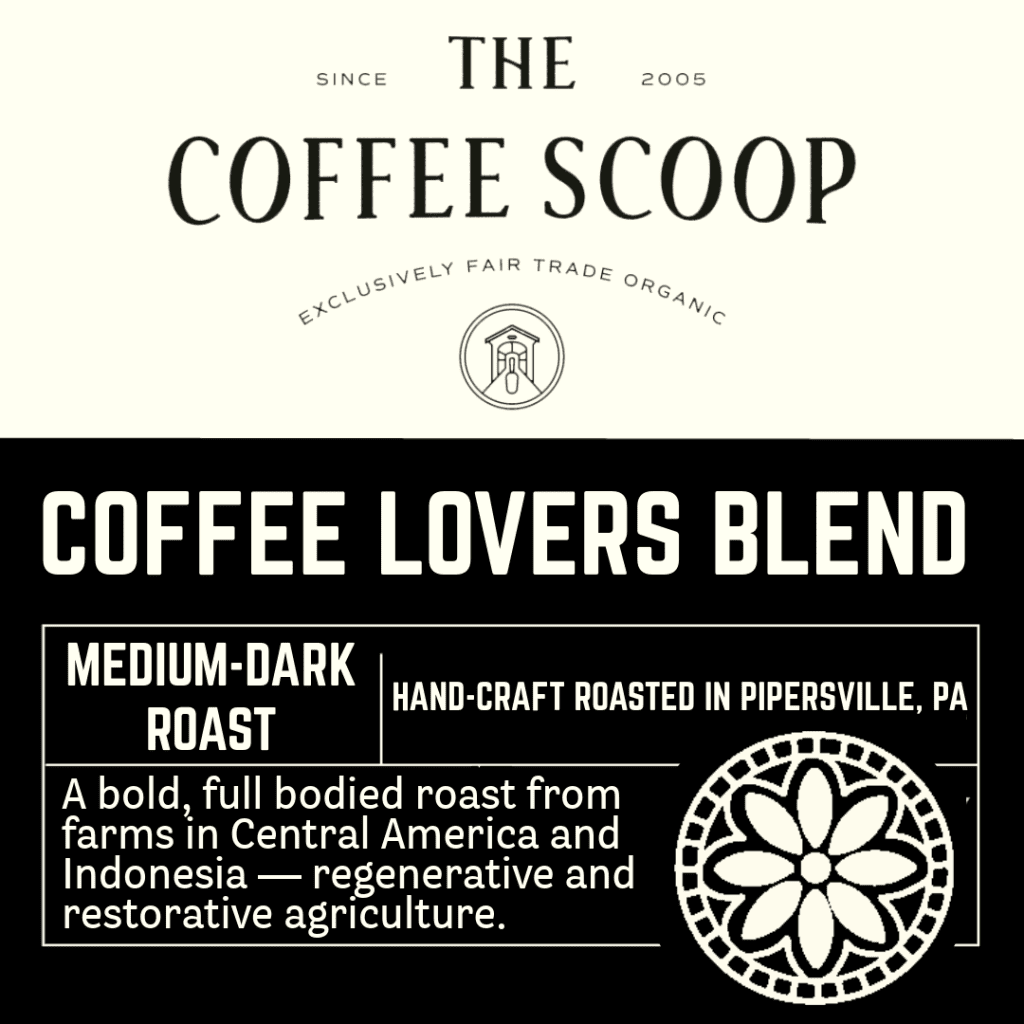
Fresh Coffee Scoop
Coffee Lovers Blend
$19.70
DarkWhy: Chocolate · SpicyWet-hulledSimilar price
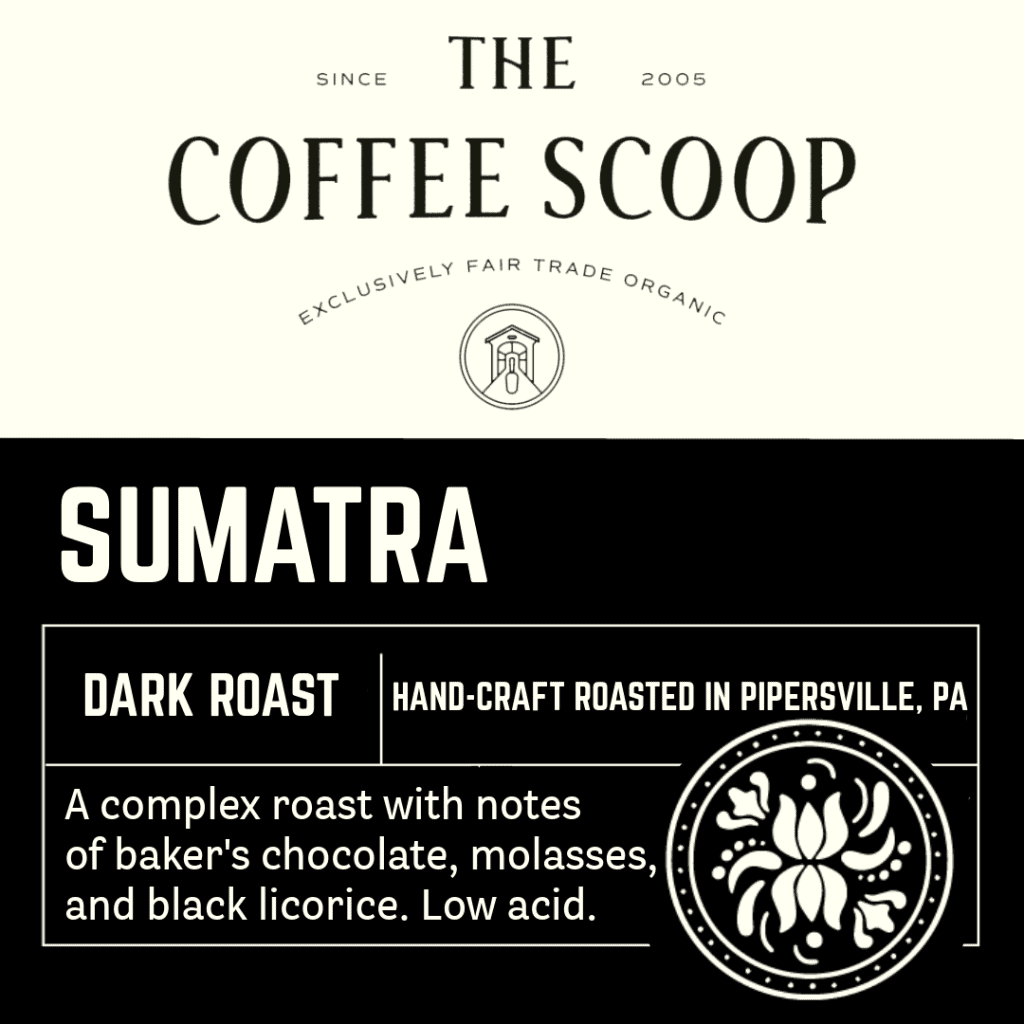
Fresh Coffee Scoop
Sumatra
$21.00
DarkWhy: Chocolate · SpicyWet-hulledSimilar price

Cloud City
*Coming 11/4/26* Indonesia Sumatra Lintong
$19.00
MediumWhy: Chocolate · SpicyWet-hulledSimilar price

Joe Coffee Company
Joe Coffee Company, 'Great Heights' Bold Blend, Dark Roast, Whole Bean, 12 oz Bag
$15.34
DarkWhy: Chocolate · SpicySimilar priceSame roast

Black Beard Roasters
Bali Blue Moon | Hand Roasted Organic Arabica Coffee
$15.75
DarkWhy: Chocolate · SpicySimilar priceSame roast

Caffe Vita
Organic Fiore French
$20.00
DarkWhy: Chocolate · SpicySimilar priceSame roast

The Flat Cap Coffee Roasting Company
King's Blend
£10.45
DarkWhy: Chocolate · SpicySimilar priceSame roast

The Flat Cap Coffee Roasting Company
Sumatra - Mandheling 1
£10.45
DarkWhy: Spicy · Caramel & sweetWet-hulledSimilar price


