
Coffee origin
 Coffee from the Dominican Republic
Cafendo lists 18 coffees with beans from the Dominican Republic, from 17 roasters in 5 countries. 15 of them are single origins; the others are blends with beans from other countries too.
Roasters with coffee from the Dominican Republic
- Cafe Kreyol(United States)
- 802 Coffee(United States)
- Aroma Ridge Gourment(United States)
- Baba Java Coffee(United States)
- Black Powder(United States)
- Bocca Della Verita(Italy)
- Caffe Corsini(Romania)
- Caffè Monforte(Italy)
Dominican Republic at a glance
- Growing regions
- Central Mountain Range, Northern Mountain Range, Sierra de Neiba, and Sierra de Bahoruco
- Species
- Arabica
Sources: Wikipedia: Coffee production in the Dominican Republic
18 products · Ship to United States: roasters based there come first, then those whose shop says it delivers there

XAYMACA Coffee
Dominican Republic: Red Honey Ramirez Estate®
$13.95

Sexy Llama Coffee Roasters
Dominican Republic
$6.99
Medium
Connect Roasters
Dominican Ramirez
$16.00

Baba Java Coffee
Dominican Republic
$19.50

Black Powder
Dominican Republic Natural | Limited Release
$20.00

802 Coffee
Dominican Republic Ramirez Estate
$17.00

P/C Coffee
Dominican Republic Spirit Mountain Estate Blend
$18.50

Aroma Ridge Gourment
Dominican Republic Organically Grown Coffee
$18.95
Medium
Coffee Exchange
Dominican Republic – Red Honey, Vienna
$25.00
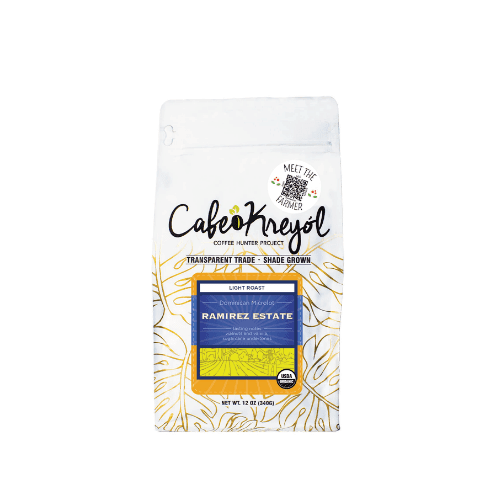
Cafe Kreyol
Organic Ramirez Estate™ - Dominican Republic Light Roast
$12.30
Light
Cafe Kreyol
Organic Red Honey Ramirez Estate™ - Dominican Republic Light Roast
$14.18
Light
Mahers Pure Coffee
Dominican Republic
€9.10
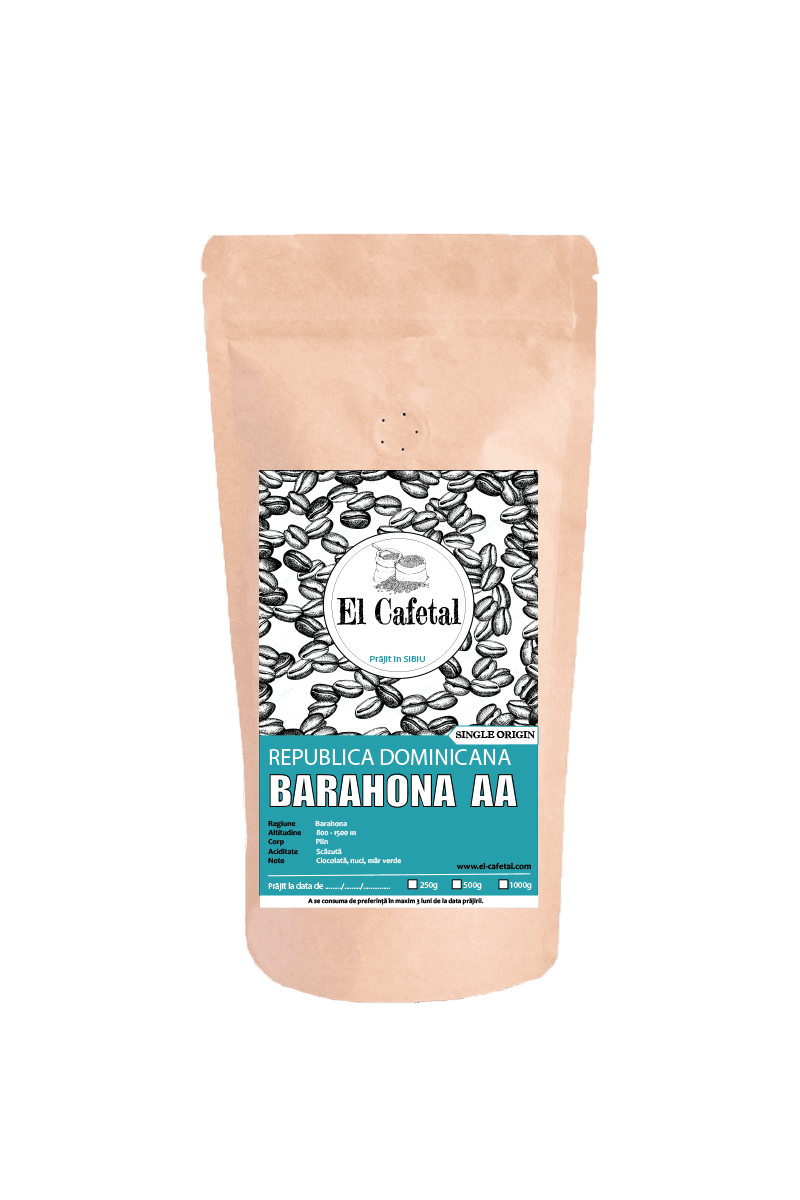
El-Cafetal
REPUBLICA DOMINICANA BARAHONA AA
RON 51.00
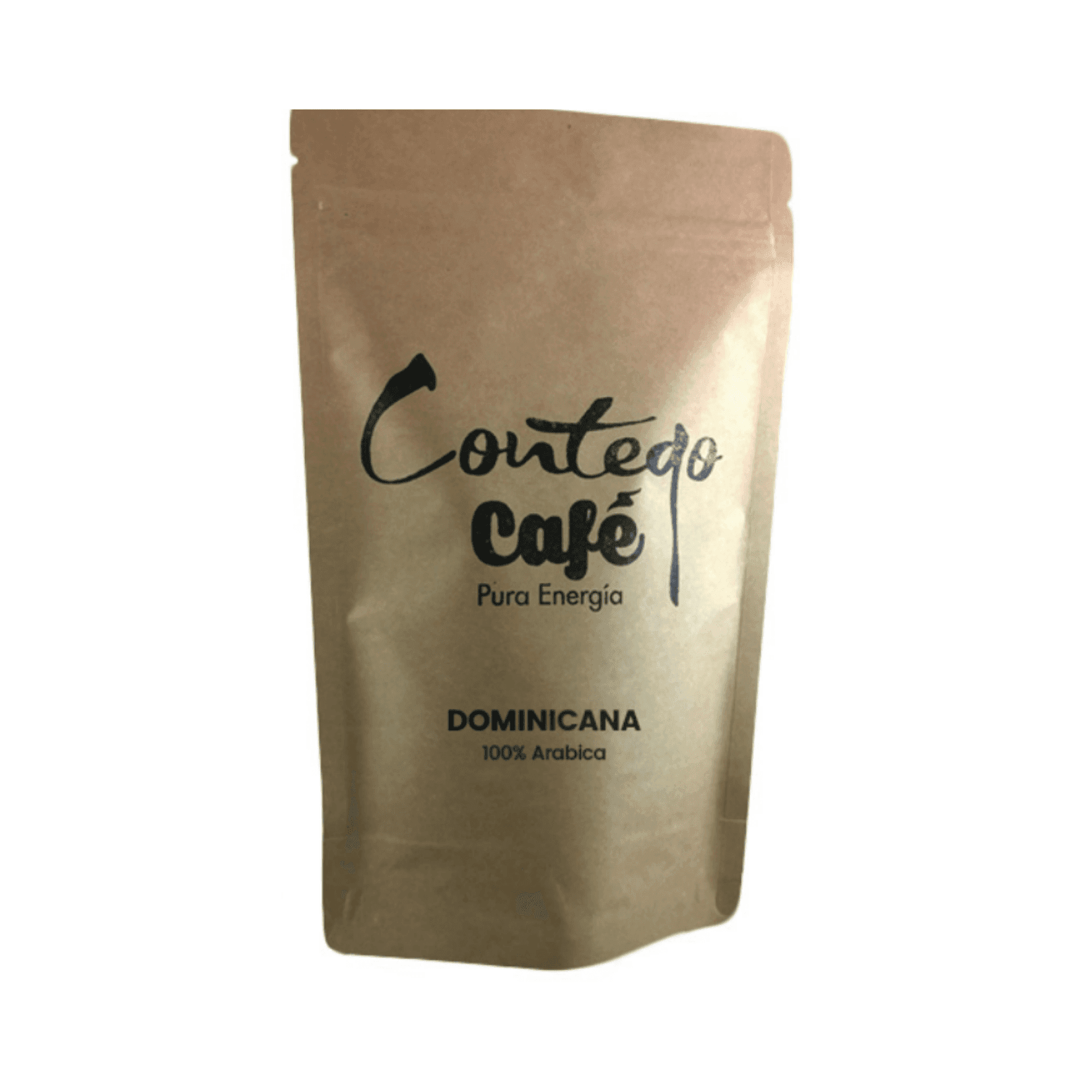
Contego
Fresh Roasted Coffee Dominican Republic San Domingo AA
$7.68
Medium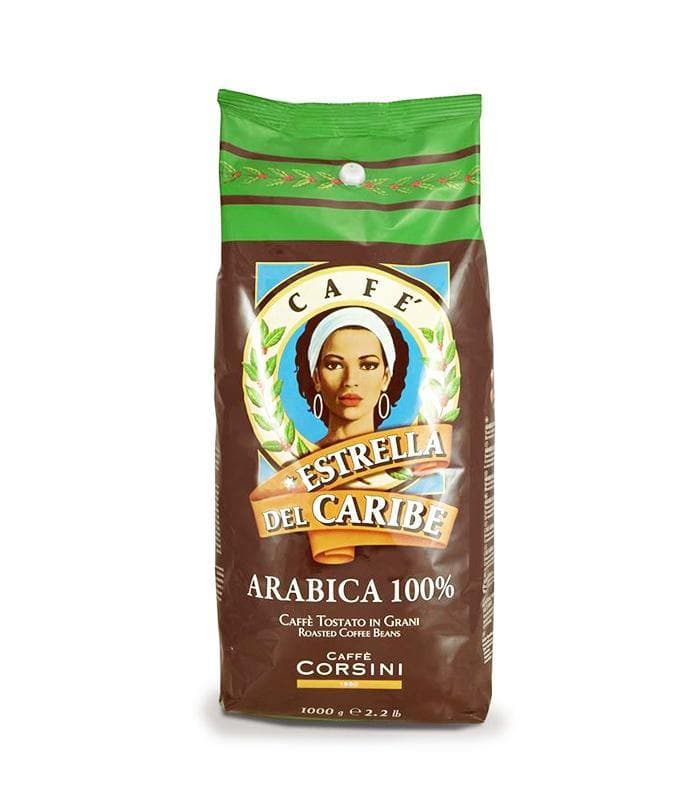
Caffe Corsini
Corsini Estrella Del Caribe
$32.96
Light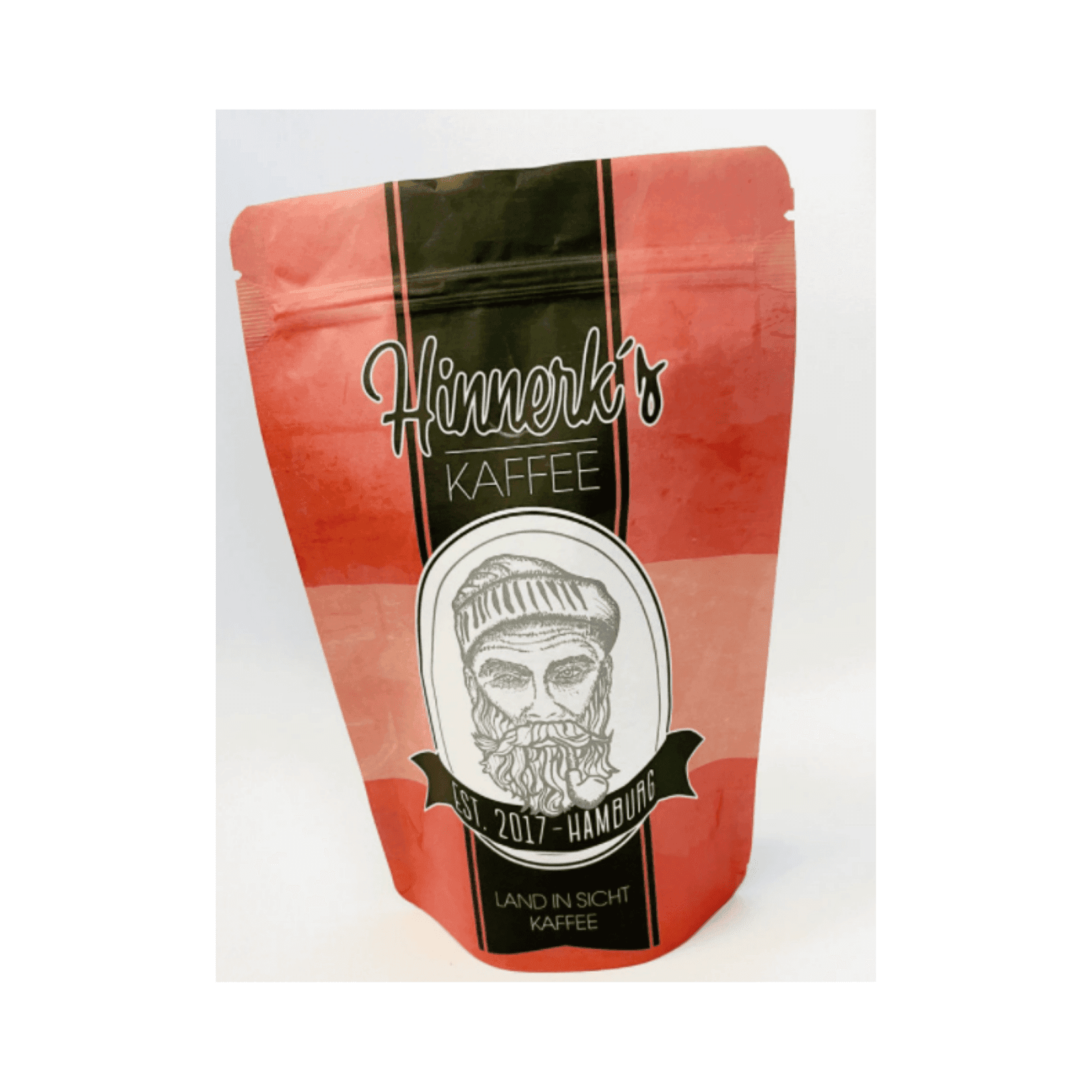
Hinnerk`s Kaffee EST.
Hinnerk`s Land in Sicht Kaffee
$7.90
Medium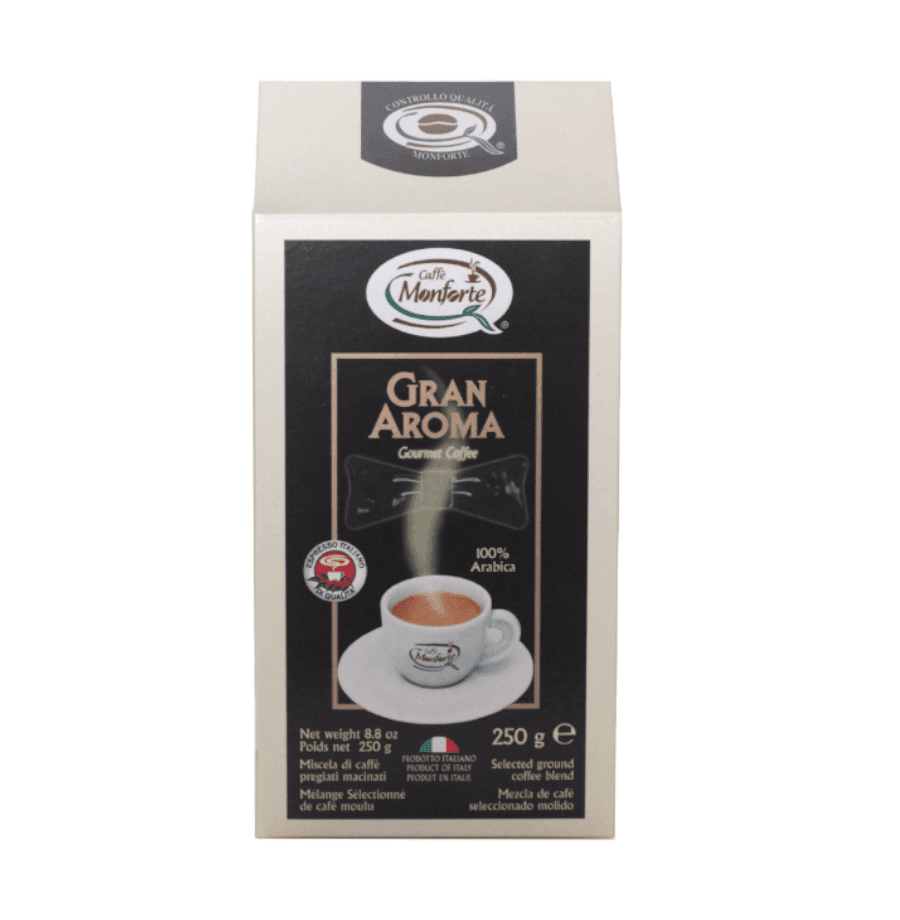
Caffè Monforte
Caffe Monforte Retail Line Espresso Gran Aroma
$6.30
Medium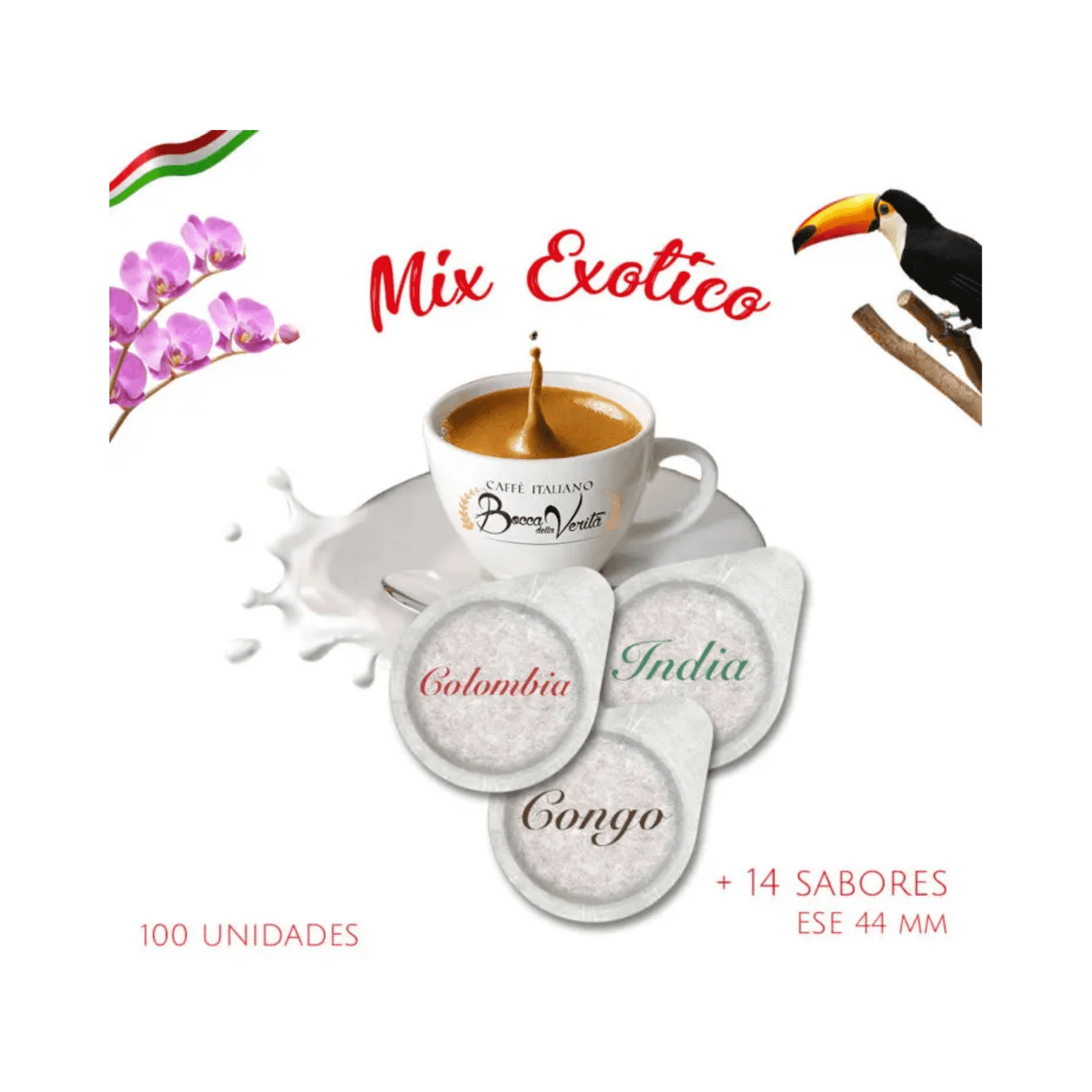
Bocca Della Verita
Mix Exotico
$24.90
MediumRead about coffee from the Dominican Republic
Questions about coffee from the Dominican Republic
Where is coffee grown in the Dominican Republic?
The main growing regions are Central Mountain Range, Northern Mountain Range, Sierra de Neiba, and Sierra de Bahoruco.
Where can I buy coffee from the Dominican Republic?
Cafendo lists 18 coffees with beans from the Dominican Republic, from 17 roasters in 5 countries. 15 of them are single origins; the others are blends with beans from other countries too. Cafendo does not sell coffee itself: each coffee links to a shop that sells it, usually the roaster’s own. The roasters with the most coffees from the Dominican Republic on Cafendo are Cafe Kreyol, 802 Coffee, and Aroma Ridge Gourment.
The first time coffee came to the Dominican Republic was in 1735. At that time, it was a Spanish-controlled country in Hispaniola. It was first planted in Bahoruco Panzo at the end of the 18th century when the plant became the second most important crop after sugar.
Coffee production took root between 1822 and 1844, especially in the Valdesia region of the southern mountains. This region contains many areas of coffee cultivation and by 1880 became the primary production area of the country.
By 1956, the country had begun exporting coffee from certain regions, mainly from Bani, Ocoa, and Valdesia. In the 1960s, farmers in these regions became more organized, and in 1967 a 155-member mill was opened.
As in many coffee-producing countries, the turmoil and unpredictability of the late twentieth century should lead to a declining dependence on coffee as an export product. Many producers have diversified their beans or avocados, although quite a few of them have kept small amounts of coffee if prices recover.
Although Valdesia is not one of the main production regions designated by the government, the introduction of the Café de Valdesia brand in 2010 sought to protect its designation of origin.
Export Vs Domestic Consumption
Interestingly, the volume of coffee produced in the Dominican Republic has hardly changed since the late 1970s, but exports have fallen dramatically. Currently, only about twenty percent of harvested coffee is sold for export. This is due to the fact that domestic coffee consumption is relatively high, at about 3 kg (6½lb) per person/year, more than in the UK. In 2007, about half of the exports were shipped through Puerto Rico, although it acts as a gateway to the United States. The rest of the coffee was destined for Europe and Japan.
Since 2001, an increasing proportion of coffee for export has been grown and certified organically, providing added value and revenue to the industry. But while organic production is a good thing overall, it must be reiterated that it does not necessarily produce a better cup of coffee.
According to some, the high domestic consumption of coffee in the Dominican Republic has led to lower overall quality, as coffee does not compete with other exporting countries in this market. However, there are still great coffees in the Dominican Republic.
Traceability
Although highly traceable coffees can be obtained, usually up to a certain farm, most of the exported products are not particularly traceable in the growing region. These coffees are often classified according to bean size, with names like "Supremo", which can be premium, but not one based on the quality of the cup.
Taste Profile
It is characteristic of coffee grown on islands that the best batches are quite mild, with low or medium acidity, and relatively pure.