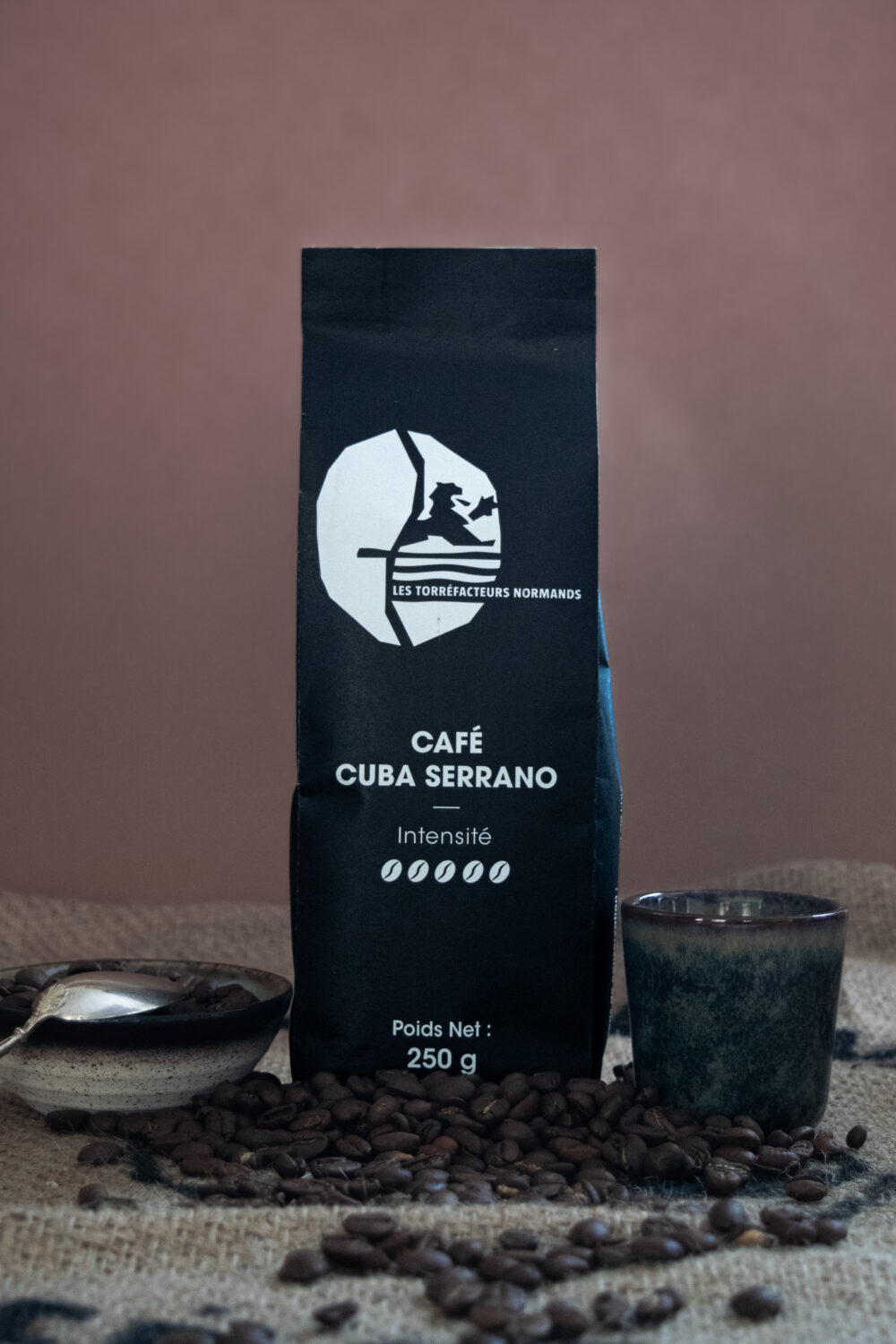
Le café Cuba Serrano
Cuba
- Blend
Not rated yet · Be the first to review it
from€7.20
≈ €27.50 / kg
You’ll be taken to the roaster’s shop to complete your purchase.
- Roaster based in
- France
- Ship to
- United States · Check on the roaster’s shop
Set off on a journey to a mythical island whose identity was shaped in the 20th century around “its Revolution.” Cubans have given a lot of thought to the best way to make the most of their natural heritage.
Sizes and prices
Description
Set off on a journey to a mythical island whose identity was shaped in the 20th century around “its Revolution.” Cubans have given a lot of thought to the best way to make the most of their natural heritage.
The growth of our brand depends largely on our search for new beans. In our very first year, we chose to expand our selection, and the first coffee we selected was Cuba Serrano.
Cuba, coffee on Fidel’s island
In Cuba, people are proud and love cultivating their land, especially their coffee trees. People often say that time stands still when Cubans drink their coffee. This island, located north of Jamaica, has soil well suited to growing coffee.
Cuba and its coffee growers
The Sierra Maestra is a mountain range that was a site of fighting during the guerrilla campaigns. Coffee cultivation in Cuba is concentrated mainly in the Sierra Maestra region, in the heart of the mountains, where the terroir and rich soil produce high-quality coffees. Coffee exports took off at the end of the 18th century, surpassing sugar in the early 19th century, before declining as prices fell. Introduced in the 18th century by French planters fleeing the French Revolution, this coffee also draws its identity from its island origins. Cuba grows both robusta and arabica, but historically favored this variety thanks to its renowned coffee, and adopted natural methods for working the land from an early stage. The embargo imposed on Castro’s country also had one positive effect: imports became impossible. After the Cuban Revolution in the mid-20th century, production declined before recovering toward the end of the century.
Gardeners in Cuba
As a result, Cuban farmers had to adapt. When the Soviet empire fell, it took a great deal of ingenuity to replace chemical fertilizers from the former USSR, and farmers became pioneers in permaculture and organic farming. In the early 1990s, Cuba became a hub for agroecology, and countless small farms sprang up. Any home gardener or organic farming enthusiast knows that Cuba is now at the forefront of this field.
Cuban espresso
Coffee drinking has long been associated with rituals. Cubans developed their own habits with the arrival of Italian immigrants, and this preparation is often called cafecito. Espresso in Cuba is usually made in a moka pot, and the first drops of black coffee are beaten with brown sugar to make espumita. This process makes for a richer cup, with caramel aromas, a rounder mouthfeel, and a real pleasure to drink. There are also several variations to suit different tastes, with distinct espresso profiles and aromas. Cortadito is the equivalent of our small coffee with cream, served without sugar, while Colada is a takeout option containing three espressos, often enjoyed at workers’ workplaces.
Cuba and us
The arrival of our Cuban Serrano beans was a revolution for us. For the first time, we chose an original coffee with the aim of introducing it to everyone.
Our Serrano Superior
Characteristics of Cuba Serrano coffee:
- Balanced body
- Washed coffee
- Coffee trees grown on mountain slopes, between 1,000 and 1,700 meters above sea level
- Caffeine content: 1.37%
- SCA score: 80
Several arabica varieties are grown there, including Bourbon, Typica, Caturra, and Catuai, typical of a Serrano Superior.
Cuban coffee was the first coffee we really chose to buy. Serrano arrived a few months after our initial range. When we launched our roasting business, we first had to begin with a selection of beans from major producing countries. That’s why we chose a moderate roast for Serrano to preserve the complexity of its aromas, its balanced profile, and its character. The harvest takes place by hand between July and February, after which the cherries are carried by mule to the drying patios. We also felt it was clear that we should support Cuba’s sustainable coffee-growing culture, built on a genuine mastery of high-altitude cultivation. From the start of our business, we’ve sought to give our range a sense of purpose. When you decide to become an artisan roaster, it’s important to support the methods that are kindest to nature.
A coffee for everyone
In addition to the ethics behind Cuban coffee cultivation, Serrano has a truly special flavor profile. You’ll probably smile when you learn that this cup develops aromas of blond tobacco, with this dominant note enhanced by a subtle, elegant touch. Some coffee lovers will pick out notes of toasted bread in this balanced coffee, along with cocoa sweetness, caramel notes, a light floral touch, and a hint of nuts. In short, its body, neither too strong nor too light, reveals lovely intensity, a round mouthfeel, and mild bitterness balanced by acidity. Since Cuban coffee is often distinguished by a very dark roast that gives the beans a shiny, almost black-brown color, it makes for a truly pleasurable cup in a moka pot: do it justice and choose one to brew our Cuba Serrano—you won’t regret it!
Reviews
No reviews yet.
If you like this coffee, try these
Picked from other roasters for a shared origin, process, roast, tasting notes and price. Coffees that the same people saved or rated highly count the most.
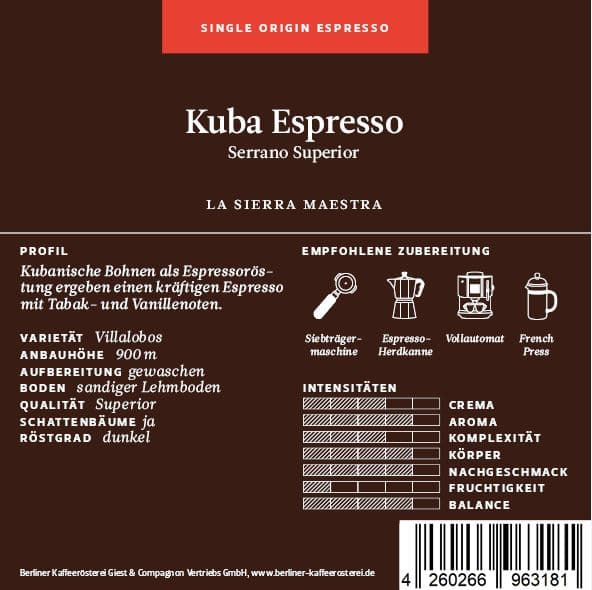
Berliner Kaffeerösterei
Kuba Espresso
$8.45
MediumWhy: CubaSimilar price
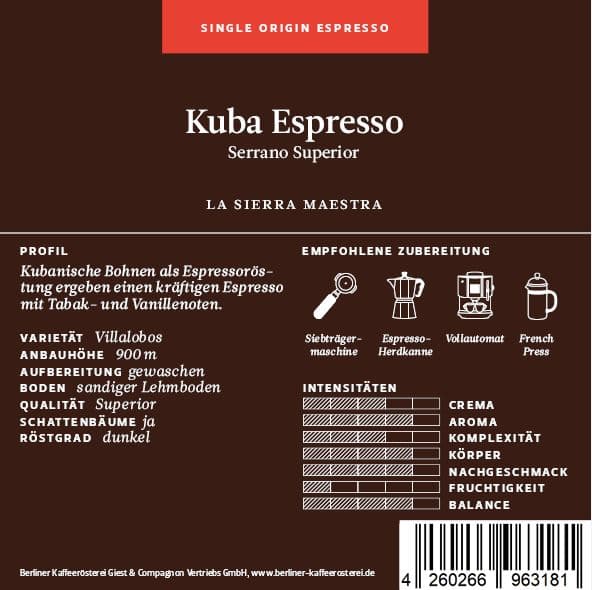
Berliner Kaffeerösterei
Cuba espresso
$8.45
MediumWhy: CubaSimilar price
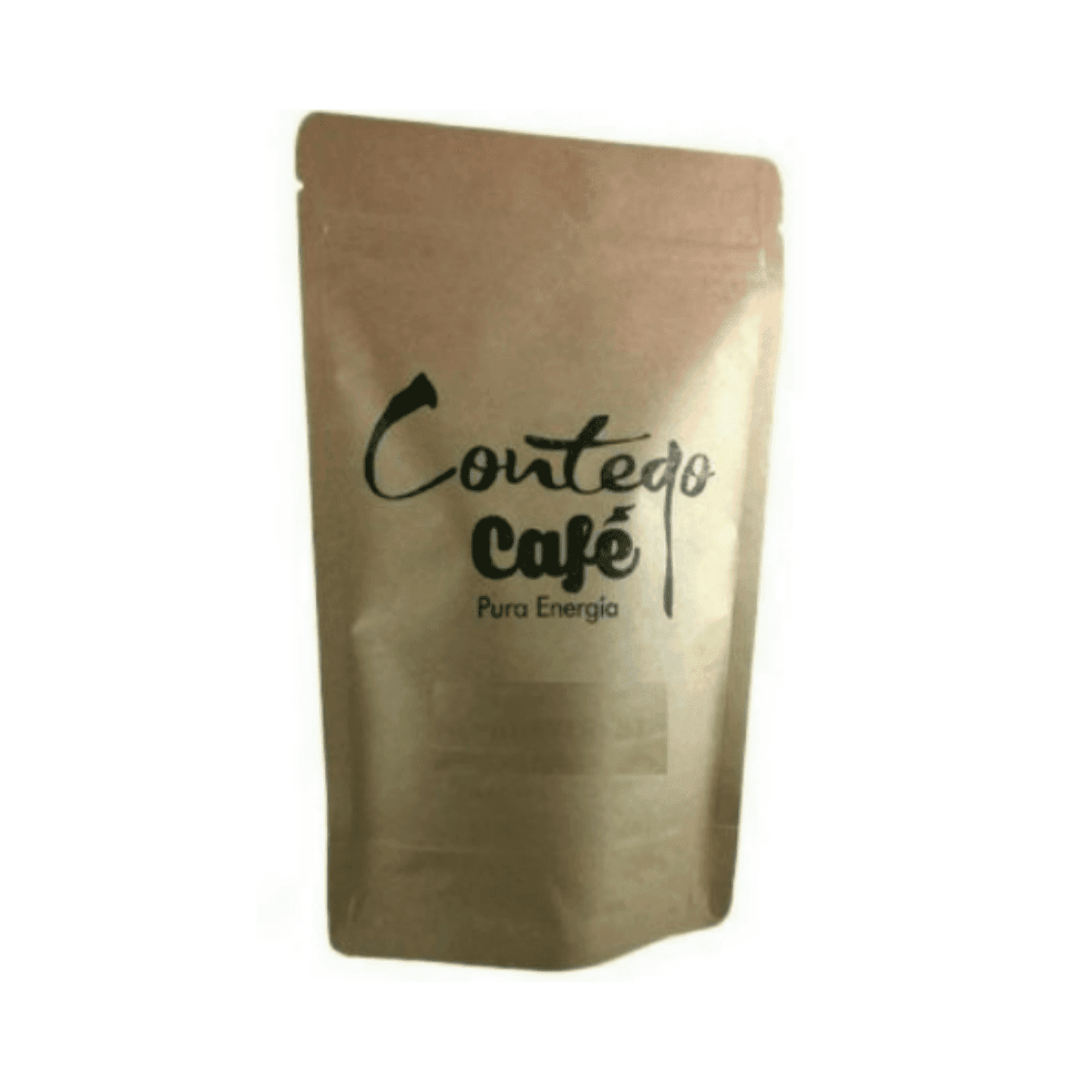
Contego
Coffee Fresh Prajita Cuba Serrano Lavado
$7.48
MediumWhy: CubaSimilar price
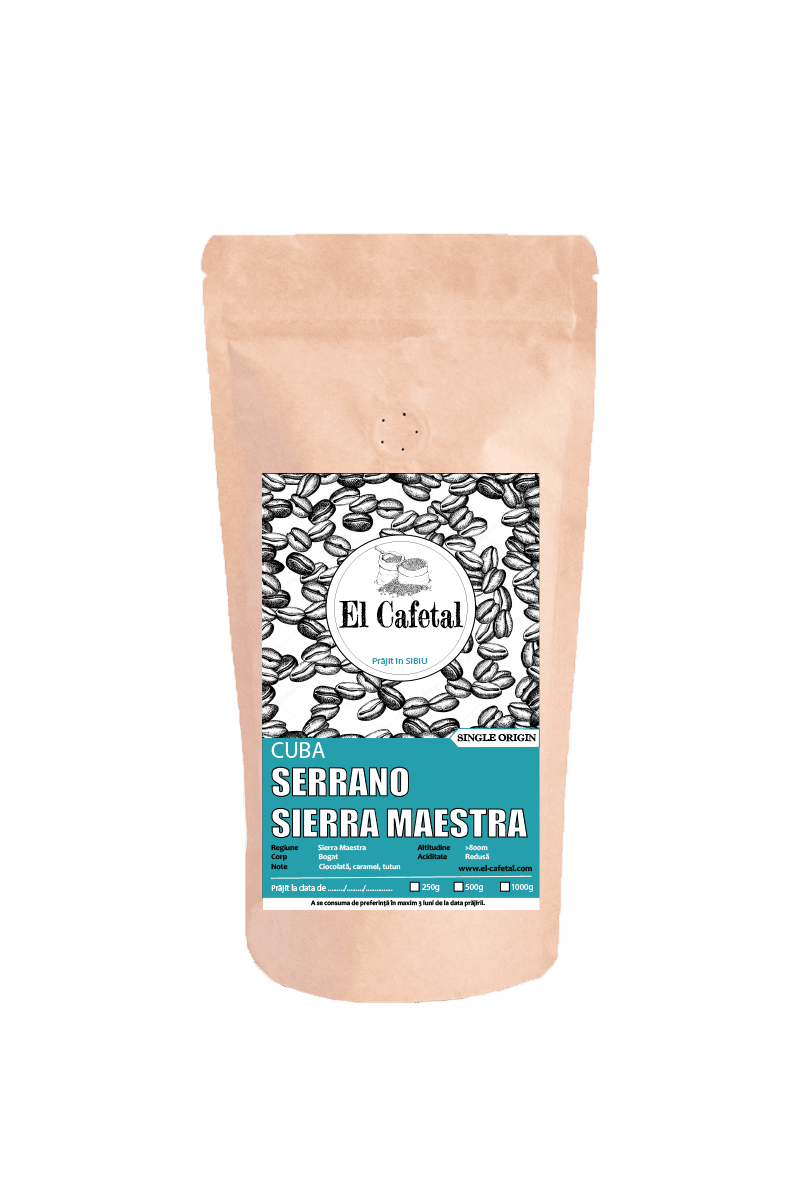
El-Cafetal
CUBA SERRANO SIERRA MAESTRA
RON 51.00
Why: CubaSimilar price
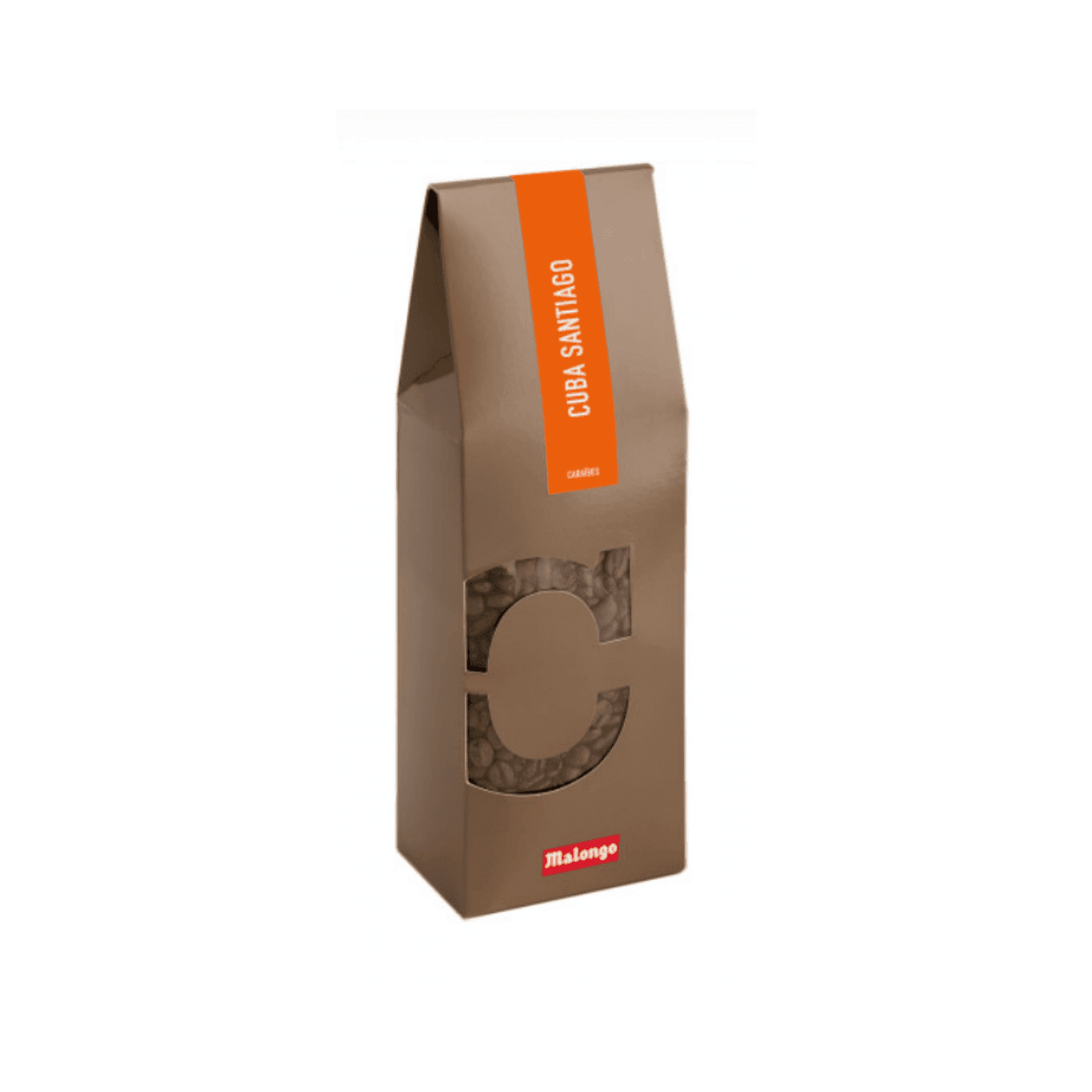
MalongoCommercial brand
COFFEE BEANS CUBA SANTIAGO
$6.20
MediumWhy: CubaSimilar price
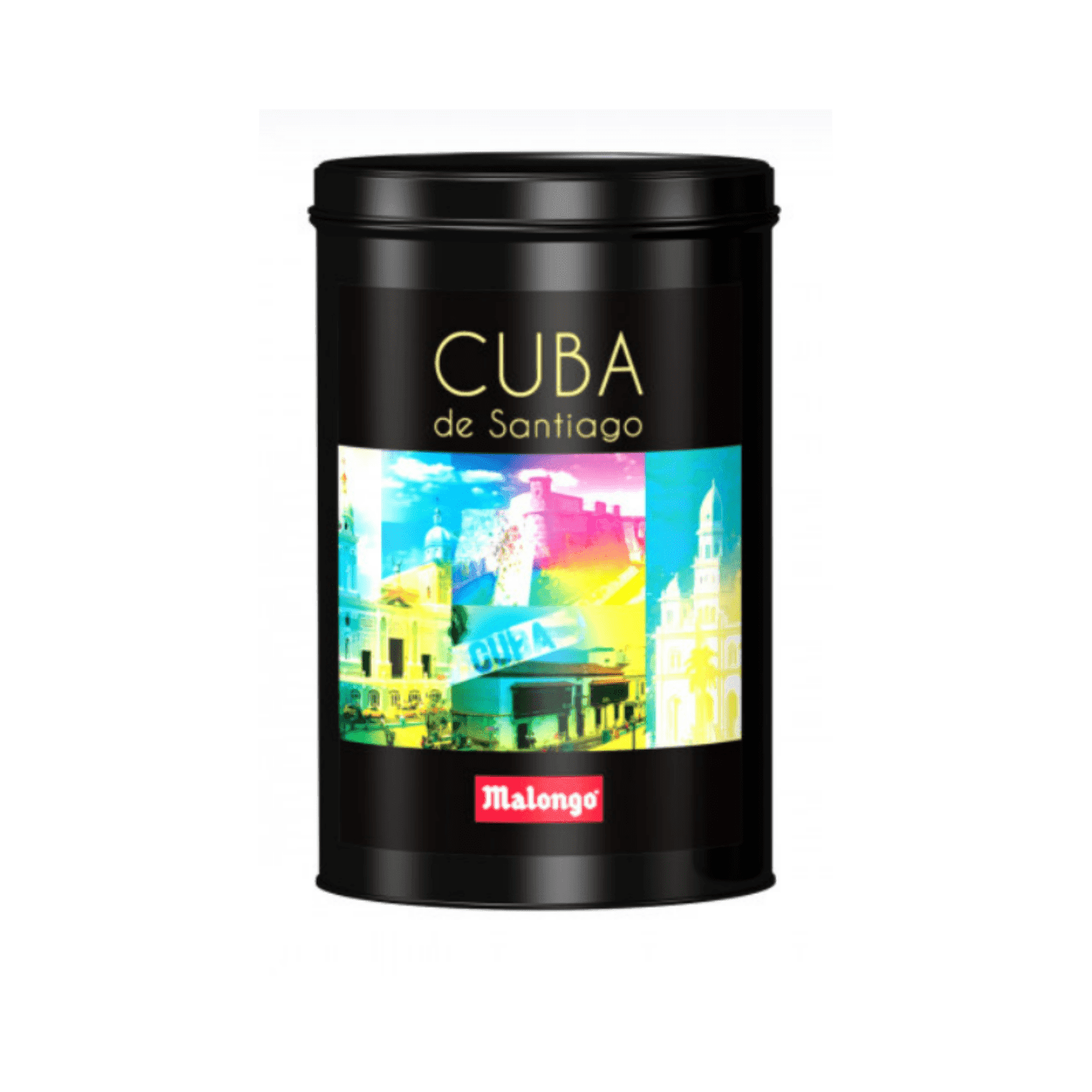
MalongoCommercial brand
CUBA SANTIAGO GROUND COFFEE
$6.30
LightWhy: CubaSimilar price
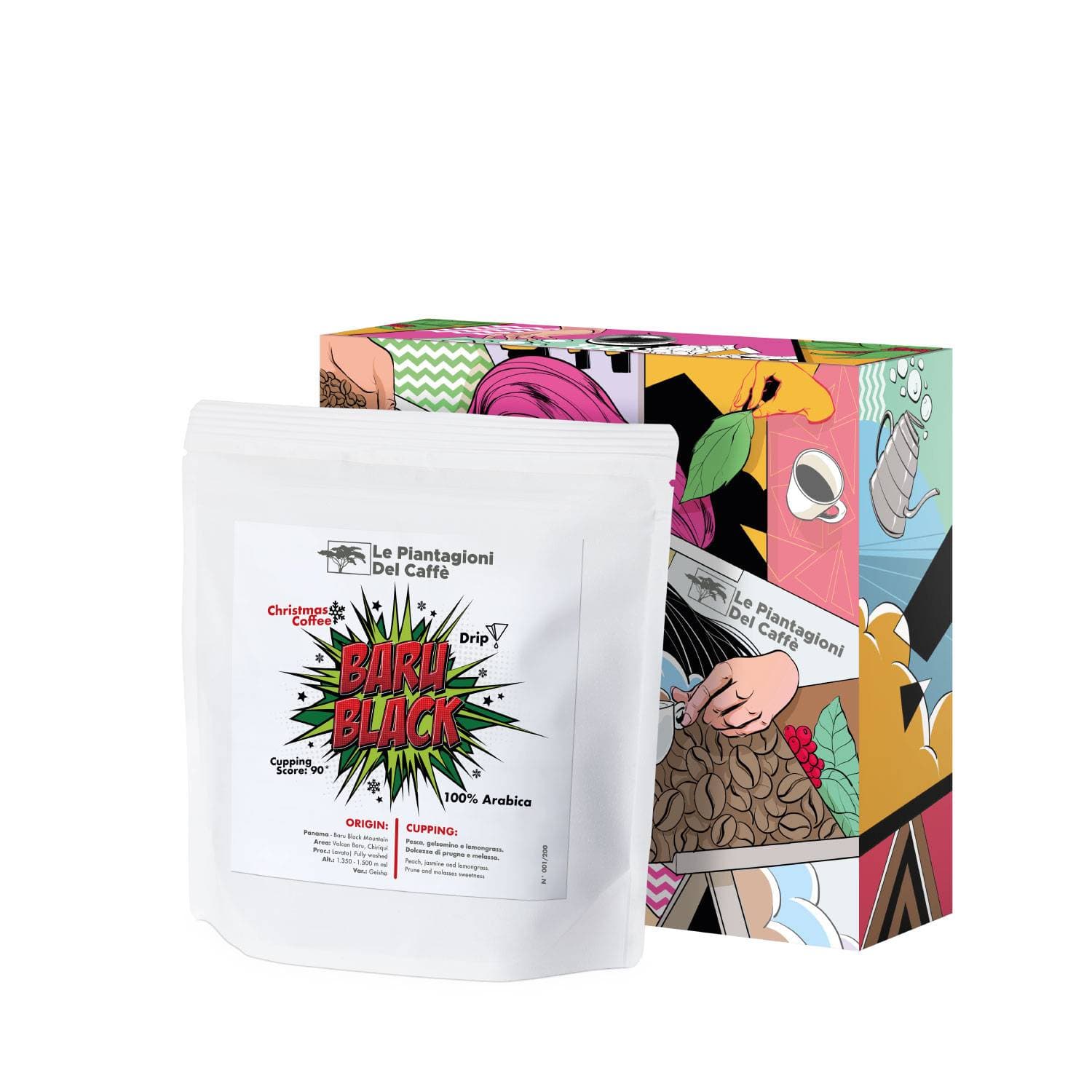
Le Piantagioni Del Caffè
BARU BLACK
$37.00
Why: Cuba

Kahwa Coffee
Kahwa Cuban Coffee Beans, Cubano Dark Roast Espresso Blend, Whole Bean Coffee, 2 lb Bag
$0.00
DarkWhy: Cuba