
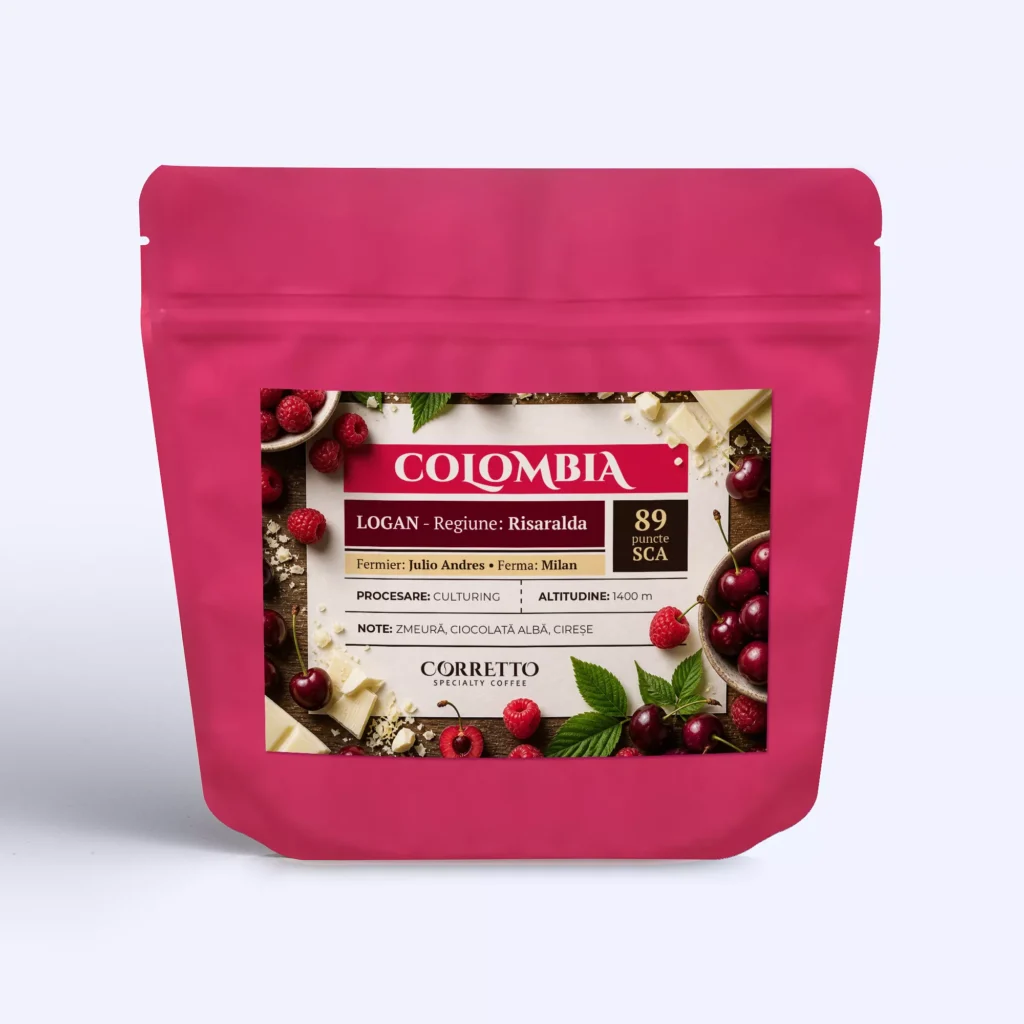
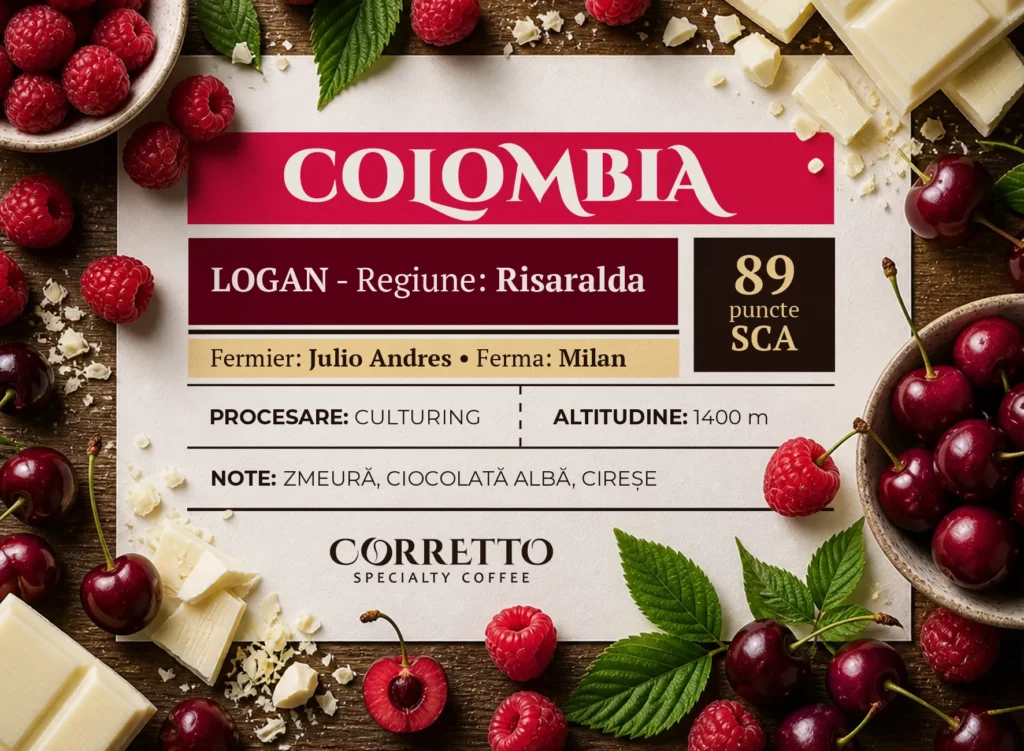
de Specialitate Corretto, Columbia Risaralda Logan, Culturing, 100% Arabica, 89 puncte SCA
Colombia
- Roast Level: Medium
- Single Origin
Not rated yet · Be the first to review it
RON 80.00
≈ RON 400.00 / kg
You’ll be taken to the roaster’s shop to complete your purchase.
- Roaster based in
- Romania
- Ship to
- United States · Check on the roaster’s shop
🇨🇴 Origin: South America, Colombia, Risaralda region
🌱 Variety: Caturra
⛰️ Altitude: 1,400 m
☕ Flavor profile: Raspberry, White Chocolate, Cherries
Single-origin coffee from Colombia, scoring 89 SCA points, roasted by Corretto to a Medium / Omni Roast profile. It has a velvety medium body and pleasant fruity acidity. We recommend it for espresso, V60, and Aeropress.
Taste profile
From the details listed by the roaster’s shop.
- Roast LevelMedium
- LightDark
Description
Colombia Risaralda specialty coffee Logan | Detailed information and description
🇨🇴 Origin: South America, Colombia, Risaralda region
👨🌾 Producer: Julio Andres — Milan Farm (microlot)
🌱 Variety: Caturra
⛰️ Altitude: 1,400 m
💧 Processing: Culturing (controlled fermentation with inoculation)
🔥 Roast profile: Medium / Omni Roast
☕ Flavor profile: Raspberry, White Chocolate, Cherries
🍒 Acidity: Fruity, juicy | Intensity: Vibrant
🫘 Body: Medium — velvety
📏 Bean size: Screen 17
🏆 SCA score: 89 points
⚙️ Recommended for: Espresso, V60, Aeropress
⏳ Optimal degassing: 7–14 days from the roast date
Risaralda: one of the three regions of Colombia's Eje Cafetero
In central Colombia, between Caldas to the north and Quindío to the south, the department of Risaralda is part of the Eje Cafetero, or “coffee axis,” an area designated a UNESCO World Heritage Site in 2011 for its coffee-growing landscape. Together, the three departments of the Eje Cafetero produce nearly half of Colombia's coffee. Risaralda is the smallest of the three, but has the highest average growing altitudes.
Milan Farm, where this lot comes from, sits at an altitude of 1,400 m, near the upper edge of the optimal growing zone for Caturra in Risaralda. The soil here is a combination of volcanic ash (from eruptions along the Andean range) and tropical humus, naturally drained by the steep slopes of the Central Cordillera.
Risaralda's microclimate has a feature that matters for coffee: two distinct rainy seasons each year, separated by drier periods. This means two flowering seasons and two harvests, and requires farmers to carefully choose when to pick each plot.
Caturra — a leading variety of Colombian coffee
Caturra is a natural mutation of Bourbon, discovered in Brazil in the 1930s and widely adopted in Colombia after the 1950s. It is a dwarf variety (a characteristic known as “dwarfism”), so the shrub remains short. This is an important advantage for farmers because it allows for dense planting on slopes and makes picking easier.
In the cup, Caturra delivers well-defined citrus acidity and a medium body. With the classic Colombian washed profile, Caturra produces notes of citrus, apples, and caramel. With experimental processing methods such as Culturing, it retains its acidity while developing intense fruit notes that the processing brings out.
The beans in this lot are screen size 17, above the regional average. Uniform size grading matters during roasting: each bean receives heat at the same rate, without differences among beans in the same batch.
Culturing — the processing method that has changed Colombian coffee in recent years
Culturing is an umbrella term for a family of modern processing methods in which fermentation of the cherries or parchment is no longer left to happen naturally, but is controlled by inoculating with selected microorganisms. Specific yeasts (such as Saccharomyces cerevisiae strains with known flavor profiles), lactic acid bacteria, or combinations of the two are added to a fermentation environment with controlled temperature, duration, and oxygen levels.
Natural coffee fermentation is an unpredictable process. Dozens of microorganism species already live on the cherries, and which one comes to dominate fermentation depends on luck, conditions, and timing. The result can be excellent or disappointing from one lot to the next. Culturing solves this unpredictability: the producer chooses which microorganism will dominate the process, under what conditions, and for how long.
The difference is evident in the cup. Culturing processes produce coffees with more intense and distinct flavor notes than traditional processing methods. Red fruit notes come through prominently, sweetness becomes concentrated, and the overall profile gains a clarity that standard washed processing does not produce.
The Logan lot has the classic profile of well-executed culturing: juicy acidity (a sign of lactic fermentation or aromatic yeast), intense fruit notes, and concentrated sweetness. It is not funky or excessively fermented, but a clean coffee with a pronounced fruity character—the kind of result controlled culturing can deliver when fermentation stays within the right parameters.
Julio Andres and Milan Farm — a single origin from Risaralda
This lot comes from Julio Andres, a Colombian farmer in Risaralda, at Milan Farm. The coffee is processed as a single origin, kept separate from the rest of the harvest and handled distinctly from picking through drying.
Microlot practices are what distinguish specialty coffee from commercial coffee. Commercial harvests are blended into large lots, standardized by region. In specialty coffee, each plot, each picking day, and each experimental process is treated as a separate lot, sorted, cupped, and exported with full traceability. This is how coffees reach SCA scores of 89.
The lot's name, “Logan,” is typical of culturing processes in Colombia. Many producers give their experimental lots distinctive names so they are easy to identify and distinguish in their export portfolios.
Flavor profile: raspberry, white chocolate, cherries
Raspberry comes first. It is the dominant, intense, juicy note—the kind of red fruit that culturing processes can bring out to its fullest. The raspberry acidity is fruity but not aggressive, with a sweetness underneath that leads into the next note.
White chocolate comes through right after. It is a rounded, lactic, sweet note that gives the cup its velvety body. Think of the texture of a good white chocolate bar, with vanilla and cocoa butter. It is an unusual note in coffee (more often found in coffees processed with aromatic yeasts) and the distinctive hallmark of this lot.
Cherries round out the cup. They appear in the aftertaste as concentrated fruity sweetness, slightly tart, that lingers pleasantly on the palate. The cherries bring the raspberry and white chocolate together in a cohesive finish.
The body is medium but velvety. This texture comes from controlled fermentation, which leaves a “fruity pulp” sensation on the palate. The acidity is juicy, the intensity vibrant, and the natural sweetness high. At 89 SCA points, every component of the cup is simultaneously at a high level.
How to brew Colombia Logan at home
The Medium / Omni Roast profile makes this lot versatile: it works for both espresso and brew methods. ← LINK “Omni Roast” to /dictionar-de-prajitorie/#omni-roast Our recommendation: try it first with Aeropress or V60. Culturing processes produce their best results with gravity-based or light immersion extraction, where the flavor notes have room to develop.
Espresso recipe
Dose: 18 g coffee (fine grind)
Yield: 38–42 g in the cup
Extraction time: 27–32 seconds
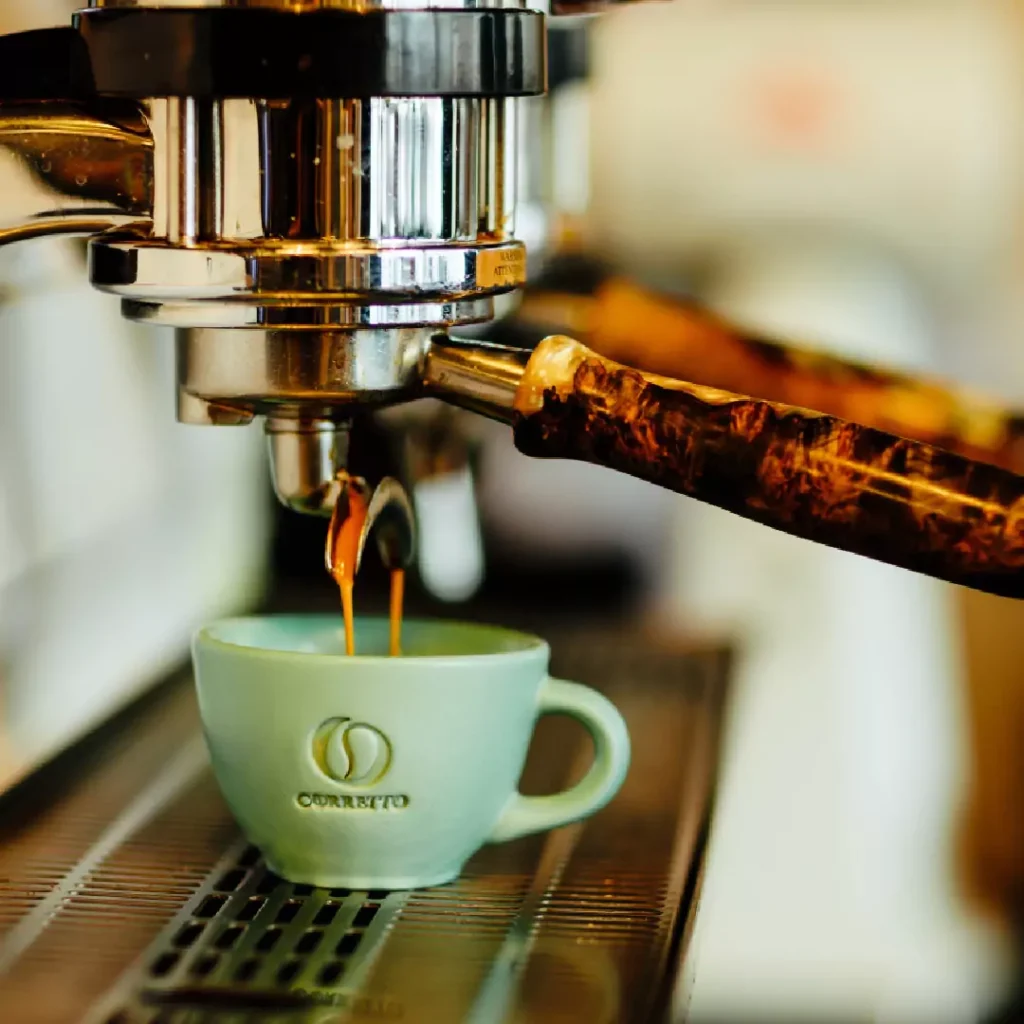
The shot is dense, with rich crema and pinkish hues (a sign of processes involving aromatic fermentation). Raspberry takes center stage, white chocolate gives it a syrupy body, and cherries come through in the aftertaste. In a cappuccino, the milk pairs surprisingly well with raspberry and white chocolate, creating a flavor reminiscent of a red berry and vanilla milkshake.
☕ Corretto tip: Culturing processes extract faster than classic washed coffees. Start at a 1:2.2 ratio (18 g → 40 g) and adjust to taste. If the acidity seems too fruity or dominant, shorten the extraction slightly to 1:2 (18 g → 36 g): you'll get a sweeter shot with more prominent white chocolate.
Brew recipe (V60 / Aeropress)
Dose: 15 g coffee for 250 ml water
Grind: medium (like coarse salt)
Water temperature: 92–94°C
Total time: 3:00–3:30 minutes
With V60, the coffee opens up fully. Raspberry comes through intensely in the first sips, white chocolate appears midway as texture and sweetness, and cherries give the finish. With Aeropress (using the inverted method, a 2-minute steep, and a slow press), the body becomes even more velvety and the sweetness more concentrated—a fitting method for a fruit-forward culturing coffee.
☕ Corretto tip: With an 89 SCA microlot, every extraction detail is noticeable in the cup. Use filtered water with medium mineral content (TDS between 75 and 150 ppm) and check the water temperature with a thermometer. The difference between 90°C and 94°C completely changes the profile. At 94°C, raspberry comes through more intensely. At 91°C, white chocolate dominates. Experiment with the temperature to find your preferred profile.
Choose the right grind
Colombia Logan Risaralda Culturing coffee is available from us at the coffee shop whole bean or freshly ground, depending on how you prefer your order. If you're not sure which grind size is right for you, we've put together a complete guide to the four grind types—Espresso, Filter, Turkish, and French Press—with parameters, ratios, and practical tips for each. You can find it in the “Grind Types” tab on this page.
Reviews
No reviews yet.
Similar coffees
From Colombia, by other roasters
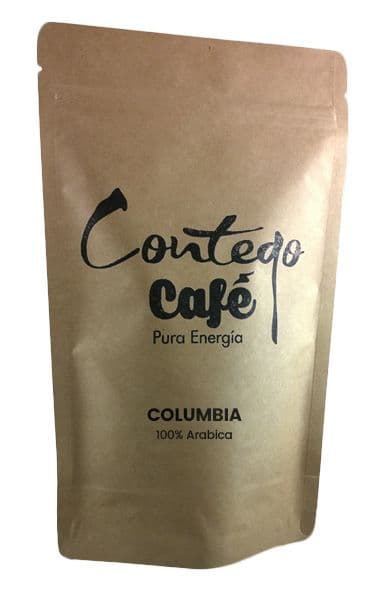
Contego
Coffee Columbia LaManuela
$4.65
Medium
Oetterli Coffee
DEZALÉ SINGLE ORIGIN
$12.27
Medium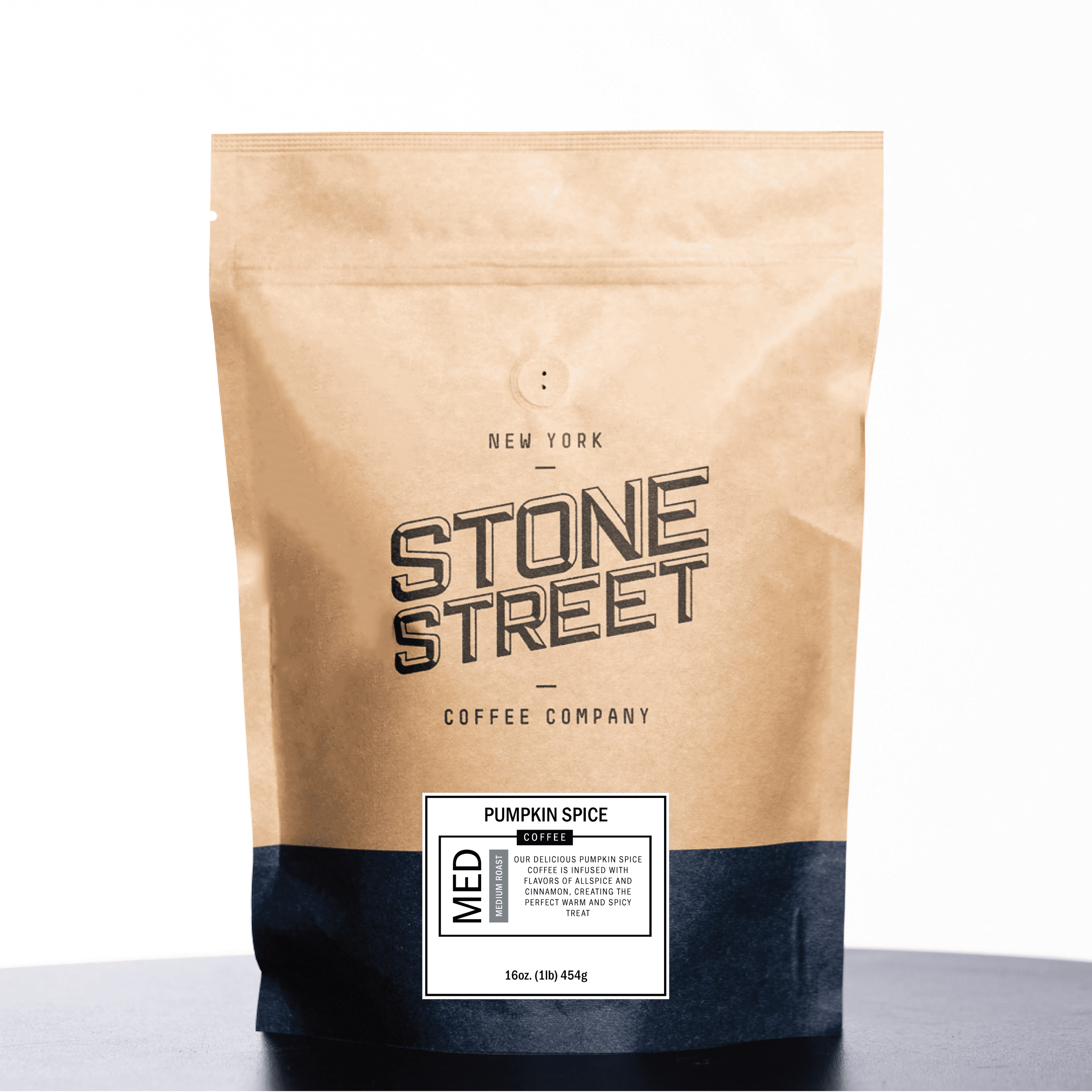
Stone Street Coffee
PUMPKIN SPICE
$13.29
Medium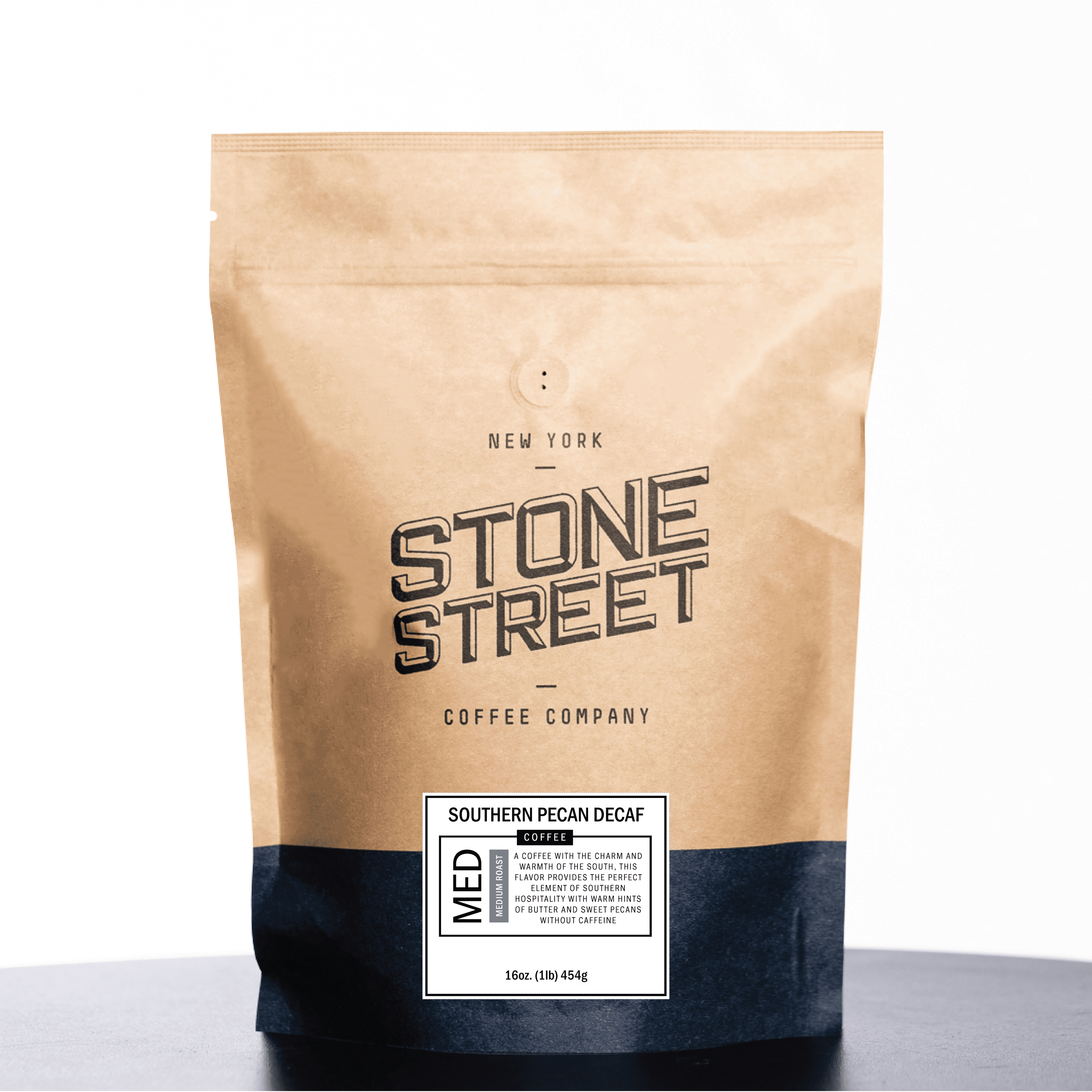
Stone Street Coffee
SOUTHERN PECAN DECAF
$13.29
Medium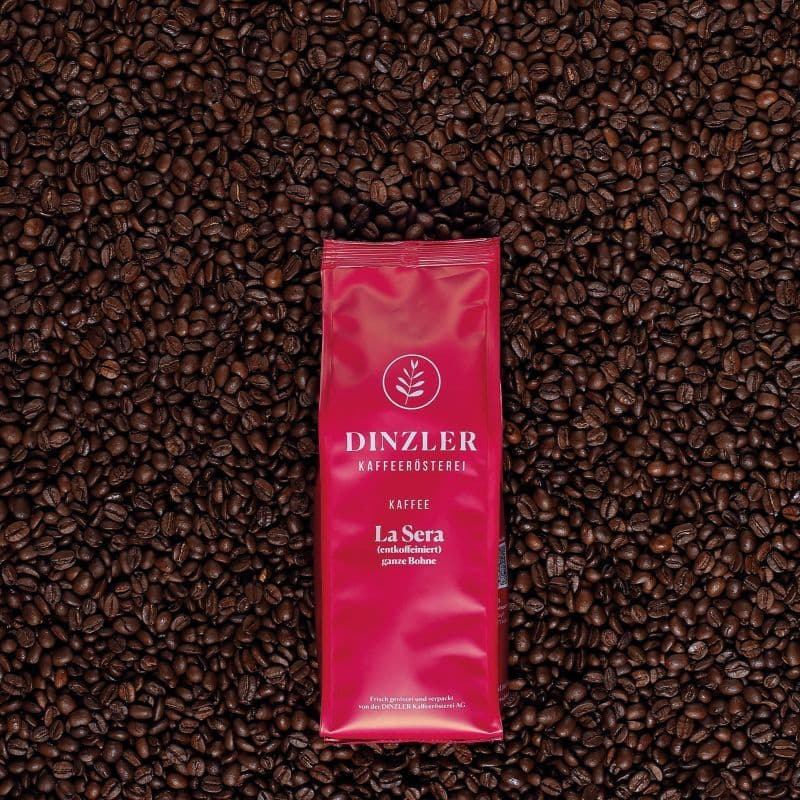
Dinzler Kaffeerösterei
DINZLER coffee La Sera
$7.00
Medium
Elm Coffee Roasters
Colombia Adelino Urbano
$17.45
Medium
Four Sigmatic
Instant Mushroom Coffee With Lion's Mane
$13.08
Medium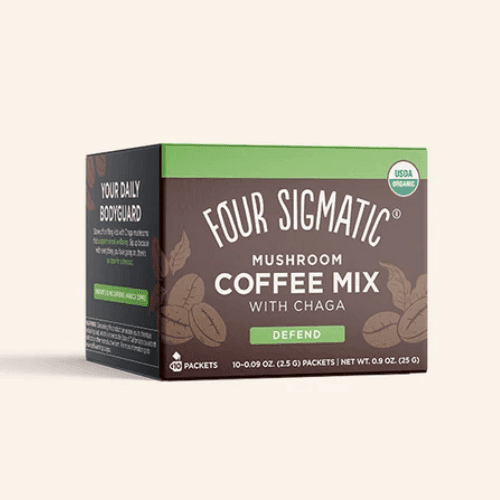
Four Sigmatic
Instant Mushroom Coffee with Chaga and Cordyceps
$13.07
MediumMore from Caffè Corretto
All products from Caffè Corretto →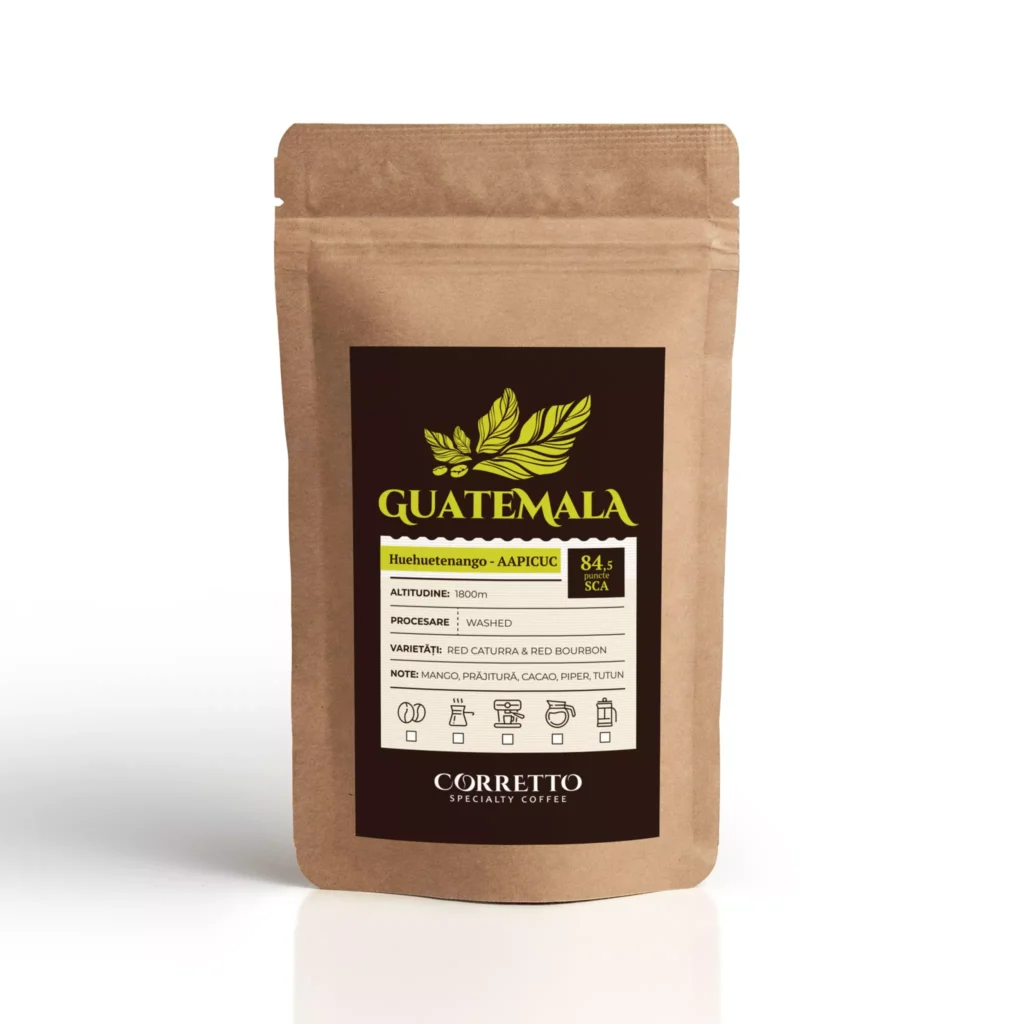
Caffè Corretto
de Specialitate Corretto, Guatemala Huehuetenango, Washed, 100% Arabica, 84,5 puncte SCA
RON 38.00
Medium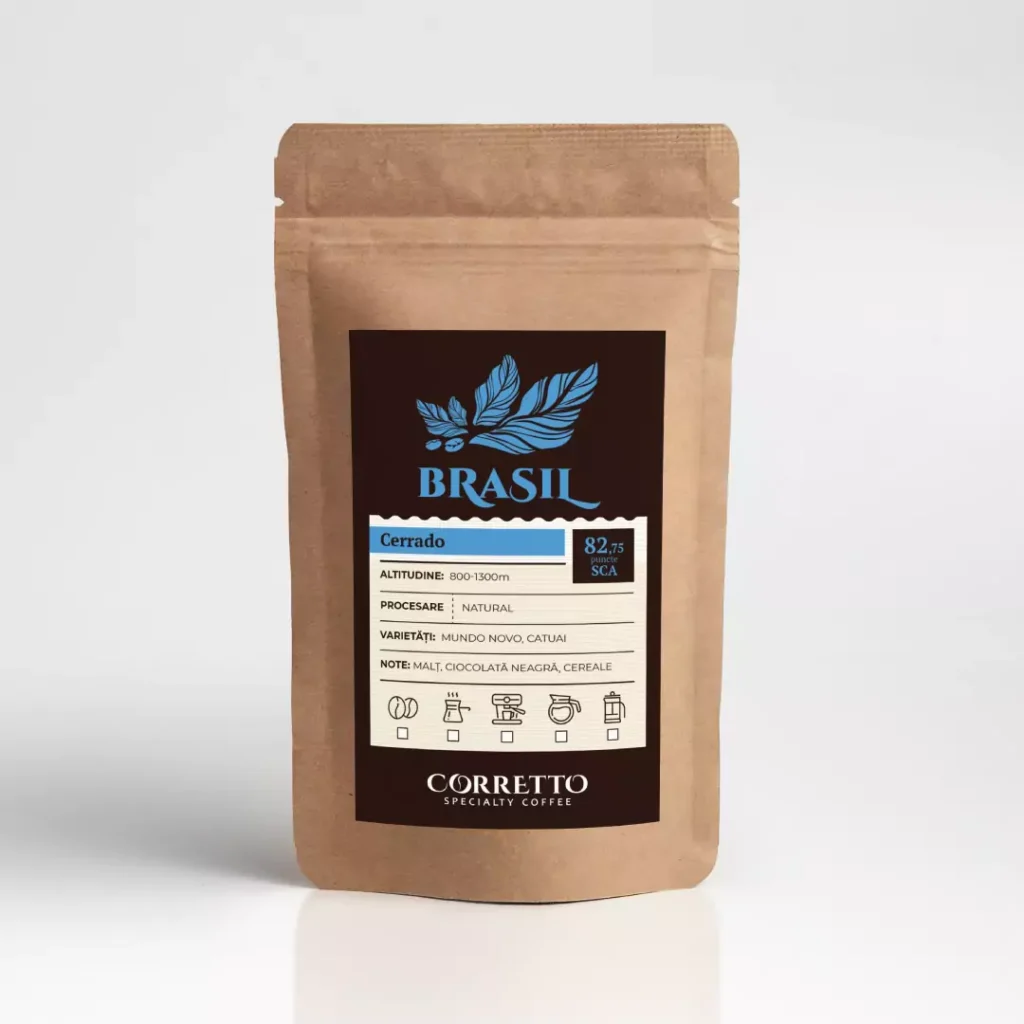
Caffè Corretto
de Specialitate Corretto, Brazilia Cerrado, Natural, 100% Arabica, 82,75 puncte SCA
RON 32.00
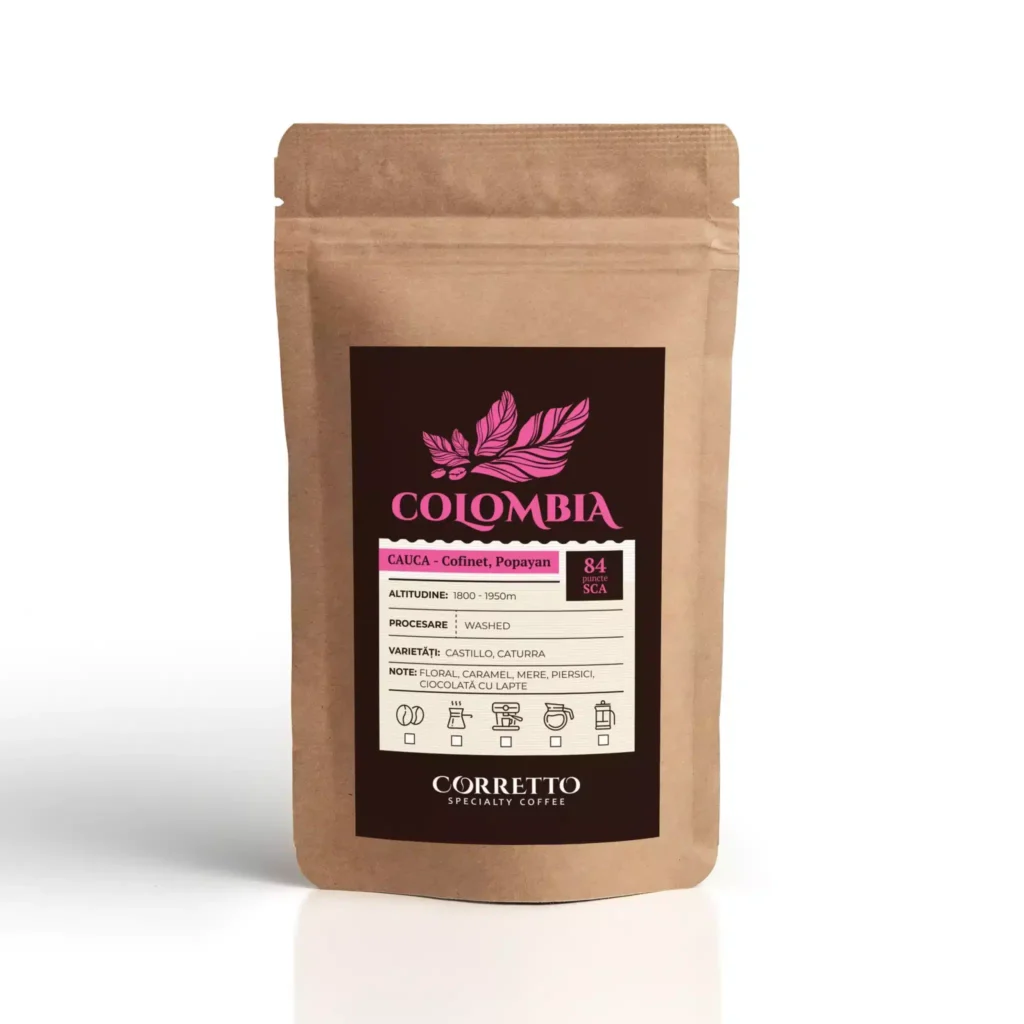
Caffè Corretto
de Specialitate Corretto, Columbia Cauca Popayan, Washed, 100% Arabica, 84 puncte SCA
RON 36.00
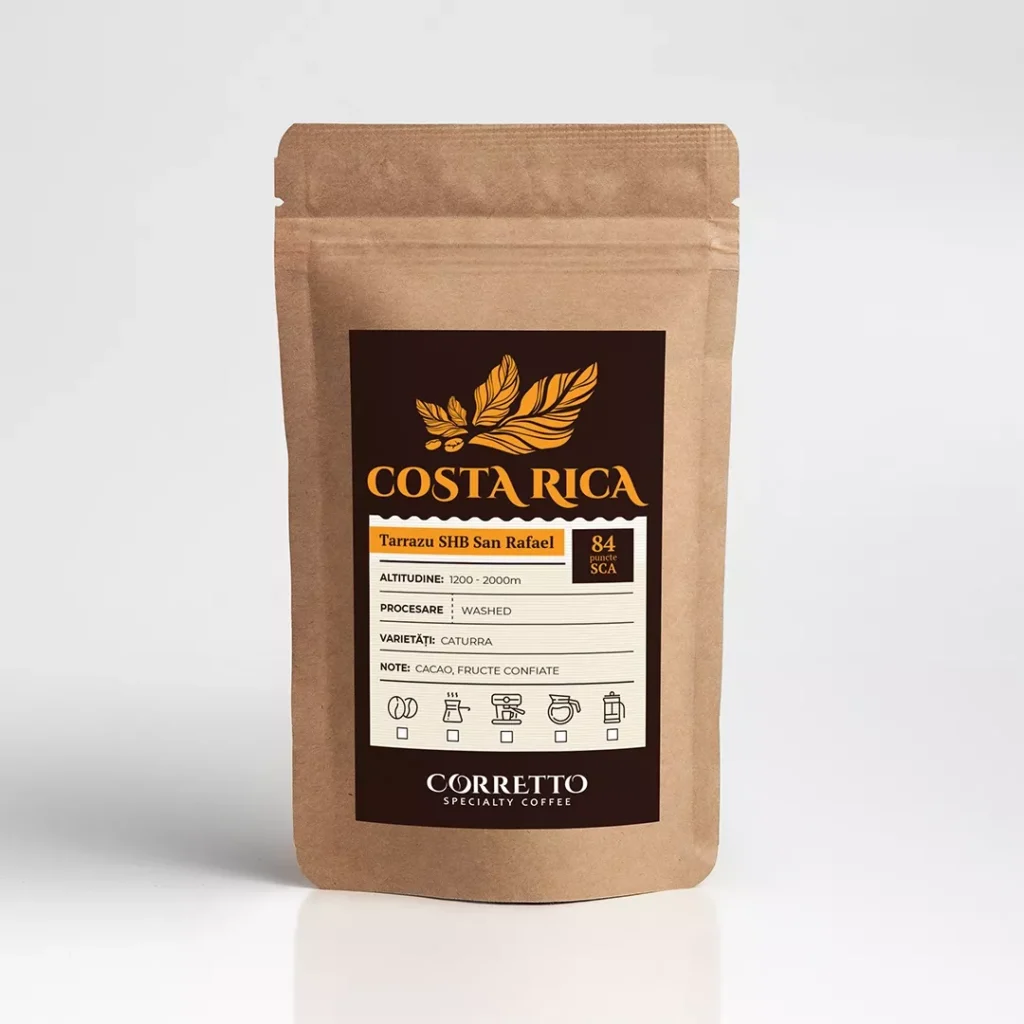
Caffè Corretto
de Specialitate Corretto, Costa Rica Tarrazu SHB San Rafael, Washed, 100% Arabica, 84 puncte SCA
RON 38.00
Medium