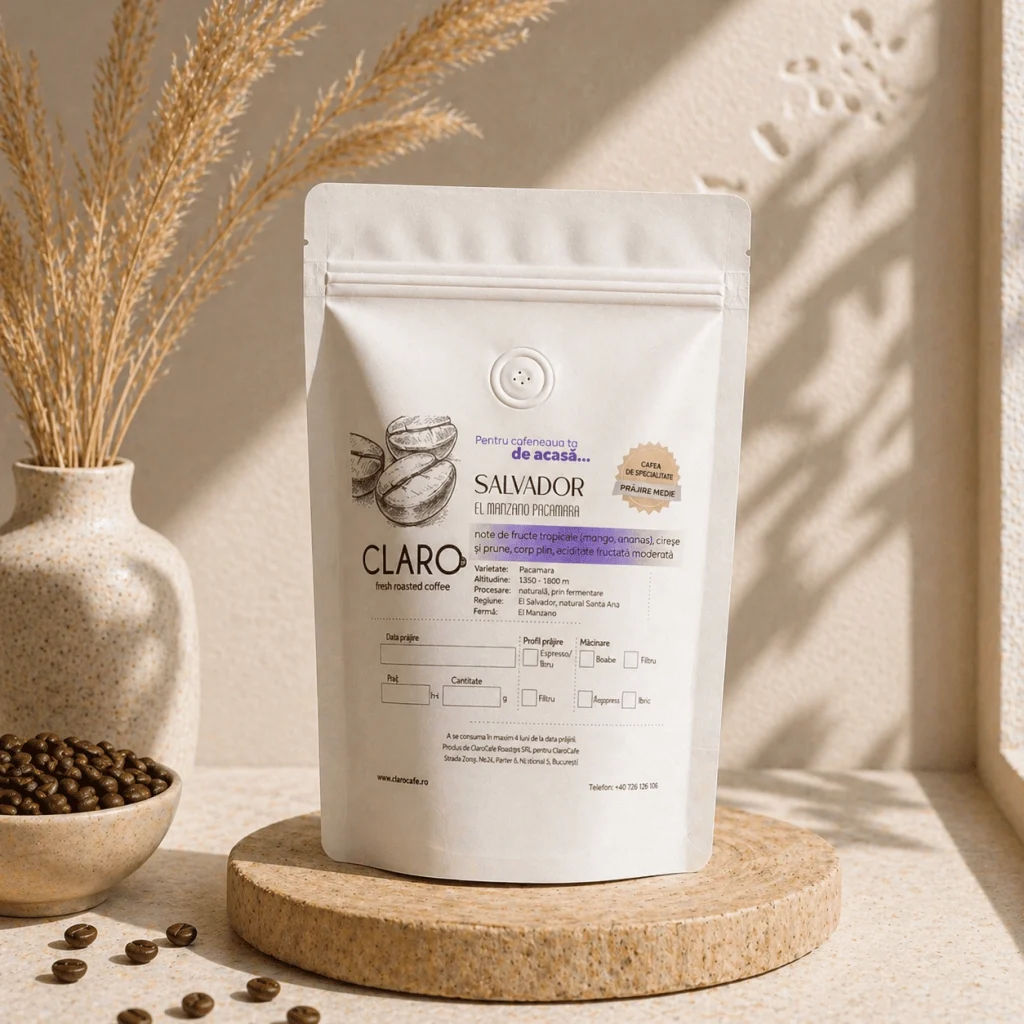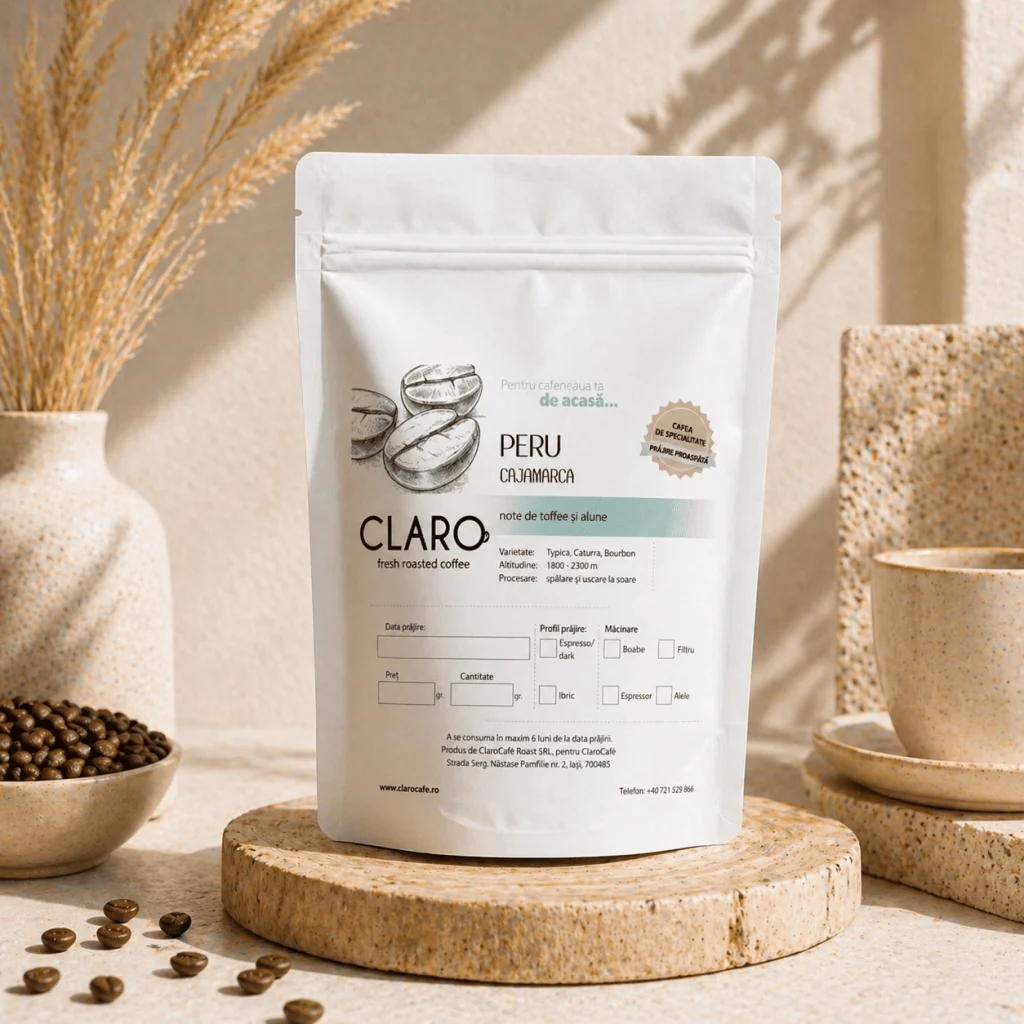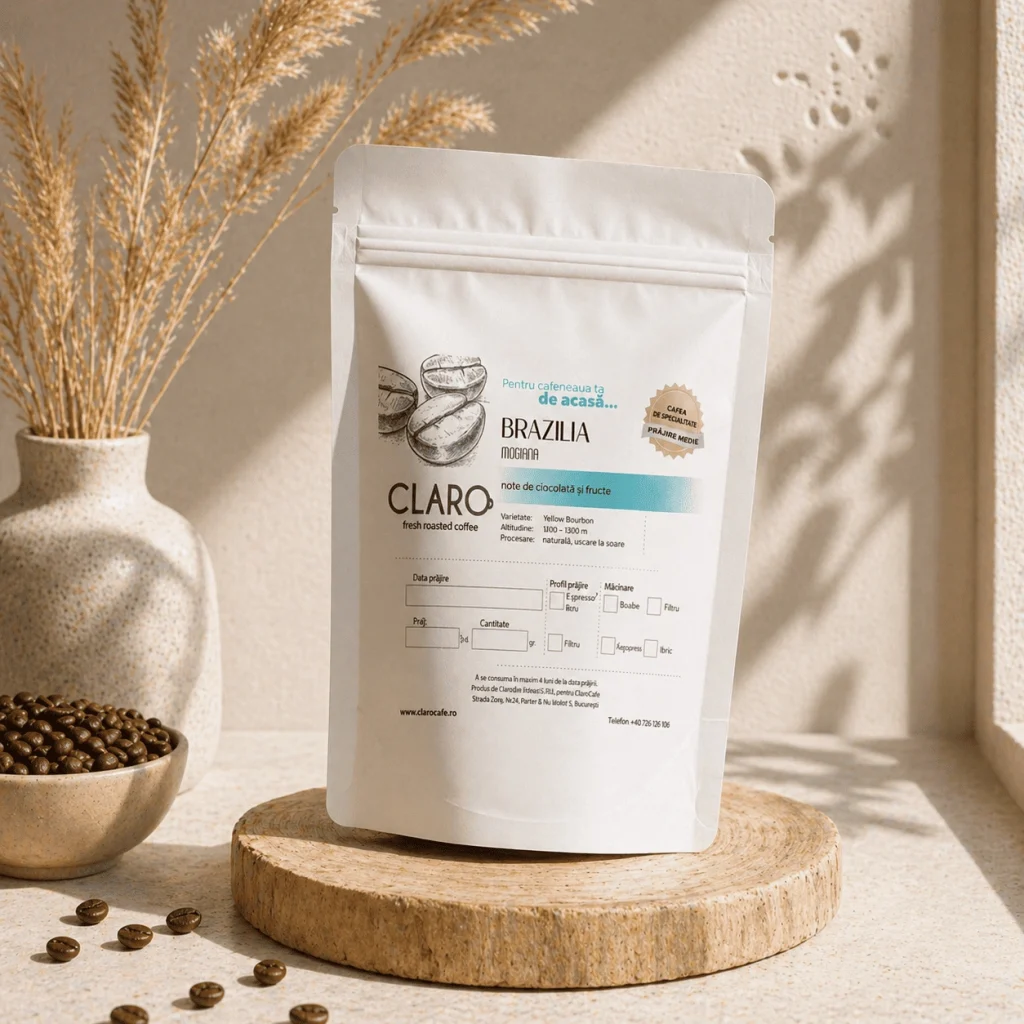
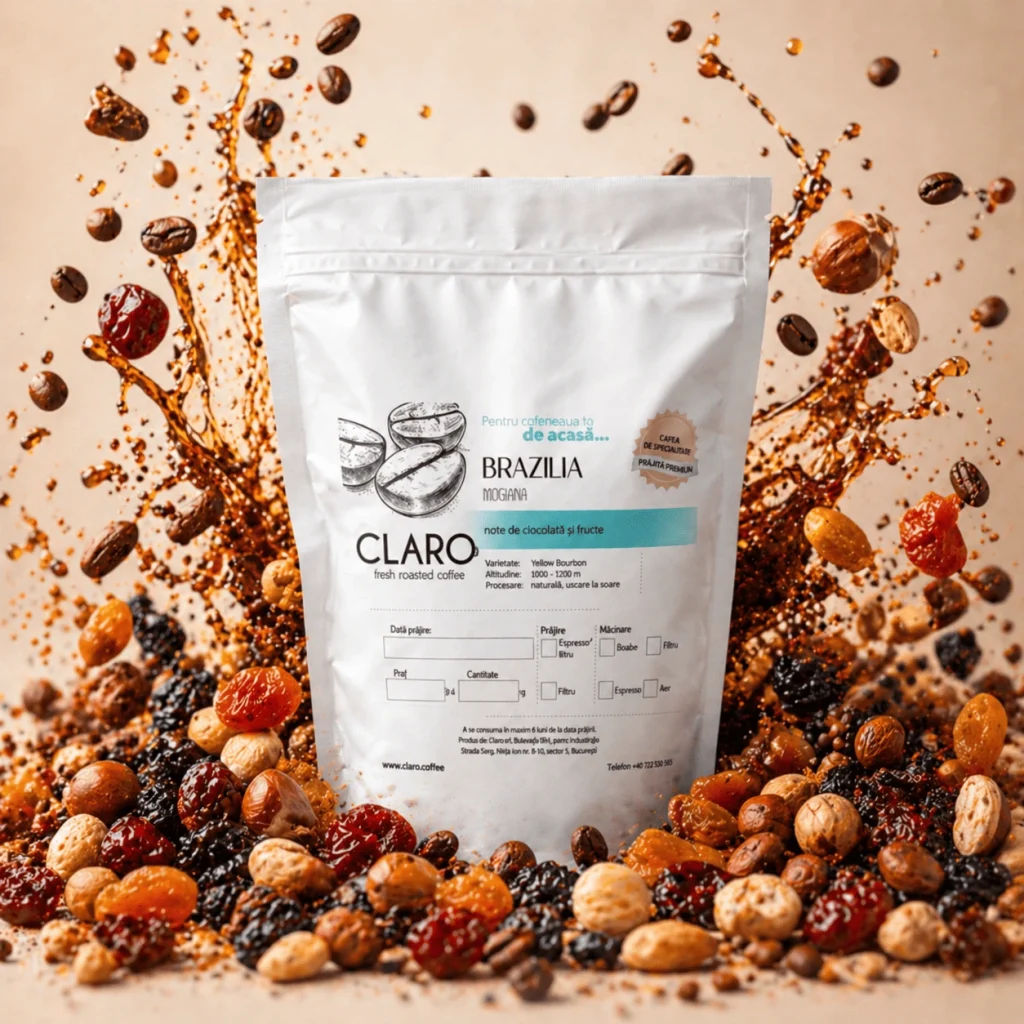
Brazilia Mogiana Sertãozinho
Brazil
- Single Origin
Not rated yet · Be the first to review it
fromRON 50.00
≈ RON 185.00 / kg
You’ll be taken to the roaster’s shop to complete your purchase.
- Roaster based in
- Romania
- Ship to
- United States · Check on the roaster’s shop
Dark chocolate, caramel, and hazelnut notes. Specialty coffee from Mogiana, Yellow Bourbon variety, pulped natural process — sweet and clean, with low acidity.
Sizes and prices
| Grind | Roast profile | Coffee Size | Per kg | Price |
|---|---|---|---|---|
| Whole Beans | Omniroast | 250g | RON 200.00 | RON 50.00 ↗ |
| Ground-Espresso | Omniroast | 250g | RON 200.00 | RON 50.00 ↗ |
| Ground-Filter | Omniroast | 250g | RON 200.00 | RON 50.00 ↗ |
| Ground (French Press) | Omniroast | 250g | RON 200.00 | RON 50.00 ↗ |
| Ground (Ibrik) | Omniroast | 250g | RON 200.00 | RON 50.00 ↗ |
| Mokapot | Omniroast | 250g | RON 200.00 | RON 50.00 ↗ |
| Whole Beans | Omniroast | 500g | RON 194.00 | RON 97.00 ↗ |
| Ground-Espresso | Omniroast | 500g | RON 194.00 | RON 97.00 ↗ |
Show all 18
| Grind | Roast profile | Coffee Size | Per kg | Price |
|---|---|---|---|---|
| Ground-Filter | Omniroast | 500g | RON 194.00 | RON 97.00 ↗ |
| Ground (French Press) | Omniroast | 500g | RON 190.00 | RON 95.00 ↗ |
| Ground (Ibrik) | Omniroast | 500g | RON 190.00 | RON 95.00 ↗ |
| Mokapot | Omniroast | 500g | RON 190.00 | RON 95.00 ↗ |
| Whole Beans | Omniroast | 1kg | RON 185.00 | RON 185.00 ↗ |
| Ground-Espresso | Omniroast | 1kg | RON 185.00 | RON 185.00 ↗ |
| Ground-Filter | Omniroast | 1kg | RON 185.00 | RON 185.00 ↗ |
| Ground (French Press) | Omniroast | 1kg | RON 185.00 | RON 185.00 ↗ |
| Ground (Ibrik) | Omniroast | 1kg | RON 185.00 | RON 185.00 ↗ |
| Mokapot | Omniroast | 1kg | RON 185.00 | RON 185.00 ↗ |
Description
Hurry! The offer ends in:
Specialty coffee
Brazil Mogiana Sertãozinho brings notes of dark chocolate and caramel
Not every coffee needs to surprise you. Some just need to be very good at what they do. Brazil Mogiana is in the second category. It has no exotic notes, doesn’t evolve dramatically in the cup, and doesn’t demand your attention. Instead, it offers clean, well-defined dark chocolate and caramel, followed by hazelnuts and dried fruit, over a medium, creamy body, with low acidity and a lingering sweet finish.
It comes from Mogiana, on the border between São Paulo and Minas Gerais — one of Brazil’s most respected coffee-growing regions, with more than a century of tradition. From Sertãozinho farm, at 1,300 meters, Yellow Bourbon variety, processed using the pulped natural method — invented right here in Brazil, combining the clarity of washed coffee with the sweetness of natural coffee.
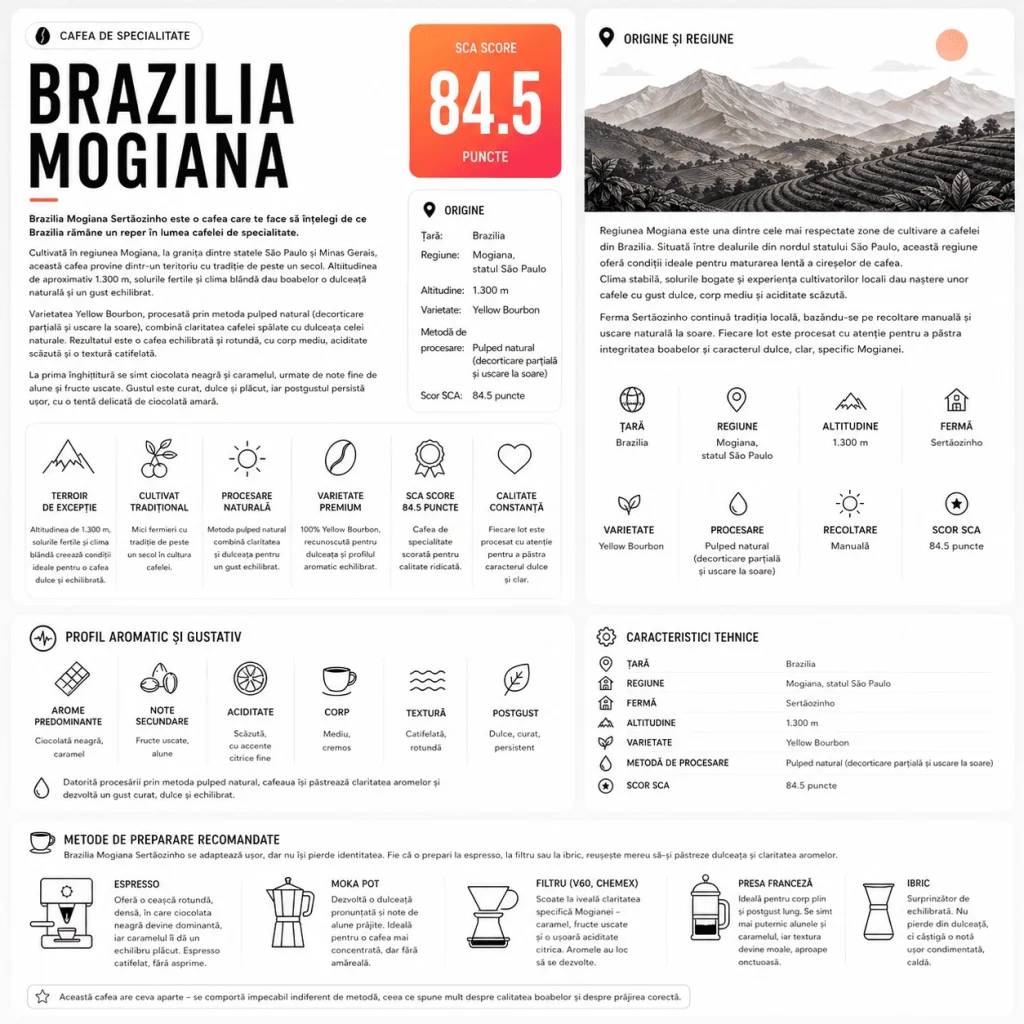
It scores 84.5 SCA points.
Roasted as an omniroast at our roastery in Romania, it’s available in 250 g, 500 g, and 1,000 g sizes, whole bean or ground to order.
Mogiana, Brazil
1,300 m
Pulped natural
SCA score: 84.5 points
Coffee character
What makes it special
Dark chocolate and caramel
Predominantly sweet notes in a classic Brazilian profile.
Hazelnuts and dried fruit
Warm secondary notes that complement its chocolatey flavor.
Low acidity
Subtle citrus notes in a sweet, balanced cup.
Medium, creamy body
A velvety, rounded texture with a sweet finish.
Pulped natural process
Partial depulping and sun-drying for this lot.
Yellow Bourbon variety
An identified variety with natural sweetness in the cup.
Traceable to the farm
Sourced from Sertãozinho in Mogiana, at 1,300 meters.
SCA score of 84.5 points
Specialty coffee with a clear, chocolatey profile.
Traceability
Origin and technical specifications
Yellow Bourbon cherries ripen yellow
Bourbon is the ancestral variety from which half the coffee world descends. When ripe, its cherries turn red — that’s the norm, and pickers rely on it to decide what to harvest. Yellow Bourbon is a mutation that appeared in Brazil around the 1930s, whose cherries ripen yellow. It has superior natural sweetness — which is why it’s sought after in Brazilian specialty coffees — but comes with a practical complication: without turning red, ripeness is much harder to judge by sight. Pickers need to know exactly what to look for, and harvesting takes more experience. If you’ve tried Rwanda Remera Gisagara, you’ve already tasted its red counterpart. The same family, two different expressions: Red Bourbon brings complexity and fruit, while Yellow Bourbon brings sweetness and roundness.
Pulped natural processing balances the flavor
There are two classic ways to process coffee. Washed: remove all the fruit before drying to achieve clarity. Natural: dry the bean with the fruit still on it to achieve sweetness and body. Brazil invented the middle ground, known locally as cereja descascada: the skin and some of the pulp are removed, but the bean dries with the sweet, sticky mucilage still on it. Sugars seep into the bean, but without the fermentative intensity of a fully natural process. The result is exactly what you taste in the cup: the sweetness of a natural coffee with the clarity of a washed one. This is the method that allowed Brazil to move from commodity coffee to specialty coffee without losing its character.
Mogiana
Mogiana is a hilly region on the border between São Paulo and Minas Gerais, with more than a century of coffee-growing tradition. Fertile soils, a mild climate, and an altitude of around 1,300 meters allow the cherries to ripen slowly. The region has a distinct reputation in Brazil: sweet, consistent coffees with medium body and low acidity — exactly the profile in this cup.
Technical sheet
- Country of origin
- Brazil
- Region
- Mogiana, state of São Paulo
- Farm
- Sertãozinho
- Altitude
- 1,300 meters
- Variety
- Yellow Bourbon
- Processing method
- Pulped natural, partial depulping and sun-drying
- SCA score
- 84.5 points
- Roast profile
- Omniroast (Claro Cafe)
Lot origin
From Sertãozinho farm
This lot comes from Mogiana, in the state of São Paulo. Yellow Bourbon cherries turn yellow when ripe, and the variety is prized for its natural sweetness.
Altitude1,300 mVarietyYellow Bourbon
In the cup
Aroma and flavor profile
Brazil Mogiana is a straightforward coffee, without mystery — and that’s exactly how it’s meant to be.
Dark chocolate opens and remains the dominant note: intense, but not bitter. Caramel balances it with a warm sweetness, while hazelnuts and dried fruit emerge in the background — subtle notes that add depth and a pastry-like quality.
Acidity is low, with very subtle citrus notes, just enough to keep the cup from tasting flat.
The body is medium and creamy, with a velvety, rounded texture, while the finish stays sweet and clean, with a delicate hint of bittersweet chocolate.
Dominant notes
Dark chocolateCaramel
Secondary notes
HazelnutsDried fruit
Cup structure
SweetnessSweet, with caramel notesAcidityLow, subtle citrusBodyMedium, creamy
- Dominant notesDark chocolate, caramel
- Secondary notesDried fruit, hazelnuts
- AcidityLow, with subtle citrus notes
- BodyMedium, creamy
- TextureVelvety, rounded
- FinishSweet, clean, lingering, with bittersweet chocolate
- CharacterClassic, intensely chocolatey, consistent
Preparation
Recommended brewing methods
It adapts easily to different brewing methods while maintaining its dark chocolate and caramel profile.
Best for flavorEspresso
Dark chocolate takes center stage in a rounded, velvety espresso, balanced by caramel sweetness. Its creamy body supports an intense flavor without harshness. Starting point for dialing in: 18 g of coffee, 36–38 g in the cup, and a 25–30-second extraction.
Pour-over (drip machine, V60, Chemex)
Brings out caramel and dried fruit, alongside subtle citrus acidity. The cup retains the clarity of Mogiana’s profile. Starting point for V60 or Chemex: 15 g to 240 ml of water at 93–94°C, with a medium-fine grind.
French press
Highlights the full body and long finish, with more pronounced hazelnut and caramel notes. The texture becomes soft and creamy, while the dark chocolate preserves the coffee’s character. Low acidity supports a rounded, sweet, velvety cup.
Turkish coffee
Highlights natural sweetness and a rounded body in an intense, balanced cup. Dark chocolate, caramel, and hazelnuts define the flavor. The finish is warm and slightly spiced, while low acidity preserves the coffee’s classic profile.
Moka pot
Develops pronounced sweetness and roasted hazelnut notes in a concentrated coffee. Dark chocolate and caramel round out the profile, with a medium, creamy body. It’s a good choice if you prefer an intense flavor supported by low acidity.
Whole bean or ground to order
Choose whole bean or a grind suited to your brewing method: espresso, Turkish coffee, moka pot, pour-over, or French press. The coffee is available in 250 g, 500 g, and 1,000 g sizes. Whole bean lets you grind the amount you need right before each brew.
Frequently asked questions about Brazil Mogiana Sertãozinho
84.5 points is the lowest score in your specialty coffee range. Why should I choose it?
Because the score measures something different from what you might think. The SCA scale rewards complexity, acidity, and expressiveness — exactly the qualities that Brazilian coffees, by nature, don’t pursue. Brazilian coffee is built around cleanliness, sweetness, and body, not exotic fruit and lively acidity.
That means the two scores aren’t directly comparable as “value.” An 86.5-point Kenya and an 84.5-point Brazil are playing different games. In the world of Brazilian coffee, 84.5 is a very good score — and in the cup, you get exactly what it promises: a clean, sweet coffee that does what it does exceptionally well.
The rule remains: over 80 points means specialty coffee. The rest comes down to what you’re looking for.
How is it different from Brazil Santos, the other Brazilian coffee in the lineup?
They’re from the same country and have a family resemblance, but they differ in three key ways. Brazil Santos is an origin coffee: natural process, traceability to the region, a chocolate-and-nut profile, and made for affordable everyday drinking. Mogiana Sertãozinho is a specialty coffee: pulped natural process, traceable to the farm, identified variety (Yellow Bourbon), verified SCA score, and a clearer, more defined profile with dried fruit alongside chocolate. If you like Santos and want to see how far Brazilian coffee can go, Mogiana is the next step.
How does it compare with Peru Cajamarca? Both have chocolate and hazelnuts.
Yes, they’re neighbors in terms of profile, but the emphasis is different. Peru is dominated by toffee — caramelized sugar sweetness, with hazelnuts and delicate citrus acidity that keeps the cup lively. Mogiana is dominated by dark chocolate — more intense and darker-tasting, with dried fruit and even more subtle acidity. Peru is brighter and nuttier; Mogiana is denser and more chocolatey.
What does “pulped natural” mean, and why does it matter?
It’s a method invented in Brazil, midway between washed and natural: the skin and some of the pulp are removed, but the bean dries with the sweet mucilage still on it. In practice, you get the sweetness of a natural process with the clarity of a washed one. That’s why this coffee is sweet and clean at the same time — a combination you don’t often find.
Why Yellow Bourbon if it’s harder to harvest?
For the sweetness. Yellow Bourbon has a higher sugar content than common varieties, and you can taste it directly in the cup. The trade-off comes at harvest: the cherries don’t turn red, so ripeness is hard to judge visually and requires experienced pickers. Specialty farms make this trade-off deliberately.
Is it too intense?
It depends on what you’re used to. Dark chocolate dominates, so the flavor is clear and pronounced — one customer even told us it seemed too strong when drunk black. If you prefer lighter, brighter coffees, try Peru Cajamarca or Colombia Antioquia La Gloria. If you like dark chocolate, you’ll find it here in its purest form.
How long does it stay fresh, and how should I store it?
Freshly roasted coffee is at its best within the first 30–60 days. Keep the bag tightly sealed at room temperature, away from light and humidity — not in the refrigerator. Grind only the amount you need right before each brew.
Still have questions?
See the full page with questions and answers
Quick guide
Who Brazil Mogiana Sertãozinho is for
Choose this coffee if
- You like dark chocolate front and center, complemented by caramel
- You prefer low acidity, with very subtle citrus notes
- You’re looking for a creamy, velvety texture with a sweet finish
- You brew with an espresso machine or moka pot and enjoy concentrated cups
- You appreciate hazelnuts and dried fruit as secondary notes
- You want a Brazilian coffee with identified farm, variety, and processing method
This may not be for you if
- Dominant dark chocolate seems too intense when you drink your coffee black
- You prefer toffee and hazelnuts front and center instead of an intensely chocolatey profile
- You want fruit to define the flavor, not just appear in the background
- You like more pronounced citrus acidity than Mogiana’s subtle notes
If Mogiana seems too intensely chocolatey, Peru Cajamarca shifts the emphasis to toffee and hazelnuts, with delicate citrus acidity. If you prefer honey sweetness and yellow fruit, Colombia Antioquia La Gloria has a profile closer to what you’re looking for.
Claro Cafe
Why choose Brazil Mogiana Sertãozinho from Claro Cafe
Brazil Mogiana Sertãozinho is a specialty coffee traceable to the farm. Yellow Bourbon and pulped natural processing contribute to a profile of dark chocolate, caramel, hazelnuts, and dried fruit.
It comes from Mogiana, from Sertãozinho farm, at 1,300 meters, and has an SCA score of 84.5 points. Its medium, creamy body, low acidity, and sweet finish make it a good choice for those who prefer a classic Brazilian profile.
At Claro Cafe, we roast it fresh in Romania in an omniroast style and pack it immediately in bags with degassing valves to preserve freshness.
-
Freshly roasted in Romania
Roasted at Claro Cafe in Romania.
-
Omniroast profile
The same roast profile for Brazil Mogiana Sertãozinho.
-
Bags with degassing valves
Packed immediately after roasting to preserve freshness.
Available in 250 g, 500 g, and 1,000 g sizes, whole bean or ground to order, for your brewing method.
Blog about coffee
Checklist for the perfect moka pot coffee without a burnt or bitter taste
Choosing the right coffee for a moka pot can make the difference between an intense, enjoyable cup…
Read more…
April 6, 2026
Specialty coffee and the change that put flavor first
When we talk about specialty coffee, we’re talking about an important shift in the way…
Read more…
September 25, 2023
Innovative coffee cocktails redefining the classic drink
In the world of drinks, coffee cocktails are an innovation that adds a little something extra…
Read more…
Reviews
No reviews yet.
Similar coffees
From Brazil, by other roasters
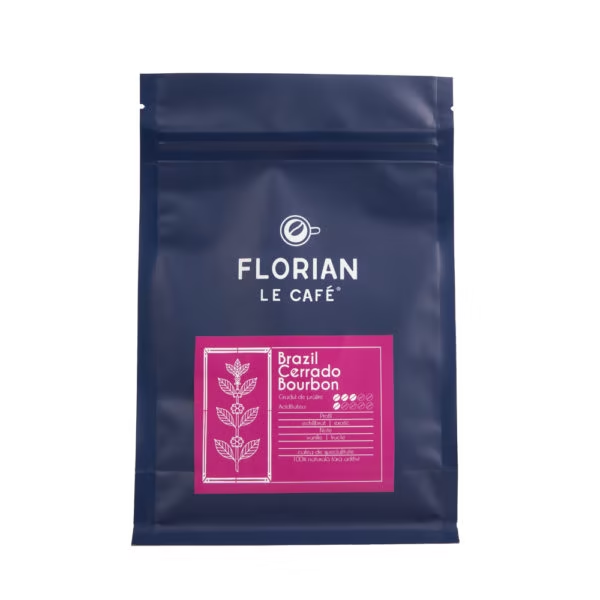
Florian le Café
Brazil-Cerrado-Bourbon
$7.07
Light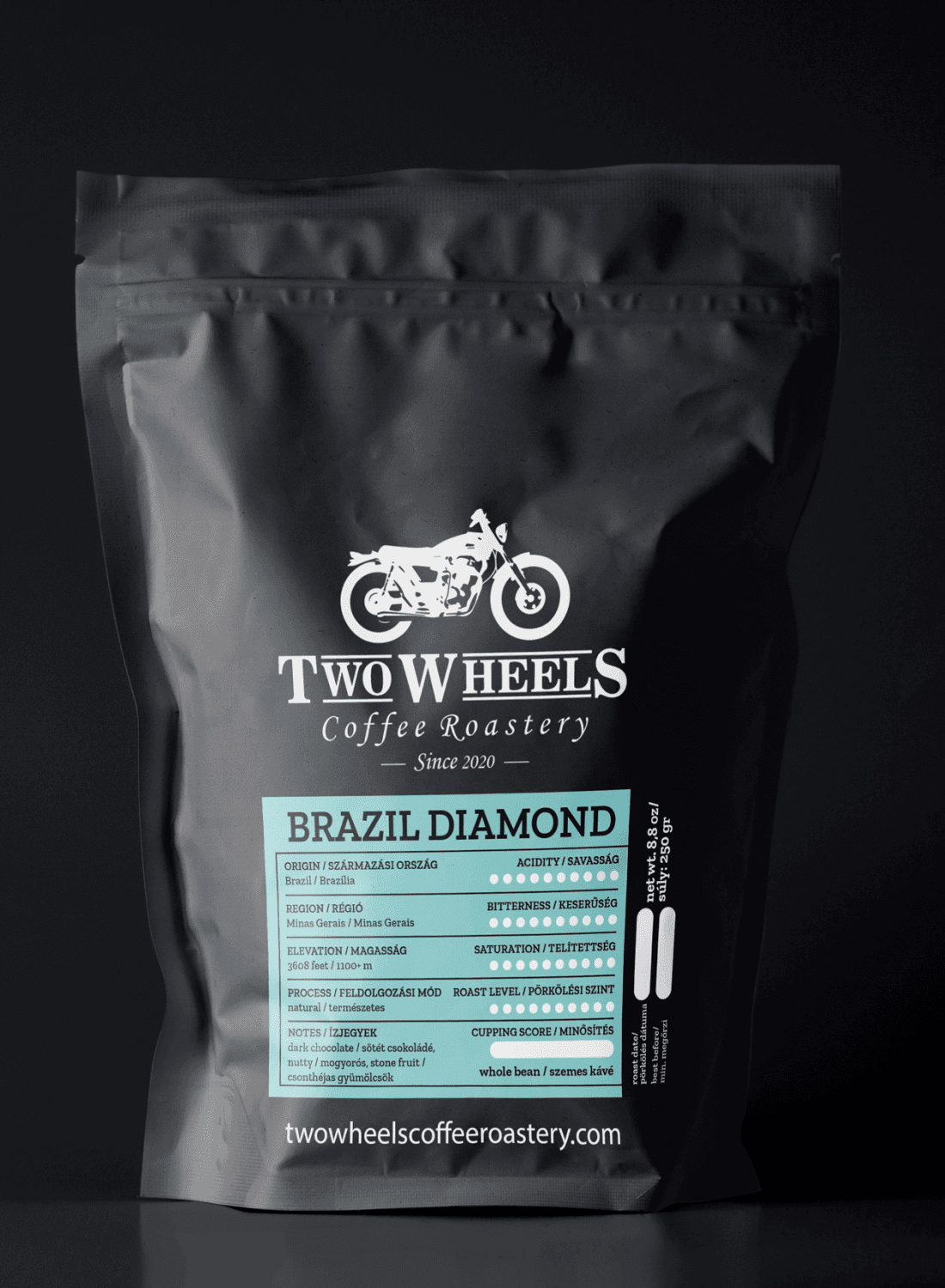
Two Wheels Coffee
Brazil Diamond Specialty Coffee
$5.29
Dark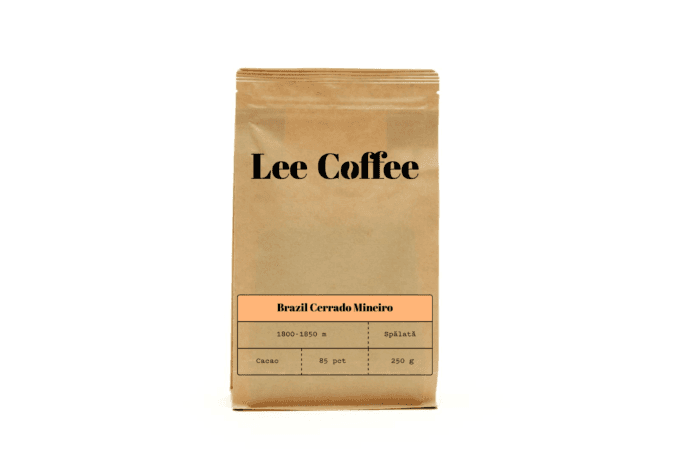
Lee Coffee
Brazilia Cerrado Mineiro
$7.07
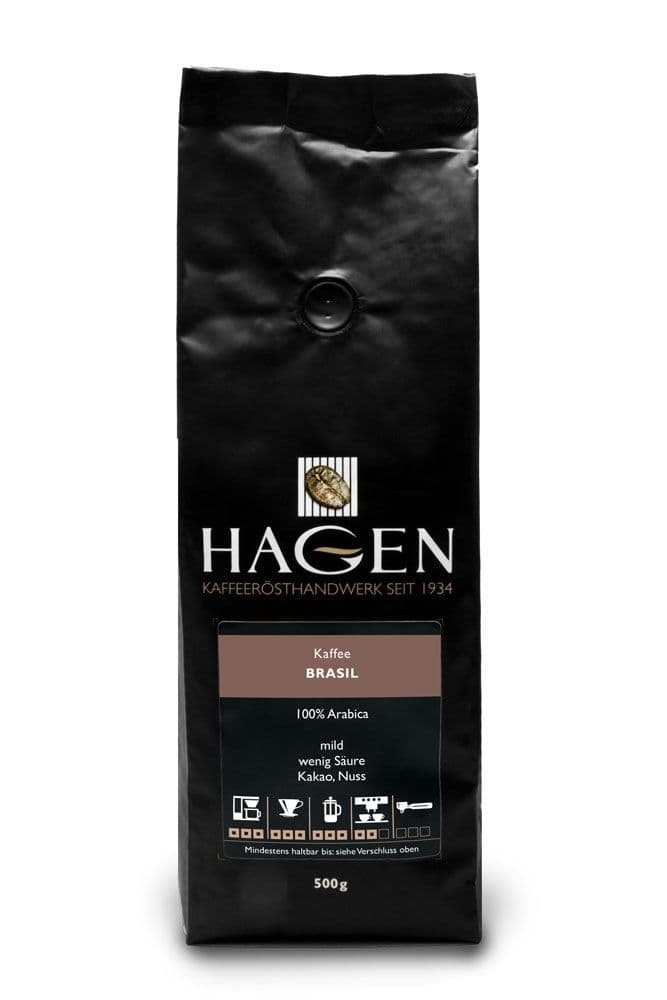
Hagen Kaffee
Coffee BRASIL
$5.80
Medium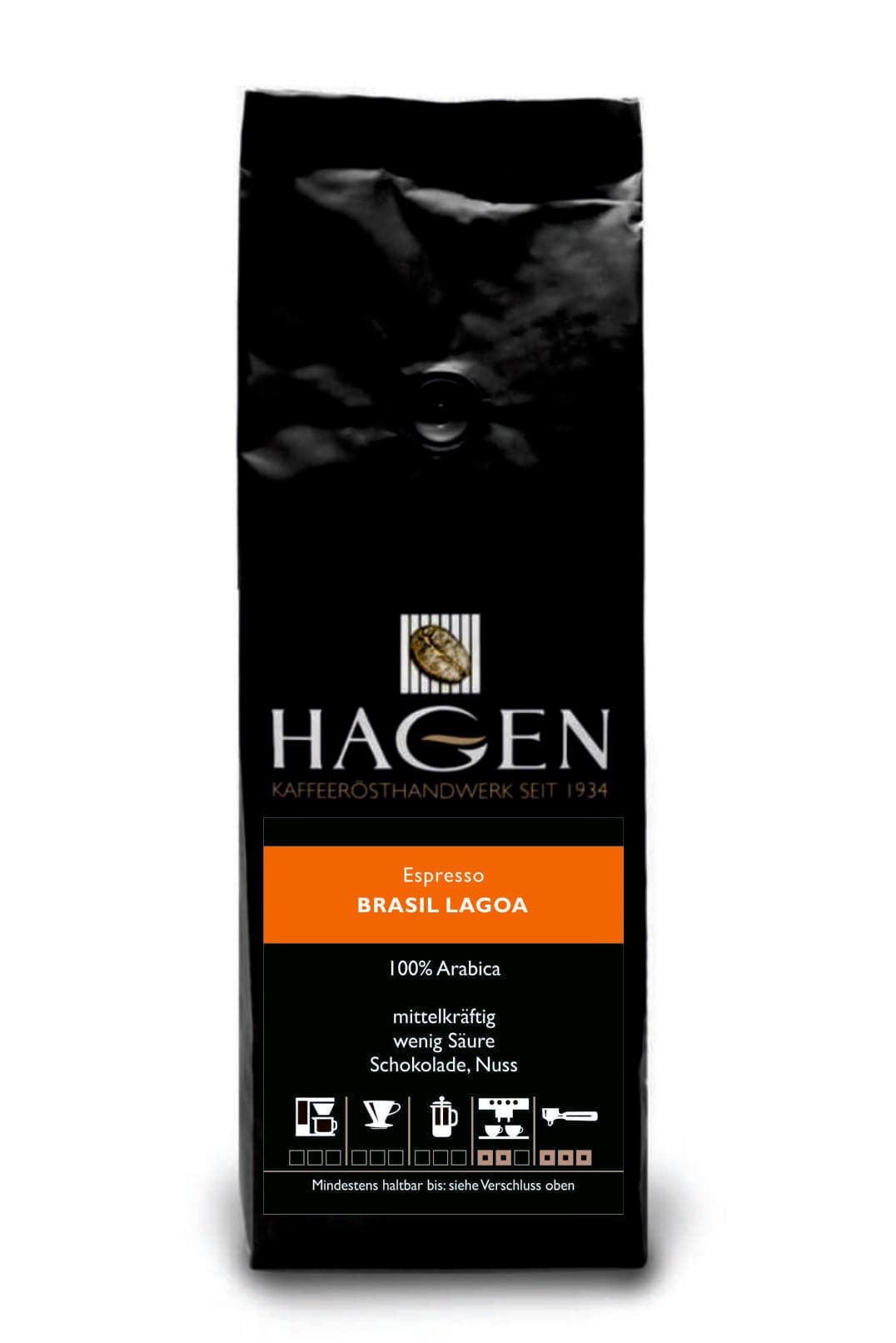
Hagen Kaffee
Espresso BRASIL LAGOA
$7.60
Medium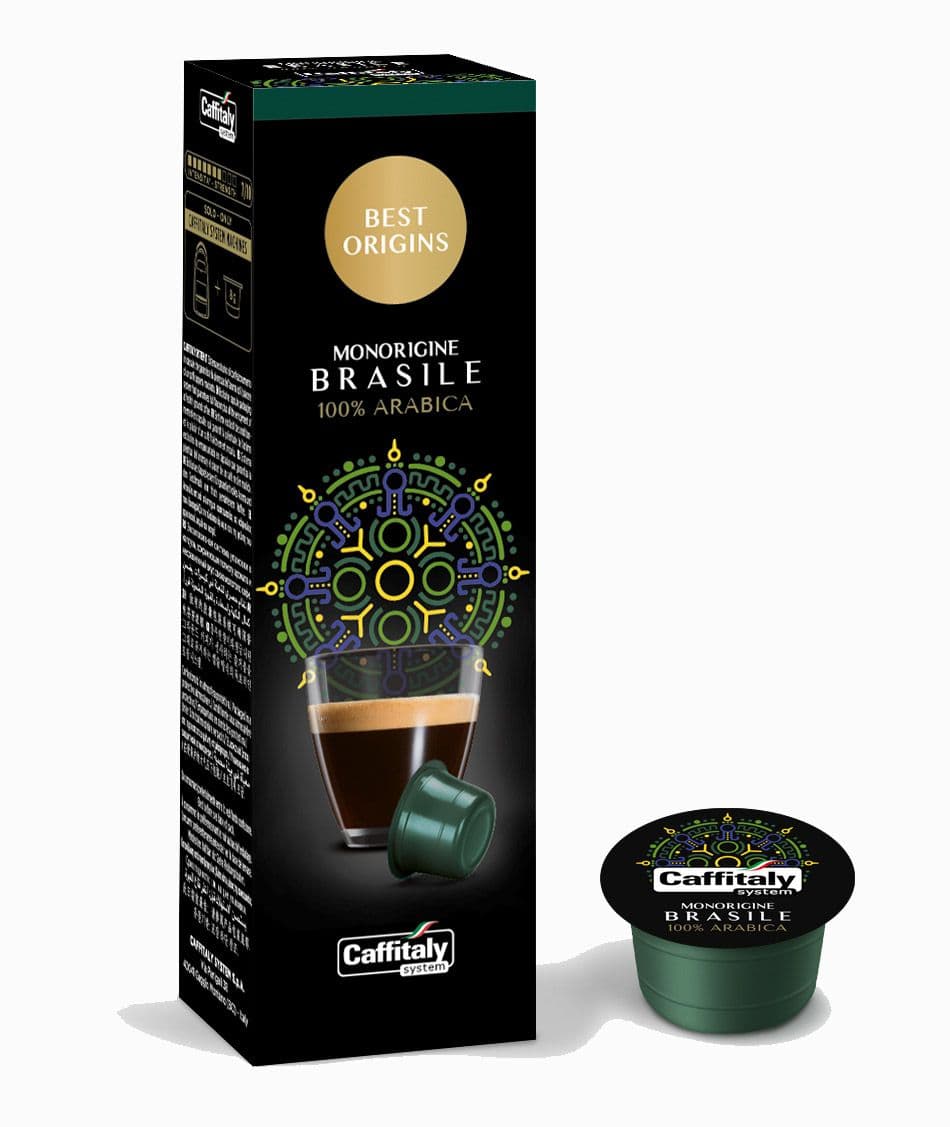
Caffitaly Moldova
Caffitaly Best Origins Brasile Monorigine Special Edition
$3.72
Medium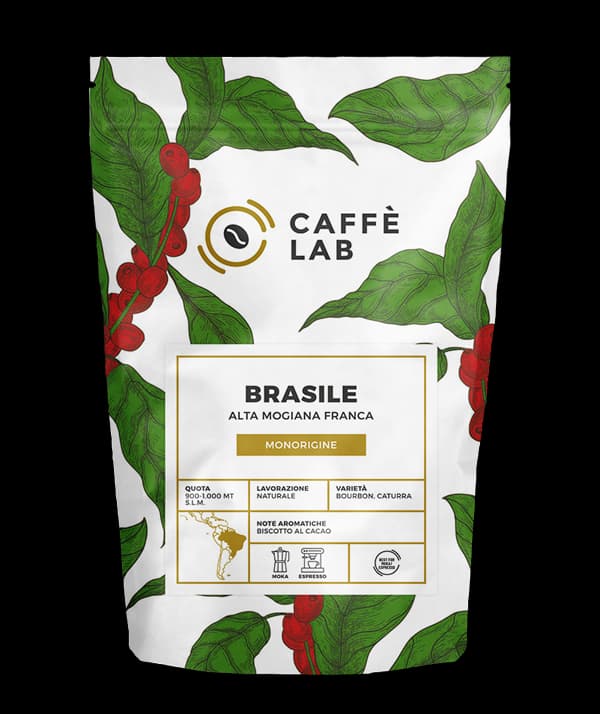
CaffèLab
BRAZIL High Mogiana Franca
$7.00
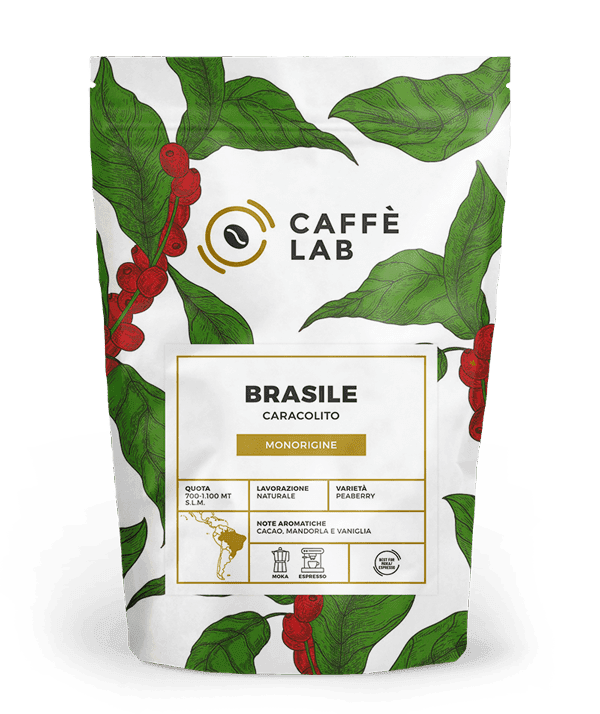
CaffèLab
BRAZIL Caracolito
$7.00
Medium