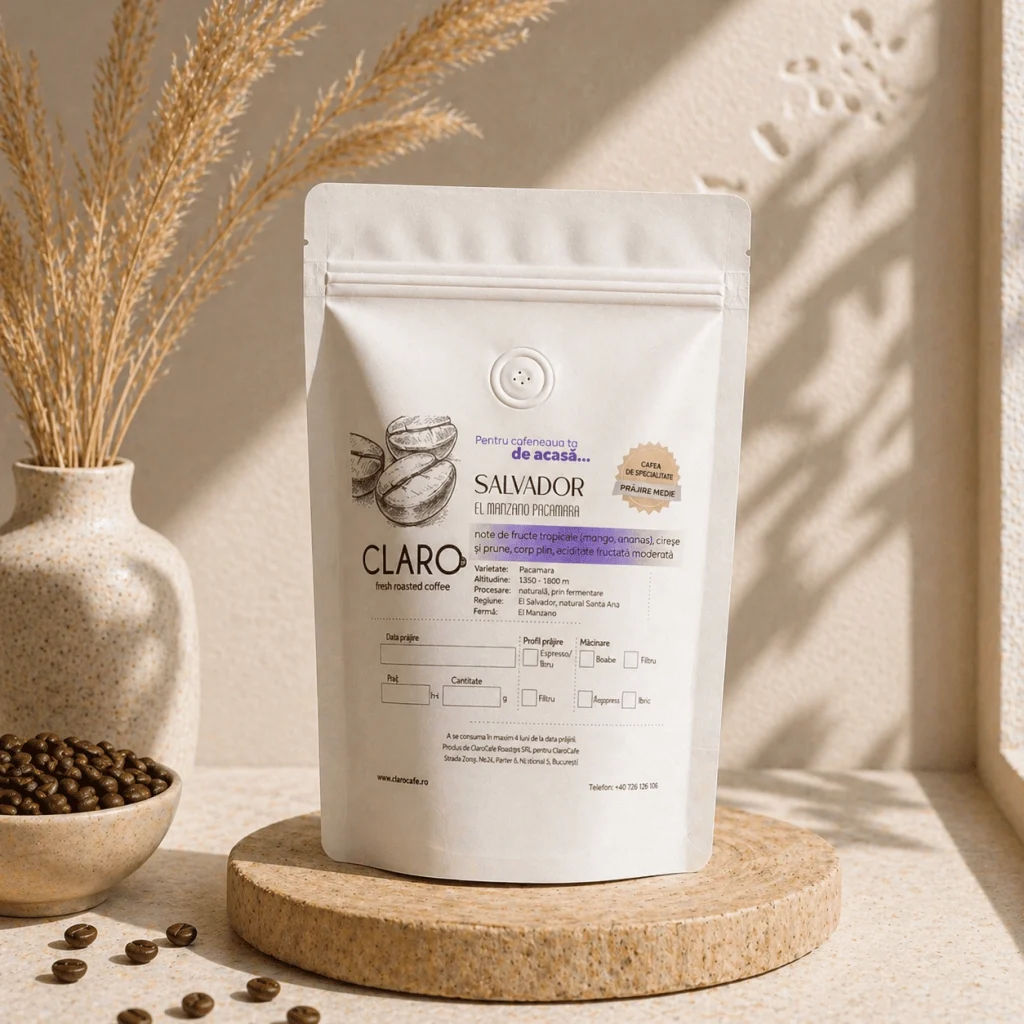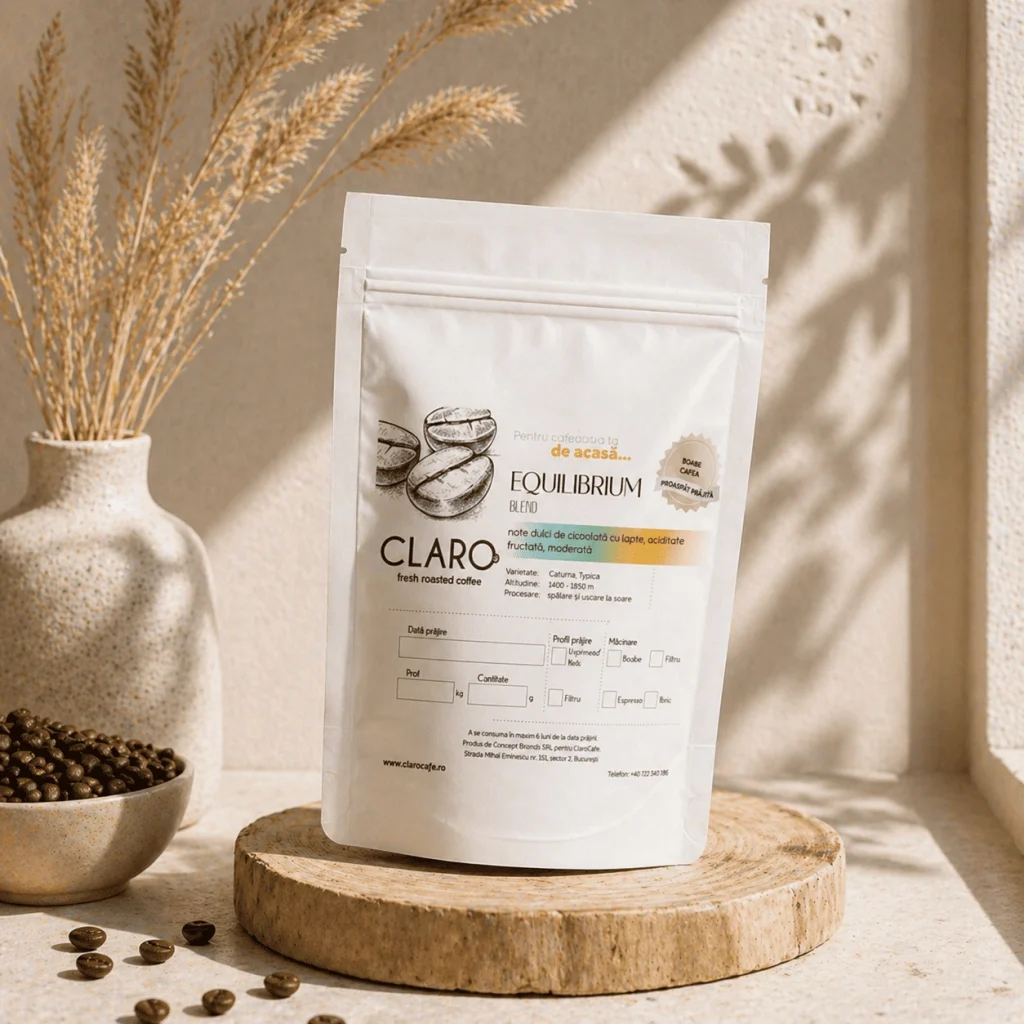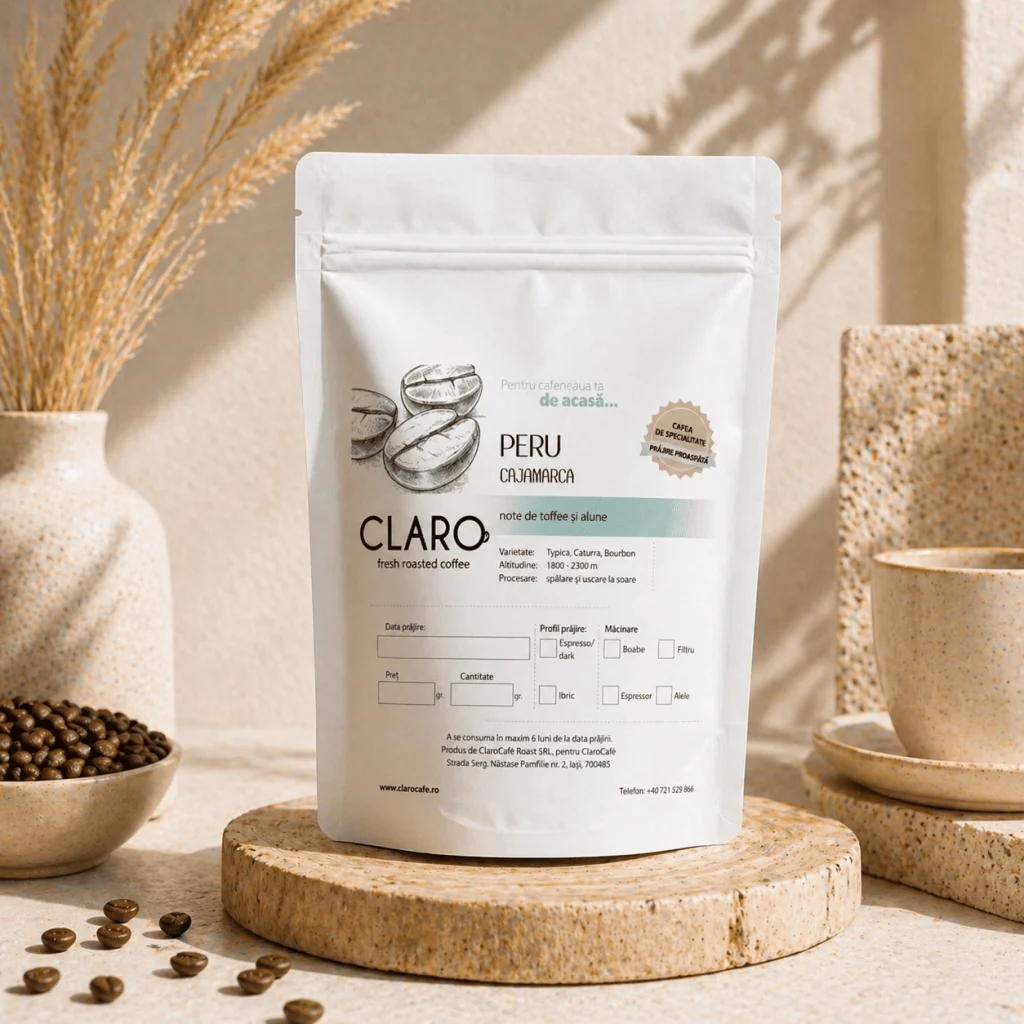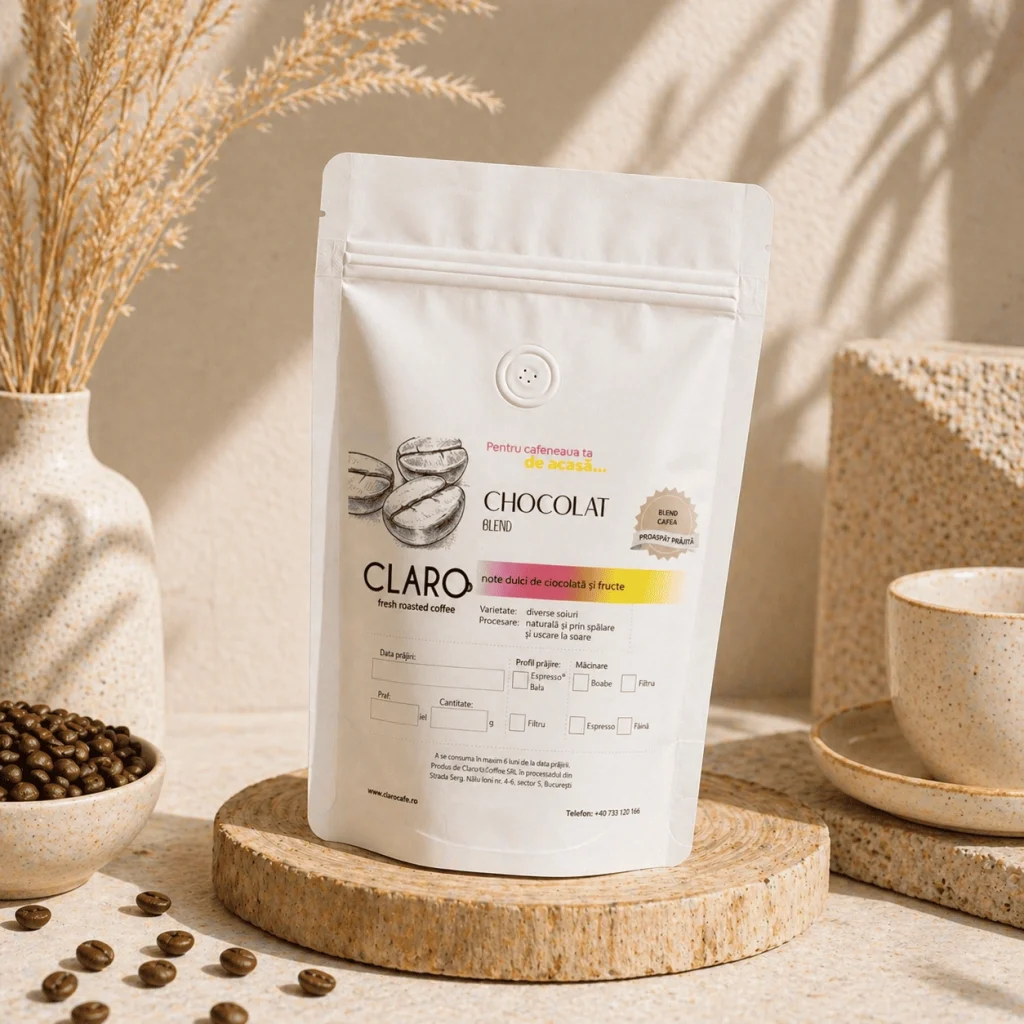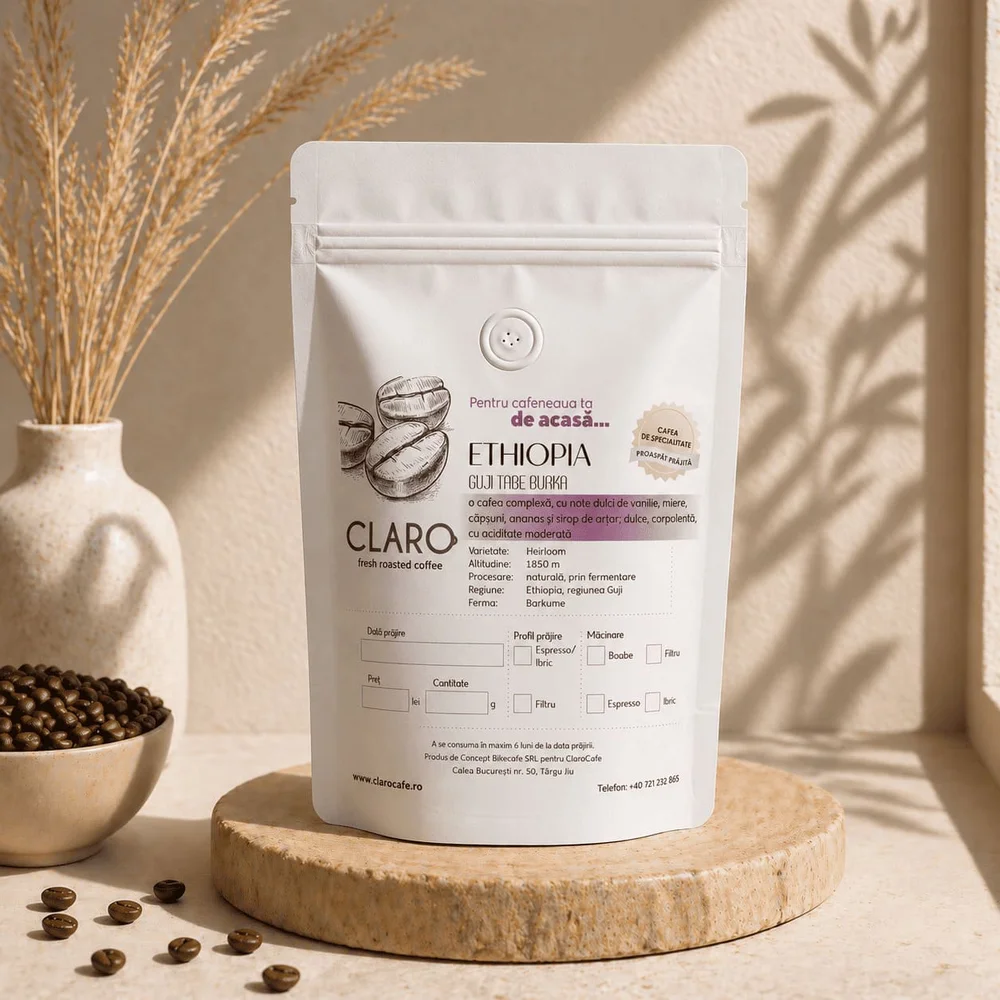
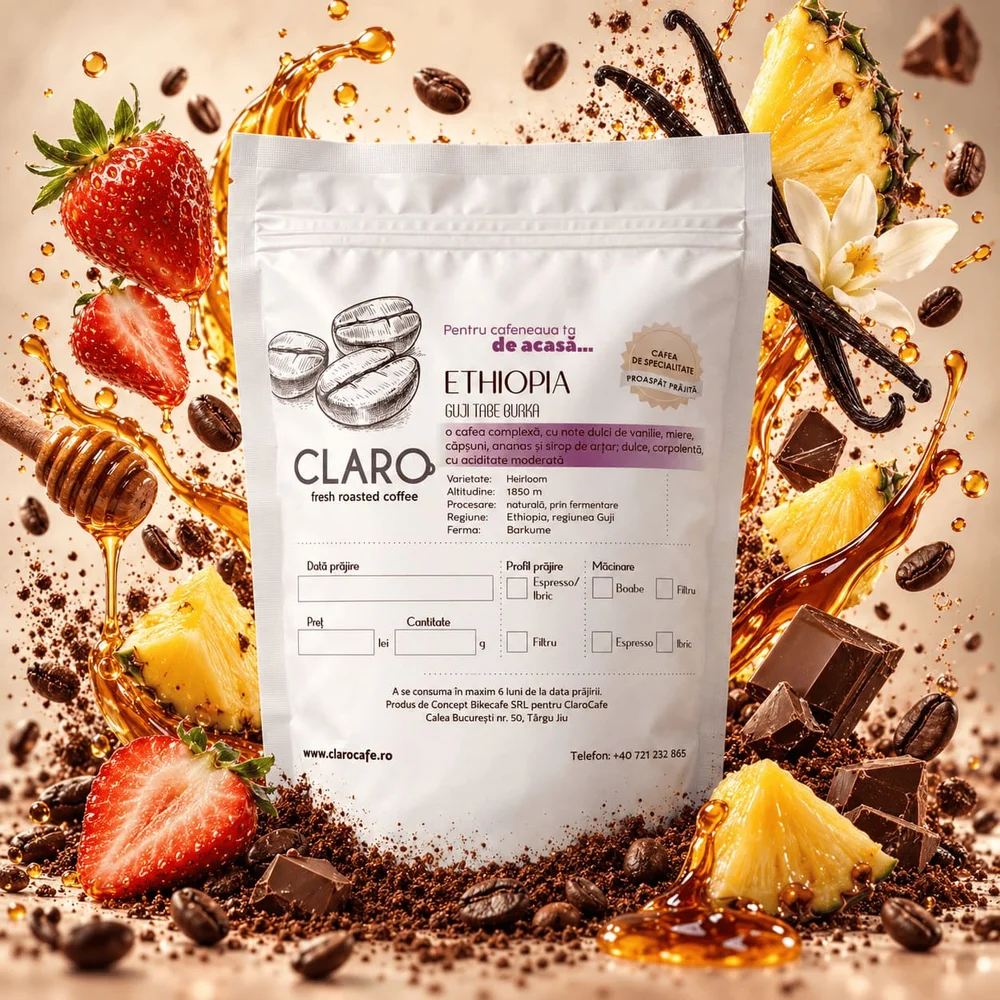
Ethiopia Guji Tabe Burka
Ethiopia
- Single Origin
Not rated yet · Be the first to review it
fromRON 65.00
≈ RON 245.00 / kg
You’ll be taken to the roaster’s shop to complete your purchase.
- Roaster based in
- Romania
- Ship to
- United States · Check on the roaster’s shop
Strawberries, pineapple, and vanilla over a creamy body and fruity acidity. Specialty coffee from Ethiopia’s Guji region. Naturally processed at 1,850 m — sweet and elegant.
Sizes and prices
| Grind | Roast profile | Coffee Size | Per kg | Price |
|---|---|---|---|---|
| Whole Beans | Omniroast | 250g | RON 260.00 | RON 65.00 ↗ |
| Ground-Espresso | Omniroast | 250g | RON 260.00 | RON 65.00 ↗ |
| Ground-Filter | Omniroast | 250g | RON 260.00 | RON 65.00 ↗ |
| Ground (French Press) | Omniroast | 250g | RON 260.00 | RON 65.00 ↗ |
| Ground (Ibrik) | Omniroast | 250g | RON 260.00 | RON 65.00 ↗ |
| Mokapot | Omniroast | 250g | RON 260.00 | RON 65.00 ↗ |
| Whole Beans | Omniroast | 500g | RON 250.00 | RON 125.00 ↗ |
| Ground-Espresso | Omniroast | 500g | RON 250.00 | RON 125.00 ↗ |
Show all 18
| Grind | Roast profile | Coffee Size | Per kg | Price |
|---|---|---|---|---|
| Ground-Filter | Omniroast | 500g | RON 250.00 | RON 125.00 ↗ |
| Ground (French Press) | Omniroast | 500g | RON 250.00 | RON 125.00 ↗ |
| Ground (Ibrik) | Omniroast | 500g | RON 250.00 | RON 125.00 ↗ |
| Mokapot | Omniroast | 500g | RON 250.00 | RON 125.00 ↗ |
| Whole Beans | Omniroast | 1kg | RON 245.00 | RON 245.00 ↗ |
| Ground-Espresso | Omniroast | 1kg | RON 245.00 | RON 245.00 ↗ |
| Ground-Filter | Omniroast | 1kg | RON 245.00 | RON 245.00 ↗ |
| Ground (French Press) | Omniroast | 1kg | RON 245.00 | RON 245.00 ↗ |
| Ground (Ibrik) | Omniroast | 1kg | RON 245.00 | RON 245.00 ↗ |
| Mokapot | Omniroast | 1kg | RON 245.00 | RON 245.00 ↗ |
Description
Specialty coffee
Ethiopia Guji Tabe Burka — coffee that tastes like fruit, not coffee
The first cup of naturally processed Guji surprises everyone.
It smells and tastes like ripe strawberries, followed by pineapple, with
vanilla and something strikingly similar to maple syrup in the background. Nothing is added
— it all comes from the way the coffee was processed.
It comes from the Guji region, Uraga district, at 1,850 meters above sea level,
and is grown by small producers who each own around three hectares, where they cultivate
coffee alongside other food crops. The lot bears the producer’s name,
Barkume. The beans are hand-picked and dried on raised beds for
15–18 days with the fruit intact — that’s where the explosion of flavors comes from.
Ethiopia Guji Tabe Burka is freshly roasted in Romania at the Claro Cafe artisan roastery,
in our omniroast style — a profile that lets the fruity notes
shine instead of covering them up. You can get it as whole beans or ground to order,
depending on your brewing method.
What makes it special
- Intensely fruity profile — strawberries, pineapple, vanilla, maple syrup
- Natural processing, dried on raised beds for 15–18 days
- Heirloom variety, part of Ethiopia’s genetic heritage
- Altitude of 1,850 meters in the Uraga district
- Lot traceable to the producer: Barkume
- Full, creamy body, unusual for a coffee this fruity
- Moderate, fruity acidity without sharp peaks
- Sweet, lingering finish
Traceability
Origin and technical details
Guji, the region that emerged from Yirgacheffe’s shadow
For years, coffees from southern Ethiopia were all sold under the names Sidamo or
Yirgacheffe. Guji has since made a name for itself, and the Uraga district
is one of the areas that built its reputation — high altitude,
fertile soils, and small, hand-worked lots.
What “Heirloom” means
Unlike other countries, where clearly identified varieties such as Caturra
or Bourbon are grown, Ethiopia has thousands of native varieties, many still
botanically unclassified. The term Heirloom covers this wild and diverse genetic
heritage, and it’s exactly why every Ethiopian lot brings a combination of flavors
that’s impossible to reproduce elsewhere.
Farmers with three hectares
The coffee is hand-picked by farmers who own around three hectares of land,
where they grow coffee alongside other food crops, in a sustainable
farming system. These aren’t industrial plantations, but small farms where coffee
is one source of income, not the only one.
Why natural processing matters
With natural processing, the coffee dries with the fruit intact around
the bean, rather than being washed first, as with most coffees. During the 15–18 days of
drying on raised beds, the sugars in the fruit pulp ferment slowly and transfer into
the bean. The result is exactly what you taste in the cup: strawberries, pineapple, and a sweetness that needs no
sugar. It’s also why natural coffee tastes more like fruit than traditional coffee.
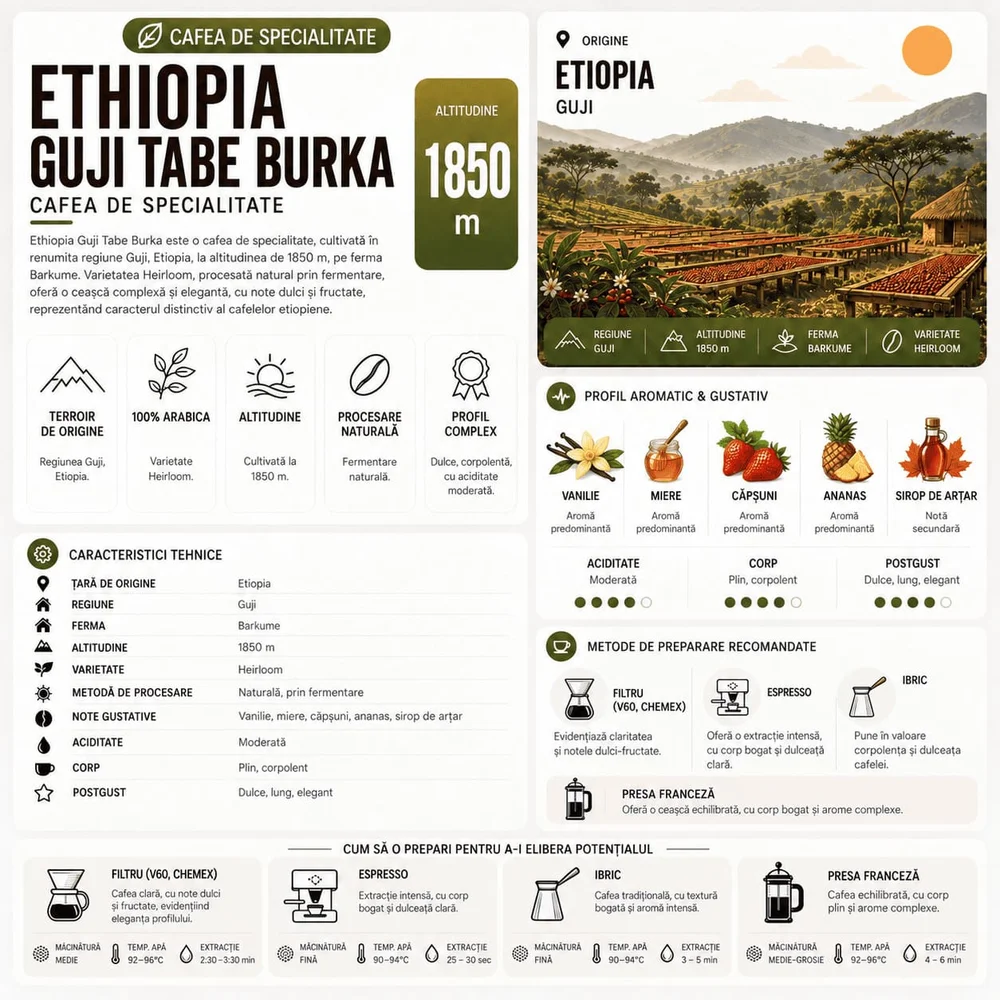
Technical details
- Country of origin
- Ethiopia
- Region
- Guji, Uraga district
- Altitude
- 1,850 meters
- Variety
- Heirloom
- Processing method
- Natural,
fermented - Drying
- Raised beds,
15–18 days - Producer
- Barkume
- Roast profile
- Omniroast (Claro Cafe)
The bean’s journey
-
Hand-picked
Only ripe cherries, hand-picked from lots of around three hectares. -
Dried with the fruit intact
The beans dry on raised beds without being washed first.
15–18 days -
Roasted in Romania
Omniroast profile, in small batches, at the Claro Cafe roastery.
In the cup
Aroma and flavor profile
The aroma greets you with ripe strawberries — sweet and fruity, almost like
compote. Pineapple comes through in the cup, bringing moderate acidity and a
tropical freshness, while vanilla rounds everything out.
The sweetness is distinctive: it’s like maple syrup, rich and
caramelized, backed by notes of honey and milk chocolate that emerge toward the end.
Nothing is sharp or aggressive — the acidity stays fruity, not citrusy.
The full, creamy body is the surprising part. Most coffees this
fruity are thin, but this one isn’t. Its thick texture supports the flavors and leaves a
sweet finish that lingers long after the last sip.
Dominant notes
Strawberries
Pineapple
Vanilla
Maple syrup
Secondary notes
Honey
Milk chocolate
Cup structure
<!– The levels below visually represent the description.
To adjust them, add or remove the data-on attribute from the segments, from left to right. –>
SweetnessIntense
AcidityModerate, fruity
BodyFull, creamy
- Dominant notesStrawberries, pineapple, vanilla, maple syrup
- Secondary notesHoney, milk chocolate
- AcidityModerate, fruity
- BodyFull, creamy
- TextureDense, velvety
- FinishSweet, lingering
- CharacterExuberant, fruity, complex
Brewing
Recommended brewing methods
Ethiopia Guji Tabe Burka behaves differently with each brewing method, but its sweetness remains constant.
Here’s how to get the best out of it.
Best for flavor
Espresso
The concentrated extraction brings out the chocolate and vanilla notes, with the fruit appearing as a surprising accent. It takes a little dialing in, because the intense sweetness of a naturally processed coffee can easily become unbalanced. With milk — as a cappuccino or latte — the fruit notes fade, leaving the milk chocolate notes up front.
Drip (drip coffee maker, V60, Chemex)
This is where it shows its true character. The clean extraction highlights the fruity and floral notes, producing a clear, refined cup in which the strawberries and pineapple come through separately. It also works very well in a classic drip coffee maker — pour-over offers a little more clarity, but not enough to put you off.
French press
It emphasizes the creamy body and sweet finish, producing a fuller, rounder cup. The fruity notes are still present, but take a back seat to the texture.
Stovetop pot and Moka pot
Both bring out the coffee’s sweet side. A stovetop pot makes a dense cup with honey and ripe fruit up front, while a Moka pot produces an intense flavor in which milk chocolate comes through more strongly than the fruit.
Frequently asked questions about Ethiopia Guji Tabe Burka
Why does it taste like strawberries? Is anything added to the coffee?
No, absolutely nothing is added. The flavors come from the natural processing: the bean dries with the fruit intact around it for 15–18 days, and the sugars in the pulp transfer into the bean during fermentation. Combined with the Heirloom variety and the altitude of 1,850 meters, these conditions bring out the strawberry and pineapple notes. It’s the same principle as letting fruit ripen, not flavoring.
How is it different from a washed coffee?
With washed coffees, the fruit pulp is removed before drying, so what ends up in the cup is the bean’s clean flavor — clear, precise, with more pronounced acidity. With natural coffees, the fruit stays on the bean and leaves behind sweetness and intense fruity flavors. Guji Tabe Burka is naturally processed, so it’s all about exuberance, not clarity.
How long does it stay fresh after roasting, and how should I store it?
Freshly roasted coffee is at its best within the first 30–60 days after roasting. Keep it in the original bag with its degassing valve, sealed tightly, at room temperature, away from light, heat, and humidity. Avoid the refrigerator — condensation affects the flavors. With naturally processed coffees, grinding fresh before each brew makes a big difference because the fruity notes are the most volatile.
Is it suitable for someone used to classic coffee?
It might come as a surprise. If you drink only coffees with chocolate and nut notes, the first cup may seem unusually fruity — some even say it tastes like fruit tea. It’s worth trying for that very reason, but if you want a familiar everyday coffee, Honduras COMSA is a better choice.
How does it compare with other Claro coffees?
It’s the most exuberant coffee in the lineup. Compared with Ethiopia Yirgacheffe, which is washed and leans toward floral and citrus notes, Guji Tabe Burka is naturally processed and leans toward red and tropical fruits, with a much fuller body. Compared with Honduras COMSA, which is balanced and chocolatey, it’s at the opposite end of the spectrum in aromatic intensity.
Can you make good espresso with it?
Yes, but it takes some dialing in. The intense sweetness of a naturally processed coffee can easily become unbalanced if the extraction is too long or too short. It’s worth experimenting with the ratio and timing until you find the sweet spot where the chocolate and vanilla come through, with the fruit as an accent.
Still have questions?
See the full page of questions and answers
Quick guide
Who Ethiopia Guji Tabe Burka is for
This is a coffee with a strong personality, not one you drink without noticing. Here’s,
in brief, who it suits and who it doesn’t — so you can choose something you’ll truly enjoy right away.
Choose this coffee if
- You want an intensely fruity coffee with pronounced natural sweetness
- You enjoy strawberry, pineapple, and vanilla notes
- You’re looking for a coffee that surprises you, not one that fades into the background
- You mostly brew with a drip method — that’s where it shines
- You enjoy naturally processed coffees
- You want a traceable lot from small producers
This coffee may not be for you if
- You prefer classic coffees, chocolatey and without fruity notes
- You want a neutral coffee for mindless daily drinking
- You want a coffee that pulls a perfect espresso without any dialing in
- You don’t enjoy naturally processed coffees and their intense sweetness
If you identify more with the second list, try
Honduras COMSA — sweet and balanced, with notes of
chocolate and caramel, at the opposite end of the spectrum in intensity.
Claro Cafe
Why choose Ethiopia Guji Tabe Burka from Claro Cafe
Ethiopia Guji Tabe Burka is for those who want to see just how far
coffee can go in terms of flavor. A lot traceable to the producer, naturally processed
and slowly dried on raised beds, from farmers who work three hectares, not hundreds.
Freshly roasted in Romania
Omniroast profile
Bags with degassing valves
At Claro Cafe, we freshly roast it in Romania in the omniroast style — a deliberate choice,
because the fruity notes of a naturally processed coffee quickly fade with an overly dark roast.
We immediately pack it in bags with degassing valves, specially designed to
preserve freshness.
Brew it with a drip method, smell it before the first sip, and let it cool a little.
As the temperature drops, the fruit notes become clearer and clearer — and
you’ll understand why naturally processed coffees from Guji have become sought after around the world.
Blog about coffee
Why coffee tastes burnt and eight simple solutions for brewing it right
A burnt taste is the last thing you want on a morning when…
Read…
May 7, 2020
What is espresso, and why is it still one of the most beloved coffees?
You know what they say: small but mighty. That’s Mr. Espresso — small in…
Read…
September 22, 2023
How to make delicious desserts with a hint of coffee
Experimenting in the kitchen is always an exciting adventure, especially when it comes to…
Read…
Reviews
No reviews yet.
Similar coffees
From Ethiopia, by other roasters
Black & White Roasters
The Natural
$13.73
Florian le Café
ETHIOPIA Guji coffee
$7.17
Medium
Earth Bean Coffee
Ethiopia Yirgacheffe
$17.65
Medium
Olympia Coffee
ETHIOPIA Bensa
$16.91
My Coffee Cup
SINGLE ORIGIN ETHIOPIA
$3.99
Light
Lee Coffee
Etiopia Yirgacheffee Oromia
$7.07
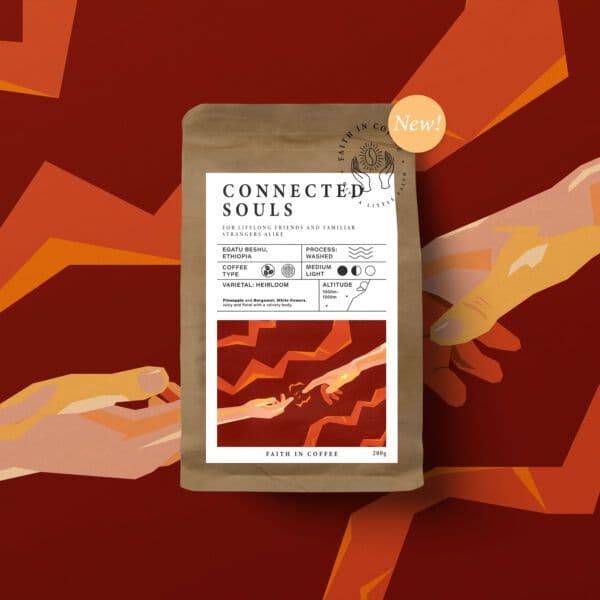
Faith In Coffee
Connected Souls
$10.06
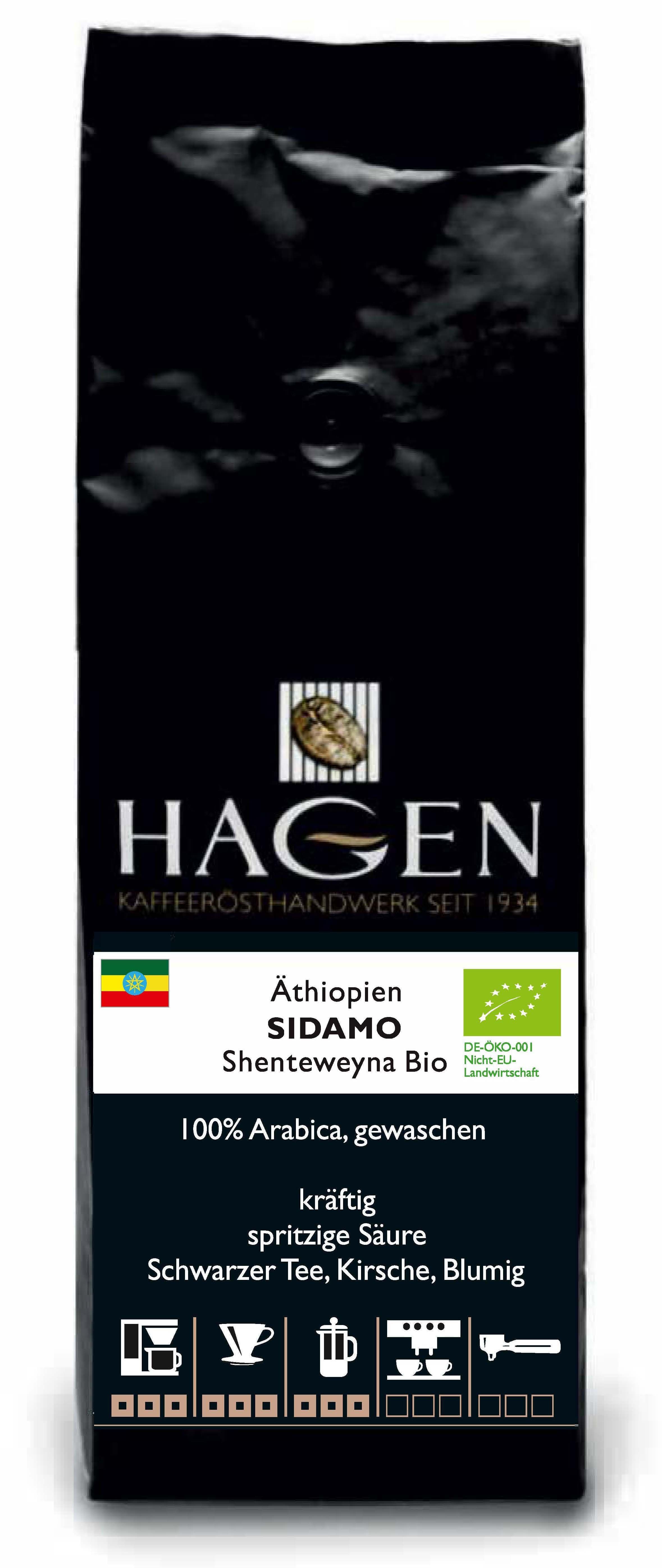
Hagen Kaffee
Ethiopia Sidamo Shenteweyna organic
$9.70
Medium